 Why Isn't Jasmine Black Tea as Fragrant as Jasmine Green Tea?
 Differences Among Wu Niu Zao, Longjing 43, and Qun Ti Zhong
 How Brewing Alishan Oolong Tea Differs in Zi Ni, Zhu Ni, and Duan Ni Yixing Teapots






Wu Niu Zao, Longjing 43, and Qun Ti Zhong are three tea varieties used for Longjing tea. In simple terms: Wu Niu Zao is the ‘early bird’ for a fresh first taste; Longjing 43 is the ‘steady achiever’ with reliable quality; Qun Ti Zhong is the ‘old master’ with deep, complex character.
Cultivar
Wu Niu Zao is an extra-early green tea variety from Yongjia County, Wenzhou, Zhejiang, also called ‘”Lingxia Tea” or “Jiaming No. 1”. Its defining feature is that it sprouts very early.
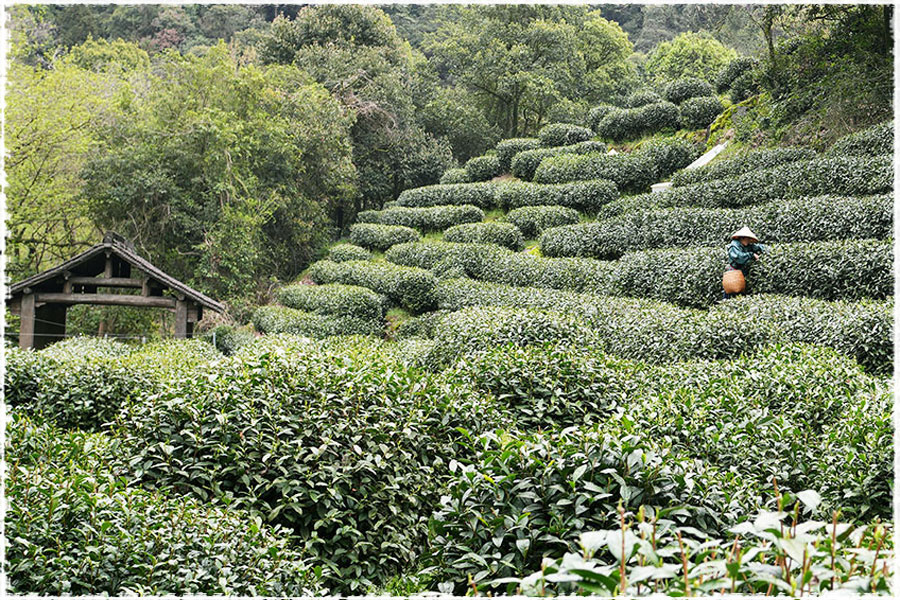
Longjing 43 is a nationally recognized clonal variety, developed by the Tea Research Institute of the Chinese Academy of Agricultural Sciences from the Longjing Qun Ti Zhong of Fenghuang Mountain, Hangzhou. It was named after the No. 43 individual plant selected in 1960. This variety features early sprouting, high yield, and an attractive leaf shape, and it has become the dominant cultivar in the West Lake Longjing region. The plants are grown in dense, closely spaced rows with uniform pruning, resulting in narrow spacing between them, a neat tea garden, and relatively uniform growth among the plants.
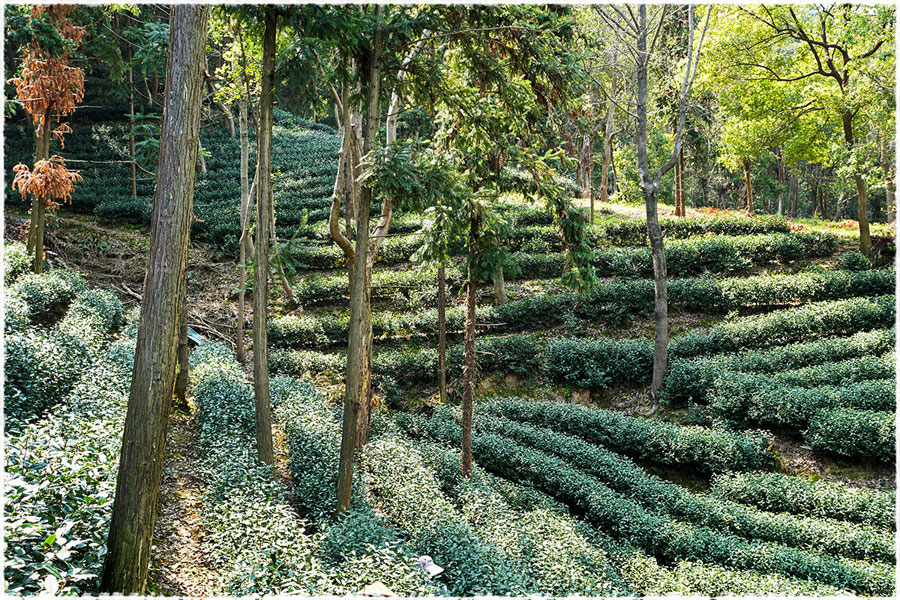
Qun Ti Zhong is a tea plant population formed through sexual reproduction (propagated by seed). Being more random in nature, the plants typically grow in natural clumps, like “standalone houses” distributed across the tea garden. As a result, there is considerable variation in plant height, growth vigor, and overall appearance.
Harvest Time
Wu Niu Zao is the earliest to enter the market, with large-scale harvests beginning from late February to early March, about 10 to 15 days earlier than Longjing 43.
Longjing 43 is typically harvested in mid to late March, about 7 to 10 days earlier than the Qun Ti Zhong.
Qun Ti Zhong is the latest, with harvesting usually starting around the Qingming Festival.
Appearance
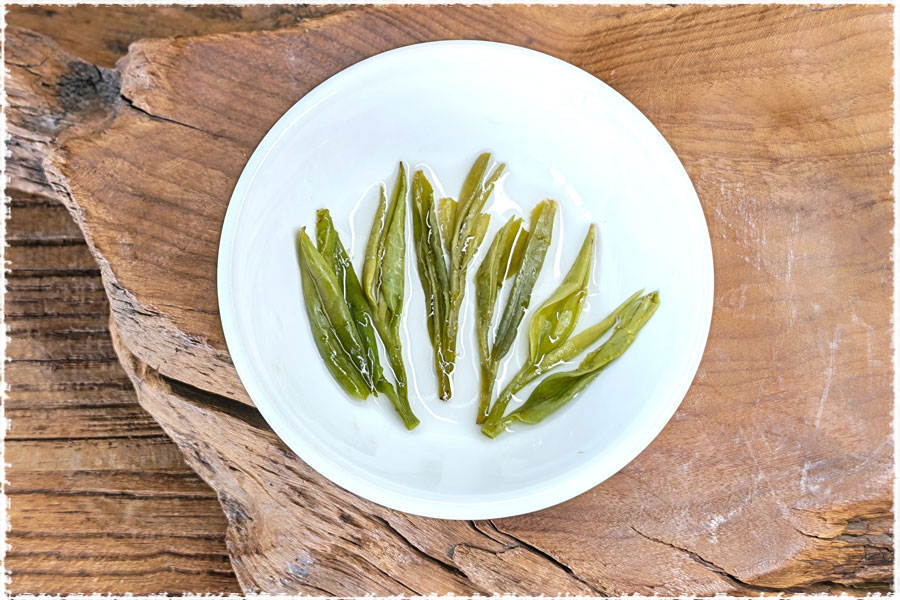
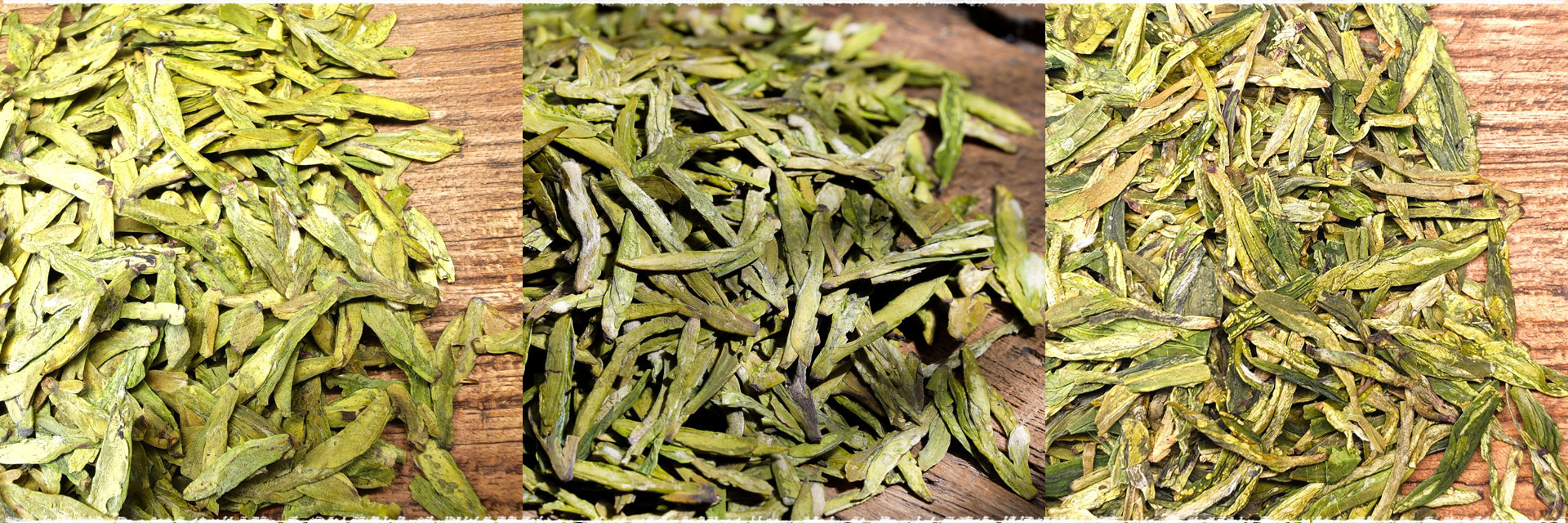
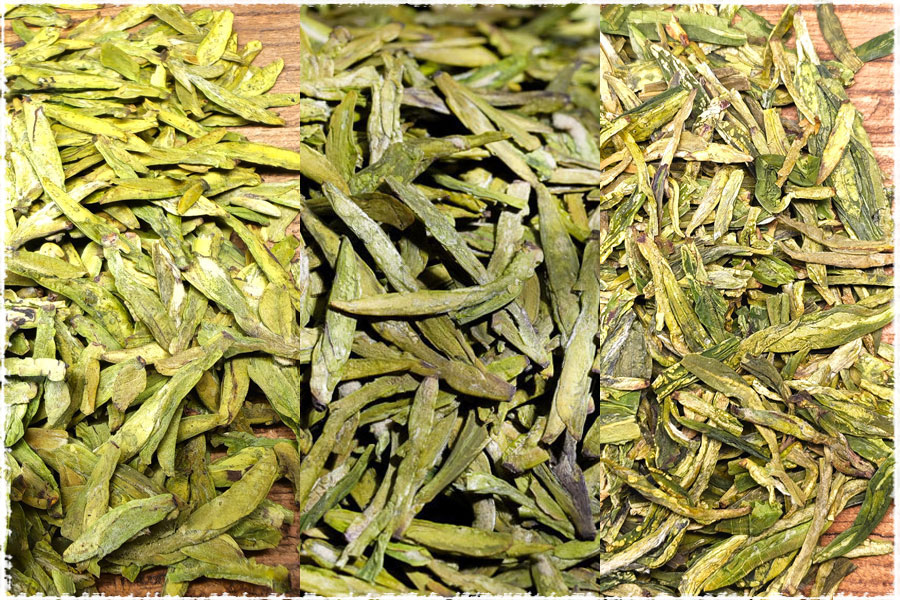
Wu Niu Zao: The buds are stout, short, and plump, with a bright green overall color. The leaves are visually attractive but relatively thin. The cut end of the stem displays grayish-brown to dark-brown hues.
Longjing 43: The buds and leaves are plump, slender, and uniform, with a tender yellowish-green color. Occasionally, faint reddish specks can be seen at the base of the shoots. The cut end of the stem is red.
Qun Ti Zhong: The buds and leaves vary noticeably in size and shape, with a coarser texture and a primarily green color. The overall appearance is less uniform than that of the other two varieties.
Aroma and Taste
Wu Niu Zao has a relatively light aroma and a refreshing taste. Its freshness is acceptable, but the aftertaste is short. The tea soup lacks richness and does not hold up well to multiple infusions.
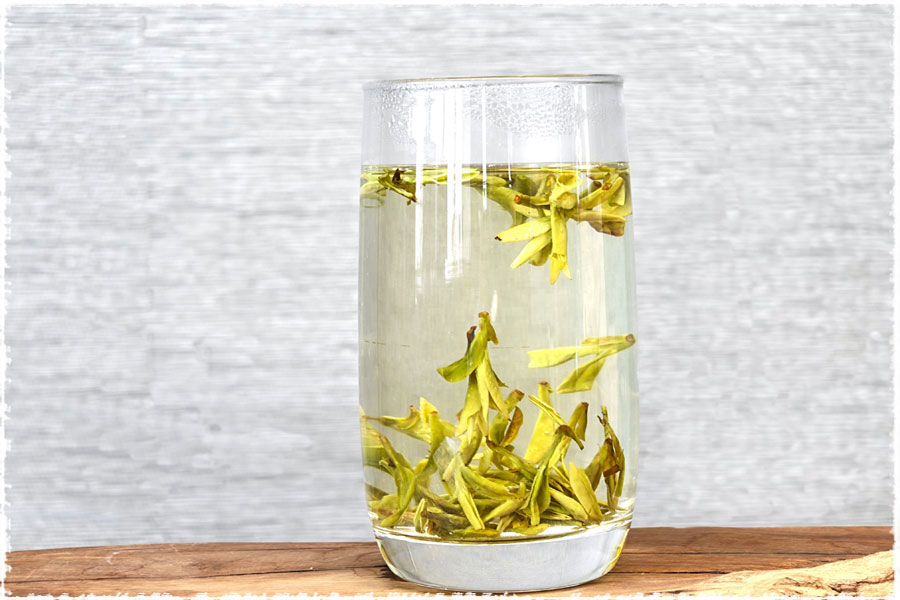
Longjing 43 has a strong, typical bean-like aroma. It tastes fresh, mellow, and full-bodied, with good sweetness in the aftertaste — making it the most mainstream flavor profile on the market today.
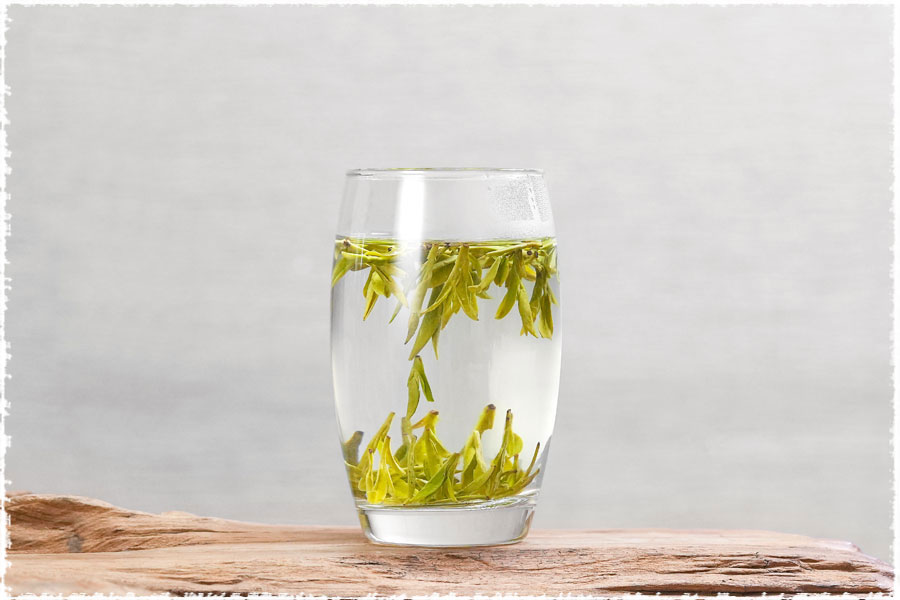
Qun Ti Zhong boasts the most complex and layered aroma, combining bean and chestnut notes with often elegant orchid fragrances. Its flavor is exceptionally rich, with a strong and enduring aftertaste, and the tea liquor is full-bodied and satisfying.
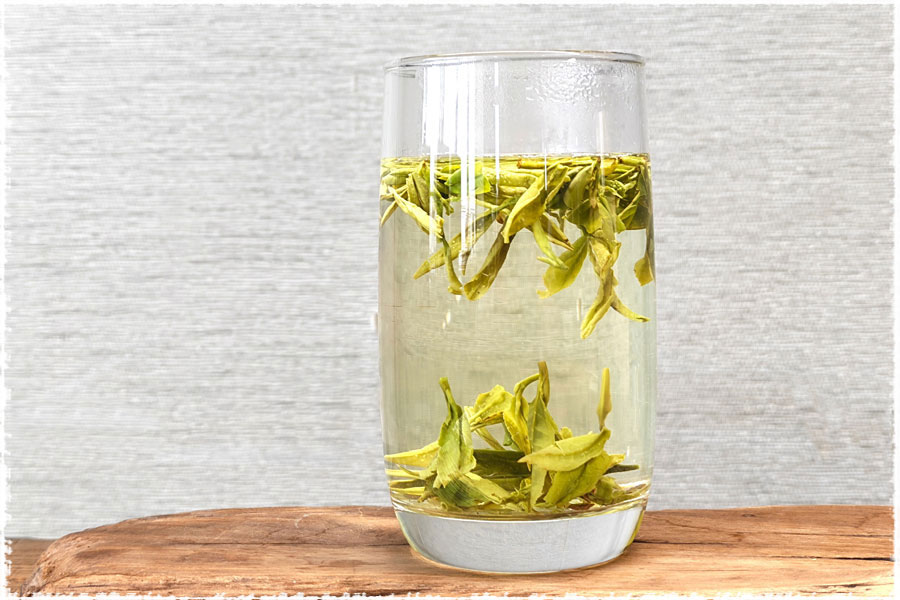
If you want to experience that fresh, early taste, Wu Niu Zao should be your first choice. Its greatest advantage is its earliness, allowing you to enjoy the new tea at the very start of spring. Its flavor is relatively light, however, making it better suited for those who prefer a clean, refreshing taste rather than a strong, bold tea.
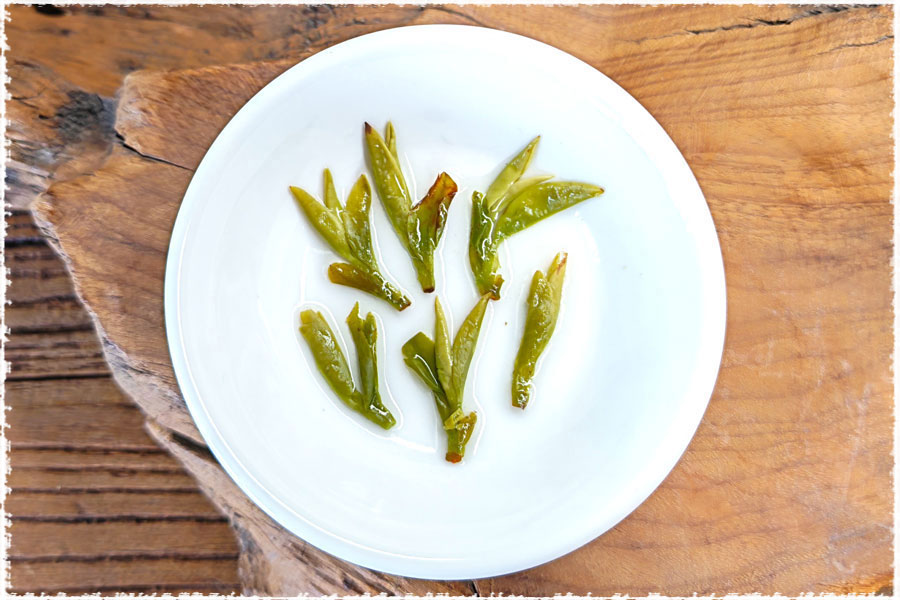
For beginners or everyday drinking, Longjing 43 is a highly reliable choice. It strikes the perfect balance between quality, flavor, and price. You get both the signature rich bean-like aroma of Longjing and a pleasant, refreshing taste—this is where most people begin their journey of falling in love with Longjing tea.
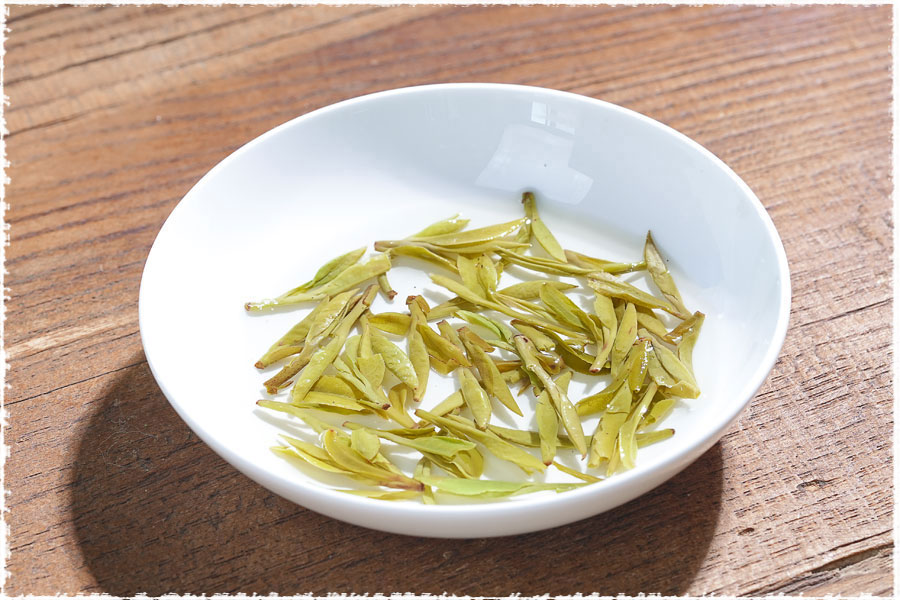
For seasoned tea drinkers seeking depth and complexity, Qun Ti Zhong is a must-try. Though it may not have the most attractive appearance and comes to market later, it delivers the richest aroma and the fullest, most mellow flavor. Its lingering sweetness and elegant orchid fragrance are unique to Qun Ti Zhong, representing the ultimate taste cherished by countless tea lovers.