 How to Choose the Right Teaware for Different Types of White Tea?
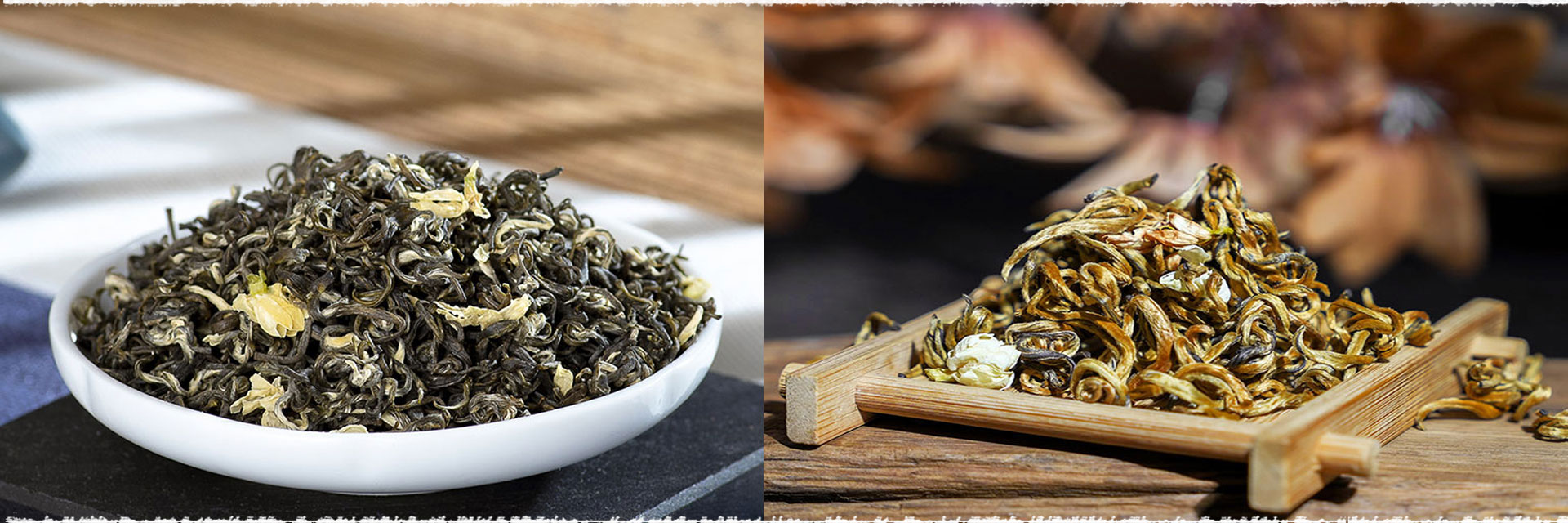 Why Isn't Jasmine Black Tea as Fragrant as Jasmine Green Tea?
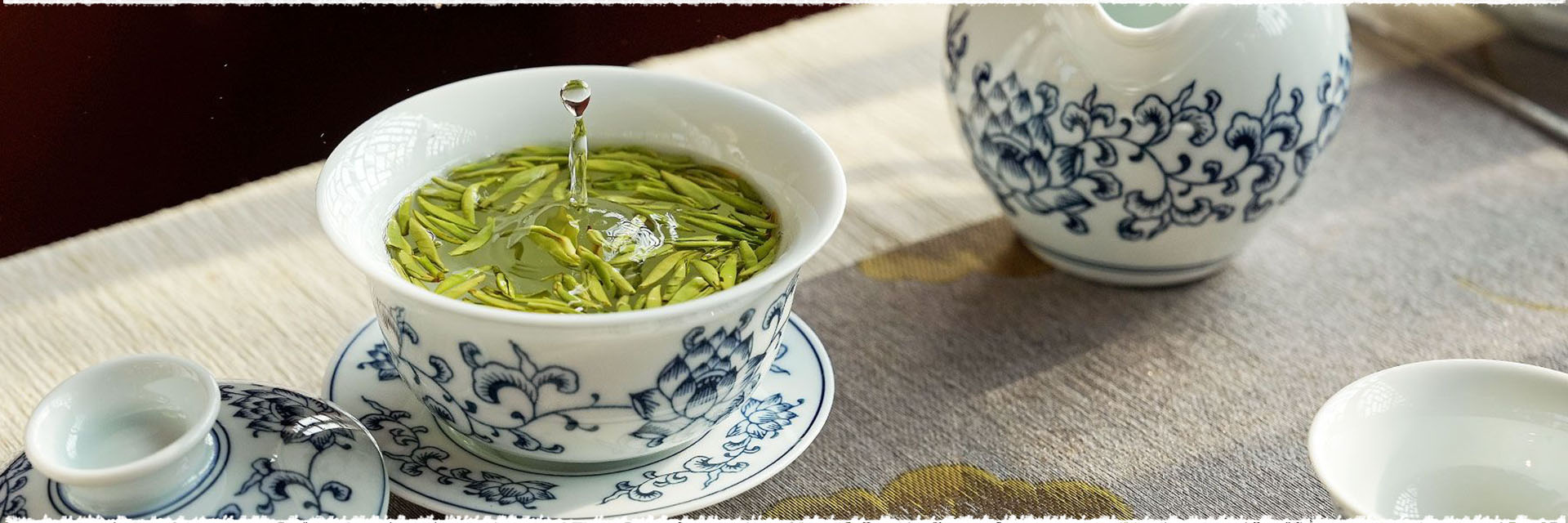 Tea Pouring Techniques: 5 Essential Water Pouring Methods for Better Tea Taste




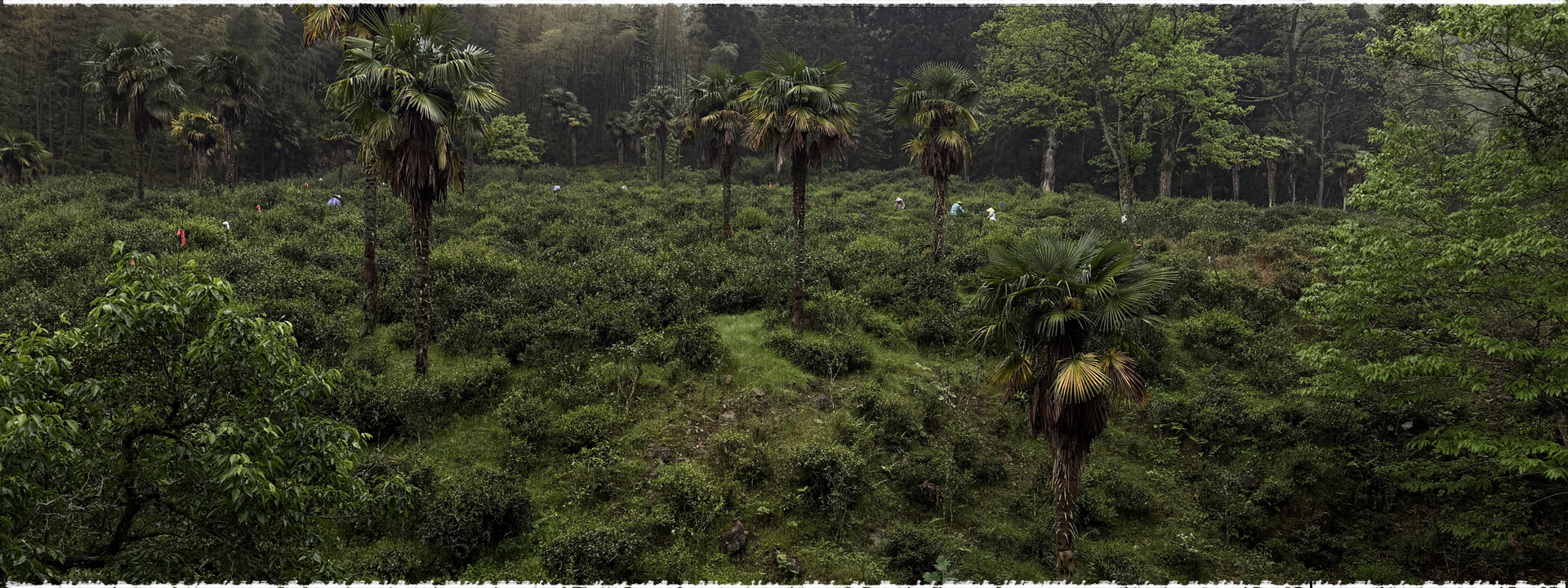
When people hear the name Lapsang Souchong, many immediately think of a strong smoky aroma, like pinewood campfires or smoked whisky. But here’s something many tea drinkers don’t realize: not all Lapsang Souchong is smoked.
What Is Lapsang Souchong?
Lapsang Souchong, also known as Zheng Shan Xiao Zhong, is considered one of the world’s earliest black teas. It originated in the Tongmu area of the Wuyi Mountains in Fujian Province, China.
The tea is made from tea leaves that undergo withering, rolling, oxidation, and drying. What makes it special is the processing method and the mountain terroir that create its signature longan fruit, honey, and pinewood notes.
Today, there are two major styles:
Smoked Lapsang Souchong
Non-Smoked Zheng Shan Xiao Zhong
Although they come from the same tea tradition, they taste surprisingly different.
Smoked Lapsang Souchong: Bold and Smoky
Smoked Lapsang Souchong is the version most familiar in Western markets. During processing, the smoke infuse into the tea leaves.
The smoky aroma is intense. Some tea drinkers love its bold personality, while others find it too strong.
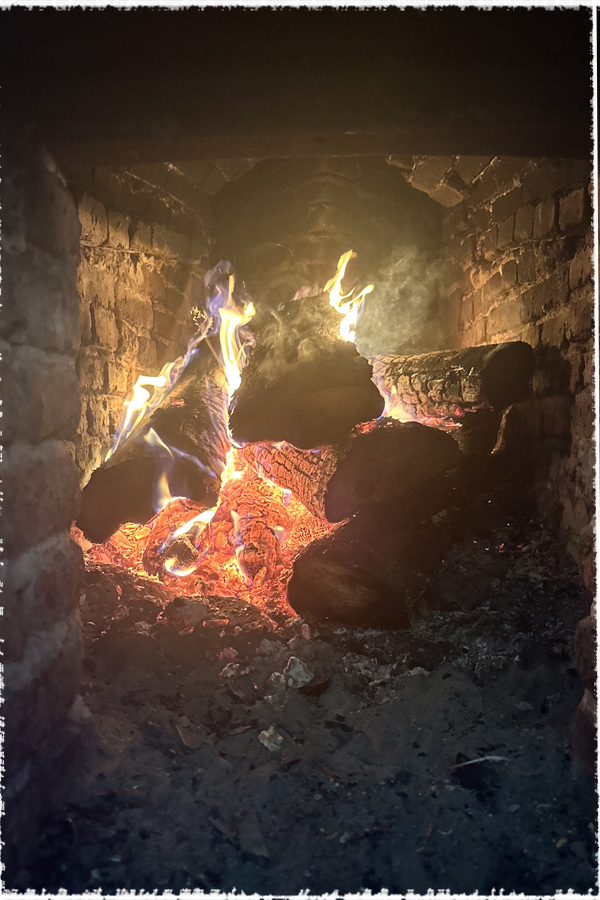
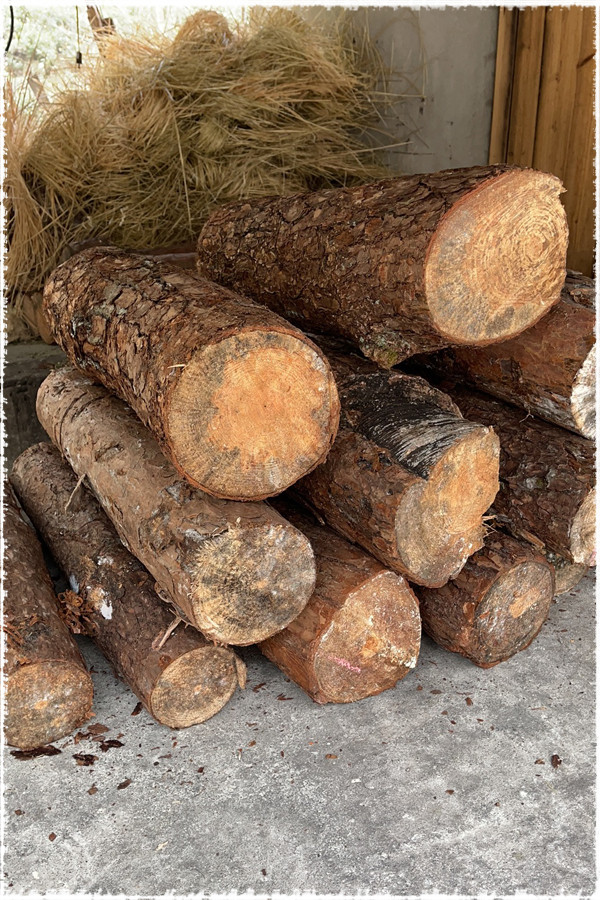
Why Is Lapsang Souchong Smoked?
Historically, smoking helped speed up the drying process and preserve the tea during transport. Over time, the smoky flavor became a defining characteristic for export markets.
Today, smoked Lapsang Souchong remains popular among drinkers who enjoy strong black teas, smoky, or roasted flavors.
The Traditional Qing Lou (Smokehouse) Process
What makes traditional Lapsang Souchong truly unique is the use of a special wooden smokehouse called a Qing Lou.
A Qing Lou is a multi-story wooden structure traditionally used in the Tongmu area of the Wuyi Mountains. It is specially built for smoking and drying tea leaves using pinewood fires.
How the Qing Lou Works?
Inside the Qing Lou, pinewood burns slowly on the ground floor, while tea leaves are placed on upper levels.
The tea leaves are not directly burned by flames. Instead, they are slowly dried by warm heat and drifting smoke rising through the building.
As the leaves dry, they gradually absorb the resinous aroma from the pine smoke. This process creates the signature scent associated with smoked Lapsang Souchong.
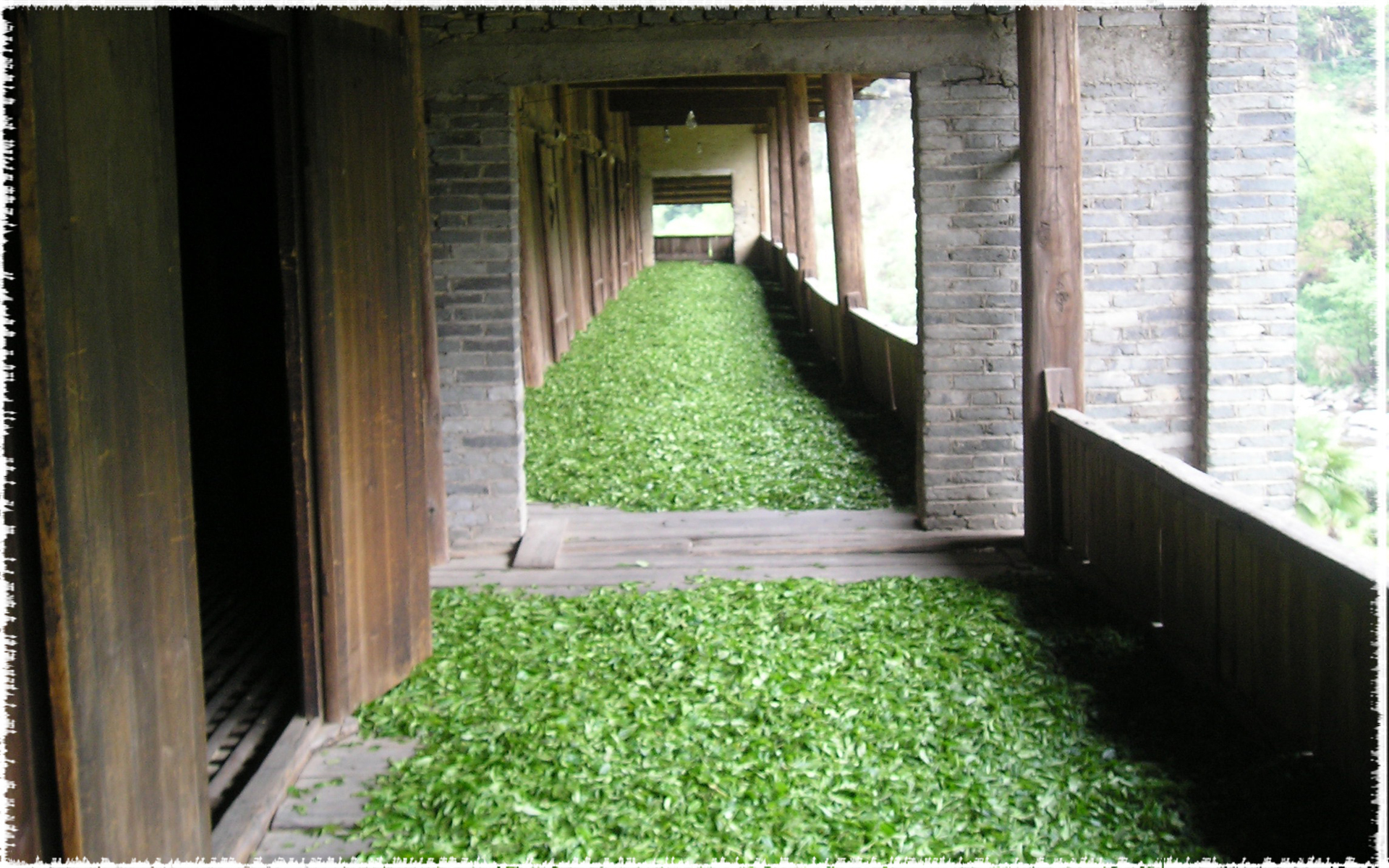
Non-Smoked Zheng Shan Xiao Zhong: Sweet and Refined
Non-smoked Zheng Shan Xiao Zhong represents the more traditional style appreciated by tea enthusiasts.
Instead of being heavily smoked, the tea is carefully dried to preserve the natural character of the leaf.
Flavor Profile
You’ll often notice:
· Longan fruit sweetness
· Honey aroma
· Floral notes
· Brown sugar
· Sweet potato
· Gentle pine fragrance
· Smooth, soft texture
Compared with smoked Lapsang Souchong, the non-smoked version is much more delicate, layered, and approachable.
Is Non-Smoked Lapsang Souchong “Fake”?
One common misunderstanding is that a non-smoked version is fake because it lacks the campfire aroma.
That’s not true.
Authentic Zheng Shan Xiao Zhong can be either smoked or non-smoked. In fact, many premium teas produced in Tongmu Village today are lightly smoked or completely unsmoked to showcase the tea’s natural sweetness and mountain character.
If your tea tastes smooth, sweet, fruity, and comforting instead of smoky, you may actually be drinking a higher-grade traditional style.
Which One Should You Choose?
Choose smoked Lapsang Souchong if you enjoy:
· Smoky whisky
· Roasted coffee
· Campfire aromas
· Strong, bold teas
Choose non-smoked Zheng Shan Xiao Zhong if you prefer:
· Sweet and smooth black tea
· Honey and fruit notes
· Elegant complexity
· Traditional Chinese tea flavors
Both styles reflect different expressions of the same historic tea tradition.

























