 How to Choose the Right Teaware for Different Types of White Tea?
 Why Isn't Jasmine Black Tea as Fragrant as Jasmine Green Tea?
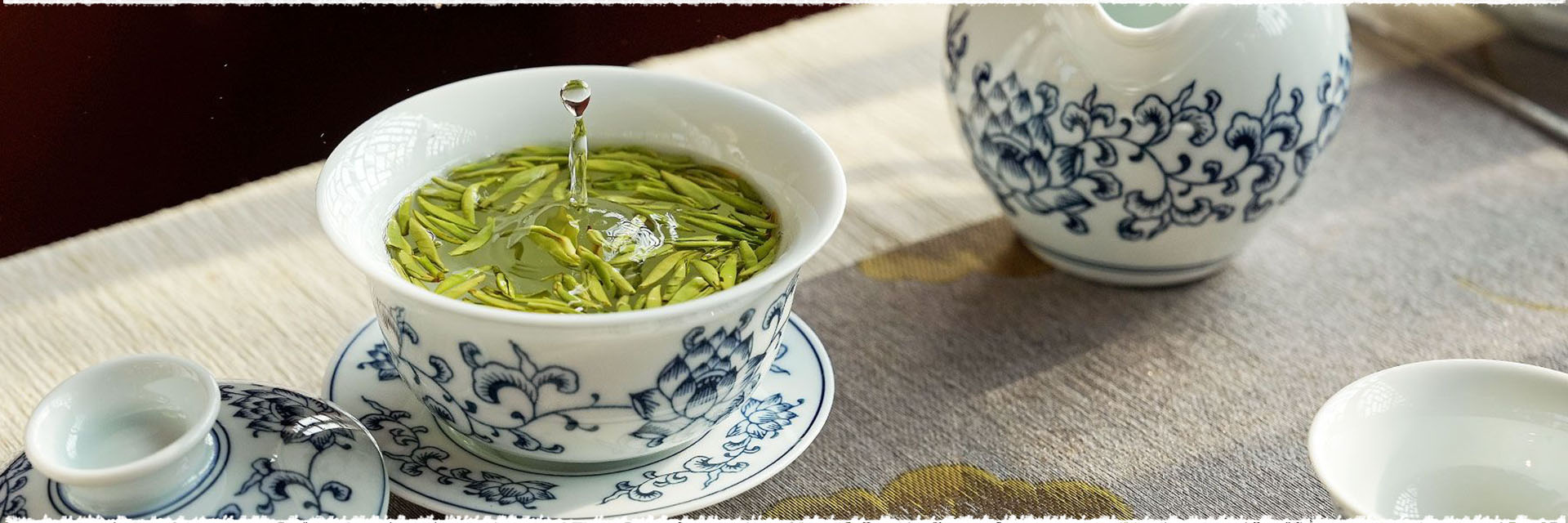 Tea Pouring Techniques: 5 Essential Water Pouring Methods for Better Tea Taste






Tea pouring techniques are key in Gongfu tea brewing, yet they are often overlooked.
The way you pour water—how high, where, and how fast—can change the tea’s aroma, taste, and extraction.
In this guide, you’ll discover 5 easy tea pouring techniques. You’ll also see how to pair them with different tea types for the best brewing results.
Why Tea Pouring Technique Matters
Many people think brewing tea is pouring water into the cup, but it’s actually more than that. The way you pour water changes three main aspects:
Temperature control: A high pour keeps the water hot. This is perfect for teas that need high heat to enhance their aroma. A low, gentle pour cools the water. This is better for delicate tea buds.
Flavor Release: A strong water flow causes the tea leaves to move more, so the flavor comes out faster. But a slow, gentle pour keeps things delicate and helps prevent bitterness.
Aroma: A high pour lifts the smell of the tea, making it more noticeable. A low pour keeps the aroma closer in the cup and makes the taste feel smoother.
Once you get this, you can change your pouring style based on the tea you’re brewing. This lets you move beyond fixed rules.
5 Tea Pouring Techniques for Gongfu Tea
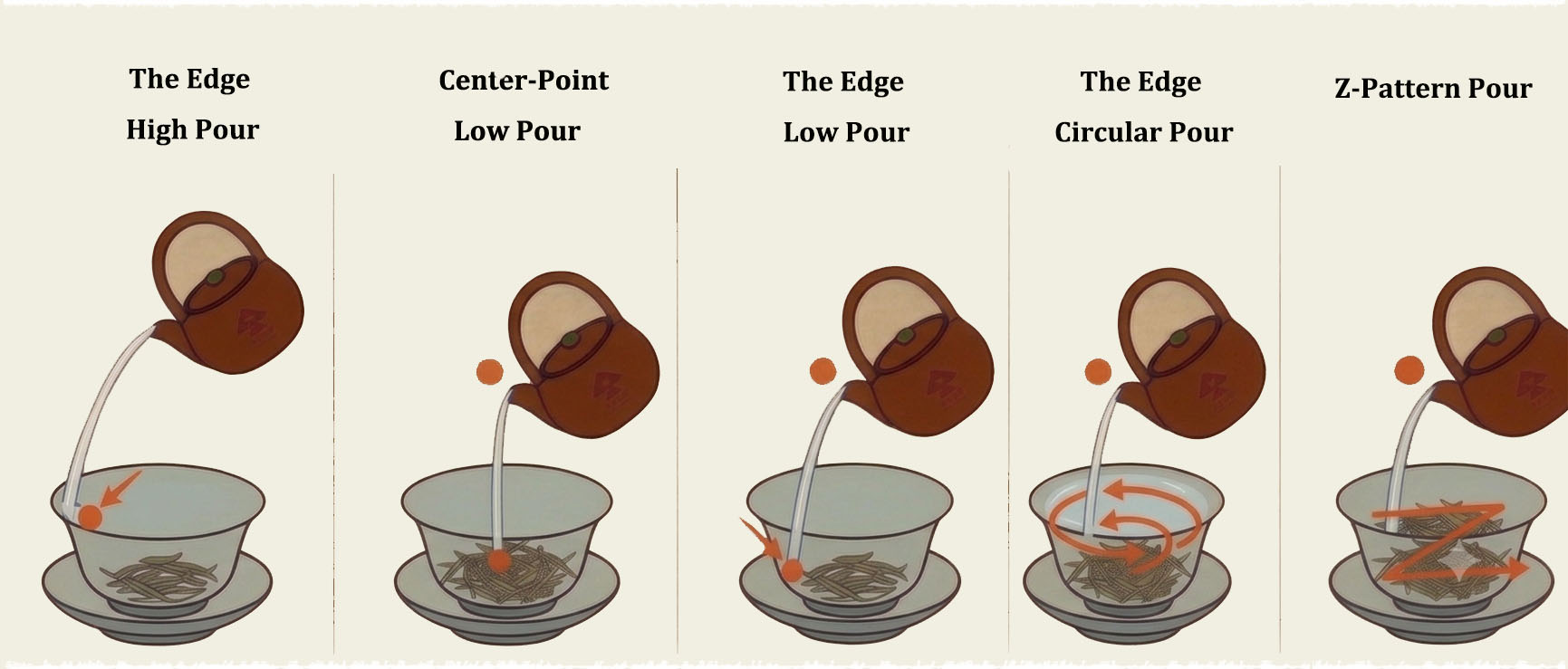
The Edge High Pour: Best for Oolong tea, such as Tie Guan Yin and Phoenix Dancong. The strong water flow lifts the aroma and enhances the rich fragrance of high-aroma teas. This leads to a fuller taste.
The Center-point Low Pour: Best for dark teas and aged white teas, especially compressed ones. The water should be soft and slow, pouring right into the center of the tea so it soaks in slowly. This method helps avoid a dry outside and wet inside, and brings out a smooth, aged flavor.
The Edge Low Pour: Great for broken leaves, or when using more leaves with Gong Mei and Bai Mu Dan. Pour gently along the cup wall. This protects the tender leaves from heat damage. It helps keep the tea clear and pleasant to drink.
The Edge Circular Pour: Best for Silver Needle, green tea, jasmine tea, and Jin Jun Mei. Pouring in a circular motion helps heat the leaves evenly. This keeps the taste fresh, sweet, and smooth without any bitterness.
The Z-Pattern Pour: Best for fluffy teas like raw Pu-erh and white tea. Pour in a “Z” shape to wake up the leaves quickly and prepare them for the next rounds of brewing.
1.The Edge High Pour
High pour along the edge: brings out the full aroma of oolong tea
For high-aroma oolong teas like Tie Guan Yin or Phoenix Dancong, the best method is the “high pour along the edge.” To pour, raise the kettle. Pour the water in a thin stream along the edge of the gaiwan, keeping it at one spot.
Why do this? These teas are tightly rolled, and their aroma is locked deep inside the leaves. The strong water flow helps the leaves move in the water, and the high heat quickly opens them up. This releases the orchid-like and honey notes very fast, almost as if the aroma is bursting out.
Pouring along the edge also prevents the leaves from being cooked or over-steeped at once. The water flows and circles inside the cup, helping the heat spread more evenly. This results in a tea that has a strong aroma and a rich taste.
If the water is too cool or the pour is too soft, the aroma gets stuck in the leaves. Then, the tea tastes flat and dull.
2. The Center-Point Low Pour
Low pour to the center: a slow match with compressed tea
Dark teas and aged white teas are often pressed into cakes or bricks. These teas are dense and need a slow, patient approach.
That’s where the “center-point low pour” comes in.
“Center-point” means you pour water right into the middle of the tea. “Low pour” means keeping the kettle close, allowing for a soft and steady flow of water.
You can think of this process as like watering dry soil—you can’t rush it. The water needs time to slowly sink in. If you pour too hard, the outside will steep too much while the inside stays dry. This causes an uneven brew that can taste bitter.
With a gentle, steady pour, hot water slowly works its way into the tea cake. It helps bring out the smooth, sticky texture of dark tea and the soft, jujube-like notes in aged white tea.
The result is a warm, smooth cup that feels calm and comforting from the first sip to the last.
3. The Edge Low Pour
Low pour along the edge: Great for broken leaves, or when using more leaves with Gong Mei and Bai Mu Dan.
Teas like Gong Mei and White Peony are loose white teas, often brewed in larger amounts. Sometimes, you might find teas with more broken leaves. So, it’s important to be gentle when brewing. The “edge low pour” is the right method here.
When using this technique, you still pour along the edge of the cup, but the key is to keep the pour low and soft. If the water is poured too high or too fast, the leaves will jump around too much. This can make the tea cloudy, and it can also cause the flavor to come out too quickly, making it strong, bitter, or sharp.
With a low, gentle pour, the water slides slowly down the cup wall. It feels like you’re gently lifting the leaves without disturbing them. The water then slowly covers the tea.
This method helps keep the leaves calm in the water and prevents over-extraction. The result is Gong Mei, which has a sweet and smooth taste. There’s also White Peony, known for its soft floral aroma. The tea offers a bright amber soup that is clear, easy to drink, and well-balanced.
4. The Edge Circular Pour
Low circular pour: gentle, even heating for tender buds
Teas like Silver Needle, fine green teas, jasmine tea, and Jin Jun Mei are made from very tender buds. For these types of teas, the “circular low pour” works best.
When pouring, keep the water level low and steady, and move your wrist in a slow circle. This allows the water to flow evenly across the tea instead of hitting one spot too strongly.
Tender buds are very sensitive to heat. If one area gets too hot, it can over-steep while other parts are still not fully opened. Circular pouring helps all the buds warm up evenly.
The result is a cup that is smooth, soft, and naturally sweet. The freshness stays intact. There’s no bitterness—just a clean, spring-like taste in each sip.
5. The Z-Pattern Method
Z-Pattern: quickly waking up “sleeping” fluffy tea
For fluffy teas like raw Pu-erh or white tea, the leaves are often thick, loose, and easy to float on the water. The first rinse is crucial in this process.
Pour by moving your wrist freely. Let the water flow in a “Z” shape: start from the left, go to the right, and then down across the tea surface. This changing water path helps cover the whole tea surface, so all the leaves get wet more evenly.
The Z-pattern is better than fixed-point pouring. It wets all the tea leaves quickly and evenly, helping them wake up fully. It prepares the tea for more stable brewing later.
A good rinse leads to better brews. This means the cups will taste balanced, not weak or flat.
Tips:
In practice, these methods are not fixed rules. You can adjust them depending on the stage of brewing.
In my experience, changing your pouring style as the tea opens up works better. Sticking to one method from start to finish isn’t as effective. It gives you more control, resulting in a tea that tastes more balanced and vibrant.
For example, with a good raw Pu-erh, you can use a slightly higher pour in the first few brews to lift the aroma. In the middle, switch to a slow, low pour for balance. Later, when the leaves are fully open, use a very gentle fixed-point pour to avoid bitterness.
Tea is personal. The more you try, the more you find your own rhythm — and that’s when the tea feels just right.
Which Tea Pouring Method Should You Use?
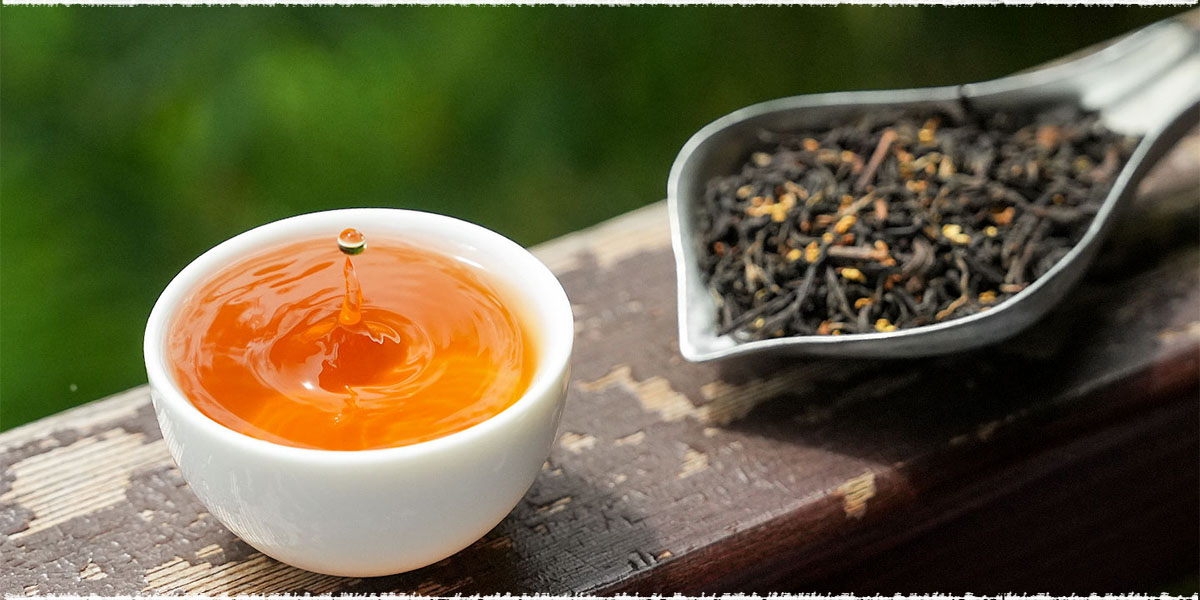
Tea pouring techniques are a simple but powerful way to control tea flavor. Once you understand these simple pairings, you can easily adjust your pouring technique to bring out the best flavor of each tea.
The table below summarizes the best method for each tea type.
| Tea Type | Recommended Pouring Method | Purpose |
|---|---|---|
| High-aroma Oolong (Tie Guan Yin, Dancong) | The Edge High Pour | Enhance aroma and energy |
| Pu-erh / Compressed Tea | The Center-Point Low Pour | Ensure even extraction |
| Great for broken leaves, or when using more leaves with Gong Mei and Bai Mu Dan. | The Edge Low Pour | Protect tenderness and clarity |
| Green Tea / Bud Tea / Jin Jun Mei / jasmine tea | The Edge Circular Pour | Prevent overheating and bitterness |
| For fluffy teas like raw Pu-erh or white tea | The Z-Pattern Method | Wake up dry leaves |
FAQ
What is the best tea pouring technique?
There is no single best technique. The right method depends on the tea type. High-aroma oolong tea works best with a high pour to lift fragrance. Tender bud teas need a low, gentle pour to stay fresh. Compressed teas benefit from a slow, fixed-point pour to open evenly.
Does pouring height affect tea flavor?
Yes. A higher pour keeps the water temperature steady. This helps the leaves move more, which creates a stronger aroma and a fuller taste. A lower pour is softer, giving a smoother, sweeter cup with less bitterness.
Can I use different pouring methods for the same tea?
Yes, and it is recommended.
Changing the pouring style while brewing can enhance balance.
Use higher pours early for better aroma.
Pour low in the middle for balance.
Finish with gentle pours to cut bitterness.
This flexible approach often helps you find a more complete and satisfying rhythm in the cup.
What is Gongfu tea brewing method?
Gongfu tea brewing is a classic Chinese method. It focuses on carefully controlling: water temperature, the ratio of tea to water, steeping time, and pouring technique.
It’s not just a type of tea. It’s a method that brings out the aroma, flavor, and character of the tea leaves.

























