 How to Choose the Right Teaware for Different Types of White Tea?
 Why Isn't Jasmine Black Tea as Fragrant as Jasmine Green Tea?
 Tea Pouring Techniques: 5 Essential Water Pouring Methods for Better Tea Taste






White tea is often described as one of the simplest teas to brew. However, choosing the right teaware can change the flavor, aroma, and texture of the tea.
Different types of white tea, such as Baihao Yinzhen (Silver Needle), Bai Mudan (White Peony), Gong Mei, and Shou Mei, have different leaf structures, oxidation levels, and aging potential. A delicate young white tea needs gentle heat control, while an aged white tea benefits from teaware that can retain warmth and enhance its deeper flavors.
Choosing the right teaware allows you to bring out the natural sweetness, floral aroma, and smooth body that make white tea unique.
Quick Guide: Best Teaware for Different White Teas
| White Tea Type | Recommended Teaware | Why |
| Baihao Yinzhen (Silver Needle) | Glass cup, porcelain gaiwan | Preserves delicate floral aroma and fresh sweetness |
| Bai Mudan (White Peony) | Porcelain gaiwan | Balances floral notes and fuller body |
| Gong Mei | Porcelain gaiwan, clay teapot | Enhances richer herbal and fruity flavors |
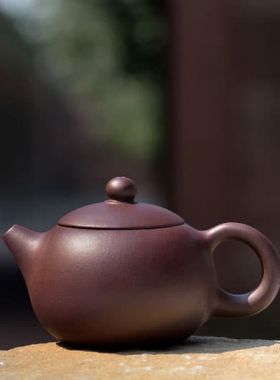
| Shou Mei | Yixing teapot, Jianshui teapot, ceramic teapot | Brings out aged, woody, and mellow flavors |
| Aged White Tea | Clay teapot, thick porcelain pot | Improves texture and highlights mature aromas |
Baihao Yinzhen (Silver Needle): Choose Delicate Teaware
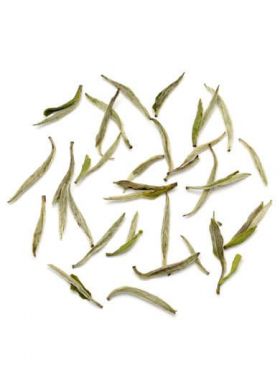
Baihao Yinzhen, also called Silver Needle, is the most delicate and prized type of white tea. It is made mainly from young tea buds covered with fine white hairs called tea down (bai hao).
Its flavor is usually:
• Fresh and floral
• Lightly sweet
• Silky and smooth
• With notes of melon, honey, and fresh hay
Because Silver Needle has a delicate aroma, the best teaware should allow you to appreciate its subtle fragrance without adding extra heat or flavor.
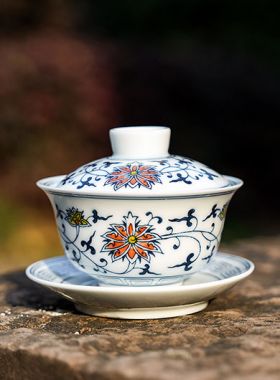
Porcelain Gaiwan
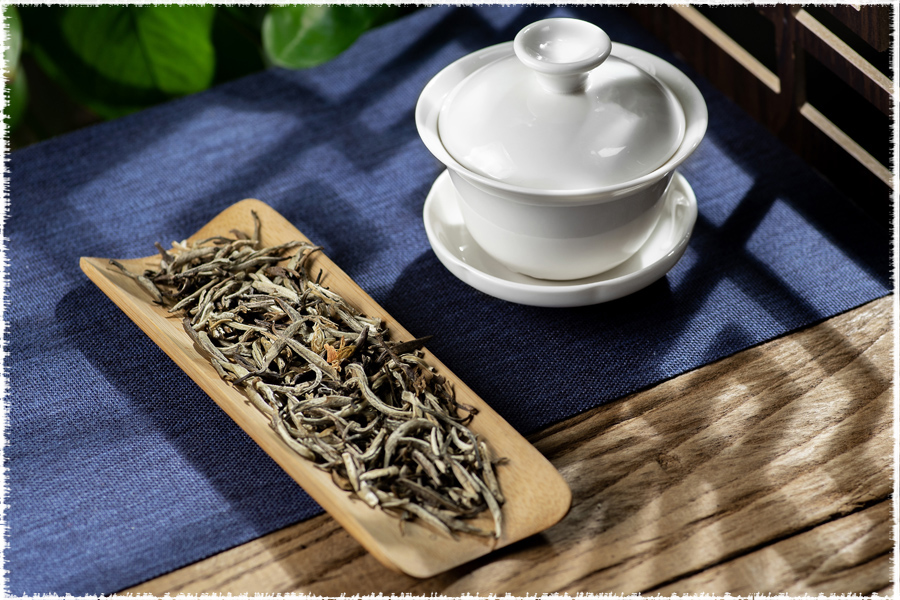
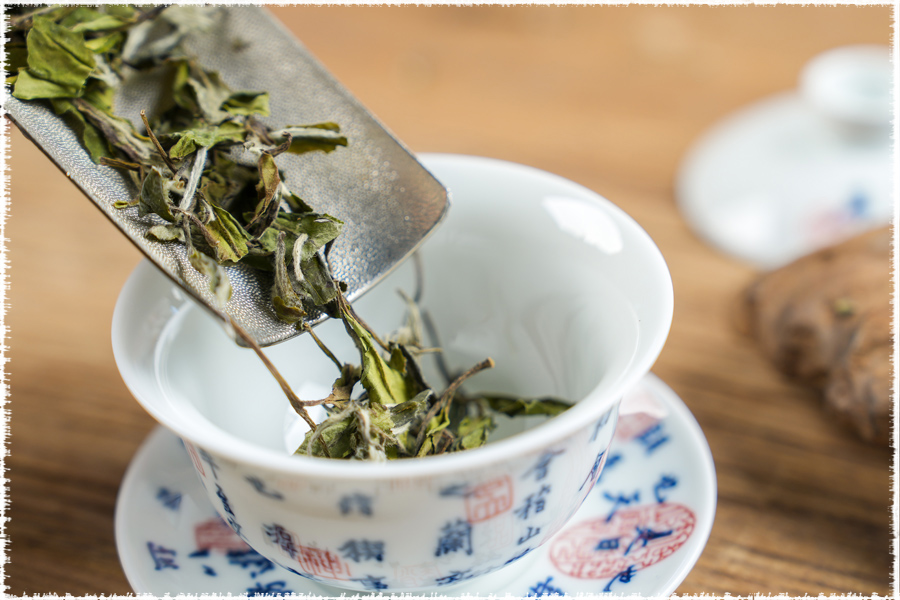
A porcelain gaiwan is one of the best choices for Silver Needle.
Why?
• Porcelain does not absorb aroma
• It allows you to taste the tea’s natural character
• It provides good control over brewing time
• The thin walls prevent excessive heat retention
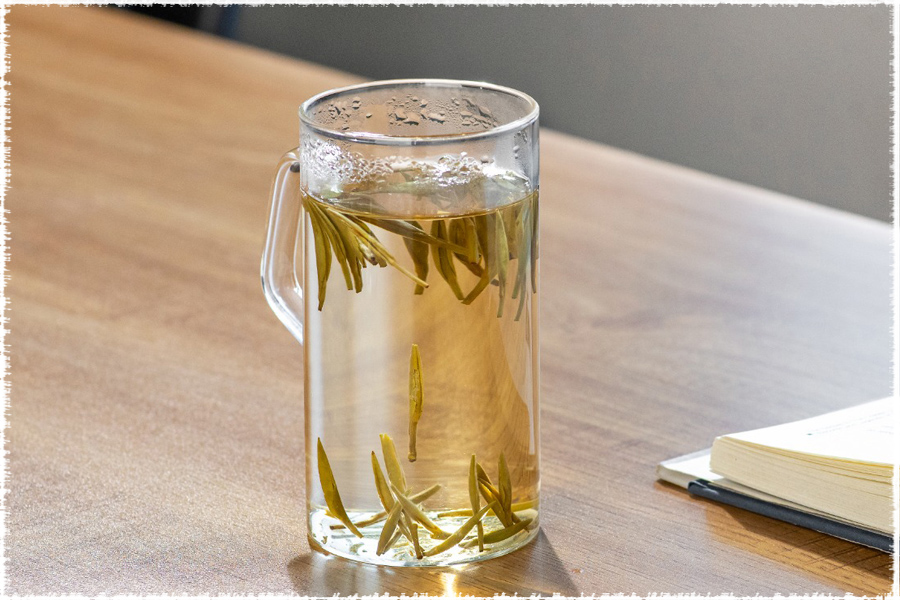
Glass Cup
A glass cup is also excellent for Silver Needle because you can enjoy the beautiful sight of the buds slowly floating and dancing in the water.
Bai Mudan (White Peony): The Most Versatile White Tea
Bai Mudan is made from both young buds and tender leaves, giving it a more balanced character than Silver Needle.
Compared with Silver Needle, Bai Mudan has:
• More body
• Stronger floral aroma
• Slight vegetal freshness
• Creamy texture
• Notes of peach, hay, and mild spice
Porcelain Gaiwan
A porcelain gaiwan is the classic choice because it highlights:
• Fresh floral aromas
• Sweet aftertaste
• Clean mouthfeel
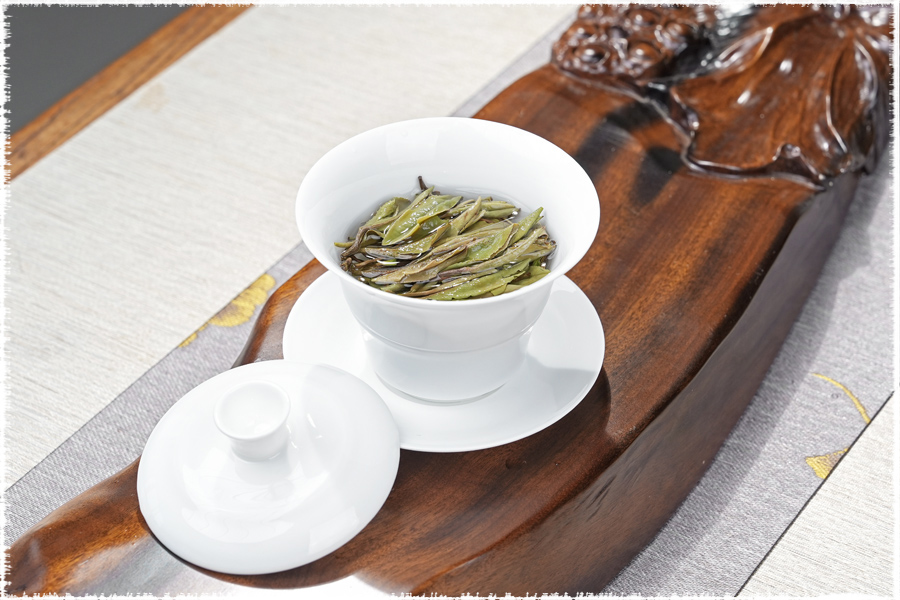
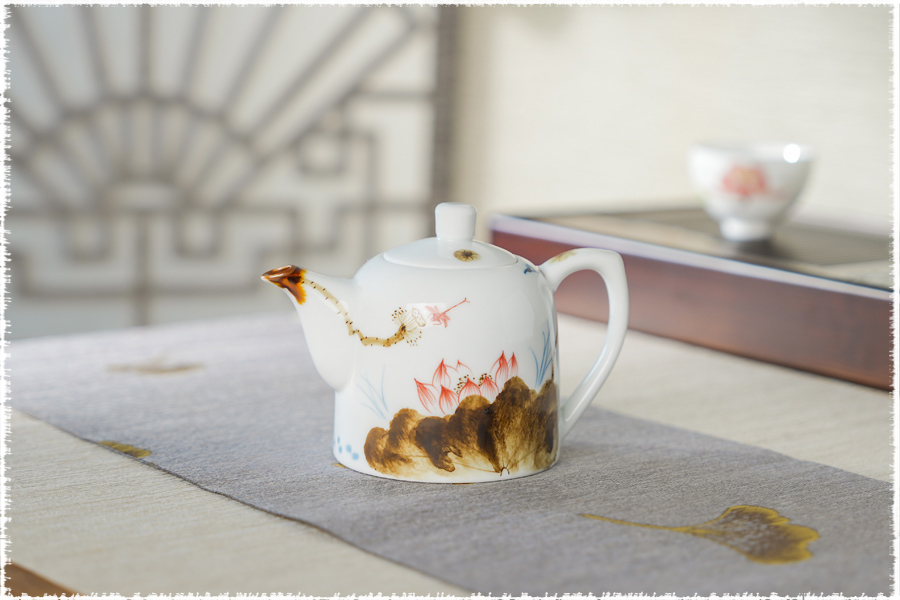
Porcelain Teapot
A small porcelain teapot can also work well if you prefer a more relaxed brewing style.
The slightly thicker walls provide a smoother extraction while keeping the tea bright and elegant.
Gong Mei: Choose Teaware That Supports Richer Flavors
Gong Mei is made from more mature leaves than Bai Mudan. It has a deeper flavor profile and is often more affordable, making it a popular everyday white tea.
Typical flavors include:
• Dried fruit
• Herbal sweetness
• Honey
• Slight woody notes
• A fuller body
Because Gong Mei has more leaf maturity, it can handle slightly stronger brewing.
Porcelain Gaiwan
For younger Gong Mei, a porcelain gaiwan is still a great choice.
It keeps the tea lively while allowing you to explore:
• Floral aroma
• Sweetness
• Layered flavors
Clay Teapot
A small clay teapot can work well, especially for older Gong Mei.
Clay retains heat and can enhance:
• Smooth texture
• Rich mouthfeel
• Sweet aftertaste
Shou Mei: The Best Match for Clay Teaware
Shou Mei is made from larger, more mature leaves and is often considered the most rustic style of white tea.
Its flavor profile includes:
• Herbal sweetness
• Dried fruit
• Date-like sweetness
• Woody aroma
• Smooth, mellow texture
Shou Mei is also one of the most popular white teas for aging and pressing into tea cakes.
Yixing Teapot
A Yixing clay teapot is an excellent choice for aged Shou Mei.
The clay helps emphasize:
• Rich body
• Warm sweetness
• Mature aroma
Jianshui Teapot
Jianshui clay from Yunnan is another good option for aged white tea.
Its thick walls and strong heat retention help extract deeper flavors from aged leaves.
However, Jianshui teapots are usually not recommended for fresh Silver Needle because they may overpower delicate aromas.
Ceramic Teapot
A ceramic teapot is another practical choice, offering:
• Good heat retention
• Neutral flavor
• Easy cleaning
Aged White Tea: Use Teaware That Enhances Depth
Many white teas develop deeper flavors after years of storage. Aged white tea may have aromas like:
• Dried dates
• Herbs
• Wood
• Honey
For aged white tea, the goal is to extract richness and improve texture.
Clay Teapot
Clay teapots are ideal because they maintain stable heat during brewing.
This helps aged leaves release:
• Deeper aroma
• Thicker texture
• Longer-lasting sweetness
Thick Porcelain Teapot
If you prefer a more neutral brewing method, thick porcelain is also a great choice.
It preserves the original character of aged white tea without adding any clay influence.
Why Teaware Matters When Brewing White Tea
The same white tea can taste very different depending on the teaware you choose.
Teaware affects:
Heat Retention
Thicker materials hold heat longer, which helps mature teas release more flavor.
Aroma Preservation
Porcelain and glass are ideal for delicate teas because they do not absorb aroma.
Extraction Speed
Clay teapots usually extract tea faster and create a fuller mouthfeel.
Drinking Experience
A glass cup highlights appearance, a gaiwan highlights aroma, and a clay teapot highlights texture.
Can You Use a Gaiwan for All White Tea?
Yes. A porcelain gaiwan is the most universal choice for white tea.
If you only want one piece of teaware for different white teas, a 100–120 ml porcelain gaiwan is the best option.
However, as your collection grows, adding a clay teapot for aged white tea can create a different and richer brewing experience.
Final Recommendation: Match Teaware to Tea Character
The best teaware depends on the personality of the white tea:
• Delicate and fresh white tea → glass or porcelain
• Balanced white tea → porcelain gaiwan or teapot
• Mature white tea → clay teapot
• Aged white tea → heat-retaining clay or thick porcelain
White tea does not require complicated equipment. The key is understanding the tea’s character and choosing teaware that supports—not hides—its natural flavors.