 How to Choose the Right Teaware for Different Types of White Tea?
 Why Isn't Jasmine Black Tea as Fragrant as Jasmine Green Tea?
 Tea Pouring Techniques: 5 Essential Water Pouring Methods for Better Tea Taste


What is Organic Tea?
Organic tea refers to tea produced in completely pollution-free environments, adhering to the organic agricultural production system and methods. Its production process strictly prohibits the use of synthetically produced fertilizers, pesticides, plant growth regulators, chemical additives, and other substances. Furthermore, it must be reviewed and certified by accredited organic certification agencies. From the cultivation environment and ecological management to processing and transportation, every step embodies respect for nature and health.
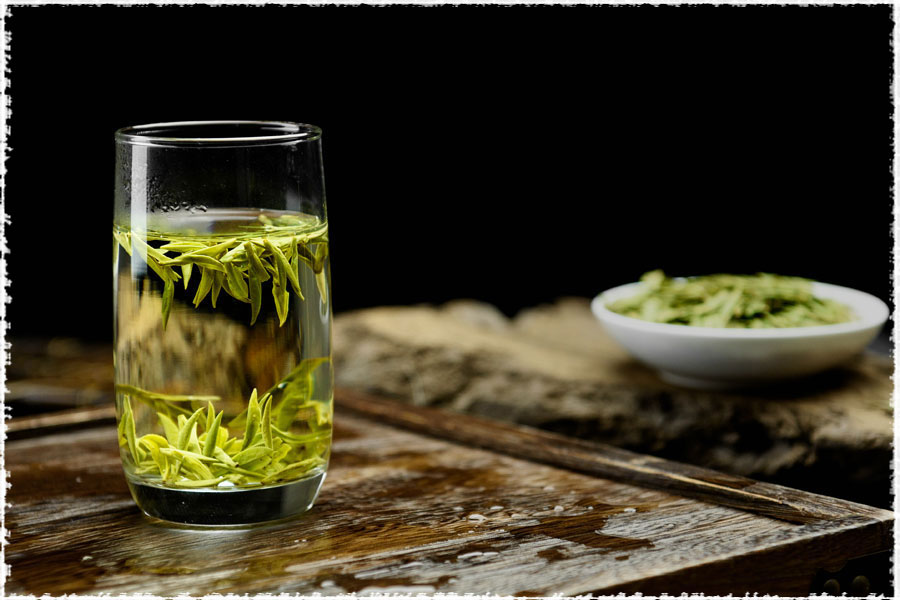
Organic tea is not just a simple label.
Becoming organic tea is more than just adding “organic” to the name. It means building a complete, transparent, and sustainable system from the tea garden to the tea cup. And it all starts with a tea garden that meets organic standards.
How to create an organic tea garden?
A Pollution-Free Ecological Environment
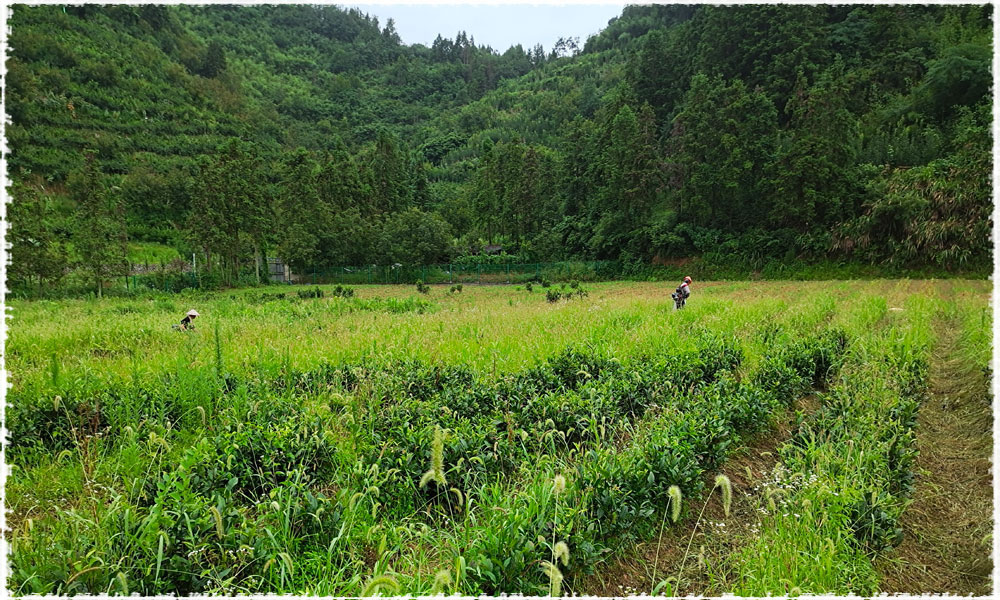
The tea garden should be located far from cities, industrial zones, residential areas, and major traffic routes to ensure clean air, water, and soil. Natural buffer zones—such as forests, rivers, or vegetation belts—should be established between the tea garden and conventional agricultural areas.
Healthy and Living Soil
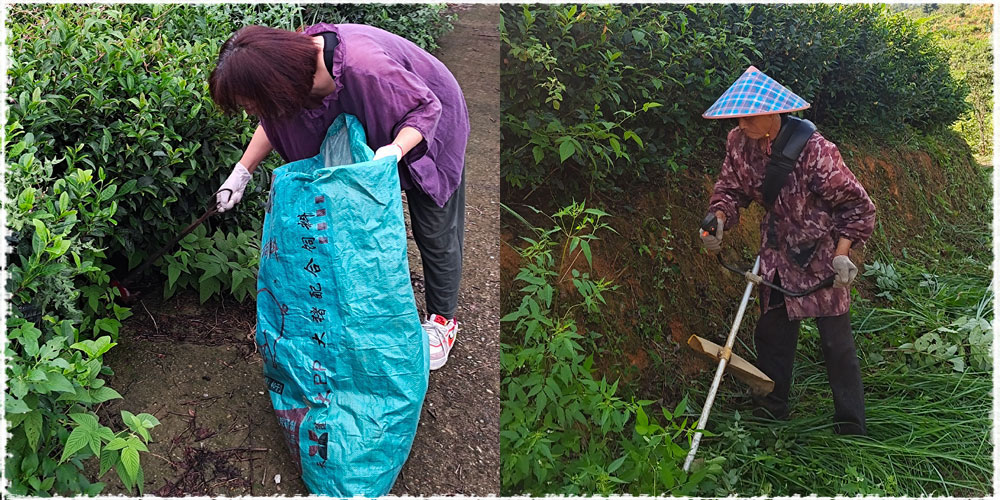
The soil must be naturally fertile and rich in organic matter and microorganisms. Chemical fertilizers, herbicides, and genetically modified materials are strictly prohibited.
Natural Fertilizer Sources
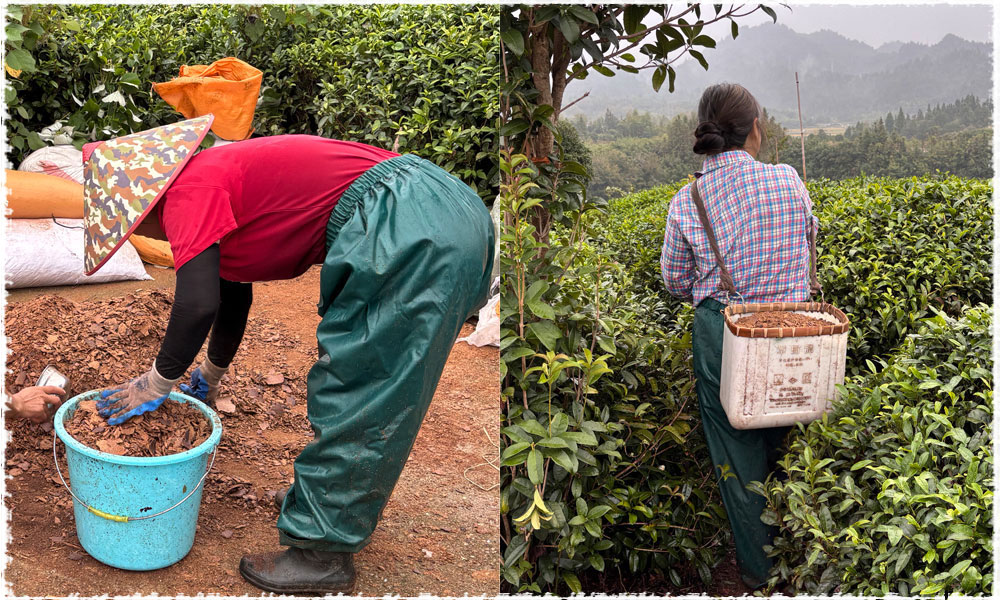
Only compost, sanitized animal manure, or certified organic fertilizers are permitted to maintain soil ecological balance.
Ecological Pest and Disease Control
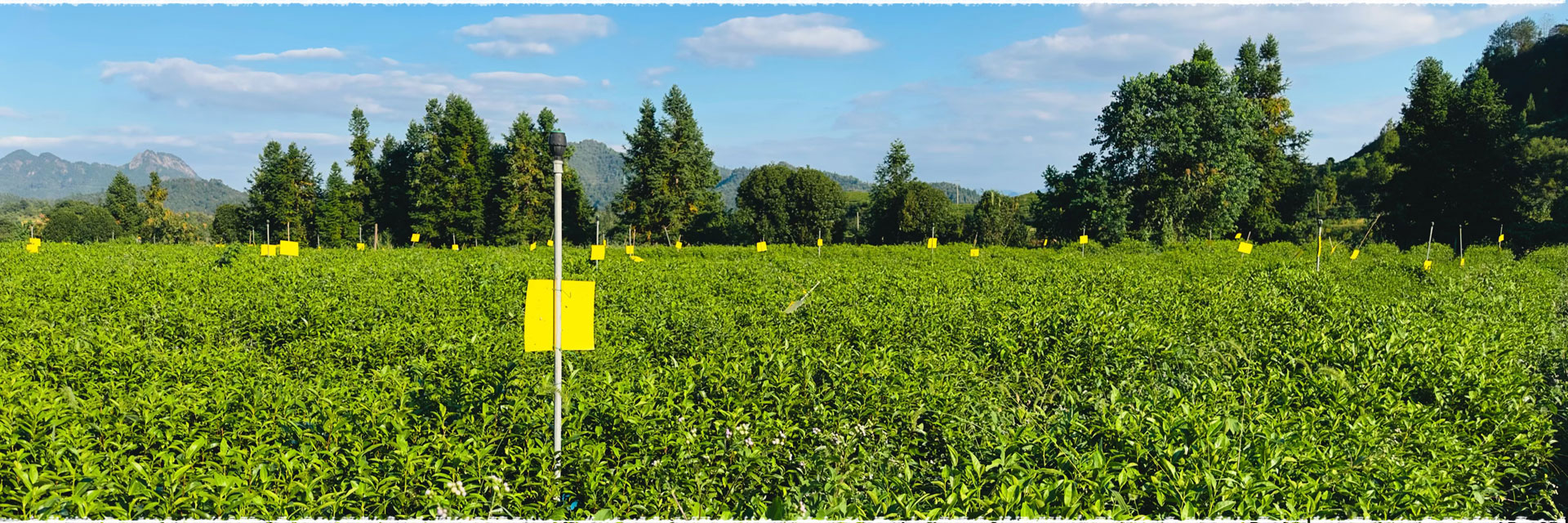
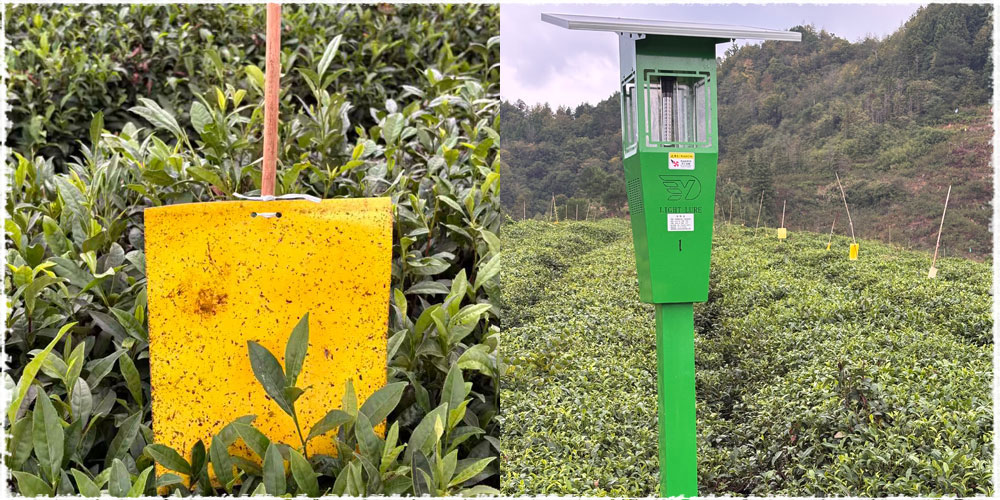
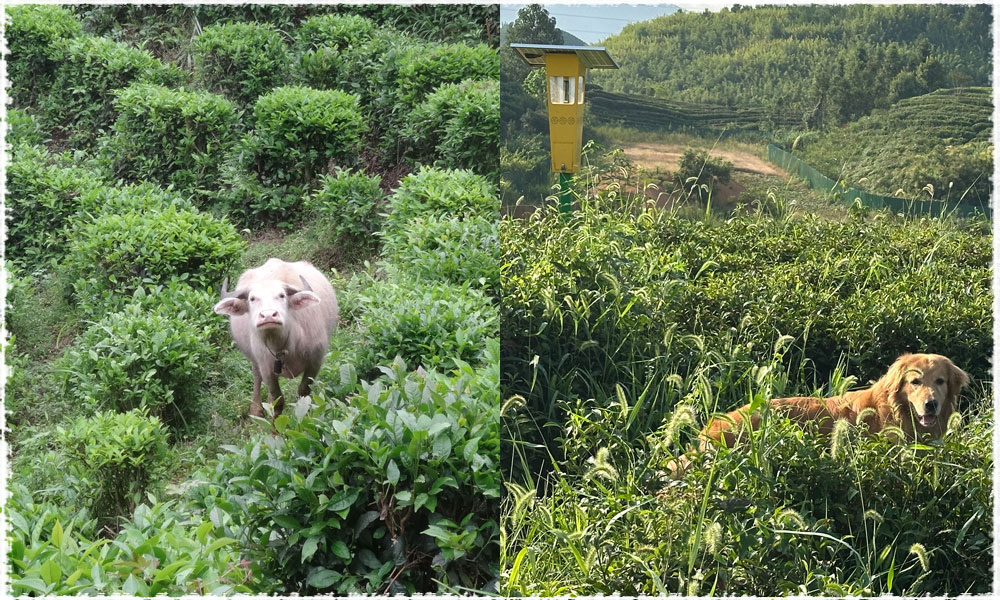
Physical methods and biological regulation—such as solar insect traps, sticky boards, and natural predator conservation—are employed, with a strict prohibition on chemical pesticides.
A Diverse, Integrated Ecosystem
Protective forests should be preserved or planted around and within the tea garden to create a multi-layered ecological structure and enhance biodiversity.
Strict Standards in Processing as Well
During tea processing, no chemical additives, bleaching agents, or synthetic flavorings may be used. Processing equipment must be dedicated to organic production and kept clean to prevent any mixing with non-organic tea.
Certification: Strict & Transparent
After meeting all standards, producers apply to a nationally approved certification body. Inspectors review the tea garden and factory, check records, test samples, and may conduct unannounced visits. Annual audits ensure continued compliance.
A Cup of Organic Tea Is a Journey of the Land. At its core, organic tea carries more than just aroma—it embodies an attitude and a commitment. It begins with the restoration of a piece of land, continues through the rebuilding of our relationship with nature, and ultimately reflects a deep respect for life and the future.

























