 How to Choose the Right Teaware for Different Types of White Tea?
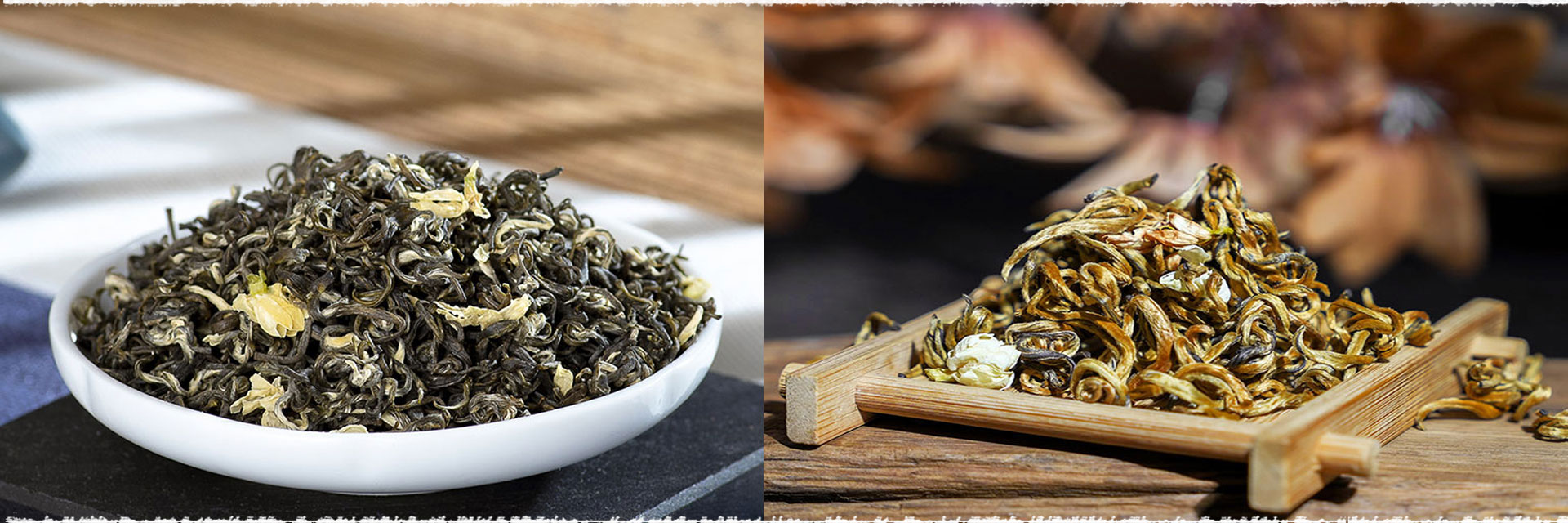 Why Isn't Jasmine Black Tea as Fragrant as Jasmine Green Tea?
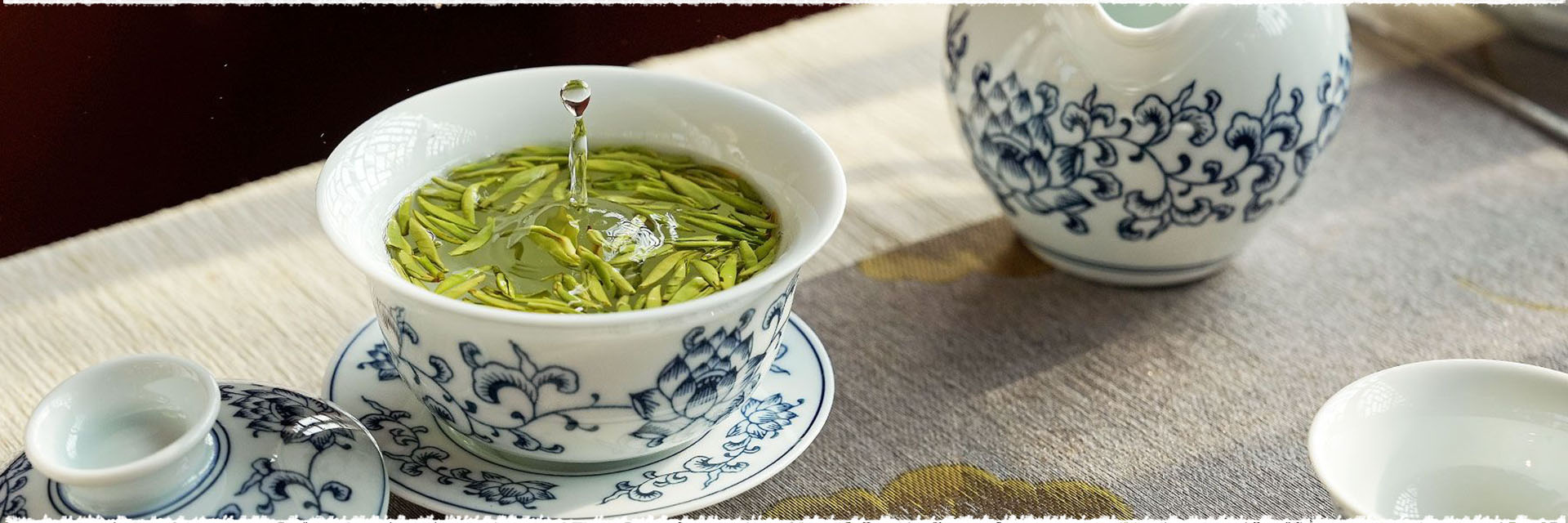 Tea Pouring Techniques: 5 Essential Water Pouring Methods for Better Tea Taste

It is neither as widely known as green tea, nor as technically celebrated as oolong tea, nor does it possess the aging mystique of pu-erh tea. Yet for those who truly understand yellow tea, it offers a distinctive charm that is difficult to replace—retaining the freshness of spring tea while delivering a smoother, mellower, and more rounded taste. Today, let’s explore the craftsmanship and appeal of yellow tea through one of its finest representatives: Meng Ding Huang Ya from Ya’an, Sichuan.
1. Origin — One of China’s Oldest Tribute Tea Regions
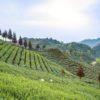
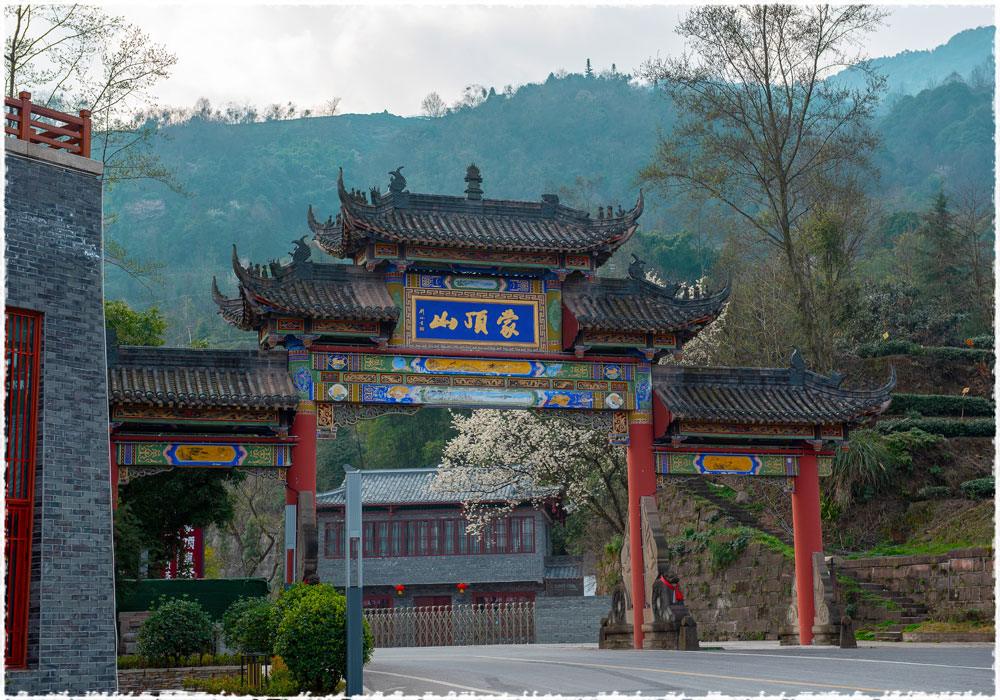
Meng Ding Huang Ya comes from Mengding Mountain in Ya’an. Shrouded in mist throughout much of the year and blessed with a mild, humid climate, this region has long been regarded as one of China’s most renowned tea-growing areas. As early as the Tang Dynasty, Mengding tea was designated as a tribute tea for the imperial court, giving it a history of more than a thousand years. The mountain’s unique ecological environment provides tea plants with abundant diffused sunlight and rich moisture, allowing the leaves to develop higher levels of amino acids and aromatic compounds.
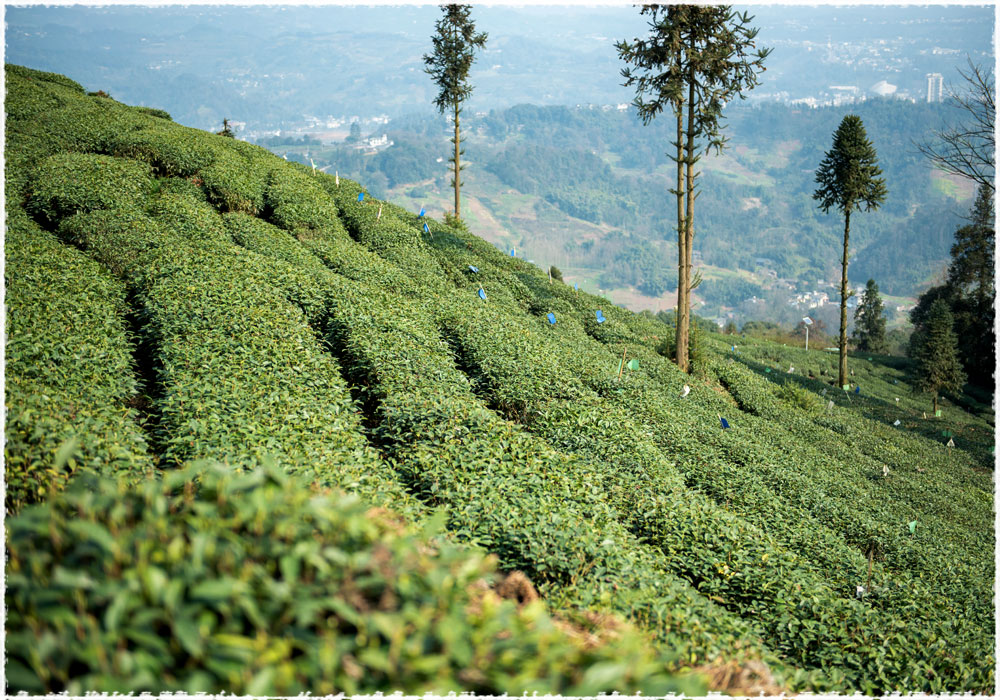
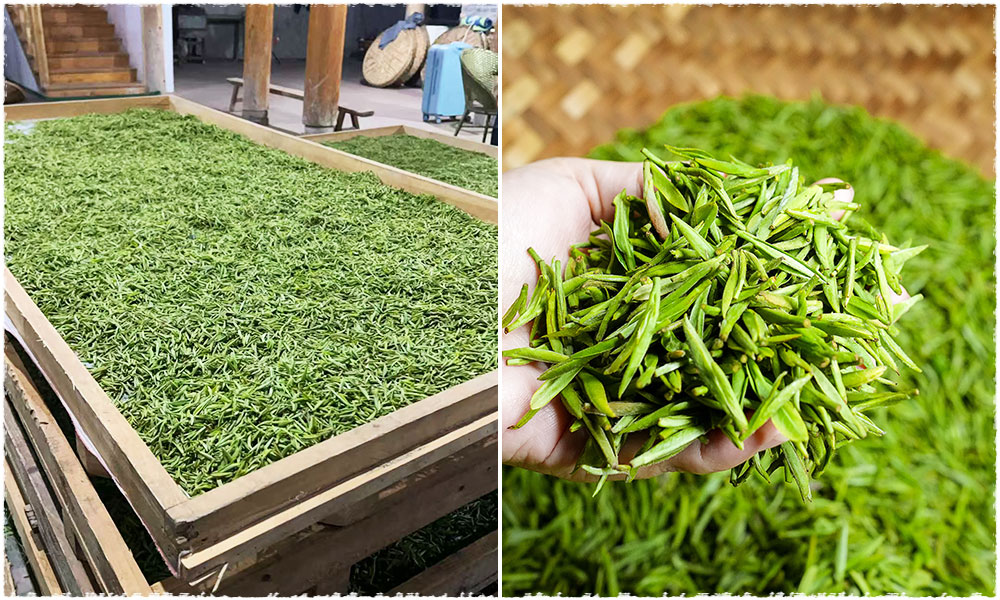
For making Meng Ding Huang Ya, only the most tender spring materials are selected, typically consisting of a single bud with the first leaf just beginning to unfold. The buds are plump, uniform, and covered with fine silvery hairs. The extensive use of these premium buds makes this tea especially precious from the very beginning.
2. Craftsmanship — How Yellow Tea Is Made
In terms of processing, yellow tea begins much like green tea. Freshly picked buds are first spread out to wither naturally. This stage reduces moisture content and allows aromatic compounds to begin developing.
Next comes shaqing (kill-green), where the leaves are heated at high temperatures to deactivate enzymes and prevent further enzymatic oxidation of tea polyphenols. At this stage, however, the tea is still not yellow tea. The step that truly distinguishes yellow tea from green tea is a unique process known as Men Huang, or “yellowing.”
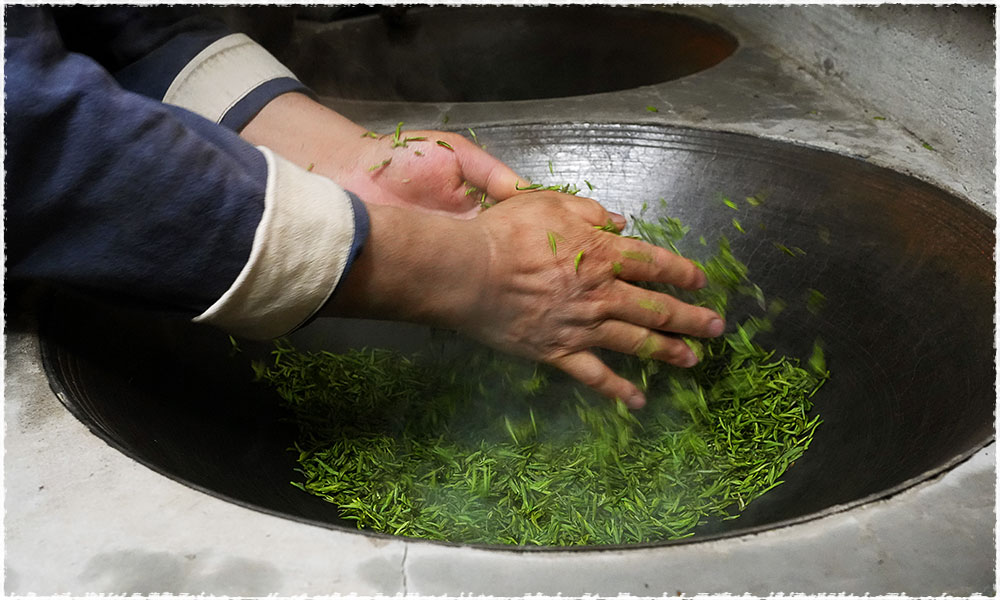
Men Huang is the most critical, and most challenging part of yellow tea production. While still warm after shaqing, the leaves are gently piled or wrapped in paper or cloth and kept under carefully controlled temperature and humidity conditions for an extended period. Within this warm, humid environment, a series of slow and complex transformations take place. Some tea polyphenols undergo non-enzymatic oxidation, chlorophyll gradually breaks down, and yellow pigments begin to form. Meanwhile, compounds responsible for grassy and astringent characteristics are further transformed, resulting in a liquor that becomes smoother, softer, and more refined.
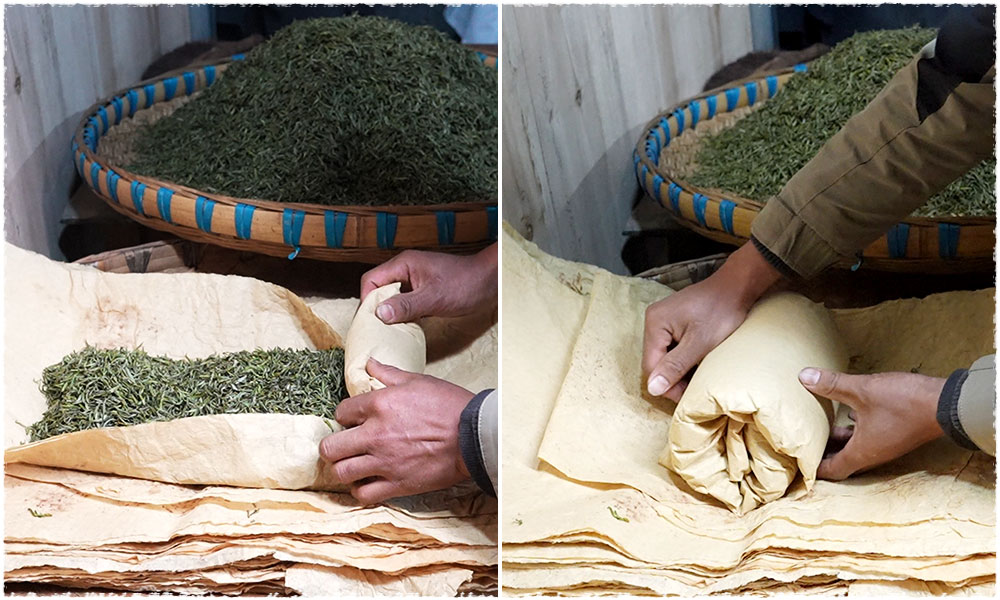
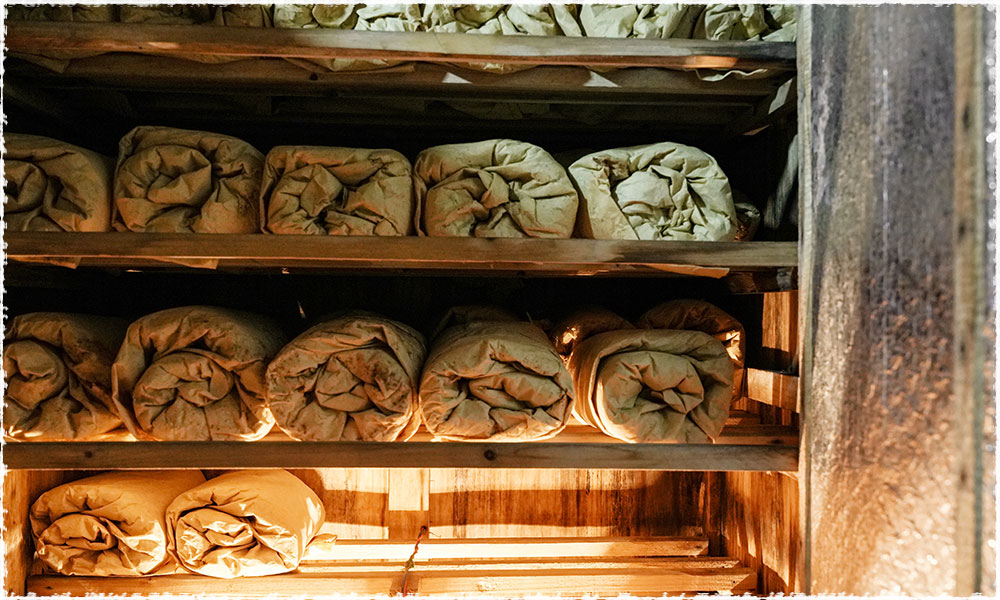
Depending on the tea cultivar, leaf tenderness, and weather conditions, the yellowing process may last anywhere from several hours to several days. If the process is too short, the characteristic yellow qualities fail to develop; if too long, the tea may lose its prized freshness. Every stage requires the precise judgment and experience of a skilled tea master.
3. A Distinctive Flavor Profile
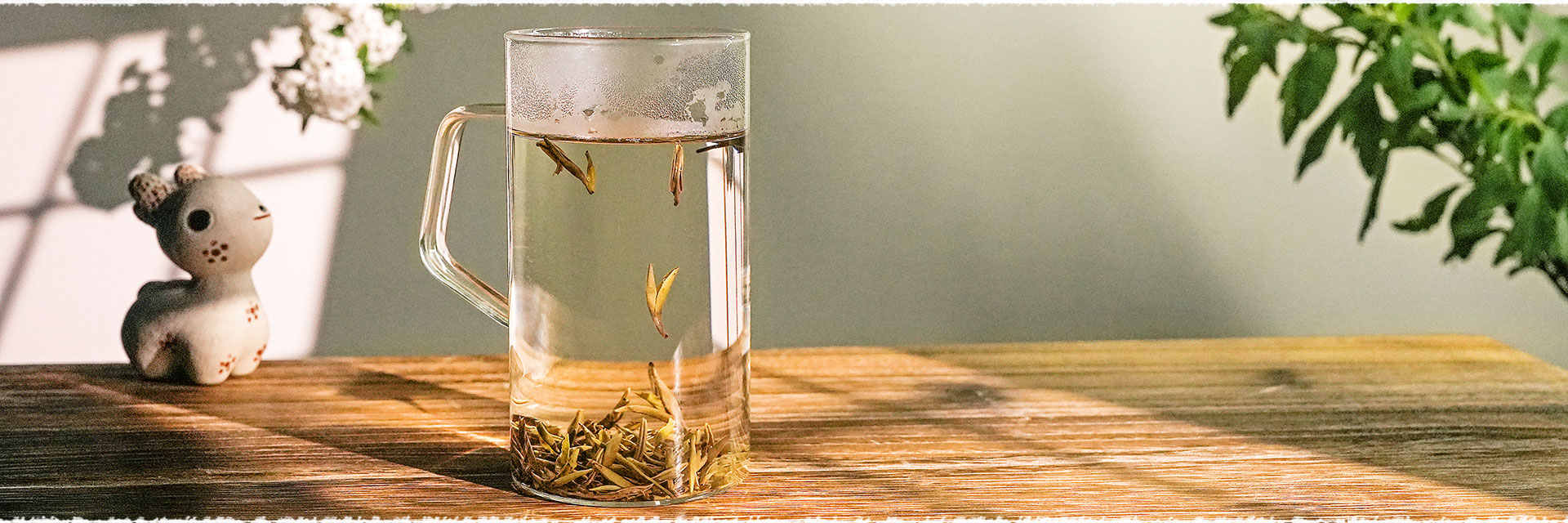
After the yellowing process is complete, the tea is carefully dried through low-temperature baking. While green tea often emphasizes briskness and vibrant freshness, Meng Ding Huang Ya presents a gentler and more rounded character. Once brewed, it produces a bright apricot-yellow liquor that is clear and luminous.
Its aroma preserves the freshness of spring buds while offering delicate notes of sweet corn, roasted chestnut, and subtle floral nuances. On the palate, it is refreshing without being sharp, sweet without being heavy, and remarkably smooth. Unlike some green teas, it lacks noticeable grassy or vegetal notes. The liquor feels full-bodied and silky, with a lingering sweetness that leaves a warm and comforting impression. Many tea drinkers are surprised by the balance they experience when tasting Meng Ding Huang Ya for the first time. It combines the freshness of green tea with a more mature, mellow, and harmonious depth of flavor.
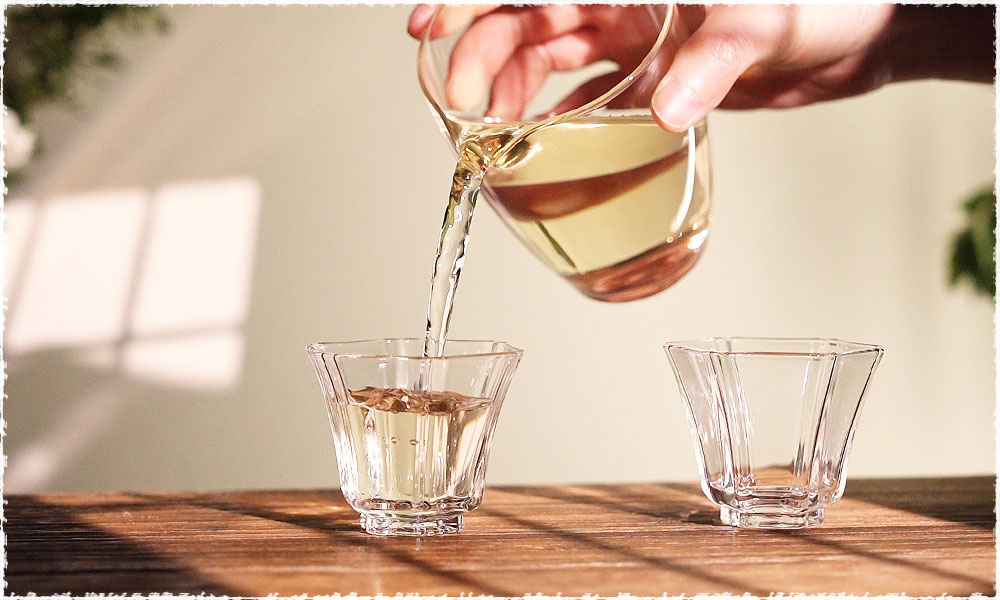
If green tea is like a newly sprouted bud in early spring, full of vitality and energy, then Meng Ding Huang Ya is like the sunshine of a spring afternoon: still vibrant and alive, yet warmer, gentler, and more composed.
So which do you prefer—the lively freshness of green tea, or the mellow elegance of yellow tea?

























