 How to Choose the Right Teaware for Different Types of White Tea?
 Why Isn't Jasmine Black Tea as Fragrant as Jasmine Green Tea?
 Tea Pouring Techniques: 5 Essential Water Pouring Methods for Better Tea Taste

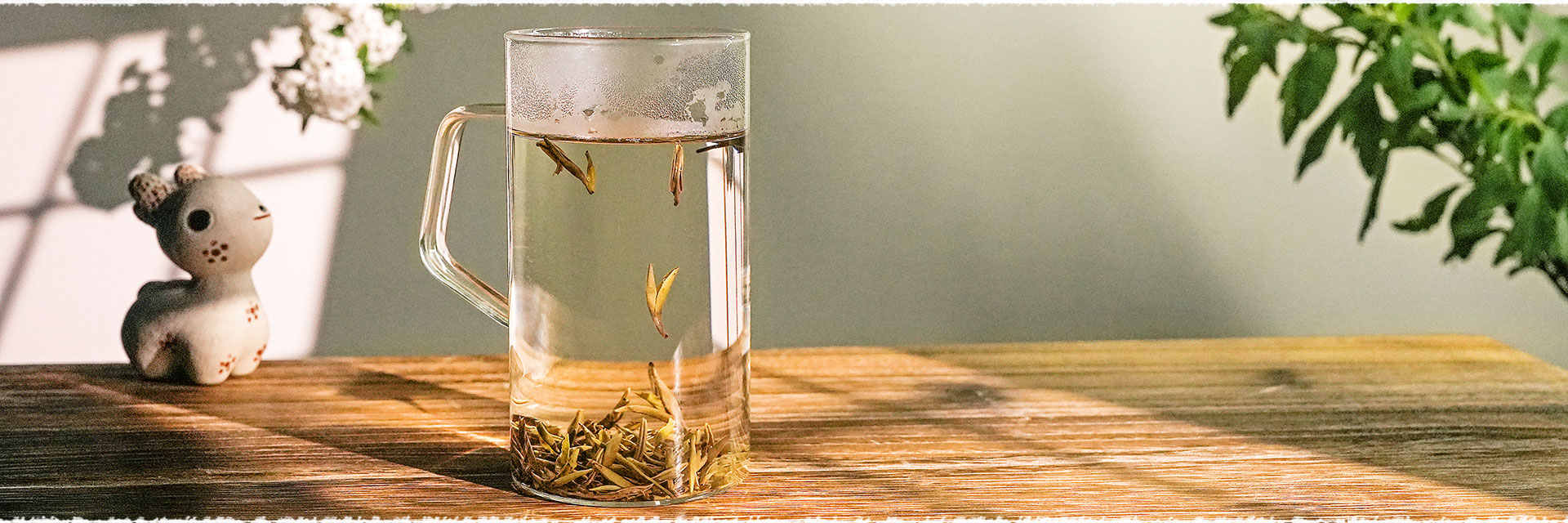
The Art of Yellow Tea – Meng Ding Huang Ya
Among China’s six major tea categories, yellow tea is perhaps the most overlooked.
Among China’s six major tea categories, yellow tea is perhaps the most overlooked.
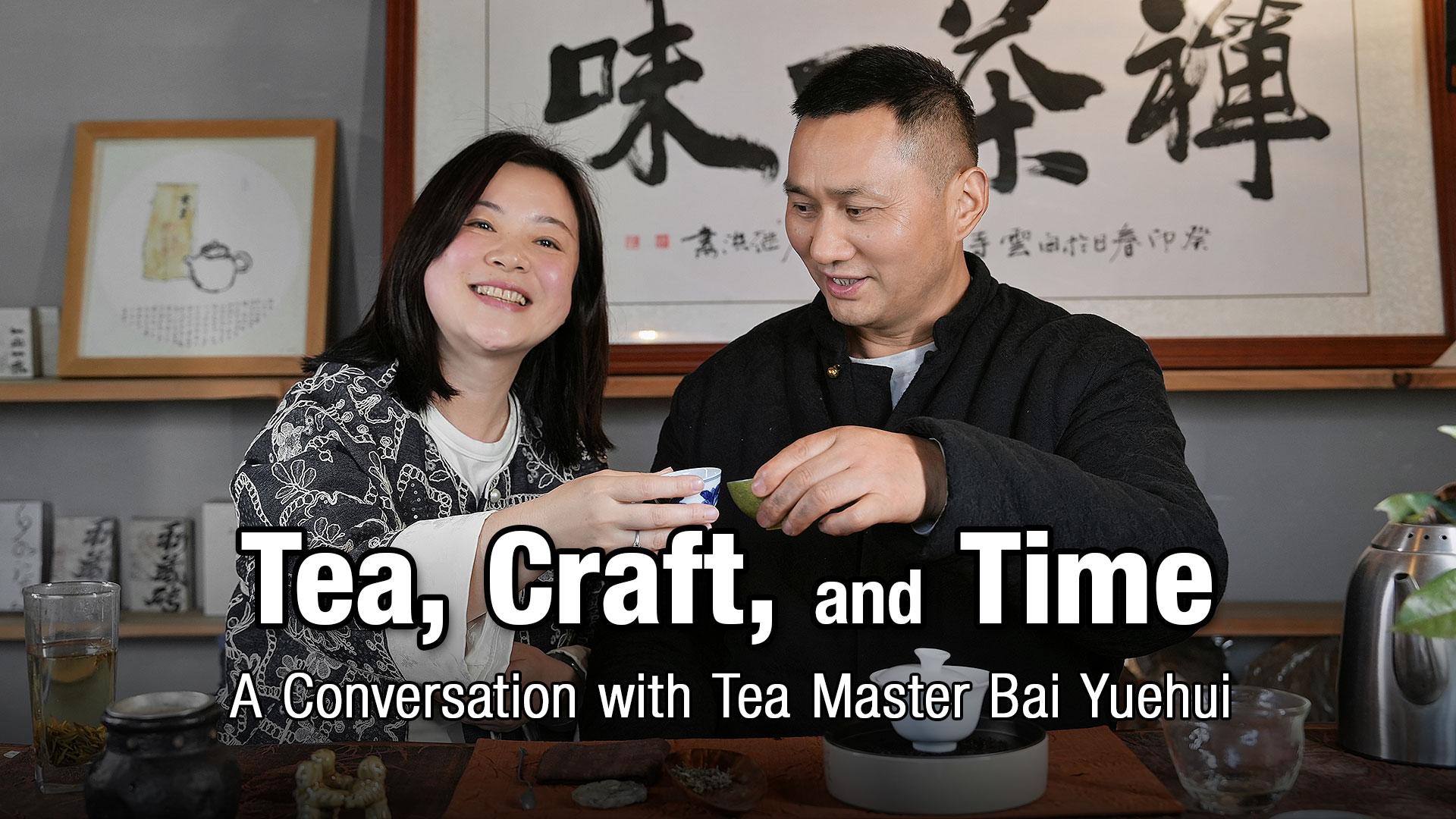
An interview with Tea Master Bai Yuehui, inheritor of Mengding Huangya craftsmanship, sharing 40 years of insights on yellow tea, green tea, and traditional tea making.
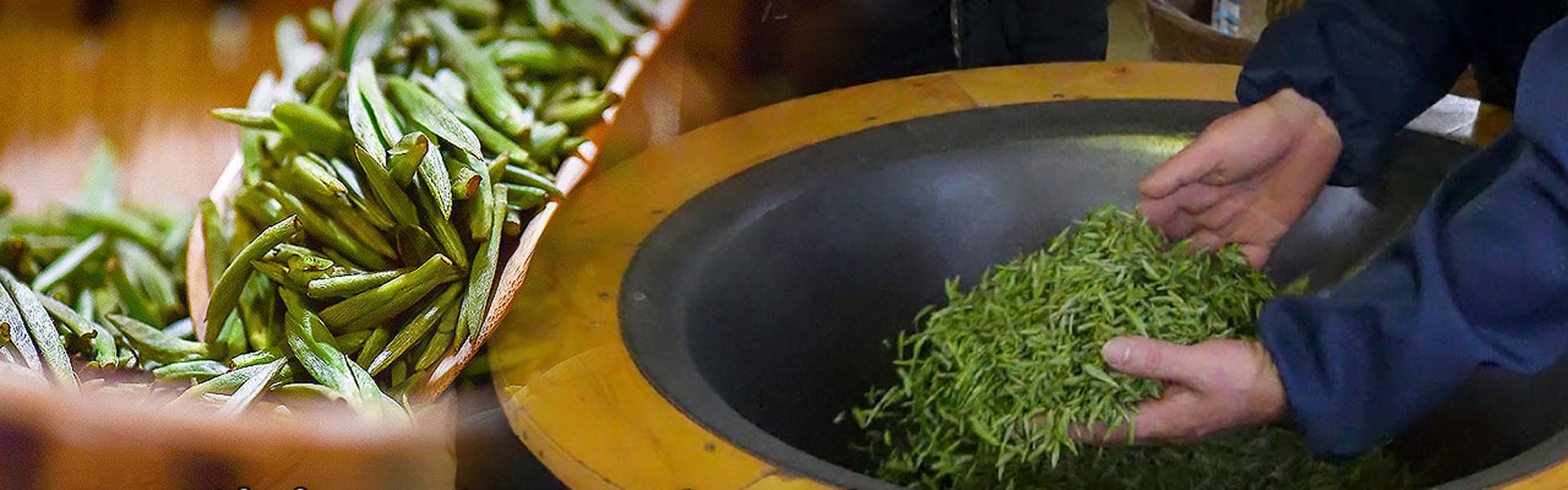
The important process of Meng Ding Gan Lu Tea is “three-time fried, three-time rolling”, which means pan-frying the tea leaves three times and rolling three times. It is a great honor to invite Tea Master Mr. Bai guide us through the special production process of Mengding Ganlu Tea.
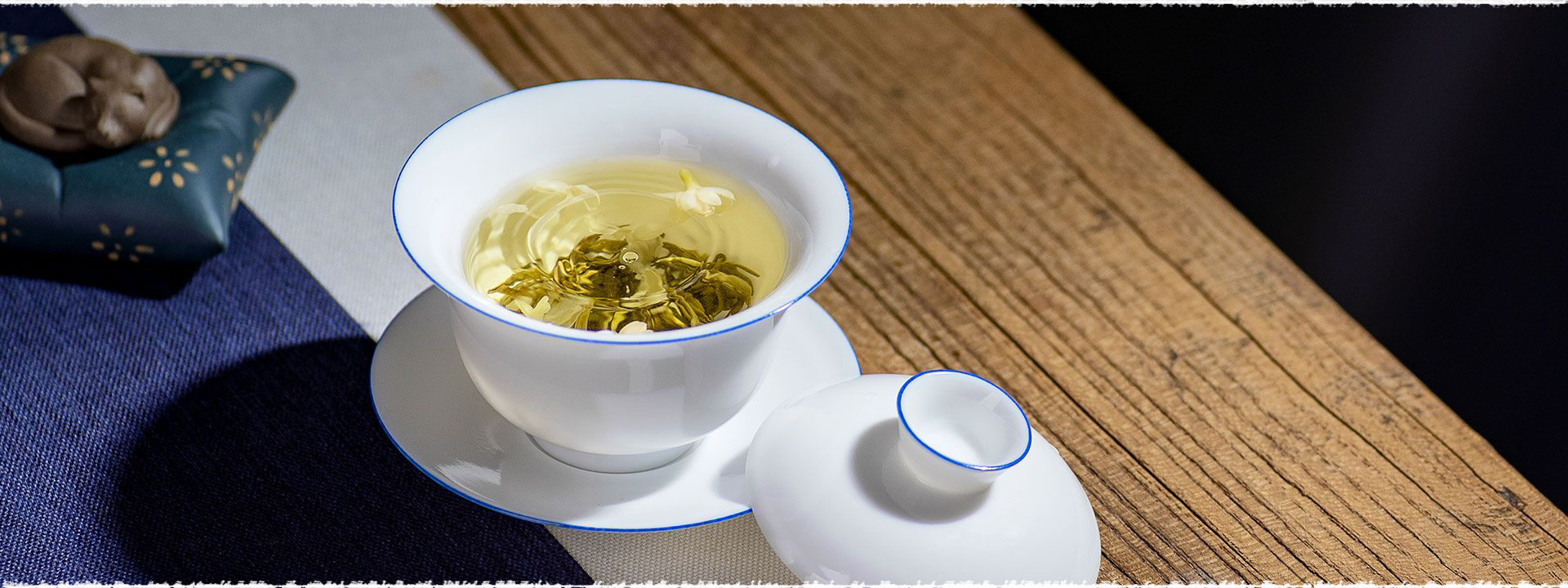
Learn how to choose the best Jasmine Green Teas for you. Explore craftsmanship and characteristics in jasmine teas: all the things you want to know about different Jasmine teas. The jasmine from different regions exhibits distinct characteristics.
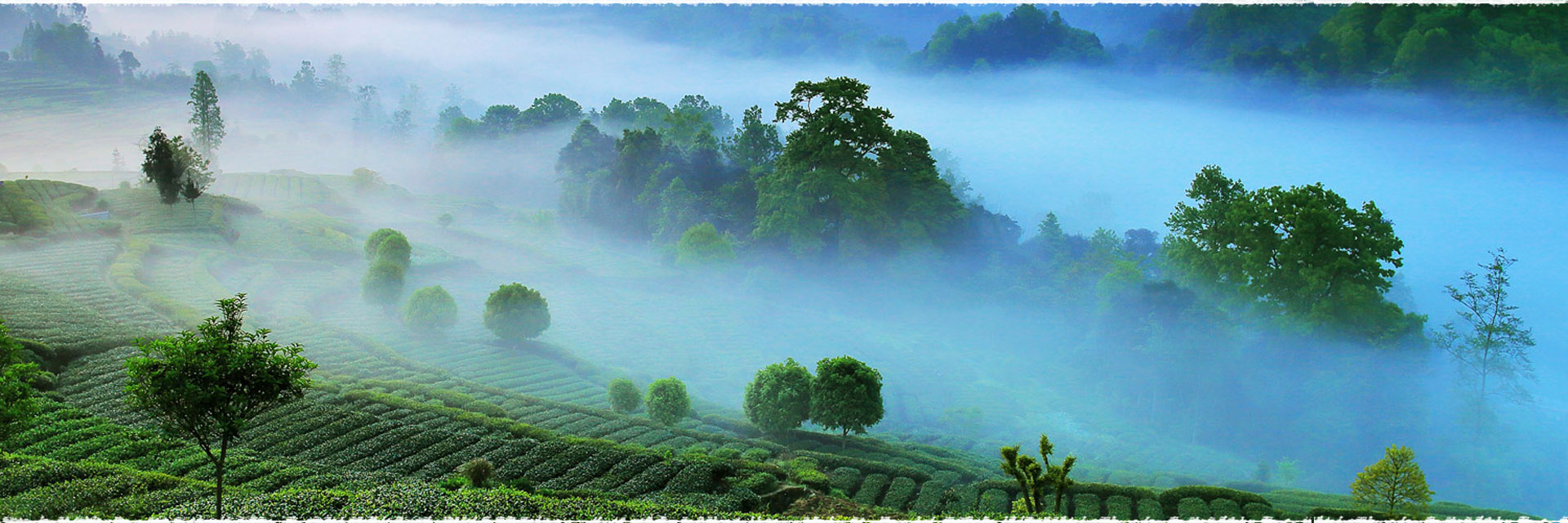
Since the Han and Tang Dynasties, Chinese tea and tea culture have gradually spread to East Asia, Southeast Asia, the Middle East and Europe along the ancient land and maritime Silk Roads, and they are called “magical oriental leaves”. In this article we just explore Mending Tea from Sichuan Province, China.
Yellow tea is one of the six tea categories, which becomes increasingly rare in China. Then how much do you know about yellow tea? We will briefly introduce the yellow tea to you.
Yibin, located in Sichuan Province, which is not only famous for its white spirit, but also the hometown of Chinese early spring tea. Let’s uncover the mystery of this charming tea city and wine capital together with Teavivre’s Yibin trip.
Yibin, located in Sichuan Province, which is not only famous for its white spirit, but also the hometown of Chinese early spring tea. Let’s uncover the mystery of this charming tea city and wine capital together with Teavivre’s Yibin trip.
In Chengdu, tea culture has developed into the Sichuan-featured Tea House Culture. There is a saying about Sichuan tea house: you could see more tea houses than sunny days. Why the tea houses in Chengdu can catch so much eyesight? It is because its abundant functions: for relaxing, meetings, recreation, as well as being the court of civilians.