
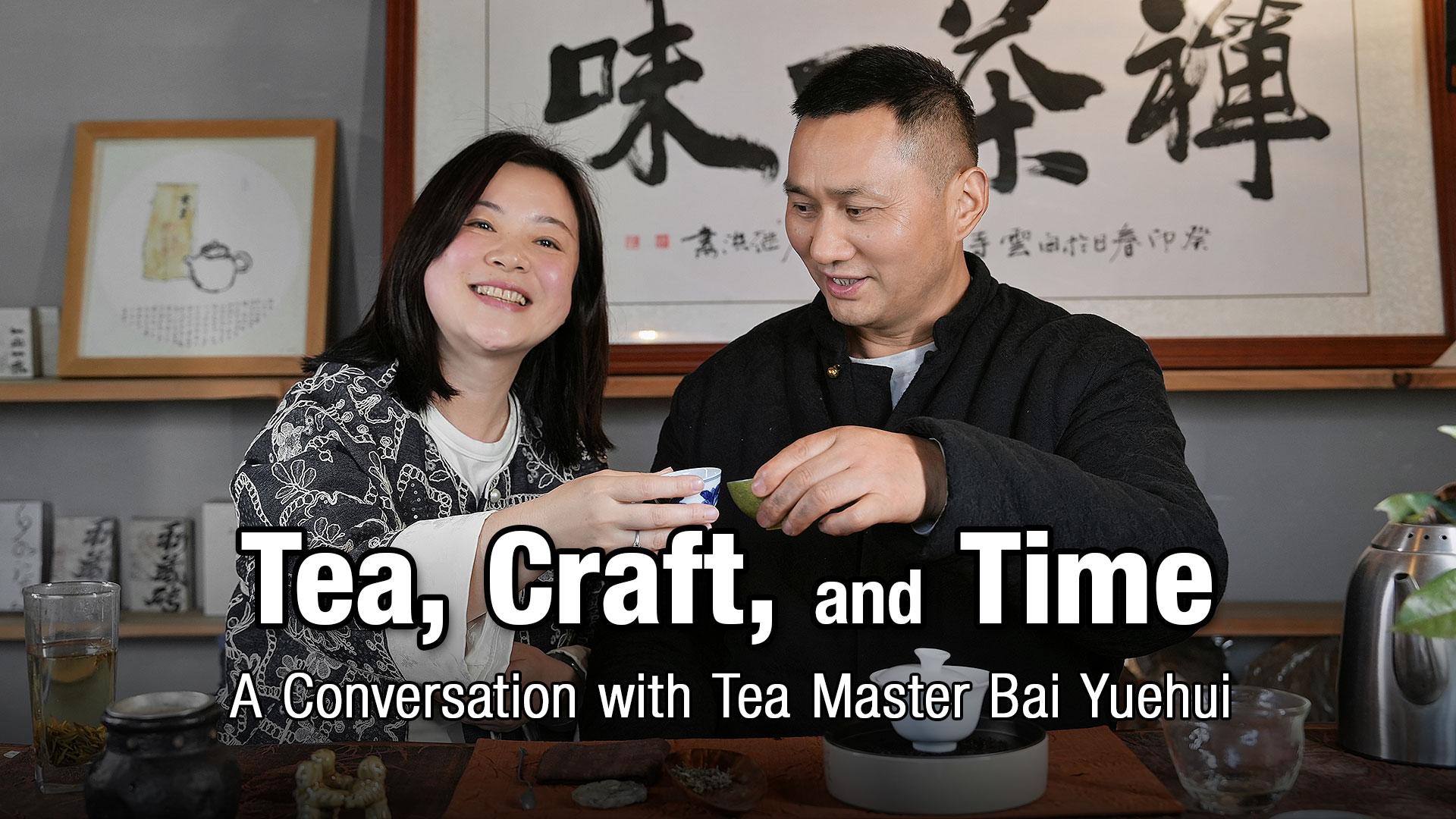
 Tea, Craft, and Time — A Conversation with Tea Master Bai Yuehui
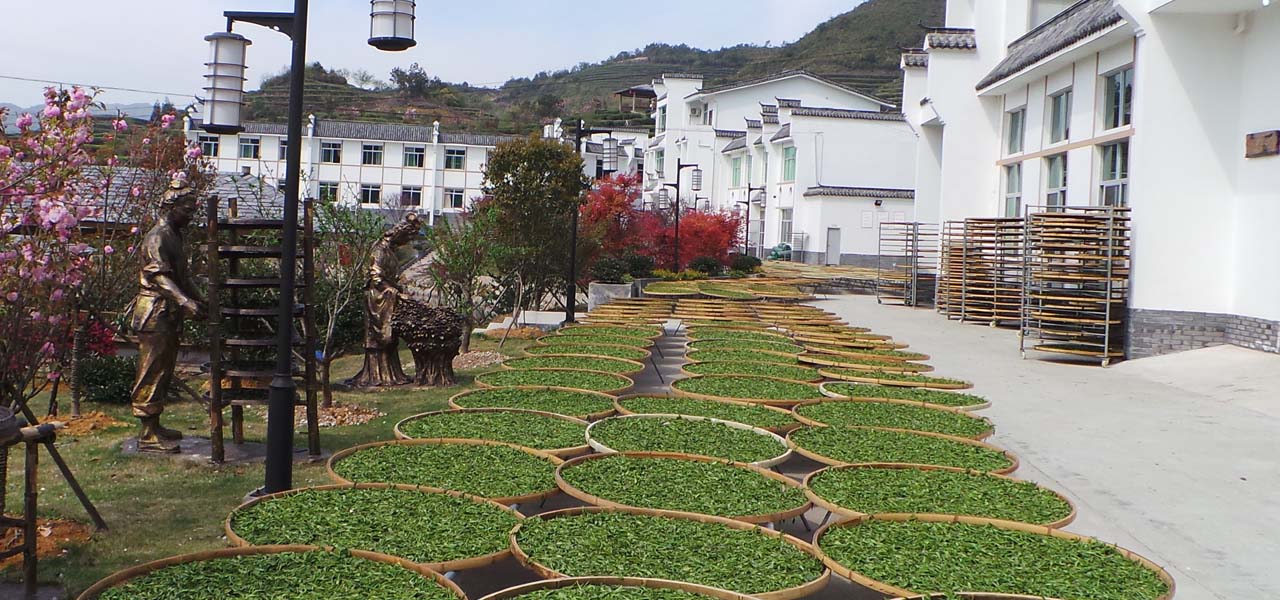 Withering Process of White Tea
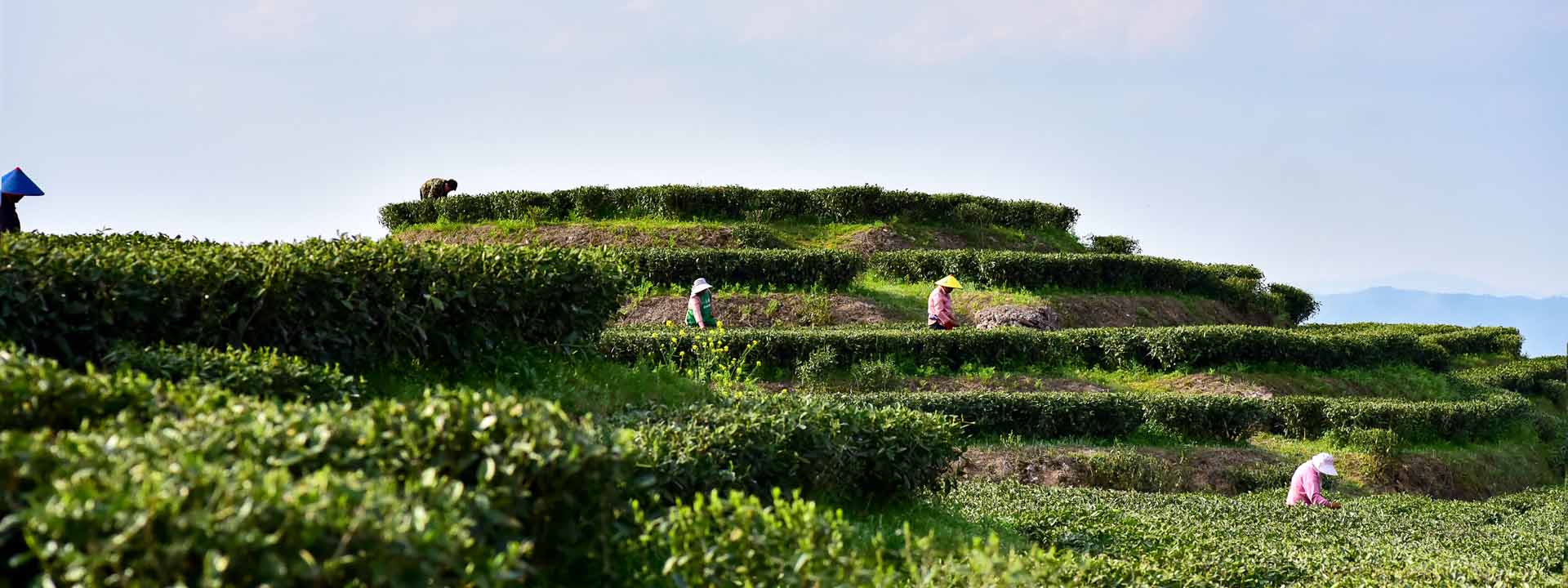 Exploring Heshan Organic Tea Garden in Fuding






For nearly four decades, Bai Yuehui has dedicated his life to handcrafted tea. As a traditional craftsman of Meng Ding Huang Ya and an inheritor of its intangible cultural heritage, he has spent 40 years refining the delicate art of tea making.
During our recent visit, we had the opportunity to sit down with Master Bai and talk about craftsmanship, tradition, and the philosophy behind great tea.
A Lifelong Connection to Craft
When asked what led him to devote his life to handcrafted tea, Master Bai spoke with quiet certainty.
For him, craftsmanship began with faith. From a young age, he enjoyed working with his hands—making wooden objects and other small crafts. Watching his father make tea left a deep impression on him. Tea making had already been practiced by generations of his family, and naturally, he grew fond of it.
By the age of eleven, he was already helping with manual work in tea production.
What began as curiosity gradually became a lifelong dedication.
Understanding the “Three Pan-Firings and Three Wrappings”
One of the defining processes in Meng Ding Huang Ya is known as “three pan-firings and three wrappings.”
Master Bai explained that the key lies in the Meng Huang process—often translated as sealed yellowing or smothering.
To understand this process, he traced its origins back to the history of tribute tea. In ancient times, tea had to travel long distances to the imperial court. Without modern transportation, it was carried by people or transported on horseback.
Most tribute teas were originally green teas that still contained some moisture. During the long journey, the tea remained sealed for extended periods under warmth and sunlight. People initially thought the tea had spoiled, but instead, it developed a richer and more pleasant flavor.
Over time, tea makers realized this transformation was valuable. This discovery eventually evolved into the Meng Huang process.
In modern yellow tea production, the process involves fixation (kill-green), followed by wrapping the leaves and allowing them to rest in a warm, humid environment. This cycle is repeated three times, creating the traditional “three pan-firings and three sealed yellowings.” Historically, the process was also known as the “72-hour sealed yellowing.”
Is There a Secret to Mastering Yellow Tea?
When asked whether mastering the Meng Huang process requires special techniques, Master Bai gave a humble answer.
In his view, there are no hidden tricks in tea making. Everything lies in the tea maker’s experience, intuition, and hands. Different people perceive temperature differently. The same heat, the same leaves, and the same tools may produce different results depending on the person handling them.
The Importance of Heat, Timing, and the Tea’s “Breath”
Master Bai says the key to tea making lies in smelling and tasting.
The most important stages are Sha Qing (kill-green), heat control, and timing.
Heat control mainly refers to the earlier fixation stage, while timing becomes crucial during the later roasting process.
During fixation, tea makers observe the steam rising from the leaves. By smelling this steam—what Master Bai calls the tea’s Qi Xi, its aroma and energy—they can judge the quality of the leaves and the success of the process. If the aroma is clean and vibrant, the tea is on the right path.
Green Tea vs. Yellow Tea
Both Meng Ding Gan Lu and Meng Ding Huang Ya are among Master Bai’s most celebrated teas. The key difference lies in craftsmanship.
Green tea highlights freshness and briskness. It retains higher levels of tea polyphenols and amino acids, creating its lively taste.
Yellow tea, however, adds the Meng Huang process to the green tea foundation. During this stage, some tea polyphenols are reduced and the chemical composition of the tea changes, resulting in a sweeter, smoother profile. With refined craftsmanship, yellow tea can even develop floral and honey-like notes.
In short:
Green tea emphasizes freshness and brightness.
Yellow tea emphasizes sweetness and mellow depth.
Keeping the Soul of Tea
Master Bai is known for one saying:
“I would rather earn less than shorten a single minute of the Meng Huang process. Machines can make tea, but what I keep is the soul of tea.”
When asked about this philosophy, he explained that anything worth making must be made with faith.
For yellow tea, he is willing to extend the Meng Huang process beyond the traditional 72 hours—sometimes to 84 hours, even 100 hours—if it helps the tea reach its best expression.
His goal is simple: to create tea so good that tea lovers will remember it and look forward to drinking it again the following year.
Preserving the Spirit of Tea
Our conversation with Master Bai felt like a lesson distilled from decades of experience.
As the saying goes, one conversation with a master can be worth ten years of study.
At TeaVivre, we believe tea carries culture, craftsmanship, and time within every leaf. We are honored that Master Bai shared his insights with us, and we look forward to the release of his upcoming teas.
Through artisans like him, the soul of tea continues to live on.

























