

-
Fast ShippingFree shipping for orders above $40
to most countries. -
Secure PaymentPay with Paypal, Credit Card …
-
Carefully SelectedFrequently Visit Tea Gardens.
Taste Repetitiously -
15 Days RefundNo Questions Asked
Refund Policy
Nonpareil Ming Qian Xi Hu (West Lake) Dragon Well Long Jing Green Tea
Bean-flower aroma, orchid, sweet and mellow
Price range: $9.50 through $404.55
Nonpareil Ming Qian Xi Hu (West Lake) Dragon Well Long Jing Green Tea
Bean-flower aroma, orchid, sweet and mellow
Summary
| Origin: |
Meijiawu Village, Xihu District, Hangzhou City, Zhejiang Province, China |
|---|---|
| Season: |
Spring Tea |
|
Harvest Date: |
March 26, 2026 |
| Plucking Standard: |
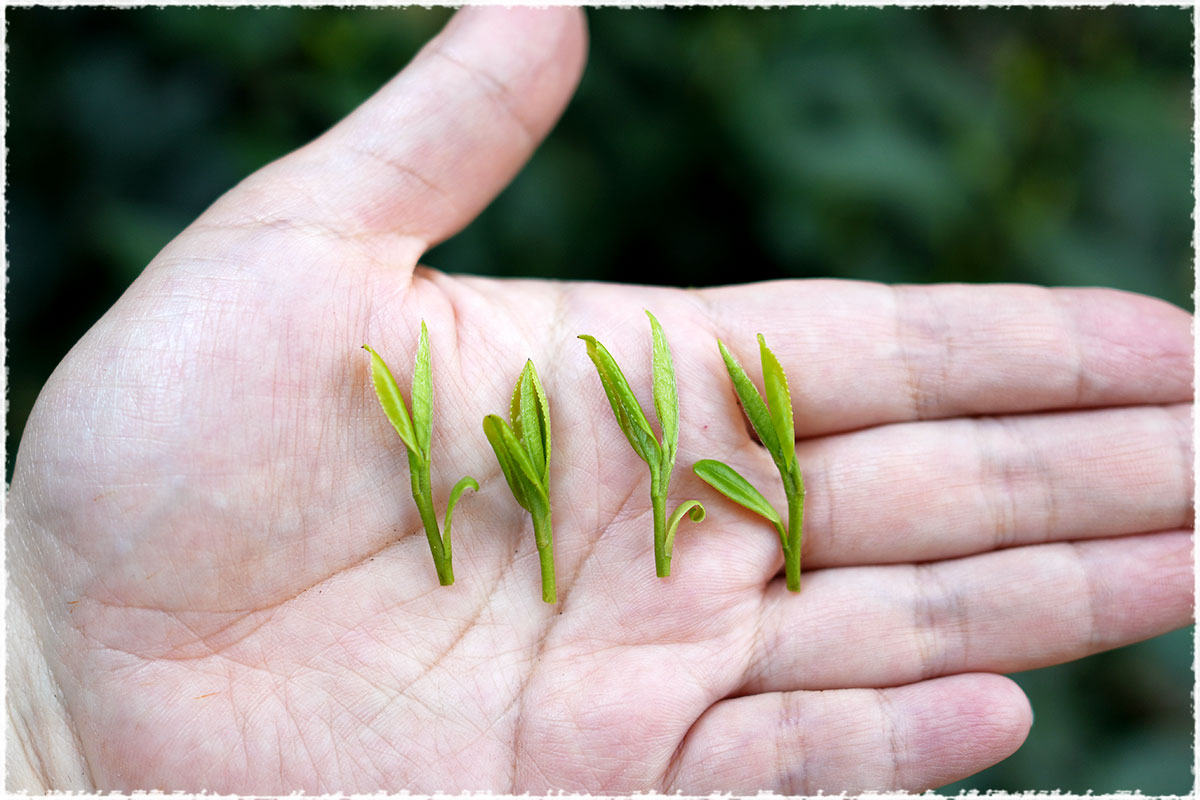
One bud with two tiny leaves |
| Dry Leaf: |
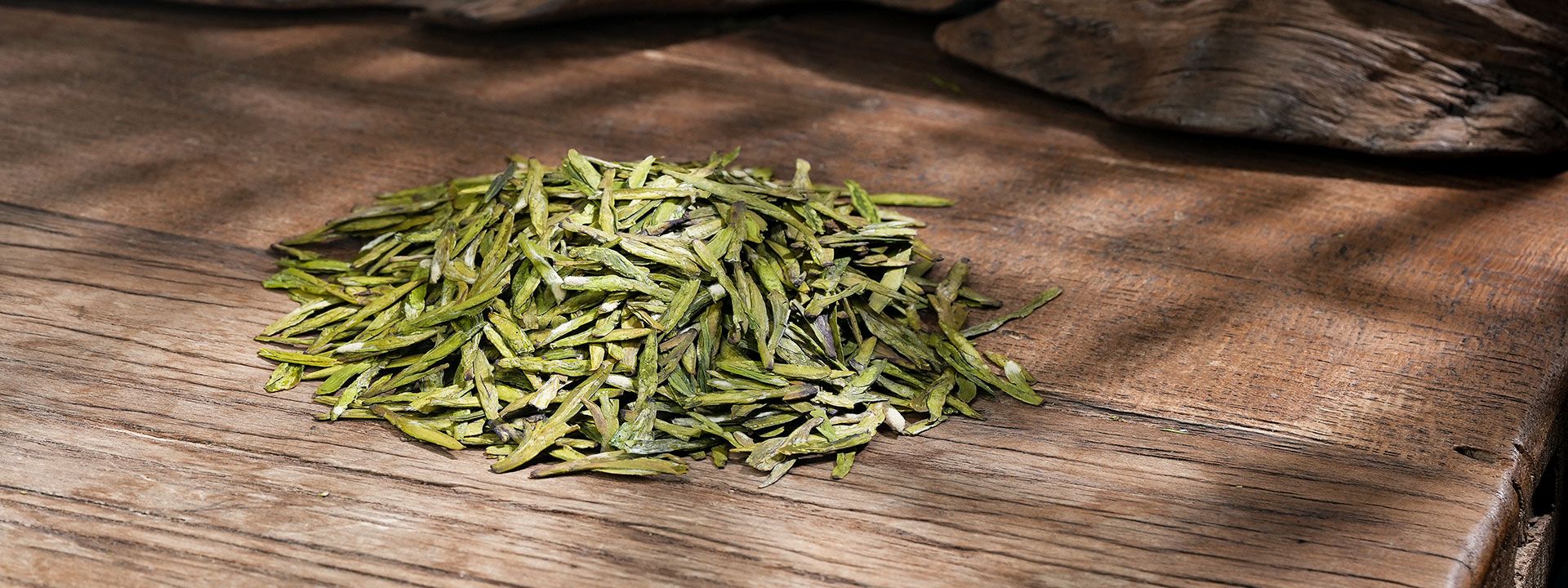
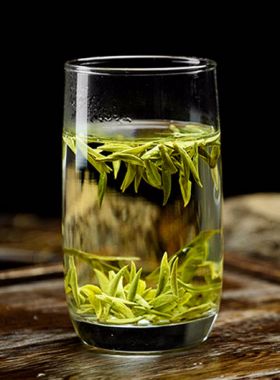
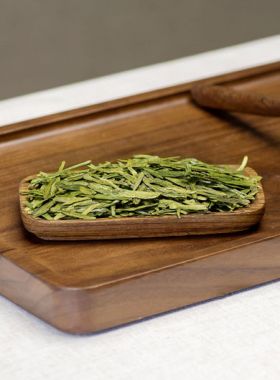
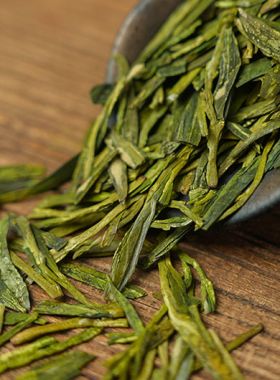
Flat, evenly shaped leaves, with a glossy yellow-green color |
| Aroma: |
Bean-flower fragrance, stir-fried bean and orchid fragrance |
| Liquor: |
Light yellow-green |
| Taste: |
Fresh and mellow, smooth and gently sweet, with fried bean and orchid notes interwoven, leaving a long, lingering finish |
| Tea Bush: |
Longjing #43 |
| Tea Garden: |
Xi Hu Long Jing Tea Garden |
| Caffeine: |
Low caffeine (less than 10% of a cup of coffee) |
| Storage: |
Store in airtight, opaque packaging; keep refrigerated |
| Shelf Life: |
18 Months |
Angel's Comment:
The key fragrance note: bean-flower fragrance; the compound note is stir-fried bean aroma; the liquor is smooth, mellow, and sweet, with a long-lasting, mouth-watering finish.
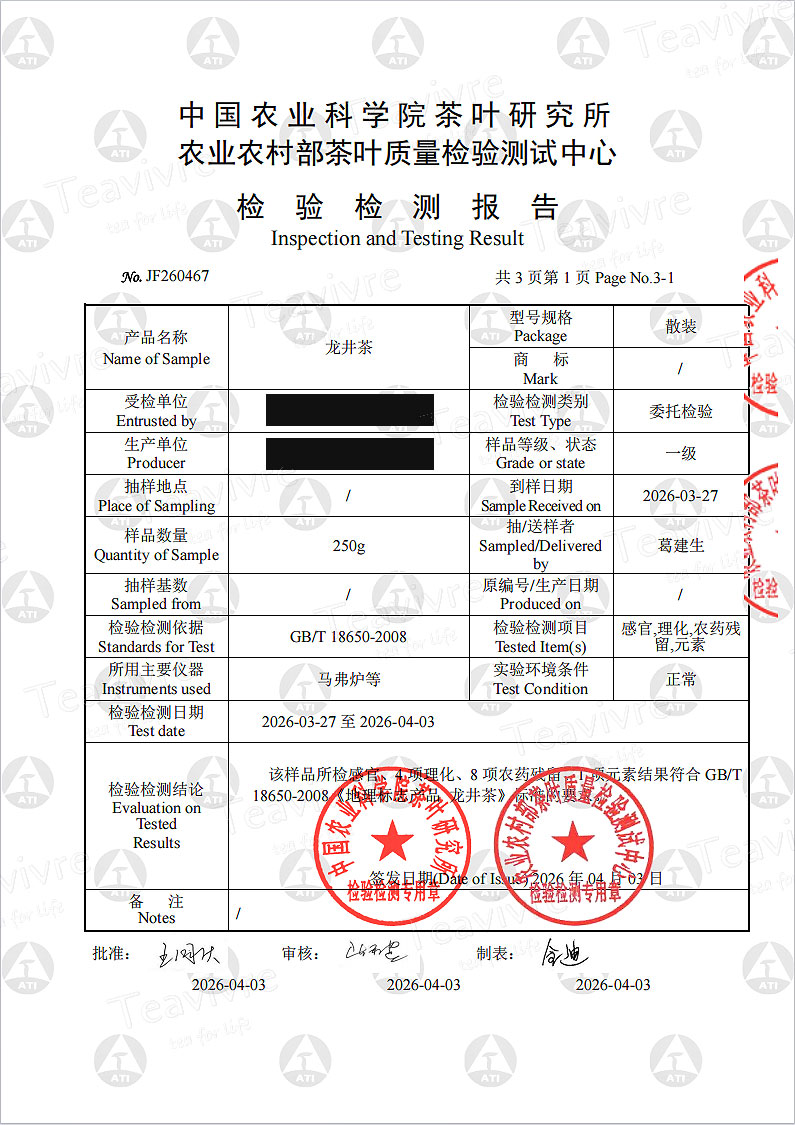
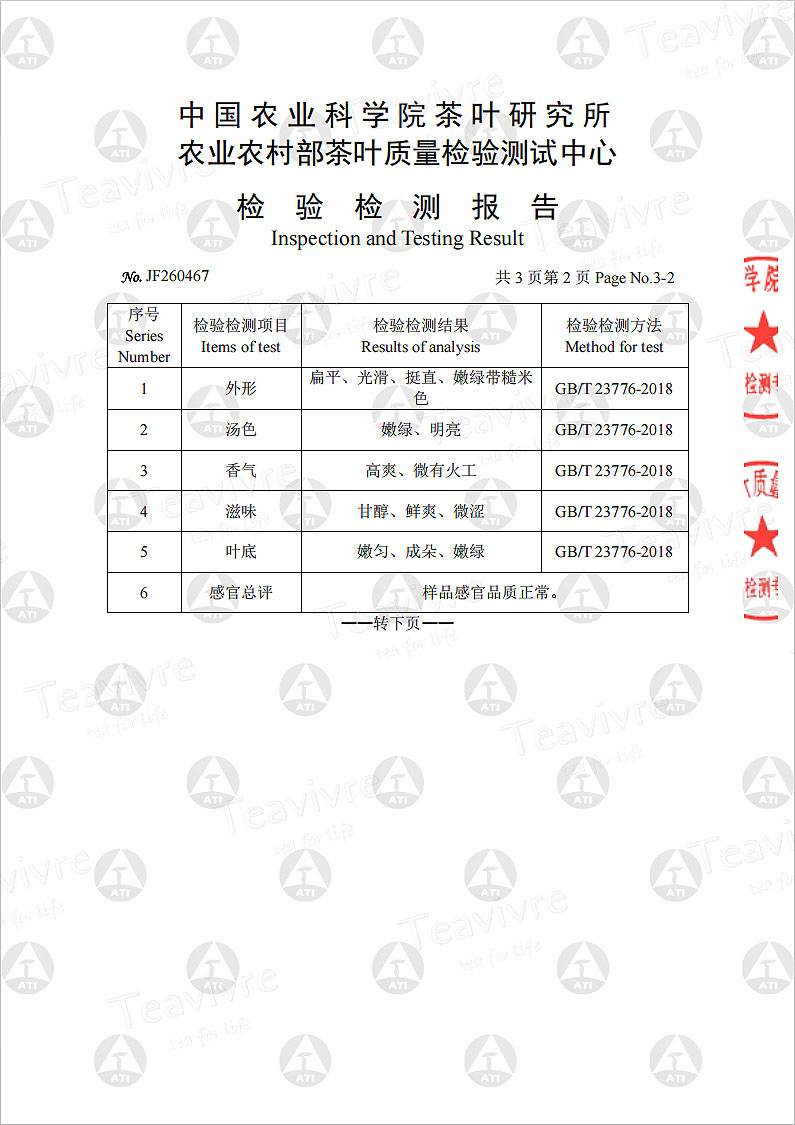
Certification
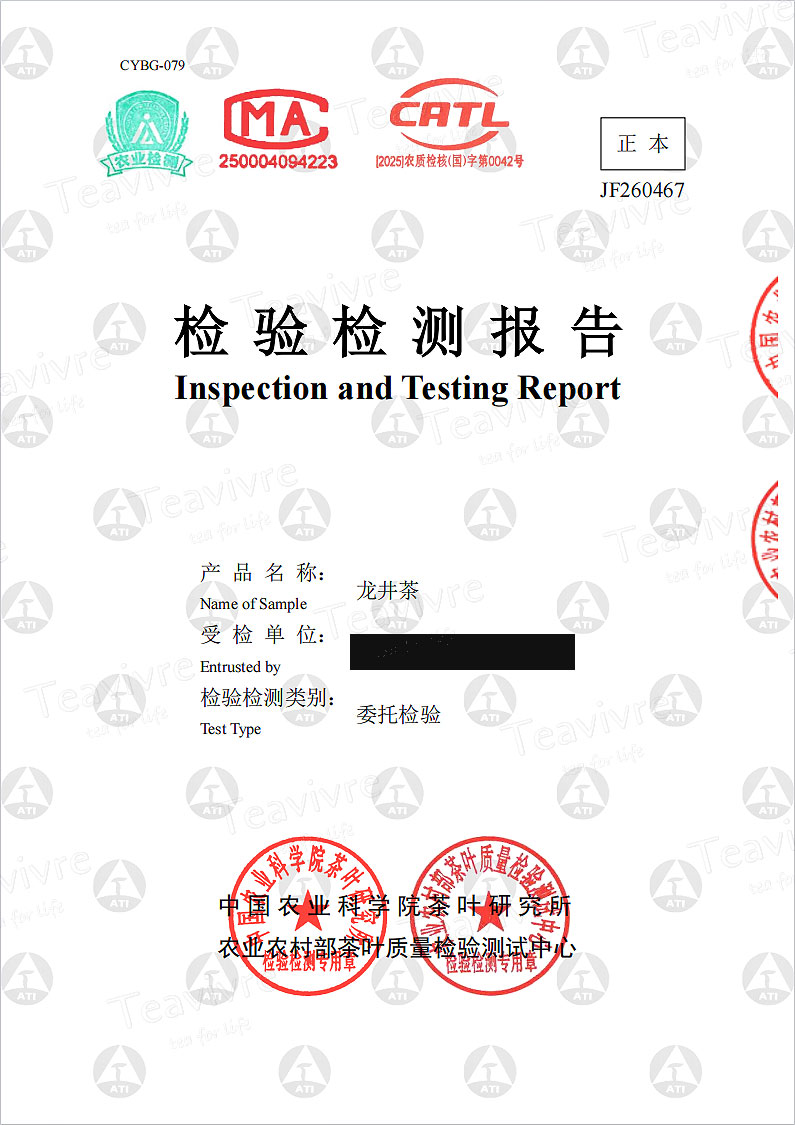 |
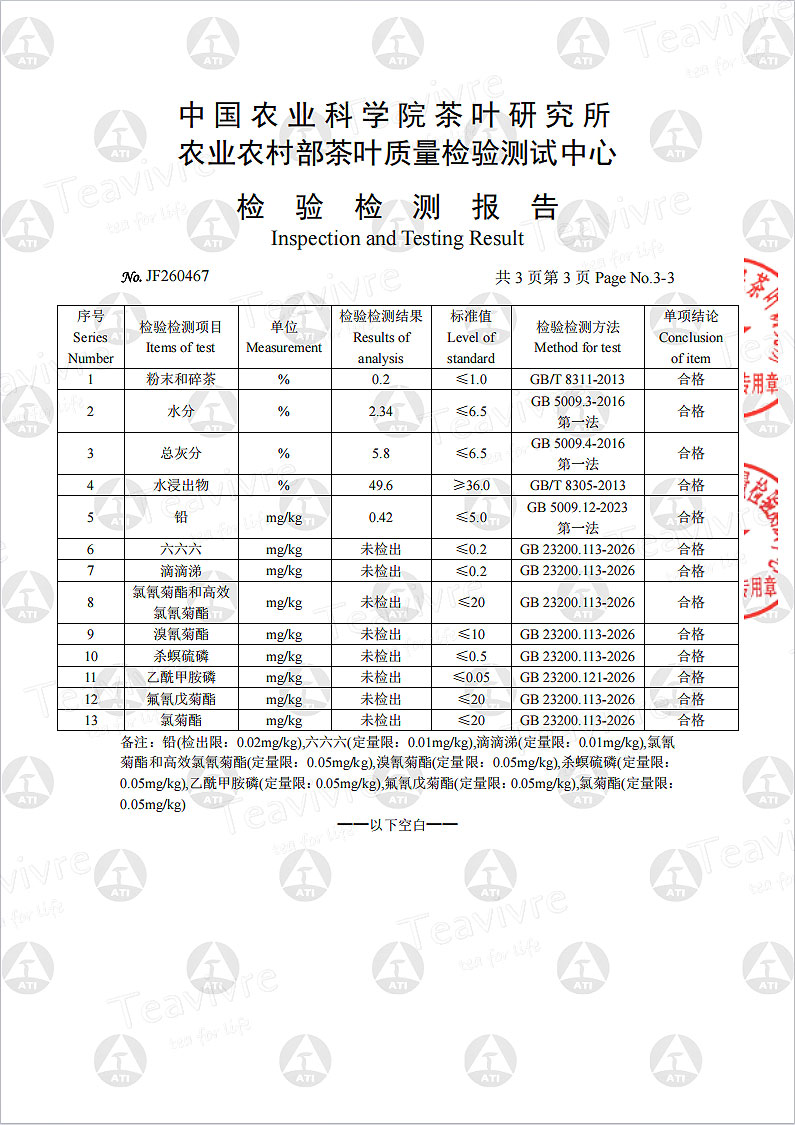
| Test Report (No. JF260467) |
Xi Hu (West Lake) Longjing tea finds its home in five core growing areas, Shi (狮峰), Long (龙井), Yun (云栖), Hu (虎跑), and Mei (梅家坞), each with its own character, and among them, Meijiawu stands apart with a quiet clarity and fine texture. The leaves of our Xi Hu Longjing are flat and plump, mostly one bud with two leaves, each surface glossed with fine white hairs. The soul of Meijiawu Longjing lives in its scent; hot water wakes the sleeping buds and up drifts a clean, lingering aroma, fried bean tangled with orchid. The tea touches the tongue smooth, round, and gentle, with no bitterness or raw green notes, a soft current of exquisitely fine flavor. After drinking, a long throat warmth follows; the mouth wells with sweetness, and the delicate bean and orchid fragrance lingers for a long time.
As the saying goes, “pre-Qingming tea is as precious as gold.” This is especially true for West Lake Longjing harvested before Qingming. The picking window lasts only about ten days, and every tender leaf must be hand-plucked one by one, then carefully crafted by experienced tea masters. Favorable timing, skilled hands, and true craftsmanship are all important. Each cup is hard-earned and exceptionally precious.
Authenticity Guaranteed
Authentic West Lake Longjing tea must have an official certification label issued by the government. Each label features a unique serial number and QR code that allows consumers to trace the tea's origin. Simply scan the QR code to access the official verification page and confirm the authenticity of this tea.
Learn how to scan and verify here
Recommend Brewing Method
 |
Cup Method |
 |
Chinese Gongfu Method |
 |
Teacup: 8.8oz / 250ml | |
Gaiwan: 3.8oz / 110ml |
 |
185℉ / 85℃ | |
185℉ / 85℃ |
 |
1.5 Teaspoons / 1.5g Tea | |
3g Tea |
 |
Brewing time: 3 - 5 mins | |
7 steeps: 15s, 15s, 20s, 25s, 30s, 40s, 50s |
Tea Garden
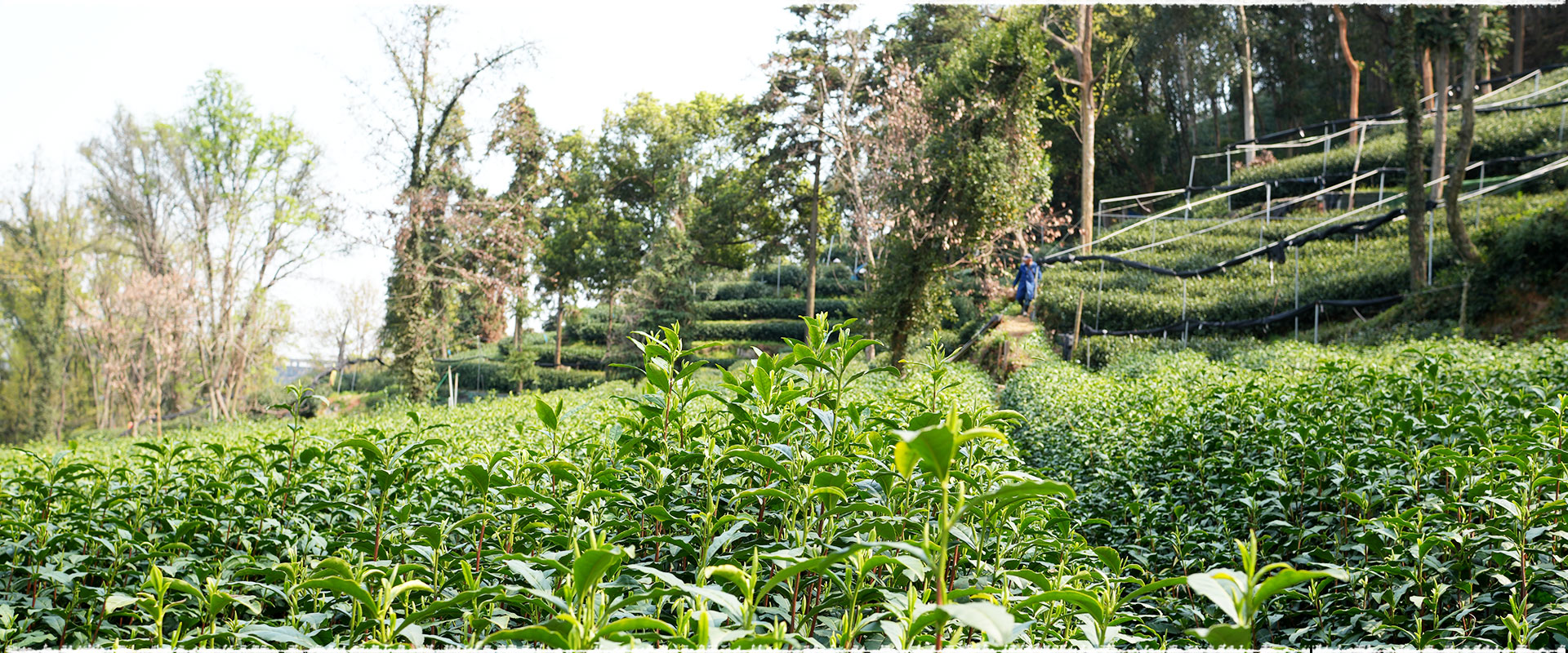
This West Lake Longjing tea comes from Meijiawu Cultural Village in the West Lake scenic area of Hangzhou, located within the core protected region for West Lake Longjing. The tea garden sits at an elevation of about 500 meters. Surrounded by mountains and often shrouded in mist throughout the year, it benefits from a mild, humid climate, mineral-rich weathered soils, and well-preserved vegetatio, together creating an exceptional natural environment for growing Longjing tea.
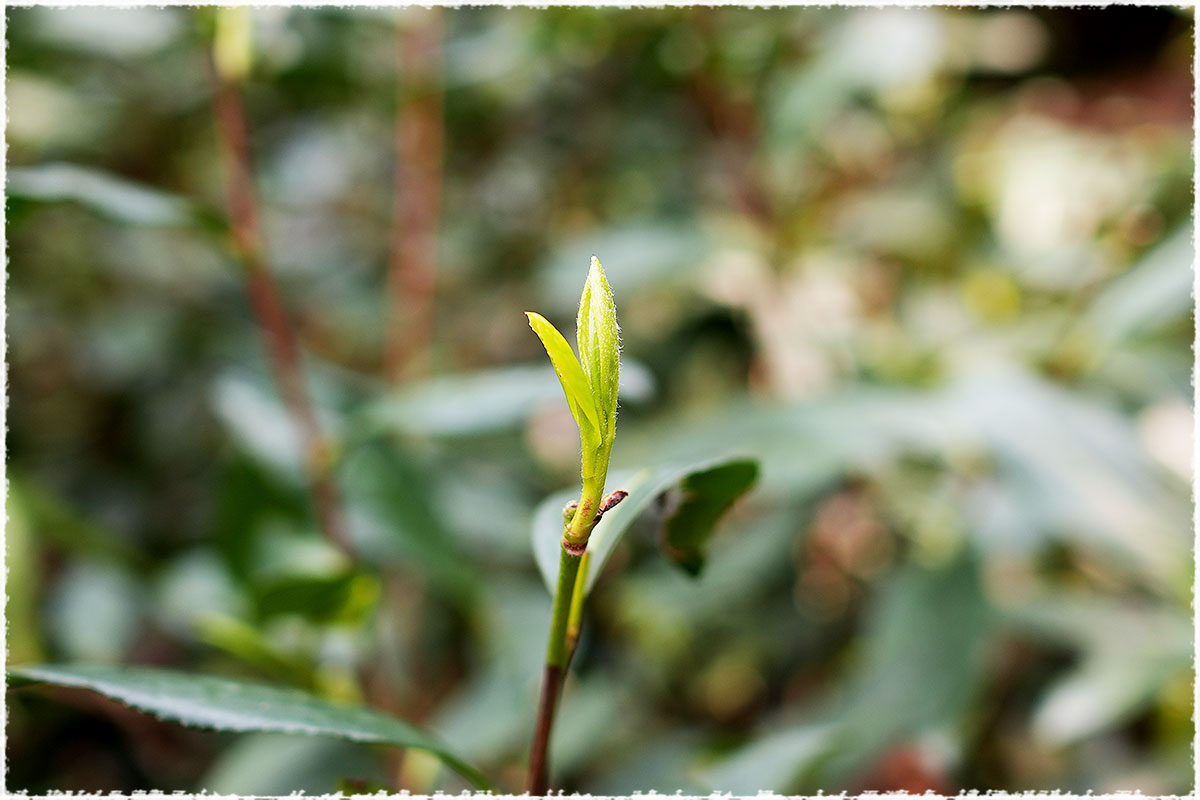
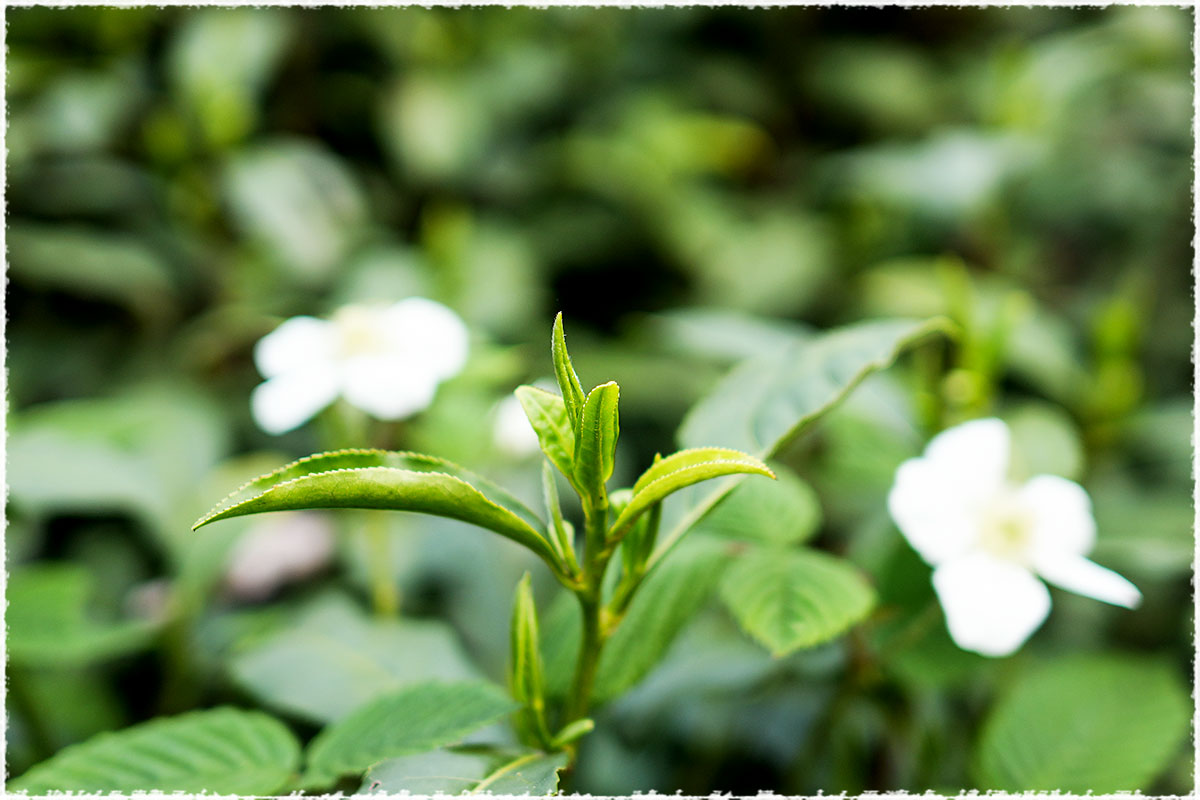
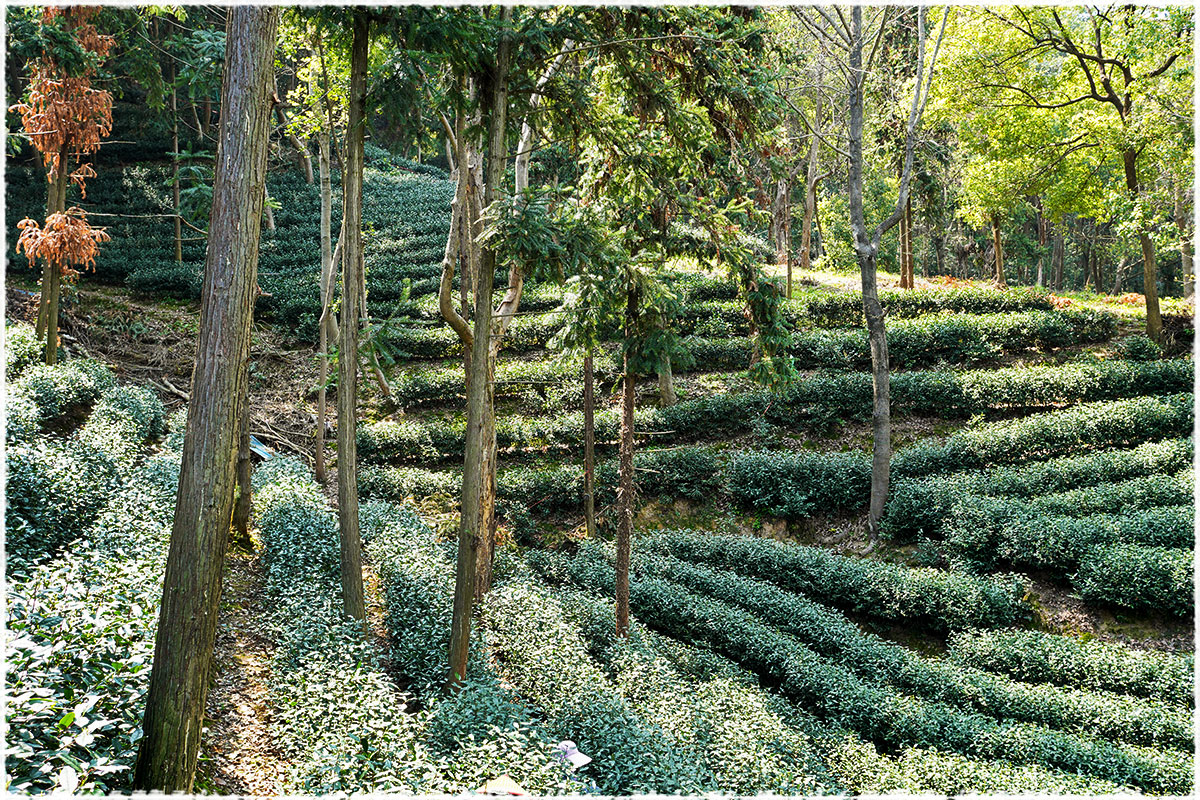
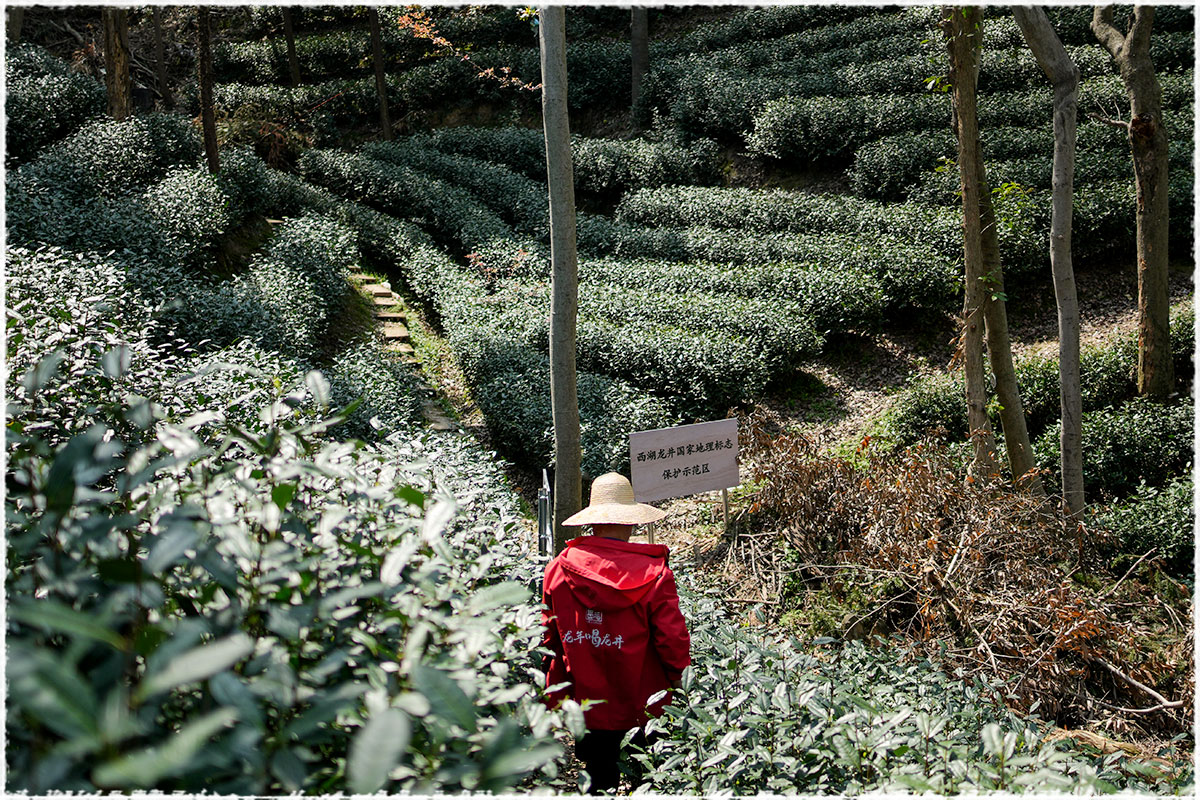
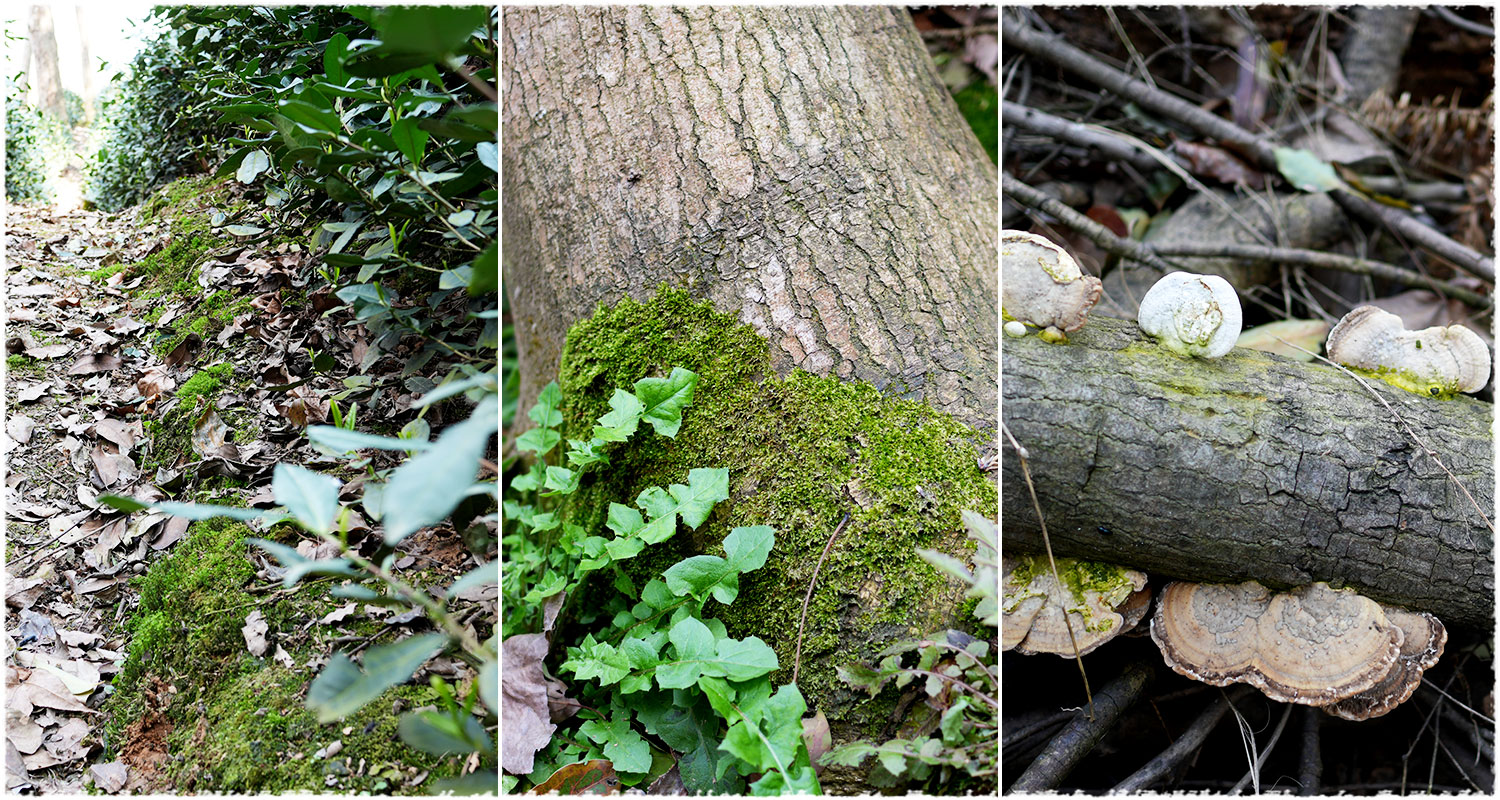
The moss around the tea trees and the wild fungi on fallen wood are signs of a healthy, well-preserved tea-growing environment.
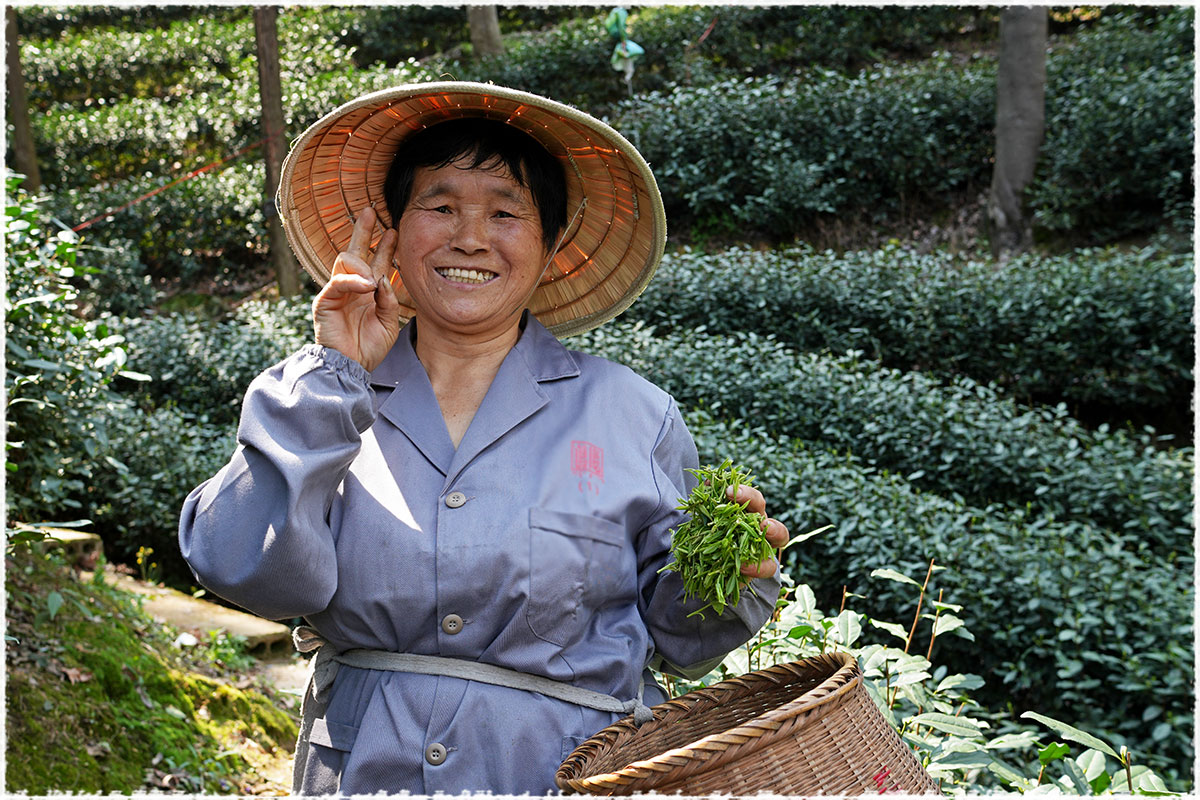
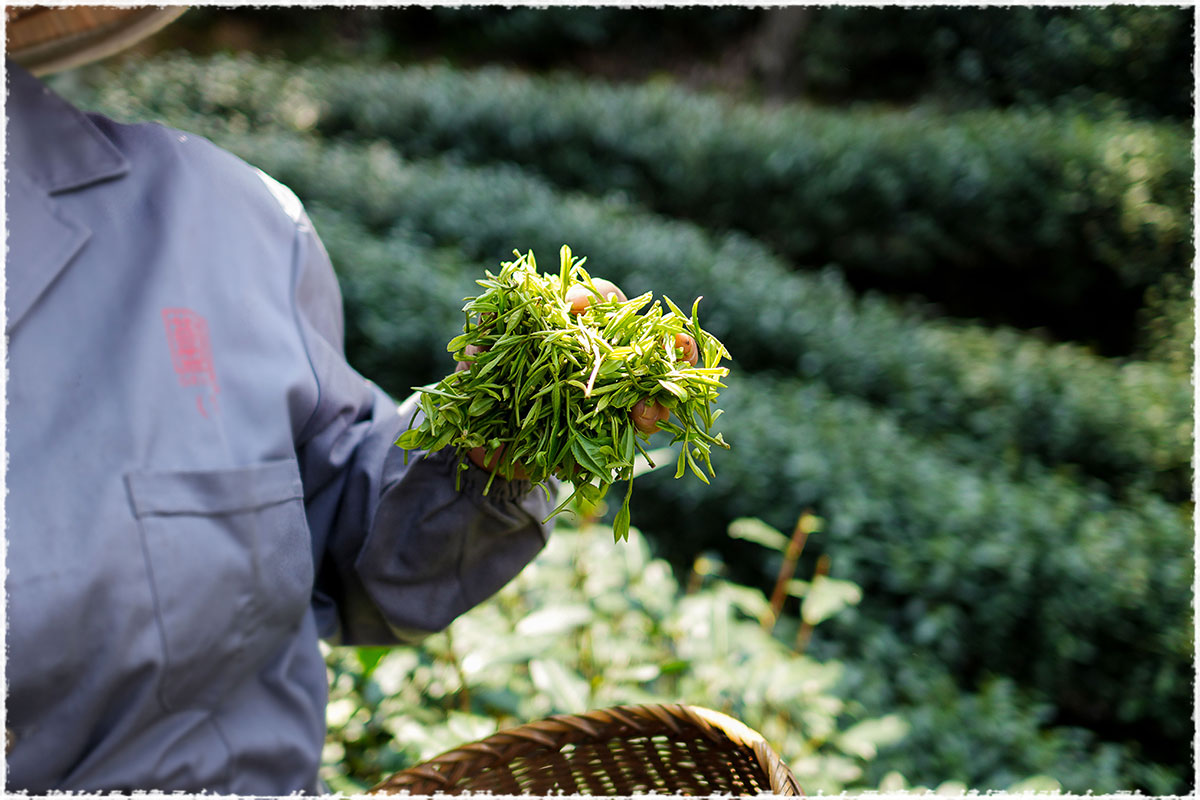
The garden adheres to traditional hand-picking and pan-firing techniques. From the early-morning harvest tea buds, to hand-firing (kill-green) and the final shaping process, every step is carried out by experienced tea masters. Here, tea-making is not just a craft, but a way of life passed down for generations.
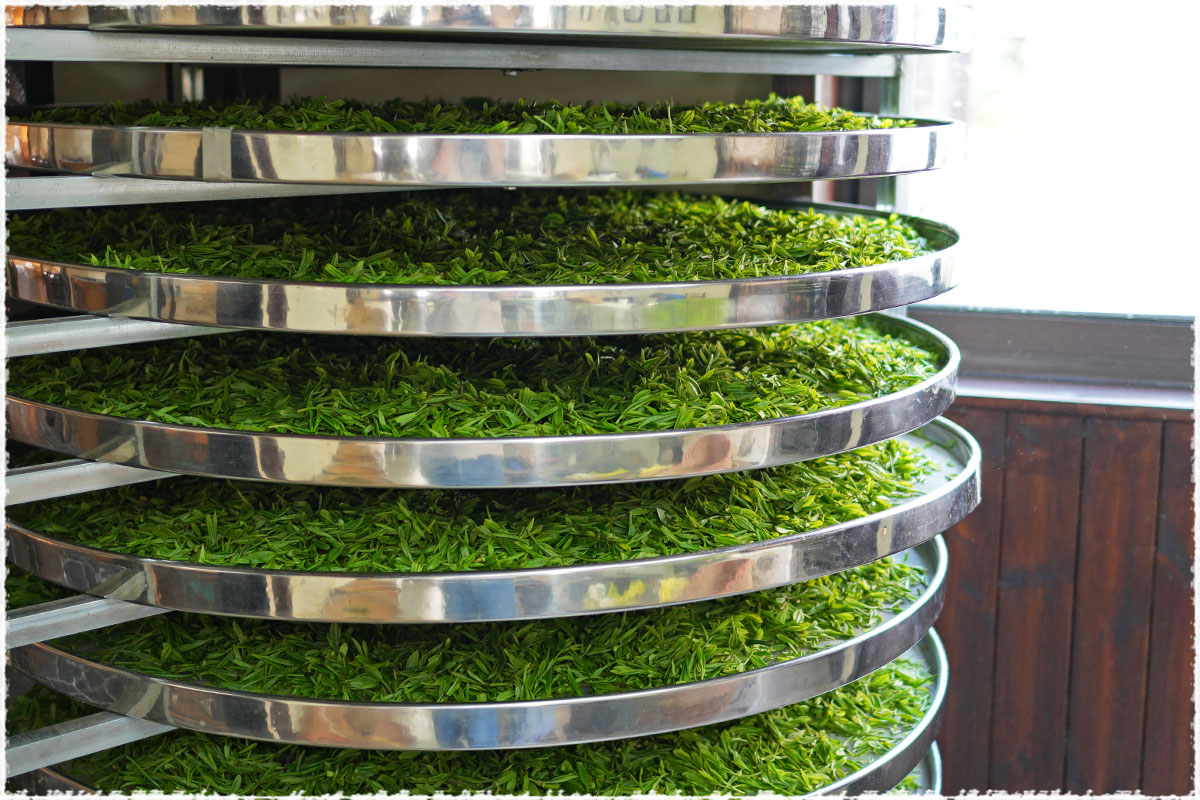
The fresh leaves are withering.
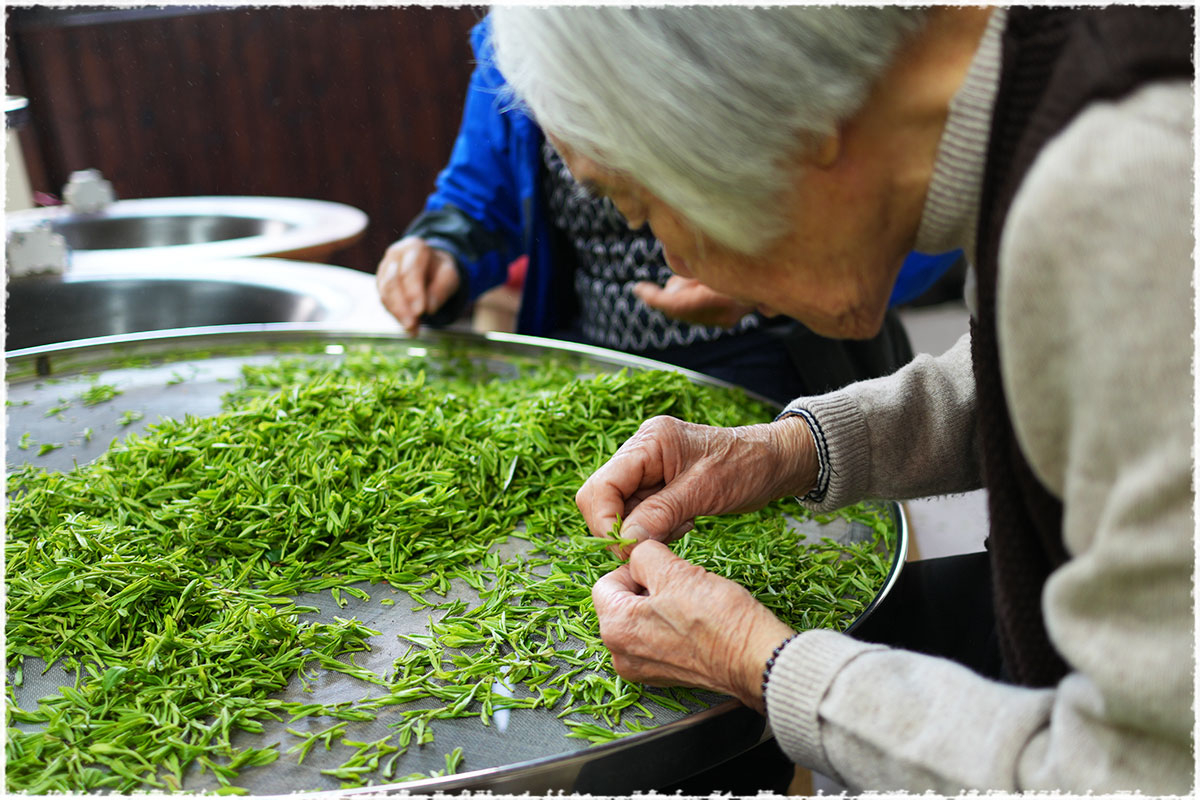
Hand-picking tea buds and leaves that meet production standards.
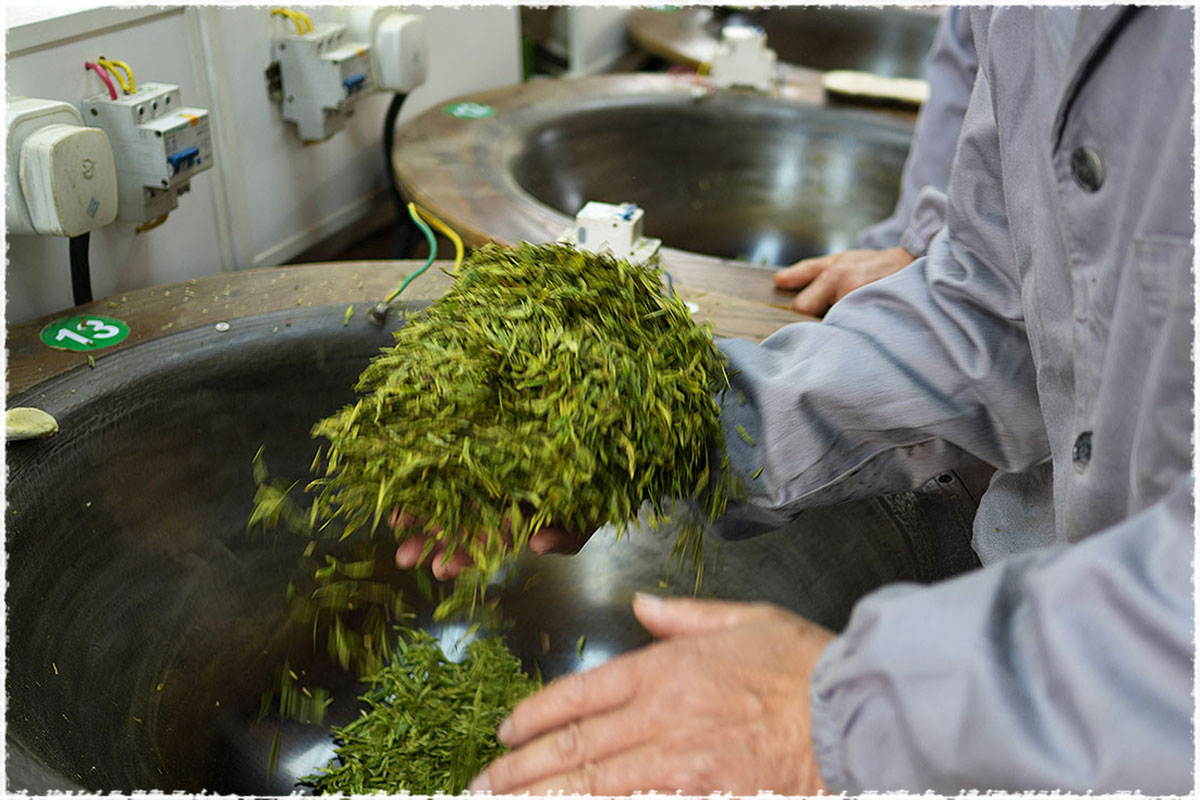
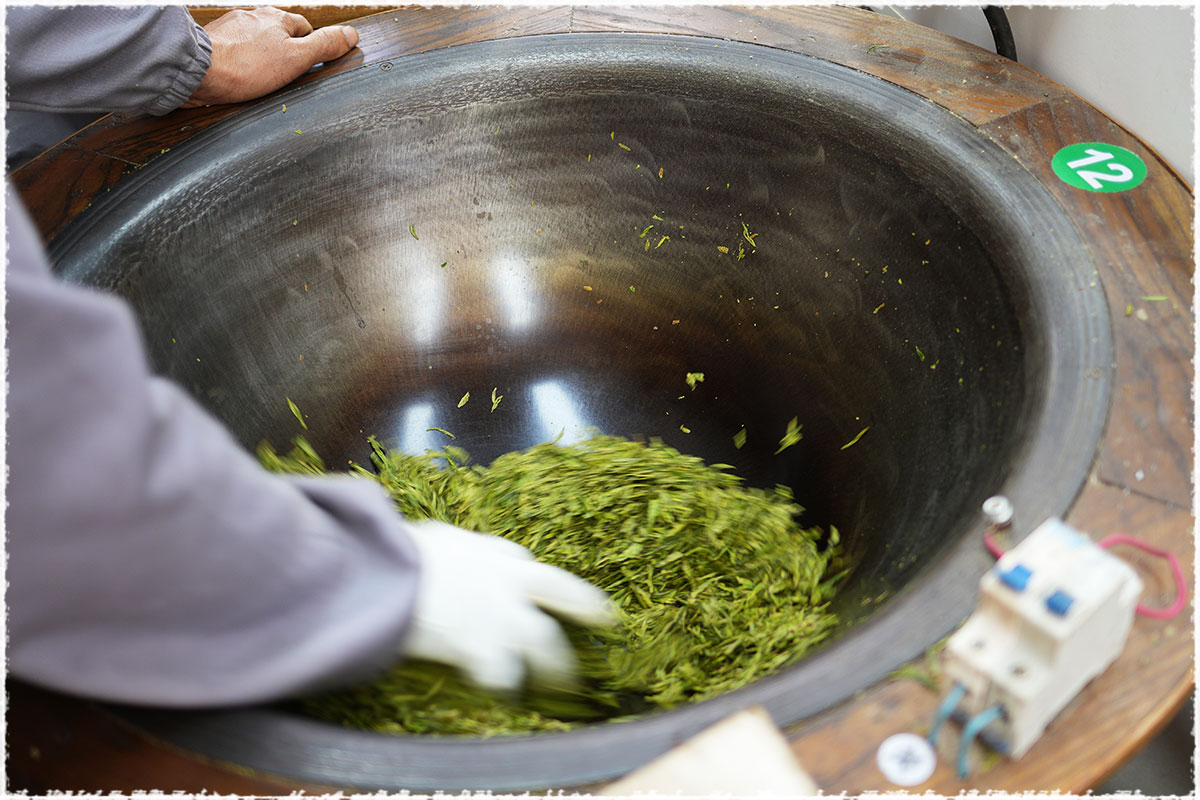
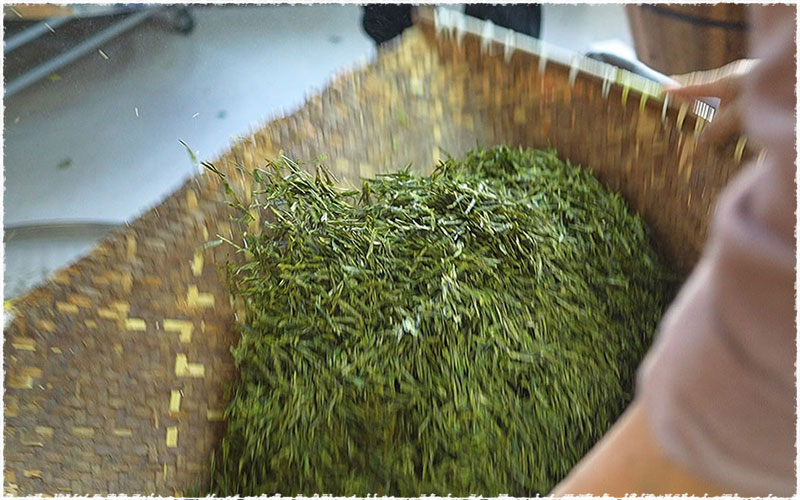
Use winnowing tray to sift out the tea dust and large leaves.
With over 600 years of tea cultivation history, Meijiawu combines time-honored traditions with modern garden management, allowing this land to retain its cultural heritage while ensuring consistent quality.
Tea Master
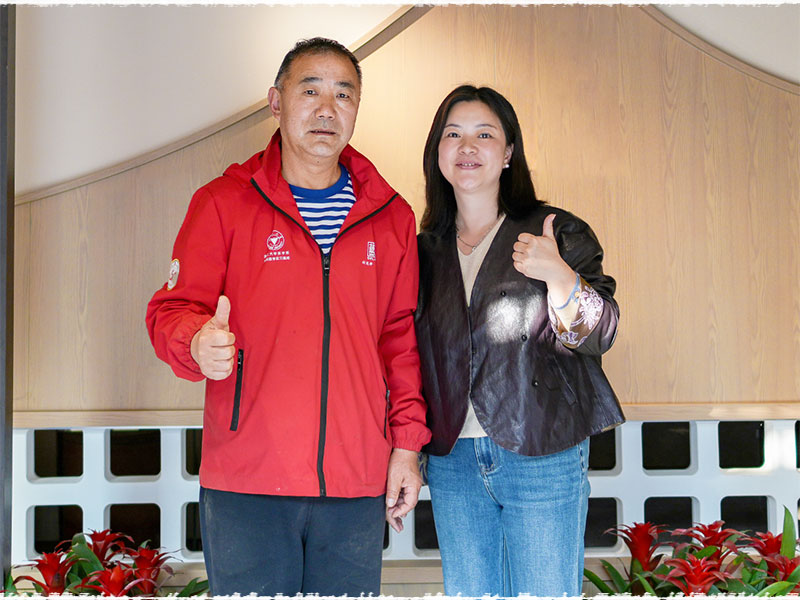
Mr. Ge is a recognized inheritor of the intangible cultural heritage of West Lake Longjing tea-making techniques, and the sixth-generation heir of the historic “Ge Zhengxing Tea House.” His ancestors founded the tea house in the 1920s, and for over a century, his family has been devoted to tea production in Meijiawu, Hangzhou.
Influenced by this legacy from an early age, Mr. Ge grew up with a deep aspiration to carry forward the spirit of this legendary tea. In 1988, he turned that dream into reality by establishing his own tea factory. His philosophy is simple yet profound: to preserve the century-old traditional craftsmanship of Longjing tea, while allowing people around the world to experience its delicate aroma and rich taste. He carefully selects tea gardens across the core areas of Meijiawu and Shifeng Mountain, where morning mists linger, soils are rich in minerals, and century-old tea trees develop deep roots, creating ideal conditions for exceptional tea.
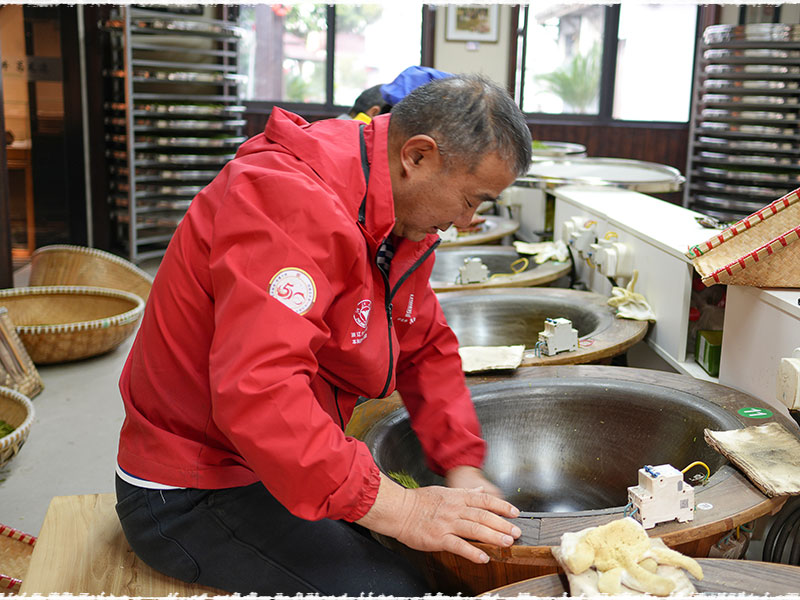
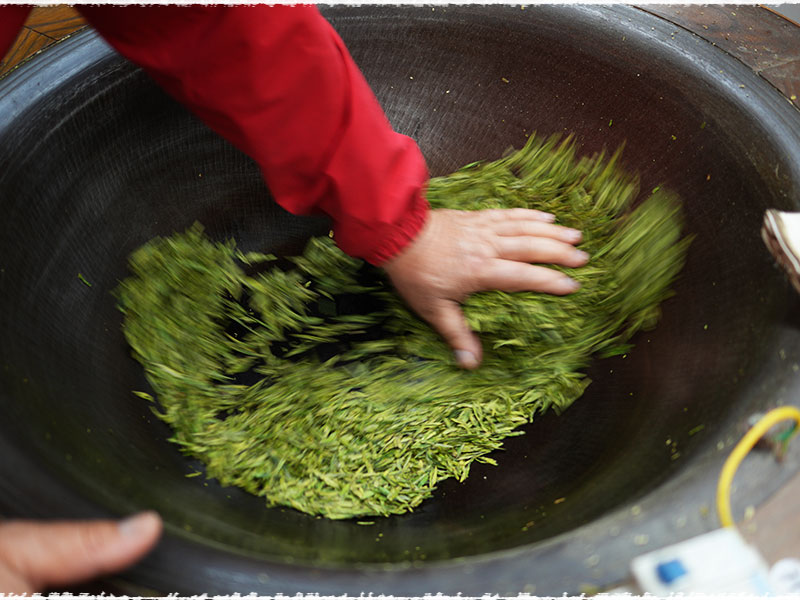
Today, Mr. Ge is not only a tea producer, but also a guardian of Chinese tea culture. Every cup of tea carries his passion for the craft, his respect for tradition, and the enduring legacy and stories of West Lake Longjing passed down through generations.
Origin
Meijiawu lies to the southwest of West Lake in Hangzhou, nestled among surrounding hills. It is one of the traditional core production areas of West Lake Longjing tea and also one of the oldest tea villages in the region. The area enjoys a mild climate and abundant rainfall, with an average annual temperature of around 16°C and yearly precipitation reaching approximately 1,500 mm. Mist gathers easily and lingers among the lush forests, while the soil—an acidic, sandy red earth rich in minerals—provides excellent conditions for tea cultivation. Together, this unique microclimate and fertile terrain create an ideal ecological environment for tea trees to thrive.
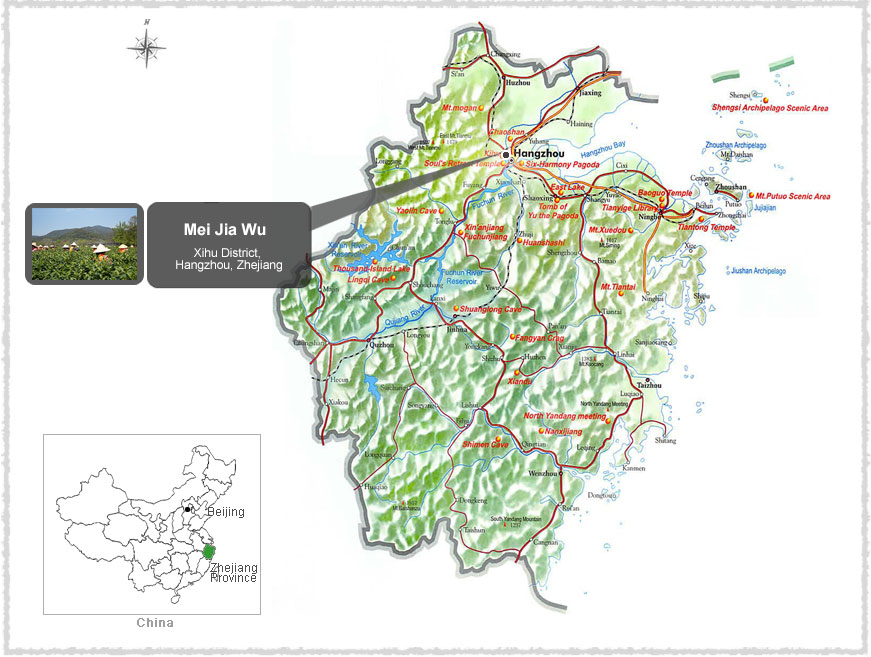
Since the Ming and Qing dynasties, Meijiawu has carried on an unbroken tradition of tea cultivation. Today, it is best known for the “Ten-Mile Tea Valley of Meijiawu,” where over a thousand acres of terraced tea gardens cascade across the hillsides like steps. It is not only a vital center for the heritage of West Lake Longjing tea, but also, with its deep-rooted history of tea growing and craftsmanship, a signature destination for experiencing Hangzhou’s tea culture.
Tea Bush
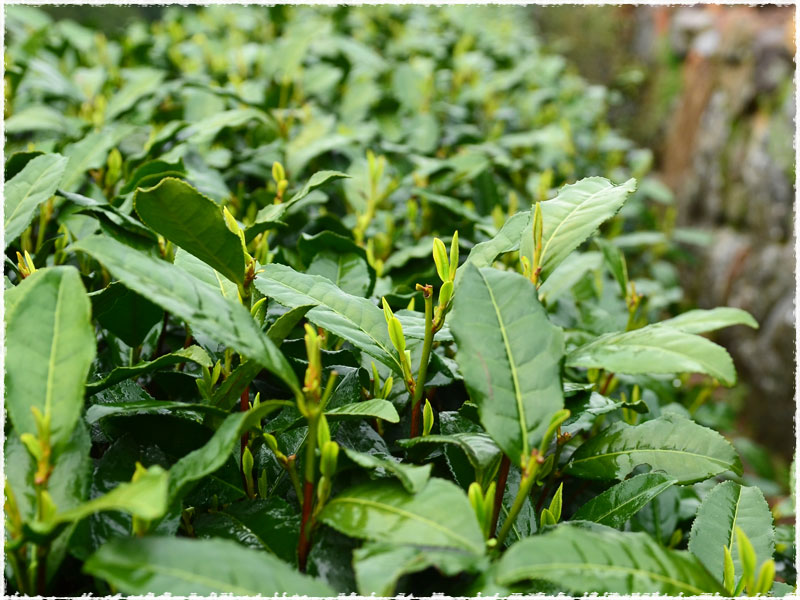
Longjing #43, comes from Qunti variety through the systematic selection breeding by Tea Research Institute, Chinese Academy of Agricultural Sciences. In 1987, it was identified as National Improved Variety by Chinese Tea Improved Variety Examination and Approval Committee, numbered “GSCT 37”. It is flat and smooth with light green color. At the same time, it retains the Longjing’s good quality, sufficient bean flavor with some chestnut aroma. In addition, the spring tea of this tea bush has 3.7% amino acids and 18.5% tea polyphenols, which is very suitable for making flat-shape green tea.
History
Long Jing Tea has a long, distinguished history of over 1200 years. During the Ming Dynasty, it became very popular and was listed as one of the top grade teas in China. During the reign of Emperor Shunzhi in the Qing Dynasty, the Emperor’s love for this tea meant that it was frequently presented by petitioners as a royal tribute.
To be famous and flourish, it is based on the good quality and long history and culture of Longjing tea.
Customer Reviews
Related Products


























Reviews
There are no reviews yet.