
-
Fast ShippingFree shipping for orders above $40
to most countries. -
Secure PaymentPay with Paypal, Credit Card …
-
Carefully SelectedFrequently Visit Tea Gardens.
Taste Repetitiously -
15 Days RefundNo Questions Asked
Refund Policy
Handmade Nonpareil Ming Qian Meng Ding Huang Ya Yellow Tea
Mellow, toasty grains, honeyed sweetness
Price range: $7.50 through $269.64
Handmade Nonpareil Ming Qian Meng Ding Huang Ya Yellow Tea
Mellow, toasty grains, honeyed sweetness
Product Tags
Nonpareil
Nutty
Floral
Honey
Delicate
Refreshing
Sweet
Spring Tea
High Mountain
Buttery
Sichuan
Summary
| Origin: |
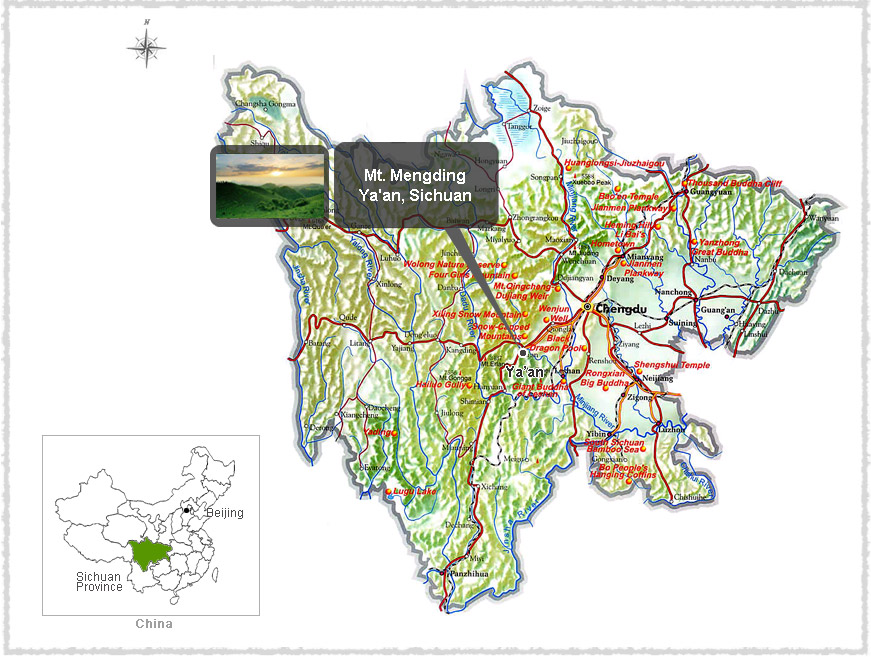
Mt. Mengding, Mingshan District, Ya’an City, Sichuan Province, China |
|---|---|
|
Harvest Date: |
March 18, 2026 |
|
Plucking Standard: |
Single bud, one bud with one just-unfurled leaf |
| Dry Leaf: |
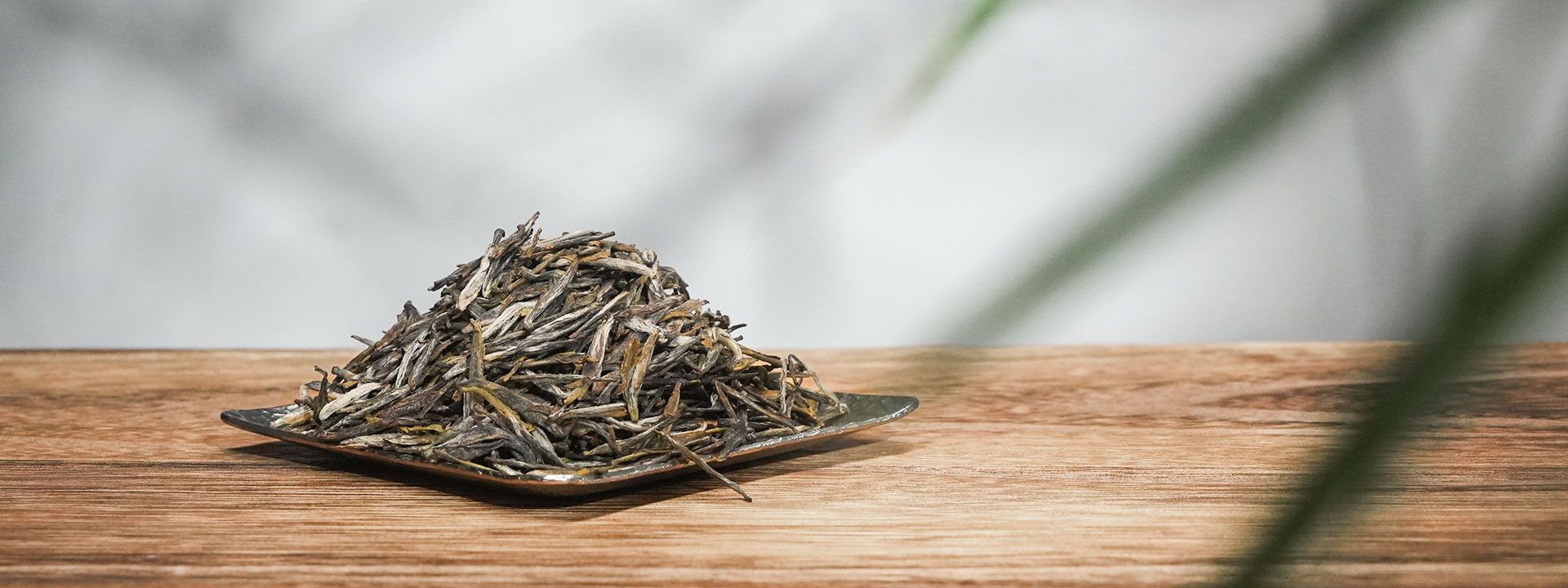
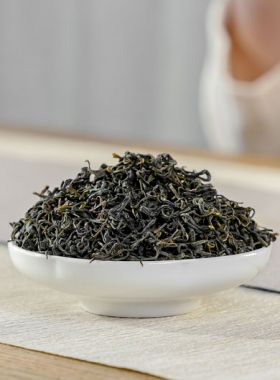
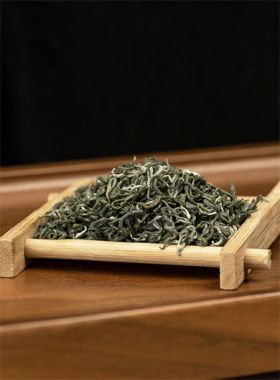
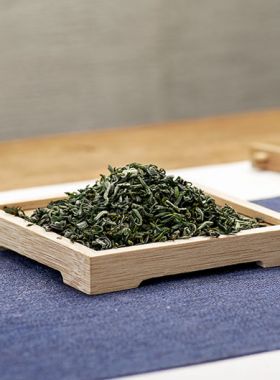
The buds are short and small, uniform and plump, yellowish brown in color, with an amount of fuzz |
| Aroma: |
Toasty grains, buttery, nutty, nectar-like sweetness |
| Liquor: |
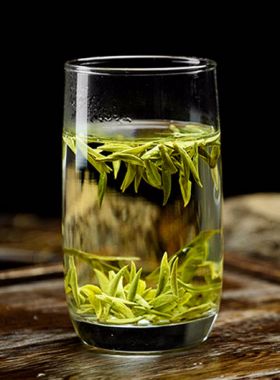
Bright apricot yellow |
| Taste: |
Rich, mellow and full-bodied, with a nectar-like sweetness that lingers elegantly on the palate |
| Tea Bush: |
Old Sichuan Tea Qunti Cultivar (老川茶群体种) |
| Tea Garden: |
Mt. Mengding Tea Area (over 1500 meters) |
| Caffeine: |
Low caffeine (less than 10% of a cup of coffee) |
| Storage: |
Store in airtight, opaque packaging; keep refrigerated |
| Shelf Life: |
18 Months |
Angel's Comment:
The key fragrance note: toasted rice and cookie-like aroma; the compound note is ripe fruit notes; the liquor is sweet, mellow, and smooth.
Meng Ding Huang Ya is a famous Chinese yellow tea traditionally produced on Mengding Mountain in Ya'an City, Sichuan Province. Its production process is unique, combining the techniques of green tea and yellow tea, especially focusing on "sealing yellow (or Men Huang, a controlled oxidation processes)" as the core procedure, which results in yellow leaves and yellow liuqid, and a sweet, mellow quality characteristic. TeaVivre's Meng Ding Huang Ya is harvested in early March, selecting only the finest whole buds and one bud with one just-unfurled leaf. It employs the traditional "san chao san men (三炒三闷)" technique, involving three alternations of stir-frying and sealing yellow, where the tea master must precisely control the humidity, temperature, and duration to ensure the quality and flavor of the final product.
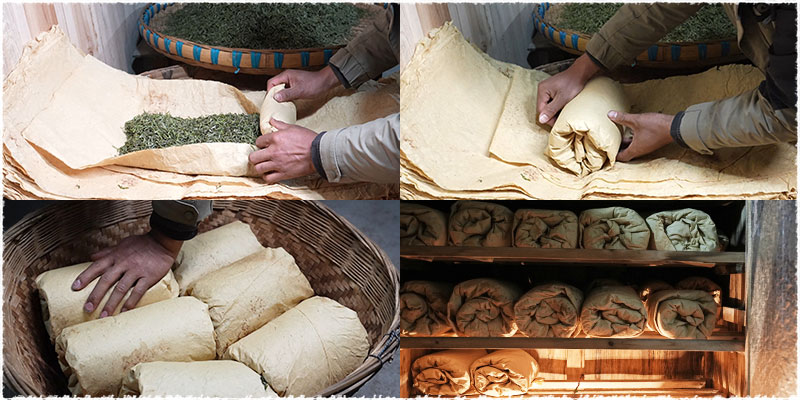
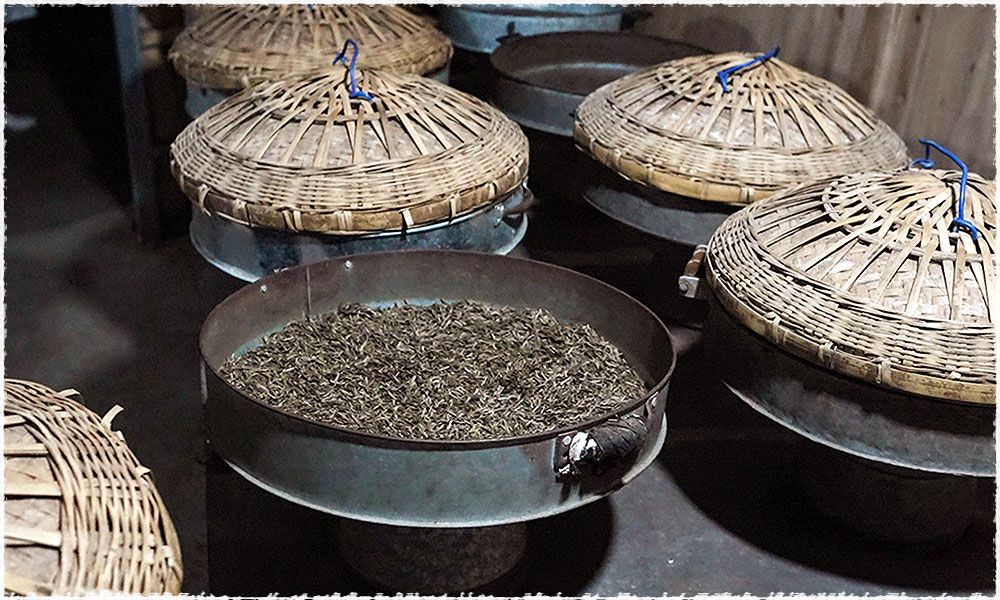
Traditional sealing yellow involves wrapping with bamboo pulp rough-edged paper.
Unlike green tea, this Mengding Huangya not only carries the fresh floral aroma and brisk, lively taste typical of green teas, but also develops additional notes of toasty grains and buttery nuts, along with a fuller, more rounded mouthfeel, thanks to the unique yellowing process. When gently shaken in a warm Gaiwan, the dry leaves release a sweet aroma reminiscent of buttery biscuits, followed by a soft honeyed, nectar-like fragrance. Once brewed, the liquor appears apricot-yellow and brilliantly clear, like morning light melting over the mountains. It taste smooth, delicate, and warmly mellow, with a rich and satisfying body. The finish is moistening and lingering, leaving behind a lasting honeyed sweetness and a soothing sensation often described as “sweet dew".
Recommend Brewing Method
 |
Cup Method |
 |
Chinese Gongfu Method |
 |
Teacup: 8.8oz / 250ml | |
Gaiwan: 3.8oz / 110ml |
 |
185℉ /85℃ | |
185℉ /85℃ |
 |
1.5 teaspoons / 2g tea | |
4g Tea |
 |
Brewing time: 3 - 5 mins (can steep 2-3 times) | |
7 steeps: 30s, 40s, 50s, 60s, 70s, 90s, 110s |
Tea Garden
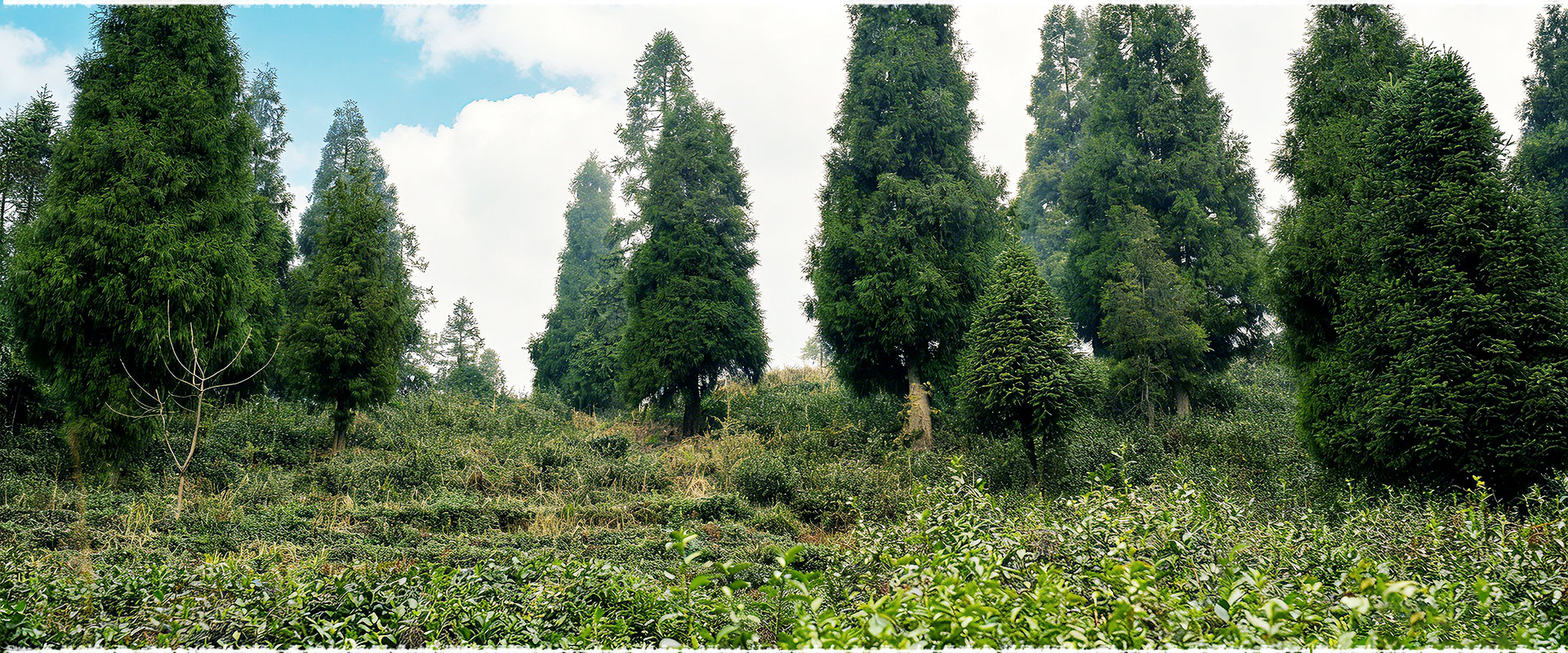
TeaVivre’s Ming Qian Meng Ding Huang Ya Yellow Tea comes from the Mt. Mengding Tea Area at the average elevation of about 1500 meters, which is located in Ya 'an, known as “the Rain City”. The ecological environment here is excellent, especially the misty and rainy climate provide advantageous conditions for the growth of tea, which help the formation of nitrogen in teas and increase the content of amino acids and other substances.
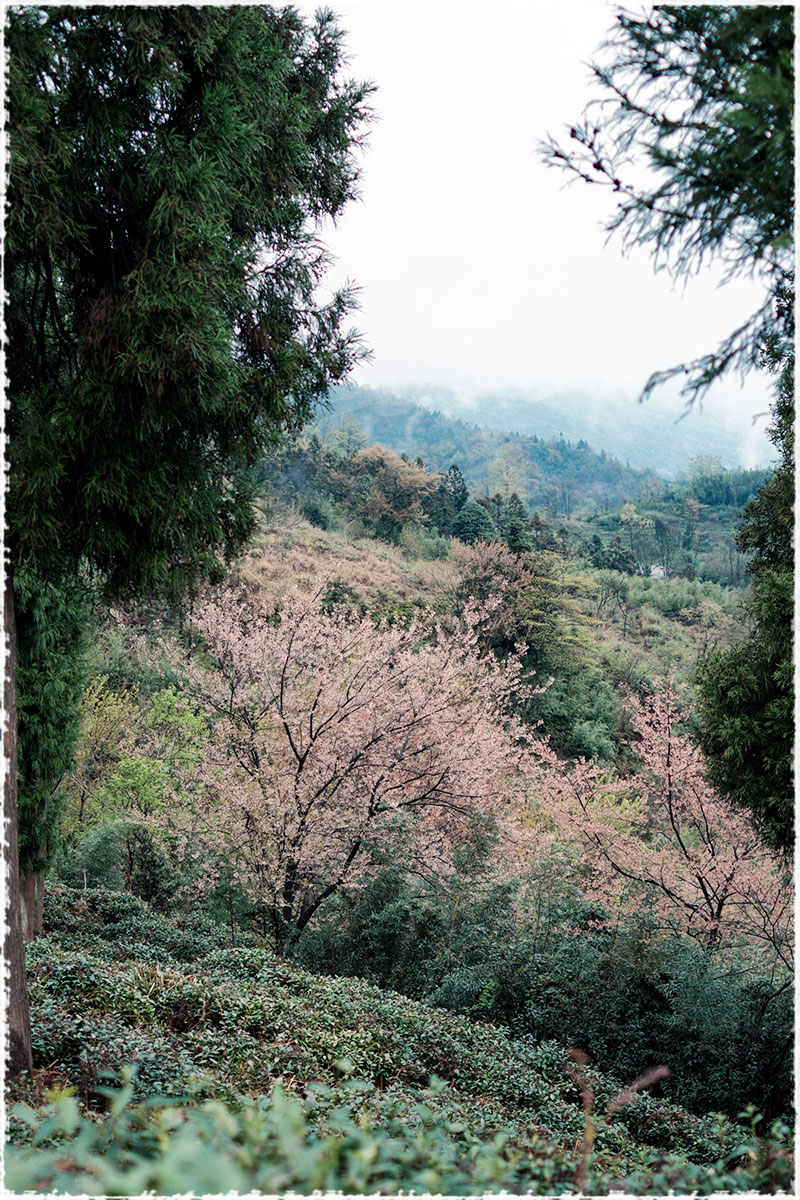
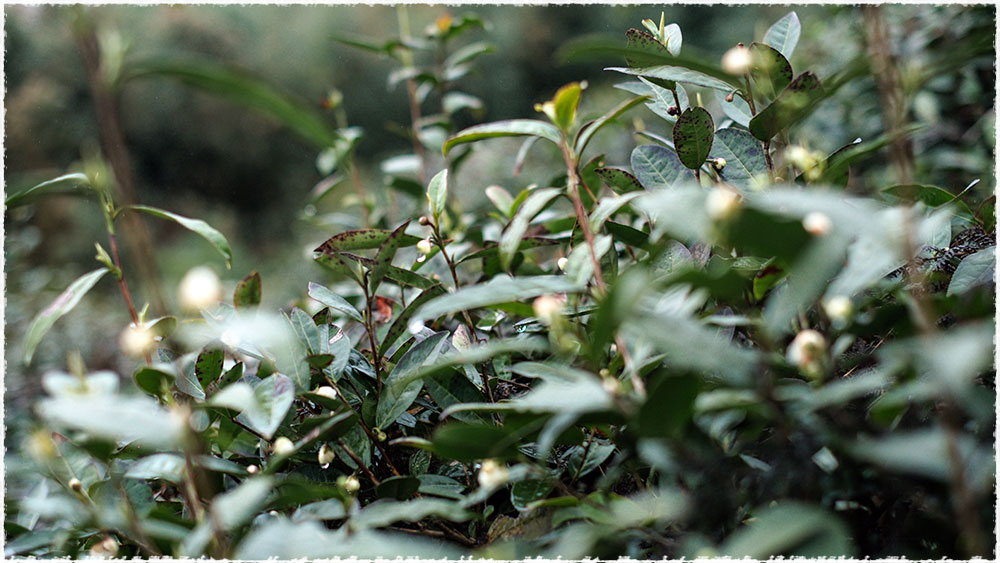
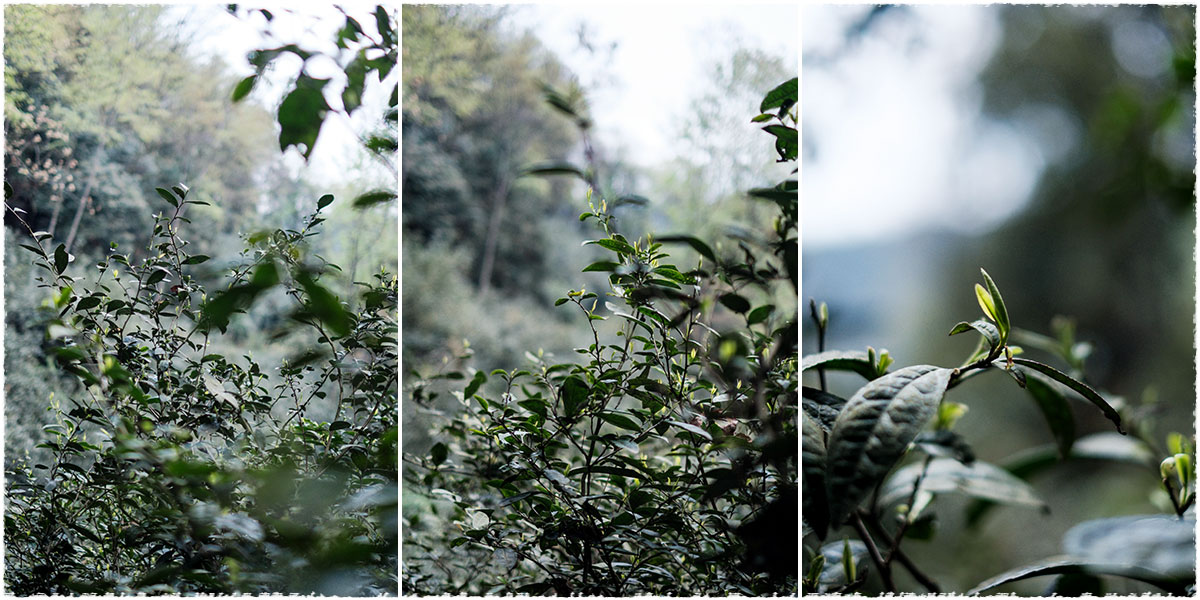
Views of the tea mountain. It is sparsely populated, quiet and beautiful, which belongs to the national protected natural scenic area.
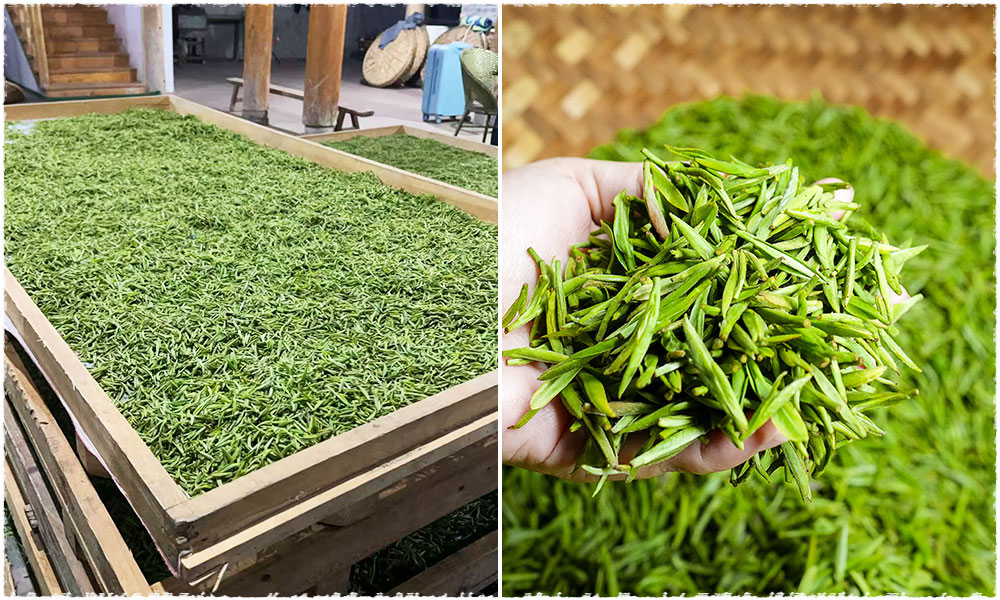
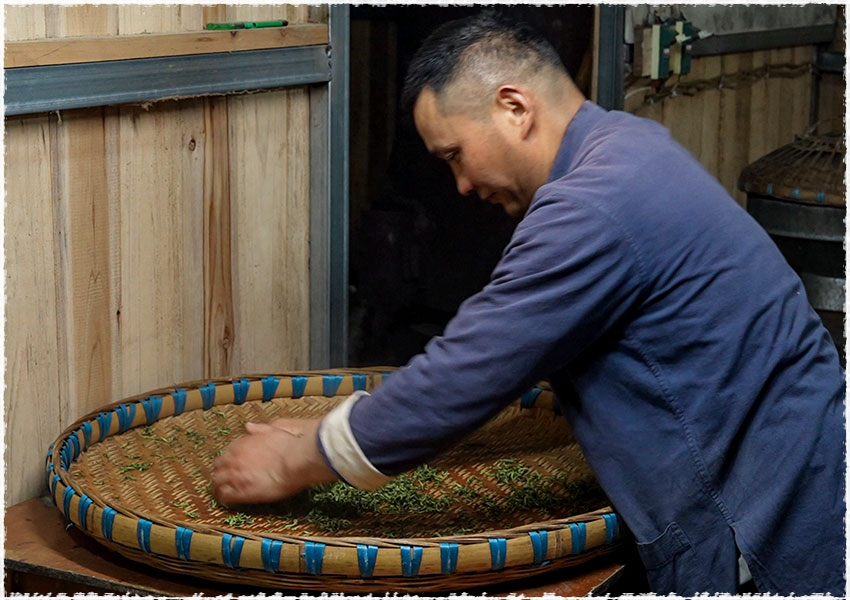
Freshly picked buds are being withered.
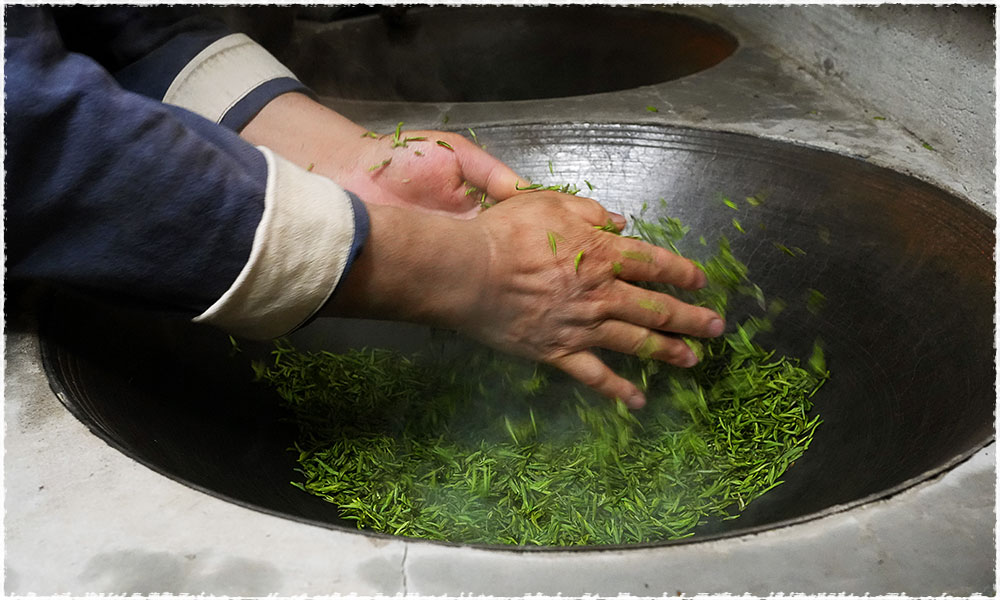
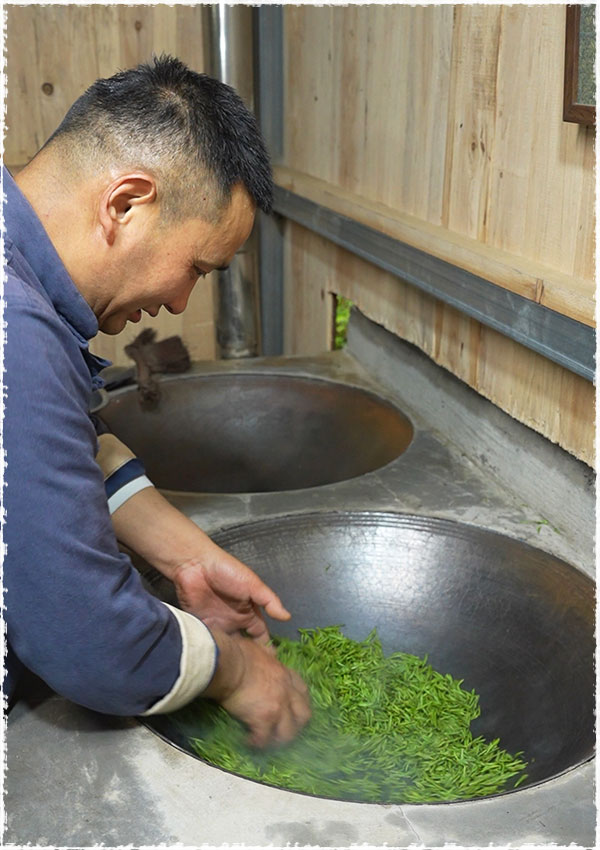
Kill-green (sha qing), at around 300°C.
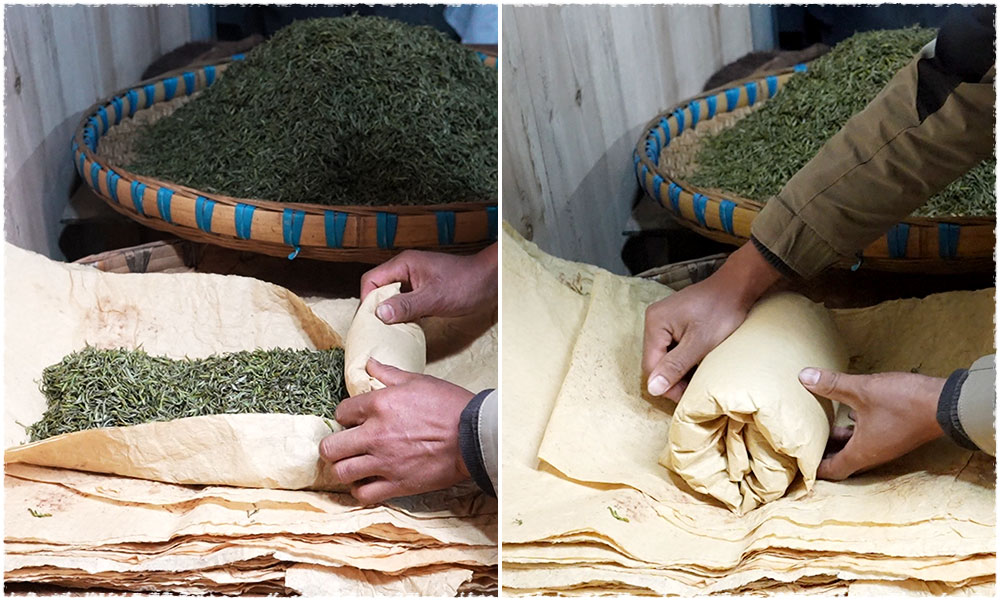
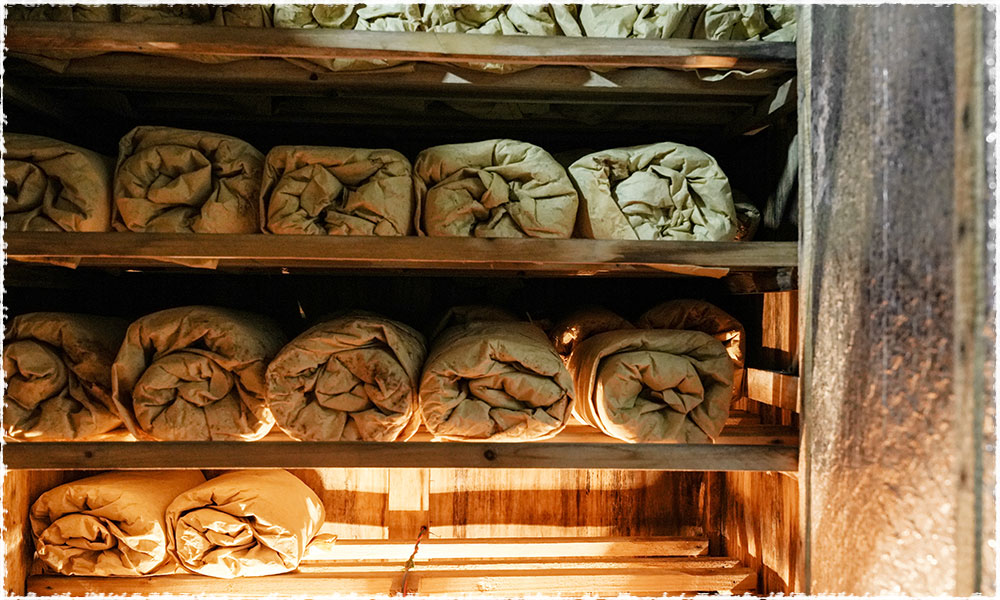
Wrapped in bamboo pulp paper and placed in a warm chamber for yellowing (menhuang).
Charcoal-fired drying.
Tea Master
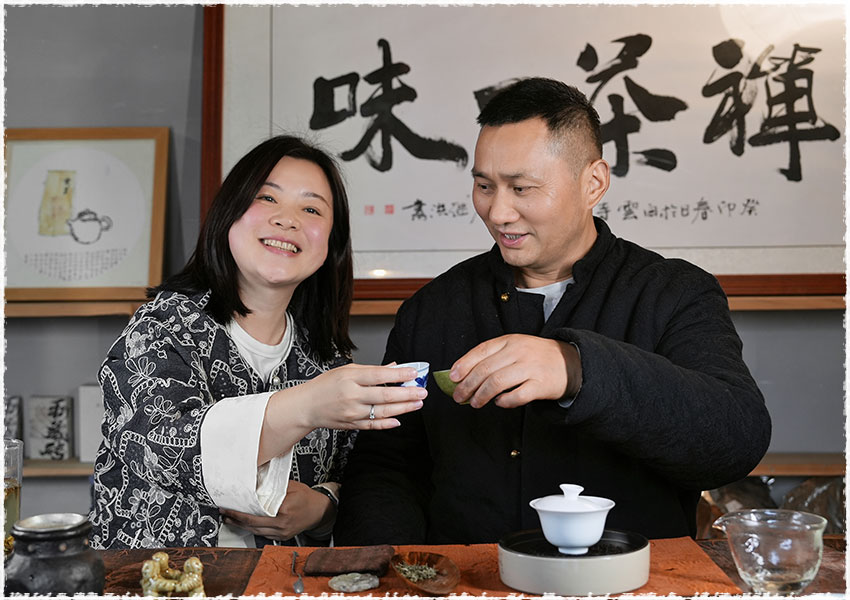
Mr. Bai was born at the foot of Mt. Mengding, Mingshan District, Ya'an, Sichuan. He has been engaged in tea making for more than 40 years. Almost every family here has their own tea trees, and the skills of growing, picking and making tea have been passed down from generation to generation. As a result of this, Mr. Bai began to learn how to manufacture Mengding tea and to contribute to the growth and promotion of the tea business in his hometown. What he excels at is producing Meng Ding Gan Lu, which have been recognized by many tea enthusiasts. Mr. Bai is quite particular about the quality of raw materials. He said that only fresh leaves grown in excellent mountains, with good water, and in a good climate can produce pure tea. When visiting Mr. Bai's tea factory, we found that although it is not large in scale, the environment is quite clean and organized. We believe that such a determined, serious and enthusiastic master will be able to make more and better tea, and we are delighted to collaborate with him in spreading the deliciousness of this region to all corners of the globe.
Origin
Ya’an City, located in the west of Sichuan Basin, is not only a city of mountains and rivers, but also a city with tea fragrance. People began to plant teas at Mt. Mending of Ya’an in the Western Han Dynasty, which not only has more than 2000 years of tea planting history and rich cultural heritage, but also has the reputation of “Like the water in Yangtze River, the Mengshan tea has the top quality”. The average temperature here is 14.5℃ and it's drizzly all year round. This special ecological environment can reduce direct sunlight, which is very beneficial to the growth of tea trees and the formation of nitrogenous substance in tea leaves.
Tea Bush
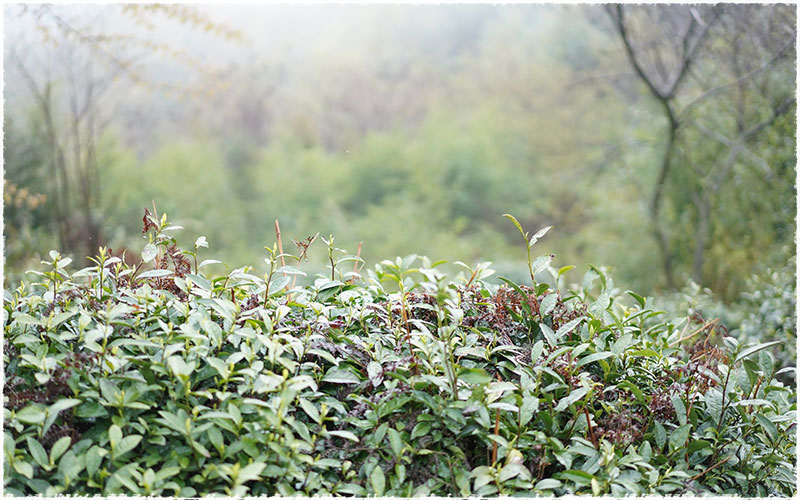
“Old Sichuan Tea Qunti Cultivar” refers to a locally evolved mixed population of tea trees found in Sichuan and the surrounding Bashu region. It is not a single cultivar, but a collection of many small-to medium-leaf tea plants that have reproduced naturally over generations. Compared to large-leaf varieties, the leaves are generally smaller and are often found in mountainous areas above 800 meters in elevation. Through long-term natural selection, these tea plants have developed rich internal compound, sparticularly higher amino acid content and a lower polyphenol-to-amino acid ratio. As a result, teas made from them tend to be mellow, fresh, and less bitter or astringent. Their deep root systems also allow them to absorb more minerals from the soil, giving the tea liquor a distinctive wild mountain character and excellent durability across multiple infusions.
History
Meng Ding Huang Ya tea has been cultivated since the Western Han Dynasty (202 BCE – 9 CE), boasting a history spanning over two millennia. Starting in the first year of the Tianbao era of the Tang Dynasty (742 CE), it was designated as the principal tribute tea among Mount Mengding’s tribute teas, exclusively reserved for imperial rituals and daily consumption by the royal family. Tang-era literature frequently praised Mengding tea as "peerless among teas." Following the establishment of the People’s Republic of China, Mengding Huangya was honored as one of the nation’s Top Ten Famous Teas. In the early 1950s, it was formally named and began commercial-scale production. In recent years, despite the rising popularity of other tea varieties such as Gan Lu, Meng Ding Huang Ya continues to attract significant attention for its distinctive quality and cultural heritage as a symbol of China’s tea tradition.
Customer Reviews
Related Products


























Reviews
There are no reviews yet.