
-
Fast ShippingFree shipping for orders above $40
to most countries. -
Secure PaymentPay with Paypal, Credit Card …
-
Carefully SelectedFrequently Visit Tea Gardens.
Taste Repetitiously -
15 Days RefundNo Questions Asked
Refund Policy
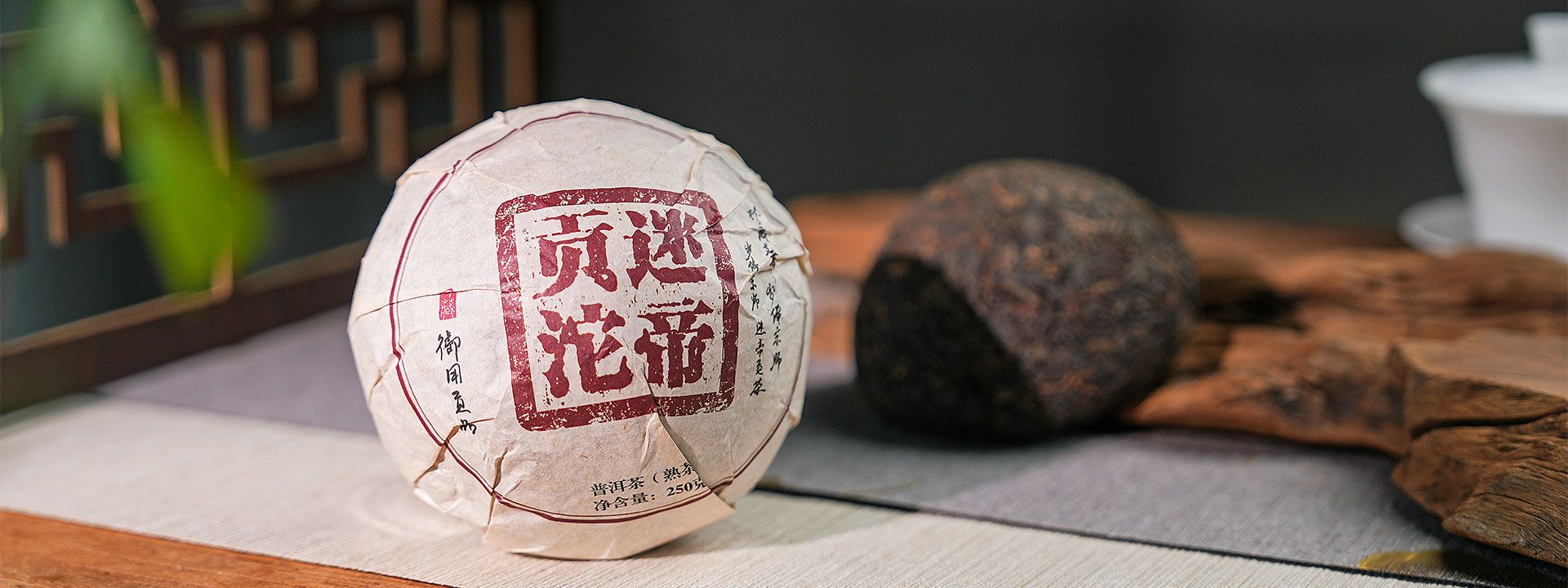
2015 Mi Di Ripened Pu-erh Tea Tuocha 250g
Sweet sticky rice, mellow and soft
Price range: $2.50 through $107.73
2015 Mi Di Ripened Pu-erh Tea Tuocha 250g
Sweet sticky rice, mellow and soft
Summary
| Origin: |
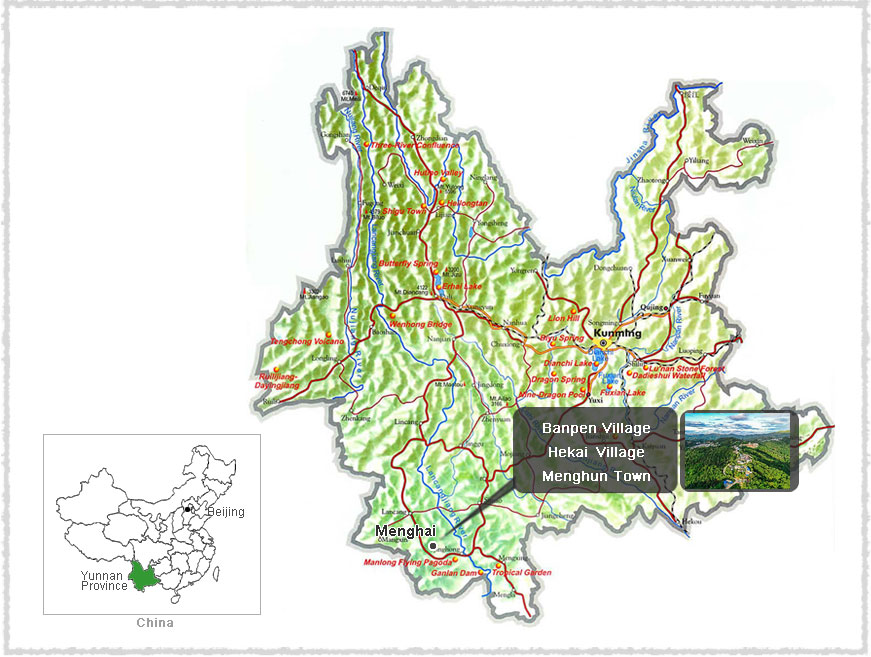
Menghun Town, Menghai County, Yunnan Province, China |
|---|---|
|
Harvest Date: |
March 28, 2015 |
|
Production Date: |
Oct. 18, 2020 |
| Weight: |
250g |
| Dry Leaf: |
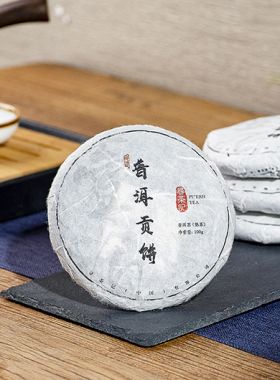
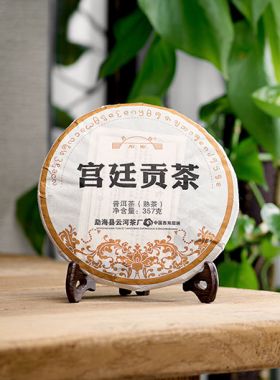
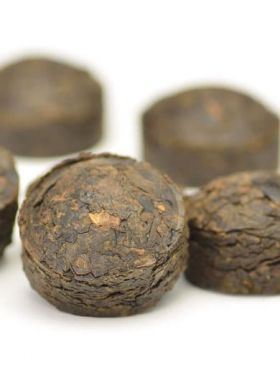
Tightly compressed nest shape, with clear and intact tea leaves and a few golden tips |
| Aroma: |
Aged and woody |
| Liquor: |
Deep red color |
| Taste: |
Sweet and mellow, smooth and full-bodied |
| Tea Bush: |
Menghai large-leaf tea bush species (about 450 years old) |
| Tea Garden: |
Banpen Village (about 1600m) |
| Caffeine: |
Low caffeine (less than 10% of a cup of coffee) |
| Storage: |
Store in cool, dry place away from sunlight; keep ventilated |
| Shelf Life: |
The aged the better |
| Tuocha Breaking: |
Pu-erh Tuocha Free Breaking Service available upon request — leave a message at checkout. |
Angel's Comment:
The key fragrance note is woody aroma; the compound note is aged note; tea liquor is mellow, sweet and smooth.
This tea is made from material harvested in 2015 and pressed into a tightly formed bird’s-nest–shaped tuocha. The dry leaves are well-defined and intact, with a generous presence of golden buds. After brewing, the aroma is steady and unfolding, led by a gentle aged fragrance accompanied by subtle woody notes. The liquor is deep red and bright, with a rich, smooth texture. The taste is sweet and softly glutinous, delicate yet full and rounded. Whether as a daily tea for regular drinking or for those just beginning their tea journey, it offers excellent value for its quality.
Recommend Brewing Method
 |
Cup Method |
 |
Chinese Gongfu Method |
 |
Teacup: 12oz / 355ml | |
Gaiwan: 3.8oz / 110ml |
 |
212℉ / 100℃ | |
212℉ / 100℃ |
 |
5g Tea | |
10g Tea |
 |
Brewing time: 5 - 8 mins | |
10 steeps: rinse, 10s, 10s, 10s, 10s, 15s, 20s, 30s, 50s, 80s, 120s |
| Rinse time is 5 seconds |
Tea Garden
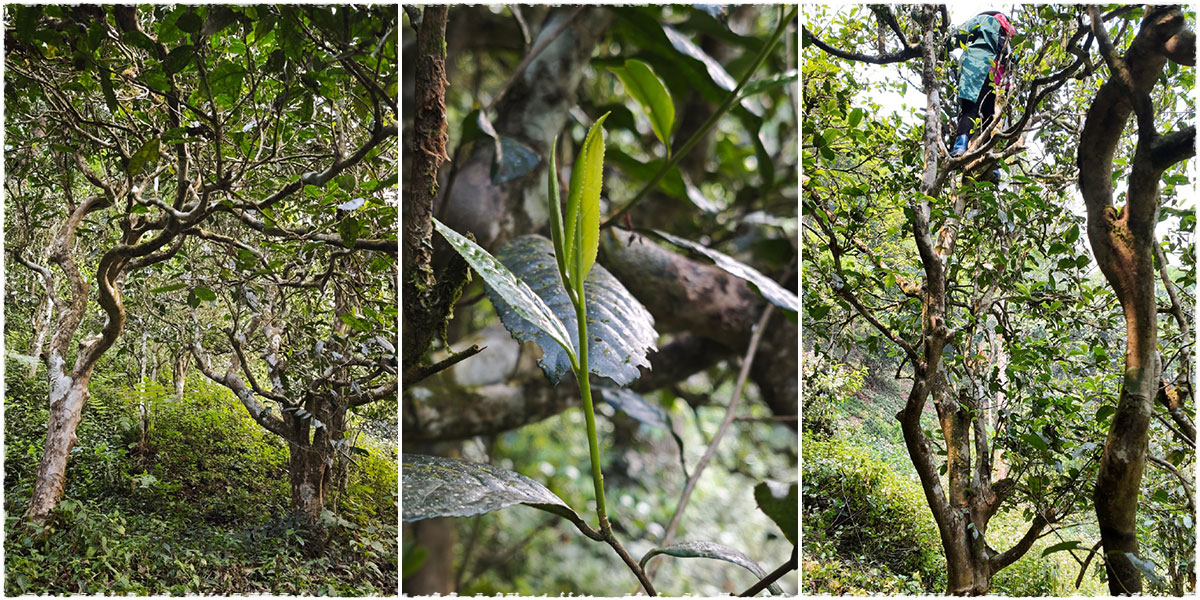
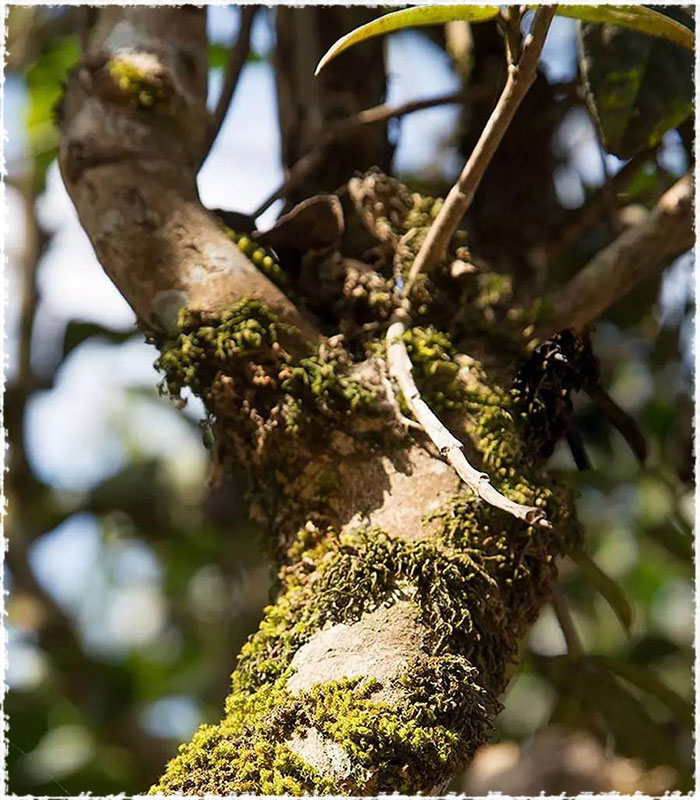
Banpen Village is located east of Menghun Town at an elevation of around 1,700 meters, situated at the junction of the Ban Zhang and He Kai ancient tea regions. The area has an average annual temperature of 17.6°C and annual rainfall of approximately 1,329.6 mm. The ancient tea gardens are distributed along mountain slopes at around 1,760 meters. The soil is yellow-brown earth, with moderate forest shade and an excellent ecological environment. Banpen has more than 2,000 mu (about 133 hectares) of tea cultivation area, of which over 100 mu of ancient tea gardens remain, with tree ages generally between 400 and 500 years. These ancient tea trees have thick trunks, often covered with ferns and mosses, clear evidence of their age and the well-preserved natural ecosystem in which they grow.
Origin
Hekai Village is located in Menghun Town, Menghai County, Yunnan, and is known as the “Sacred Land of Ancient Tea and Land of Abundance.” With elevations ranging from 1,200 to 1,800 meters and an average annual temperature of 17.6°C, it sits in the heart of a prime Pu-erh tea–producing region. Hekai borders several renowned tea areas, including Damenglong Town, Gelanghe Township, and Bulangshan Township, placing it firmly within the core zone of high-quality Pu-erh production. Its greatest distinction lies in possessing one of the best-preserved and largest contiguous ancient tea gardens in China. The tea garden area exceeds 16,000 mu (about 1,067 hectares), with more than 2.3 million ancient tea trees, generally aged between 300 and 800 years. It is considered one of the largest and most well-preserved ancient tea mountains in the country today.
Tea Bush
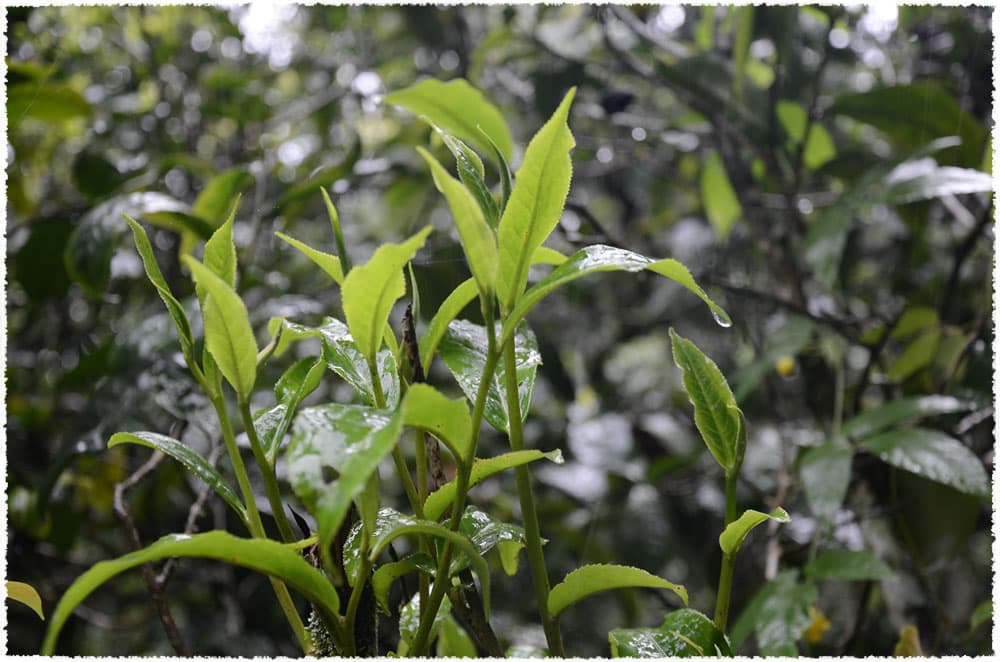
Native to Menghai County in Xishuangbanna, the Menghai large-leaf tea species was rated as the most improved national variety in 1984. It grows up to 7m tall in the wild with bold green leaves noticeably larger than more common varieties, and the buds of this species are yellowish-green and coated in fuzz. The leaves are high in phytochemicals, with one bud and two leaves containing 2.3% amino acids, 32.8% polyphenolic compounds, 4.1% caffeine, and 18.2% catechinic acid. Because of this, pu-erh tea made from this species is high in quality, rich yet soft in taste, and maintains a full-bodied essence.
History
Pu-erh is one of the oldest types of tea in China with a history stretching back over 1700 years to the Eastern Han Dynasty, when the tea was called Jing Cha. It is named after the town of Pu’er in Yunnan province, which was originally the early trading center for this tea. In early history pu-erh was used as a bartering currency in southwest China, with the famed Cha Ma Gu Dao, the Tea Horse Road, being built for the purpose of transporting this tea through the Himalayas to other countries and areas in Tibet.
Customer Reviews
Related Products


























Reviews
There are no reviews yet.