 How to Choose the Right Teaware for Different Types of White Tea?
 Why Isn't Jasmine Black Tea as Fragrant as Jasmine Green Tea?
 Tea Pouring Techniques: 5 Essential Water Pouring Methods for Better Tea Taste

In the world of Oolong tea, Fenghuang Dancong is a name you can’t miss. Its fragrance is so distinctive that tea lovers often call it the “perfume of tea.”
Unlike standard teas, Dancong is complex. It’s not just one flavor; it’s a category that depends heavily on how the specific tree was grown and processed.
The most fascinating thing about Dancong is the idea of “one tree, one aroma.” Each tea plant has its own unique flavors, which is rare among oolongs. If you’re new to Dancong, or want to dive deeper into how to pick and brew it, you can take a few minutes to read on. We’ve gathered some tips—from the origin to brewing—that can help you find the cup of Dancong that truly moves you.
What is Dancong Oolong Tea?
Origin and History
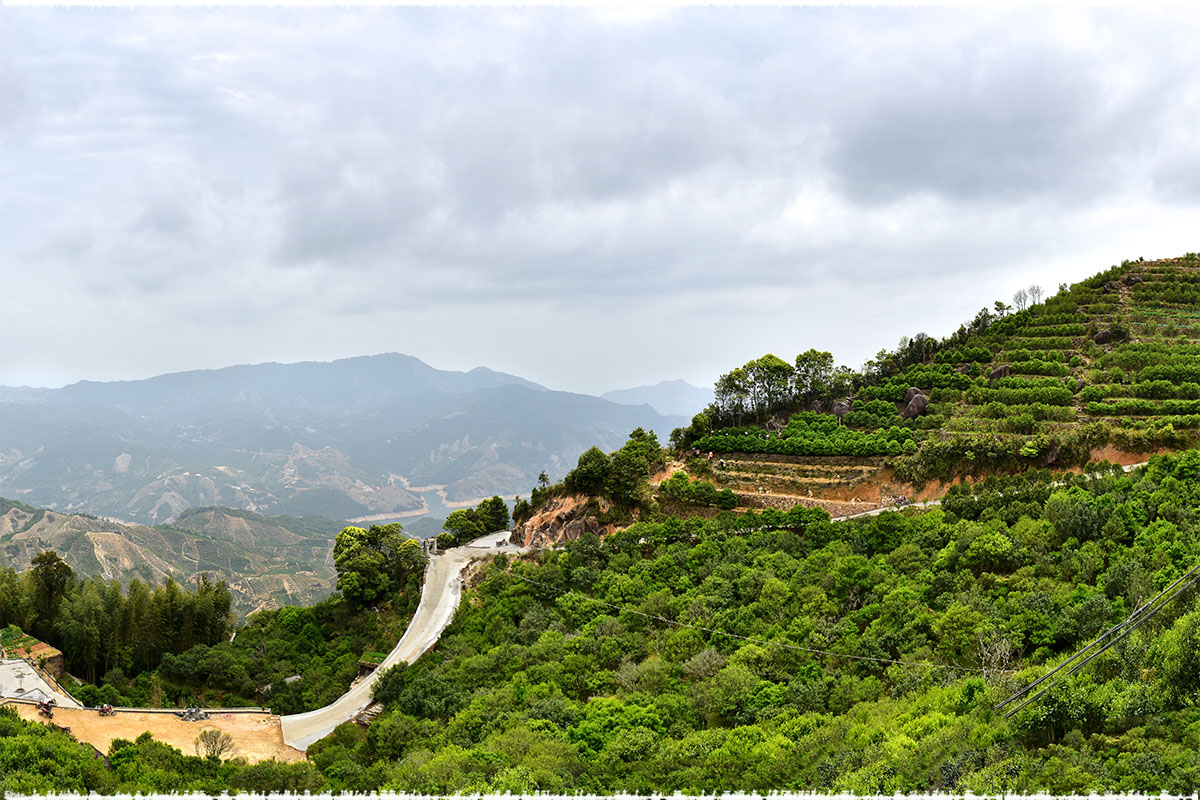
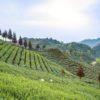
The core production region of Fenghuang Dancong is situated on Phoenix Mountain in Chaozhou City, Guangdong Province. People have cultivated tea here for over 900 years, dating back to the Southern Song Dynasty. Legend has it that Zhao Bing, the last emperor of the Southern Song Dynasty, passed through Fenghuang Mountain during his flight south. After tasting this tea, he praised it highly, and from that moment, Dancong tea began gaining widespread fame.
The term “Dancong” (单枞) literally means “single bush.” Traditional Single Bush Dancong follows the idea of “one tree, one fragrance.”
Each bush is picked and processed on its own to keep its unique aroma. This careful, artisanal approach gives each Dancong tea its own unique character, which sets it apart from other oolong teas.
Unique Aroma and Flavor Profile:The“Perfume of Tea”
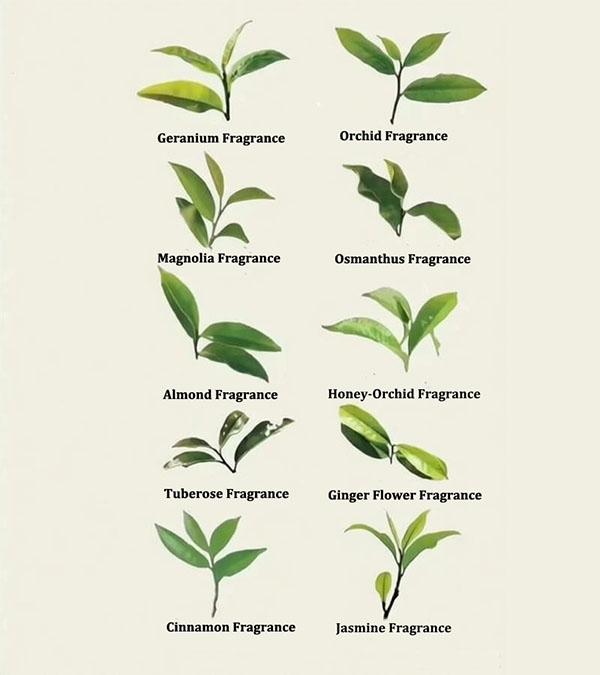
One of the most captivating aspects of Dancong Oolong is its complex and ever-changing aroma profile. In 1996, Professor Dai Suxian and his team at South China Agricultural University studied Phoenix Dancong aromas. They did this to better classify and understand these fragrances. They ultimately identified ten characteristic aroma types of Phoenix Dancong:
• 黄枝香 (Huang Zhi Xiang / Yellow Branch)
• 芝兰香 (Zhi Lan Xiang / Orchid)
• 蜜兰香 (Mi Lan Xiang / Honey Orchid)
• 桂花香 (Gui Hua Xiang / Osmanthus)
• 玉兰香 (Yu Lan Xiang / Magnolia)
• 姜花香 (Jiang Hua Xiang / Ginger Flower)
• 夜来香 (Ye Lai Xiang / Night Blooming Jasmine)
• 茉莉香 (Mo Li Xiang / Jasmine)
• 杏仁香 (Xing Ren Xiang / Almond)
• 肉桂香 (Rou Gui Xiang / Cinnamon)
| No. | Fragrance Name | Pinyin | English Name | Brief Aroma Description |
|---|---|---|---|---|
| 1 | 黄枝香 | Huáng Zhī Xiāng | Geranium Fragrance | Elegant floral scent similar to yellow gardenia, bright and lasting; one of the representative fragrance types of Phoenix Dang Cong. |
| 2 | 芝兰香 | Zhī Lán Xiāng | Orchid Fragrance | Delicate orchid aroma, refined and elegant, with strong returning sweetness. |
| 3 | 蜜兰香 | Mì Lán Xiāng | Honey Orchid Fragrance | Combination of sweet honey aroma and subtle orchid fragrance, mellow and refreshing; widely produced variety. |
| 4 | 桂花香 | Guì Huā Xiāng | Osmanthus Fragrance | Sweet osmanthus fragrance, with noticeable sweetness and golden infusion color. |
| 5 | 玉兰香 | Yù Lán Xiāng | Magnolia Fragrance | Fresh and elegant magnolia scent, delicate aroma, soft and smooth mouthfeel. |
| 6 | 姜花香 | Jiāng Huā Xiāng | Ginger Flower Fragrance | Slightly spicy ginger flower aroma, sharp and distinctive. |
| 7 | 夜来香 | Yè Lái Xiāng | Night Blooming Jasmine / Tuberose | Sweet and rich tuberose aroma, especially prominent when harvested at night. |
| 8 | 茉莉香 | Mò Lì Xiāng | Jasmine Fragrance | Fragrant jasmine aroma, floral and soothing, subtly sweet. |
| 9 | 杏仁香 | Xìng Rén Xiāng | Almond Fragrance | Nutty almond aroma, smooth taste with hints of ripe fruit sweetness. |
| 10 | 肉桂香 | Ròu Guì Xiāng | Cinnamon Fragrance | Sweet and spicy cinnamon-like aroma, rich, warm, slightly pungent. |
Note: these aromas are not artificially added. They come from the tea tree cultivar, altitude, soil composition, and traditional processing methods.
Phoenix Dancong Fragrance Types
| Fragrance Type | Representative Phoenix Dancong Teas |
|---|---|
| 黄枝香 / Gardenia | 乌岽宋种 (Wudong Songzhong), 海底捞针 (Haidi Laozhen), 老仙翁 (Laoxianweng), 粗香黄枝香 (Coarse Gardenia Fragrance) |
| 芝兰香 / Orchid | 八仙过海 (Baxian Guohai), 宋种芝兰香 (Songzhong Zhilan Xiang), 兄弟茶 (Xiongdi Cha), 乌叶芝兰 (Wuye Zhilan) |
| 玉兰香 / Magnolia | 金玉兰 (Jin Yulan), 字茅玉兰 (Zimao Yulan), 娘仔伞 (Niangzi San) |
| 蜜兰香 / Honey Orchid | 香番薯 (Xiang Fanshu), 大庵蜜兰 (Da’an Milan), 狮头蜜兰 (Shitou Milan) |
| 杏仁香 / Almond | 锯剁仔 (Ju Duozi), 金鹏杏仁香 (Jinpeng Xingren Xiang), 大乌叶 (Da Wuye) |
| 姜花香 / Ginger Flower | 姜花香 (Jianghua Xiang), 姜母香 (Jiangmu Xiang), 通天香 (Tongtian Xiang) |
| 肉桂香 / Cinnamon | 肉桂香 (Rougui Xiang), 山茄叶肉桂香 (Shanqieye Rougui Xiang), 七星肉桂香 (Qixing Rougui Xiang) |
| 桂花香 / Osmanthus | 群体单枞 (Qunti Dancong), 乌岽桂花 (Wudong Guihua), 金桂花 (Jin Guihua) |
| 夜来香 / Night-Blooming Jasmine | 夜来香 (Yelaixiang), 李仔坪夜来香 (Liziping Yelaixiang), 夜合 (Yehe) |
| 茉莉香 / Jasmine | 茉莉香 (Molixiang), 竹溜茉莉香 (Zhuliu Molixiang) |
Why Isn’t “Ya Shi Xiang” (Duck Shit Aroma) Included?
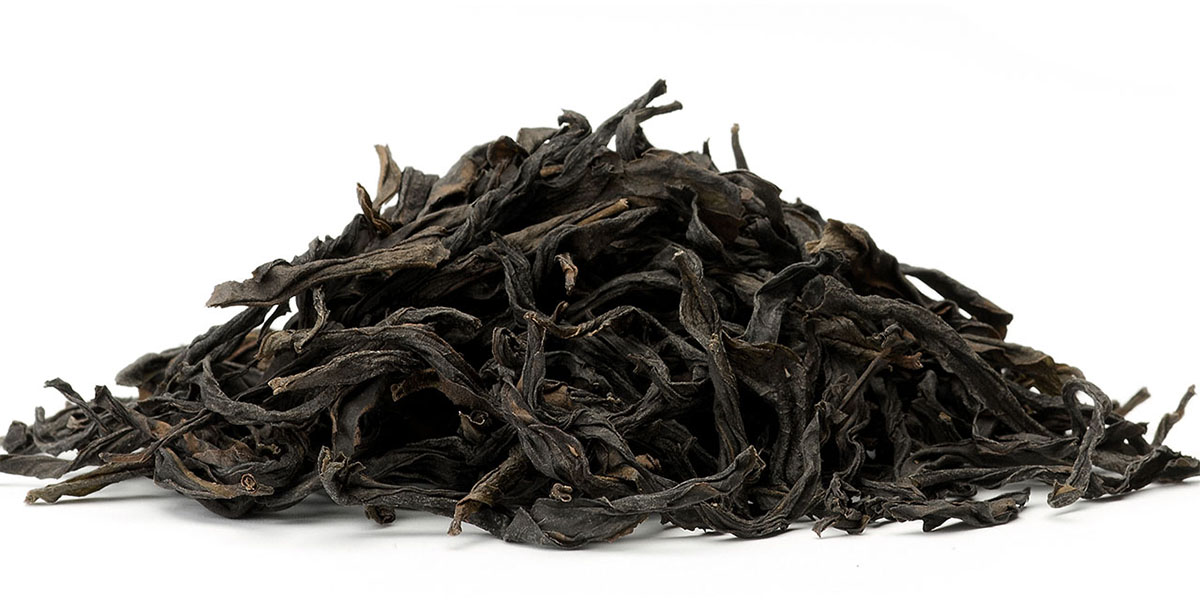
Among Phoenix Dancong teas, the most memorable is the “internet-famous” Ya Shi Xiang (Duck Shit Aroma). Despite its unassuming name, its flavor is remarkably elegant and has become a signature variety in recent years.
They established the ten classic fragrances in 1996, while Ya Shi Xiang became well known later. That is why it was not included.
Its category evolved—it initially belonged to Zhi Lan Xiang (Orchid). In 2014, tea expert Huang Bozi and local farmers held many tastings. They found its aroma closely matches wild honeysuckle on Phoenix Mountain. They subsequently renamed it Yin Hua Xiang (Silver Flower Aroma).
Tips: With so many fragrance types, it can be overwhelming to choose your first Dancong Oolong. If you’re new to this tea, I recommend starting with the Honey-Orchid Fragrance (Mi Lan Xiang).
This variety is charming because it blends sweet honey with a light orchid aroma. It tastes smooth and pleasantly refreshing. For beginners, it offers a classic and reliable introduction to Dancong. It is a great choice for your first experience.
Other Single-Bush Varieties: Lingtou and Shiguping Oolong
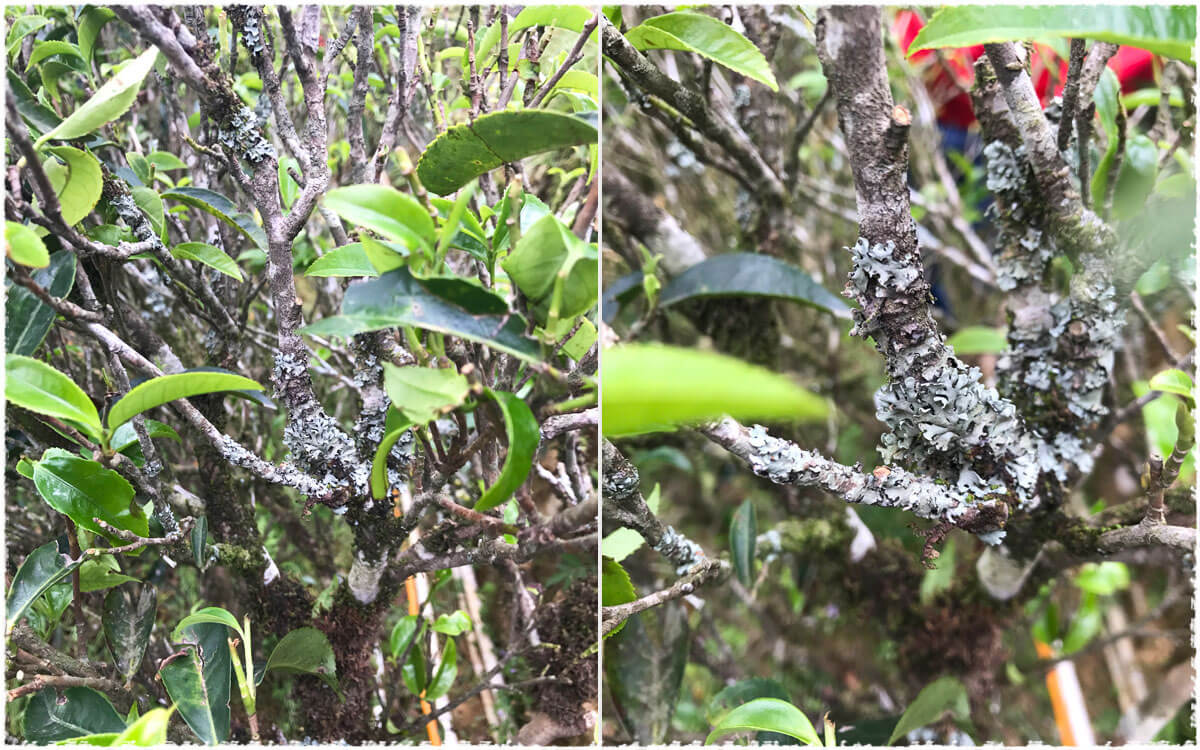
Beyond Fenghuang Dancong, other regions in Guangdong also produce high-quality Single-Bush Dancong. For example, Lingtou Dancong from Raoping County mainly uses the white-leaf variety. It offers a delicate fragrance with clear honey notes.
Meanwhile, Shiguping Oolong from Chao’an County is a small-leaf variety. It has a subtle, refined aroma with unique fruity notes.
Although these teas are not as well known as Fenghuang Dan Cong, they still taste excellent. They are a rewarding choice for seasoned tea lovers who want to explore more Dancong teas.
The Making Process of Dan Cong Tea
Dan Cong Oolong is a partly fermented tea. Its quality depends on a precise production process. Traditional crafting involves several key steps:
1. Withering under Sun and Shade: After picking, fresh leaves are first withered under sunlight and then moved indoors to rest. This allows the leaves to lose some moisture and mellow the grassy aroma, laying the foundation for proper fermentation.
2. Shaking (Zuo Qing): This is the core step in making Dancong tea and the key to its unique aroma. The leaves are gently shaken several times. This slightly bruises their edges and creates the “green leaf with red edges” effect, a sign of partial fermentation. How hard and how often the leaves are shaken depends on the tea master’s experience. This directly affects whether the tea develops floral, honey, or fruity flavors.
3. Fixing (Sha Qing) and Rolling: High heat is applied to stop fermentation quickly, locking in aroma and color. While still warm, the leaves are rolled to release tea juices and tighten the leaf shape, ensuring optimal flavor extraction during brewing.
4. Drying and Charcoal Roasting: After the leaves are dried to remove extra moisture, they go through traditional charcoal roasting using lychee or longan charcoal. They roast the leaves slowly at different heat levels: low heat brings out the fragrance, medium heat balances the flavors, and high heat adds richness. This roasting builds layered aromas and reduces bitterness. It also gives Dancong its unique “mountain charm” and smooth taste, helping it stand out from other Oolong teas.
From harvest to finished tea, the entire process takes several days. Shaking shapes the aroma, and charcoal roasting sets the character. Together, they create Dancong’s unique traits: “one tree, one fragrance,” with high fragrance and a mellow taste.
How to Brewing Phoenix Dan Cong Oolong Tea?
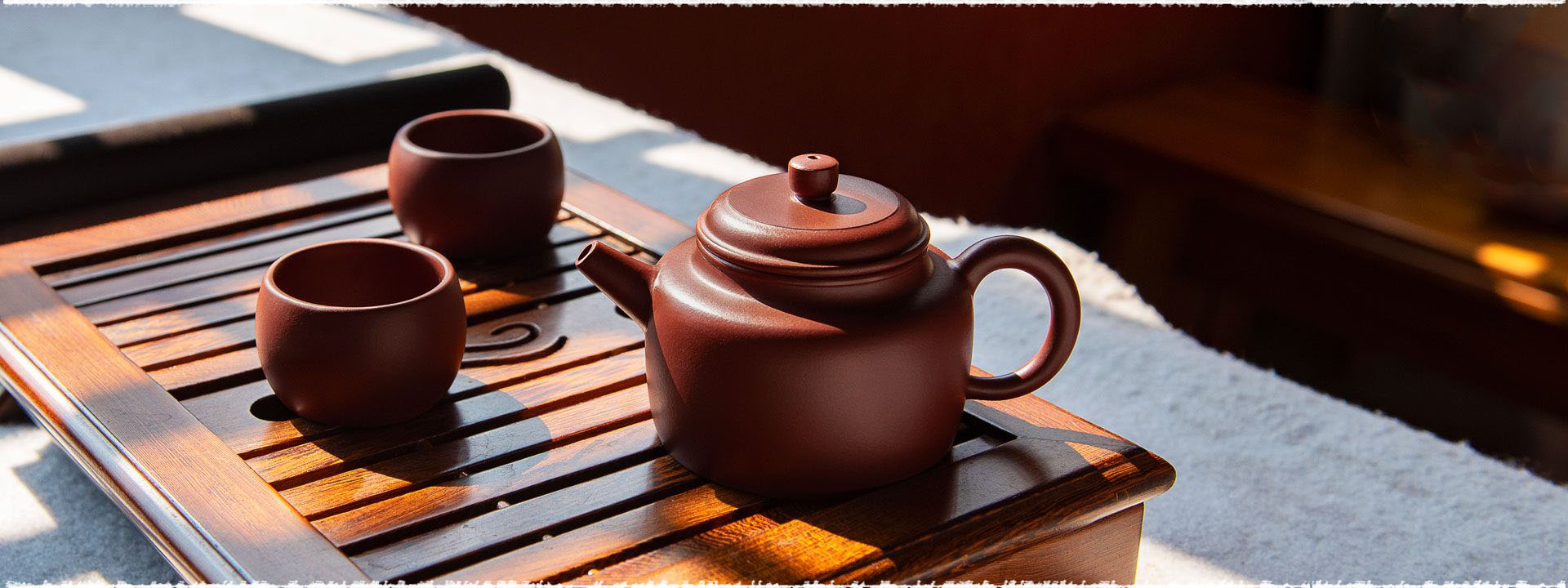
To fully appreciate the charm of Dancong Oolong, the Gongfu brewing method is the best choice. Here’s a step-by-step guide:
1. Warm the teaware: Rinse your gaiwan, fairness cup, and tasting cups with boiling water to raise their temperature.
2. Add tea: Use a tea-to-water ratio of about 1:15 to 1:20. For a 110 ml gaiwan, add 7–8 g of tea; we usually use 8 g.
3. Rinse the leaves: Pour boiling water over the tea and quickly discard it to awaken the leaves.
4. Brew: Pour water from a height to allow the leaves to swirl freely. Steep the first few infusions for 5–10 seconds, then increase each subsequent infusion by 5–10 seconds.
You can brew high-quality Dancong 10–15 times or more.
5. Serve: Pour the tea into a fairness cup to ensure even flavor and avoid uneven strength.
Gongfu brewing uses quick infusions to prevent over-extraction and bitterness. It also keeps the tea’s natural floral aroma.
For beginners, I recommend starting with a simple white porcelain gaiwan or a well-made Yixing teapot.
Click here to explore our beginner-friendly teaware collection.
Everyday Cup Brewing: Enjoy Dan Cong at the Office
If you don’t have Gongfu teaware, you can still enjoy Dancong Oolong in a glass or mug. Use a tea-to-water ratio of about 1:50, water temperature of 100 °C, and steep for 2–3 minutes. While the aroma won’t be as concentrated as the Gongfu method, you’ll still enjoy the tea’s floral and fruity sweetness.
Note: Avoid using too much tea to prevent overly strong or bitter infusion.
Health Benefits of Dancong Oolong Tea
Many people drink Dancong Oolong because it tastes great. It is also gentle on the stomach and easy to enjoy often.
Unlike green tea, it’s less likely to cause stomach discomfort. A cup after a meal feels very comforting and helps cleanse the palate.
The relaxing effect of the tea’s L-theanine is another reason I love it during work breaks. It’s not as stimulating as coffee. It feels more like a gentle reminder to slow down.
Rich in Antioxidants
Dancong Oolong is a partially fermented tea, retaining abundant antioxidants such as catechins, theaflavins, and polyphenols. These compounds help neutralize free radicals in the body. For me, this makes it the perfect choice to pause and refresh during a busy day.
Supports Digestion and Metabolism
Drinking a little Dancong after meals can help relieve the feeling of heaviness and aid digestion. Its caffeine and polyphenols can also boost basal metabolism, supporting weight management and maintaining a healthy figure. This is one reason why people in the Chaoshan region traditionally enjoy Gongfu tea after meals.
Calms the Mind and Relieves Stress
The L-theanine in Dancong has natural calming properties, helping to relax the nerves and reduce anxiety. Combined with its rich floral and fruity aroma, brewing a pot of Dancong on a busy day can refresh your mind. It can also give you a moment of inner calm.
How to Choose Dan Cong Oolong Tea?
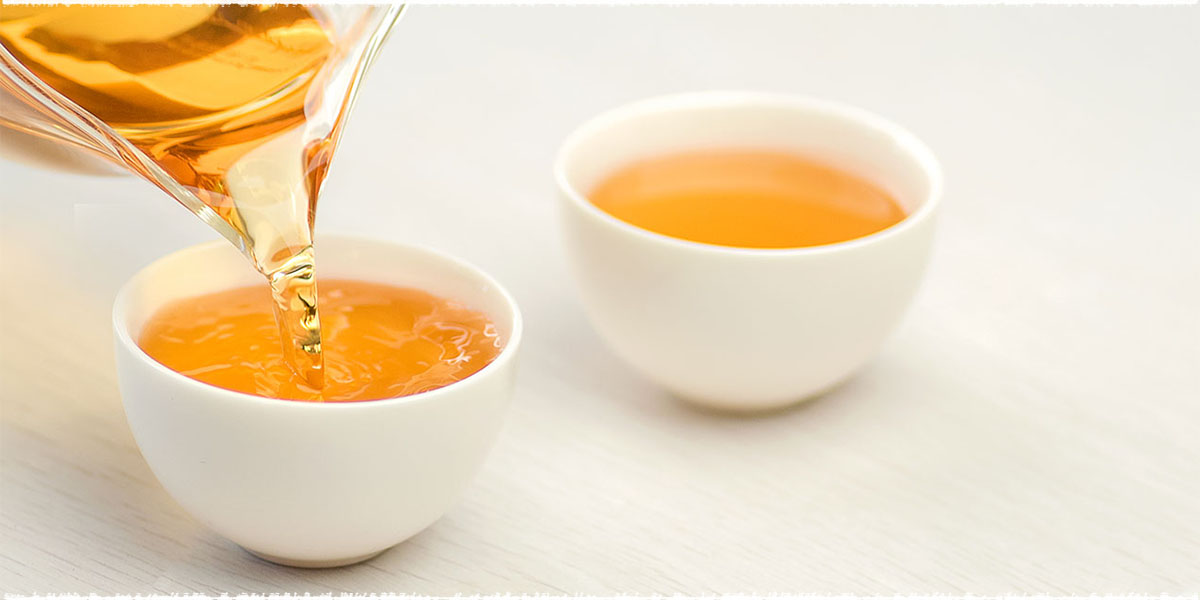
As a tea enthusiast, my personal principle for selecting tea is simple: start by smelling the dry leaves. A good tea should have a fresh, clean aroma—there should be no stale or confusing scents.
When choosing the best Phoenix Dancong Oolong Tea, you can evaluate quality from four key aspects:
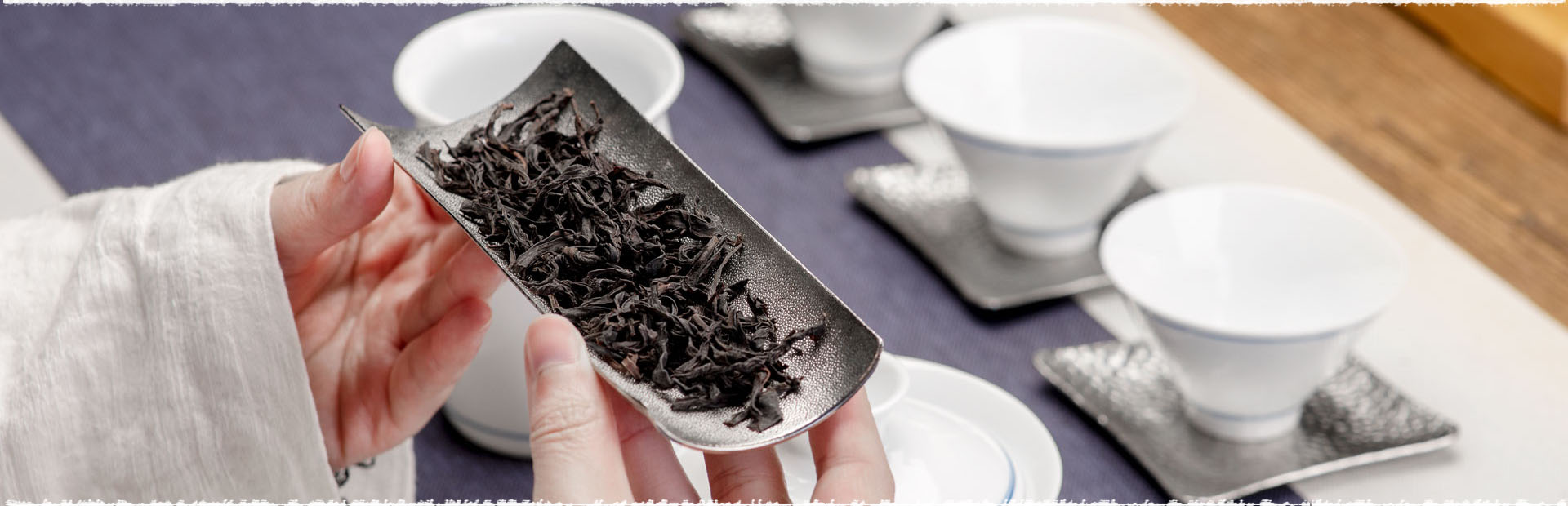
1. Visuals: High-quality Dancong leaves are tightly rolled, heavy, and have a glossy dark-brown color, sometimes with natural white hairs (tea hairs). Excessive broken leaves or dull, lifeless color often indicate issues with processing or storage.
2. Aroma: In dry form, the tea should emit a clear, penetrating floral or honey fragrance. Once brewed, the aroma should be uplifting and layered—the scent should evolve from the first infusion to the fifth, like a rhythm, rather than disappearing quickly.
3. Touch: Take a handful of dry tea and feel its texture. Quality Dancong should be crisp and dry. If it feels damp or soft, it indicates improper moisture content or storage conditions.
4. Leaf Base: The brewed leaves don’t lie. Good Dancong leaves should be soft and bright, with a noticeable “green leaf edged in red.” This indicates a mature fermentation process and is key to achieving a rich, smooth tea liquor.
Tips: Don’t judge Dancong solely by price. The true value of premium Dancong comes from the mountain environment and the skill of charcoal roasting, which shape its unique aroma, flavor, and smooth mouthfeel.
Dancong Oolong truly stands out among oolong teas. From the tea gardens of Phoenix Mountain to the cup in your hand, its “one tree, one fragrance” character remains fascinating.
Whether you love the sweet Mi Lan Xiang or the bold Ya Shi Xiang, Dancong can still surprise you. If you haven’t tried it yet, why not give it a brew using the methods above? You might just discover a new favorite.

























