

-
Fast ShippingFree shipping for orders above $40
to most countries. -
Secure PaymentPay with Paypal, Credit Card …
-
Carefully SelectedFrequently Visit Tea Gardens.
Taste Repetitiously -
15 Days RefundNo Questions Asked
Refund Policy
Shi Feng Dragon Well Longjing Green Tea
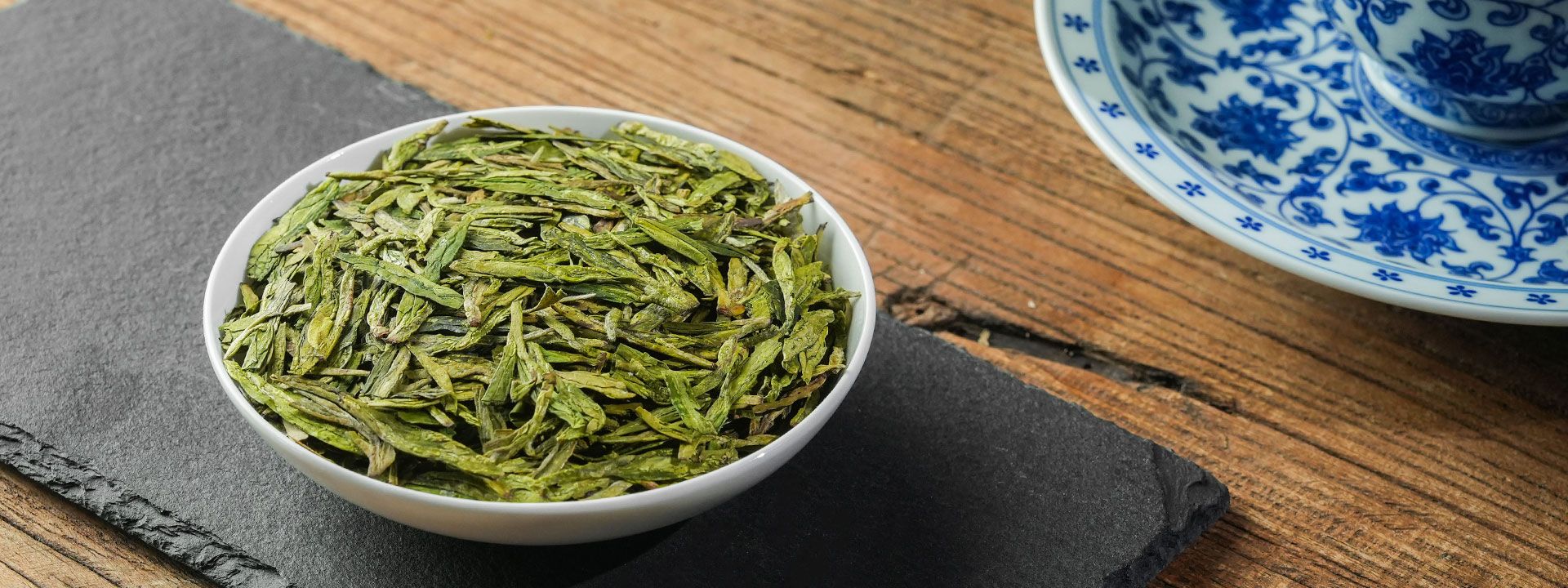
Rich roasted bean aroma, floral and fruity
Price range: $4.50 through $128.52
Shi Feng Dragon Well Longjing Green Tea
Rich roasted bean aroma, floral and fruity
Product Tags
Premium
Nutty
Floral
Fruity
Delicate
Refreshing
Sweet
Zhejiang
Hangzhou
Long Jing
Spring Tea
Summary
| Origin: |
Shifeng Mountain, Xihu District, Hangzhou City, Zhejiang Province, China |
|---|---|
| Season: |
Spring Tea |
|
Harvest Date: |
April 7, 2026 |
| Dry Leaf: |
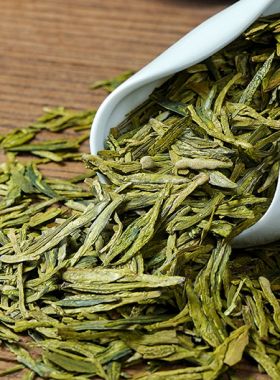
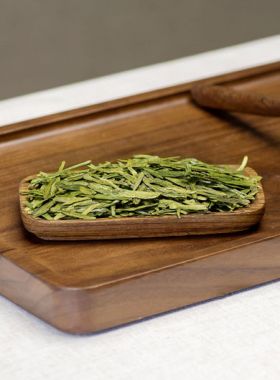
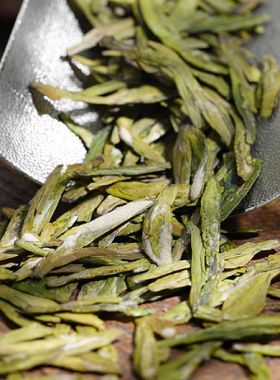
Flat, spear-shaped leaves, vibrant green with a touch of yellow |
| Aroma: |
Rich roasted bean aroma, layered with delicate floral and fruity notes |
| Liquor: |
Pale yellow-green |
| Taste: |
Refreshing, mellow and sweet taste with a full-bodied structure. Rich roasted bean flavor with |
| Tea Bush: |
Longjing Qunti tea tree species |
| Tea Garden: |
Long Jing Village Tea Garden |
| Caffeine: |
Low caffeine (less than 10% of a cup of coffee) |
| Storage: |
Store in airtight, opaque packaging; keep refrigerated |
| Shelf Life: |
18 Months |
Angel's Comment:
Dominant roasted bean aroma, layered with floral and fruity notes. The tea liquor is rich, mellow, and full-bodied.
TeaVivre's Shifeng Longjing is produced in the area around Longjing Village at West Lake in Hangzhou. You might imagine these tea gardens to be bustling and loud, given their proximity to the famous West Lake. But the moment you step into the mountains, the world changes. The gardens are unexpectedly quiet, shrouded in a light mist, with tea trees growing peacefully, and the air is fresh and calm.
The Shifeng Long Jing we select is harvested from Qunti Zhong, often called the "Old Tea Trees." Their buds and leaves are thick and sturdy, and each leaf is pressed by hand into a flat, smooth shape, preserving the tea's most natural form.
Upon brewing, a rich, roasted-bean aroma rises immediately, followed by delicate floral and fruity notes. The first impression on the palate is a gentle sweetness; even when brewed with boiling water, there is no bitterness at all. The unique depth of the heirloom trees gives the tea a full-bodied, rounded mouthfeel. As it goes down, a clean sweetness slowly rises from the throat, leaving a lingering sweet aftertaste in the mouth for a long time.
Recommend Brewing Method
 |
Cup Method |
 |
Chinese Gongfu Method |
 |
Teacup: 8.8oz / 250ml | |
Gaiwan: 3.8oz / 110ml |
 |
212℉ / 100℃ | |
212℉ / 100℃ |
 |
2 Teaspoons / 2g Tea | |
4g Tea |
 |
Brewing time: 3 - 5 mins | |
6 steeps: rinse, 20s, 25s, 30s, 40s, 50s, 60s |
| Rinse time is around 5 seconds |
Tea Garden
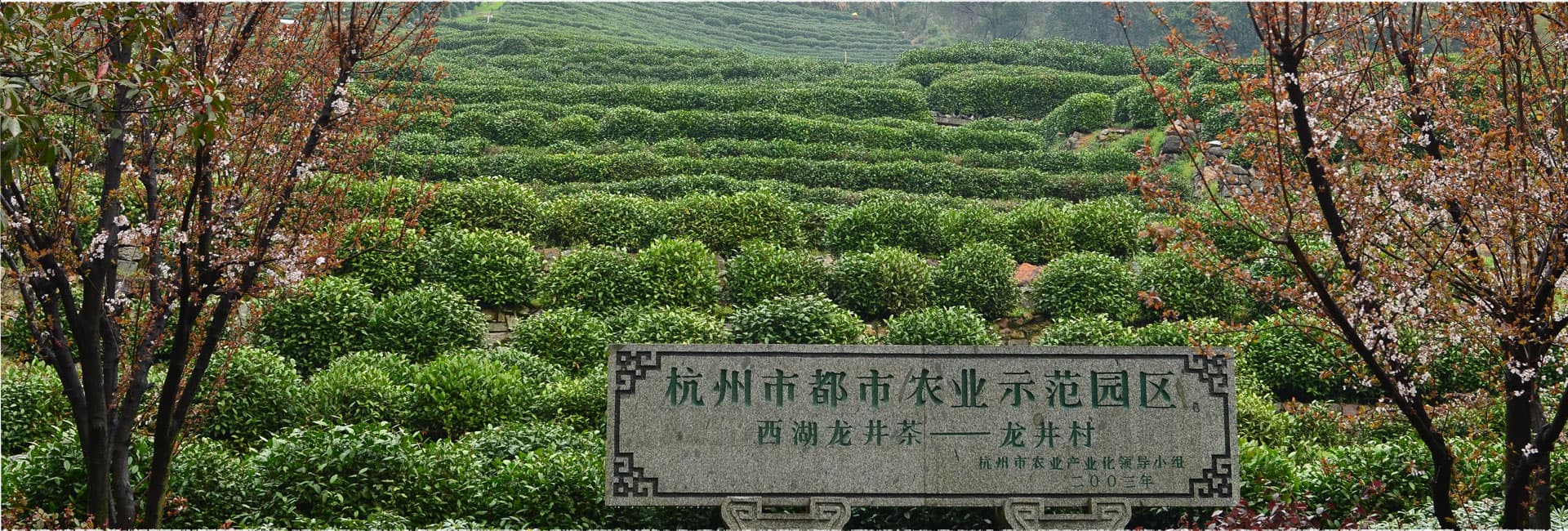
The Long Jing Village Tea Garden is located in the Xihu (“West Lake”) area and is the place of origin of Xihu Long Jing tea. The tea producers in this area strongly recognize the importance of the local ecosystem to their tea, and work hard to preserve both the local tea culture and the natural environment.
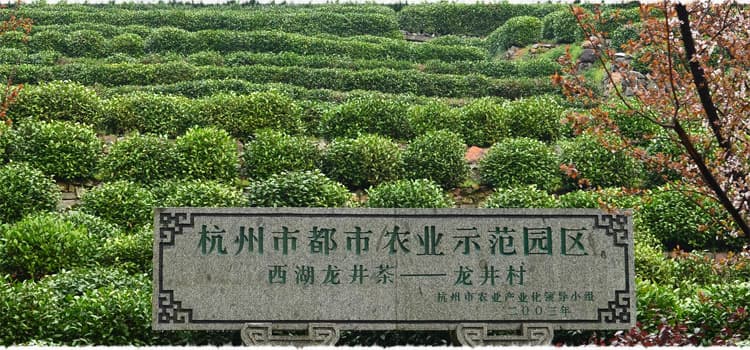
Long Jing Village Tea Garden in Xihu, Hangzhou
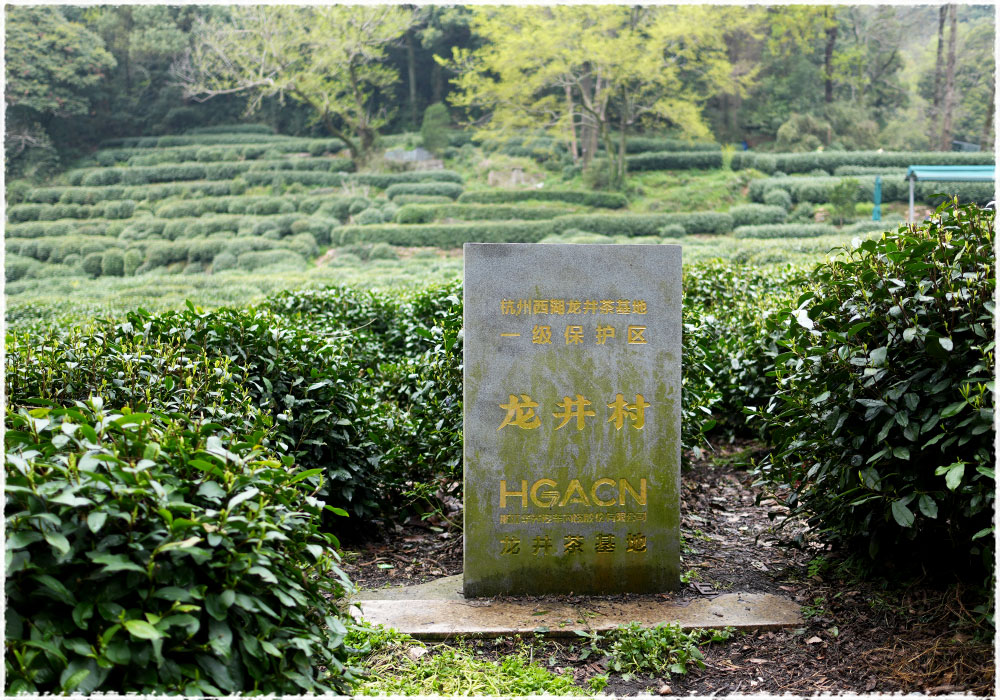
Longjing Village, one of the five producing areas of the famous West Lake Long Jing tea, surrounded by mountains, has nearly 800 mu of mountain tea plantations. It gets the name Longjing Village because the village is surrounded by mountains that are called Shi Feng Mountain. If we overlook it from a high altitude, the Shi Feng Mountain is like a dragon surrounding the whole village.
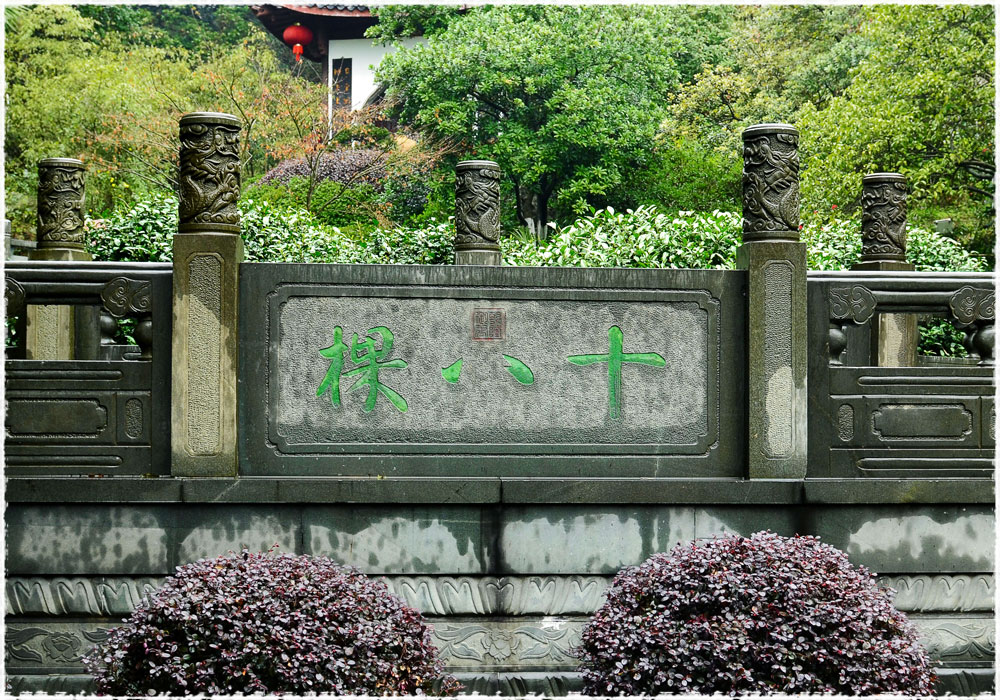
According to legend, when Emperor Qianlong went down to the south of the Yangtze River, he tasted the West Lake Long Jing Tea at the Hu Gong Temple under the Shi Feng Mountain of the Long Jing Village. After drinking, he was full of praise for it and named the 18 tea trees in front of the temple as "imperial tea".
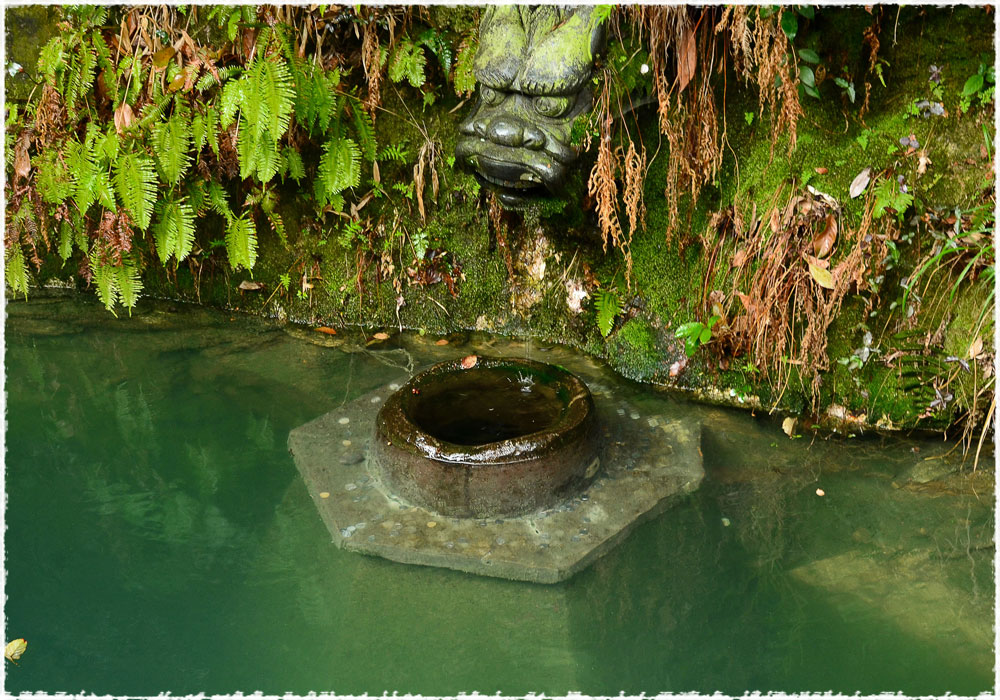
Longjing Quan is located on Fenghuangling of West Lake and the water will never dry up. The ancients thought that it was connected with the sea, and there was a dragon living here, so they named this spring- Dragon Well.
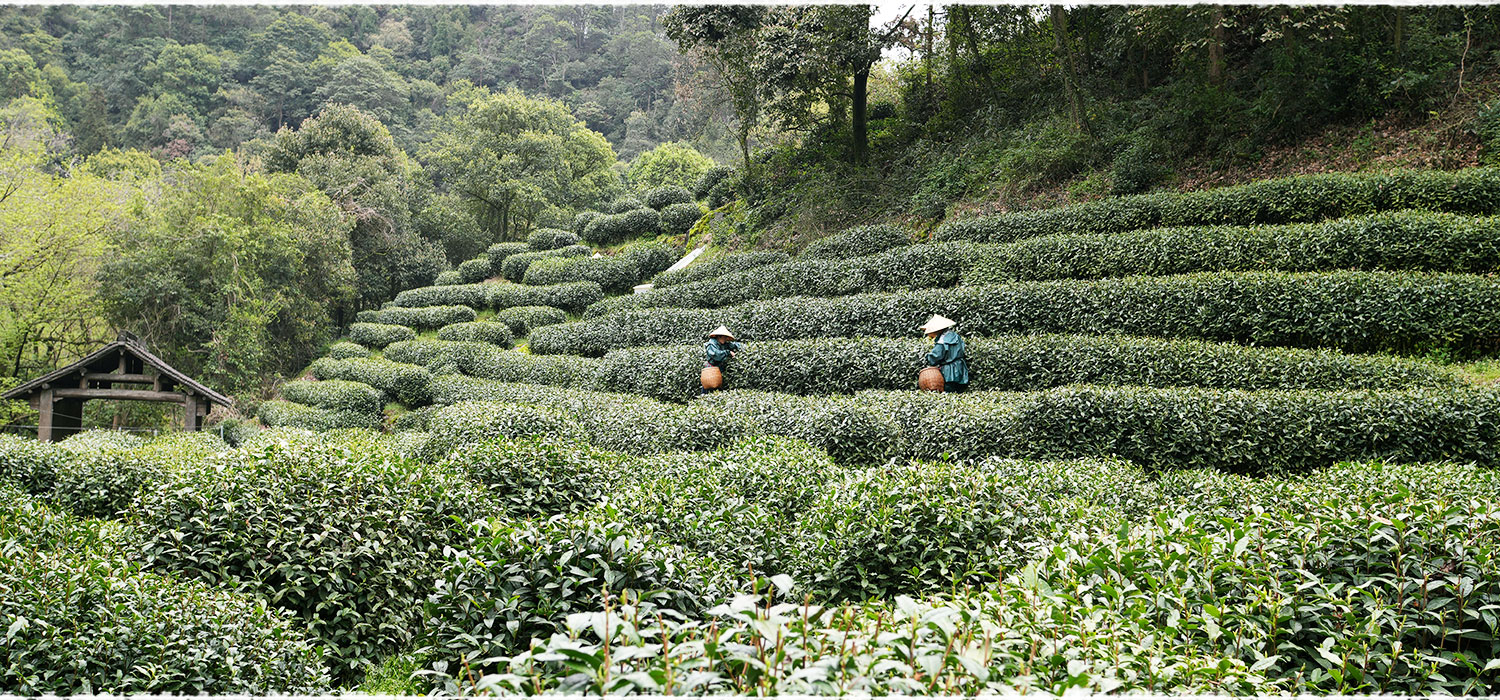
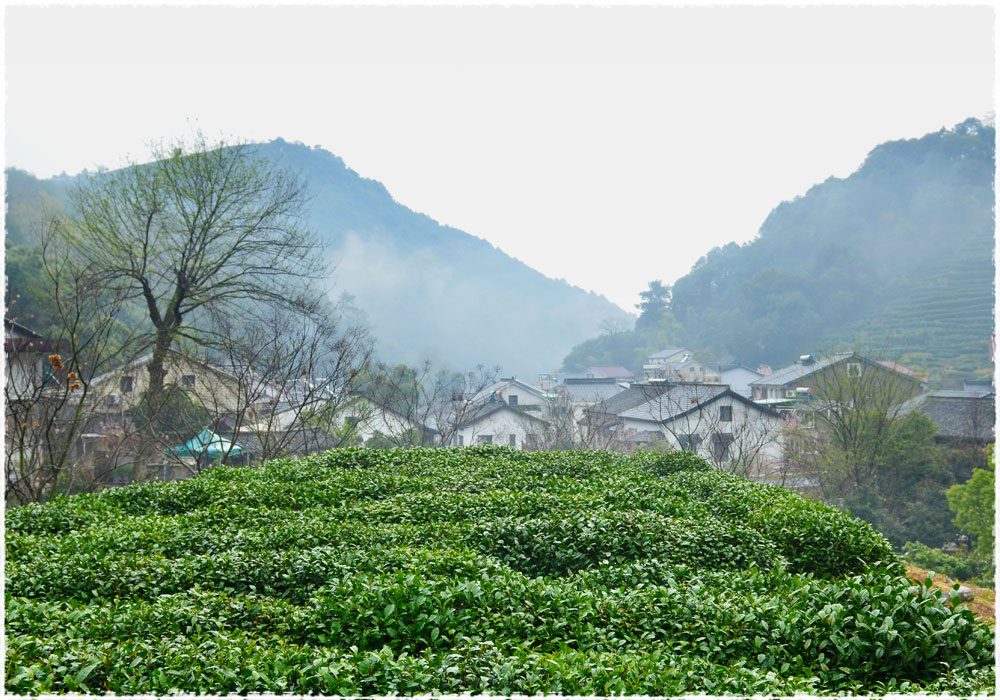
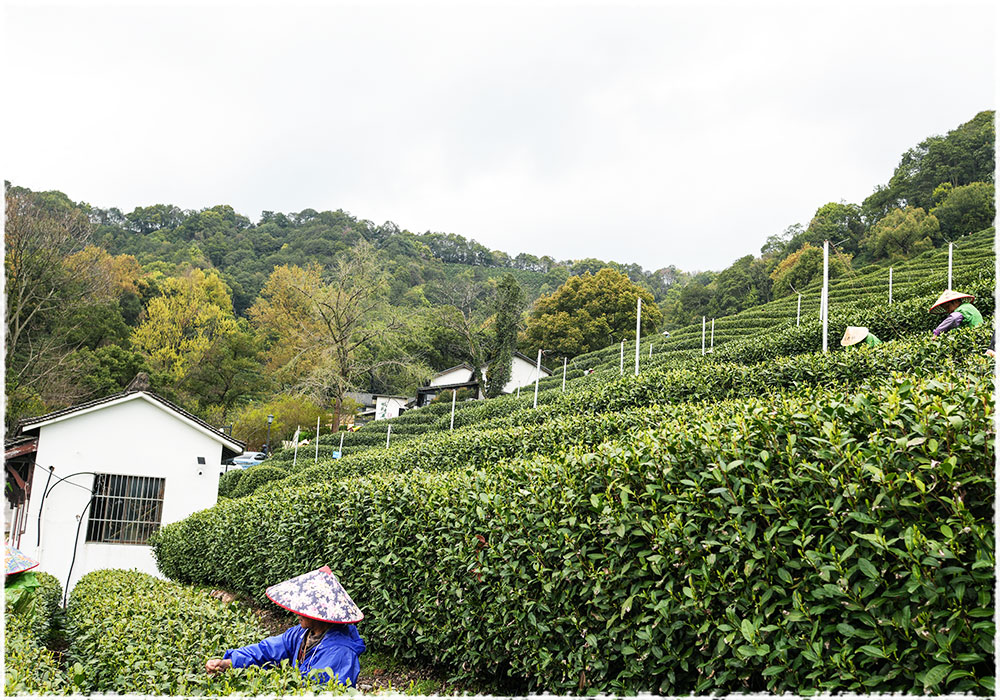
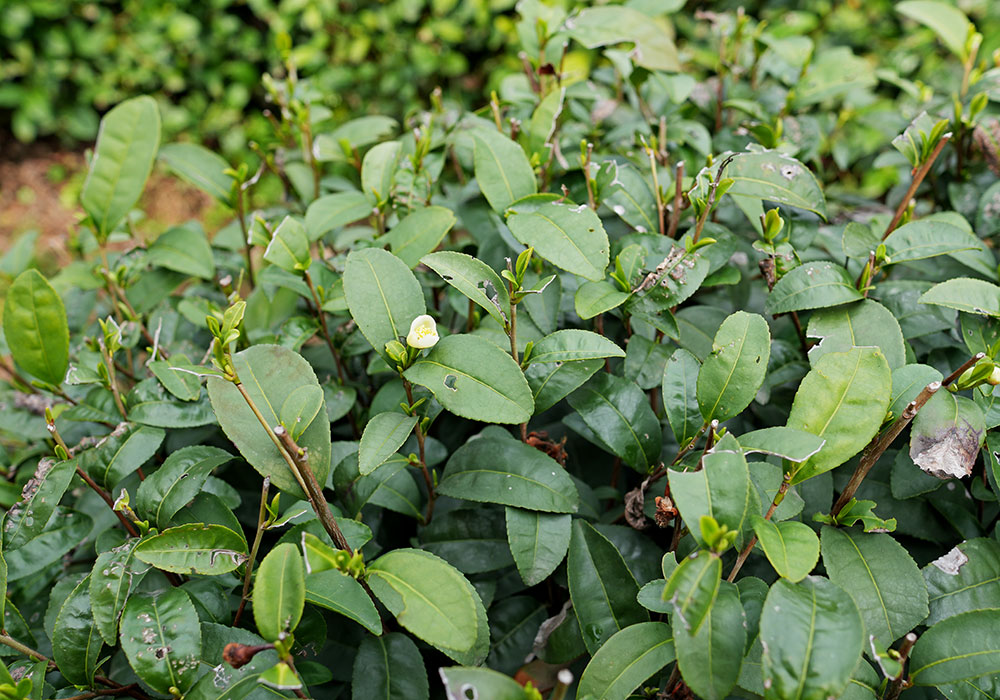
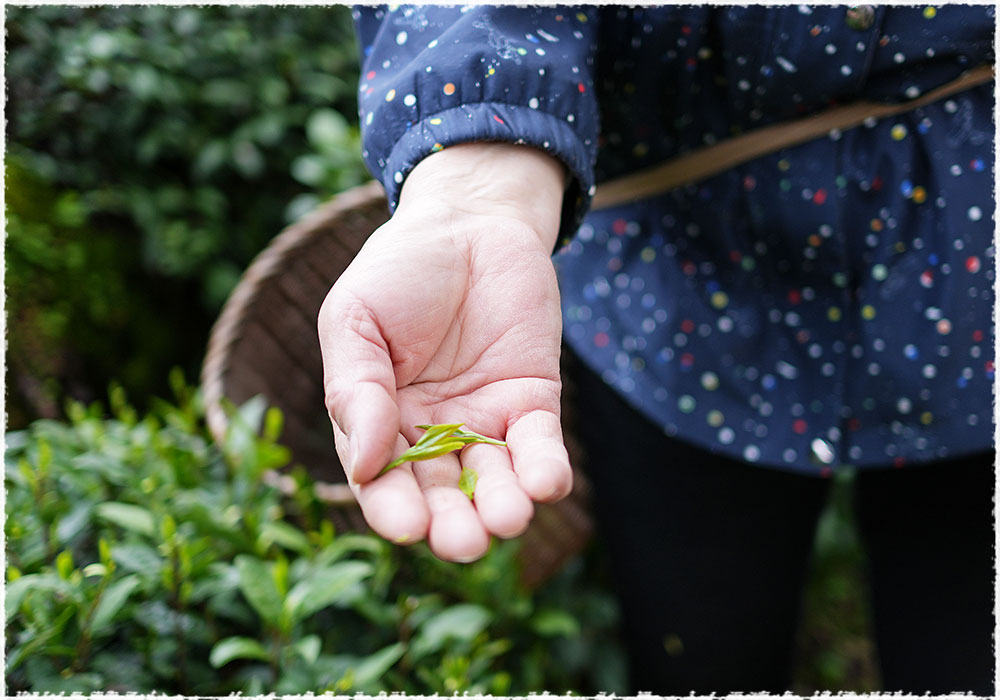
Tea Gardens in Longjing Village
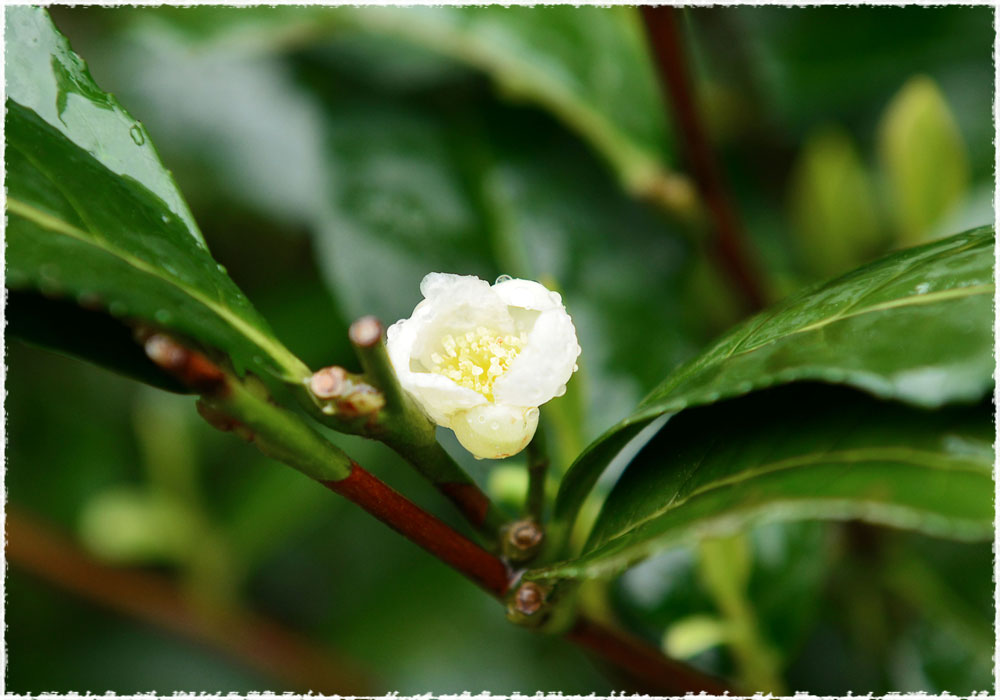
Tea flowers
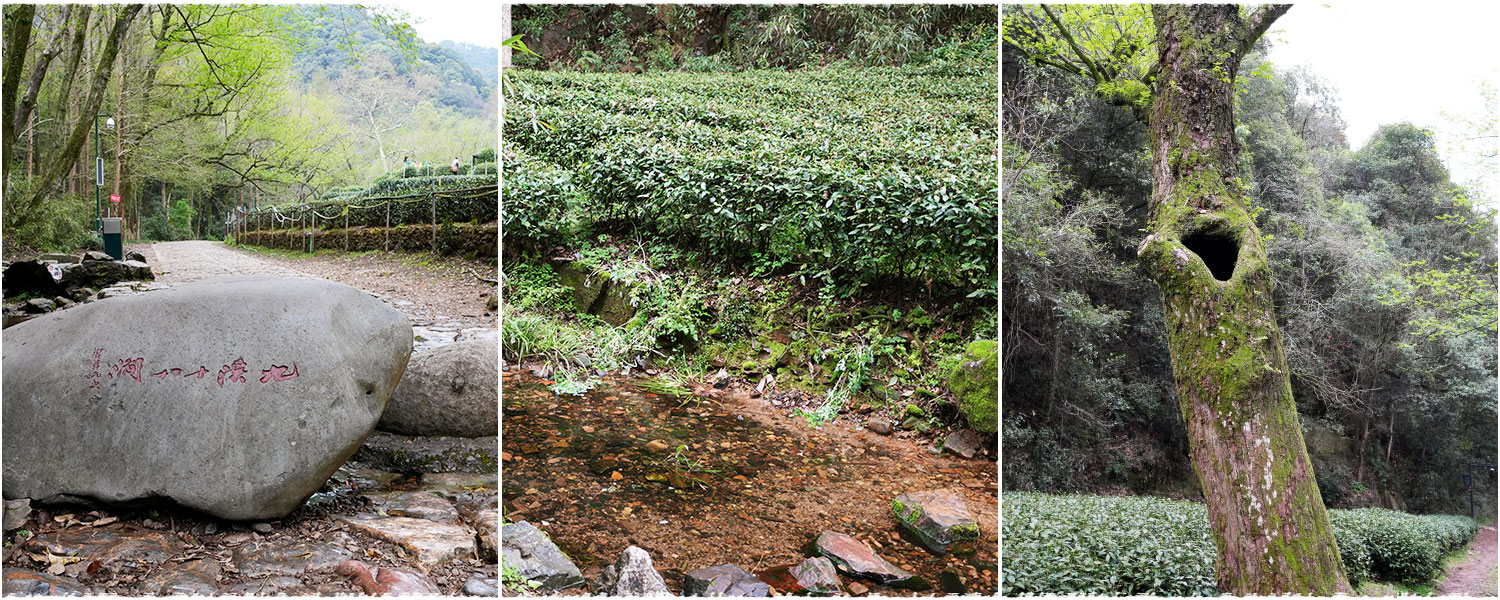
Beautiful natural environment
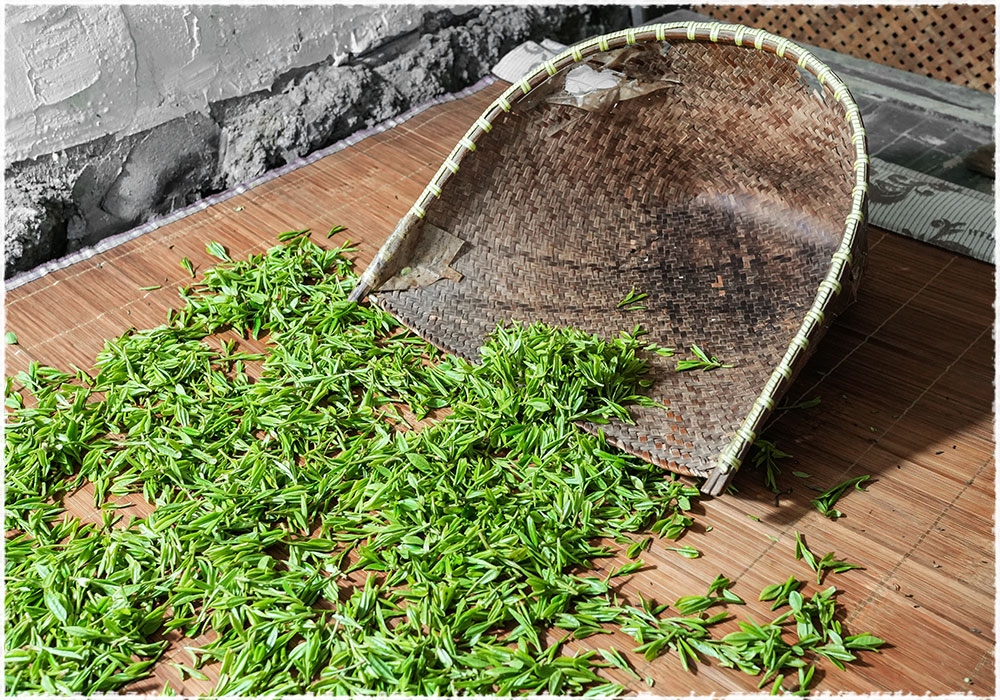
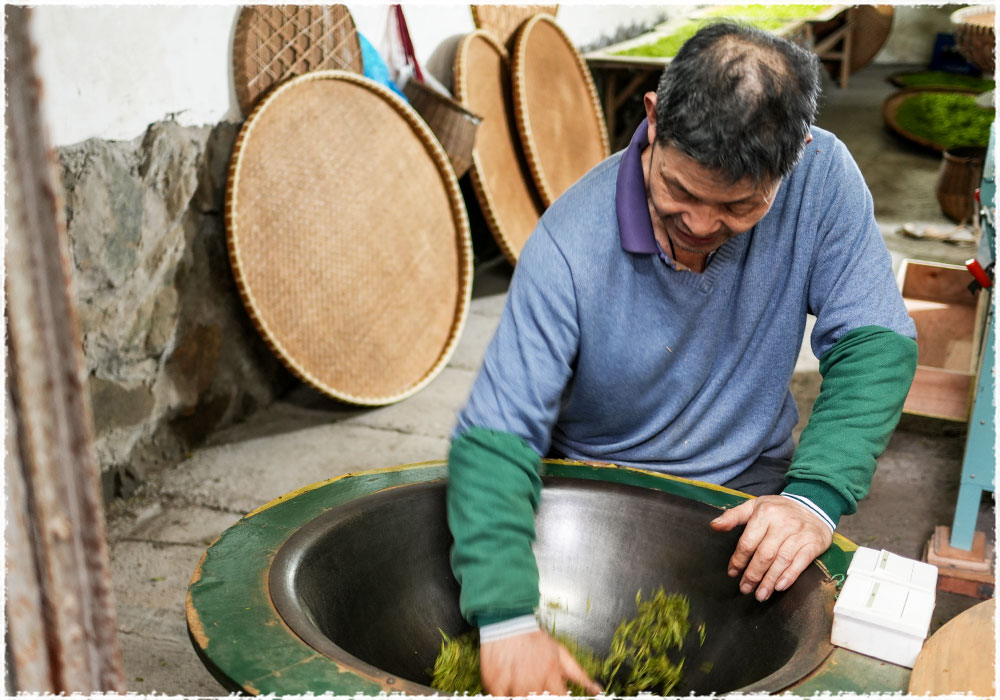
Hand pan-frying
Tea Farmer
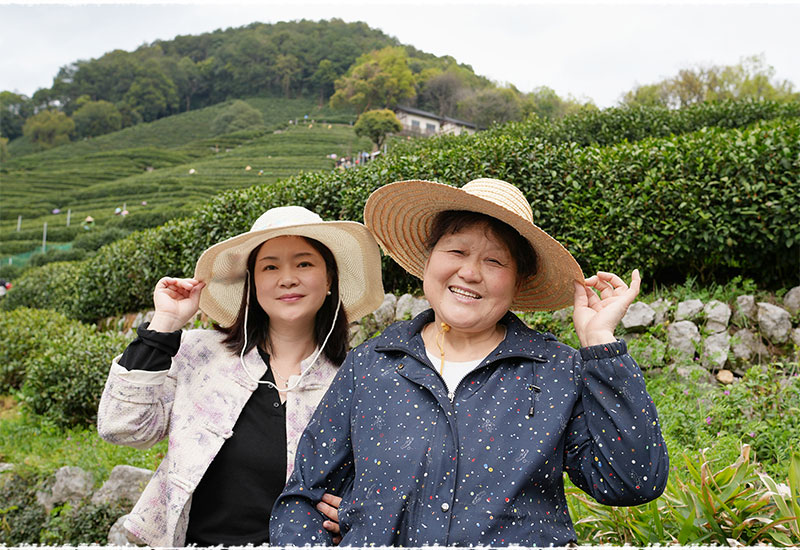
In the core West Lake Longjing tea-producing area of Shifeng Mountain, Aunt Li is a tea artisan who has dedicated her life to tea, with 50 years of experience in traditional handcrafting. Her journey in tea-making was deeply influenced by her father, Mr. Li Yuting, a name regarded as a benchmark among the older generation of tea masters. He once served as the head of the West Lake Tea Procurement Station and was a senior tea-tasting expert. During a time when the Longjing tea market needed standardization, he worked extensively in tea inspection and became one of the key figures in grading and pricing West Lake Longjing tea.
Having grown up surrounded by this environment, Aunt Li has carried forward the same dedication to quality. Even in today’s age of mechanization, she continues to follow traditional tea-making methods. She often smiles and says, “Some flavors can only be created slowly by hand; no machine, no matter how good, can replace it.”
Origin
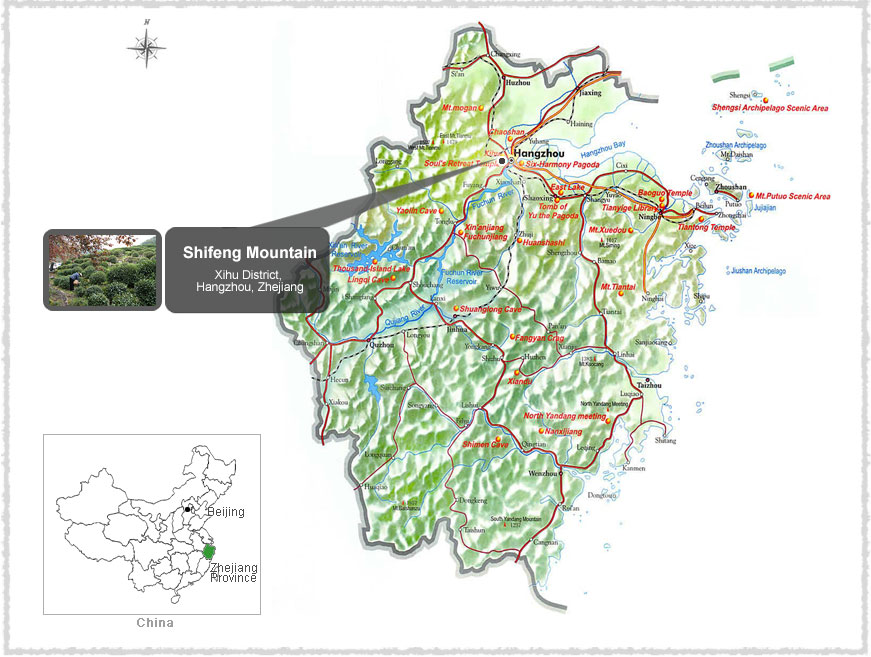
Shifeng Longjing is produced in the Shifeng area near Longjing Village at West Lake, Hangzhou, a region of mountains, forests, small creeks, and high-quality tea gardens. Shi Feng Mountain, or the Lions Peak, lies among the hills on the west side of West Lake, with streams flowing through the Nine Creeks and Eighteen Gullies. The soil here is a mix of white sandy soil and yellow earth, formed from the long-term weathering of quartz and sandstone. It is loose, well-draining, and rich in trace minerals. The tea trees root deeply into this soil, absorbing nutrients from the earth like a sponge. This unique environment gives Shifeng Longjing its robust buds and full-bodied liquor.
Tea Bush
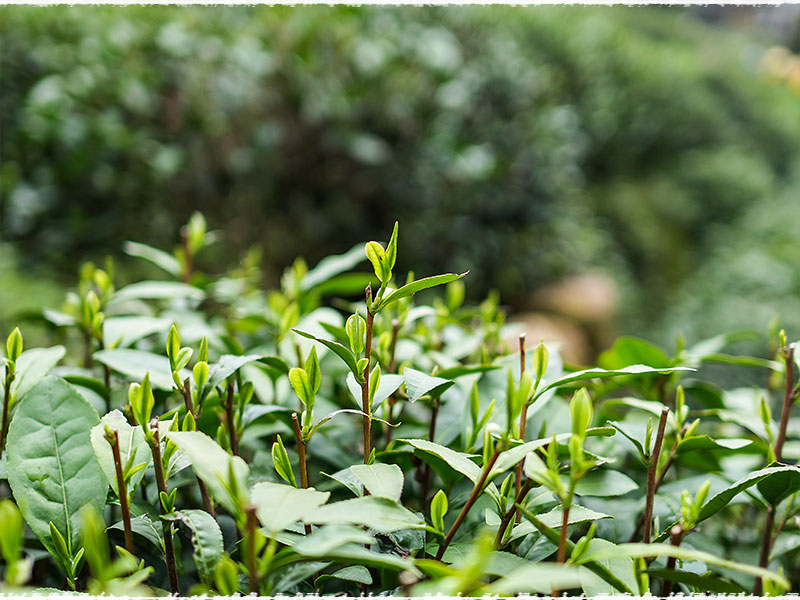
The Qunti Zhong tea trees are the oldest native cultivar in the West Lake region, known among local farmers as ‘Lao Cha Peng’ or ‘native old-bush tea’. These trees are naturally propagated from seeds, and each tree has its own character. You will notice that the leaves are not uniform—some are rounder, some more pointed, and their colors vary in shade. It is this natural diversity that gives Qunti Zhong its more complex and full-bodied flavor. Compared to the early-sprouting Longjing #43 variety, Qunti Zhong buds appear later in spring. During the long winter and early spring, it accumulates more energy, producing thicker leaves with higher amino acid content. Combined with the unique ‘mountain aroma’ imparted by the white sandy soil of Shifeng Mountain, the tea develops a rich and robust character.
History
Xihu Long Jing - West Lake Dragon Well green tea - has a long, distinguished history of over 1200 years. During the Ming Dynasty, it became very popular and was listed as one of the top grade teas in China. During the reign of Emperor Shunzhi in the Qing Dynasty, the Emperor’s love for this tea meant that it was frequently presented by petitioners as a royal tribute.
After the founding of the People’s Republic of China, Long Jing tea was divided into three categories - Lion Peak Long Jing, Mei Jia Wu Long Jing, and the premium Xihu Long Jing selected by TeaVivre. In 1996, the West Lake village of Hangzhou city was recognized by the government as the home of Long Jing tea. In recognition of the value and quality of this tea, and the importance of the local environment and culture in its production, the government introduced special protection for this area to preserve its natural state and unique tea culture.
Customer Reviews
Related Products


























Reviews
There are no reviews yet.