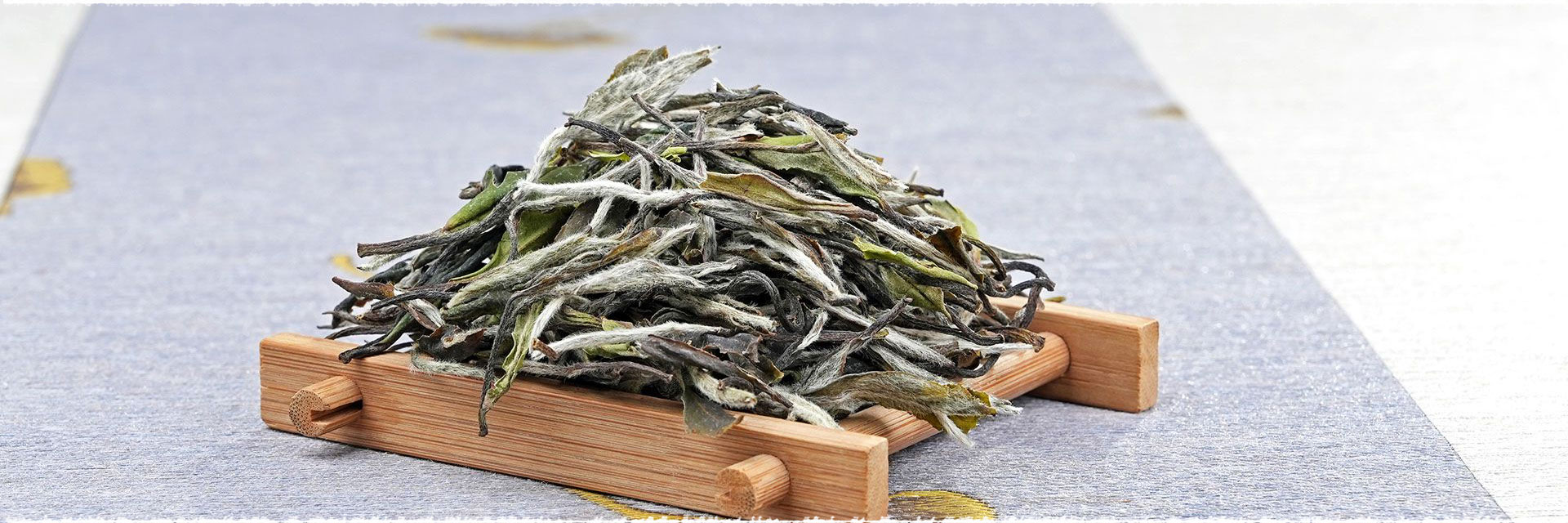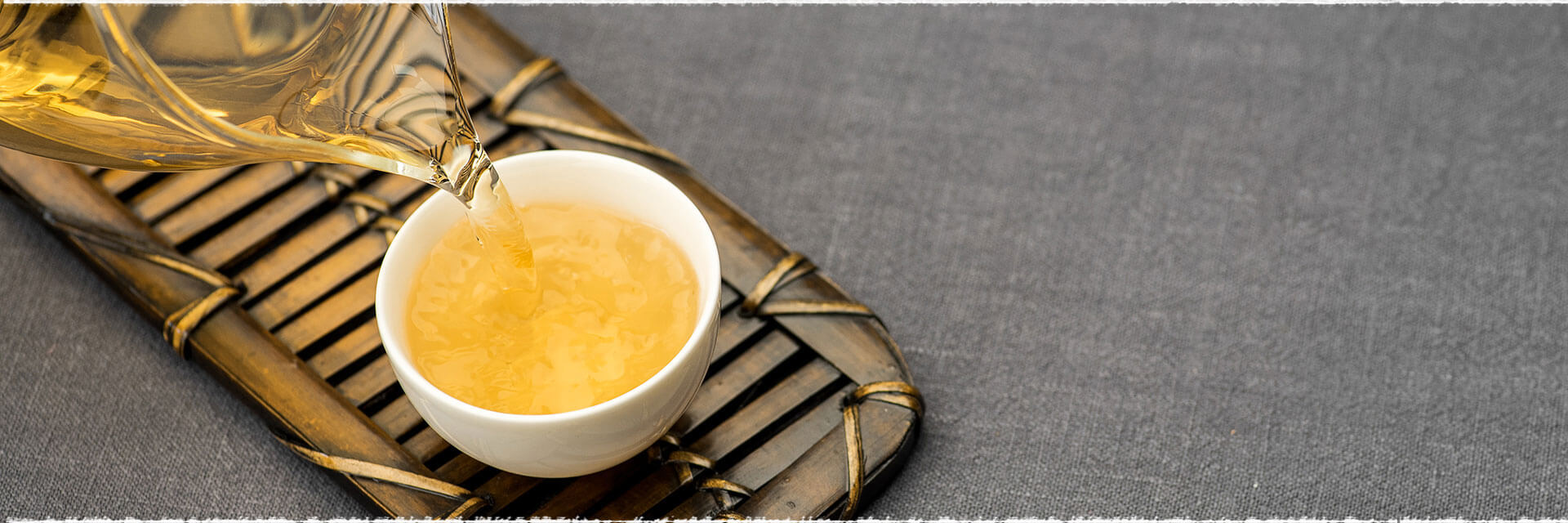
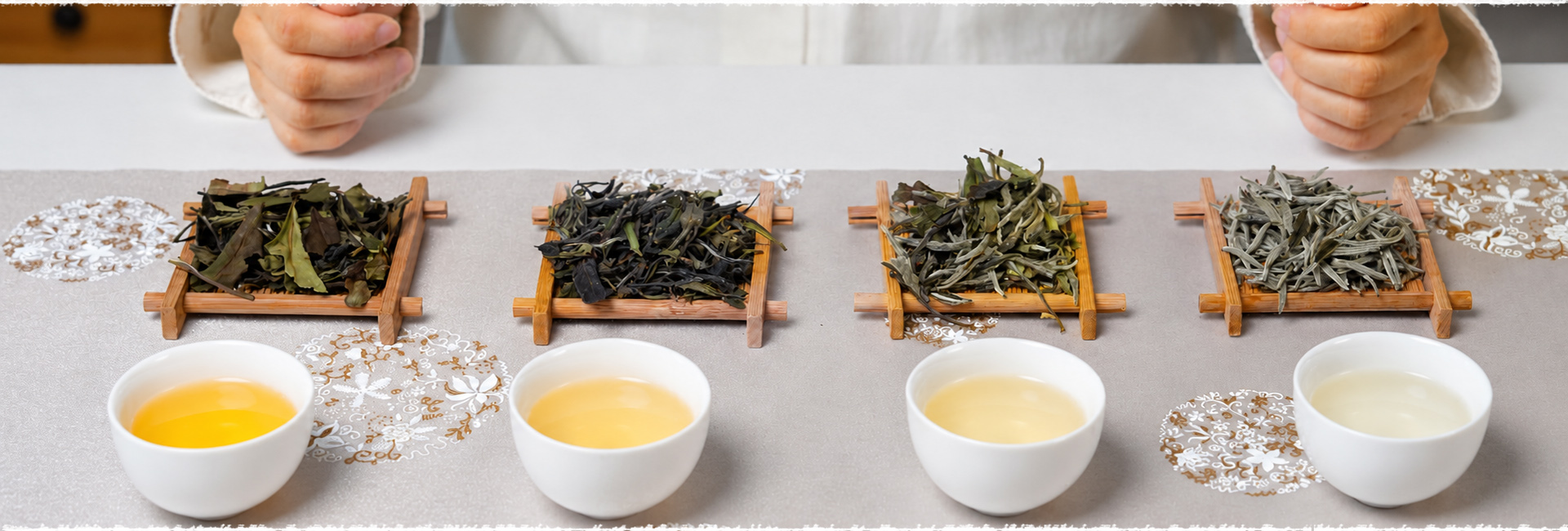
 How to Choose the Right Teaware for Different Types of White Tea?
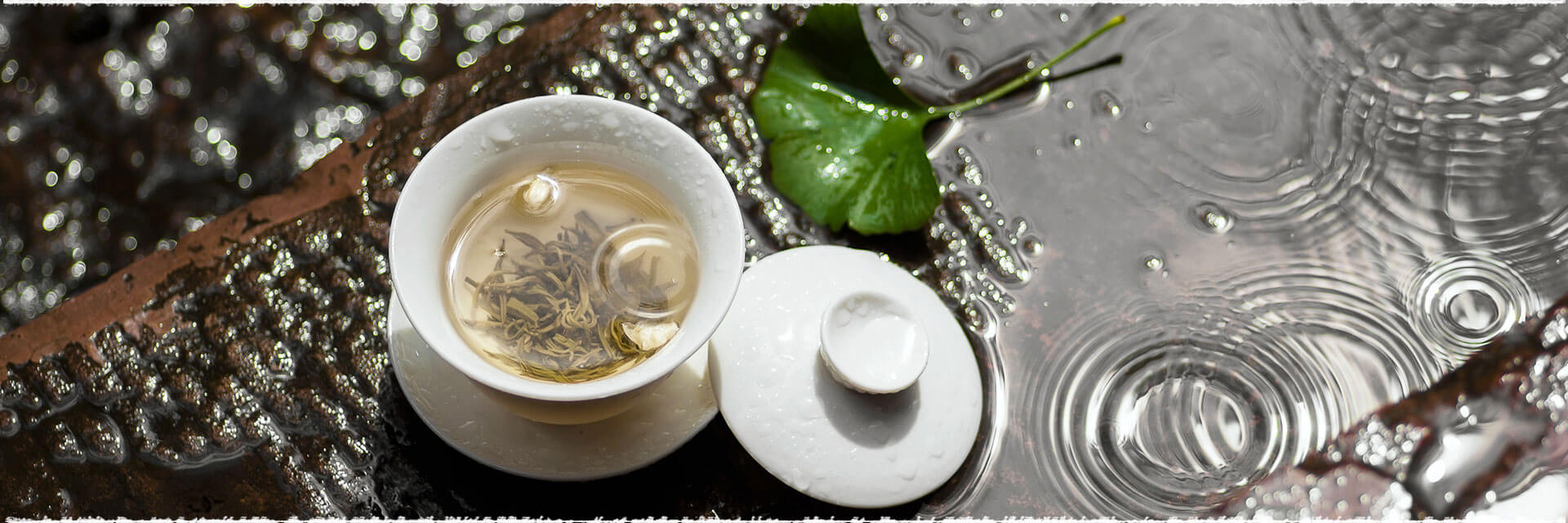
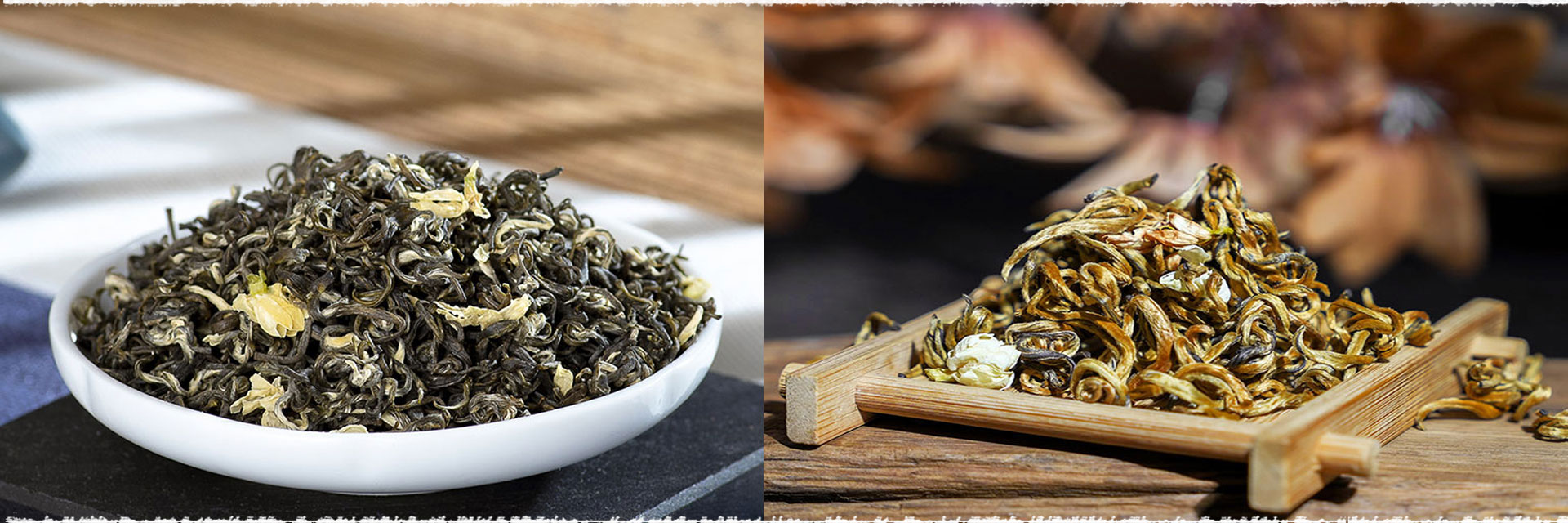 Why Isn't Jasmine Black Tea as Fragrant as Jasmine Green Tea?
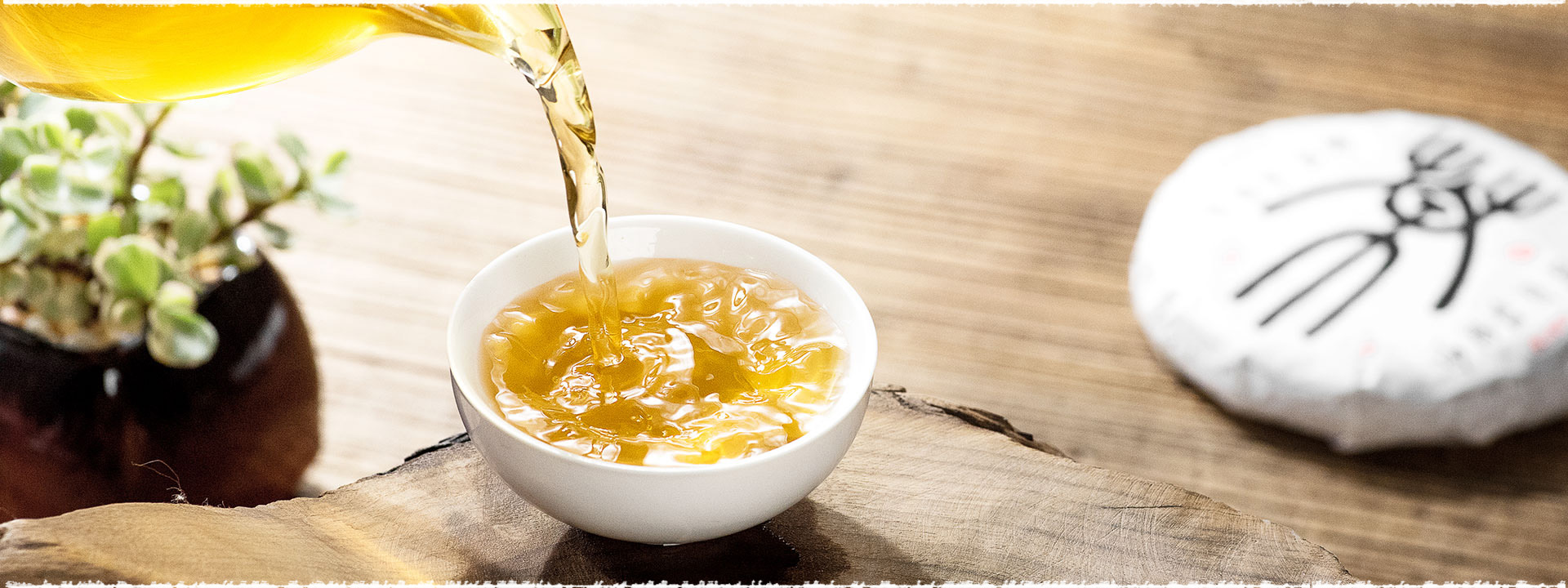
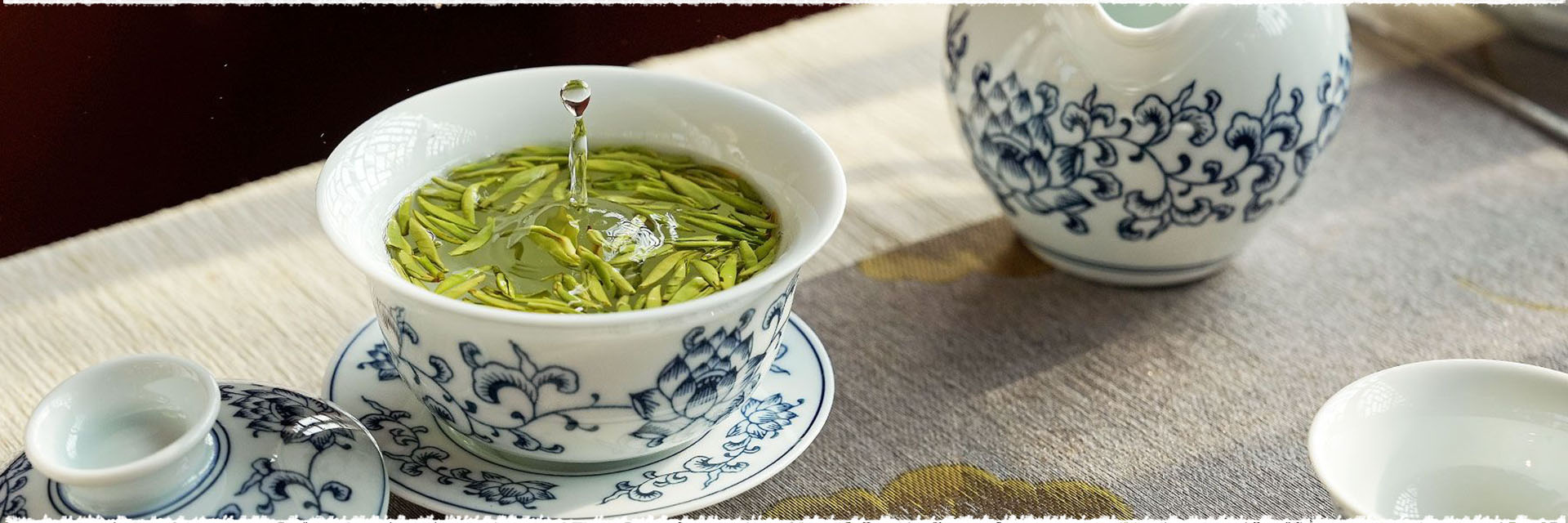 Tea Pouring Techniques: 5 Essential Water Pouring Methods for Better Tea Taste



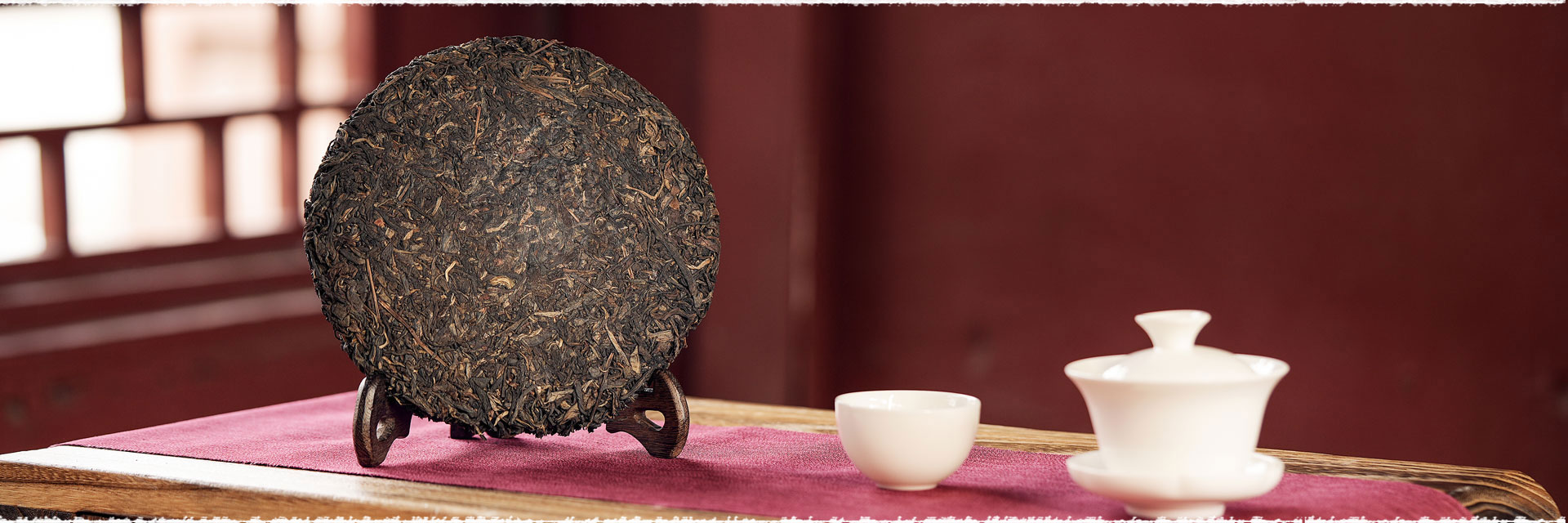
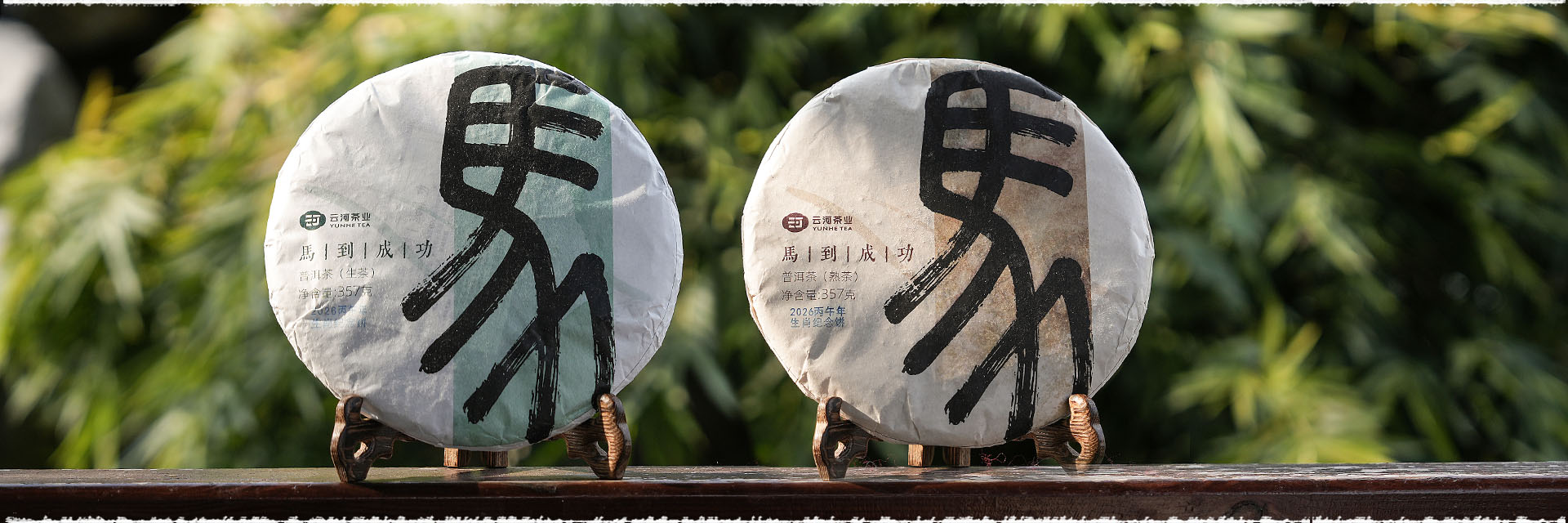
Can Raw Pu-erh Tea Transform into Ripe Pu-erh Through Aging?
Wondering if your aged raw Pu-erh becomes ripe over time? Discover the key differences between raw and ripe Pu-erh production, and why aging alone can never turn raw into ripe.



Wondering if your aged raw Pu-erh becomes ripe over time? Discover the key differences between raw and ripe Pu-erh production, and why aging alone can never turn raw into ripe.
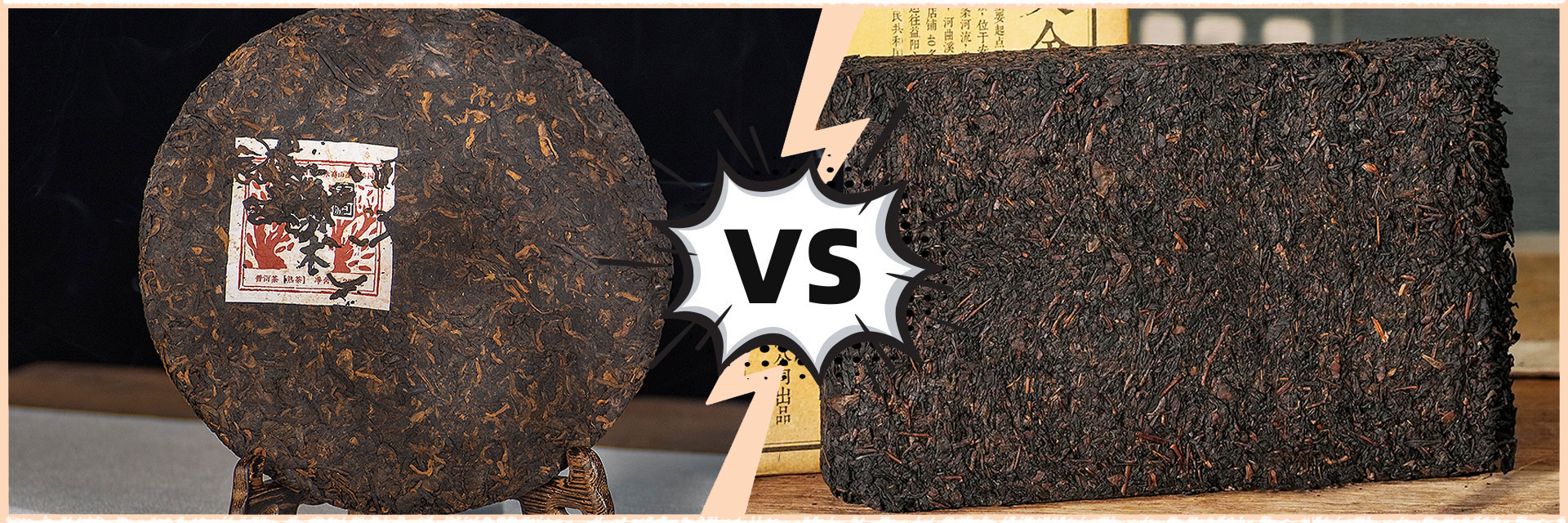
Have you ever wondered: “Is Pu-erh a dark tea, or is dark tea just another name for Pu-erh?” It’s a great question, and one that even experienced tea drinkers often find confusing. Let’s clear it up step by step.
What is Cha Puer? Explore the authentic world of Yunnan’s Pu-erh tea. Learn about its unique caffeine profile, health benefits, and the differences between Sheng and Shou.
Have you ever thought about mixing Ripe Pu-erh and Raw Pu-erh tea? Blending these two Pu-erh styles to get a more balanced taste. Discover how different ratios of Ripe and Raw Pu-erh can transform your tea experience – from the smoothness of Ripe Pu-erh to the brightness of Raw Pu-erh.
Like all foods and drinks, tea can expire or go bad over time. Therefore, is it safe to consume recently expired tea? And how to tell if your tea has expired?
Jingmai Mountain is one of the six major tea mountains in China, and it is also one of the oldest tea forests discovered in China so far. According to research, tea cultivation in this area has a history of nearly 2,000 years.
Tea, “茶”, has been a preference for health regimen since Chinese ancient times. People drink teas to seek different health benefits in different seasons. So, what are the benefits of tea drinking in winter?
There may be some confusing to tea beginners about the names of various teas. Sometimes a tea maybe have different names on different websites. For example, Iron Goddess of Mercy Oolong Tea is also being called Tie Guan Yin or Ti Kuan Yin.