 How to Choose the Right Teaware for Different Types of White Tea?
 Why Isn't Jasmine Black Tea as Fragrant as Jasmine Green Tea?
 Tea Pouring Techniques: 5 Essential Water Pouring Methods for Better Tea Taste






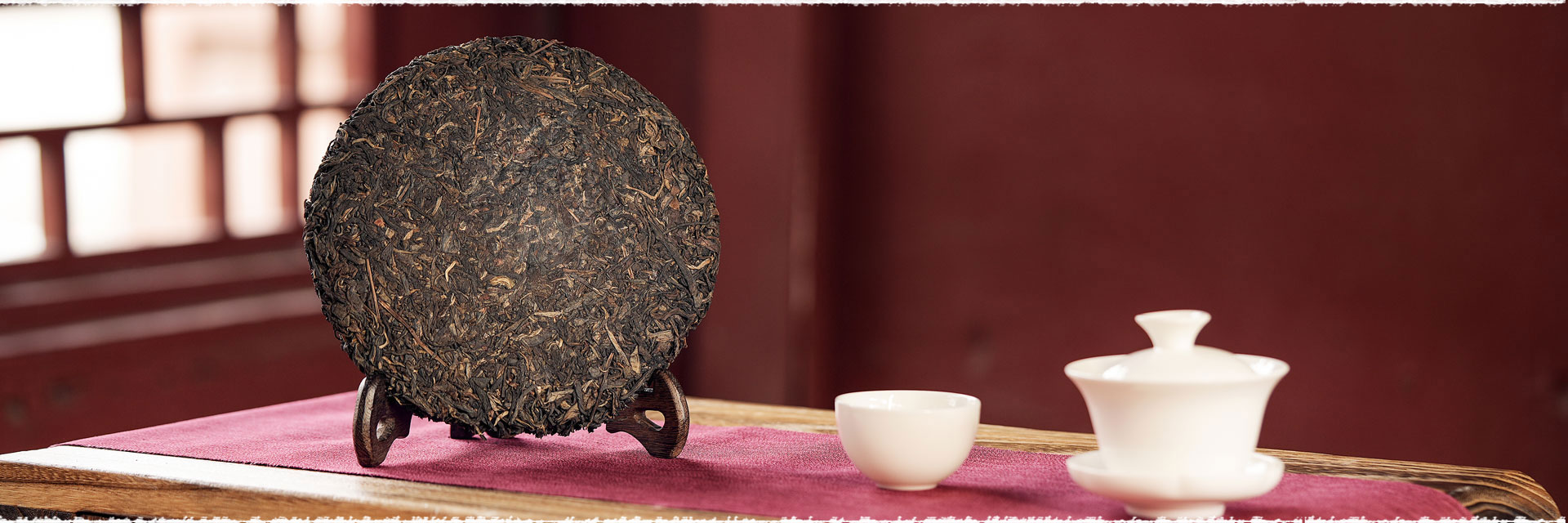
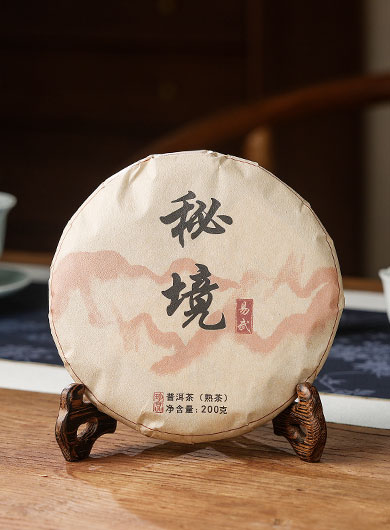
Many tea lovers have this question: After years of storage, a raw Pu-erh cake starts to turn reddish when brewed. Does that mean it is slowly becoming ripe Pu-erh?
That’s like thinking if you leave a ball of raw dough out long enough, it’ll turn into a loaf of baked bread. So here’s the straight answer: No matter how long you store it, a raw Pu-erh tea cake will never turn into a ripe one. When raw Pu-erh ages and its color changes, that’s the result of aging, not fermentation. Raw and ripe Pu-erh take completely different paths from the very beginning of their production.
From Leaf to Cake: Two Different Journeys
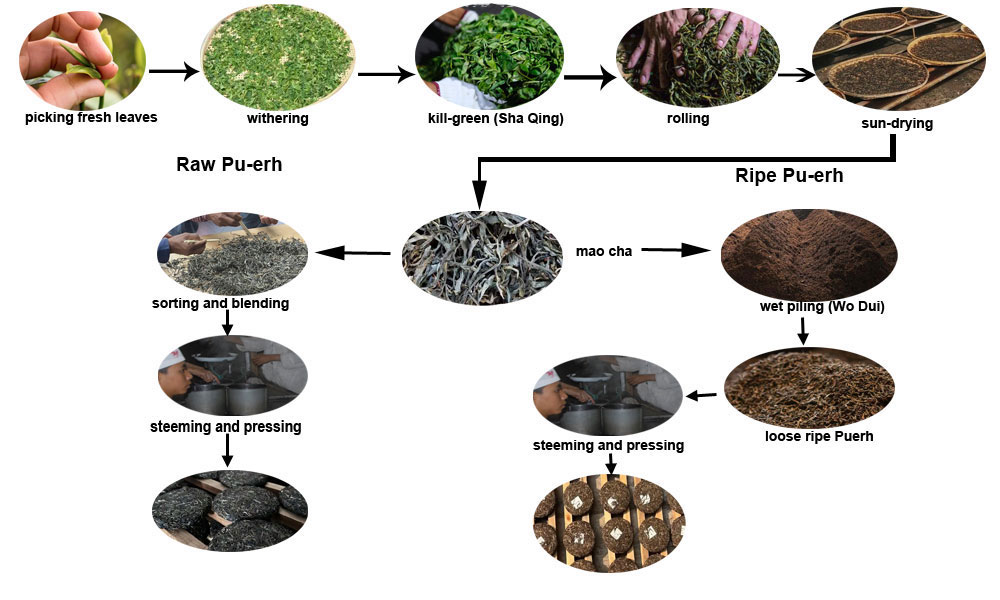
Both raw and ripe Pu-erh start the same way, from Yunnan’s large-leaf tea trees. Fresh tea leaves go through: Withering, Kill-green (fixation), Rolling, Sun-drying. This process results in rough tea, also known as Mao Cha.
For Raw Pu-erh:
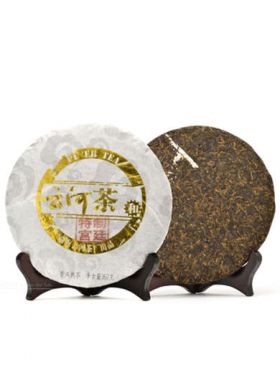
Mao Cha is then sorted, blended, steamed, and pressed into shapes (like cakes or bricks), then dried. That’s it. Raw Pu-erh is essentially sun-dried green tea that has been compressed and is meant to age slowly over time.
For Ripe Pu-erh:
Ripe Pu-erh goes through an additional, crucial step called wet piling, or Wo Dui. This isn’t just casual piling – it’s a carefully controlled process where the Mao Cha is piled, moistened, and covered to promote microbial activity. The piles are turned regularly to ensure even fermentation and ventilation. In essence, ripe Pu-erh’s flavor is born from fermentation.
So, What Happens When Raw Pu-erh Ages? The aging of raw Pu-erh is a passive, slow oxidative process – a form of natural evolution. Over time, the tea’s color may deepen, turning from green to amber or even reddish-brown in the cup. The flavor becomes smoother, and aromas like aged notes or even medicinal scents may emerge.
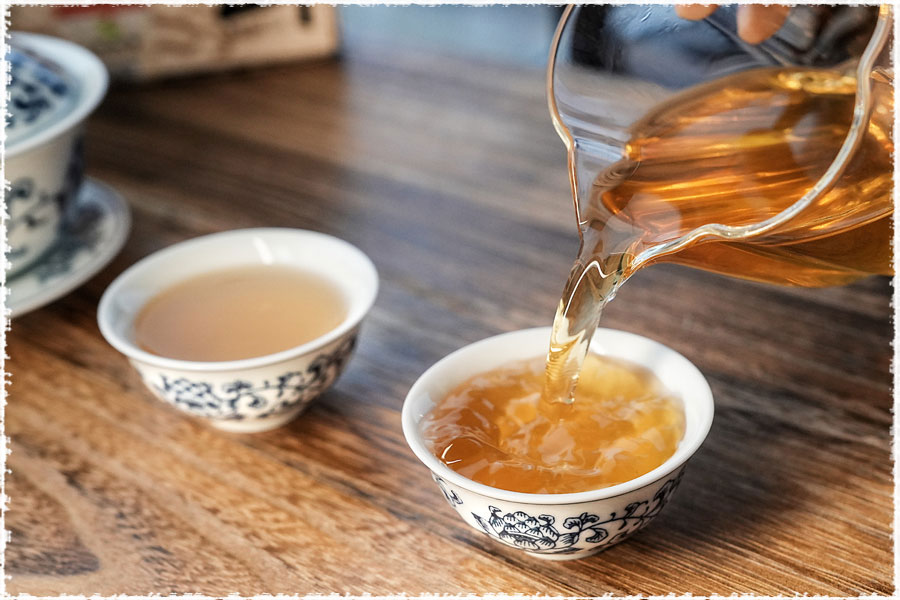
But even after a hundred years, raw Pu-erh only matures into “aged raw Pu-erh.” It may develop some ripe Pu-erh-like characteristics, but at its core, it remains raw Pu-erh. The unique aromas created by Wo Dui – such as glutinous rice or jujube – cannot be replicated by natural storage alone.
In short: Raw Pu-erh ages naturally over time. Ripe Pu-erh, by contrast, is made through an accelerated fermentation process. Time alone will never turn raw into ripe—they are two distinct teas from the start.