 How to Choose the Right Teaware for Different Types of White Tea?
 Why Isn't Jasmine Black Tea as Fragrant as Jasmine Green Tea?
 Tea Pouring Techniques: 5 Essential Water Pouring Methods for Better Tea Taste


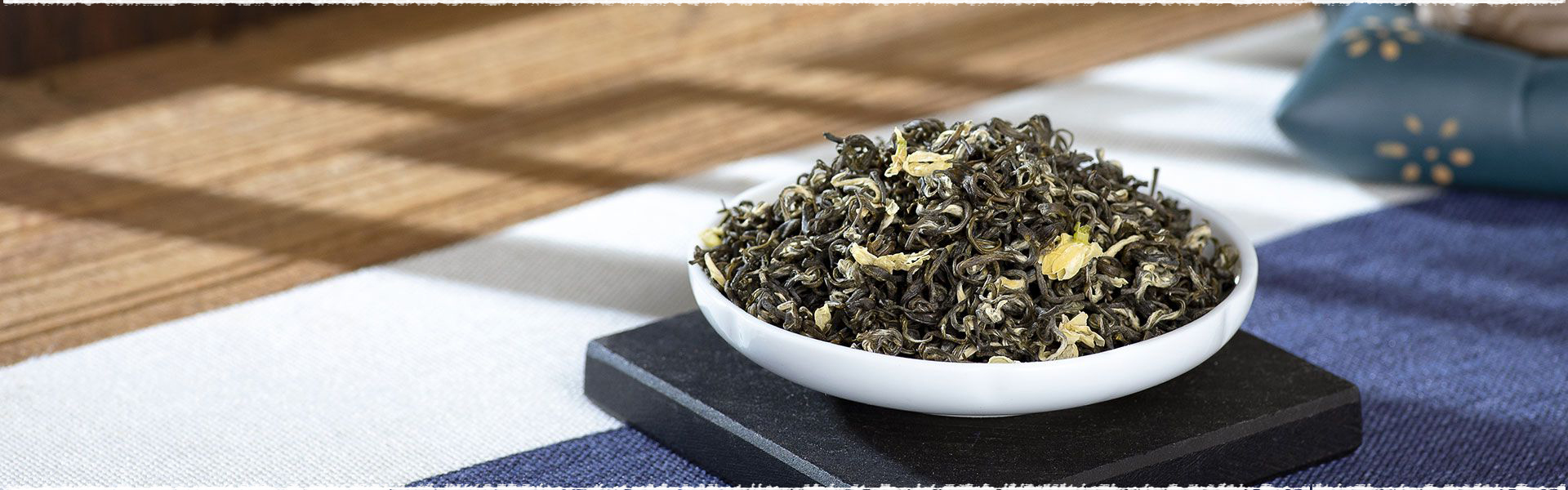
Many people mistake jasmine tea for a pure herbal infusion, leading them to assume it is naturally caffeine-free. However, if you are sipping a cup in the evening hoping for a caffeine-free nightcap, you might want to think again.
Simple answer: Yes, jasmine tea contains caffeine, as it is typically made by scenting caffeinated green tea or other tea leaves with jasmine flowers. However, pure jasmine flowers themselves do not contain caffeine, just like rose petals or chamomile. A standard 8oz cup of jasmine green tea typically contains 15 to 60mg of caffeine, which is lower than the amount found in a regular cup of coffee.
Key Facts
| Key Point | Info |
|---|---|
| Source | The caffeine in jasmine tea comes from its tea base (usually green, white, or oolong). Pure jasmine flowers contain no caffeine. |
| Caffeine Content | About 15–60 mg per 8oz cup, depending on tea type and brewing — generally lower than coffee. |
| Effects | Can boost alertness; caffeine-sensitive individuals may feel restlessness or insomnia. |
| How to Reduce | Use lower water temperature (75–85°C) and shorter steeps (1–3 min), or try cold-brew / quick rinse. |
What is Jasmine Tea? (It’s More Than Just Dried Flowers)
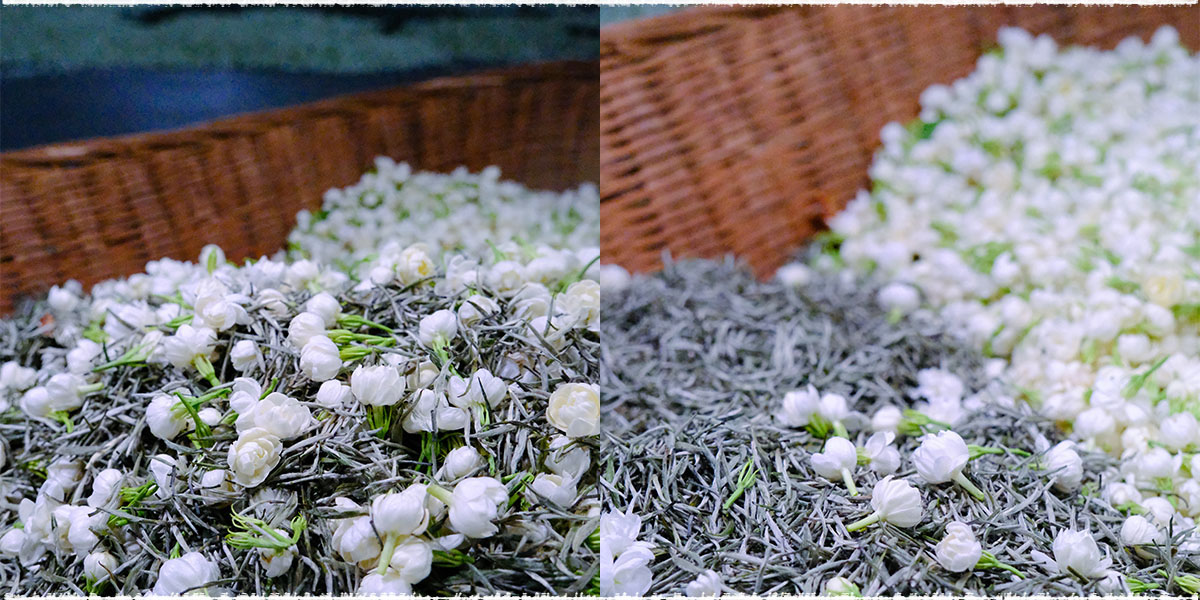
Tea Base
Jasmine tea is typically made using a base of Green tea, White tea, or Oolong tea. It is a reprocessed tea that absorbs the fragrance of jasmine through a blending and scenting process. The caffeine content can vary depending on the type of tea used as the base.
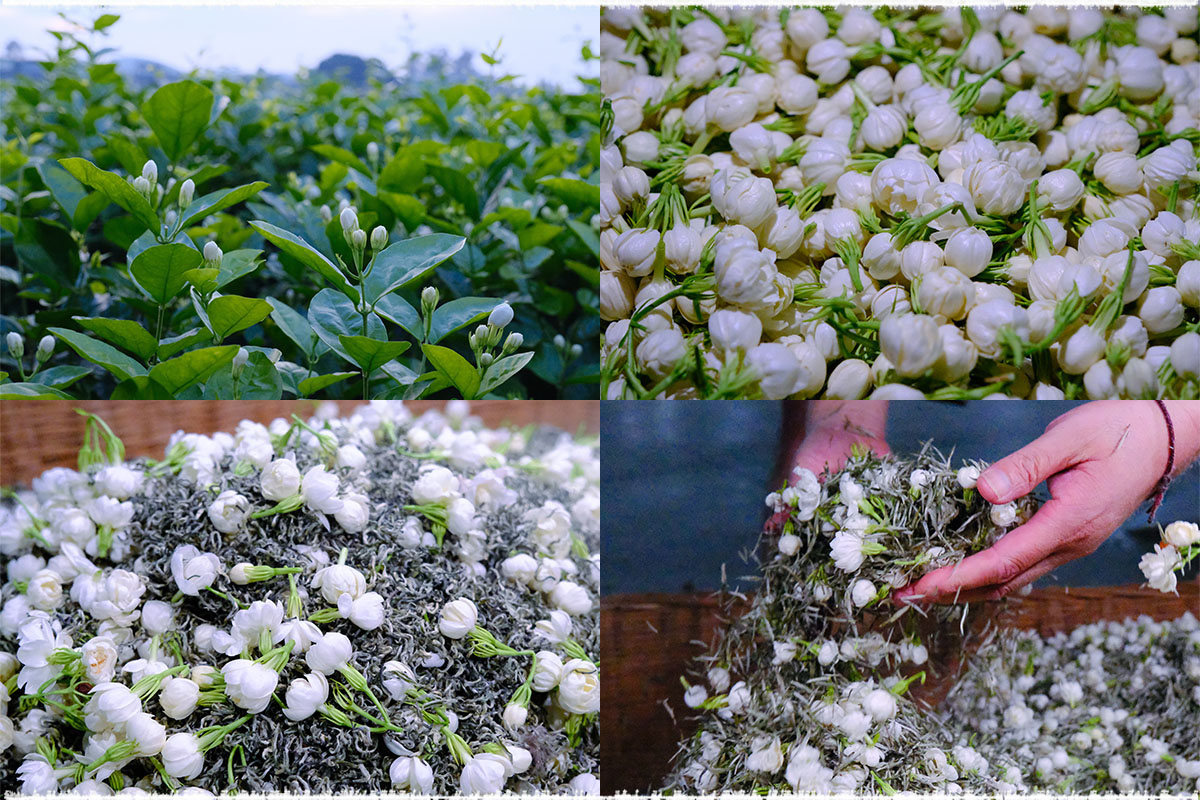
The Scenting Process: How Jasmine Fragrance is Infused
Authentic jasmine tea is crafted using a centuries-old scenting technique. High-quality green tea leaves are layered with fresh jasmine blossoms overnight, allowing the tea to naturally absorb the essential oils of the flowers. Afterward, the flowers are removed, leaving only the tea leaves. This process is repeated multiple times to create the rich aroma of jasmine tea.
Flavor Profile & Popular Varieties
Jasmine Green Tea: The most common type, with a fresh and light taste.
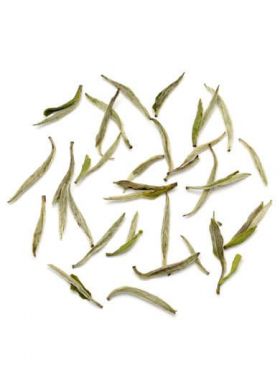
Jasmine Silver Needle: Crafted from white tea, this variety offers a softer and more delicate flavor.
Jasmine Pearl Tea: Rolled into pearl shapes, releasing fragrance gradually during brewing.
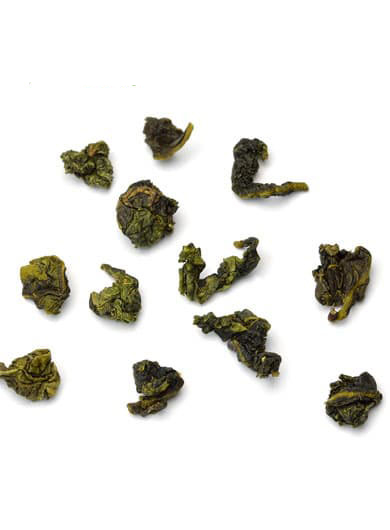
Jasmine Oolong Tea: Rich in taste, with complex aroma and strong floral notes.
Jasmine Black Tea: Full-bodied flavor with prominent floral fragrance.
Does Jasmine Tea Contain Caffeine?
Generally, a regular cup of jasmine tea has around 15–60 mg of caffeine.
General Caffeine Levels
| Type of Jasmine Tea | Typical Caffeine Content (per 8 oz) |
|---|---|
| Jasmine Tea | 15–60 mg (depending on base tea) |
| Decaffeinated Jasmine Tea | 2–4 mg |
| Herbal Jasmine Tea | 0 mg |
Factors Affecting Caffeine
Tea leaf grade: Younger leaves vs. older leaves.
Brewing temperature: Higher temperatures release more caffeine.
Brewing time: The longer the brewing time, the more caffeine is released.
How Much Caffeine is in Your Cup?
It depends on the tea, the leaves, and how you brew it. From gently uplifting white tea to more energizing black tea, caffeine in tea is subtle, balanced, and often smoother than coffee—giving you clarity without the jitters. For more details, please refer to: Tea and Caffeine Content.
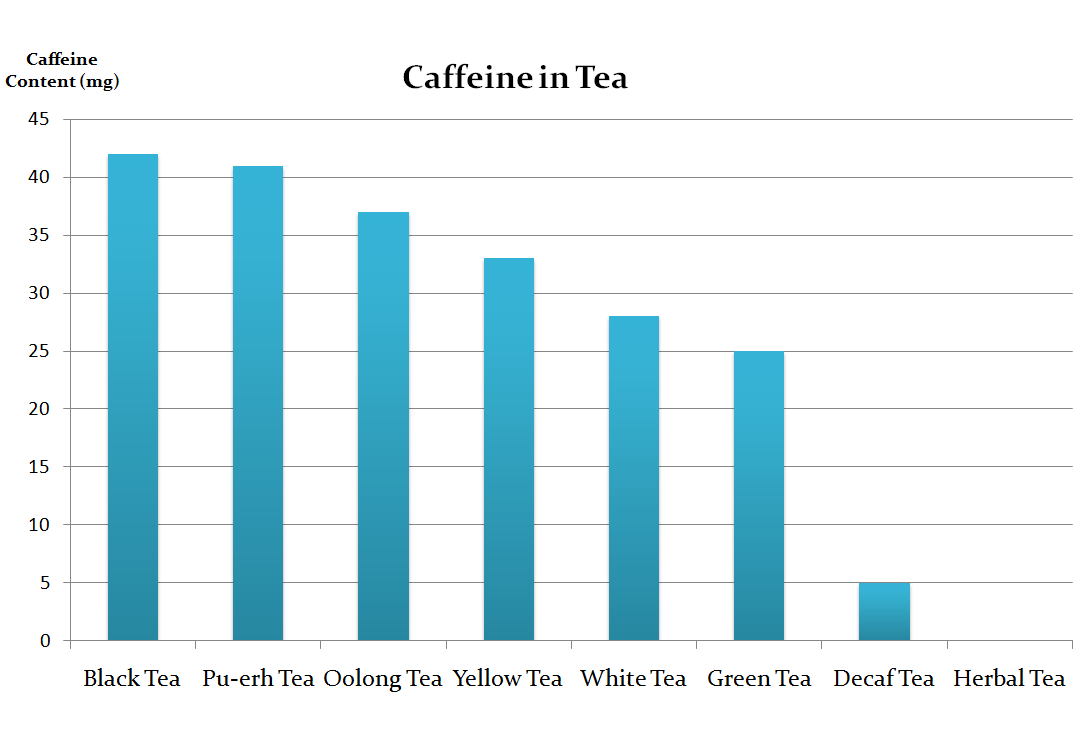
Data Sources:Caffeine Informer (https://www.caffeineinformer.com/the-caffeine-database)
Tips to Reduce Caffeine
To reduce caffeine intake when brewing jasmine green tea, consider trying various methods, such as shortening the steeping time, using less tea, or choosing high-quality green tea leaves with lightly scented jasmine.
Caffeine is mainly released during the early stages of brewing, while tea polyphenols and aromatic compounds are more abundant in later infusions. When adjusting your brewing method, you can effectively manage your caffeine intake.
- Choose a White Tea Base – A gentler option with lower caffeine content than black or fermented teas.
- Do a Quick Rinse – While many believe a quick rinse removes most of the caffeine, studies show that a 30-second steep only extracts about 9% to 15% of the total caffeine content. However, this “rinse” is still beneficial—it removes a portion of the initial caffeine surge and “awakens” the leaves, resulting in a smoother flavor. Discard the first 30-second infusion to enjoy a more mellow, lower-caffeine second cup.
- Lower Water Temperature – Use 70–80°C (158–176°F) to slow the caffeine extraction process.
- Try Cold Brewing – Steep in fridge for 4–6 hours for less caffeine and crisper taste.
- Use Fewer Tea Leaves – Using less tea naturally means consuming less caffeine.
- Multiple Infusions – Later infusions contain significantly less caffeine.
- Dilute with Herbal Teas – Mix with chamomile or peppermint to reduce the caffeine content.
- Avoid Drinking Before Bed – Even small amounts can disrupt the sleep of sensitive individuals.
💡 Personal Insight: In our testing, we found that 85°C is the “sweet spot” for jasmine pearls. At this temperature, the leaves unfurl beautifully and release their full floral aroma without the bitterness or a heavy caffeine surge that boiling water can cause.
Jasmine Tea vs. Other Teas: Caffeine Comparison
| Type of Tea | Typical Caffeine Content (per 8 oz) |
|---|---|
| Jasmine Green Tea | ~15–60 mg |
| Pure Green Tea | ~30–50 mg |
| Earl Grey (Black Tea) | ~40–120 mg |
| Matcha | ~70 mg+ |
Health Benefits & Best Drinking Times
Morning or Afternoon: Helps to refresh and boost alertness.
Evening: Caffeine-sensitive individuals are advised to avoid drinking.
Pregnant Women or People with High Blood Pressure: Consume in moderation.
Jasmine Tea Benefits
1. Antioxidant & Anti-Aging
Jasmine green tea is rich in catechins and polyphenols, which help neutralize free radicals and reduce oxidative damage. Regular consumption may help maintain skin radiance and slow the signs of aging.
2. Refresh & Enhance Focus
The combination of caffeine and L-theanine provides a gentle energy boost while reducing the jittery effects of caffeine. Ideal for work or study.
3. Aid Digestion & Support Fat Metabolism
Tea polyphenols and aromatic compounds can promote digestion and improve fat metabolism. Helpful for post-meal comfort and maintaining a healthy weight.
4. Antibacterial & Freshen Breath
Volatile oils in jasmine flowers have mild antibacterial properties. Drinking the tea can help reduce oral odors and keep breath fresh.
5. Stress Relief & Relaxation
The aroma of jasmine has aromatherapy effects that can ease tension and promote relaxation. Perfect for a calming cup in the afternoon or evening.
How to Brew Jasmine Tea with Less Caffeine?
To reduce caffeine naturally:
Cold brew gives a naturally milder, sweeter, and low-caffeine tea.
Quick rinse (hot brew) removes much of the caffeine in the first steep.
For hot brewing, using cooler water (~175°F / 80°C) and shorter steep times (1–2 minutes) also reduces caffeine extraction.
Method 1: Cold Brew (Lowest Caffeine)
Brew: Add 1 tsp (~2–3 g) of loose-leaf jasmine tea per 16 oz (500 ml) of cold, filtered water in a pitcher or infuser.
Steep: Cover and refrigerate for 4–10 hours (overnight works well).
Serve: Pour and enjoy a smooth, naturally sweet, low-caffeine tea.
✅ Notes: Longer cold brewing increases flavor but still keeps caffeine low compared to hot brewing.
Method 2: Quick Rinse (Hot Brew)
Rinse: Briefly steep tea leaves in hot water (~175°F / 80°C) for 30–60 seconds, then discard the liquid.
Re-steep: Use the same leaves for your second infusion, steeping for 1–3 minutes with fresh hot water.
Enjoy: This infusion has significantly less caffeine but retains the flavor and aroma.
✅ Notes: You can repeat for a third infusion; caffeine continues to decrease with each subsequent steep.
Frequently Asked Questions (FAQ)
Q1: Does jasmine tea have caffeine like coffee?
A: No, not at all. While both contain caffeine, jasmine tea provides a much gentler lift. A typical cup contains 15–60mg of caffeine, which is lower than a cup of coffee (95mg). This makes it perfect for “relaxed energy” without the jittery crash.
Q2: Why is jasmine tea often considered caffeine-free?
A: This is a common misconception! People often confuse jasmine tea with herbal infusions. Because jasmine blossoms themselves are caffeine-free, many assume the tea is too. However, since jasmine tea is almost always made with a green or white tea base, it naturally contains caffeine from the tea leaves used in its production.
Q3: Can I drink jasmine tea during pregnancy?
A: Most health experts suggest that moderate caffeine intake (under 200mg per day) is generally safe during pregnancy. Since a cup of jasmine green tea typically contains only about 20–30mg of caffeine, it is usually considered a safe, low-caffeine option. However, always consult your doctor to ensure.
Q4: Is jasmine green tea higher in caffeine than regular green tea?
A: Actually, it’s often the opposite. Because jasmine tea is a blend of tea leaves and jasmine flowers (which have 0mg caffeine), the “tea-to-water” ratio is slightly lower, often making jasmine green tea slightly lower in caffeine than a cup of pure, unblended green tea.
Q5: Is there a 100% caffeine-free jasmine tea?
A: Yes! You have two options:
Herbal Jasmine Tea: Made only from dried jasmine blossoms (no tea leaves).
Decaf Jasmine Green Tea: Green tea that has undergone a decaffeination process (usually retains about 2-3mg). For zero caffeine, look for “Pure Jasmine Buds” or “Herbal Infusions.”