 Why Isn't Jasmine Black Tea as Fragrant as Jasmine Green Tea?
 Differences Among Wu Niu Zao, Longjing 43, and Qun Ti Zhong
 How Brewing Alishan Oolong Tea Differs in Zi Ni, Zhu Ni, and Duan Ni Yixing Teapots





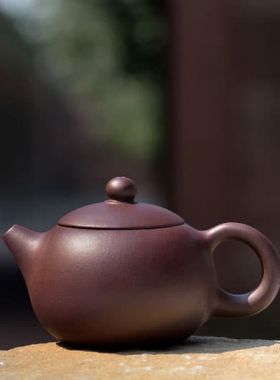
Today, I’d like to share a simple rinsing-and-pouring seasoning method. It is safer, easier, and especially suitable for beginners.
I. What You Need
– A new Yixing teapot
– The water you normally use for brewing tea
– A kettle
– The type of tea you plan to brew with this teapot
II. Steps and Their Purpose
1. Rinse the new teapot thoroughly with clean water, inside and out, to remove surface dust left from the firing process.
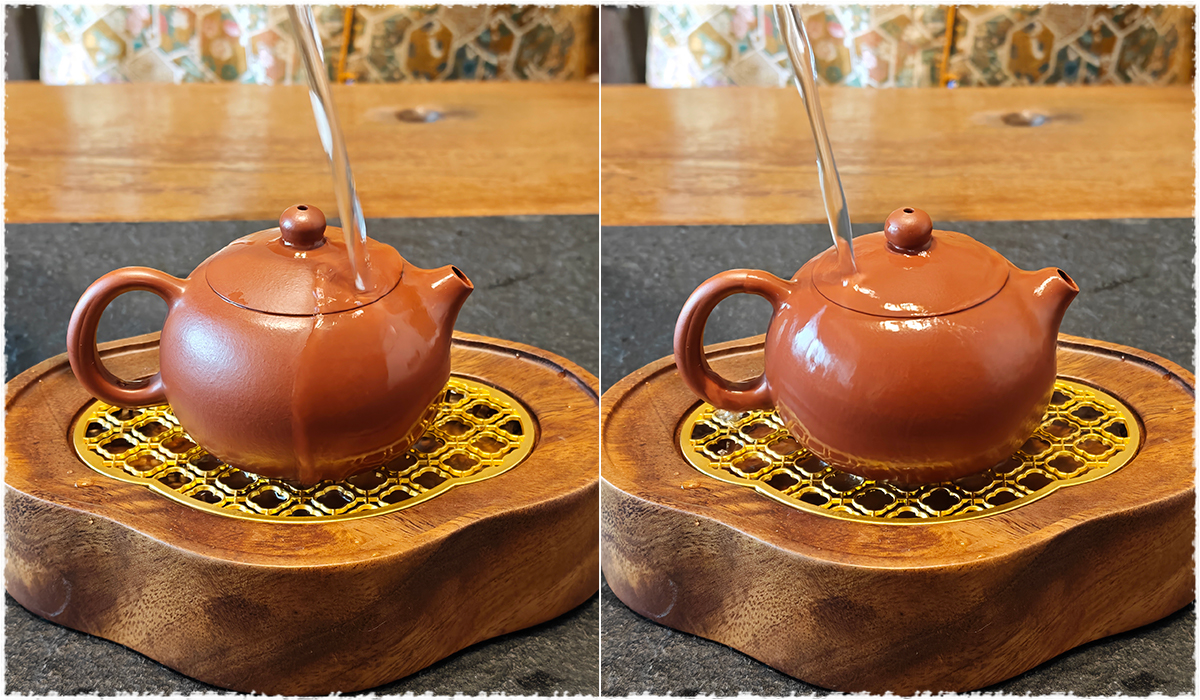
2. Heat your brewing water to about 50–60°C (120–140°F), then gently pour it over the outside of the teapot until the entire surface is warmed.
This allows the clay to gradually adapt to temperature changes and reduces thermal shock.
3. Bring the water to a full boil. Open the lid, fill the teapot completely with boiling water, close the lid, and evenly pour boiling water over the teapot body.
Let it sit for a few minutes. Once the water on the surface has evaporated, pour out the water inside.
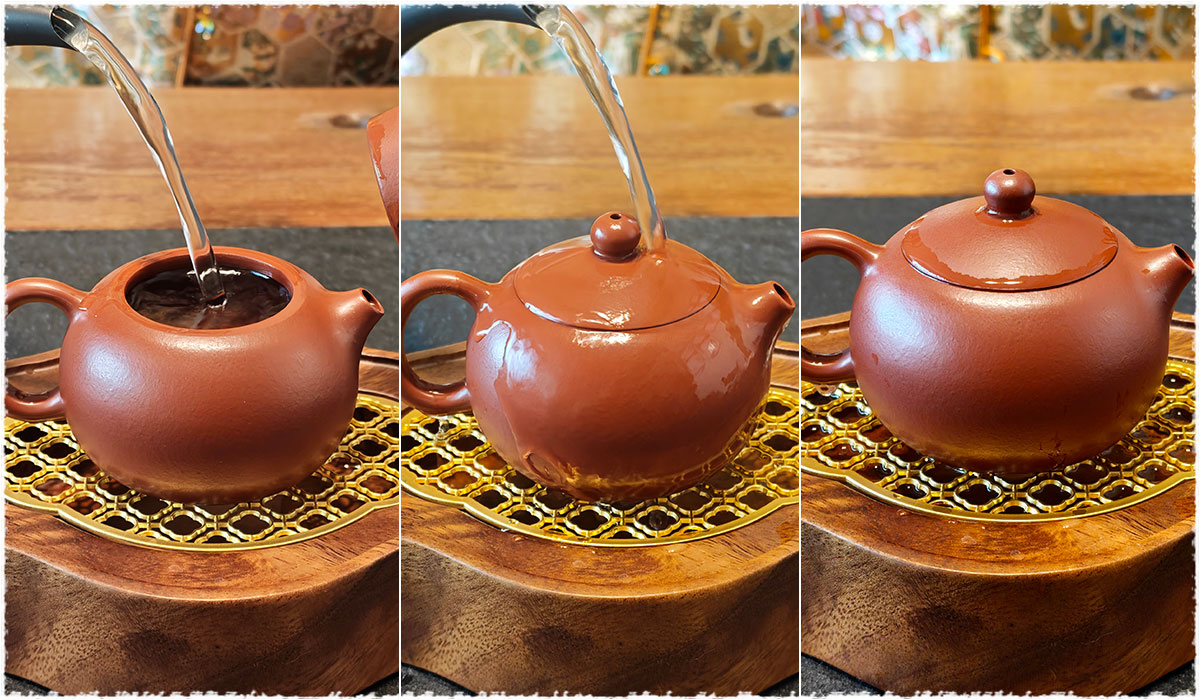
This step can be repeated twice to help remove residual kiln heat and earthy odors, effectively “waking up” the teapot.
4. Choose the tea you plan to dedicate to this teapot. Add a normal amount of tea leaves, fill with hot water, and let it steep for a full day or overnight.
After the previous steps, the Yixing clay’s unique double-porous structure has fully opened.
This long steep allows beneficial compounds in the tea, such as polyphenols and pectins, to slowly penetrate the clay pores through capillary action and thermal expansion, laying a foundation for future brewing.
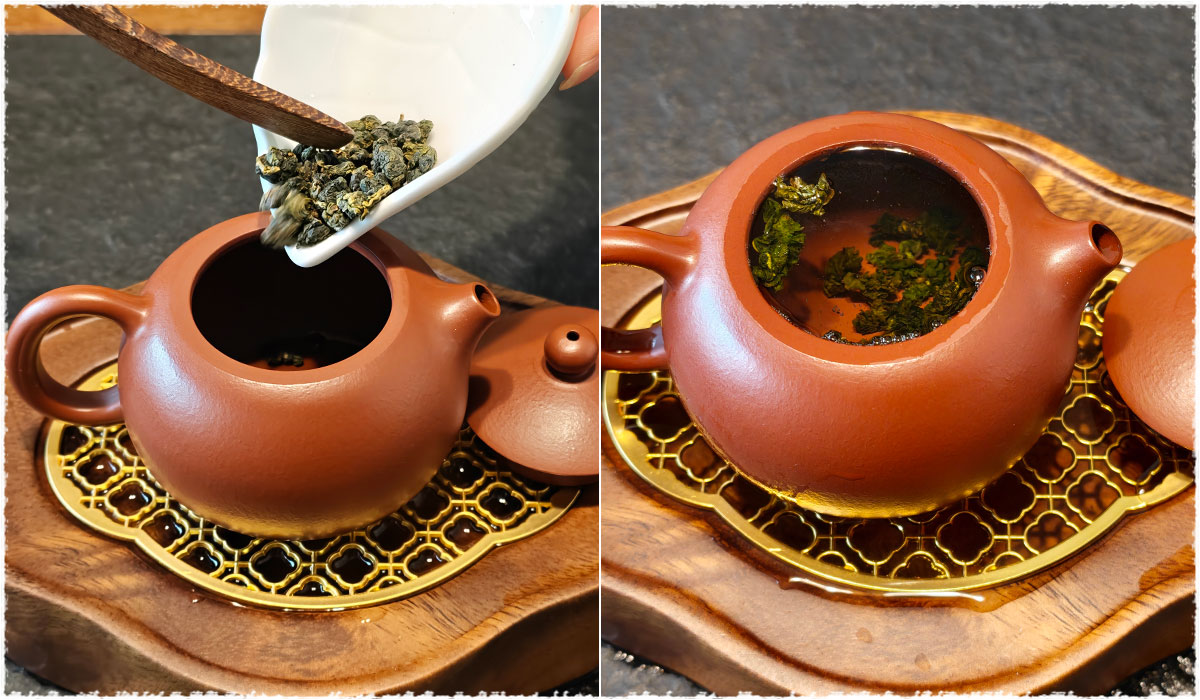
5. Finally, discard the tea leaves, rinse the teapot with clean water, wipe the exterior dry, and allow it to air-dry naturally.
Now, your teapot is now ready for regular use.
Compared to boiling-method seasoning, this approach is simpler, more practical, and better suited for beginners, while also reducing the risk of cracking or damage to the expensive teapot.