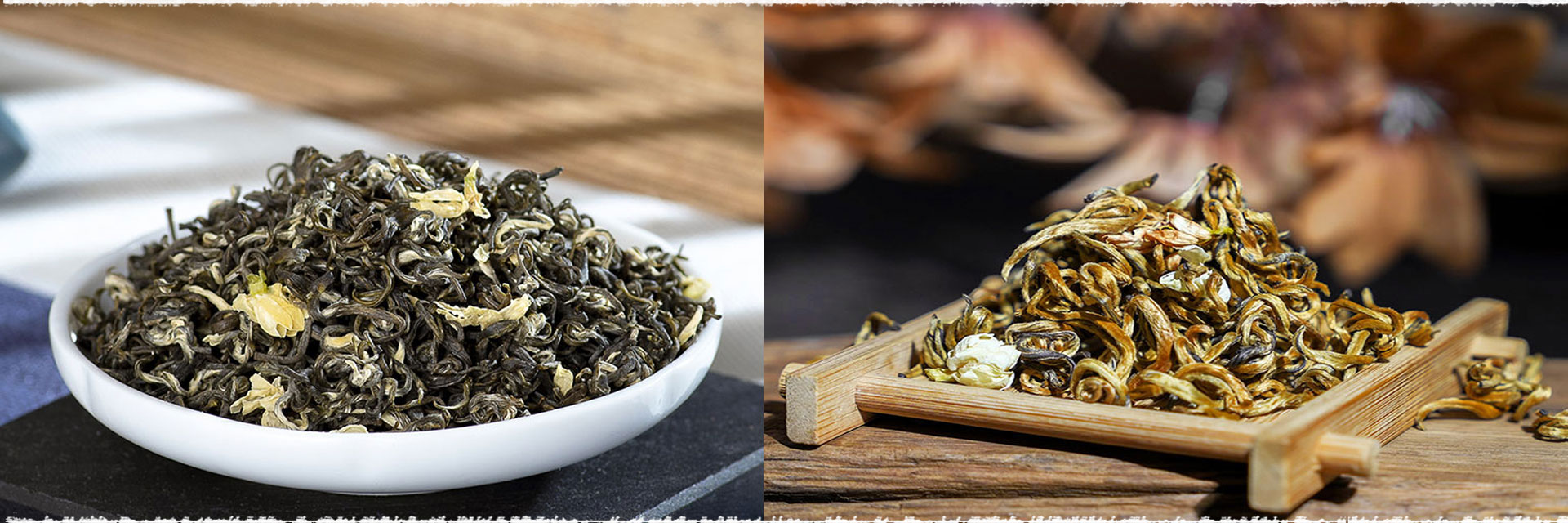
 Why Isn't Jasmine Black Tea as Fragrant as Jasmine Green Tea?
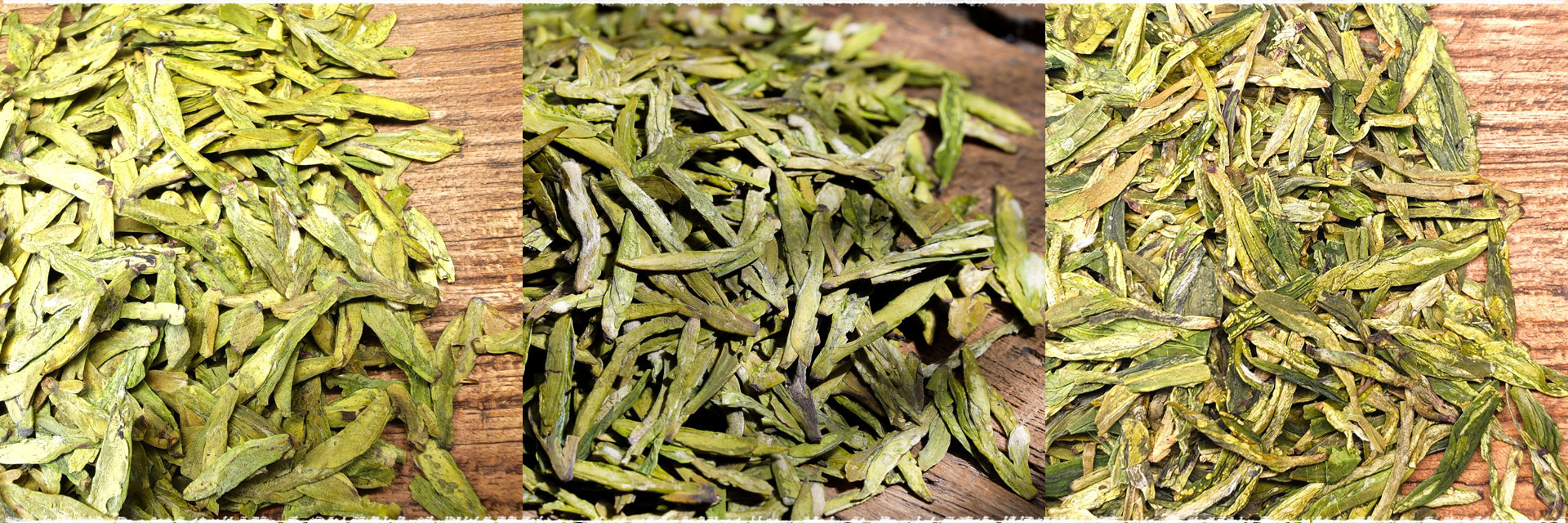 Differences Among Wu Niu Zao, Longjing 43, and Qun Ti Zhong
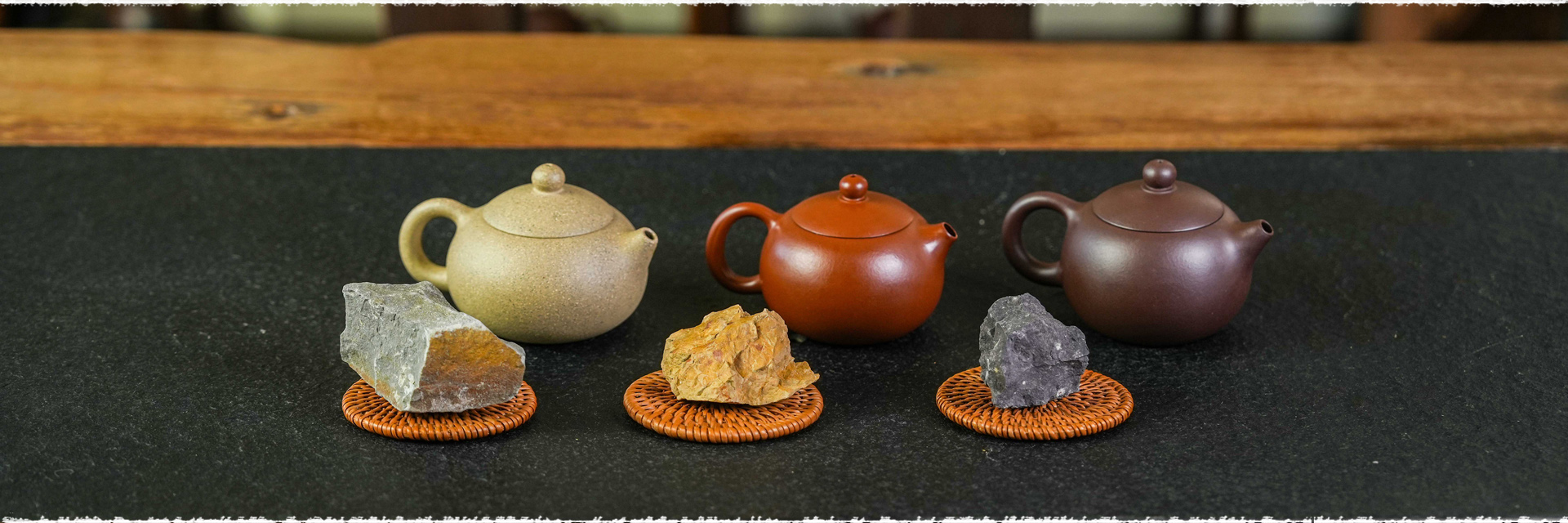 How Brewing Alishan Oolong Tea Differs in Zi Ni, Zhu Ni, and Duan Ni Yixing Teapots


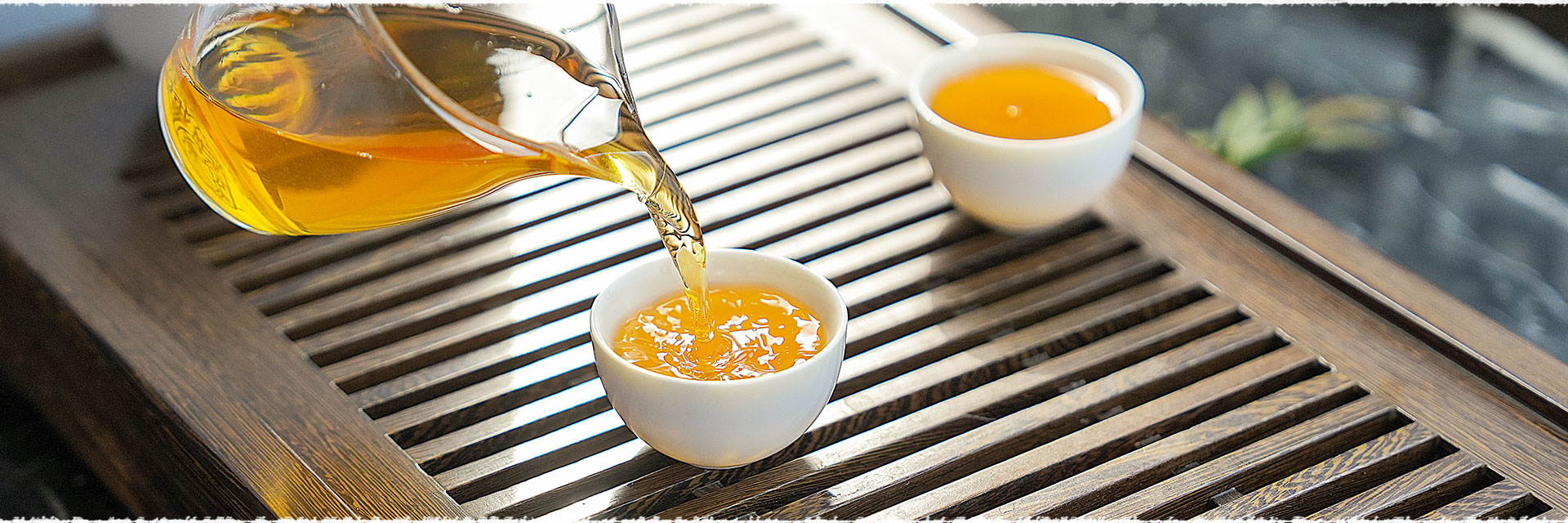
Jin Jun Mei is a relatively young but prestigious member of Chinese black tea. It was created in 2005 and is innovatively developed based on the traditional craftsmanship of Lapsang Souchong black tea. Its original intention was to fill the gap in the market for high-end black tea made from pure buds. Although it has a short history, it has quickly become one of the representatives of China’s top black teas with its excellent quality and unique flavor, and is highly praised by tea lovers.
I. Core Origin: Tongmuguan, Wuyi Mountain
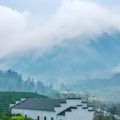
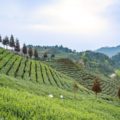
The core production area of Jin Jun Mei is located in Tongmuguan Village, Xingcun Town, Wuyishan City, Fujian Province and its surrounding high-altitude areas. This is a national nature reserve and the origin of Lapsang Souchong Zhengshan Xiaozhong – the ancestor of the world’s black tea. Tongmuguan boasts exceptional ecological conditions: average elevation exceeds 1,000 meters, with dense forest coverage and rich biodiversity. Perennially shrouded in mist, the area experiences high humidity and significant diurnal temperature variation. Its mineral-rich soils predominantly consist of weathered gravel-rock formations.
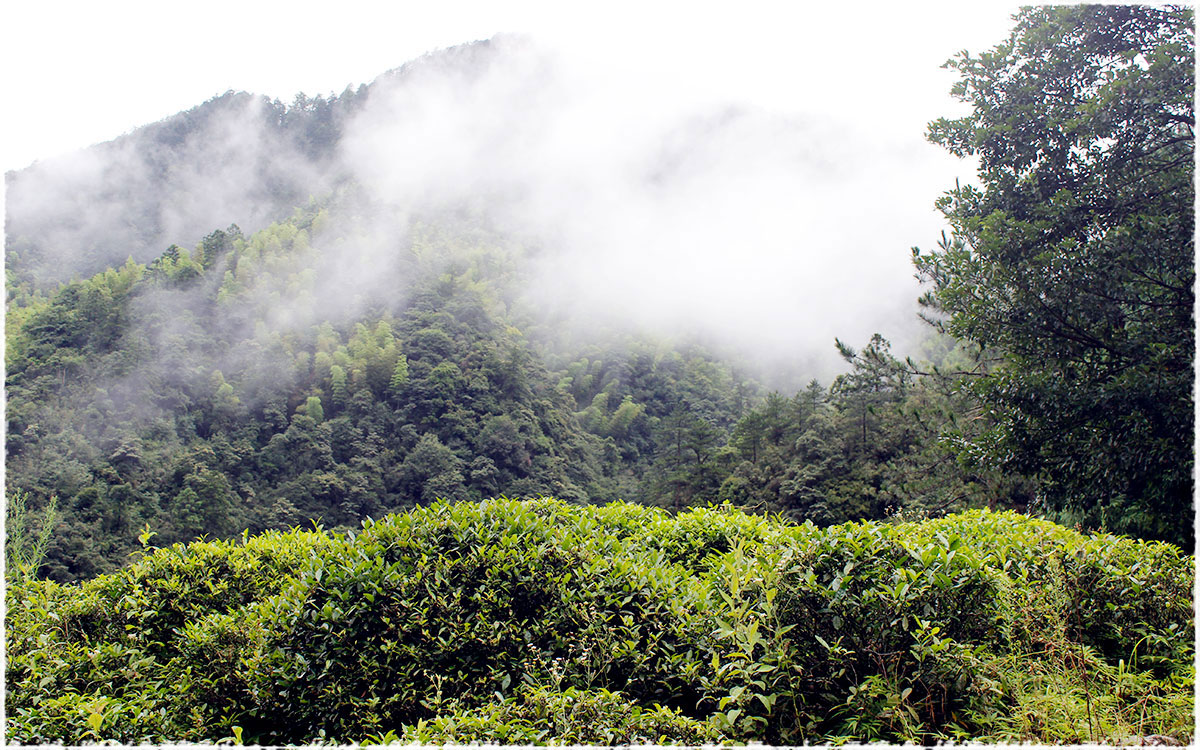
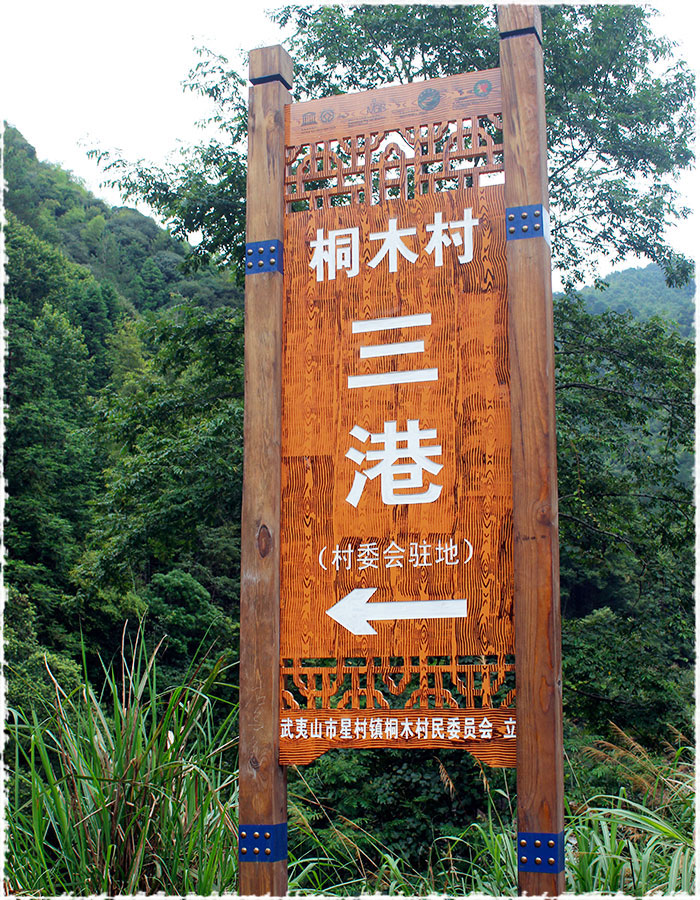
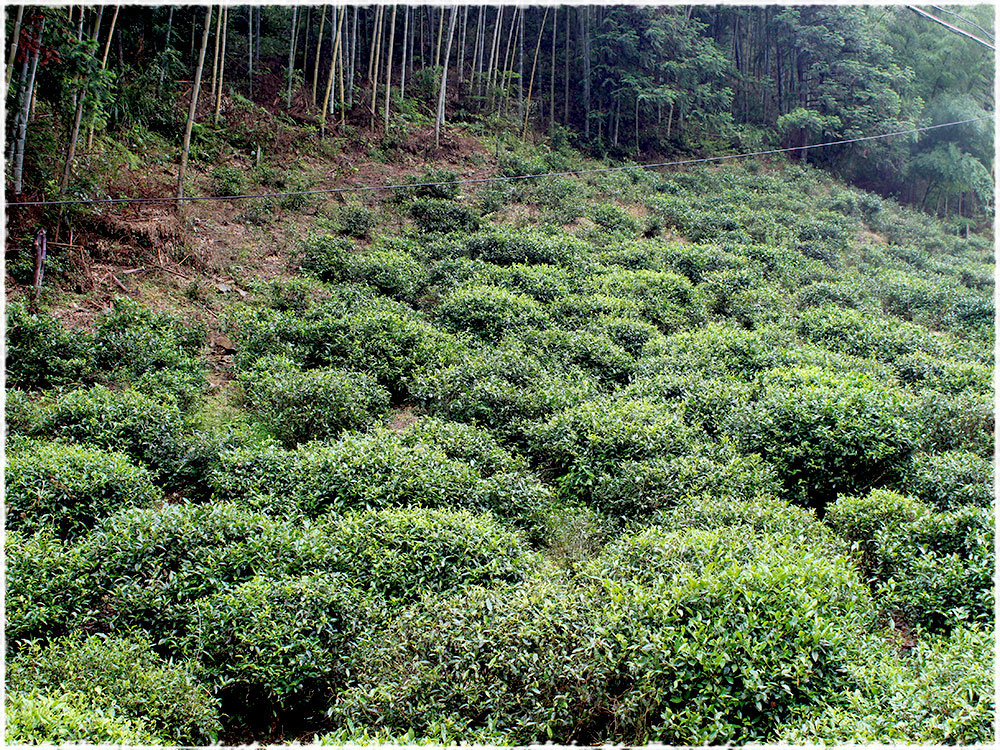
This unique natural environment has nurtured the excellent tea tree varieties (mainly local Cai Cha tea species) for making Jin Jun Mei, laying a solid foundation for its unique quality. Of course, Jin Jun Mei made from local tea in the core production area is very expensive and is not suitable for our daily consumption. Tea from the production areas around Tongmuguan or Jin Jun Mei made from other tree species is also a good choice.
II. Strict Harvesting and Meticulous Production
The core of Jin Jun Mei’s quality lies in its extremely strict raw material standards and fine production process:
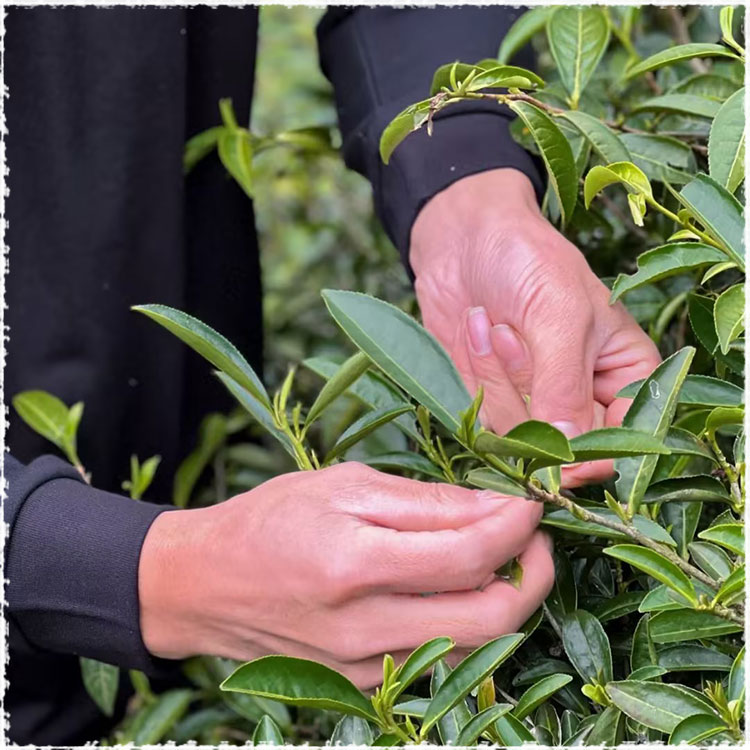
-Only single buds are picked: only single tender buds that are just beginning to unfold, plump and full at the top of the tea tree are picked.
-High picking standards: The buds are required to be uniform, fresh and undamaged. Usually they are picked only around Qingming Festival.
-High labor consumption: To make 500 grams of high-quality Jin Jun Mei, tens of thousands or even nearly 100,000 such buds are usually required, and a large number of skilled tea pickers are required, and the labor cost is extremely high.
-Fine Production process: On the basis of inheriting the traditional process of Lapsang Souchong (withering, rolling, fermentation, and drying), fine adjustments and innovations are made for the characteristics of pure buds.
-Innovative withering and fermentation: Special attention is paid to the precise control of withering and fermentation. Through innovative withering technology (possibly combined with indoor heated withering) and finely controlled fermentation degree (lighter than traditional Lapsang Souchong), the freshness of the buds and the substances contained are retained to the greatest extent, while stimulating the unique floral and fruity honey aroma, avoiding the smoky flavor (traditional Lapsang Souchong has pine smoke aroma) or excessive fermentation flavor. The entire process is extremely demanding and requires experienced craftsmen to flexibly control it according to the weather and raw material conditions to ensure stable quality.
III. Distinctive taste characteristics
The unique flavor profile of Jin Jun Mei is a direct reflection of its value:
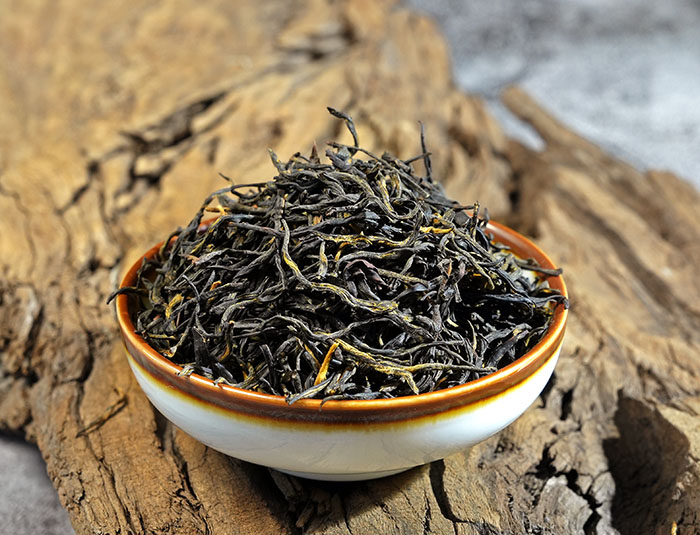
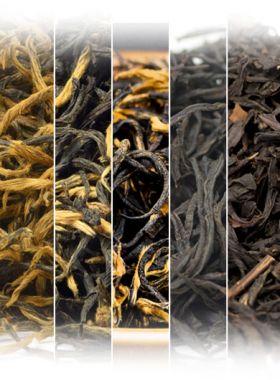
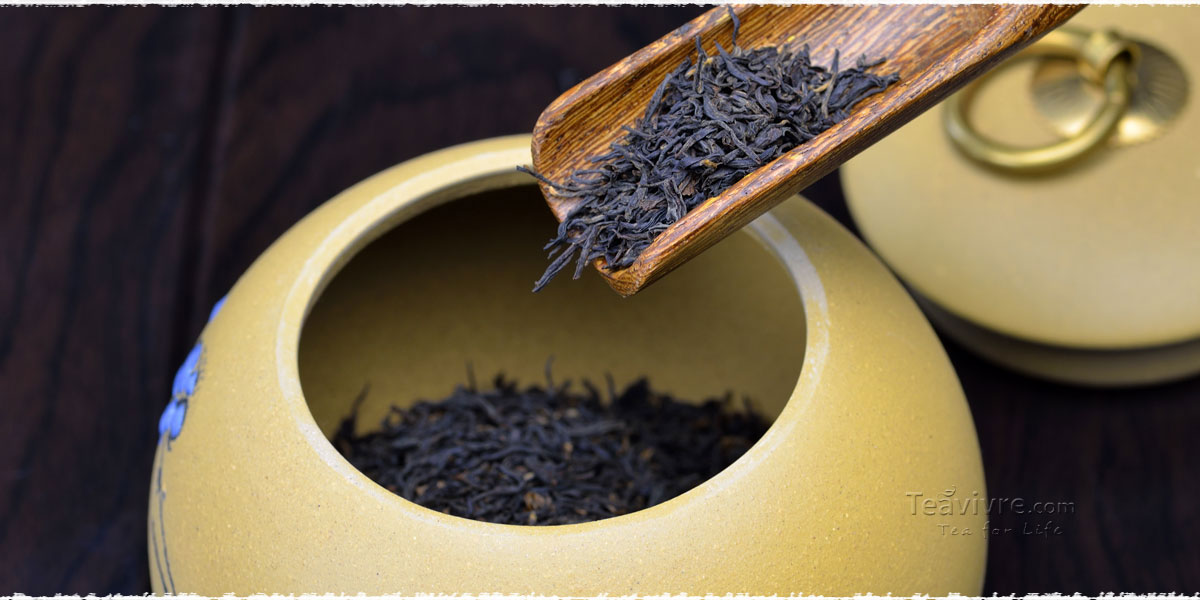
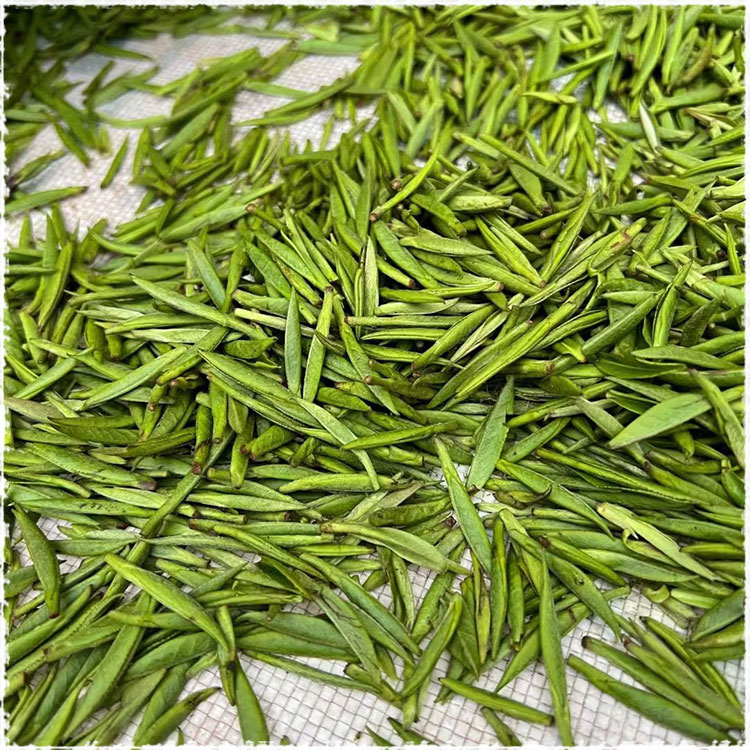
Appearance: The dry tea are tight and thin, with a color of black, yellow and gold, shaped like eyebrows.
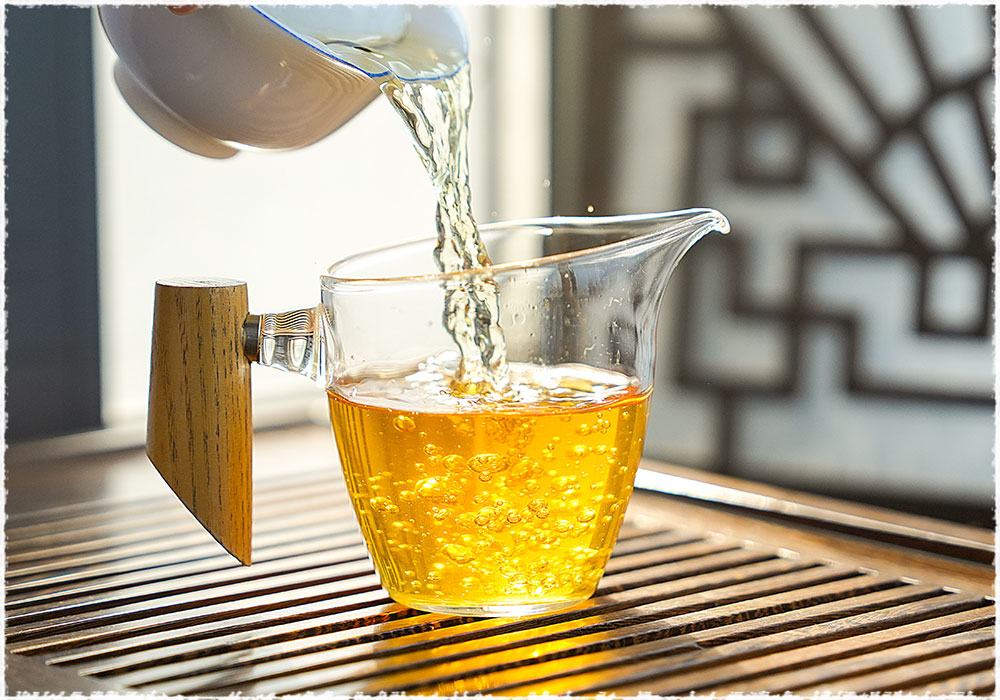
Tea Liquor: After brewing, the tea liquor is golden and translucent, clear and shiny, like amber.
Aroma: Aroma is a highlight. It has a clean, high and lasting compound aroma, mainly manifested as natural flower, fruit and honey aroma (such as orchid fragrance, dried longan fragrance, honey fragrance, etc.), pure and without impurities.
Taste: The first thing you feel when drinking is a clear sense of freshness, accompanied by a prominent sweet taste, sweet but not greasy, like a clear mountain spring. The tea tastes mellow, full, smooth, and rich in substances. After drinking, the sweetness is lasting, and the throat rhyme (Hou Yun) is comfortable. Good quality Jin Jun Mei, even if you brew it several times, basically has no obvious bitterness.
Wet Leaves: After brewing, the leaves are uniform, plump, bronze-colored, soft and elastic.
Having explored Jin Jun Mei’s legacy, why not immerse yourself in its nuanced artistry? Select a batch now and experience this icon firsthand—where every sip writes a chapter in your tea journey.