
-
Fast ShippingFree shipping for orders above $40
to most countries. -
Secure PaymentPay with Paypal, Credit Card …
-
Carefully SelectedFrequently Visit Tea Gardens.
Taste Repetitiously -
15 Days RefundNo Questions Asked
Refund Policy
Tian Jian Jin Hua (Golden Flower) Fu Zhuan Mini Tuocha Dark Tea
Aged, floral-fungal aroma, easy to brew
Price range: $2.50 through $50.12
Tian Jian Jin Hua (Golden Flower) Fu Zhuan Mini Tuocha Dark Tea
Aged, floral-fungal aroma, easy to brew
Summary
| Origin: |
Anhua County, Yiyang City, Hunan Province, China |
|---|---|
|
Harvest Date: |
April 10, 2014 |
|
Production Date: |
Aug. 19, 2014 |
| Dry Leaf: |
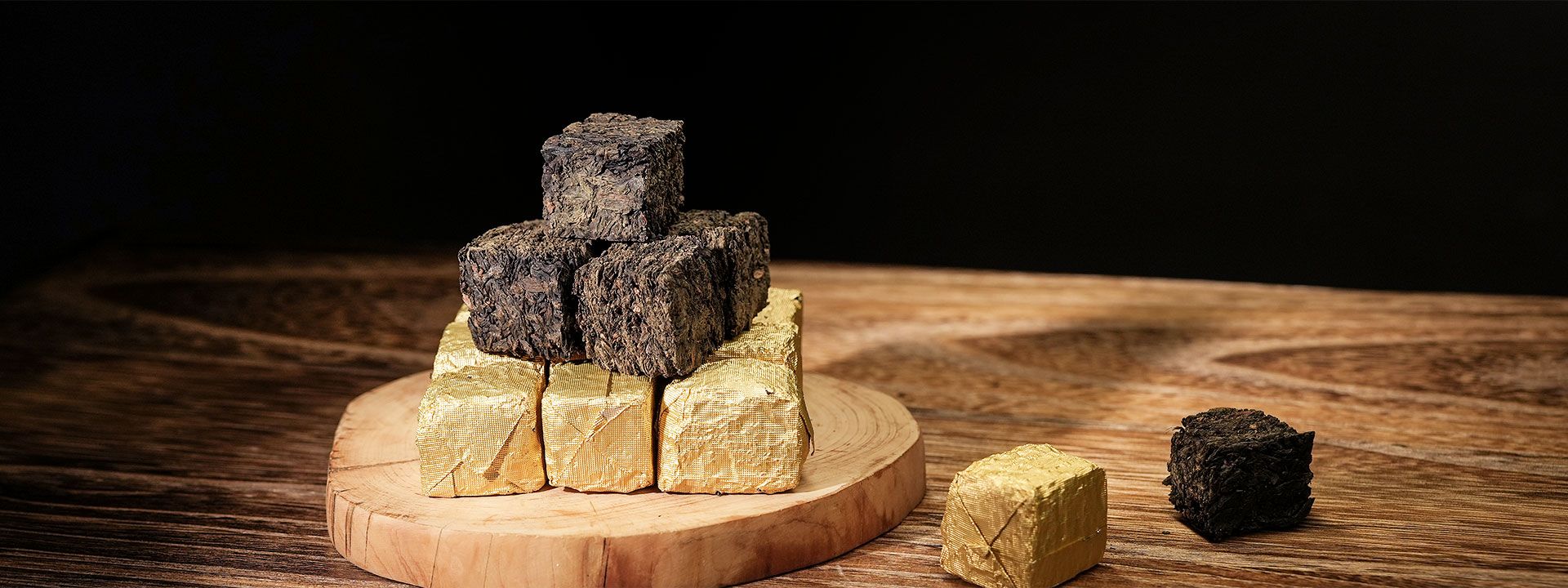
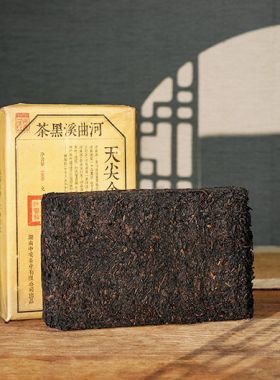
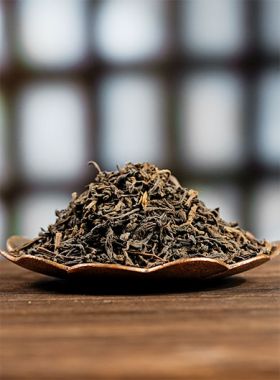
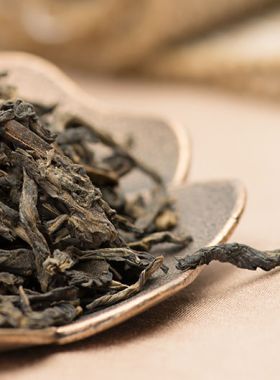
Compressed mini brick, 6g-7g/piece; with dark brown leaves, featuring some "golden flower" inside |
| Aroma: |
"Golden flowers" aroma, aged aroma |
| Liquor: |
Bright and clear deep red |
| Taste: |
Smooth, full-bodied taste with distinct fungal-floral aromas and well-aged complexity |
| Tea Bush: |
Yun Tai Large-leaf Tea Species (about 10 years) |
| Tea Garden: |
Qu Jiang Tea Garden (average 400m) |
| Caffeine: |
Less than 40% of a cup of coffee |
| Storage: |
Store in cool, dry place away from sunlight; keep ventilated |
| Shelf Life: |
The aged the better |
Angel's Comment:
The key fragrance note: “golden flower” aroma; the compound note is aged and honeyed sweetness; tea liquor is mellow, sweet and smooth.
This mini tuocha is cut from a 1 kg Fu Brick Tea into small pieces of about 6g each and individually wrapped. It’s very convenient to carry and brew.
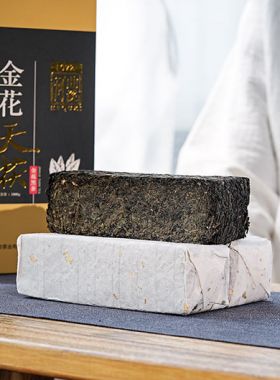
If you’d like to purchase a whole brick instead, you can do so via this link: Tian Jian Jin Hua (Golden Flower) Fu Zhuan Dark Tea
About Anhua Dark Tea
Anhua Dark Tea is one of the representative categories of Chinese dark tea, produced in Anhua County, Yiyang City, Hunan Province. It has a long history, unique craftsmanship, excellent quality, profound cultural heritage, and remarkable health benefits. It is praised as “the mysterious tea of the Ancient Silk Road” and “the healthy drink of the 21st century.”
The main varieties of Anhua Dark Tea include the “San Jian (three tips),” the “San Zhuan (three bricks),” and the “Yi Juan (one roll).” The “San Jian” refer to Tianjian, Gongjian, and Shengjian teas; the “San Zhuan” refer to Fuzhuan, Heizhuan, and Huazhuan teas; the “Yi Juan” is the famous Anhua Qianliang Tea.
The core process of Anhua Dark Tea lies in pile fermentation (microbial fermentation) and natural aging. During this process, “Golden Flowers” appear, which are the most distinctive feature of Anhua Dark Tea, especially Fuzhuan tea. Scientifically known as Eurotium cristatum, “Golden Flowers” are beneficial fungi. Under specific temperature and humidity conditions, they grow inside the tea brick, forming golden granules (cleistothecia). These fungi secrete various enzymes that catalyze the transformation of the tea’s internal substances, creating the tea’s unique “golden flower (floral-fungal) aroma.”
Recommend Brewing Method
 |
Cup Method |
 |
Chinese Gongfu Method |
 |
Teacup: 12oz / 355ml | |
Gaiwan: 3.8oz / 110ml |
 |
212℉ / 100℃ | |
212℉ / 100℃ |
 |
1 piece | |
1 piece |
 |
Brewing time: 8 - 10 mins | |
11 steeps: rinse, 30s, 40s, 50s, 60s, 70s, 80s, 90s, 100s, 120s, 150s, 180s |
Tea Garden
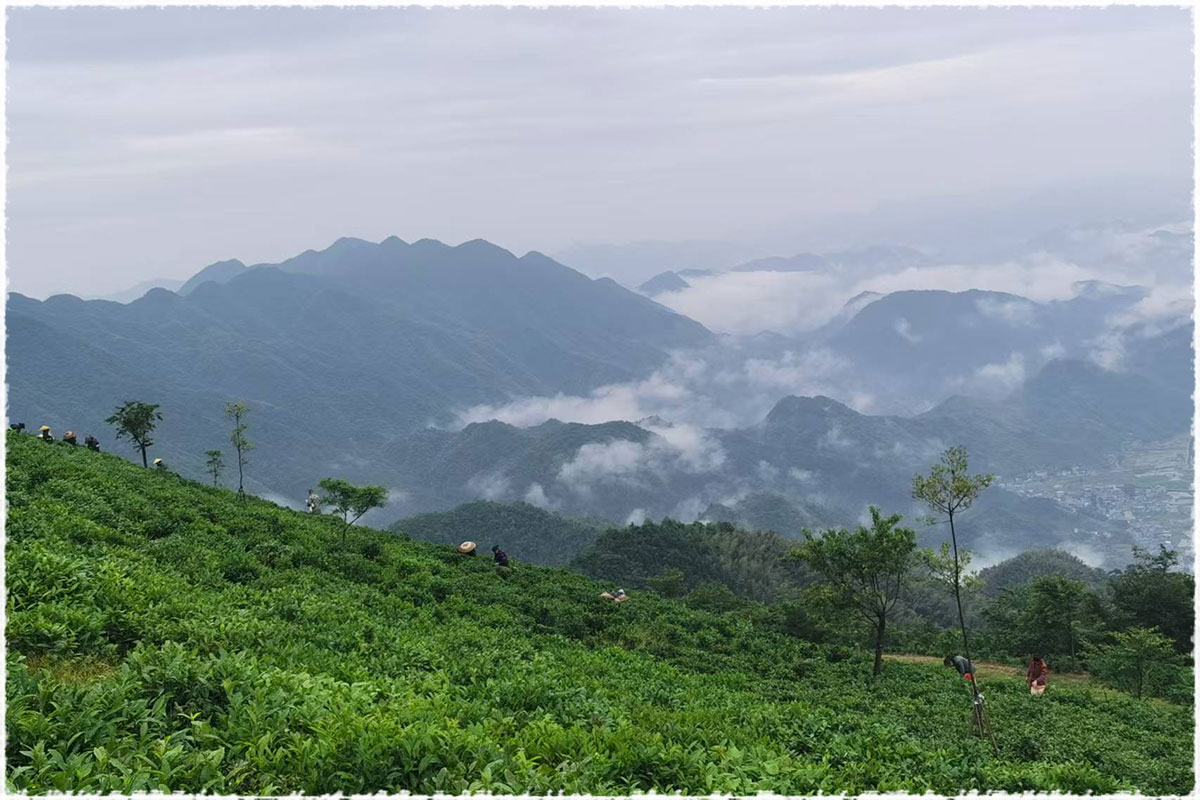
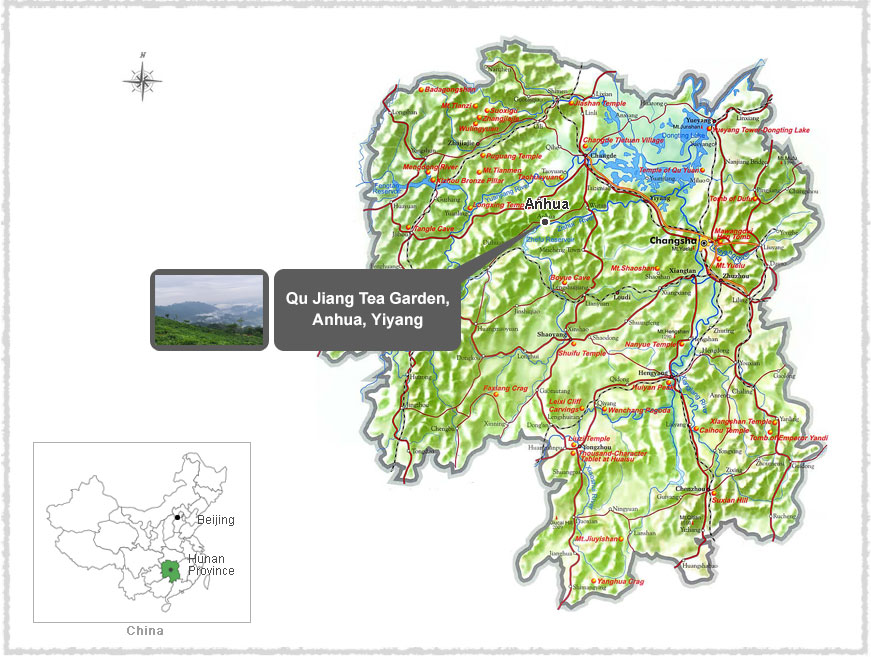
Qujiang Tea Garden is situated in Anhua County, Hunan Province, within a subtropical monsoon climate zone. The average annual temperature is approximately 16.2°C and annual precipitation is around 1,700 mm. The area experiences four distinct seasons yet avoids extreme cold or heat—providing tea plants with a gentle growth rhythm. Tea garden spans mountain slopes at elevations of 300-600 meters, rooted in unique weathered slate-shale soil. Formed from ancient marine sediments, this purple-brown earth is rich in trace elements like zinc and selenium, loose and well-aerated with slight acidity—perfectly aligning with tea roots’ dual needs for nutrient uptake and drainage.
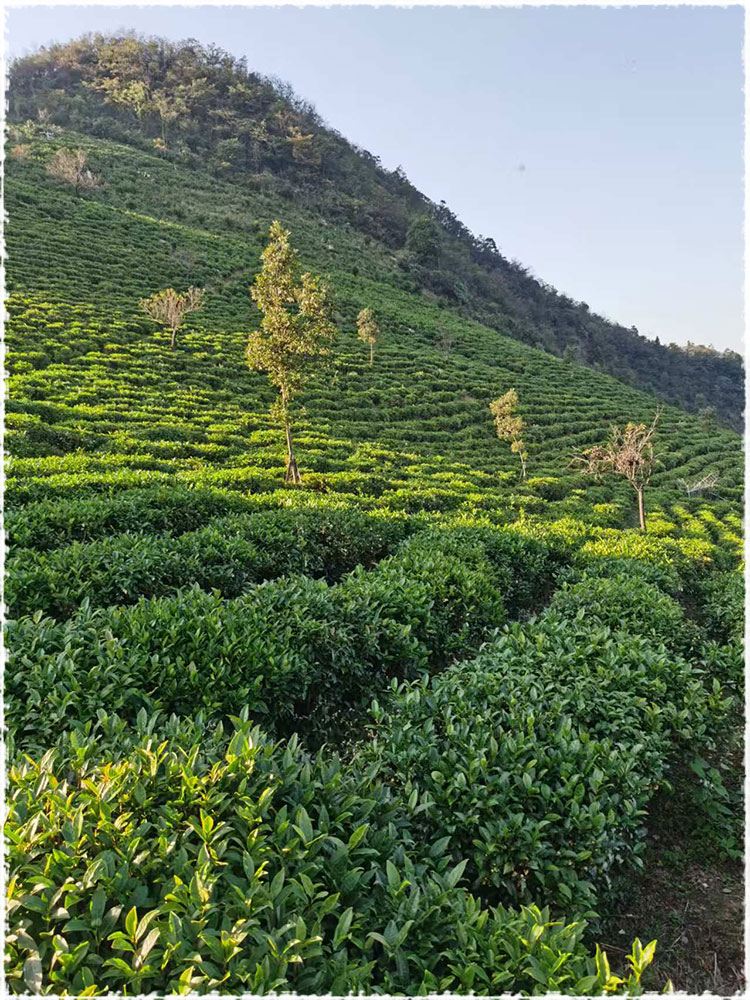
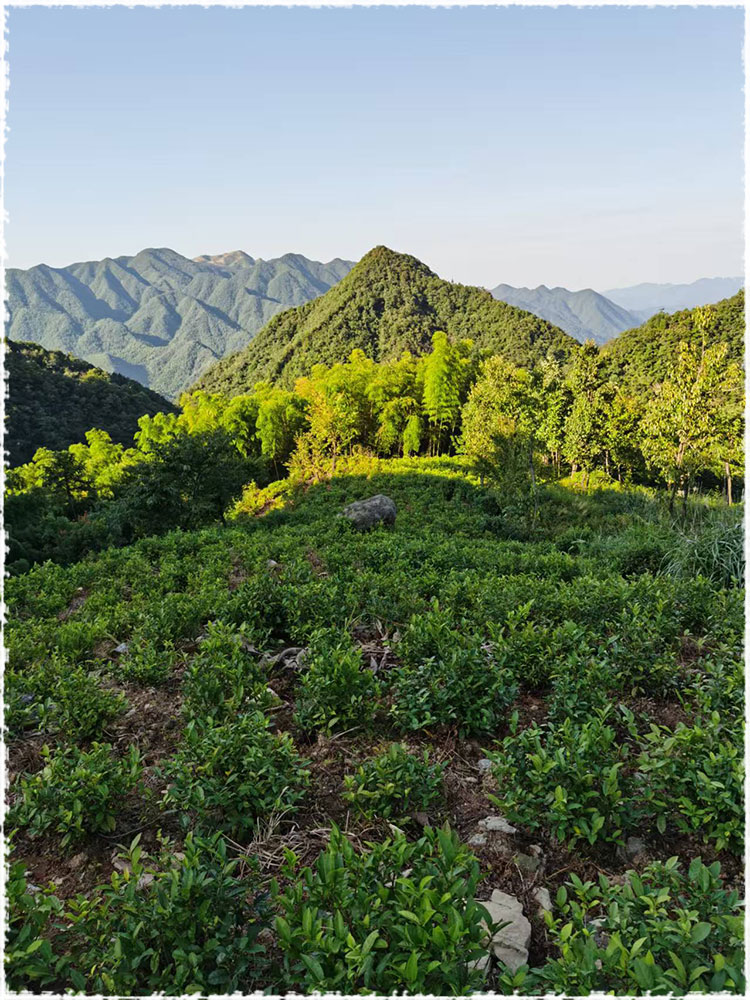
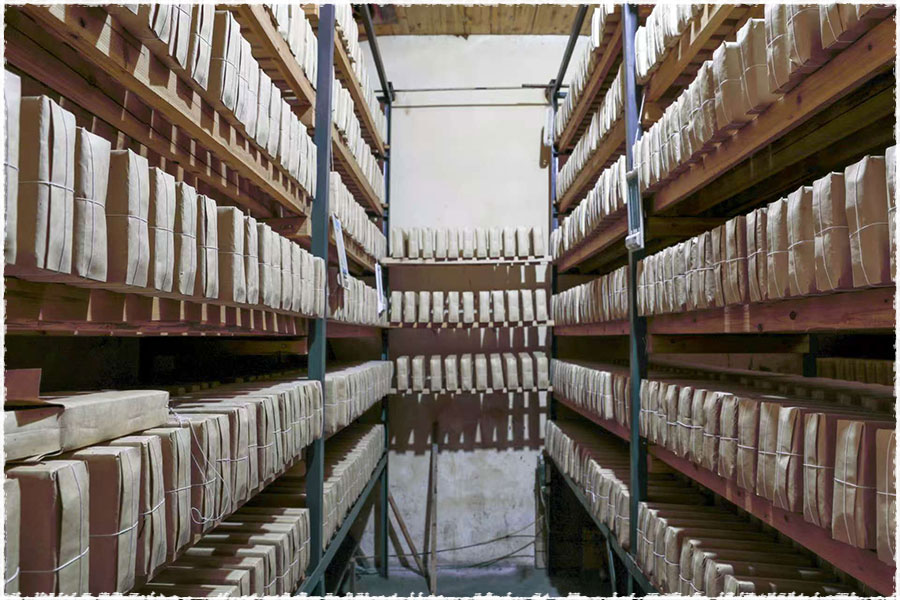
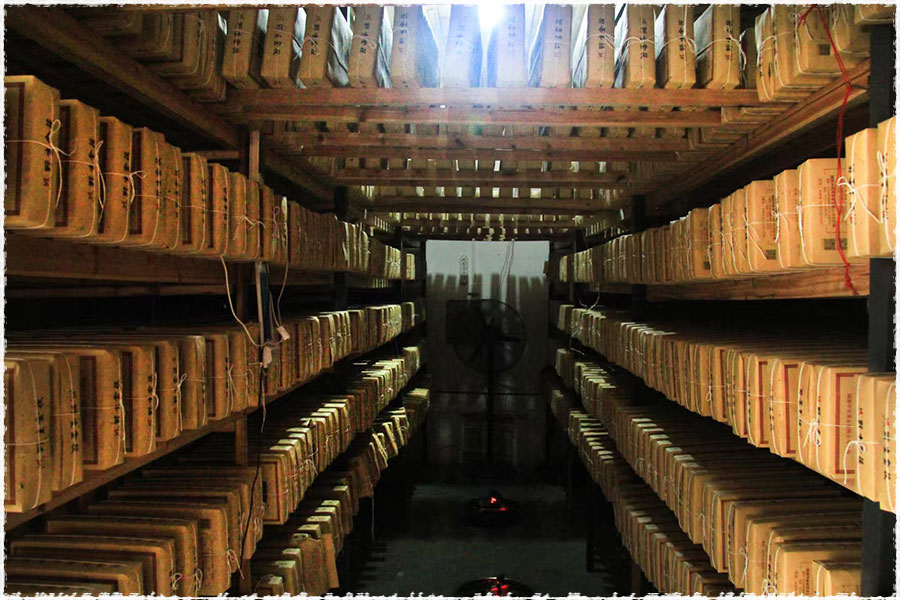
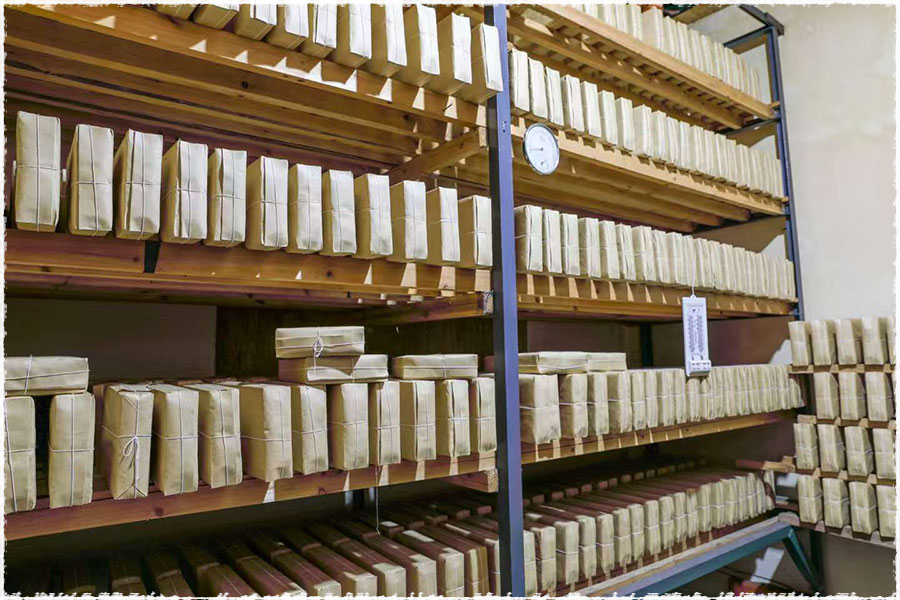
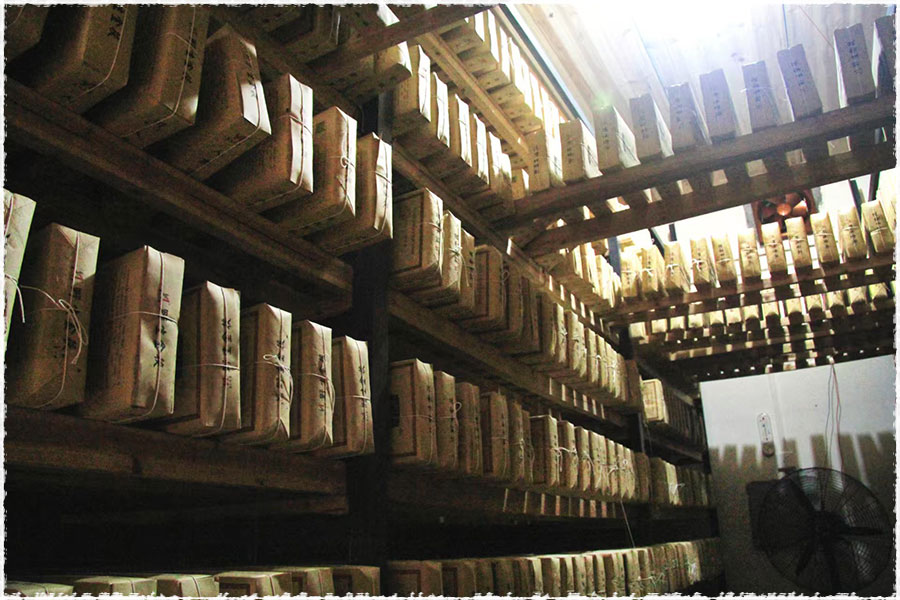
Drying room for Fu Zhuan dark tea
Origin
Anhua Dark Tea derives its name from Anhua County in Hunan Province, where it is produced. The county lies within a subtropical monsoon climate zone characterized by four distinct seasons, ample rainfall, and brief cold periods—conditions that extend the tea plant’s growing season to over seven months. Remarkably, Anhua is home to 85% of the world’s tillite formations—a geological relic of the Ice Age dating back 600 million years. Recognized as a “global geological wonder” by the scientific community, these tillite layers are unparalleled in thickness, scale, and rock quality. Tea cultivated in this unique terroir contains an average selenium content of 0.22 ppm—twice China’s national average and seven times the global average for tea—qualifying it as a moderately selenium-enriched tea. The tillite bedrock, formed during ancient glacial epochs, creates an irreplicable geographical environment essential to developing Anhua tea’s exceptional quality.
Tea Bush
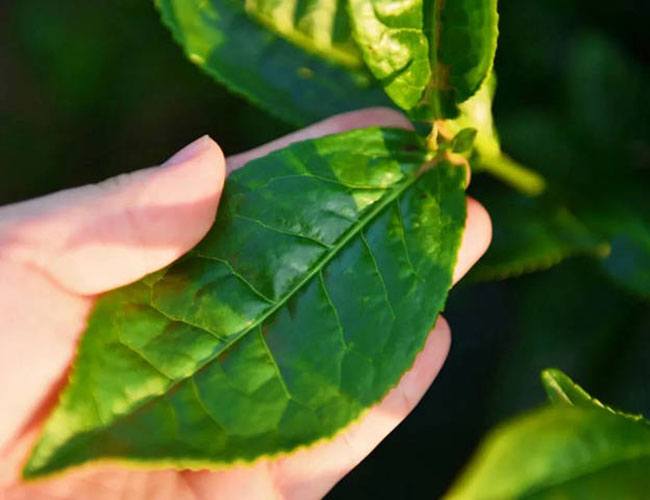
Yun Tai Large-leaf Tea Species displays distinct foliage characteristics: acuminated leaf tips with thick, narrow blades. The leaves exhibit a deep green hue, soft texture, and exceptional glossiness. Branches are densely foliated, with early spring bud emergence. The buds are robust and yellowish-green, covered in dense peach fuzz, and can reach up to 20cm in length. They maintain tenderness remarkably well and contain above-average levels of amino acids and polyphenols. Renowned for its broad adaptability and superior stress resistance, this cultivar—shaped by natural selection and hybridization, consistently outperforms other fine varieties in both yield stability and productivity. As a prized raw material for premium teas, it is hailed as the “Genetic Cornerstone of Anhua Dark Tea
History
Anhua Dark Tea boasts a history of over a thousand years. The “Qujiang Thin Slices” recorded in Tang Dynasty literature are regarded as its prototype. In the third year of the Jiajing reign of the Ming Dynasty (1524), it was officially designated by the imperial court as “tribute tea,” becoming a core commodity in the “Tea-Horse Trade” on the northwestern frontier, where tea was exchanged for horses. From then on, its reputation grew significantly. The Qing Dynasty marked its peak of prosperity. Anhua Dark Tea was exported through the “Ten-Thousand-Mile Tea Road” to Russia and even Europe. During this period, the iconic “Qianliang Tea” (praised as the “King of Tea in the World”) was created. Although it experienced setbacks in modern times, Anhua Dark Tea continued to play an essential role as “border-sale tea,” ensuring the livelihood of ethnic minorities in the northwest. Entering the 21st century, it has successfully revived thanks to its unique post-fermentation process (especially the “Golden Flower” found in Fuzhuan tea), the nationally recognized intangible cultural heritage of Qianliang Tea-making, and its remarkable health benefits. Today, Anhua Dark Tea stands as an important national geographical indication product and a cultural emblem of China.
Honor
In 2008, the traditional craftsmanship of making Anhua Qianliang Tea and Fuzhuan Tea was included in the second batch of China’s National Intangible Cultural Heritage Protection List.
On April 6, 2010, the former General Administration of Quality Supervision, Inspection and Quarantine of China approved the implementation of geographical indication product protection for “Anhua Dark Tea.”
In 2011, Anhua Dark Tea was recognized as the most influential and widely recognized regional public tea brand in China.
On July 20, 2020, Anhua Dark Tea was included in the first batch of the China–EU Geographical Indications Agreement protection list.
In November 2022, the craftsmanship of making Qianliang Tea of Anhua Dark Tea was inscribed as a National Representative Project of Intangible Cultural Heritage.
In November 2023, the regional public brand of Anhua Dark Tea was selected among the “Top 100 Reputable Geographical Indication Agricultural Product Regional Public Brands of 2023 in China.
Customer Reviews
Related Products


























Reviews
There are no reviews yet.