
-
Fast ShippingFree shipping for orders above $40
to most countries. -
Secure PaymentPay with Paypal, Credit Card …
-
Carefully SelectedFrequently Visit Tea Gardens.
Taste Repetitiously -
15 Days RefundNo Questions Asked
Refund Policy
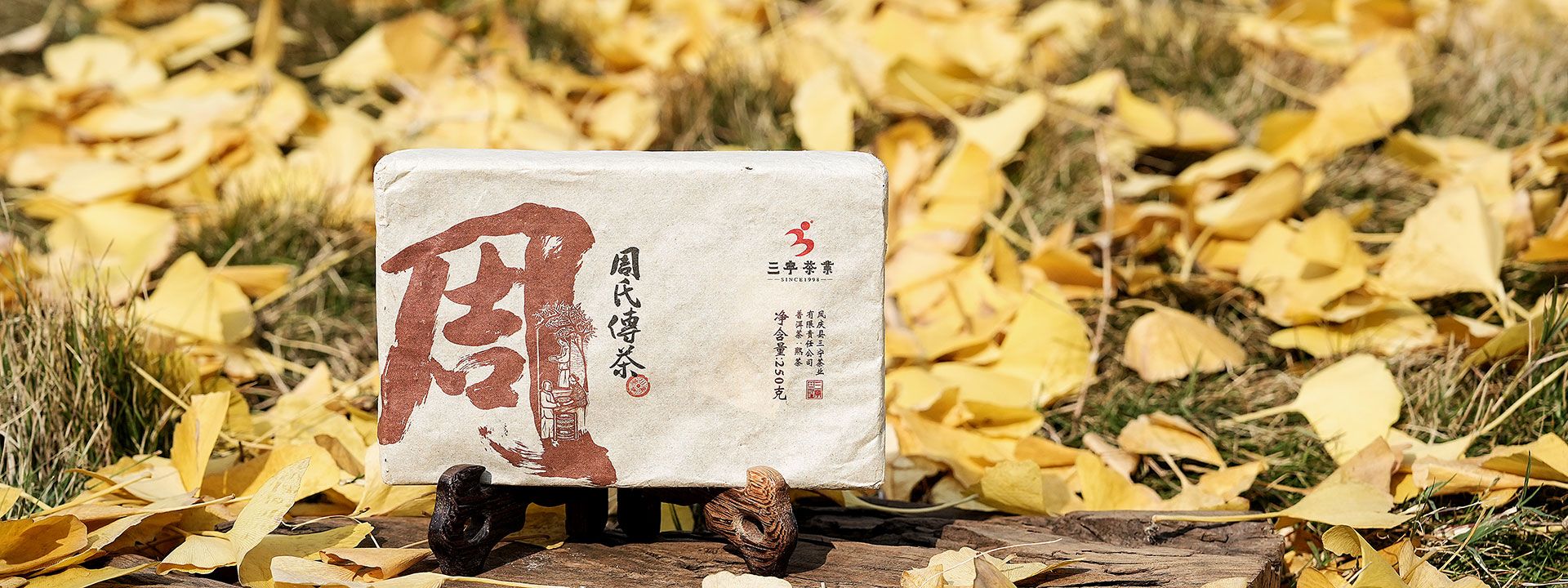
Zhoushi Fengqing Ripened Pu-erh Brick Tea 2018
Price range: $3.00 through $73.52
Zhoushi Fengqing Ripened Pu-erh Brick Tea 2018
Summary
| Origin: |
Fengqing County, Lincang City, Yunnan Province, China |
|---|---|
|
Harvest Date: |
April 20 - May 30, 2018 |
|
Production Date |
Aug. 6, 2018 |
|
Net Weight: |
250g |
| Dry Leaf: |
Compressed rectangle shape, dark brown with golden tips |
| Aroma: |
Aged, woody, jujube aroma |
| Liquor: |
Clear and bright deep red |
| Taste: |
Rich, full-bodied taste with sticky rice and jujube in the early brews, transitioning to woody note |
| Tea Bush: |
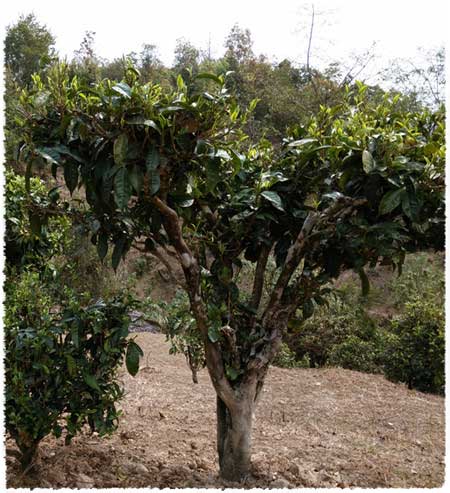
Fengqing large-leaf tea bush species (80 - 200 years old) |
| Tea Garden: |
Mengyou Tea Area (about 1980m) |
| Caffeine: |
Low caffeine (less than 10% of a cup of coffee) |
| Storage: |
Store in cool, dry place away from sunlight; keep ventilated |
| Shelf Life: |
The aged the better |
| Brick Breaking: |
Pu-erh Brick Free Breaking Service available upon request — leave a message at checkout. |
Angel's Comment:
The key fragrance note: sticky rice aroma; the compound note is woody aroma. The tea liquor is bright red in color with sweet, mellow taste.
This Zhoushi Fengqing Ripened Pu-erh Brick Tea is made from spring 2018 tea leaves and processed through traditional wet-piling fermentation. The dry leaves carry a rich aged aroma with abundant golden tips. The tea liquor is full-bodied and mellow, offering sweet jujube and glutinous rice notes in the early infusions. In the later steeps, woody and aged aromas gradually emerge. It is also highly resistant to multiple infusions.
Recommend Brewing Method
 |
Cup Method |
 |
Chinese Gongfu Method |
 |
Teacup: 12oz / 355ml | |
Gaiwan: 3.8oz / 110ml |
 |
212℉ / 100℃ | |
212℉ / 100℃ |
 |
5g Tea | |
10g Tea |
 |
Brewing time: 5 - 8 mins | |
12 steeps: rinse, 10s, 10s, 10s, 15s, 20s, 25s, 30s, 40s, 60s, 80s, 120s, 150s |
Tea Garden
There are fifteen towns in Fengqing that cultivated old tea trees: Xiang Zhu in Xiaowan Town; Xinyuan; Dashi Village; Mengyou Village; Yongxin; and several others, together totalling around 31,000 mu.
Mengyou is an area in Yunnan thick with tea trees, half wild and half cultivated. Many of the old trees here are a hundred years old, while a select few are a thousand or more. The ancient tea plantations here have established a special cultural landscape, lending great vitality to this place.
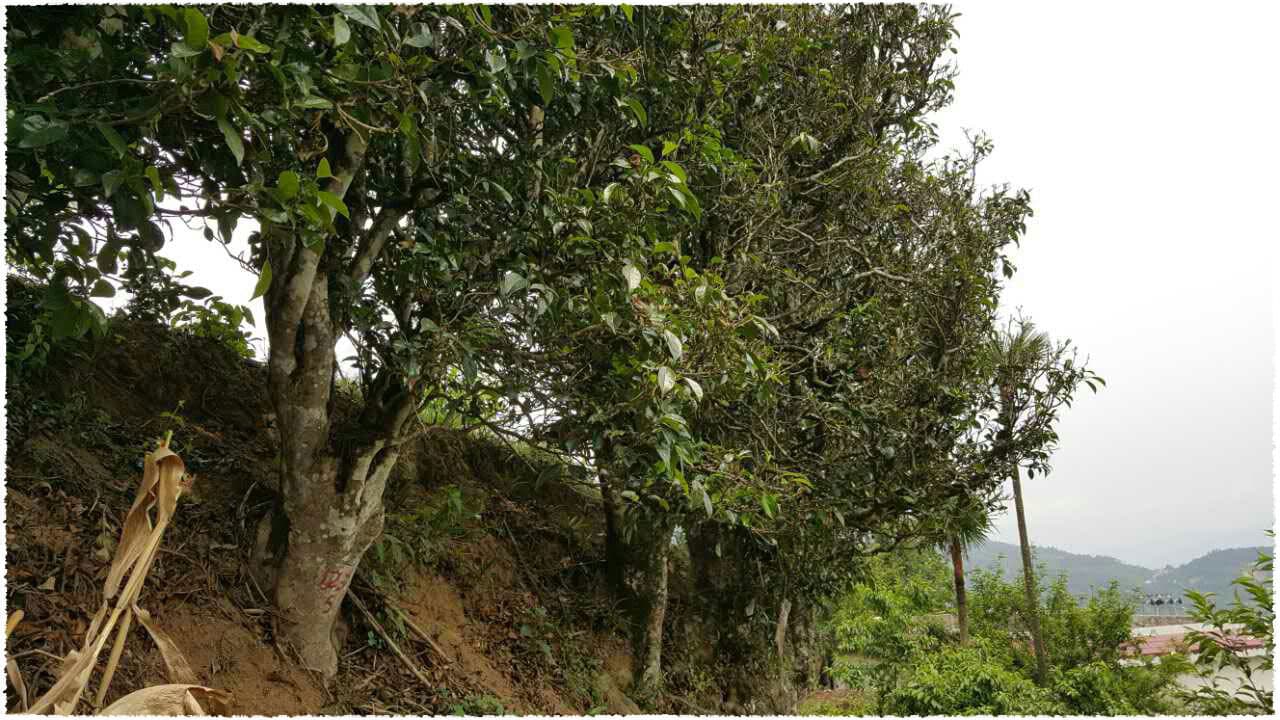
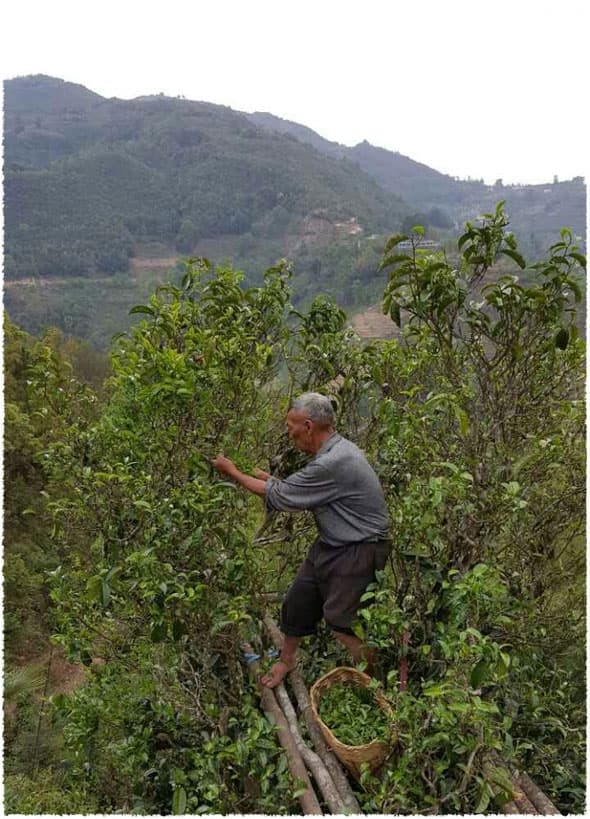
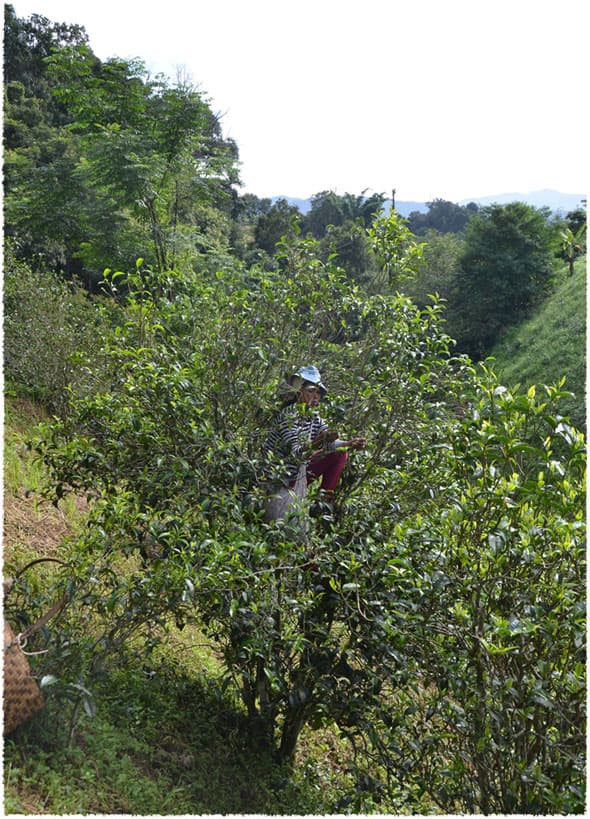
People here usually climb up the tree to pick tea leaves.
Tea Master
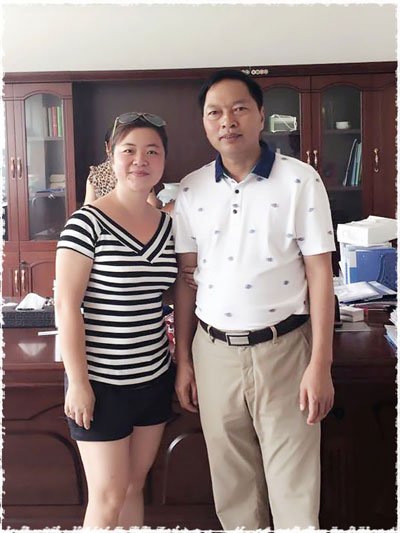
A born-and-bred Yunnan farmer, Mr. Zhou has been avidly contributing to the tea business for more than 20 years. A short chat with him made his passion for using traditional tea crafting processes apparent.
He values the essential quality inside the tea leaves, and says that his experience comes from spending most of his time in the tea gardens along the mountains.
Mr. Zhou is passionate about bringing out that internal quality of the tea to share with tea lovers around the world - and also claims that the best environment for growing the perfect tea is in Fengqing.
At the 14th Chinese Tea Industry Economic Annual Conference in 2021, Mr. Zhou won the honorary title of "National Tea Craftsman -- Tea Master".
Origin
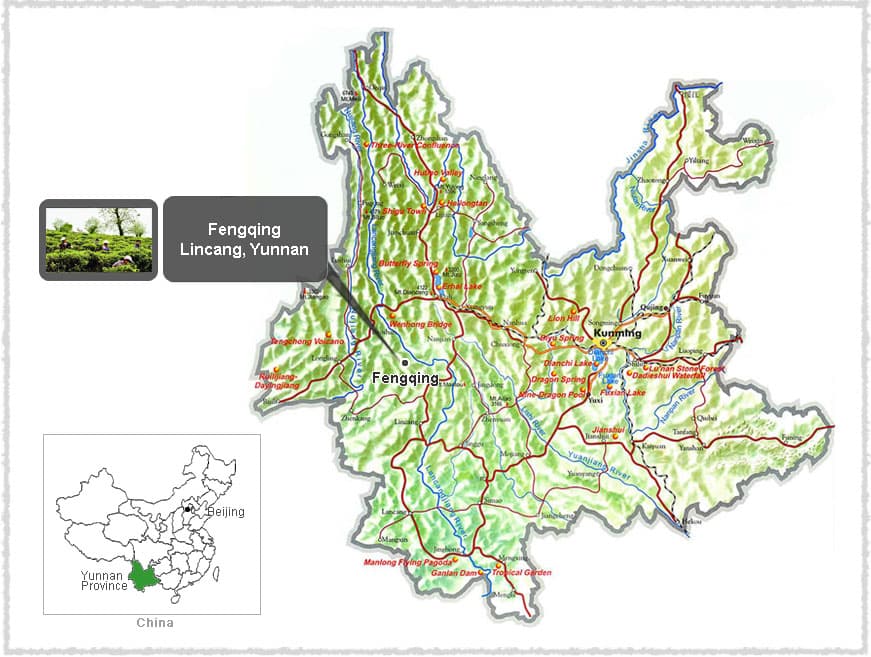
This pu-erh cake comes from the representative pu-erh production region of Fengqing, in the southern part of the Dianxi Longitudinal Valley. Fengqing is a county in the northwestern part of Lincang and is one of the four famous pu-erh production areas among Xishuangbanna, Pu’er, and Baoshan, and is also one of the first birthplaces of tea throughout the entire world. It is also famous as being the hometown of Yunnan black tea in Lincang.
Fengqing holds a long history of tea planting, production, and drinking, and the land itself is beautifully varied between high mountains and snaking rivers.
Tea Bush
This tea is made from the Fengqing large-leaf species, a unique type of Yunnan large-leaf tea tree. It propagates sexually and is a super large-leaf arbor type, meaning it can grow to be more than six meters tall.
In 1984 this variety was certified by the Chinese government as a national grade. It contains an abundance of tea polyphenol (30.2%) and catechins (13.4%), and also contains 2.9% amino acids and 3.2% caffeine.
History
Pu-erh is one of the oldest types of tea in China with a history stretching back over 1700 years to the Eastern Han Dynasty, when the tea was called Jing Cha. It is named after the town of Pu’er in Yunnan province, which was originally the early trading center for this tea. In early history pu-erh was used as a bartering currency in southwest China, with the famed Cha Ma Gu Dao, the Tea Horse Road, being built for the purpose of transporting this tea through the Himalayas to other countries and areas in Tibet.
Customer Reviews
Related Products


























Reviews
There are no reviews yet.