 How to Choose the Right Teaware for Different Types of White Tea?
 Why Isn't Jasmine Black Tea as Fragrant as Jasmine Green Tea?
 Tea Pouring Techniques: 5 Essential Water Pouring Methods for Better Tea Taste




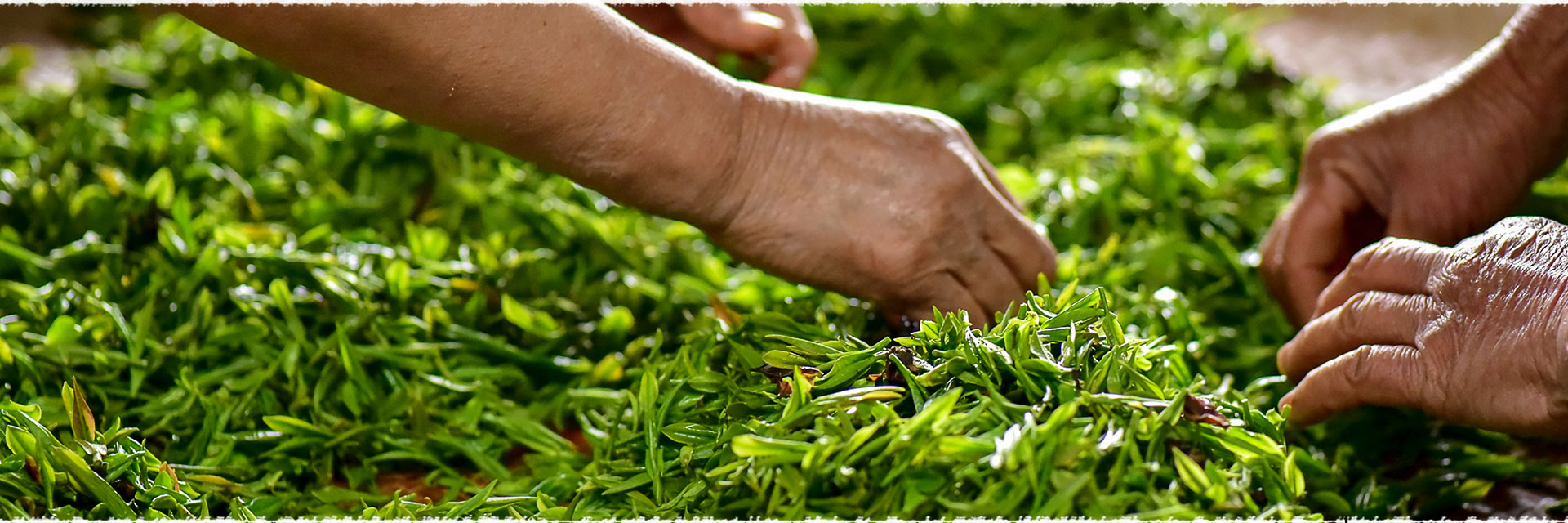
The word “handmade” alone does not explain why a tea is valuable. The true value of handmade tea comes from many factors working together—from the environment where the tea plants grow, to the way the fresh leaves are picked, and finally to the careful control of temperature, timing, and technique during production.
1. Great Tea Starts with Great Raw Material
The aroma, flavor, and mouthfeel of a tea ultimately begin with the quality of the fresh leaves. Many high-quality handmade teas come from regions with favorable natural conditions. Altitude, climate, soil, and the difference between day and night temperatures can all influence how tea plants grow and the compounds that develop in their leaves, contributing to the distinctive characteristics of the finished tea. But a good growing region is only the starting point. For quality-focused handmade tea, when to pick, what to pick, and how to pick are equally important.
Tea is usually harvested according to specific standards, such as one bud and one leaf or one bud and two leaves. The stricter the picking standard, the more skill and care are required from the tea pickers. With hand-picking, each shoot can be assessed individually according to its maturity, allowing workers to select only the leaves that meet the desired standard rather than simply harvesting everything at a uniform height. In other words, whether a leaf is ready to be picked often has to be judged one by one. The cost of handmade tea, therefore, begins in the tea garden itself. The cost of handmade tea, therefore, begins in the tea garden itself.
2. The Value of Handmade Tea Lies in How It Is Made
If high-quality fresh leaves provide the foundation, then the production process determines how that potential is ultimately expressed in the cup. Depending on the type of tea, fresh leaves may go through processes such as withering, shaking, fixation, rolling, oxidation, drying, and roasting. Each type of tea has its own techniques and priorities, and every step can influence the final aroma and flavor.
For example, temperature and processing time cannot always be treated as fixed numbers. The tenderness and moisture content of the leaves, as well as the weather and environmental conditions on the day of production, can all vary. Experienced tea makers therefore need to make adjustments according to the condition of the leaves. Research has also shown that factors such as harvesting methods, withering, rolling, oxidation, and the time and temperature used during drying can all affect the final quality of tea. This is one of the key differences between traditional handmade tea production and highly standardized processing.
A machine can follow a programmed process, but an experienced tea maker can make decisions based on the condition of the leaves at that moment. When should the temperature be increased? When should the processing time be extended? When should the leaves be handled more gently, and when is more force needed? These decisions cannot always be reduced to a fixed set of parameters. That is why true “handmade” production is not simply about avoiding machines.
It is about the human judgment involved throughout the process.
3. Only a Limited Amount Can Be Made in a Day
This is another important reason why handmade tea can cost more. Machines can process large quantities of fresh leaves in a relatively short time, while traditional handmade production often requires considerably more time and labor. Even an experienced tea maker can only produce a limited amount of tea in a day. Many stages require continuous observation and repeated adjustments, so production cannot simply be sped up to increase the output. For handmade tea, time itself is part of the cost. When a tea maker spends most of the day carefully working with a limited quantity of tea leaves, those leaves naturally carry a greater amount of human labor and craftsmanship.
4. So, What Makes Handmade Tea Valuable?
The answer is not simply “because it is handmade.” Its value comes from several factors working together:
· A good growing region provides the right environment for the tea plants.
· Strict harvesting standards help ensure the quality and consistency of the fresh leaves.
· Careful processing allows the tea to fully express its natural characteristics.
· The tea maker’s experience allows each step to be adjusted according to the condition of the leaves.
· And the significant amount of time and labor involved means that the process cannot simply be replicated or scaled up without limit.
Of course, handmade does not automatically mean better than machine-produced tea. Modern mechanized production can also produce excellent tea with consistent quality at a more accessible price.
What makes handmade tea special is that it often preserves more of the interaction between the tea maker and the tea leaves. Its value lies in the time, experience, and care invested in every step from the tea garden to the cup.
Once you understand what goes into making a handmade tea, that cup can offer more than just aroma and flavor. You may also taste the patience, experience, and craftsmanship of the person who made it.

























