 How to Choose the Right Teaware for Different Types of White Tea?
 Why Isn't Jasmine Black Tea as Fragrant as Jasmine Green Tea?
 Tea Pouring Techniques: 5 Essential Water Pouring Methods for Better Tea Taste
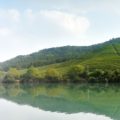
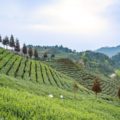
Teavivre’s Travel Notes – Pujiang Tea Garden
On 9 Mar, Teavivre went to the Pujiang garden. There, we got many useful information and now we'd like to share it with anyone who is interested in the knowleage of the tea.
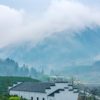
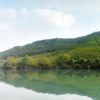
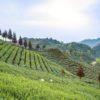
On 9 Mar, Teavivre went to the Pujiang garden. There, we got many useful information and now we'd like to share it with anyone who is interested in the knowleage of the tea.
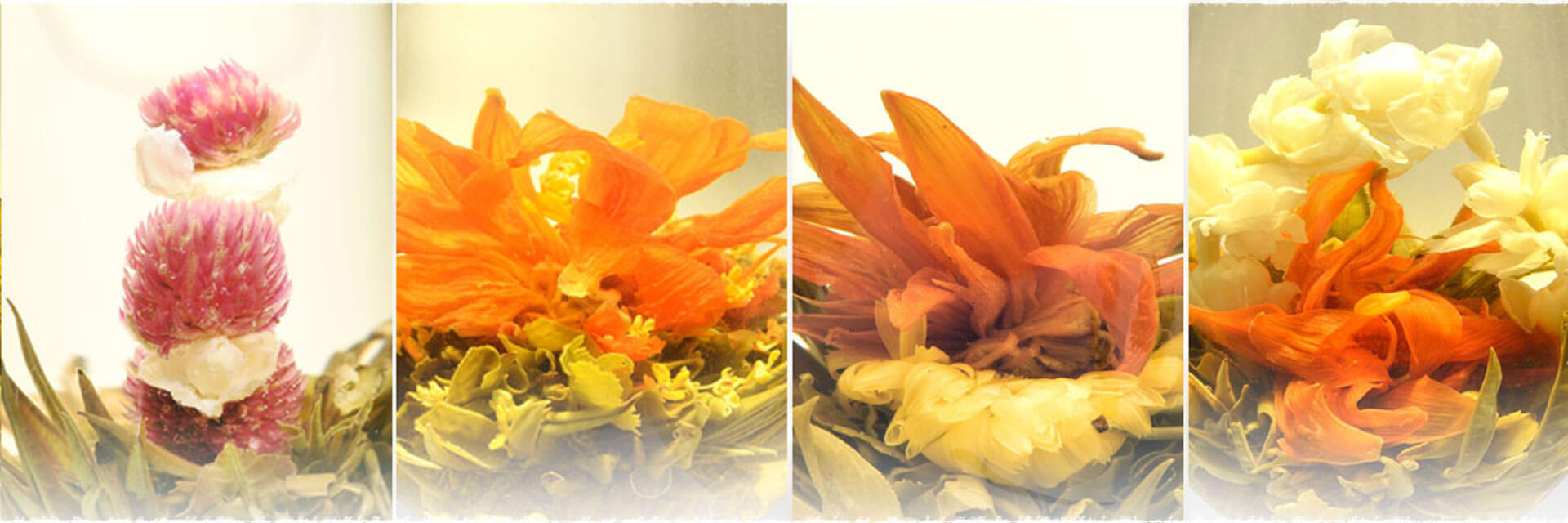
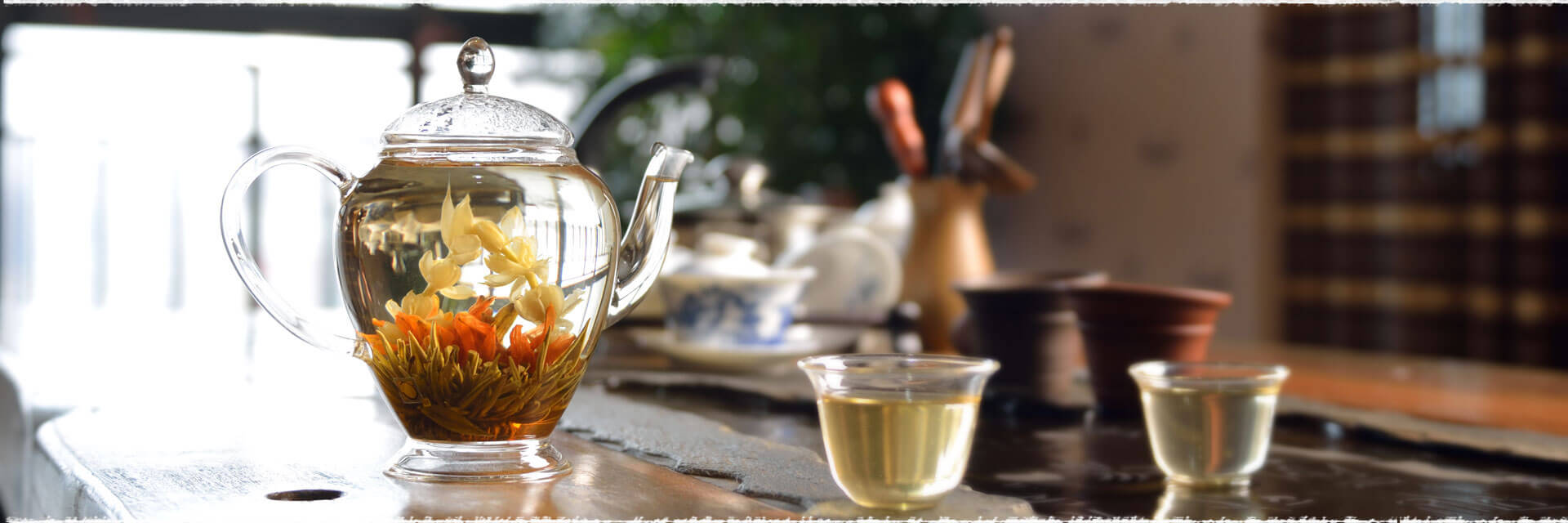
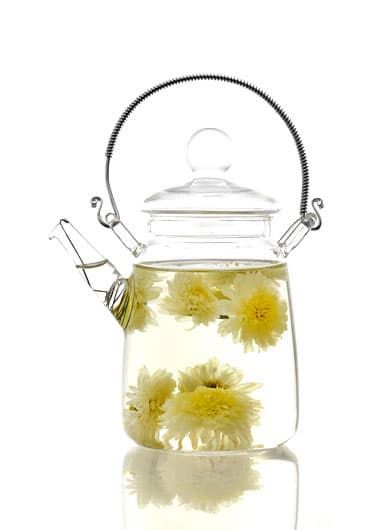
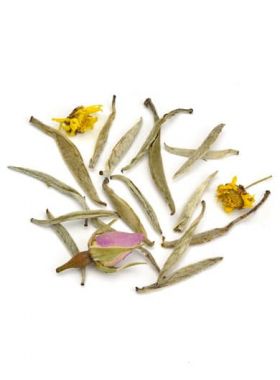
Using well-selected Fujian Silver Needles and dehydrated flowers (Gomphrena, Yellow Chrysanthemum, Jasmine, Lilies, Marigold and Carnation etc.) as material, the series of flower tea is carefully made with the combination of unique handicraft and modern technology.
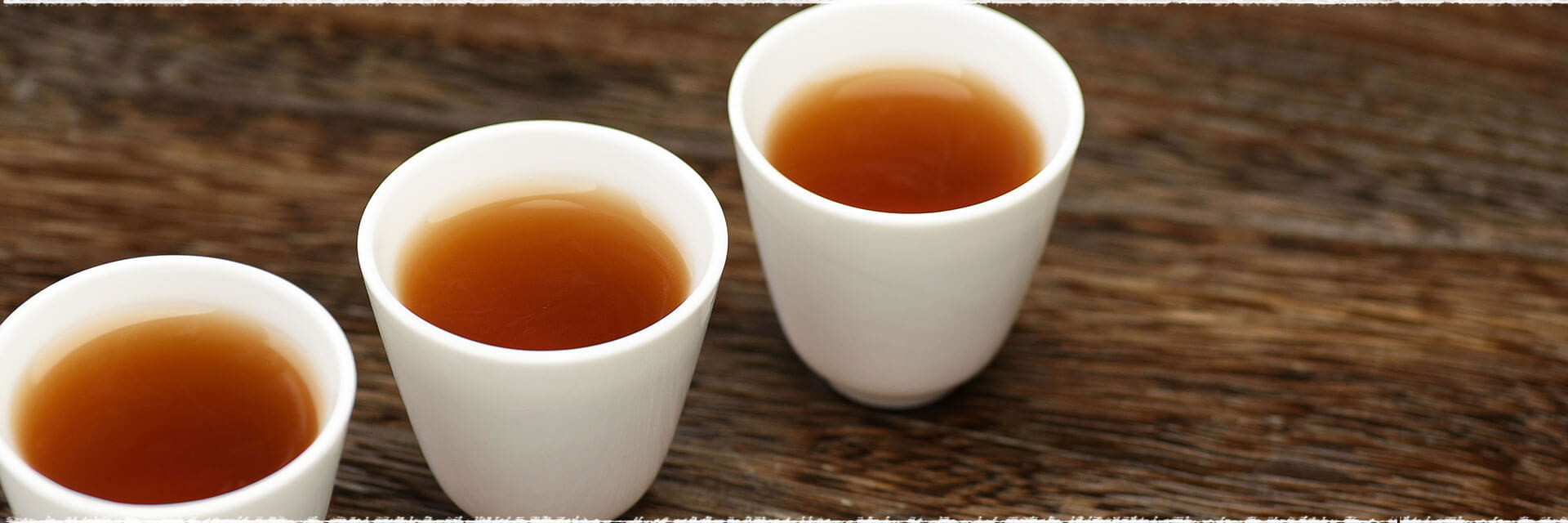
Wuyi Rock Tea is a general term for the category of Wuyi Oolong tea produced in the north of Fujian province. It belongs to the kind of semi-fermented tea. It is well known for the unique “charm of rock”, a rock aroma which makes you enjoy a rich and mellow taste along with an endless sweet aftertaste. It combines the delicate fragrance of green tea with the mellow taste of black tea. It is regarded as the best category in Oolong tea and it is a representative of China’s top teas.
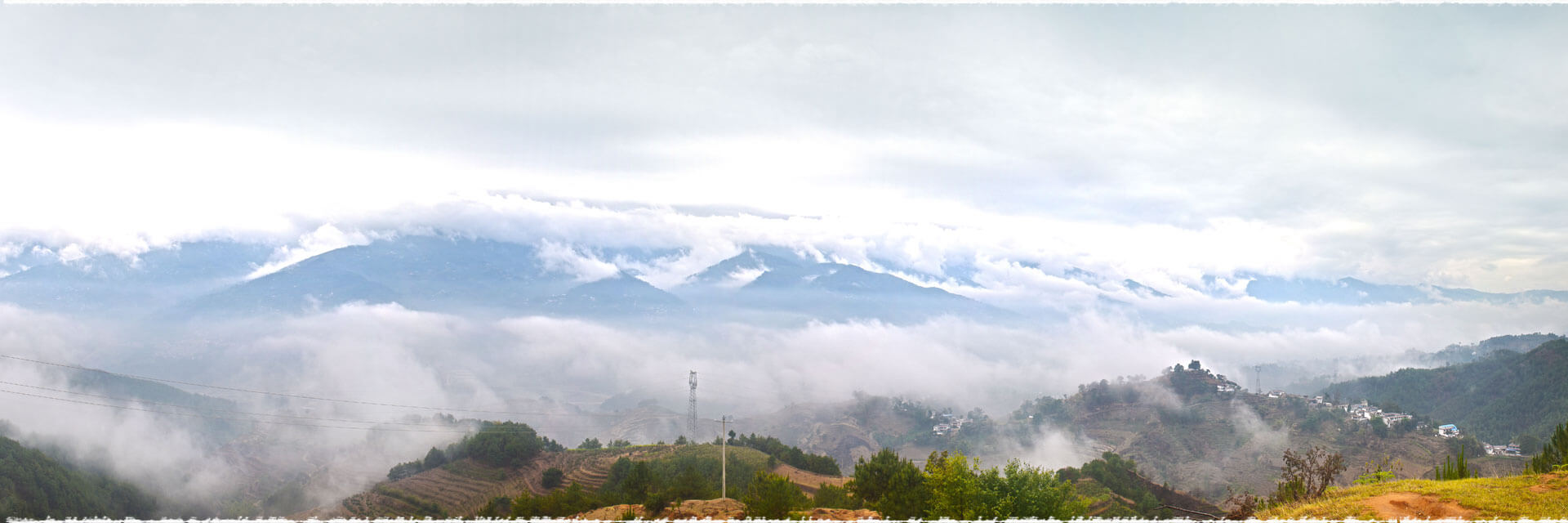
Fujian tea-growing area locates in southern part of China, the best area suitable for tea growing, Fujian is a big tea production province enjoying a long history, thanks to advantaged natural conditions, good tea quality and wide varieties, among six main tea categories, except dark tea and yellow tea, it produces all other categories: oolong tea, white tea, black tea and green tea.
China is the hometown of the tea, it has not only a long history of the tea, but also there are a large square of the planting area, which is widely. Depending on the effect of district climate, social economic, tea culture ect, china can be classified into four area – south of china, northwest, regions south and north of the Yangtze River.
Zhejiang is also called “Zhe(浙)” for short which is located in the East of China. With Shanghai and Jangsu in its North, Anhui and Jiangxi in its West, Fujian and Zhejiang in its South. Zhejiang Province, on the whole, a mountainous province, mountains and hills accounting for 70% of the total area of Zhejiang, and generally higher elevations west and south.
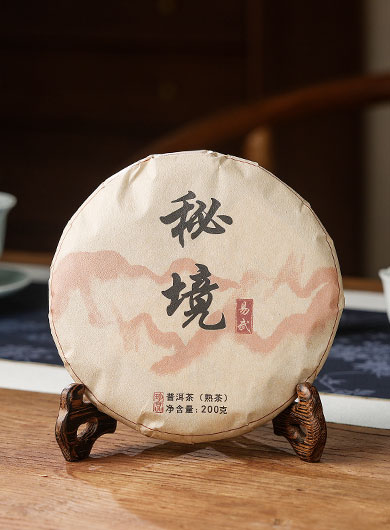
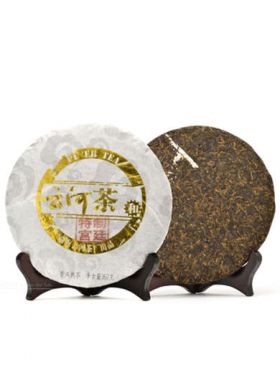
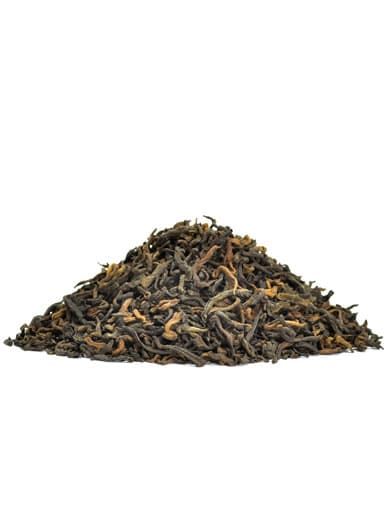
Pu’er tea is divided into raw tea and ripe tea rely on whether it is fermented, different crafts also giving them differences in appearance, taste and fragrance. Then what are the specific differences between raw and ripe Pu-erh tea?
China has widely distributed tea production areas which cover about 11,000 Km2. It is divided into four tea production areas all around the country: Southwest tea area, South tea area, Jiangnan tea area, Jiangbei tea area.
Pu-erh tea is actually named after the area that it is produced in of China. Piling is an important process when fermented puerh tea was made. This is definitely a tea to drink for good health, weight loss, and appetite suppression.
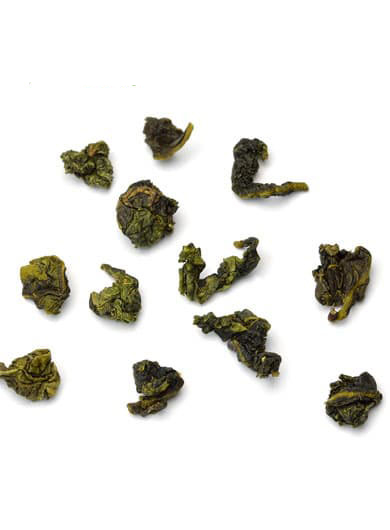
Dongding Oolong Tea belongs to the low-fermented or moderate-fermented tea. Commonly known as Dongding tea, it is a kind of Taiwanese Baozhong Tea and enjoys a high popularity in Taiwan.
Using well-selected Fujian Silver Needles and dehydrated flowers like Gomphrena Globosa, Yellow Chrysanthemum, Jasmine, Lily, Marigold and Carnation etc. as material, the series of Flower Tea is carefully made with the combination of unique handicraft and modern technology. You can get the benefit of the flowering teas while brewing them.
Da Hong Pao is an oolong tea from the WuYi Mountains in the Fujian province of China. It grows defiantly in the gaps of the mountain boulders, which endow it with the highly prized ‘yan yun’ or mineral ‘rock taste.’