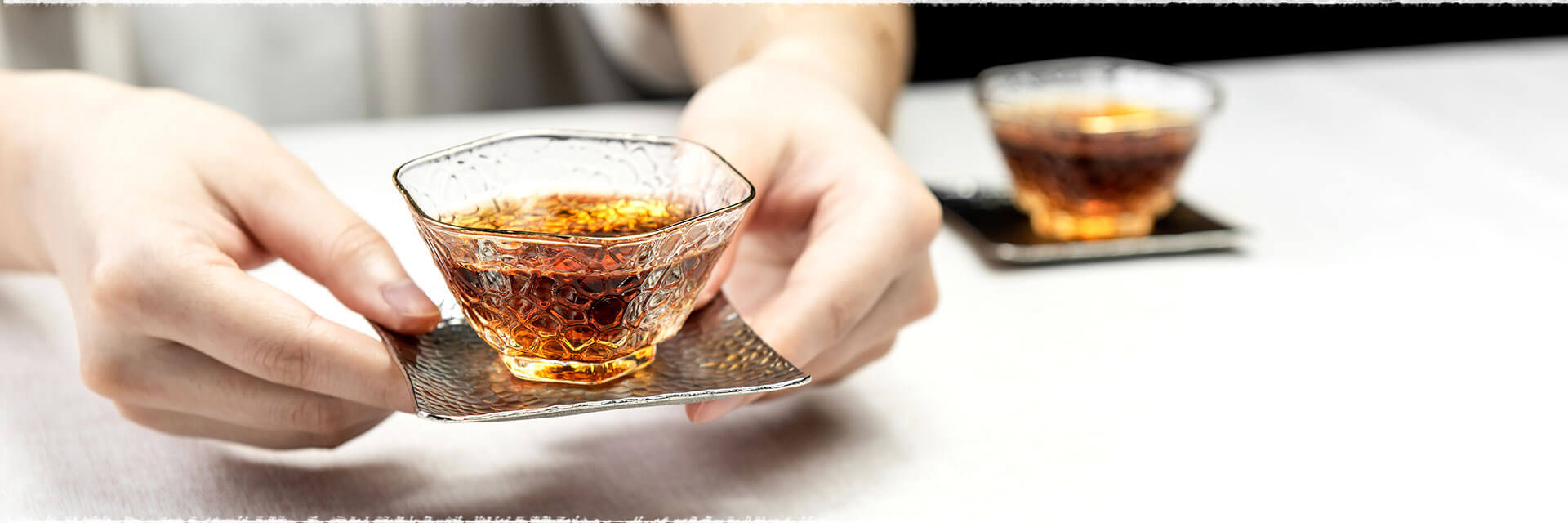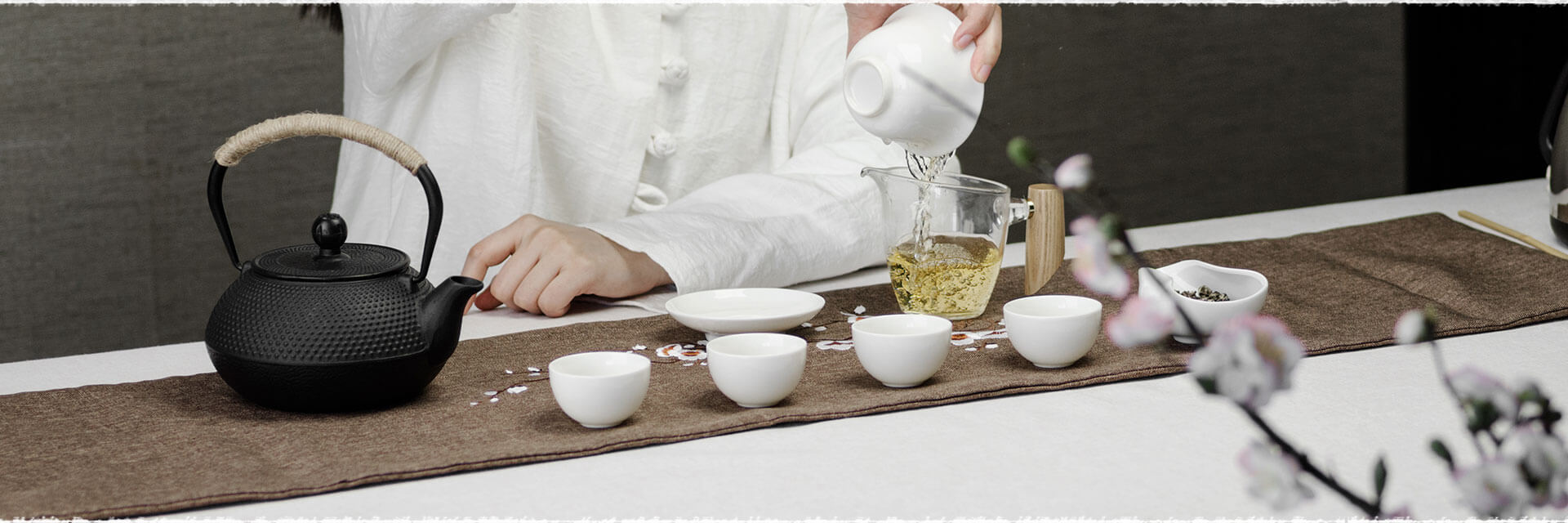
 How to Choose the Right Teaware for Different Types of White Tea?
 Why Isn't Jasmine Black Tea as Fragrant as Jasmine Green Tea?
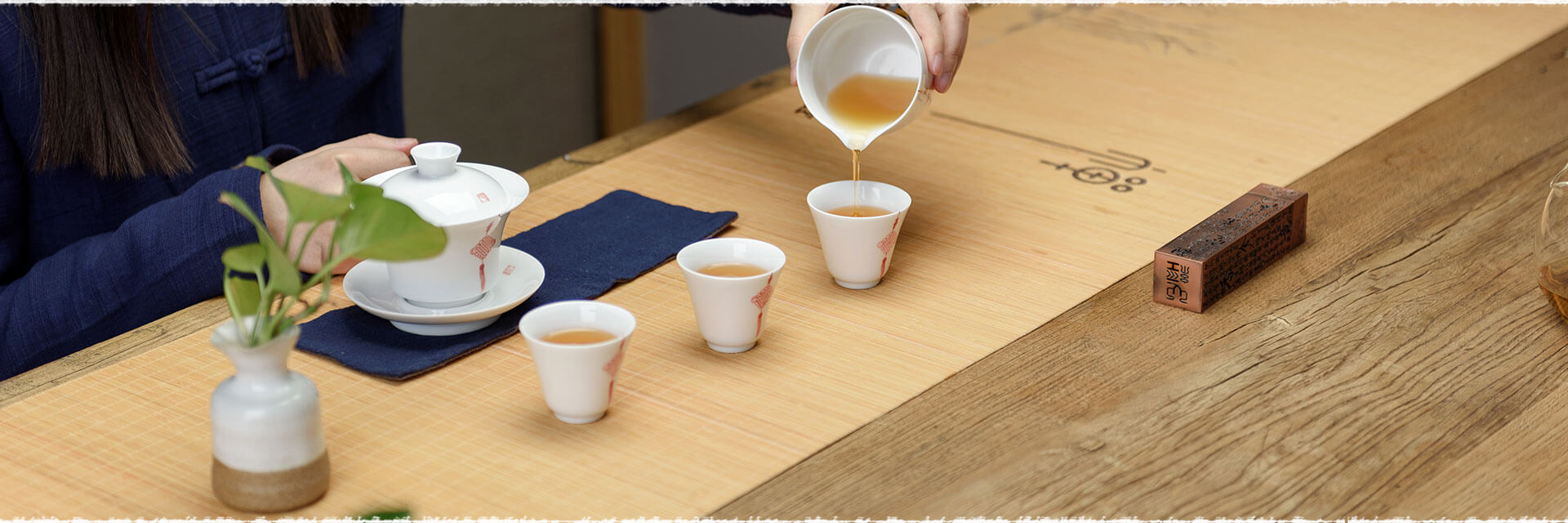
 Tea Pouring Techniques: 5 Essential Water Pouring Methods for Better Tea Taste



2015 spring tea report – A visit to Bao Jia organic tea garden
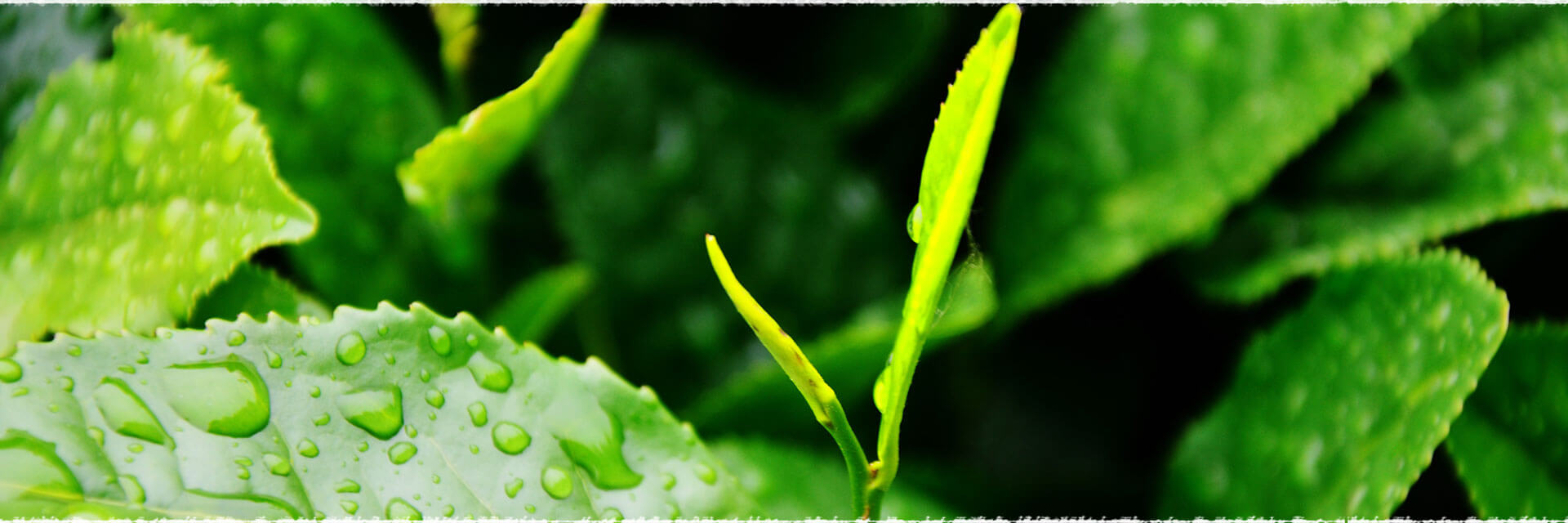
On March 23, Angel and Chris with Teavivre paid a visit to an organic tea garden in Hangzhou and brought back some beautiful pictures of this green garden.
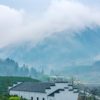


On March 23, Angel and Chris with Teavivre paid a visit to an organic tea garden in Hangzhou and brought back some beautiful pictures of this green garden.
Spring is coming near, more and more people in China flock to tea stores and tea gardens to snap up spring tea. What is spring tea? How much do you know about spring tea?
This article gives a brief knowledge of factors which you should be careful with when storing teas and five convenient ways of storing black tea.
As one of the three common types of Tie Guan Yin tea, The Old Tie Guan Yin has lots of funs both for its scarcity and health benefits.
The proper storage of tea is of the utmost importance, as tea which is improperly stored will go stale or rancid much faster, or can accumulate impurities that both alter the flavor and aroma and can also harm the body. Therefore it is very important to learn how to properly store your teas so that they remain as fresh, clean and flavorful as possible.
This article gives a brief introduction of the development of traditional tea processing methods in ancient China and their characteristics.
The history of Chinese tea export is not too long but full of twists and variations. By reading this article you can get a general understanding of Chinese tea export in modern times
Different teas need different temperatures, and the main reason is related to the quality of tea. And it is also related what you have done to the teas.
The brewing time and steeps of tea have a close connection with the tea types, the temprature of water, the amount of tea and the drinking customs.
Tea brewing is highly subjective, ways of tea brewing are utterly influenced by personal preference, tea sets, and tea kinds.
Tea polyphenols (TP) are chemical compounds, being regarded as the most important elements in tea, found naturally in tea leaves. The distribution of polyphenols in tea can vary, caused by the ways how tea is harvested, handled, processed, and brewed. Albeit we can hardly see them with our naked eyes, we can taste them and describe them, that is to say, our tongues are familiar with them. That is way we say this tea taste more bitter/mellower than that one.
Theanine increases brain levels of gamma amino butyric acid, a calming neurotransmitter, while caffeine decreases it. Theanine also affects levels of both serotonin and L-dopamine neurotransmitters in the brain. Serotonin is one of the major mood-enhancing neurotransmitters, and dopamine is our “reward” neurotransmitter. By shutting down the “worry” mode and increasing the ability to concentrate and focus one's thoughts, as measured by increased generation of brain alpha waves, some believe that theanine even makes learning easier.