
-
Fast ShippingFree shipping for orders above $40
to most countries. -
Secure PaymentPay with Paypal, Credit Card …
-
Carefully SelectedFrequently Visit Tea Gardens.
Taste Repetitiously -
15 Days RefundNo Questions Asked
Refund Policy
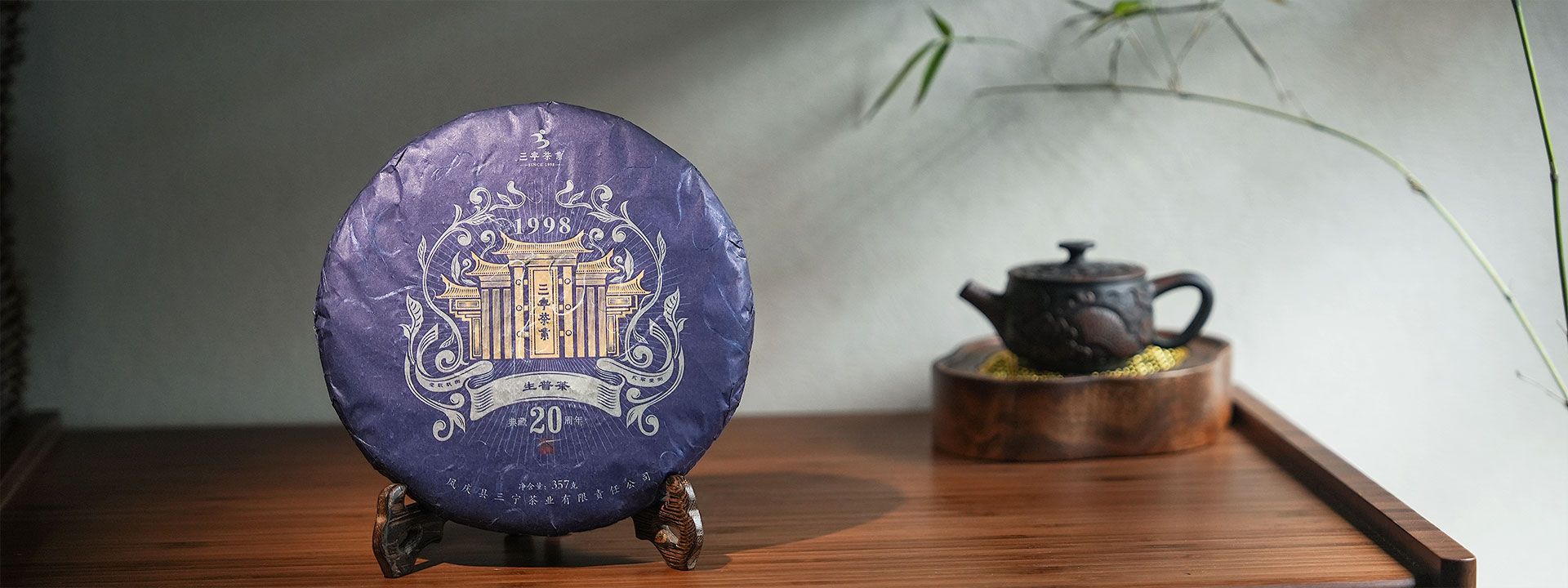
Fengqing Anniversary Raw Pu-erh Cake Tea 2018
Aged, ripe fruity aroma, rich and mellow
Price range: $3.00 through $285.52
Fengqing Anniversary Raw Pu-erh Cake Tea 2018
Aged, ripe fruity aroma, rich and mellow
Product Tags
Premium
Fruity
Delicate
Yunnan
Lincang
Fengqing
Mengyou
Ancient Tree
Cake Tea
Aged
High Mountain
Summary
| Origin: |
Fengqing County, Lincang City, Yunnan Province, China |
|---|---|
| Harvest Date: |
April 25, 2018 |
|
Production Date: |
Oct. 25, 2018 |
| Net Weight: |
357g |
| Dry Leaf: |
Well-compressed cake with bold, well-defined leaves, dark brown in color |
| Aroma: |
Fruity and honeyed notes |
| Liquor: |
Bright golden-yellow |
| Taste: |
Smooth and mellow, with a well-rounded body, minimal bitterness and astringency |
| Tea Bush: |
Yunnan Large-leaf Tea Trees(50-200 years old) |
| Tea Garden: |
Lida and Pinghe Tea Garden (above 1700-2200 meters) |
| Caffeine: |
Low caffeine (less than 10% of a cup of coffee) |
| Storage: |
Store in cool, dry place away from sunlight; keep ventilated |
| Shelf Life: |
The aged the better |
| Cake Breaking: |
Pu-erh Cake Free Breaking Service available upon request — leave a message at checkout. |
Angel's Comment:
The key fragrance note: refreshing herbal notes; the compound note is fruity aromatics; the tea liquor is rich, mellow, and velvety-smooth.
This raw Pu-erh tea cake is crafted from premium tea leaves sourced from the high-mountain tea gardens of Fengqing County. The leaves are harvested from Lida and Pinghe Tea Gardens at elevations of 1,700–2,200 meters, where the tea trees are approximately 50–200 years old. After years of natural aging, the tea has developed a smoother and more mellow character while retaining the fresh vitality of raw Pu-erh tea. When brewed, it produces a bright yellow liquor with delicate ripe fruity aromas and honeyed notes. The tea offers a full-bodied yet smooth mouthfeel, with a harmonious flavor profile, low bitterness and astringency, and a naturally lingering sweet aftertaste. Whether enjoyed now or aged further for future appreciation, this tea offers excellent drinking value and promising aging potential.
Recommend Brewing Method
 |
Cup Method |
 |
Chinese Gongfu Method |
 |
Teacup: 12oz / 355ml | |
Gaiwan: 3.8oz / 110ml |
 |
203℉ / 95℃ | |
203℉ / 95℃ |
 |
5g | |
8g |
 |
Brewing time: 3 - 5 mins | |
10 steeps: rinse, 10s, 10s, 15s, 20s, 30s, 40s, 50s, 60s, 80s, 120s |
| Rinse time is 5 seconds |
Tea Garden
The majority of trees growing in the Lida and Pinghe tea gardens belong to the Fengqing large-leaf variety, all an average of about a hundred years old. The tea garden is located in the high mountains in the major tea-producing area of Fengqing County. The fresh leaves from this area are ideal for making Yunnan pu-erh or dian hong black tea, since they are high in phytochemicals - which mean that the finished teas retain high amounts of proteins, amino acids, alkaloids, and polyphenols.
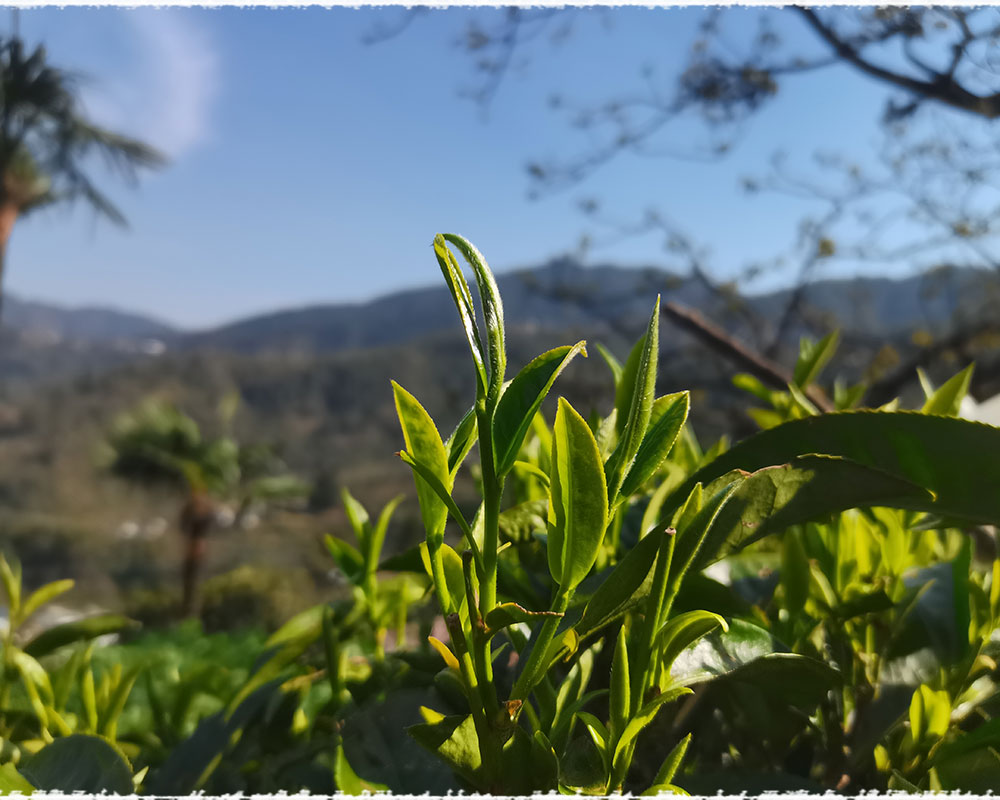
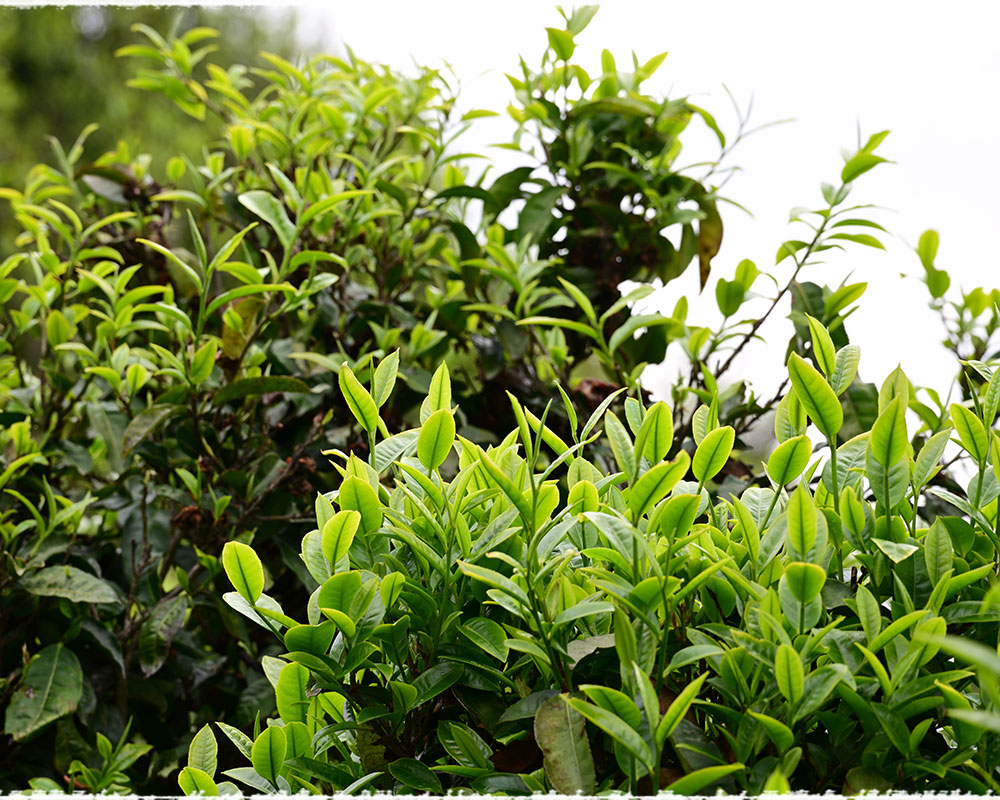
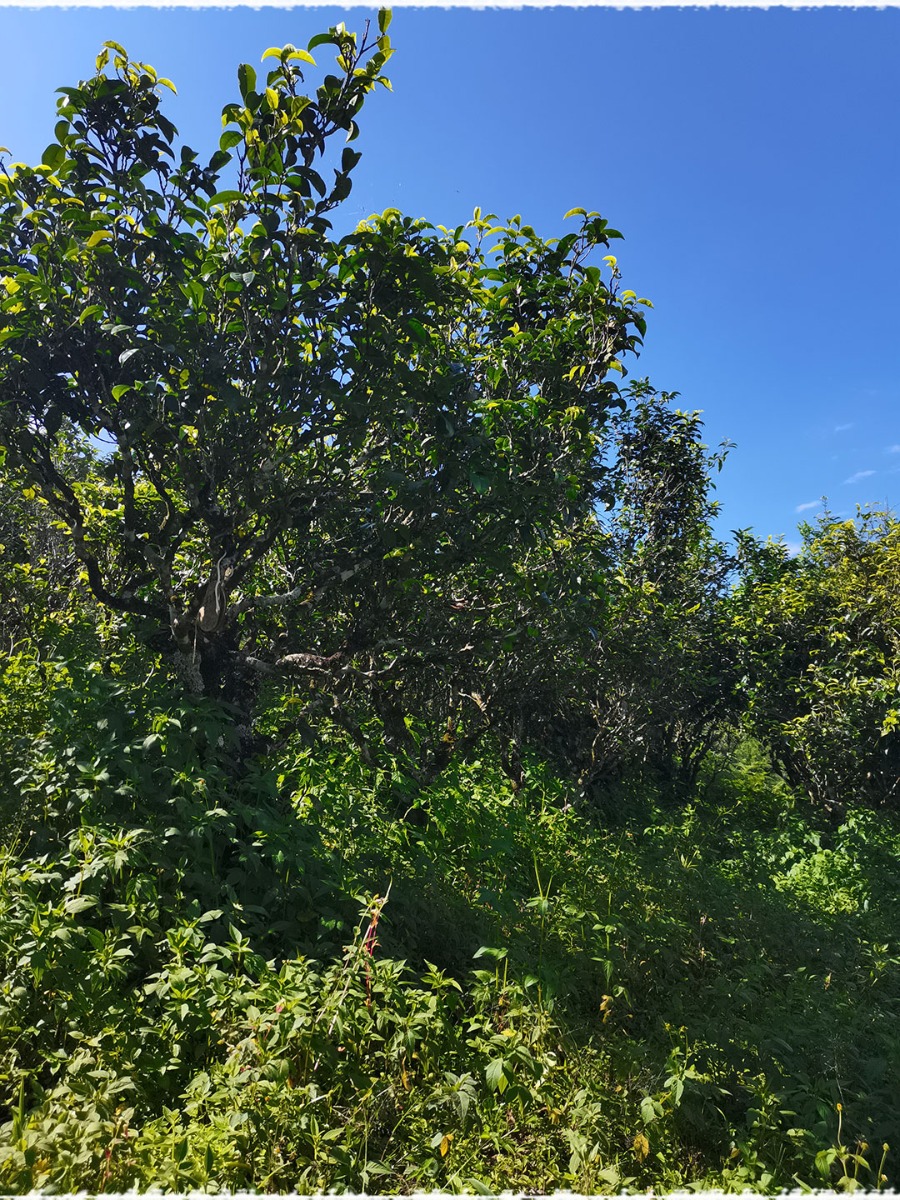
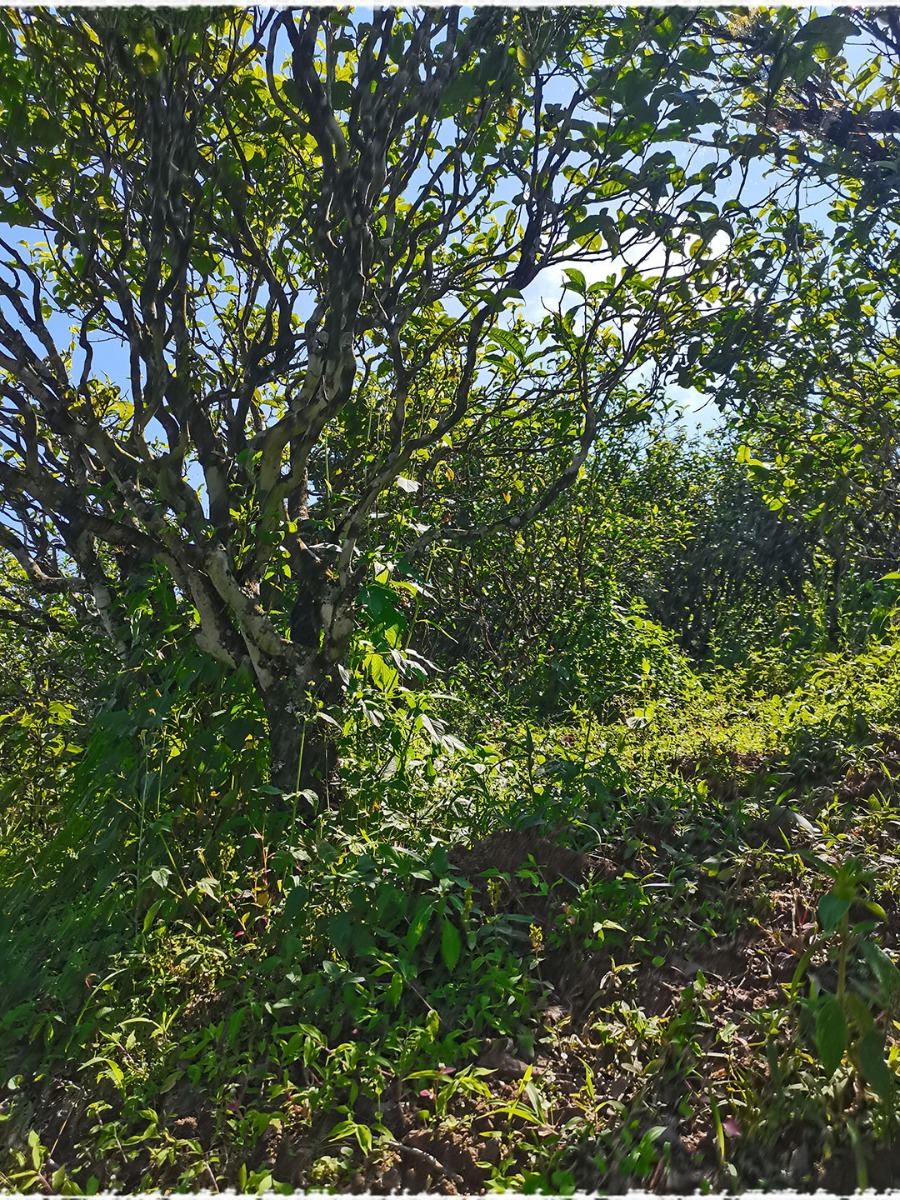
Lida Tea Garden in Mengyou Town, Fengqing County.
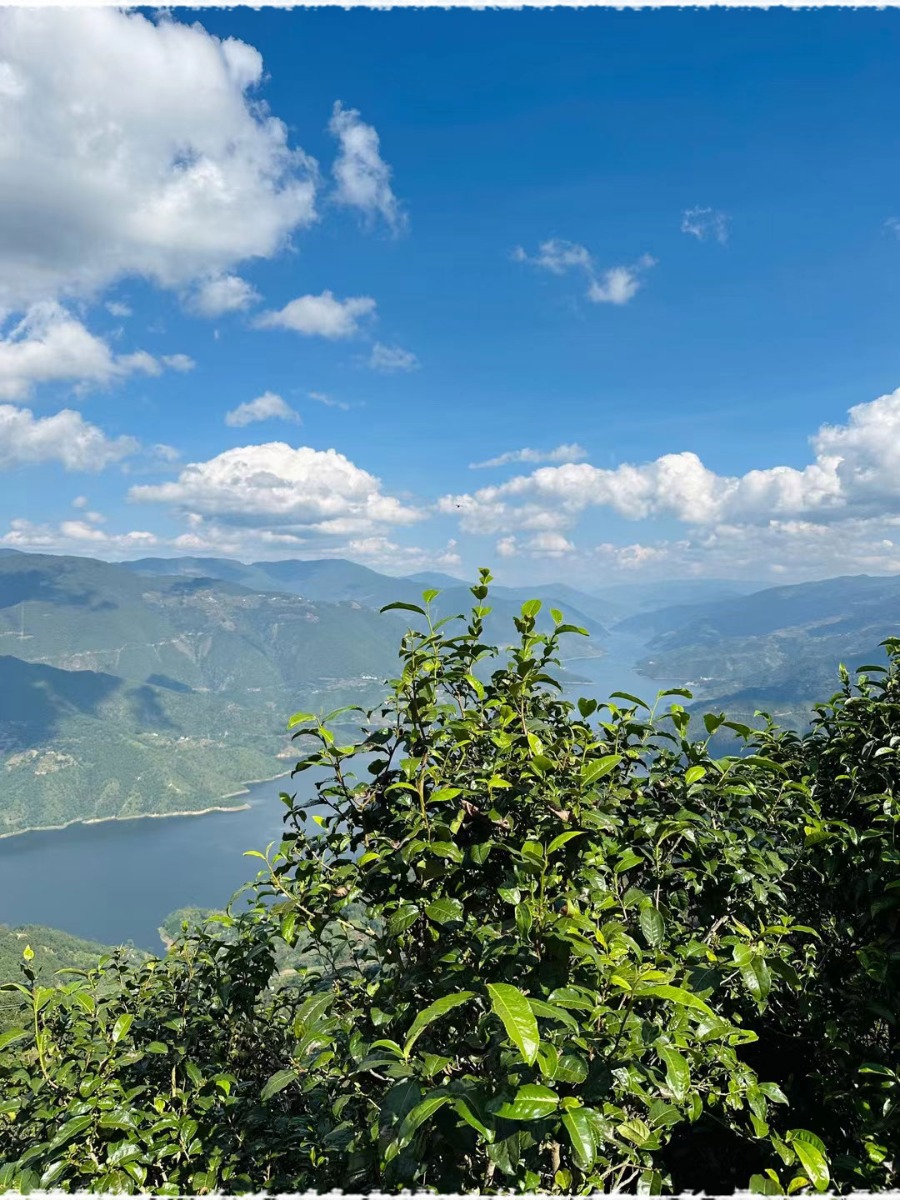
Pinghe Tea Garden in Dasi Town, Fengqing County.
Origin
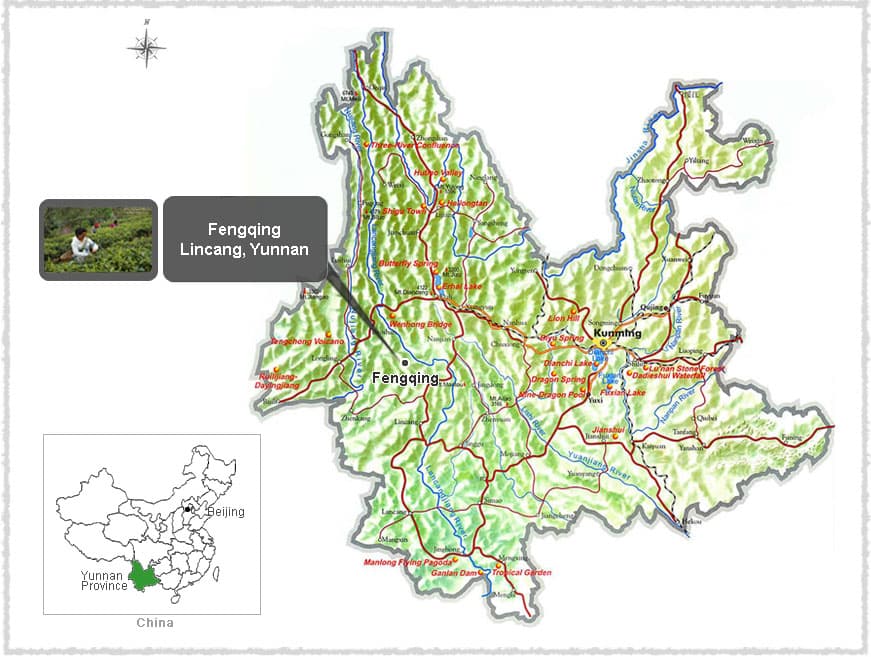
This pu-erh tea is produced in Fengqing, located south of Dianxi Longitudinal Valley. Fengqing is a country in the northwest of Lincang, one of the four famous pu-erh production areas (along with Xishuangbanna, Pu’er, and Baoshan), and is one of the original birthplaces of tea in the world. It is also famous for being the hometown of Yunnan black tea. Fengqing has a long history of planting, producing, and drinking tea, and contains a beautiful throng of mountains webbed with rivers.
Tea Bush
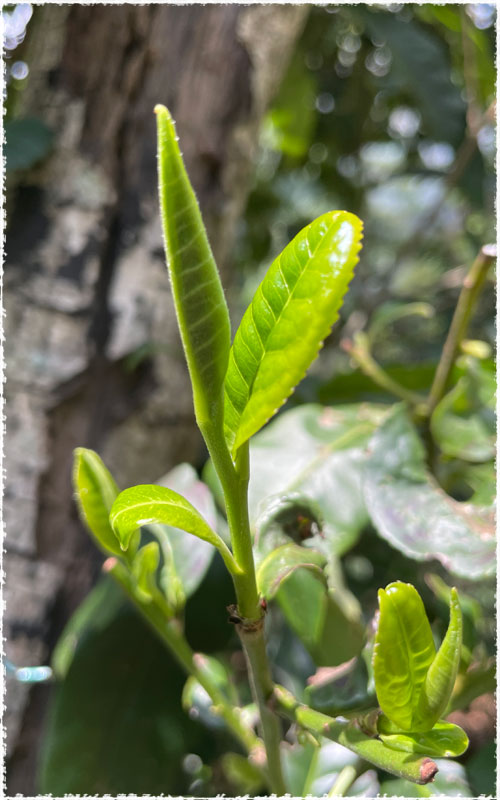
This pu-erh tea is made from the large-leaf subspecies of the Yunnan large-leaf. It propagates sexually and takes the form of an arbour tree, meaning that it can grow to over six meters tall. 1984, the Fengqing large-leaf species was certified by the Chinese government as a national grade. It contains an abundance of tea polyphenols (30.2%) and catechins (13.4%), as well as 2.9% amino acids and 3.2% caffeine.
Customer Reviews
Related Products


























Reviews
There are no reviews yet.