
-
Fast ShippingFree shipping for orders above $40
to most countries. -
Secure PaymentPay with Paypal, Credit Card …
-
Carefully SelectedFrequently Visit Tea Gardens.
Taste Repetitiously -
15 Days RefundNo Questions Asked
Refund Policy
Bing Dao Five Villages Dragon Ball Raw Pu-erh Tea
Price range: $3.00 through $61.32
Bing Dao Five Villages Dragon Ball Raw Pu-erh Tea
Product Tags
Floral
Honey
Delicate
Sweet
Yunnan
Lincang
Mengku
Dragon Ball
Wild Tree
Ancient Tree
Aged
High Mountain
Summary
| Origin: |
Bingdao Five Villages, Lincang, Yunnan Province, China |
|---|---|
|
Harvest Date: |
April 2, 2022 |
|
Production Date |
April 30, 2022 |
| Dry Leaf: |
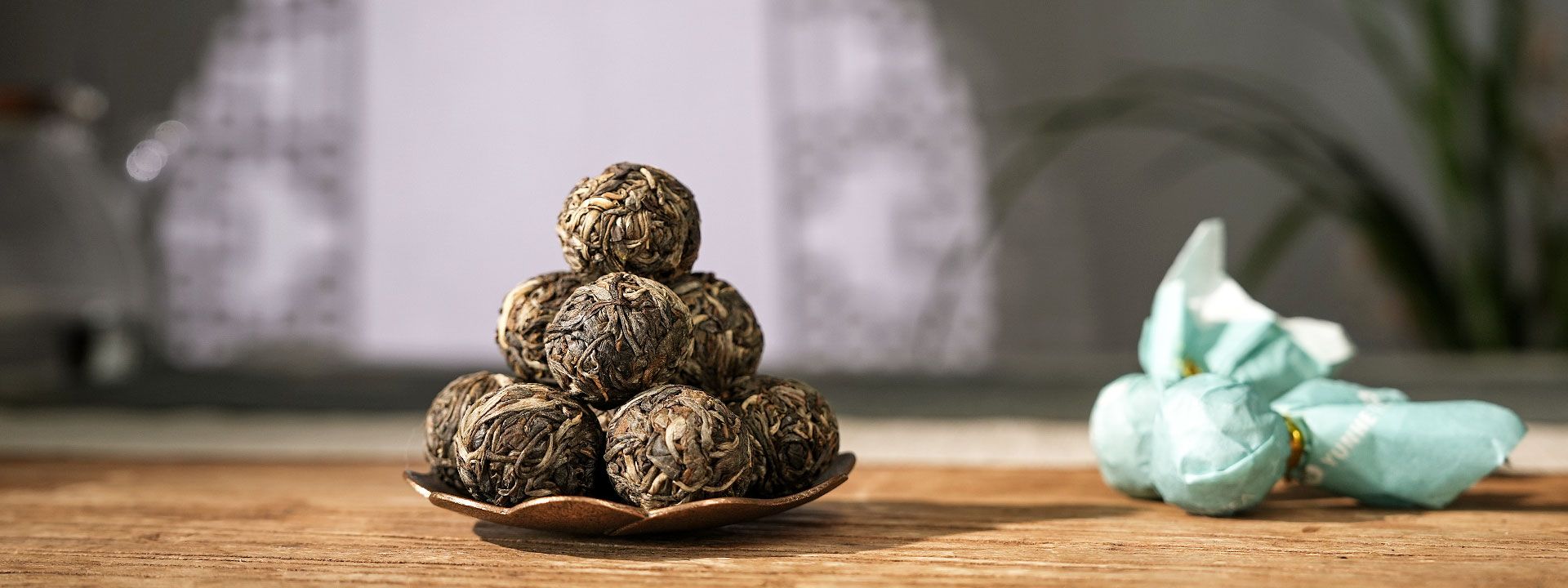
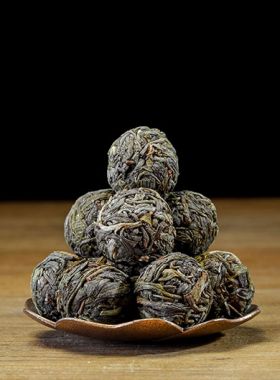
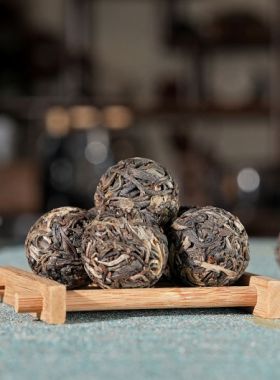
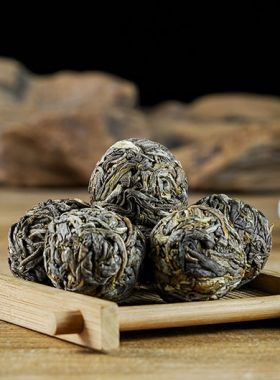
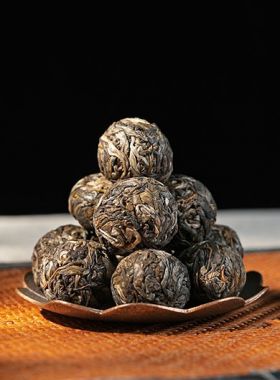
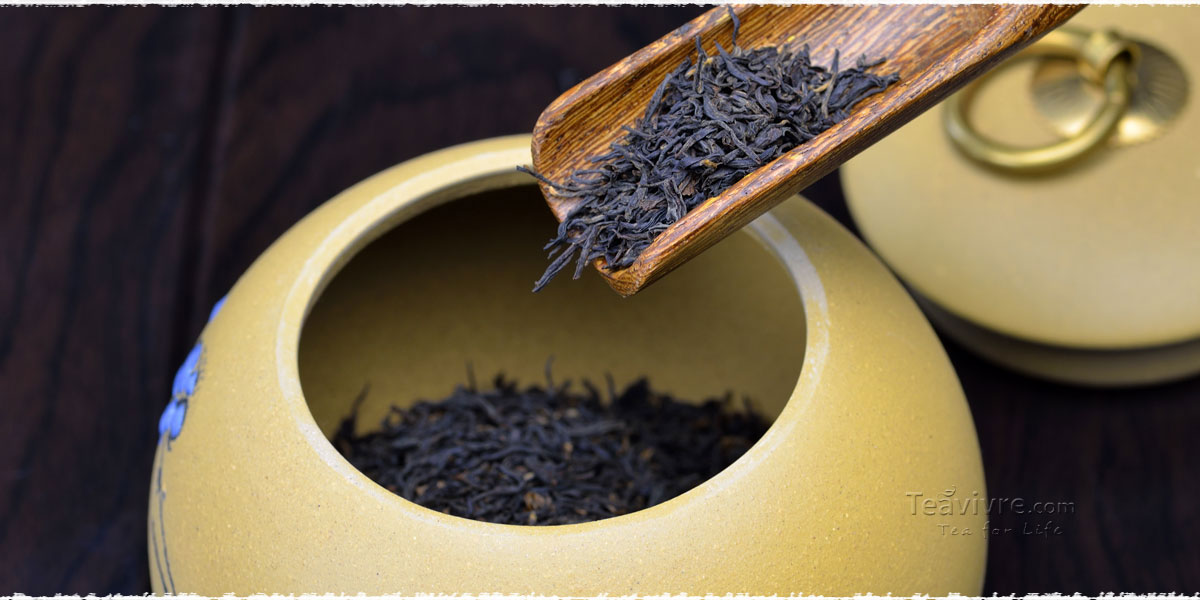
Ball-shaped, with bold leaf and visible white tips; each ball weighs about 8g±1g |
| Aroma: |
Floral and honey notes |
| Liquor: |
Bright yellow |
| Taste: |
Gentle and smooth, with a sweet liquor carrying floral honey notes, followed by a clear returning sweetness and pronounced salivation |
| Tea Bush: |
Yunnan large-leaf tea bush species (over 300 years old) |
| Tea Garden: |
Bingdao Five Villages (about 1460-1680m) |
| Caffeine: |
Low caffeine (less than 10% of a cup of coffee) |
| Storage: |
Store in cool, dry place away from sunlight; keep ventilated |
| Shelf Life: |
The aged the better |
Angel's Comment:
The key fragrance note: sweet rock candy sweetness; the compound note is wild mountain undertone; the liquor is bold and powerful, with slight bitterness that transform quickly.
"Bingdao Five Villages" is a professional term in the world of Pu-erh tea, specifically referring to five core ancient tea tree growing areas surrounding Bingdao Village in Mengku Town, Shuangjiang County, Lincang City, Yunnan Province. These include Bingdao Old Village, Nanpo Village, Dijie Village, Bawai Village, and Nuowu Village. The tea from each village has distinct characteristics. This Dragon Ball Raw Pu-erh is made from a blend of spring 2022 harvests from all five villages. Each ball weighs approximately 8 grams, making it convenient for brewing and travel.
In terms of flavor, it showcases the signature profile of raw Pu-erh from the Bingdao area: a sweet, smooth, and delicate texture with floral and honeyed notes. The sweetness returns quickly and lingers pleasantly in the mouth. Offering exceptional value, it it suitable both for beginners just entering the world of Pu-erh and for experienced raw pu-erh tea enthusiasts.
Recommend Brewing Method
 |
Cup Method |
 |
Chinese Gongfu Method |
 |
Teacup: 12oz / 355ml | |
Gaiwan: 3.8oz / 110ml |
 |
203℉ / 95℃ | |
203℉ / 95℃ |
 |
1 piece | |
1 piece |
 |
Brewing time: 2 - 3 mins | |
12 steeps: rinse, 20s, 15s, 15s, 20s, 20s, 25s, 30s, 40s, 50s, 70s, 90s, 120s |
Tea Garden
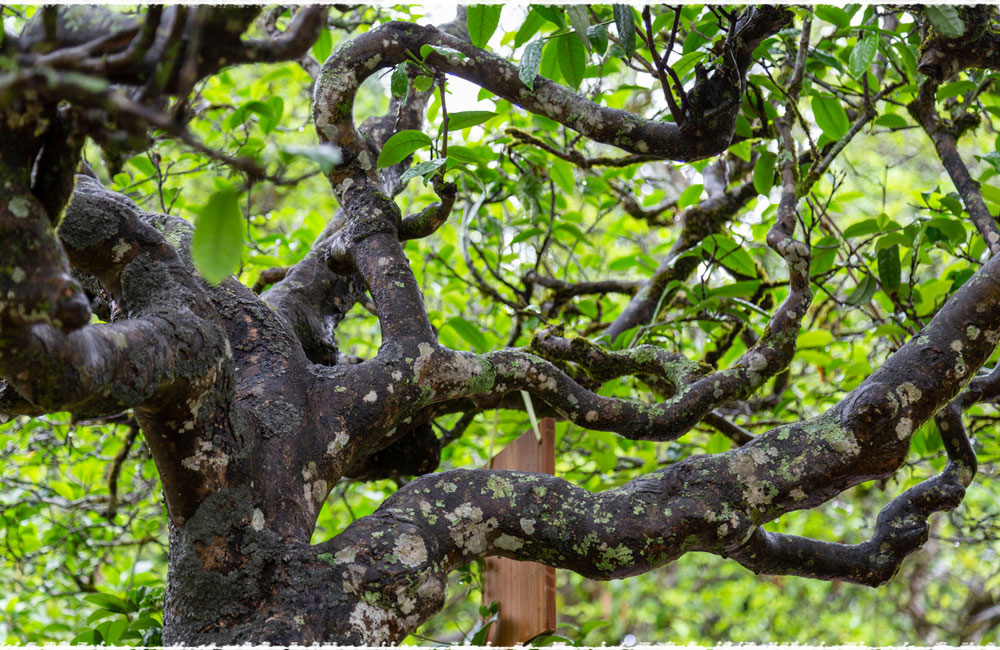
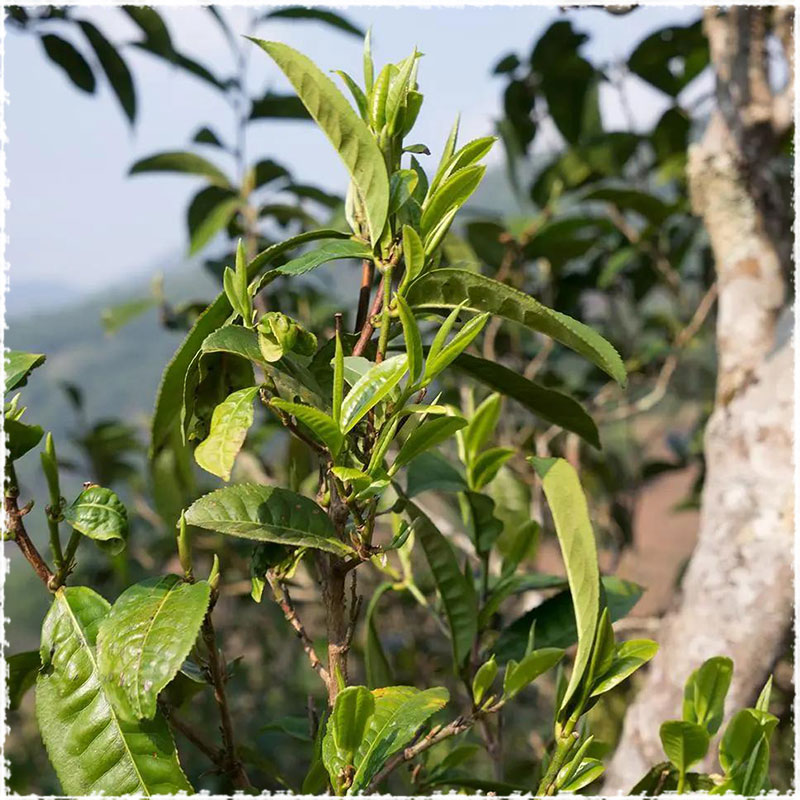
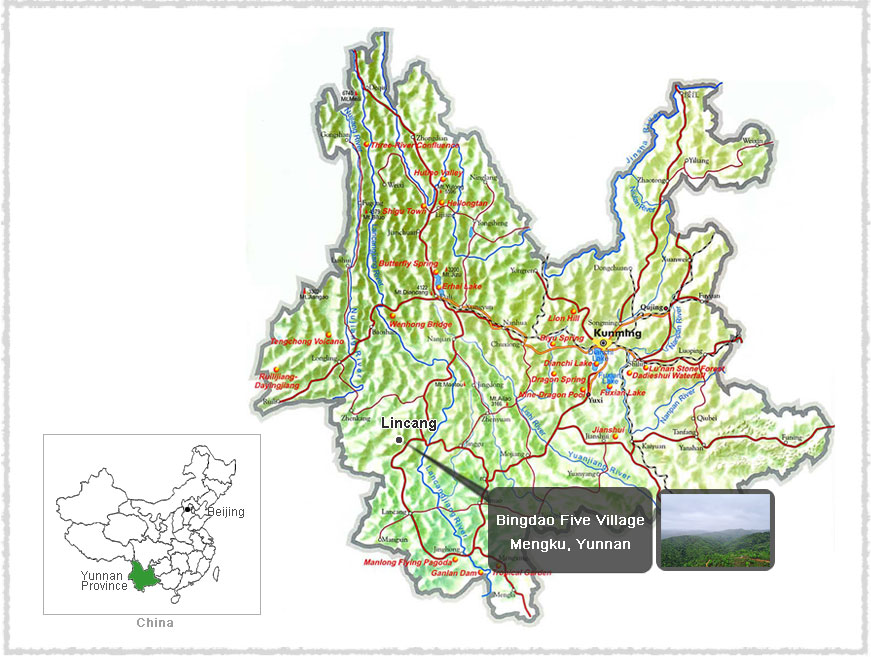
The Bingdao Five Villages are located in the extended range of the Mengku Da Xue Shan in Shuangjiang County, Yunnan. The Nanmeng River, an important tributary of the Lancang River, divides the surrounding mountains into the Eastern Slopes (Bawai and Nuowu) and the Western Slopes (Bingdao Laozhai, Nanpo, and Dijie). The area sits at elevations of approximately 1,400–2,200 meters. This region features a subtropical mountainous monsoon climate, with abundant annual rainfall, year-round mist and clouds, and significant day–night temperature differences. Most of the tea trees here are wild or semi-wild ancient trees over a hundred years old, scattered naturally throughout the forest and growing alongside native woodland vegetation. This well-preserved ecological environment forms a natural ecosystem and lays the foundation for the Bingdao Five Villages’ teas, known for their refined texture, clear sweetness, and well-defined layers of flavor.
Origin
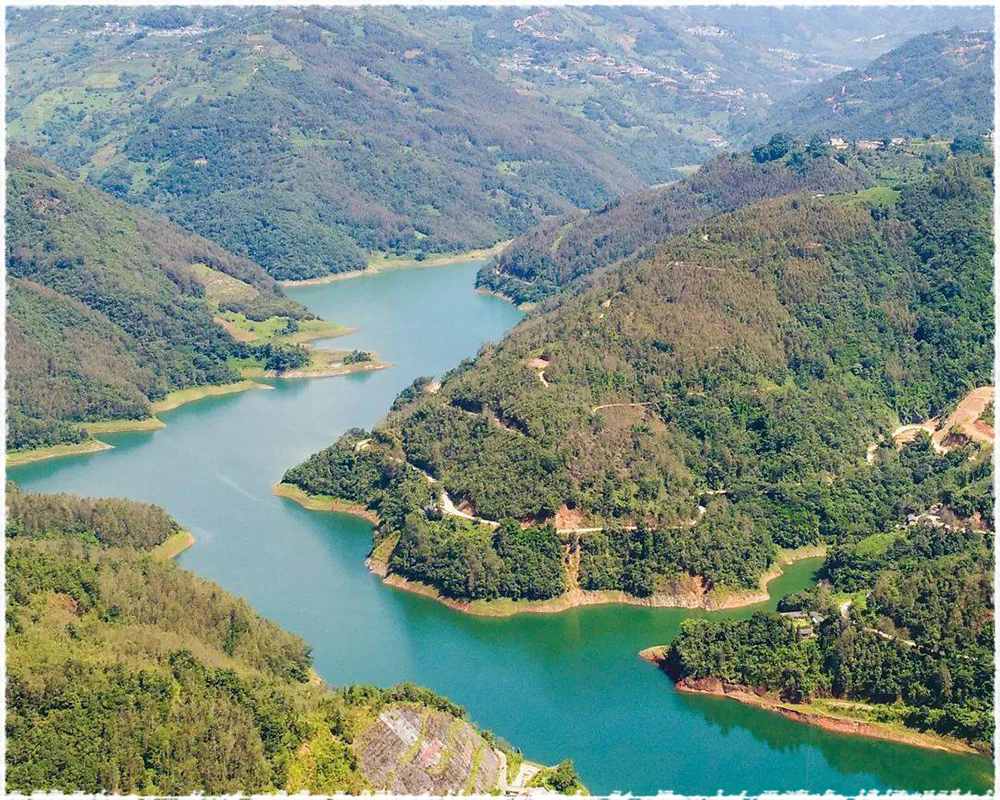
The Bingdao Five Villages are located in the extended range of the Mengku Da Xue Shan in Shuangjiang County, Yunnan. The Nanmeng River, an important tributary of the Lancang River, divides the surrounding mountains into the Eastern Slopes (Bawai and Nuowu) and the Western Slopes (Bingdao Laozhai, Nanpo, and Dijie). The area sits at elevations of approximately 1,400–2,200 meters. This region features a subtropical mountainous monsoon climate, with abundant annual rainfall, year-round mist and clouds, and significant day–night temperature differences. Most of the tea trees here are wild or semi-wild ancient trees over a hundred years old, scattered naturally throughout the forest and growing alongside native woodland vegetation. This well-preserved ecological environment forms a natural ecosystem and lays the foundation for the Bingdao Five Villages’ teas, known for their refined texture, clear sweetness, and well-defined layers of flavor.
Tea Bush
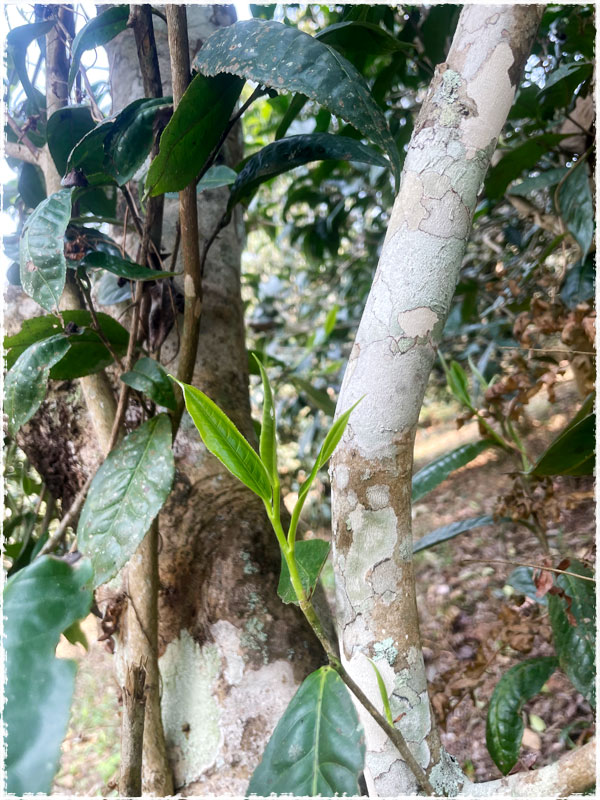
This pu-erh tea is made from the large-leaf subspecies of the Yunnan large-leaf. It propagates sexually and takes the form of an arbour tree, meaning that it can grow to over six meters tall. 1984, the Fengqing large-leaf species was certified by the Chinese government as a national grade. It contains an abundance of tea polyphenols (30.2%) and catechins (13.4%), as well as 2.9% amino acids and 3.2% caffeine.
History
Pu-erh tea is one of the oldest types of tea in China, with a history stretching back over 1,700 years to the Eastern Han Dynasty, when the tea was called Jing Cha. Pu-erh is named after the town of Pu’er in Yunnan province, which was the original trading center of this tea. In its early history, this tea was actually used as bartering currency in southwest China, where the famed Cha Ma Gu Dao, “Tea Horse Road”, was built for the sole purpose of transporting it through the Himalayas to other countries and areas in Tibet.
Customer Reviews
Related Products





Reviews
There are no reviews yet.