
-
Fast ShippingFree shipping for orders above $40
to most countries. -
Secure PaymentPay with Paypal, Credit Card …
-
Carefully SelectedFrequently Visit Tea Gardens.
Taste Repetitiously -
15 Days RefundNo Questions Asked
Refund Policy
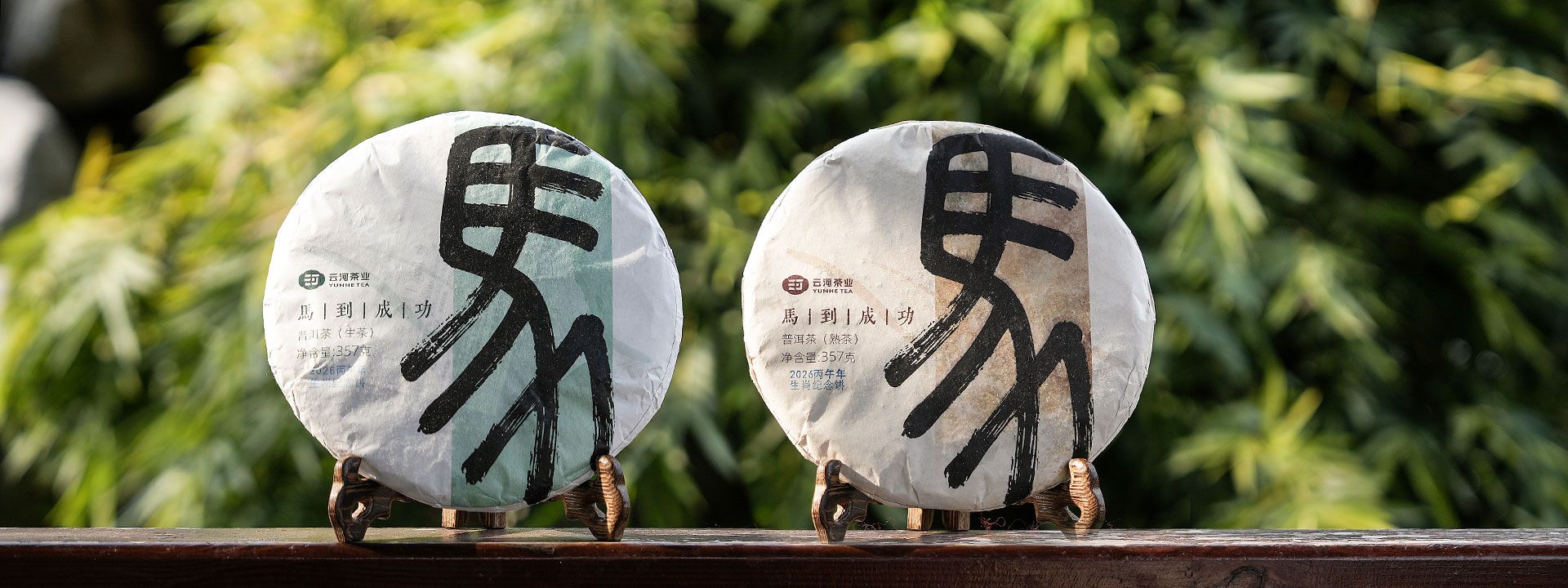
Year of the Horse Raw & Ripe Pu-erh Tea Cake Set
$73.80
This product is being configured.
Year of the Horse Raw & Ripe Pu-erh Tea Cake Set
0 Reviews
Summary
| Origin: |
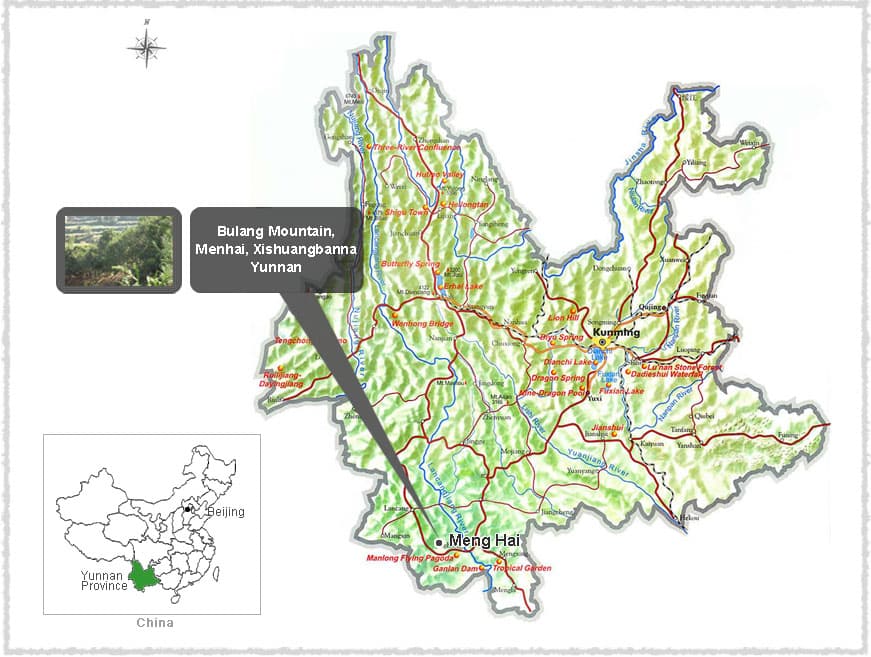
Bulang Mountain, Menghai County, Xishuangbanna, Yunnan Province, China |
|---|---|
|
Harvest Date: |
Raw Cake: March 28, 2025 Ripe Cake: March 26, 2013 |
|
Production Date: |
Raw Cake: Jan. 6, 2026 Ripe Cake: June 18, 2016 |
| Weight |
357g |
| Tea Bush: |
Menghai large-leaf tea bush species (over 500 years) |
| Tea Garden: |
Man Xin Long Tea Garden (1600m – 1900m) |
| Caffeine: |
Low caffeine (less than 20% of a cup of coffee) |
| Storage: |
Store in cool, dry place away from sunlight; keep ventilated |
| Shelf Life: |
The aged the better |
The horse-year Zodiac pu-erh cake, which is not only have good taste but also have good collection and memorial value.
Tea Garden
Man Xin Long stockaded village is located in Bulang Shan entirely surrounded by forests and at an elevation of 1800 meters. The Bulang nationality here migrated over two hundred years ago, and planted the original tea trees along the nearby 150 mu of hillsides during that time.
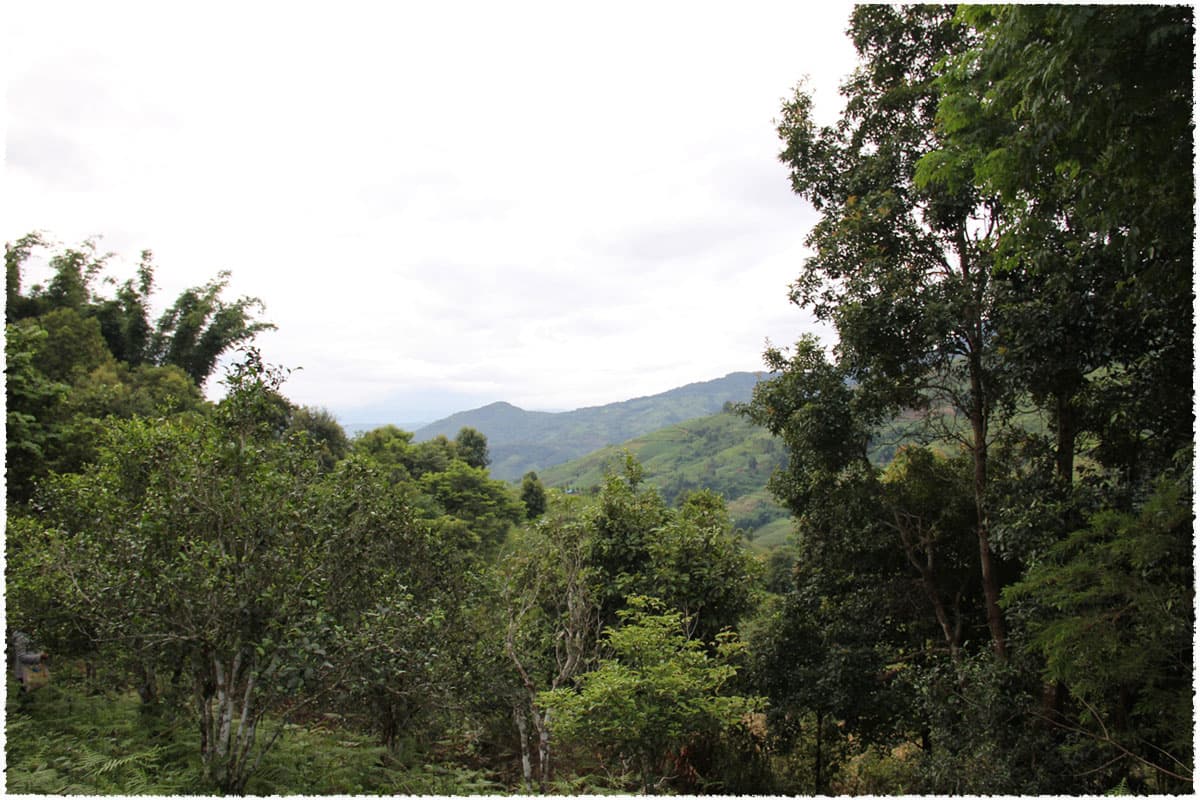
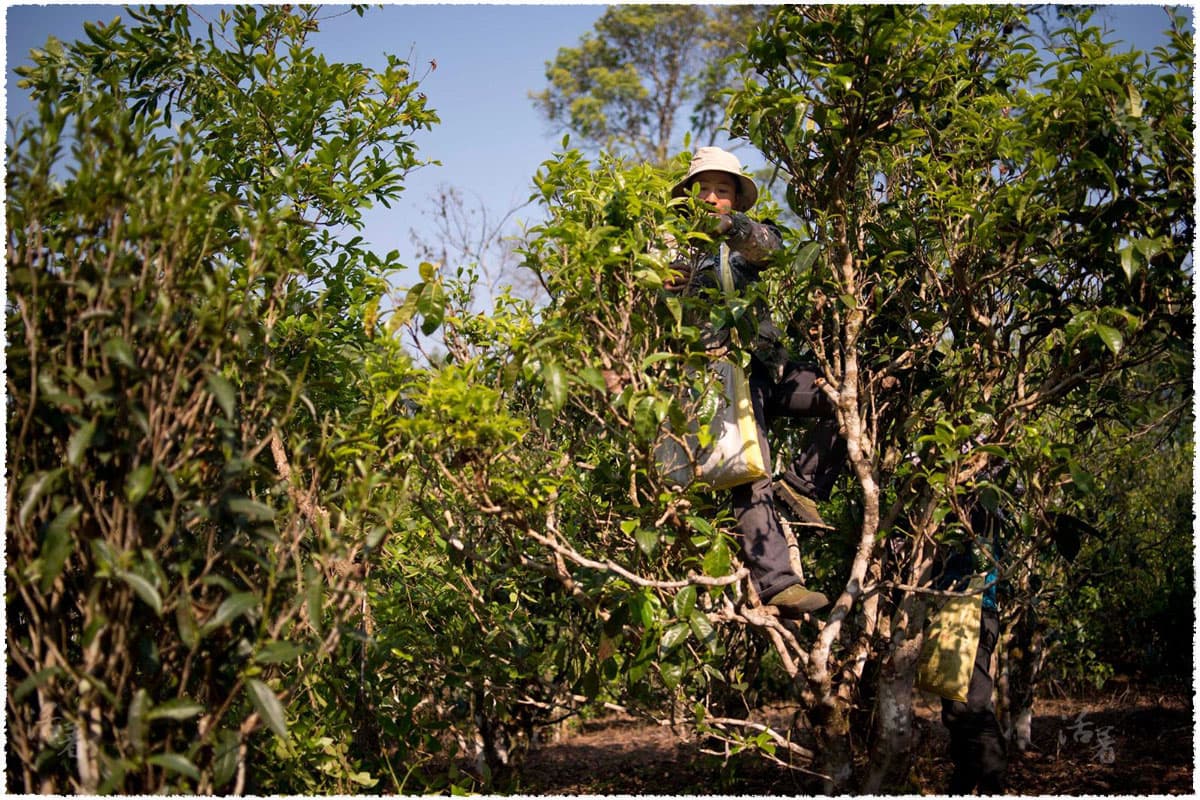
In the tea grove, tea farmers are picking tea leaves on the high tea tree.
Origin
Bulang Mountain sits in Menghai County of Xishuangbanna, Yunnan, and is a famous area of pu-erh production. This mountain houses the largest concentration of ancient tea trees within a 100,000-hectare area.
The mountain rolls and stretches across Menghai, with deep valleys cutting through hills that can reach up to 1216 meters on average, with the highest point, Sanduo Peak, rising almost 2100m above sea level. Bulang Mountain experiences a subtropical monsoon climate, with abundant sunlight and rainfall of about 1374mm per year, and the average temperature between 18 and 21℃. There is little risk of frost here, and the season for it is also short; during the spring and winter a heavy fog blankets the mountain, while the summer and autumn months are often overcast and rainy.
Tea Bush
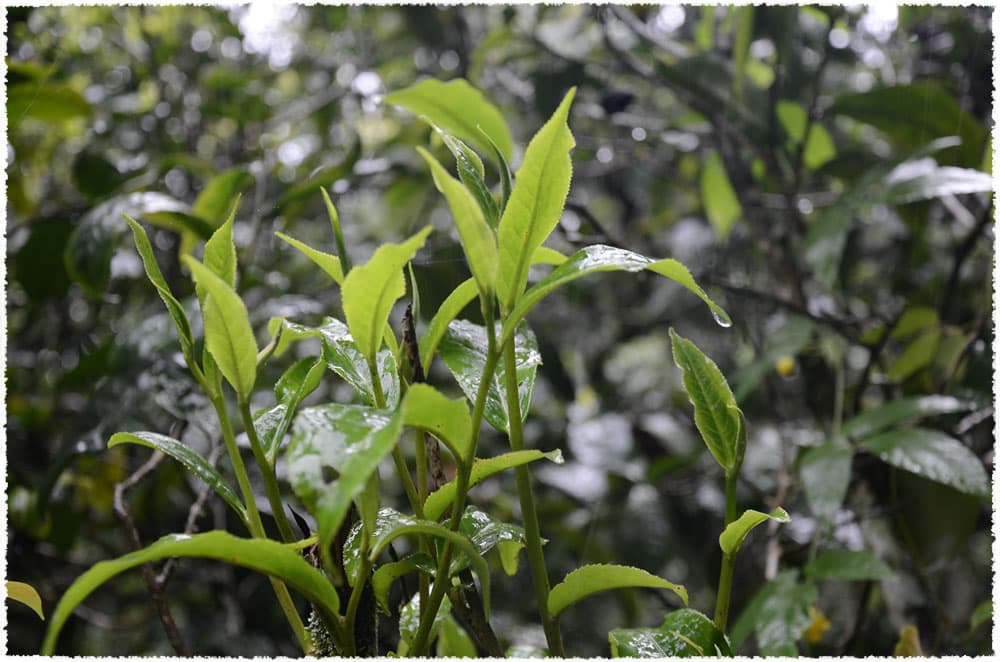
Native to Menghai County in Xishuangbanna, the Menghai large-leaf tea species was rated as the most improved national variety in 1984. It grows up to 7m tall in the wild with bold green leaves noticeably larger than more common varieties, and the buds of this species are yellowish-green and coated in fuzz. The leaves are high in phytochemicals, with one bud and two leaves containing 2.3% amino acids, 32.8% polyphenolic compounds, 4.1% caffeine, and 18.2% catechinic acid. Because of this, pu-erh tea made from this species is high in quality, rich yet soft in taste, and maintains a full-bodied essence.
History
Pu-erh is one of the oldest types of tea in China with a history stretching back over 1700 years to the Eastern Han Dynasty, when the tea was called Jing Cha. It is named after the town of Pu’er in Yunnan province, which was originally the early trading center for this tea. In early history pu-erh was used as a bartering currency in southwest China, with the famed Cha Ma Gu Dao, the Tea Horse Road, being built for the purpose of transporting this tea through the Himalayas to other countries and areas in Tibet.
Customer Reviews

























