
-
Fast ShippingFree shipping for orders above $40
to most countries. -
Secure PaymentPay with Paypal, Credit Card …
-
Carefully SelectedFrequently Visit Tea Gardens.
Taste Repetitiously -
15 Days RefundNo Questions Asked
Refund Policy
Taiwan Wen Shan Baozhong (Pouchong) Oolong Tea
Rich multi-layered florals, refreshing and sweet
Price range: $4.50 through $92.12
Taiwan Wen Shan Baozhong (Pouchong) Oolong Tea
Rich multi-layered florals, refreshing and sweet
Summary
| Origin: |
Zhushan Town, Nantou County, Taiwan |
|---|---|
| Harvest Date: |
May 3, 2026 |
| Plucking Standard: |
One bud with one or two leaves |
| Dry leaf: |
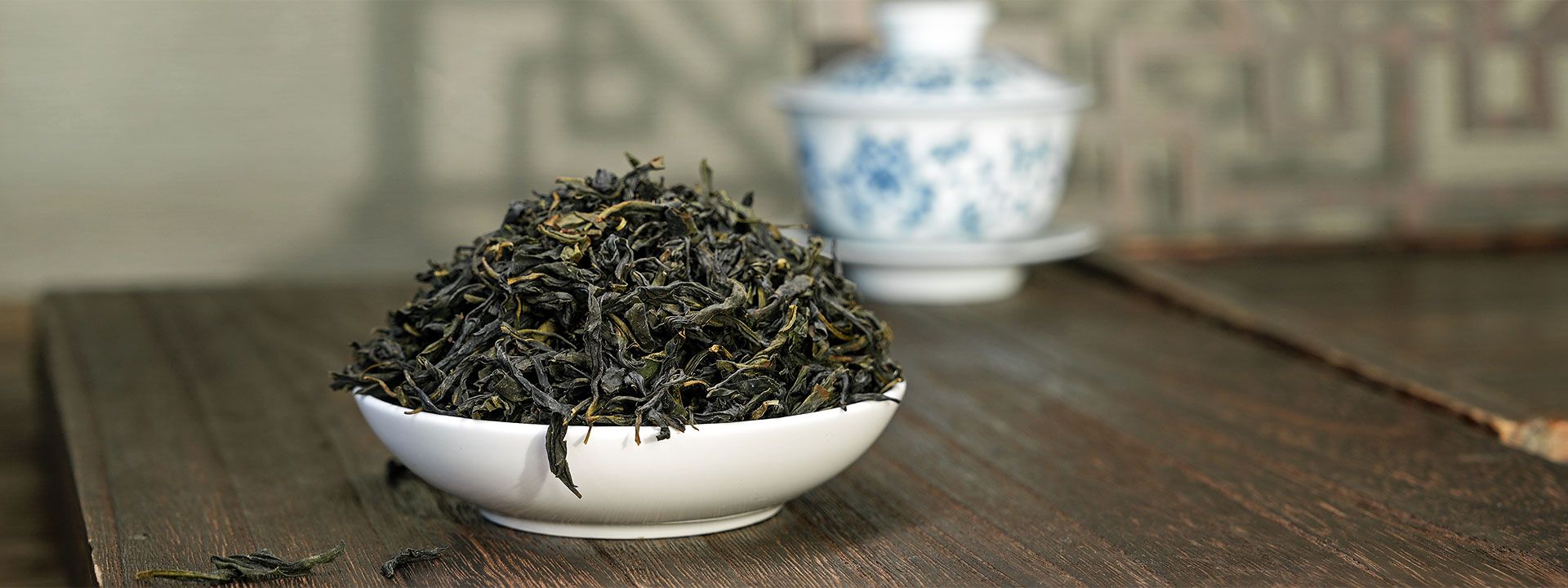
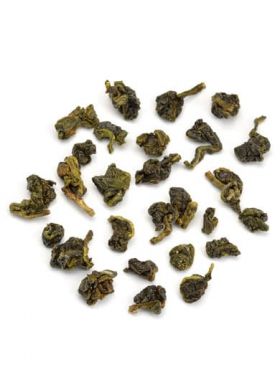
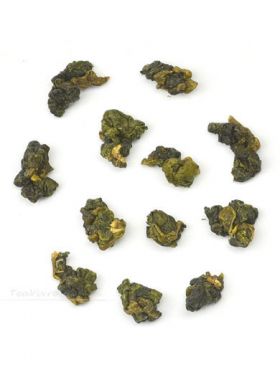
The leaves are strip-shaped and slightly curled, with a dark green color |
| Aroma: |
Rich floral fragrance |
| Liquor: |
Bright yellowish green |
| Taste: |
Sweet, smooth and delicate, with a long-lasting floral aroma |
| Tea Bush: |
C.sinensis cv.Qingxin (Chin Shin Oolong, 10 years) |
| Tea Garden: |
Shan Lin Xi Tea Area (1100-1600m) |
| Caffeine: |
Moderate caffeine (less than 20% of a cup of coffee) |
| Storage: |
Store in airtight, opaque packaging; keep refrigerated |
| Shelf Life: |
24 Months |
Angel's Comment:
The key fragrance note: orchid fragrance; the compound note is osmanthus and gardenia; the tea liquor is brisk, refreshing and sweet.
Wenshan Baozhong Tea is one of Taiwan’s most representative lightly oxidized oolong teas, positioned between green tea and traditional oolong. This tea from TeaVivre is produced in the high-mountain tea region of Shanlinxi, Nantou County, using carefully selected one bud with one to two leaves as raw material. Made with a light roasting process, the dry leaves are thick, intact, and deep green in color, carrying delicate aromas of toasted rice and honey sweetness. Once brewed, the tea reveals layered floral notes intertwined with warm baked-bread aromas. The liquor is smooth and rounded on the palate, free from bitterness or astringency, with rich complexity and a light yet lasting sweetness.
Recommend Brewing Method
 |
Cup Method |
 |
Chinese Gongfu Method |
 |
Teacup: 12oz / 355ml | |
Gaiwan: 3.8oz / 110ml |
 |
212℉ / 100℃ | |
212℉ / 100℃ |
 |
3 Teaspoons / 3.5g Tea | |
7g |
 |
Brewing time: 2 - 3 mins | |
7 steeps: rinse, 10s, 10s, 15s, 20s, 30s, 40s, 50s |
| Rinse time is around 5 seconds |
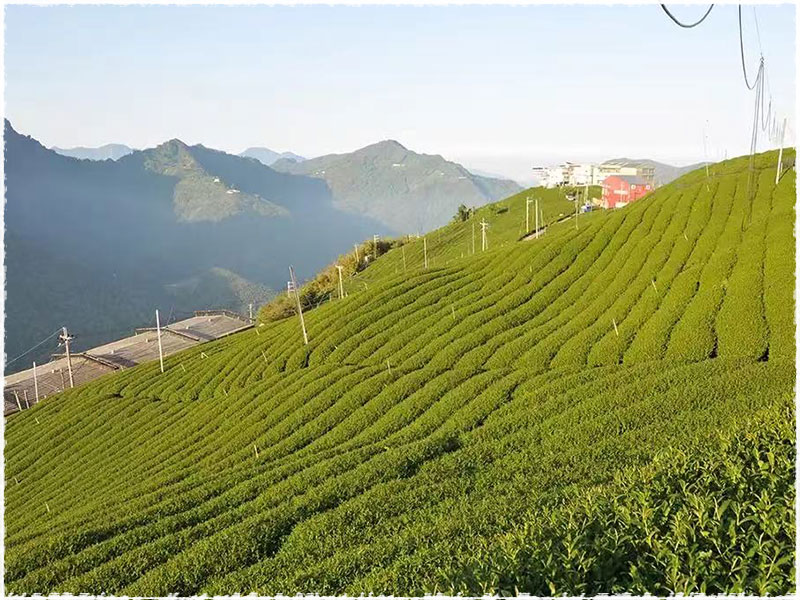
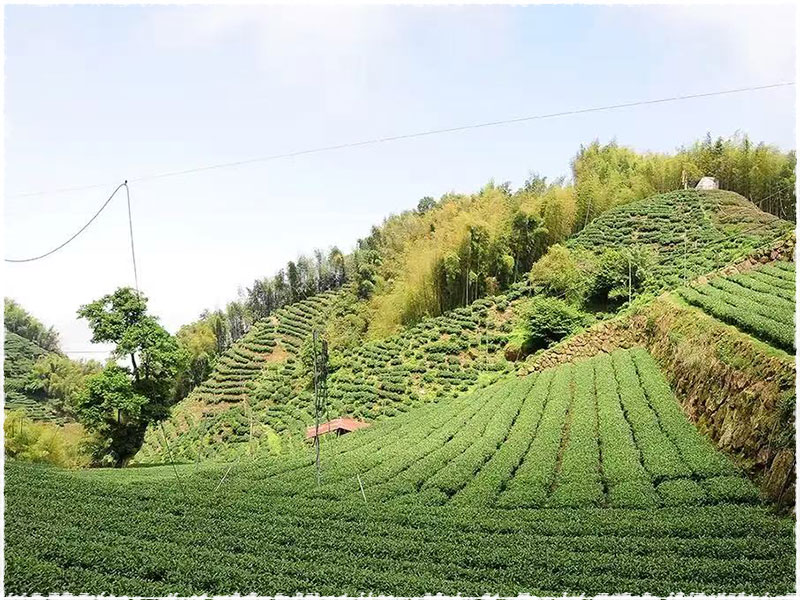
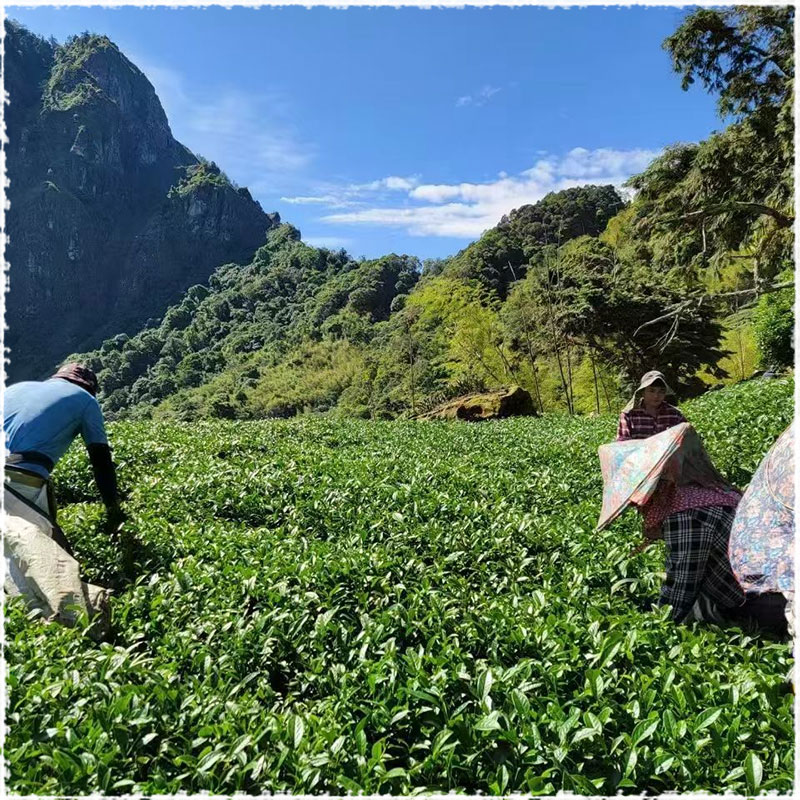
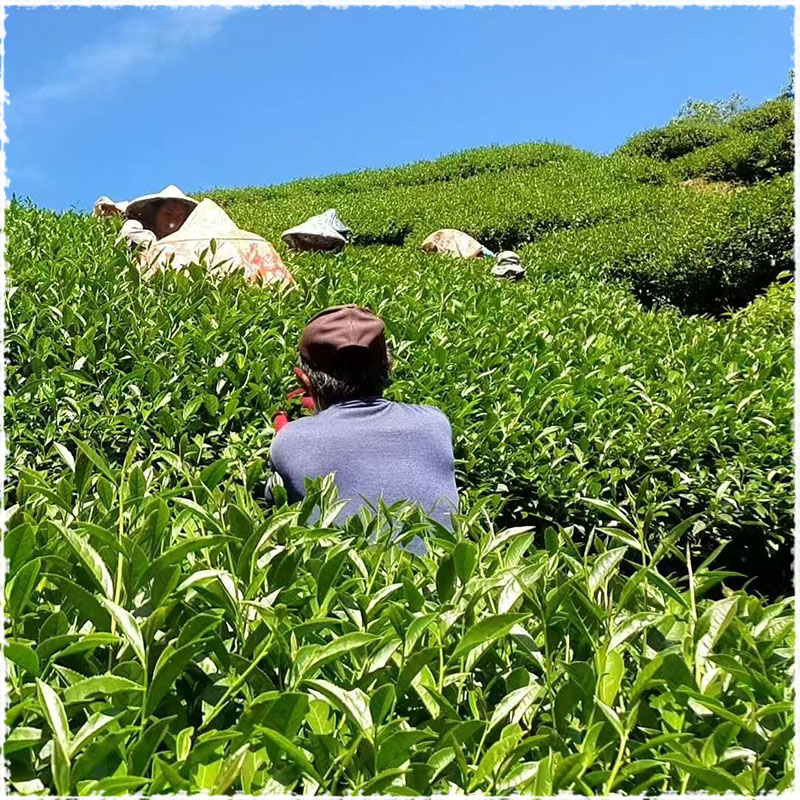
Tea Garden
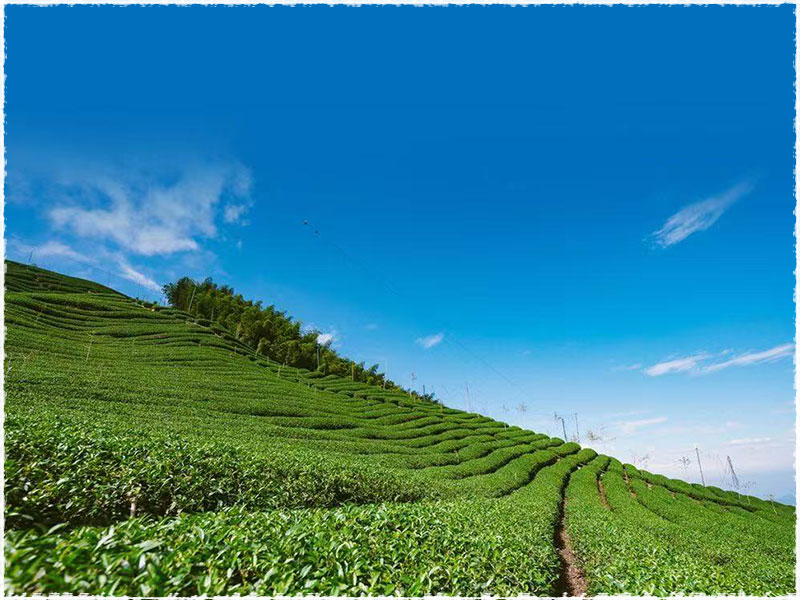
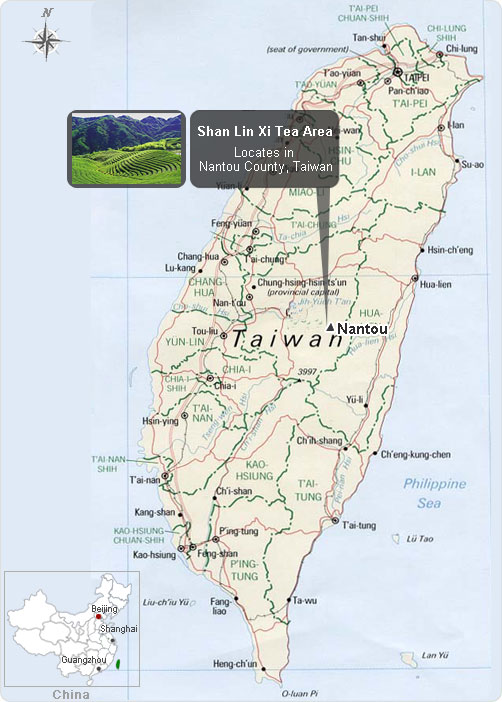
The Shan Lin Xi Tea Area lies at the junction of Nantou, Yunlin, and Chiayi Counties, at an elevation of 1100–1600 meters. The area is enveloped in mist year-round, with abundant rainfall and fertile soil—natural conditions ideal for tea cultivation. The climate is cool and humid, with an average annual temperature of about 18°C and a day–night temperature difference exceeding 10°C. The tea plants grow slowly, accumulating abundant internal substances. The finished tea features tightly rolled leaves with a bright green color. The loamy soil, rich in organic matter, provides good drainage and moisture retention, allowing the tea trees to develop deep roots. Thanks to these favorable natural conditions, Shan Lin Xi produces high-mountain oolong teas known for their pronounced aroma, and clear, sweet, and refreshing liquor.
Origin
Nantou County, with an average temperature of 22℃ and average yearly precipitation of around 2200 mm. The mountain experiences abundant rainfall and a commonly misty environment, and the rich organic material in the soil result in its prime conditions for growing tea trees. Nantou has about 8000 hectares of tea gardens in total, which comes to about 46% of the total acreage throughout all of Taiwan. Nantou is the main area of tea production in Taiwan, as well as the birthplace of high-mountain oolong tea. Along the mountains, the tea growing elevations are spread between 200 and 2500 meters. Important tea gardens here are mainly in the Mingjian, Lugu, Ren’ai, Xiny, and Yuchi Townships, and also in Zhushan Town.
Tea Bush
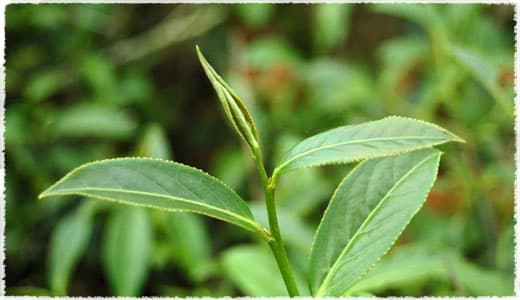
Qinxin is a kind of wild, small-leaf tea species. The plant is short with dense bunches of thick leaves, soft and elastic to the touch and deep, glossy green in color. This species mainly grows in the villages in Chiayi County of Taiwan, like Ali Village, Wenshan Village, Haishan Village, Mingjian Village, and Lugu Village.
History
Baozhong tea has a long history. In the mid-19th century, large numbers of immigrants from Anxi and Zhangzhou in Fujian Province migrated to northern Taiwan, mainly settling in areas such as Pinglin, Shiding, and Shenkeng in what is now New Taipei City. These regions, with their rolling hills and humid climate, proved ideal for tea cultivation. The immigrants brought with them the oolong tea-making techniques from Fujian—especially the Anxi oolong—but gradually adapted them to local environmental conditions and market preferences, developing a lighter-oxidized, more floral style unique to Taiwan. At that time, tea merchants would pack the finished tea leaves into small square paper packages weighing about 150 grams, sealing them with printed labels showing the tea brand, origin, and design. These attractive “Baozhong papers” not only made the tea easier to transport but also became a symbol of Taiwanese tea in export trade. Over time, the term “Baozhong,” which originally referred to the packaging, evolved to denote this distinctive category of tea itself.
Customer Reviews
Related Products


























Reviews
There are no reviews yet.