
-
Fast ShippingFree shipping for orders above $40
to most countries. -
Secure PaymentPay with Paypal, Credit Card …
-
Carefully SelectedFrequently Visit Tea Gardens.
Taste Repetitiously -
15 Days RefundNo Questions Asked
Refund Policy
Rose White Peony (Bai MuDan) Tea
Sweet, mellow, delicate rose aroma
Price range: $2.50 through $82.88
Rose White Peony (Bai MuDan) Tea
Sweet, mellow, delicate rose aroma
Summary
| Origin: |
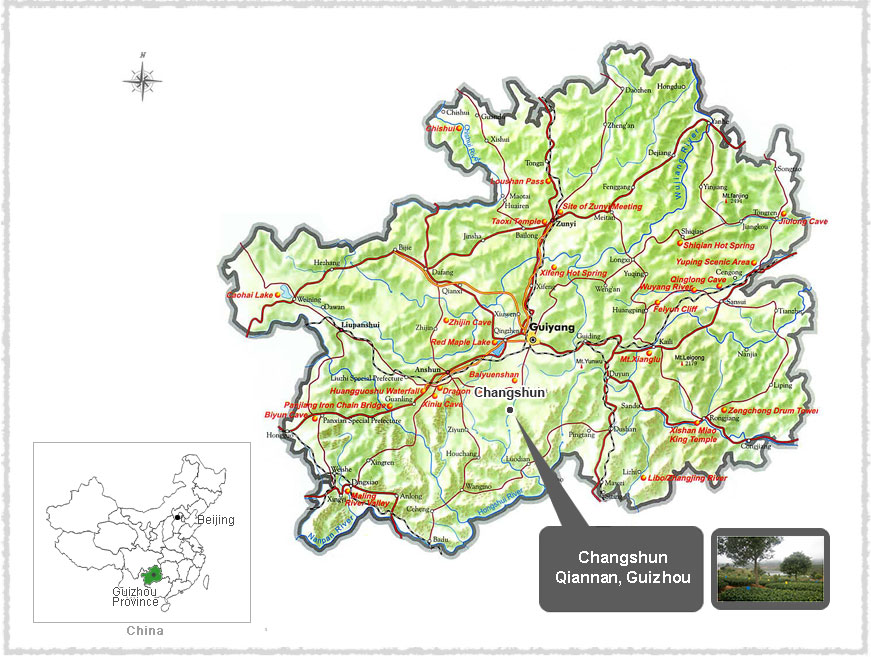
Changshun County, Qiannan Prefecture, Guizhou Province, China |
|---|---|
|
Harvest Date: |
May 15, 2026 |
| Dry Leaf: |
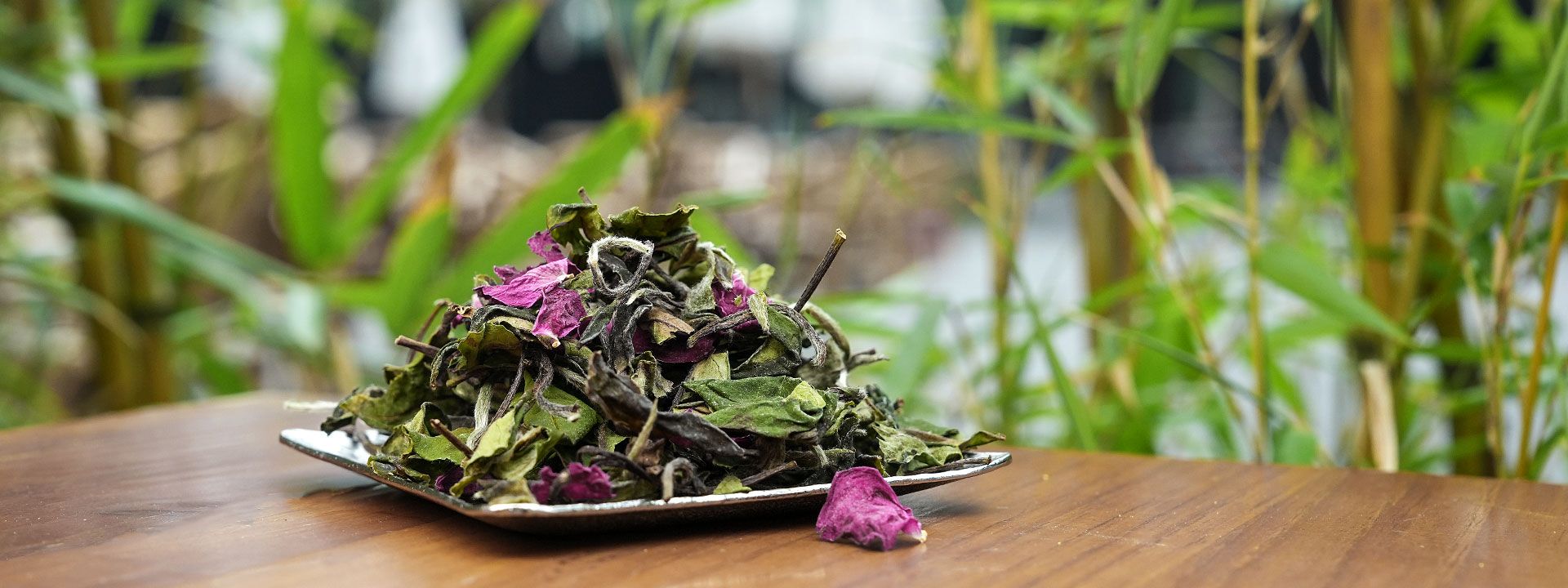
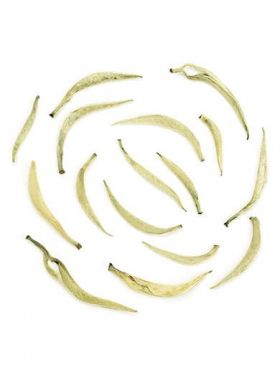
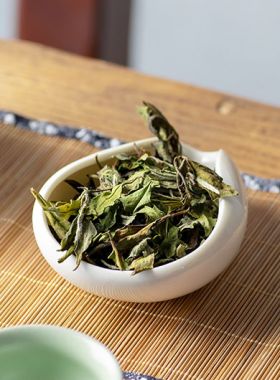
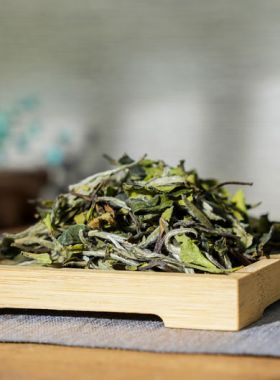
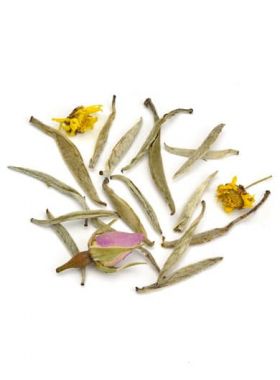
Plump buds and curled leaves remain attached to the stems, mixed with rose petals |
| Aroma: |
Fresh pekoe aroma and rose fragrance |
| Liquor: |
Bright light yellow |
| Taste: |
The delicate rose aroma intertwines with the fresh, mellow sweetness of white tea, creating an elegant, smooth, and layered taste |
| Tea Bush: |
Qunti tea tree species (20 years old) |
| Tea Garden: |
Chang Shun Tea Garden (about 1500m) |
| Caffeine: |
Low caffeine (less than 10% of a cup of coffee) |
| Storage: |
Store in airtight, opaque packaging; in cool, dry place |
| Shelf Life: |
24 Months |
Angel's Comment:
The key fragrance note: rose floral; the compound note is hay-like herbal notes; the liquor is rich, complex, and well-structured.
Our Rose White Peony is carefully blended from Guizhou local tea cultivar leaves and premium rose petals from Pingyin, a region well known for its high-quality roses. The tea bushes grow in high-altitude mountain environments with naturally mixed cultivars, resulting in a complex and lively flavor profile. The tea retains the natural pekoe aroma and fresh, sweet character of White Peony, with a clean and gentle taste, while the roses contribute a pure, full-bodied floral fragrance that is refined rather than overpowering.
Once brewed, the rich rose aroma is released first, blending naturally with the fresh sweetness of white tea. The liquor is smooth and silky. In the mid-palate, a clear sweetness emerges alongside evolving floral layers, while the finish is long and delicate, with subtle honeyed notes and lingering floral sweetness. The overall profile is well-balanced and elegant, combining the clarity and lightness of white tea with the softness and romance of rose, complex yet never heavy, ideal for slow, mindful sipping.
Recommend Brewing Method
 |
Cup Method |
 |
Chinese Gongfu Method |
 |
Teacup: 12oz / 355ml | |
Gaiwan: 3.8oz / 110ml |
 |
194℉ / 90℃ | |
194℉ / 90℃ |
 |
3 teaspoons / 2.5g Tea | |
4g Tea |
 |
Brewing time: 5 - 8 mins | |
8 steeps: rinse, 15s, 20s, 25s, 30s, 40s, 50s, 60s, 80s |
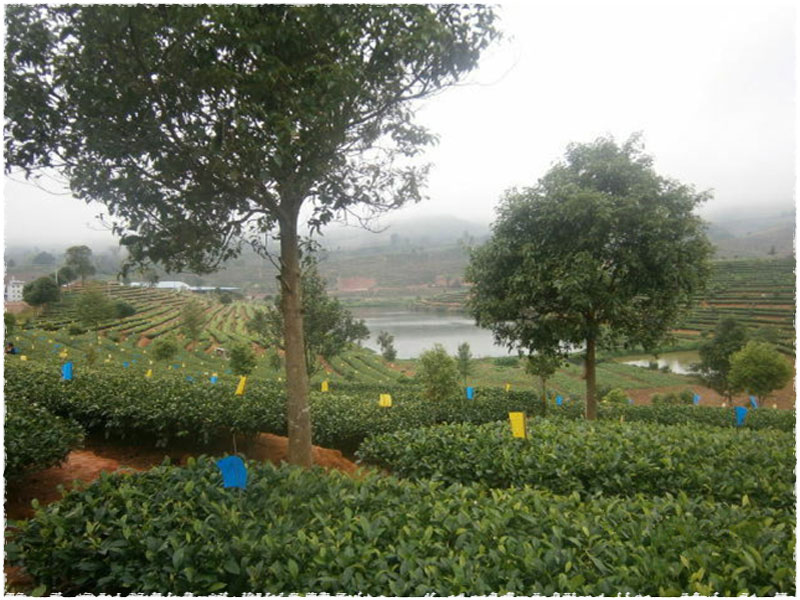
Tea Garden
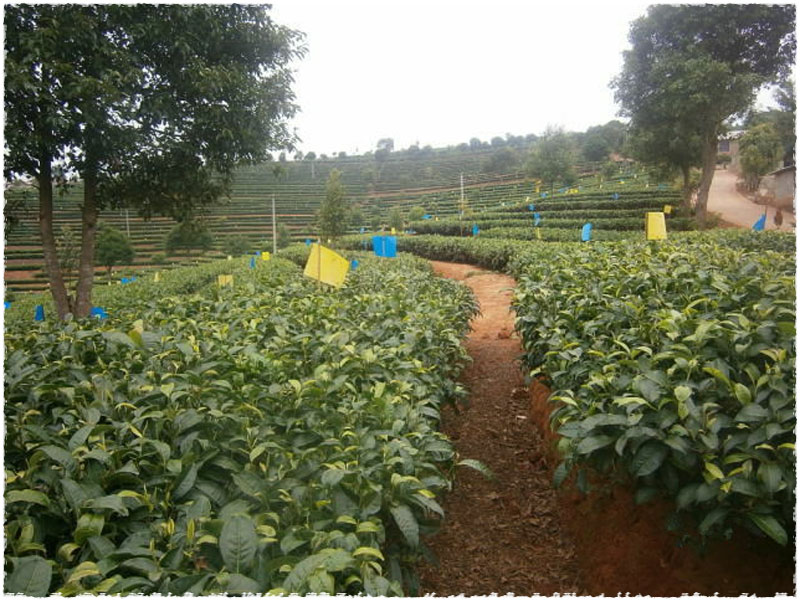
Changshun Tea Garden is located in Qiannan Prefecture, Guizhou Province, at an altitude of approximately 1,000 meters. Benefiting from its mild climate, fertile soil, abundant vegetation, and year-round clouds and mist, the region offers ideal natural conditions for tea cultivation. The tea gardens are managed under standardized agricultural practices, and all production processes follow a strict food safety management system. Tea quality and pesticide residue levels comply with EU standards.
Origin
Guizhou is a treasure house of tea species resources and a province with the most tea species. There are 270 kinds of tea tree resources in the country, and Meitan County accounts for 163 kinds. The Guizhou Plateau is called the "Fossil Kingdom" by paleontologists. On July 13, 1980, the only fossil tea seed found in the world was discovered here. The emergence of tea seed fossils established the most convincing physical evidence that Guizhou is the origin of tea trees. The mountains here are high; the climate is warm and foggy, without pollutions, so that he quality of tea is excellent. Such unique conditions have enabled almost every county in Guizhou to produce good tea, many areas were the source of court tribute tea in the Tang, Ming, and Qing dynasties in ancient China.
Tea Bush
Guizhou local Qunti tea tree species are a remarkable example of the harmonious coexistence of traditional cultivation and natural evolution. Rather than consisting of a single cloned cultivar, these tea gardens are formed through natural cross-pollination and sexual reproduction among numerous tea trees with diverse genetic traits. Over generations of cultivation and adaptation, these tea populations have retained the natural strengths of wild tea communities—strong environmental resilience and rich internal compounds—while benefiting from careful human stewardship to form a relatively stable ecosystem. This abundance of natural compounds gives Guizhou local tea populations exceptional versatility. They are not limited to a single style of tea. Whether crafted into green tea, black tea, or white tea, these diverse tea trees provide the ideal foundation for each style to express its unique character to the fullest.
Customer Reviews
Related Products




Reviews
There are no reviews yet.