
-
Fast ShippingFree shipping for orders above $40
to most countries. -
Secure PaymentPay with Paypal, Credit Card …
-
Carefully SelectedFrequently Visit Tea Gardens.
Taste Repetitiously -
15 Days RefundNo Questions Asked
Refund Policy
Rose Liu Bao Dark Tea Mini Cake
Rose fragrance, mellow and smooth
Price range: $2.50 through $50.12
Rose Liu Bao Dark Tea Mini Cake
Rose fragrance, mellow and smooth
Summary
| Origin: |
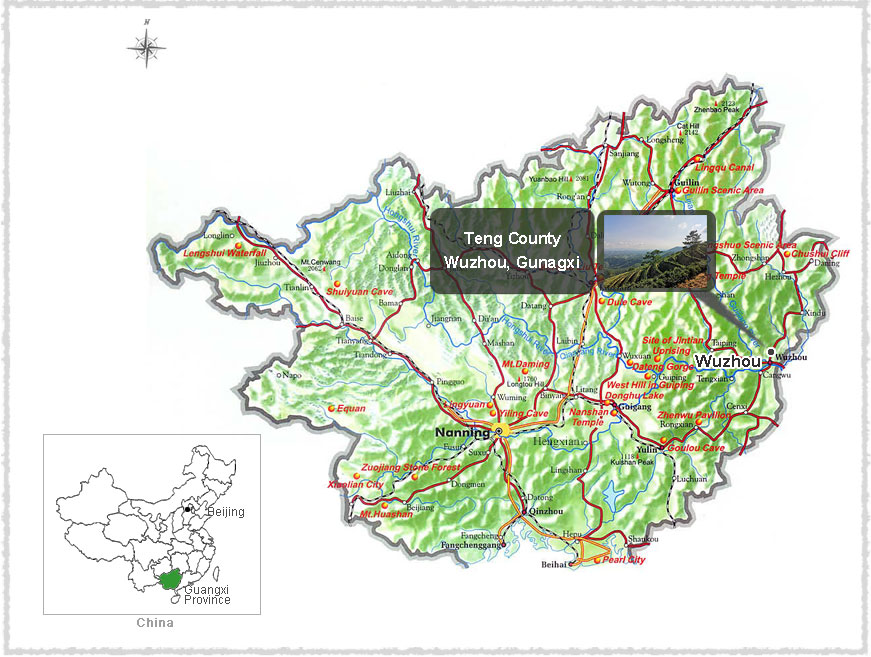
Teng County, Wuzhou City, Guangxi Province, China |
|---|---|
|
Harvest Date: |
May 10, 2022 |
|
Production Date: |
June 20, 2025 |
| Dry Leaf: |
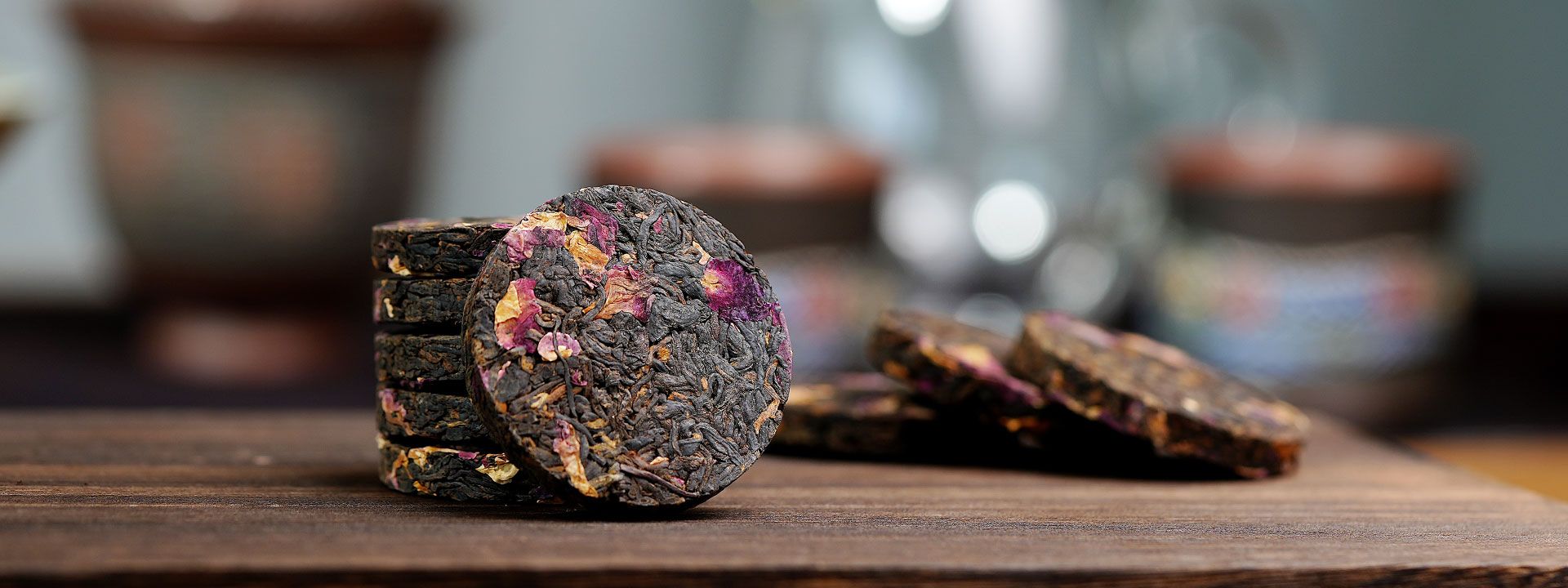
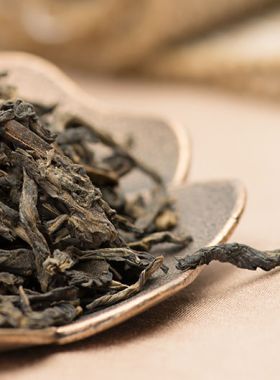
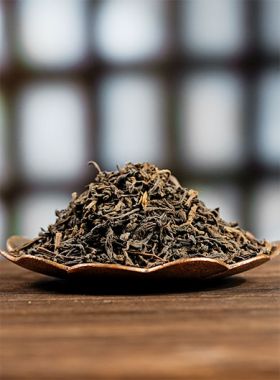
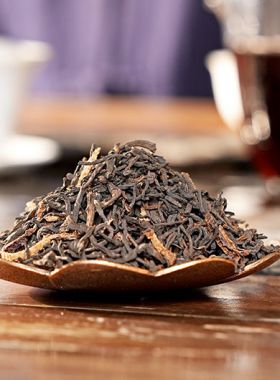
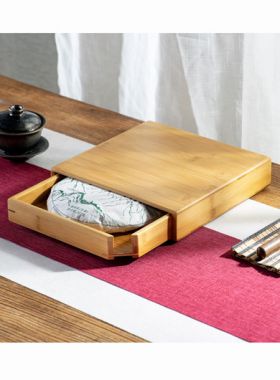
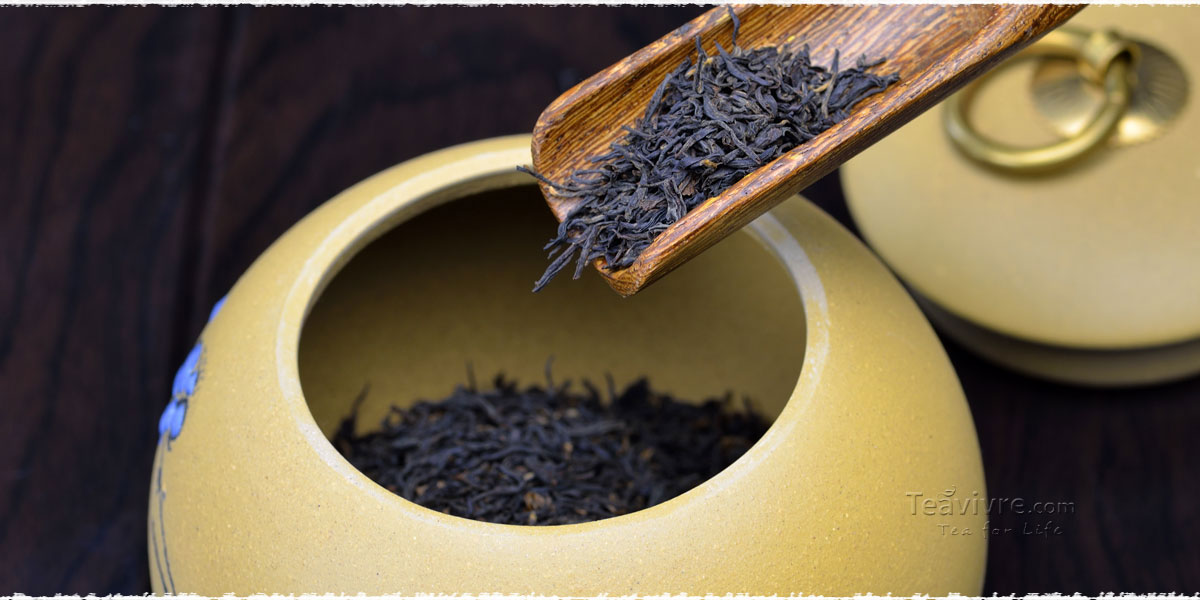
Tightly compressed mini cake, dark brown in color, with rose petals and a few tea stems, 7g±0.5g / piece |
| Aroma: |
Rose floral |
| Liquor: |
Deep red |
| Taste: |
Rich and full-bodied, with a strong rose scent |
| Tea Bush: |
Gui Qing tea species (about 10 years) |
| Tea Garden: |
Chunping Tea Garden (about 400m) |
| Caffeine: |
Less than 40% of a cup of coffee |
| Storage: |
Store in cool, dry place away from sunlight; keep ventilated |
| Shelf Life: |
The aged the better |
Angel's Comment:
The key fragrance note: rose floral; the compound note is aged fragrance; tea liquor is sweet and refreshing.
This Rose Liu Bao Mini Cake is made from Liu Bao tea leaves harvested in 2022, blended with rose petals. The dry tea carries a delicate rose fragrance, while the brewed liquor is a deep, bright red. The taste is rich and full-bodied, with the steady smoothness of Liu Bao tea harmonizing with the floral aroma of roses. It preserves the traditional mellow character of dark tea while adding elegance and fragrance, offering a unique and soothing drinking experience. A perfect choice for everyday enjoyment.
About Hei Cha (Dark Tea)
Hei Cha or Dark Tea, one of the six major types of Chinese tea, is renowned for its unique fermentation process and health benefits. Unlike green tea, black tea, and other types of tea, dark tea undergoes a post-fermentation process, which imparts its distinctive flavor and color. There are many varieties of dark tea, including Pu-erh tea, Liubao tea, and Anhua dark tea, each with its unique flavor and production technique.
The fermentation of dark tea is carried out by the action of microorganisms, during which the color of the tea leaves changes from green to dark brown, and the taste evolves from initially astringent to mellow.
You may be curious about the differences between Ripe Pu-erh and Liubao tea, first of all, they are both belong to the category of dark tea. Ripe Pu-erh is primarily produced in Yunnan Province, China, with the main raw material being the Yunnan big-leaf variety. Pu-erh tea is divided into raw Pu-erh and ripe Pu-erh, with the latter being made through an artificial fermentation process known as "wet piling fermentation". This process usually takes place under certain humidity and temperature conditions, with the degree of fermentation controlled manually, allowing the tea leaves to ferment in a relatively short period.
On the other hand, Liubao tea comes from Liubao Town and its surrounding areas in Wuzhou City, Guangxi, China. The main raw material is the local medium-leaf variety of tea tree, and Liubao tea typically undergoes natural fermentation, which takes a longer time and even over years.
Recommend Brewing Method
 |
Cup Method |
 |
Chinese Gongfu Method |
 |
Teacup: 12oz / 355ml | |
Gaiwan: 3.8oz / 110ml |
 |
212℉ / 100℃ | |
212℉ / 100℃ |
 |
1 piece | |
1 piece |
 |
Brewing time: 3 - 5 mins | |
10 steeps: rinse, 15s, 20s, 25s, 25s, 25s, 30s, 45s, 60s, 90s, 120s |
Tea Garden
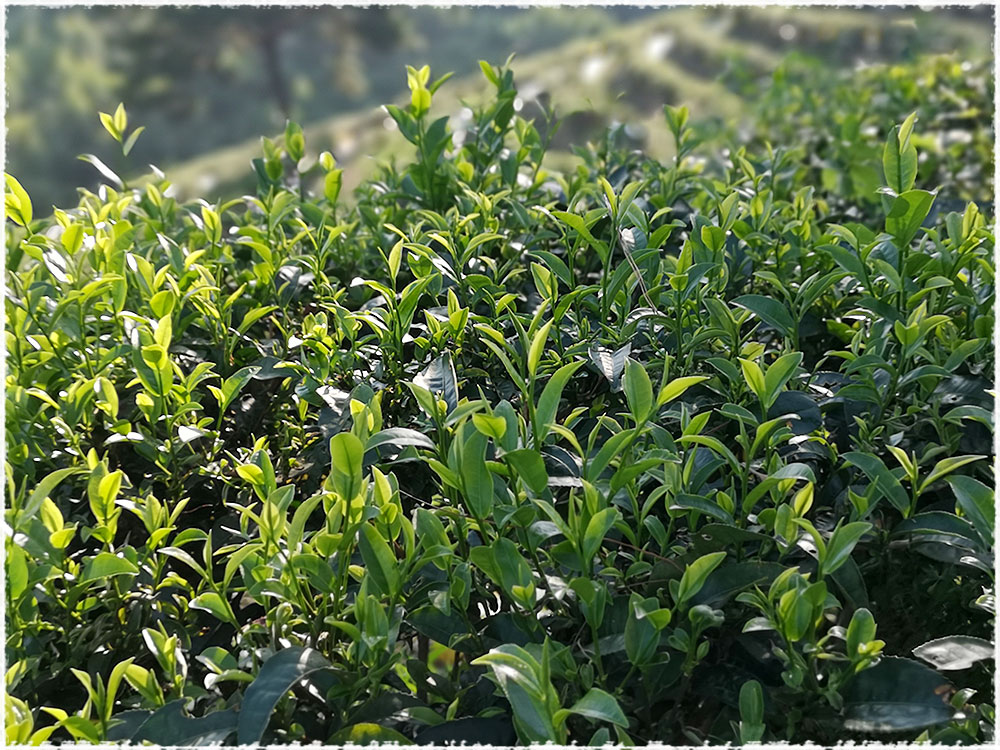
Chunping Tea Garden lies in Teng County, Wuzhou, Guangxi—eastern Guangxi’s realm of rolling hills. Its terraced tea gardens cascade across gentle slopes, ensuring natural drainage. Nestled within a subtropical monsoon climate, the area receives abundant rainfall (about 1,700 mm annually) with average temperatures around 21°C and high humidity, which is ideal for tea cultivation. The dominant red and yellow soils, rich in iron/aluminum oxides, feature weak acidity (pH 4.5-6.0)—naturally optimizing root development. These factors not only sustain vigorous growth but also temper leaves through environmental pressures (humidity fluctuations, diurnal shifts), forging Liu Bao tea’s signature ‘redness, intensity, aged character, and mellow depth’—the very terroir foundation of its Protected Geographical Indication (PGI) status.
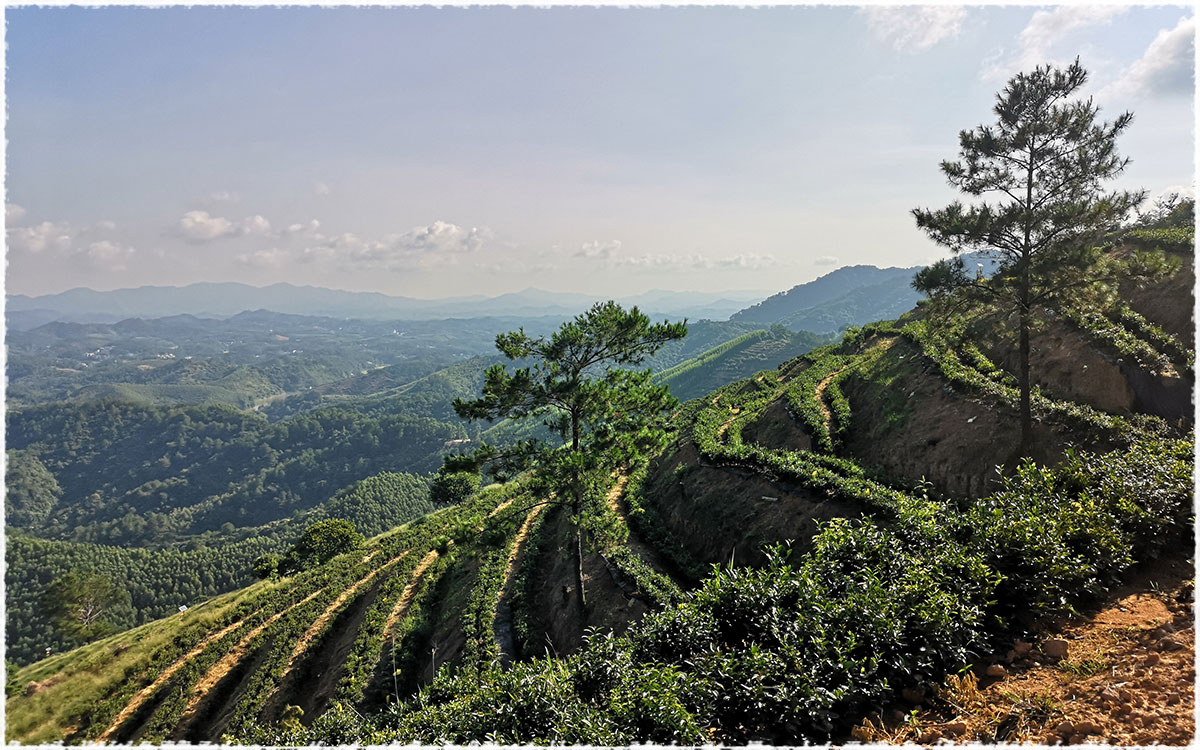
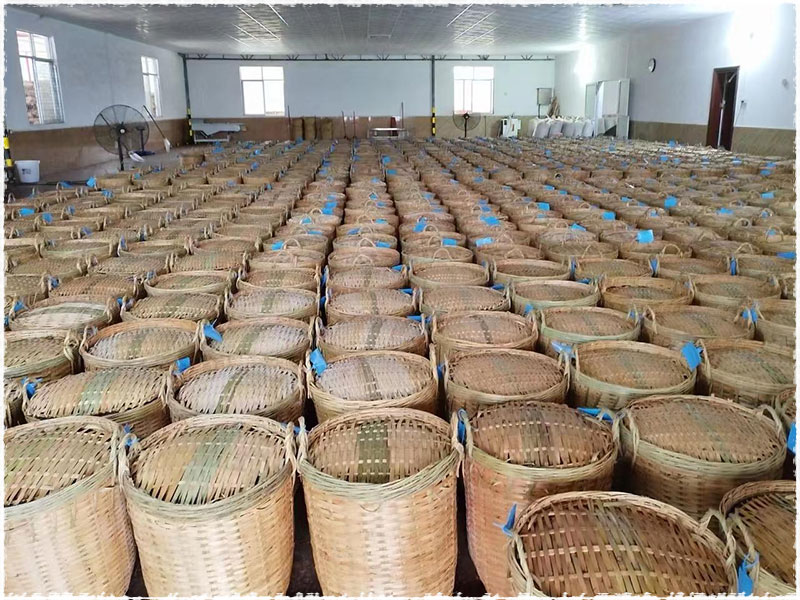
Agd room for Liu Bao tea
Tea Master
Mr. Wang was born in Wuzhou City, Guangxi. With decades dedicated to Liu Bao tea cultivation and production, he not only founded his own Liu Bao tea factory but also serves as the representative inheritor of the Intangible Cultural Heritage—Liu Bao Tea Cold-Water Fermentation Technique. Moreover, he also cooperated with another intangible cultural heritage inheritor, Master Hu Ling, to study the production and fermentation technology of Liu Bao tea, and is committed to making high-quality tea with heart and promoting it to all parts of the world.
Origin
Wuzhou City, where Liu Bao County is located, features a subtropical humid monsoon climate, with an average annual temperature of 21.1°C. The coldest month has an average temperature of 11.9°C, while the hottest month averages 28.9°C. The annual average rainfall is about 1500 millimeters, and the area enjoys an average of 1900 hours of sunshine per year. The superior geographical and climatic conditions, abundant rainfall, and vast mountain resources are highly conducive to the production and development of the Liu Bao tea industry.
Tea Bush
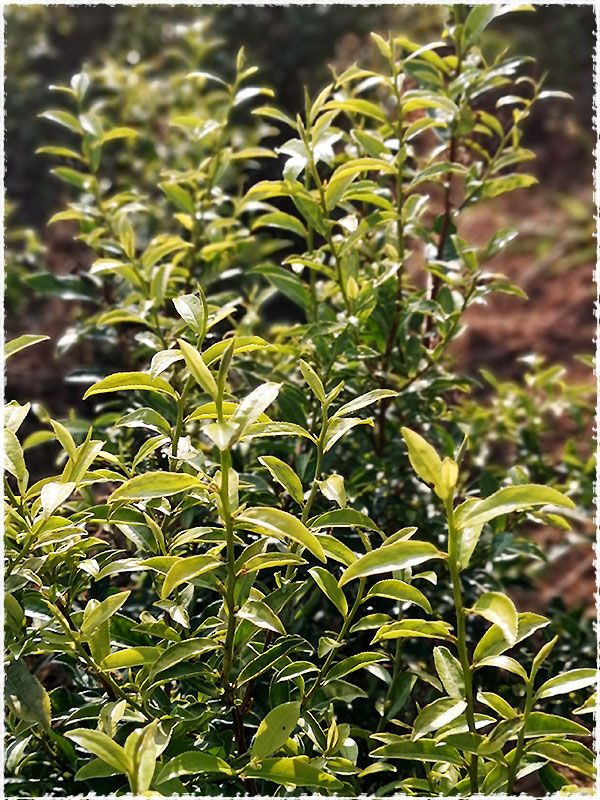
Gui Qing tea species is a tea cultivar endemic to Guangxi, primarily thrives in Wuzhou’s core Liu Bao tea production zones. Compared to Guangxi large-leaf tea species and Liu Bao Qunti tea species, Gui Qing exhibits delayed bud emergence and prolonged growth cycles—resulting in fuller nutrient accumulation. Its thick, deep-green leaves and robust buds harbor exceptionally rich compounds, making it uniquely suited for crafting post-fermented Liu Bao tea.
History
Liu Bao tea has a history stretching back longer than 1500 years as a unique traditional tea from Guangxi. During the Qing dynasty it was listed as one of the 24 most famous Chinese teas for its unique betel nut aroma; then through the Maritime Silk Road, it was exported to southeast Asia and other countries through the 19th century, and has gradually become an indispensable part of life for overseas Chinese or local tea lovers.
Honor
In 2006, liu bao won the only gold medal for the dark tea category in the Guangzhou, China International Tea Expo; in 2007 it was awarded a number of gold and Tea King awards by the nation and Autonomous Region; and in 2011, the former National Bureau of Quality Inspection approved the implementation of protection of geographical indications for the tea type.
Customer Reviews
Related Products
Reviews
There are no reviews yet.