
-
Fast ShippingFree shipping for orders above $40
to most countries. -
Secure PaymentPay with Paypal, Credit Card …
-
Carefully SelectedFrequently Visit Tea Gardens.
Taste Repetitiously -
15 Days RefundNo Questions Asked
Refund Policy
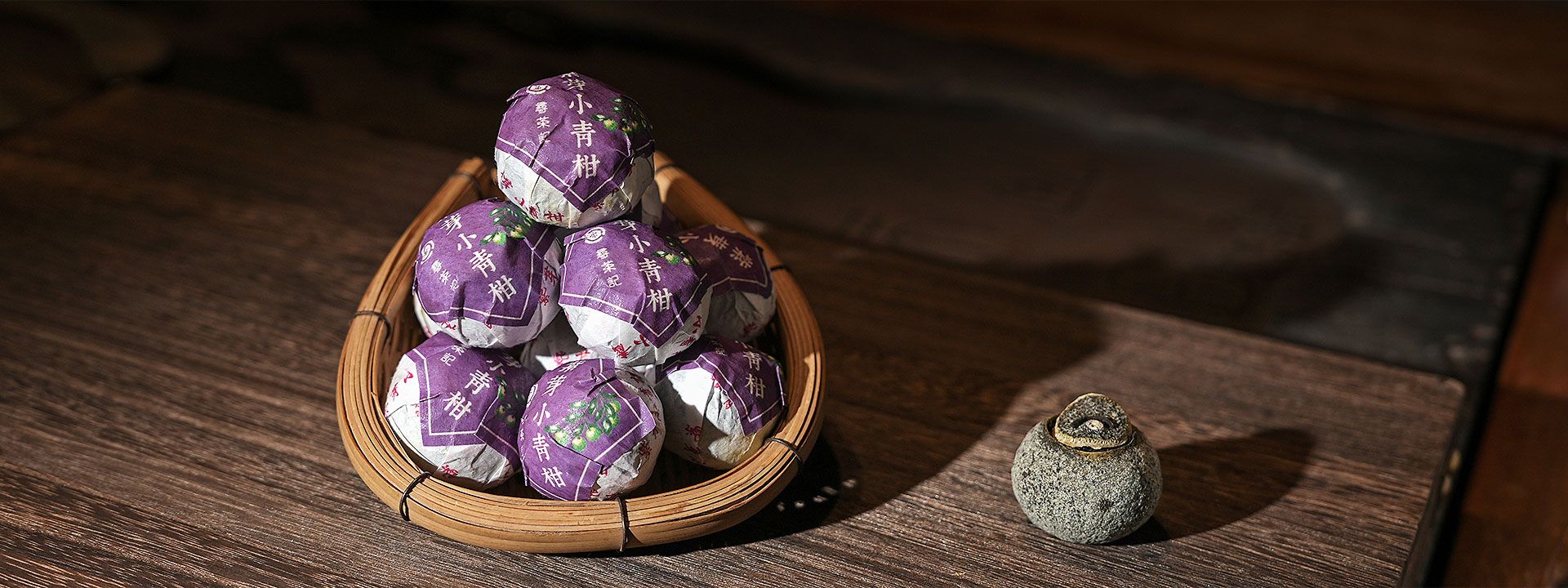
Purple-Buds Green Mandarin Orange Ripened Pu-erh Tea
With nice and noticeable citrus flavor
Price range: $2.50 through $64.12
Purple-Buds Green Mandarin Orange Ripened Pu-erh Tea
With nice and noticeable citrus flavor
Summary
| Origin: |
Orange --- Xinhui, Guangdong Province, China Tea --- Bulang Mountain, Menghai County, Xishuangbanna, Yunnan Province, China |
|---|---|
| Harvest Date: |
Pu-erh tea - April, 2015 Xinhui mandarin - July 2, 2025 |
| Dry Leaf: |
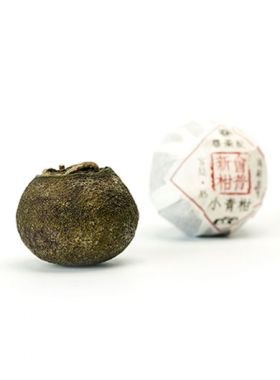
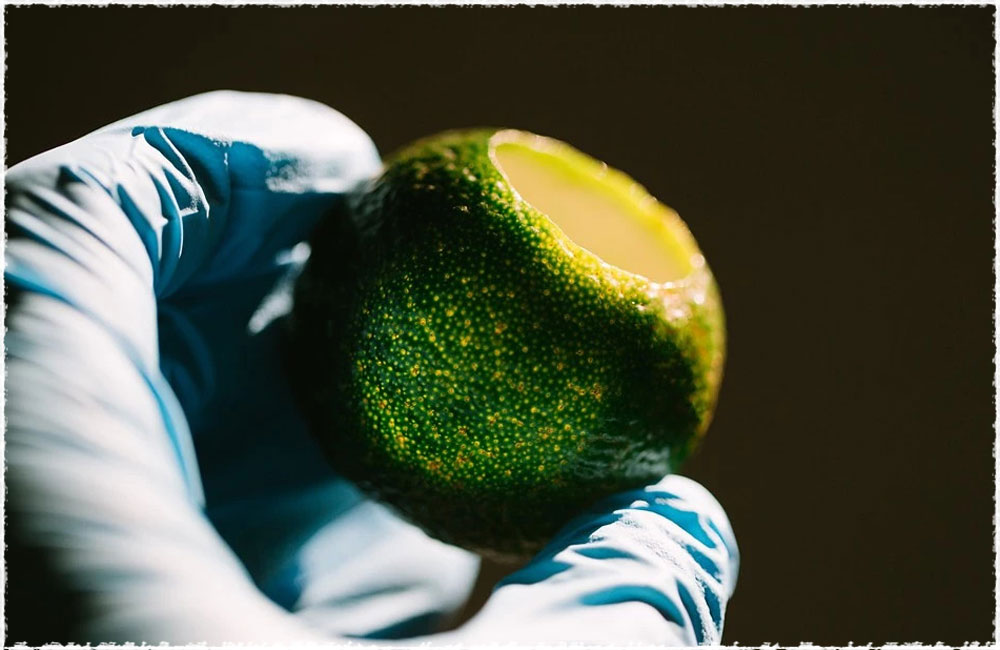
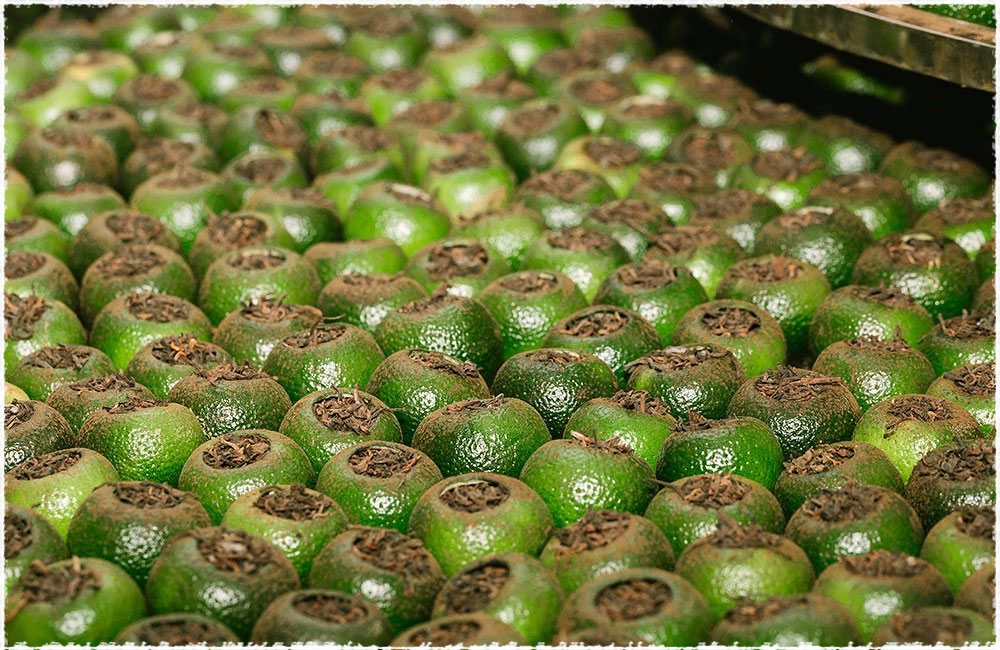
Each one weighs about 8-10g, the loose pu-erh tea are tightly warpped in the dark green peels |
| Aroma: |
Fresh and rich orange fragrance with slight aged aroma of ripened pu-erh tea |
| Liquor: |
Bright dark red in color |
| Taste: |
Soft and smooth, with citrus sweetness and outstanding refreshing fragrance, it blends perfectly with the aged fragrance of pu-erh tea |
| Tea Bush: |
Yunnan large-leaf tea bush species (over 300 years) |
| Tea Garden: |
Bulang Mountain Ancient Tea Garden (1600m-1900m) |
| Caffeine: |
Low caffeine (less than 10% of a cup of coffee) |
| Storage: |
Store in cool, dry place away from sunlight; keep ventilated |
| Shelf Life: |
The aged the better |
Angel's Comment:
The key fragrance note: citrus aroma; the compound note is floral, fruity, honeyed, and aged fragrances. The tea liquor is sweet, mellow, and full-bodied, with excellent endurance through multiple infusions.
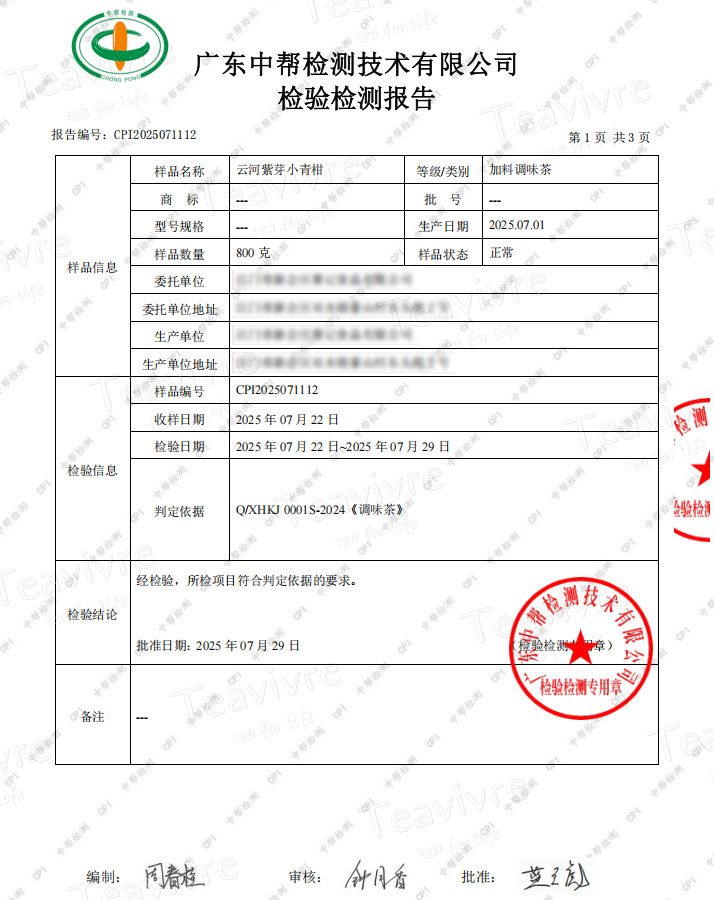
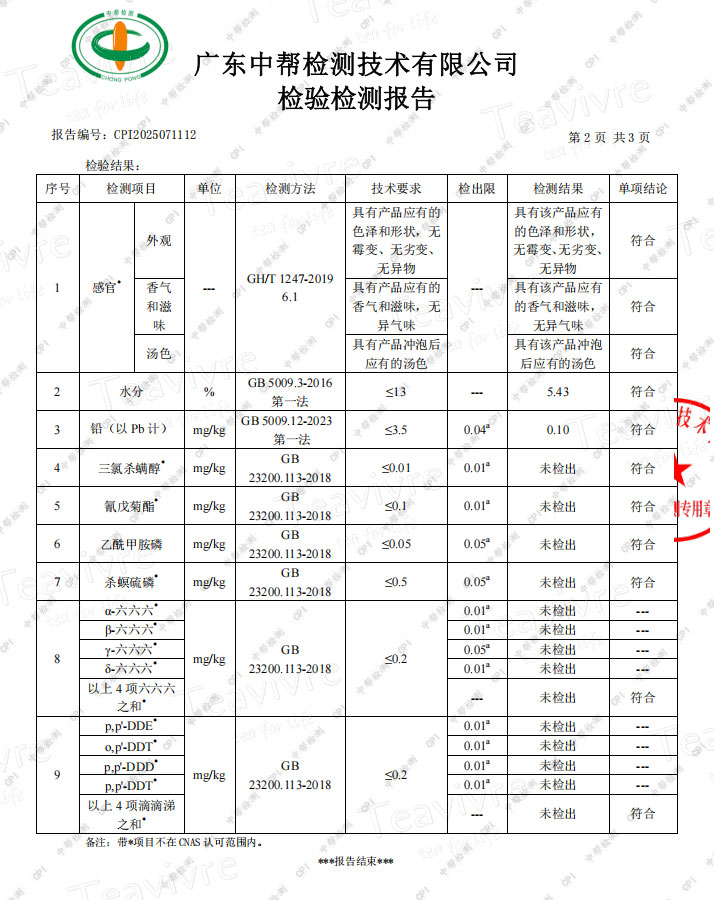
Certification
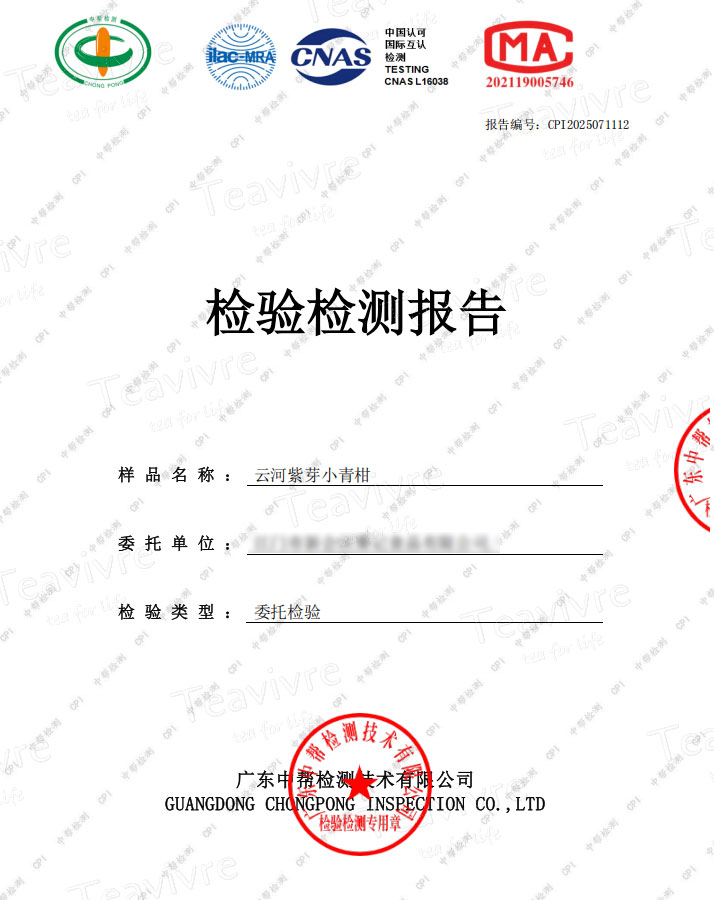 |
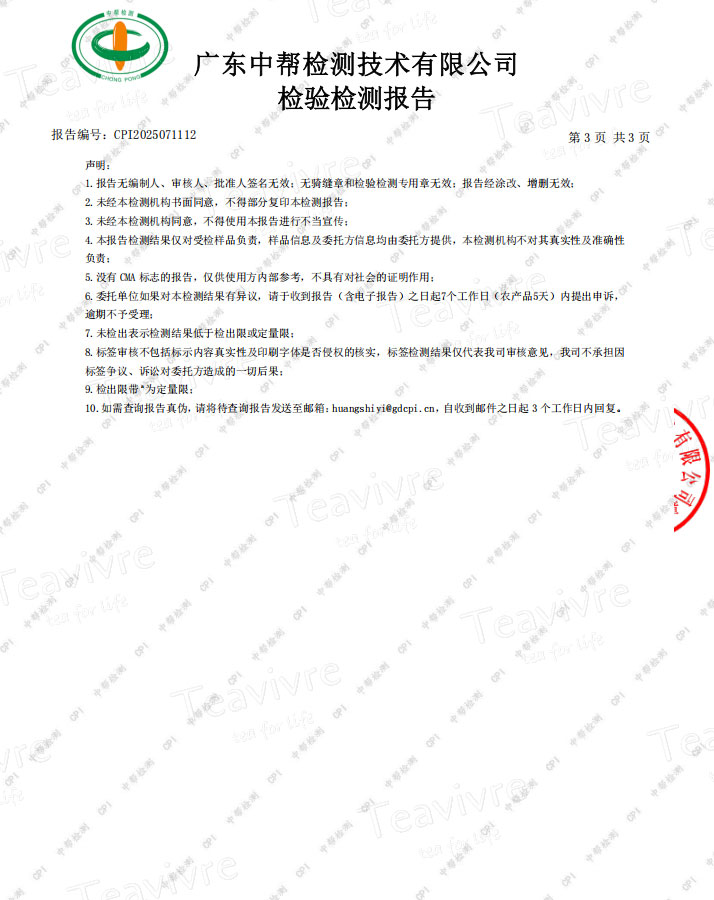
| Test Report (No. CPI2025071112) |
This Purple-Buds Green Mandarin Orange Ripened Pu-erh Tea is crafted using ten-year-aged palace-grade purple-bud Pu-erh as the base tea, combined with fresh peel from Xinhui green mandarins. Even through the packaging, we can smell the rich and refreshing citrus aroma. When the package is opened, a thin layer of “white frost” can be seen on the surface of the mandarin peel. This is not mold, but rather a natural crystallization of citrus oils. Under specific growing conditions, after sun-drying or low-temperature baking, the essential oils seep out and solidify into a white powder. Its main component is limonene, a monoterpene compound that appears as a colorless oily liquid and carries a lemon-like fragrance.
Upon brewing, the tea liquor is clear, bright red, and lustrous. The first sip reveals a fresh and lively citrus fragrance, intertwined with the subtle woody aroma of purple-bud pu-erh, creating a rich and layered profile. The liquor is delicate and smooth, with the citrus note being bright and refreshing without overpowering the tea. Instead, it complements the mellow depth of the ripe pu-erh perfectly. After drinking, a pronounced returning sweetness lingers in the throat, accompanied by a faint fruity charm, leaving a long-lasting cooling and sweet sensation across the palate.
Recommend Brewing Method
 |
Cup Method |
 |
Chinese Gongfu Method |
 |
Teacup: 12oz / 355ml | |
Gaiwan: 3.8oz / 110ml |
 |
212℉ / 100℃ | |
212℉ / 100℃ |
 |
1 piece | |
1 piece |
 |
Brewing time: 5 - 8 mins | |
15 steeps: rinse, 10s, 15s, 20s, 25s, 30s, 35s, 40s, 45s, 50s, 55s, 60s, 65s, 70s, 80s, 100s |
| Rinse time is 5 seconds |
Brewing Skills
Prior to brewing, you should check to see if the peel has any cracks or holes. If it does, you can brew it right out; if not, it is better to use a tea needle to poke a few holes in the peel. When you pour the water to brew the tea, try to pour the water directly into the opened hole at the top of the orange, to ensure proper steeping. Once the taste fades, you can then remove the tea from the orange and brew it that way.
Tea Garden
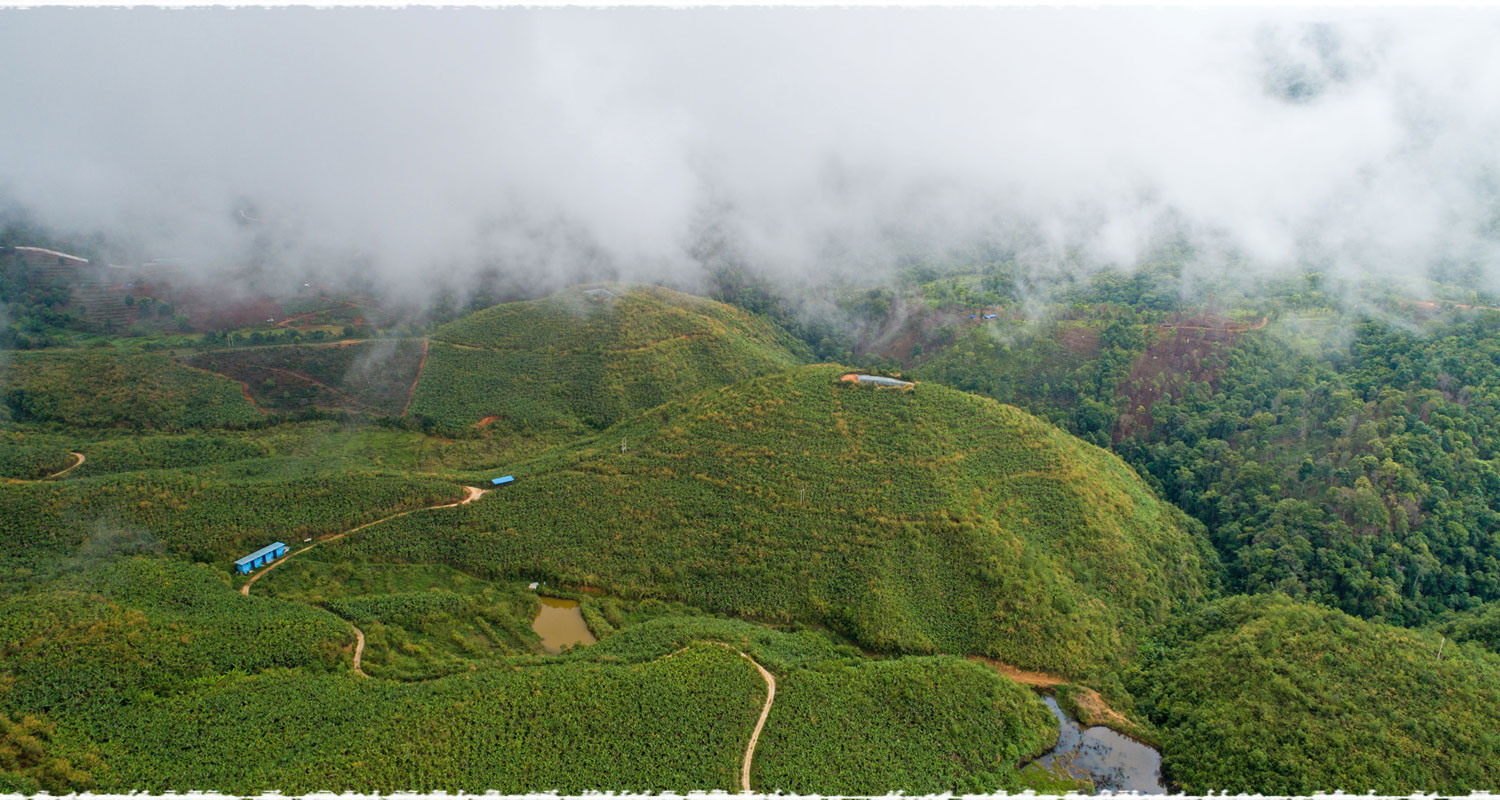
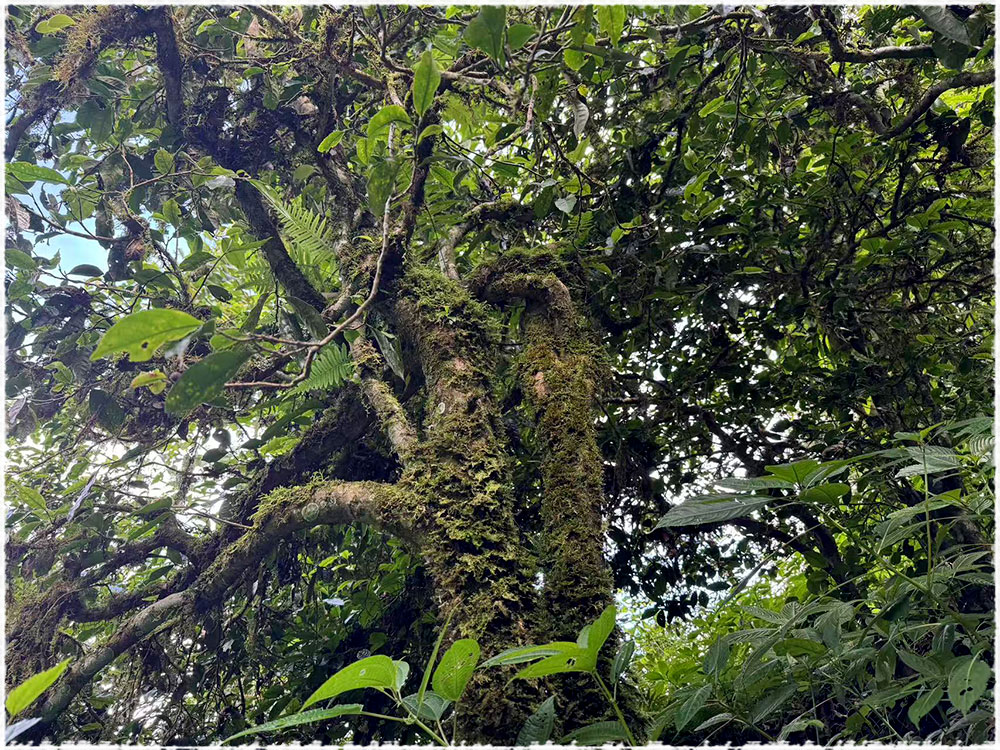
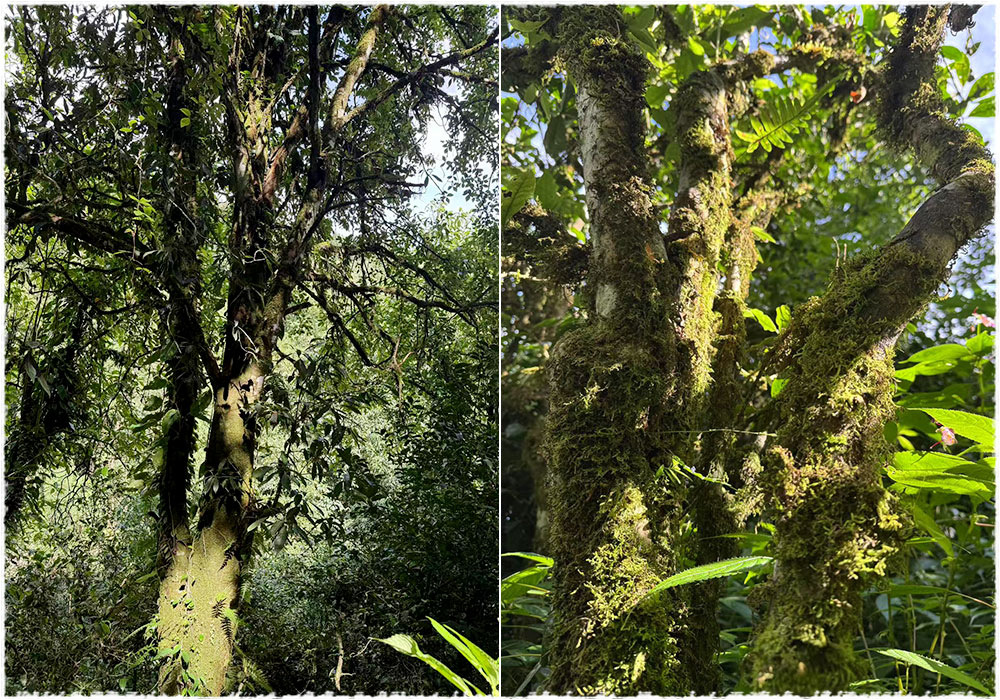
Bulang Mountain has a long history of tea planting. As early as more than 1,000 years ago, Bulang nation people here began to grow tea. Bulang Mountain Ancient Tea Garden includes a number of pollution-free alpine forest areas, of which Banzhang and Lao Man'e are the most famous. The soil here is fertile, sunny, and rainfall is abundant. The average annual rainfall is about 1300 mm, and the annual average temperature is 18 ℃ ~ 21 ℃. Furthermore, Bulang Mountain tea is a green and healthy ecological tea that is free of chemical fertilizers and pesticides. Therefore, it is very popular among tea lovers.
Origin
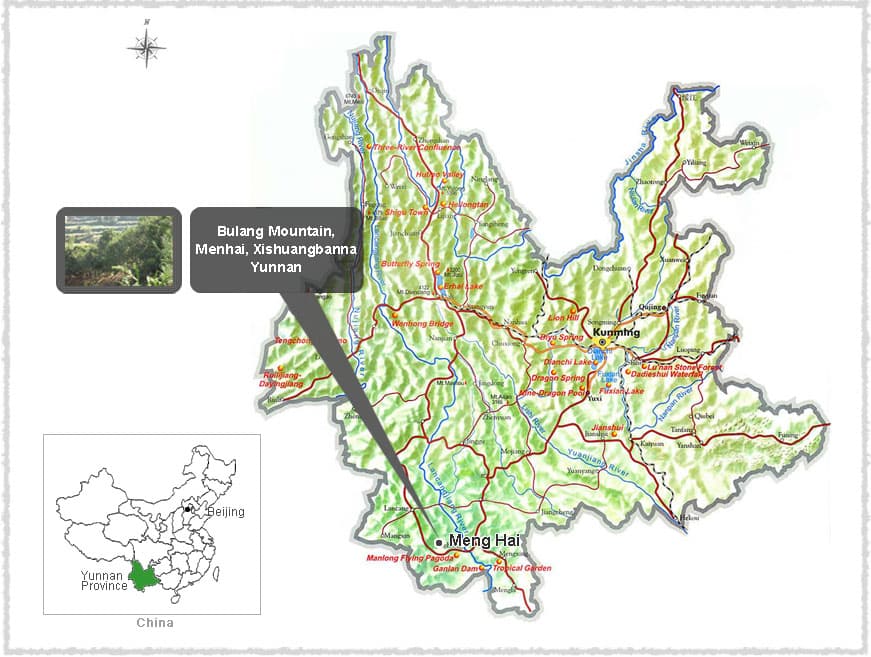
Bulang Mountain sits in Menghai County of Xishuangbanna, Yunnan, and is a famous area of pu-erh production. This mountain houses the largest concentration of ancient tea trees within a 100,000-hectare area.
The mountain rolls and stretches across Menghai, with deep valleys cutting through hills that can reach up to 1216 meters on average, with the highest point, Sanduo Peak, rising almost 2100m above sea level. Bulang Mountain experiences a subtropical monsoon climate, with abundant sunlight and rainfall of about 1374mm per year, and the average temperature between 18 and 21℃. There is little risk of frost here, and the season for it is also short; during the spring and winter a heavy fog blankets the mountain, while the summer and autumn months are often overcast and rainy.
* Green Mandarin Orange
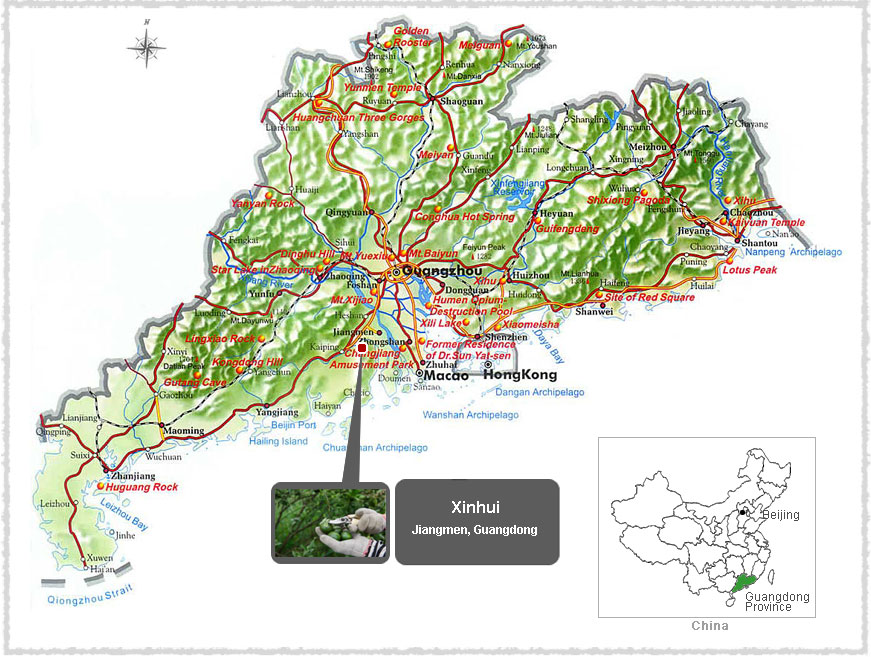
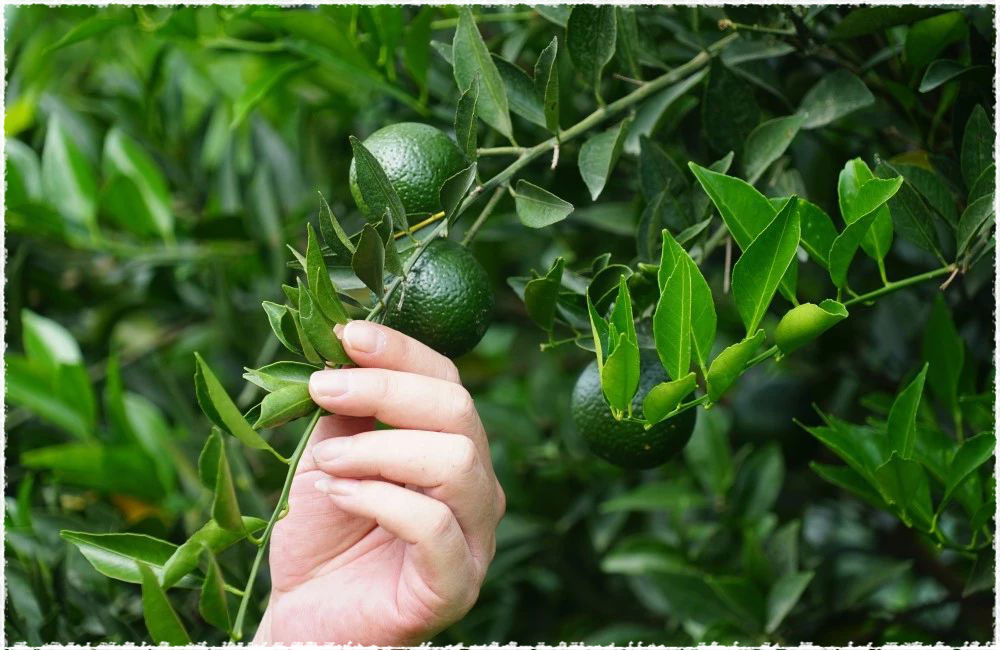
Sanjiang Town is named after the confluence of Tanjiang, Jiangmen Waterways and Hukeng River in the territory. The land formed by the accumulation of rivers is extremely fertile and is most suitable for growing crops. Therefore, the Xinhui tangerine cultivation in the Sanjiang area has a long history and can be regarded as one of the traditional producing areas of Xinhui tangerines. The water area of Sanjiang Town accounts for about 23%, and the alluvial plains account for about 63.8%. This means that Sanjiang has a good soil condition, high organic matters content, and convenient irrigation, which provides "geographical advantages" for the cultivation of Xinhui oranges.
Tea Bush
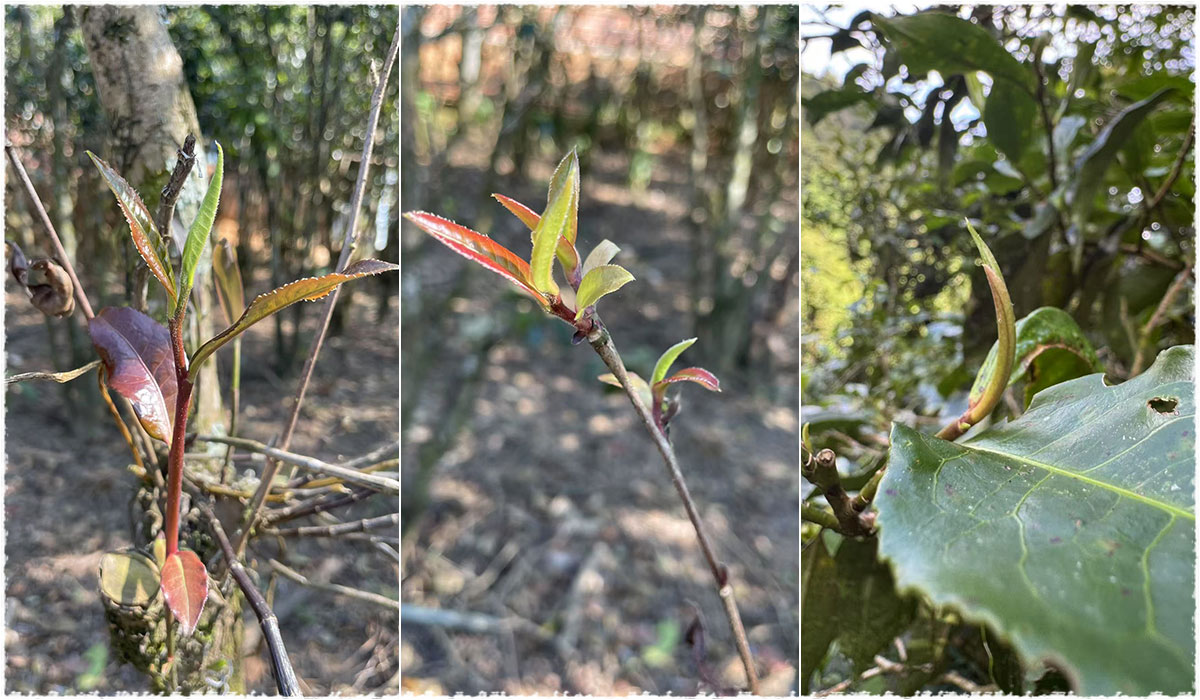
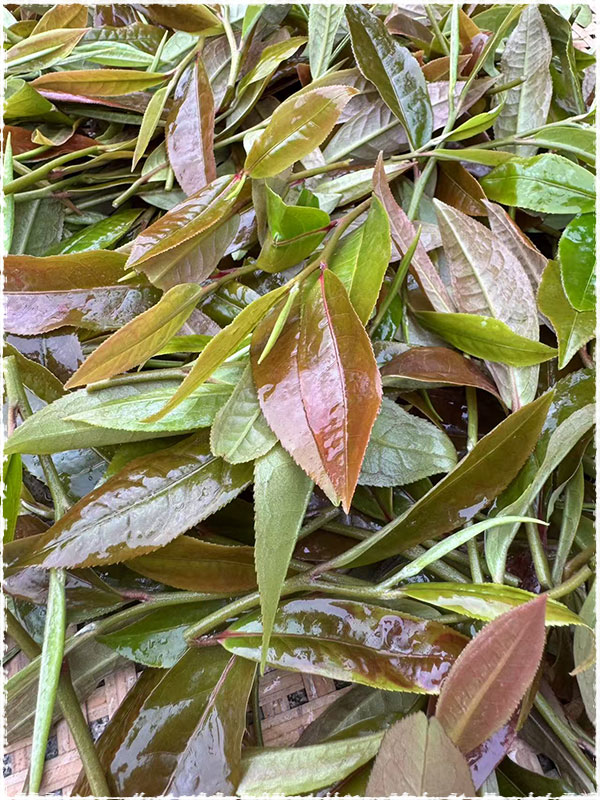
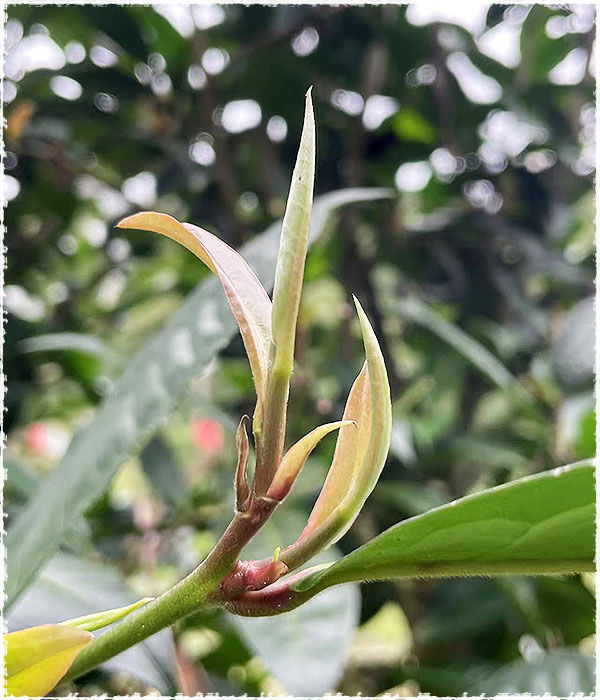
The raw material for this tea comes from the purple-bud variant of Yunnan large-leaf ancient arbor tea trees, formed under the combined influence of climate, soil, sunlight, and other natural factors. This purple-leaf mutation phenomenon usually occurs in older and ancient tea trees that grow naturally. In a tea garden with hundreds of trees, only a few may exhibit this mutation, which makes purple-bud tea extremely rare and its yield very limited. For this reason, the raw material is often stored for a long period before being processed. In addition, research shows that the formation of reddish-purple buds and leaves is closely related to the biosynthesis and accumulation of anthocyanins. The anthocyanin content in purple buds is significantly higher than that in green buds.
History
Citrus peel brewed with tea was first mentioned early in The Classic Of Tea written by tea sage Luyu, but has become much more popular in recent years. It is said that the citrus tea was invented by a Jingshi of the Daoguang region, called Luo Tianchi. Luo Tianchi liked to drink pu-erh tea, and one autumn day, he had a headache while reading and drinking tea at home. His wife prepared citrus water for his headache, but he mistook it for boiled water and poured it into his tea cup. He realized his mistake afterwards, but instead of wasting it, decided to take a sip - and as soon as the fruit flavor of the citrus and the mellow taste of the pu-erh surrounded him, he felt comfortable. After several cups his throat felt better and his head had cleared, and from that day on, he loved to drink his pu-erh tea with citrus peel. Many of his relatives learned that he loved citrus peel, so they specially sent him many Xinhui mandarin oranges: he thought that both the pu-erh tea and the peel of the Xinhui orange improve with age, so why not combine the two? And thus the citrus pu-erh tea was invented.
Customer Reviews
Related Products
Reviews
There are no reviews yet.