
-
Fast ShippingFree shipping for orders above $40
to most countries. -
Secure PaymentPay with Paypal, Credit Card …
-
Carefully SelectedFrequently Visit Tea Gardens.
Taste Repetitiously -
15 Days RefundNo Questions Asked
Refund Policy
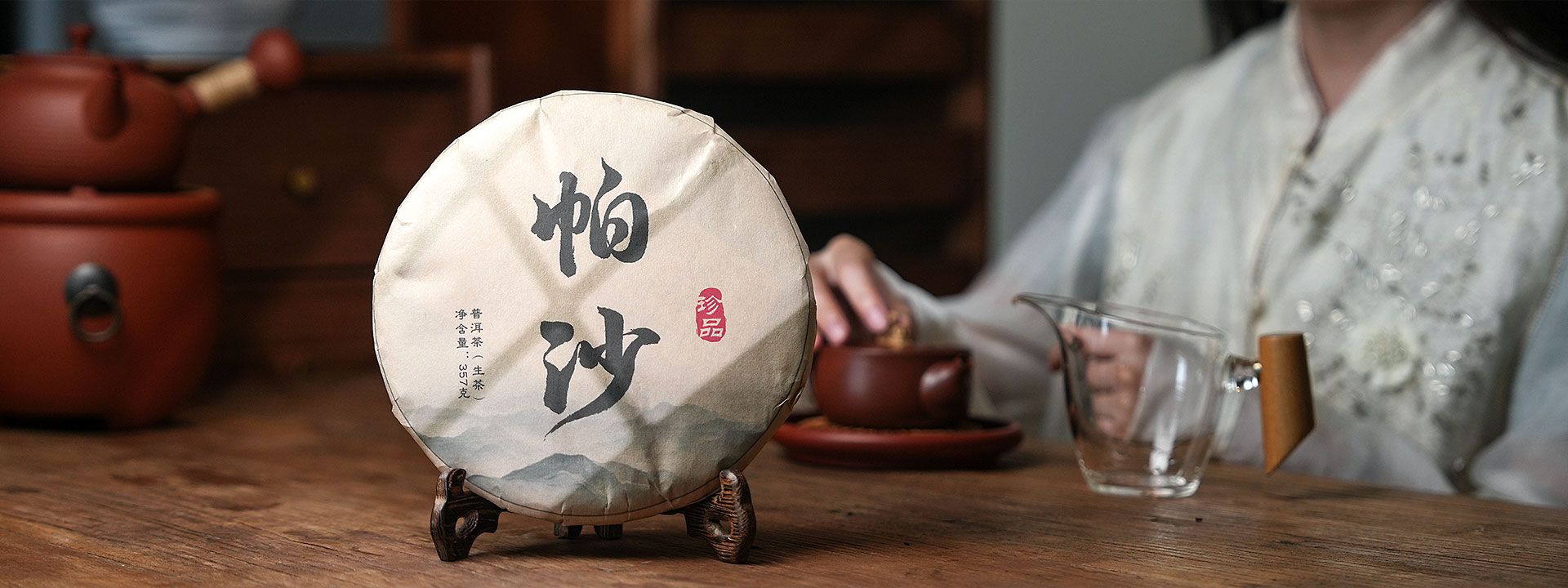
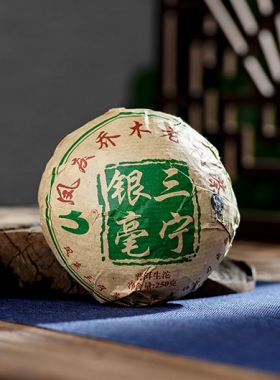
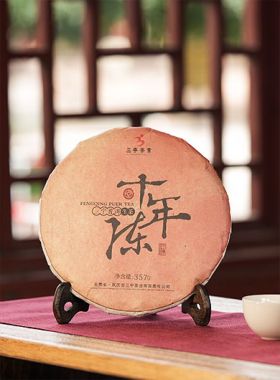
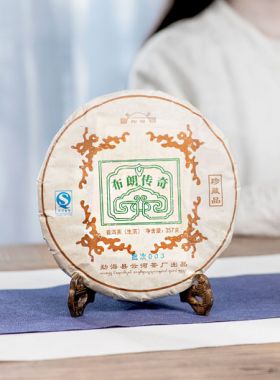
Pa Sha Ancient Tree Raw Pu-erh Cake Tea 2013
Sweet and gentle, full-bodied
Price range: $3.00 through $285.52
Pa Sha Ancient Tree Raw Pu-erh Cake Tea 2013
Sweet and gentle, full-bodied
0 Reviews
Summary
| Origin: |
Pa Sha, Menghai County, Xishuangbanna, Yunnan Province, China |
|---|---|
| Harvest Date: |
April 2, 2013 |
|
Production Date: |
April 22, 2013 |
| Net Weight: |
357g |
| Dry Leaf: |
Round and well-formed cake, dark brown in color with downy tips |
| Aroma: |
Sweet fragrance, slight aged aroma |
| Liquor: |
Bright orange-yellow |
| Taste: |
Smooth and gentle, with a rich, full-bodied mouthfeel and no harshness |
| Tea Bush: |
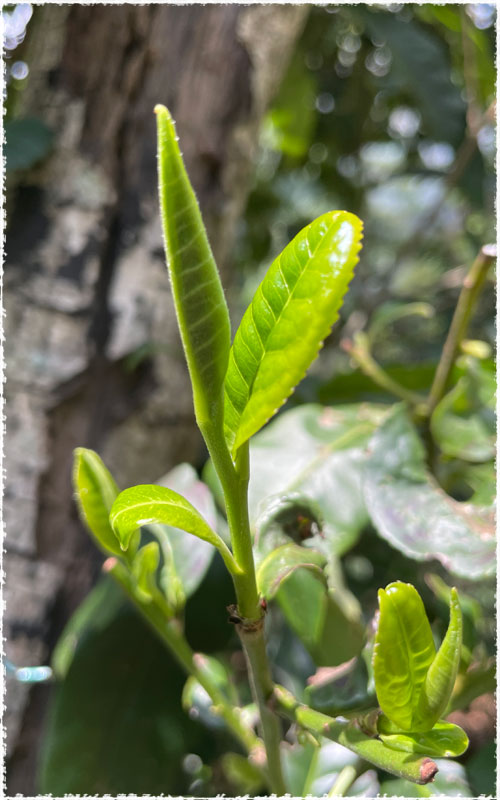
Yunnan large-leaf tea bush species ( over 200 years old) |
| Tea Garden: |
Pa Sha Tea Mountain (average altitude 1600-1800 meters) |
| Caffeine: |
Low caffeine (less than 10% of a cup of coffee) |
| Storage: |
Store in cool, dry place away from sunlight; keep ventilated |
| Shelf Life: |
The aged the better |
| Cake Breaking: |
Pu-erh Cake Free Breaking Service available upon request — leave a message at checkout. |
Angel's Comment:
The key fragrance note: aged fragrance; compound note is dried mushroom aromas; the liquor is mellow and full-bodied, with a slightly astringent sensation.
This Pasha Ancient Tree Raw Pu-erh was harvested in April 2013. After years of natural aging, the tea cake has shed the youthful greenness and sharpness of its early years. Once brewed, the liquor is a bright orange-yellow, with a sweet fragrance blended with subtle aged notes, creating a gentle and natural aroma. The liquor is soft and mellow on the palate, with a thick, smooth mouthfeel and almost no noticeable harshness. Overall, it has a calm, mellow character, retaining the distinctive sweet fragrance and character of Pasha tea while developing a smoother, fuller mouthfeel through years of aging. If you enjoy aged raw Pu-erh, this is worth a try.
Recommend Brewing Method
 |
Cup Method |
 |
Chinese Gongfu Method |
 |
Teacup: 12oz / 355ml | |
Gaiwan: 3.8oz / 110ml |
 |
203℉ / 95℃ | |
203℉ / 95℃ |
 |
5g | |
8g |
 |
Brewing time: 2 - 3 mins | |
12 steeps: rinse, 10s, 15s, 15s, 15s, 20s, 30s, 40s, 50s, 60s, 80s, 100s, 120s |
| Rinse time is 5 seconds |
Tea Garden
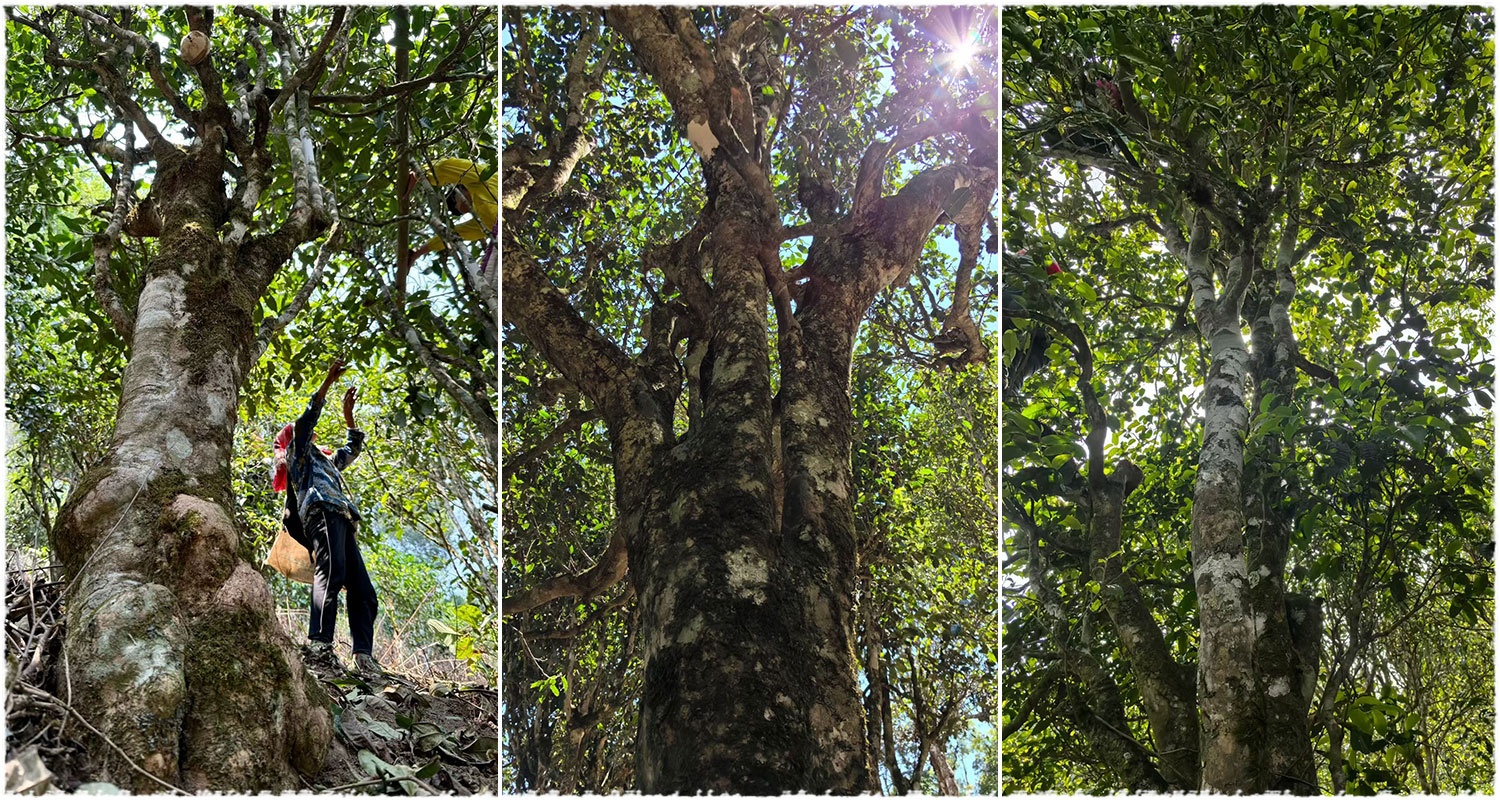
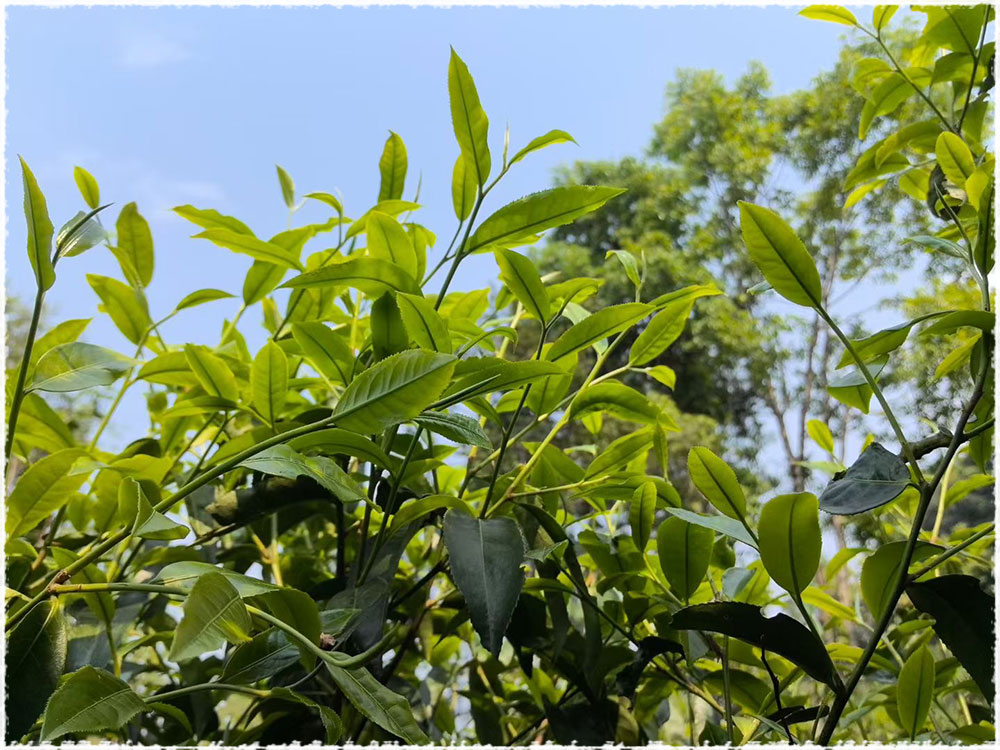
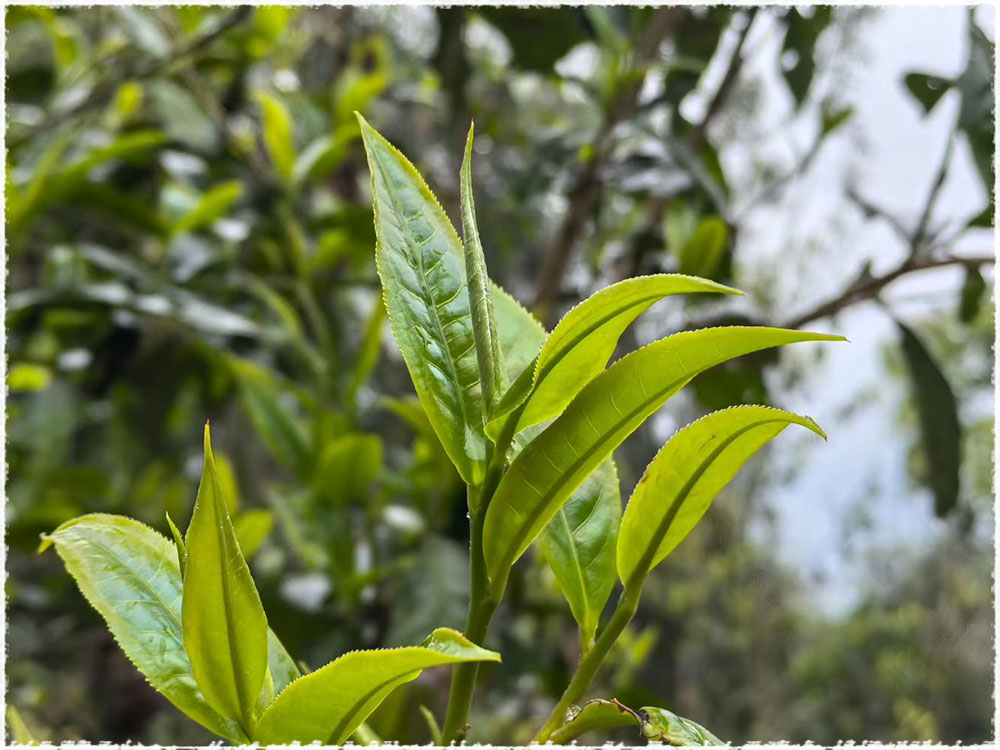
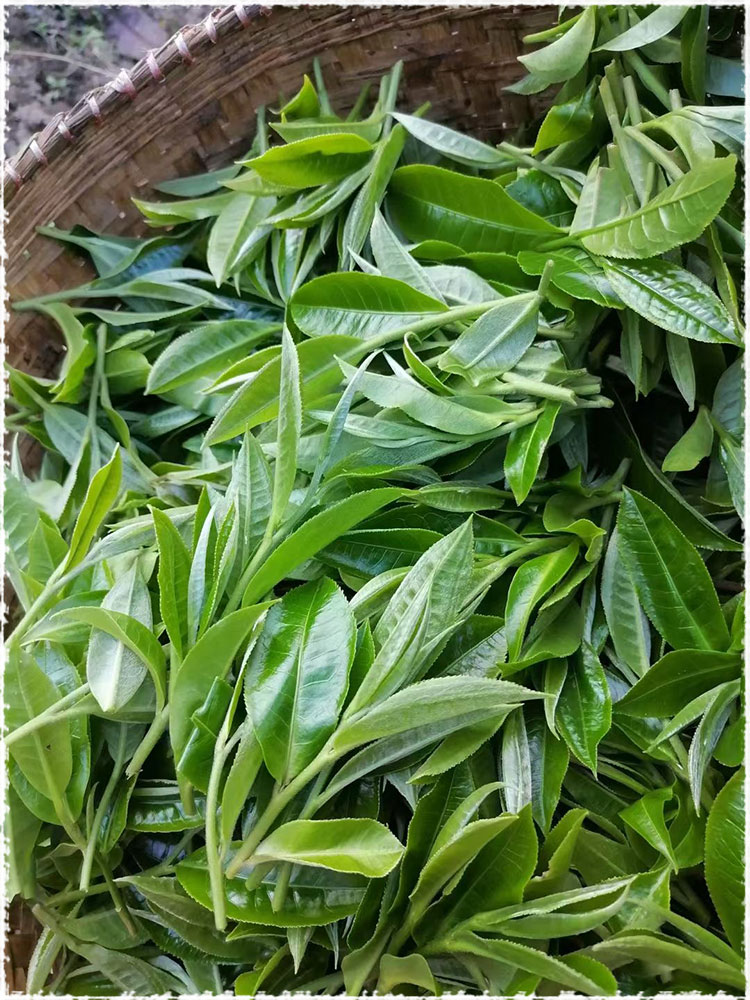
As one of the ancient tea mountains of the region, Pasha is home to more than 2,900 mu (about 193 hectares) of ancient tea gardens, originally cultivated by the Hani people during the Tang Dynasty. The area enjoys a rich natural environment, with year-round mist, abundant rainfall, dense forest coverage, and mineral-rich soil, ideal conditions for ancient tea trees to thrive. Tea trees grow alongside native forests, shaded by tall trees and nourished by mountain streams, allowing them to slowly develop rich internal compounds and complex flavor profiles in a natural ecosystem. Many of Pasha’s ancient tea trees are deeply rooted in the mountains, with extensive root systems reaching far into the soil to absorb diverse nutrients. Growing with minimal human intervention, the tea retains a distinct mountain character and natural vitality. Ancient tree teas from Pasha are often known for their thick, full-bodied liquor, lively wild mountain aromas, and lingering sweetness, expressing the unique charm shaped by both ecology and time.
Origin
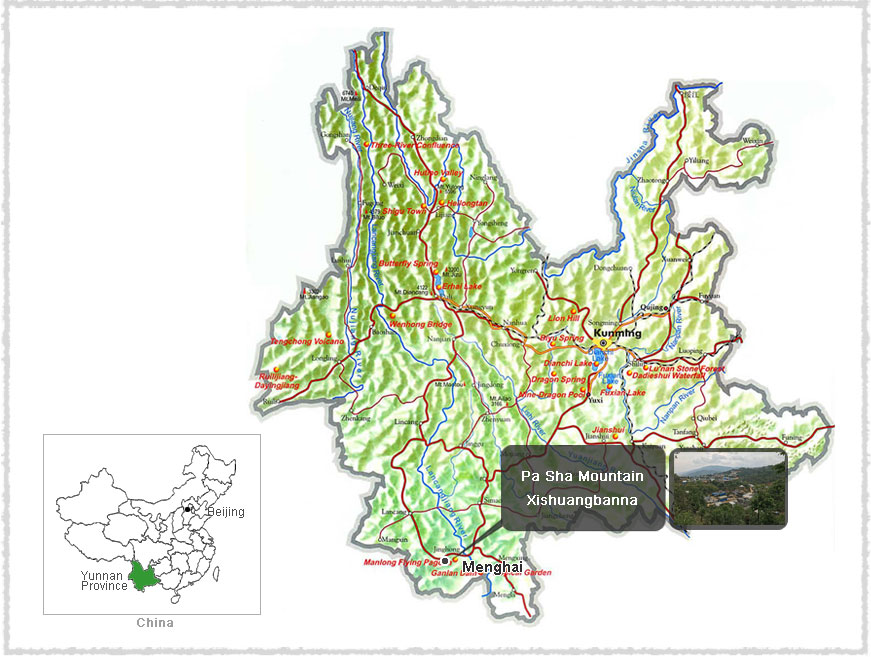
Pasha Ancient Tea Mountain is located in Gelanghe Hani Township, Menghai County, nestled between Nannuo Mountain and Bulang Mountain. It is considered one of the key ancient tea-producing regions of the Menghai tea area. The tea mountain sits at elevations ranging from 1,200 to 2,000 meters, featuring steep terrain and rolling mountain ridges. Influenced by the warm and humid climate of the Lancang River basin, the area enjoys long periods of mist, abundant humidity, and favorable growing conditions year-round. Benefiting from its exceptional geographic location and high-mountain environment, Pasha has developed a unique micro-ecosystem ideal for ancient tea trees, giving its teas a distinctive wild mountain character and strong regional identity.
Tea Bush
This pu-erh tea is made from the large-leaf subspecies of the Yunnan large-leaf. It propagates sexually and takes the form of an arbour tree, meaning that it can grow to over six meters tall. 1984, the Fengqing large-leaf species was certified by the Chinese government as a national grade. It contains an abundance of tea polyphenols (30.2%) and catechins (13.4%), as well as 2.9% amino acids and 3.2% caffeine.
Customer Reviews
Related Products


























Reviews
There are no reviews yet.