
-
Fast ShippingFree shipping for orders above $40
to most countries. -
Secure PaymentPay with Paypal, Credit Card …
-
Carefully SelectedFrequently Visit Tea Gardens.
Taste Repetitiously -
15 Days RefundNo Questions Asked
Refund Policy
Organic Yunnan Loose Raw Pu-erh Tea
Price range: $3.50 through $69.72
Organic Yunnan Loose Raw Pu-erh Tea
0 Reviews
Summary
| Origin: |
Mengyou Town, Fengqing County, Lincang City, Yunnan Province, China |
|---|---|
| Harvest Date: |
April 20, 2025 |
| Dry Leaf: |
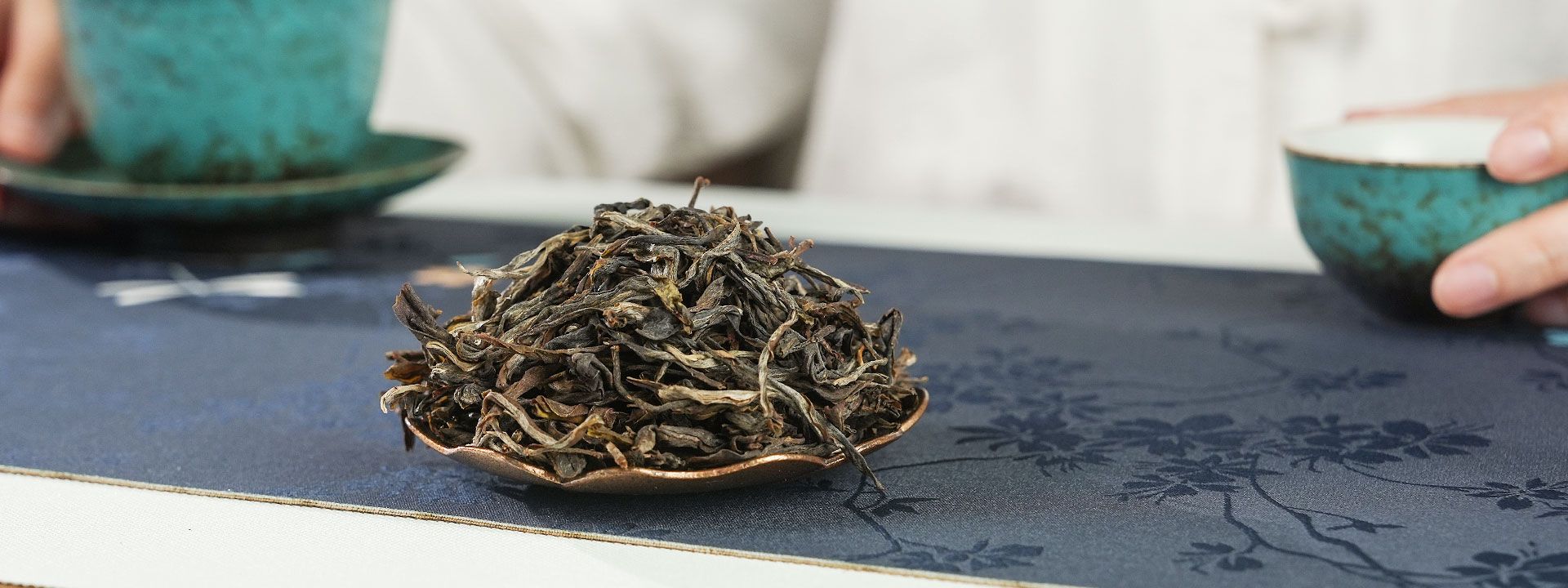
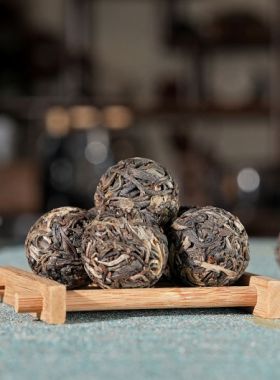
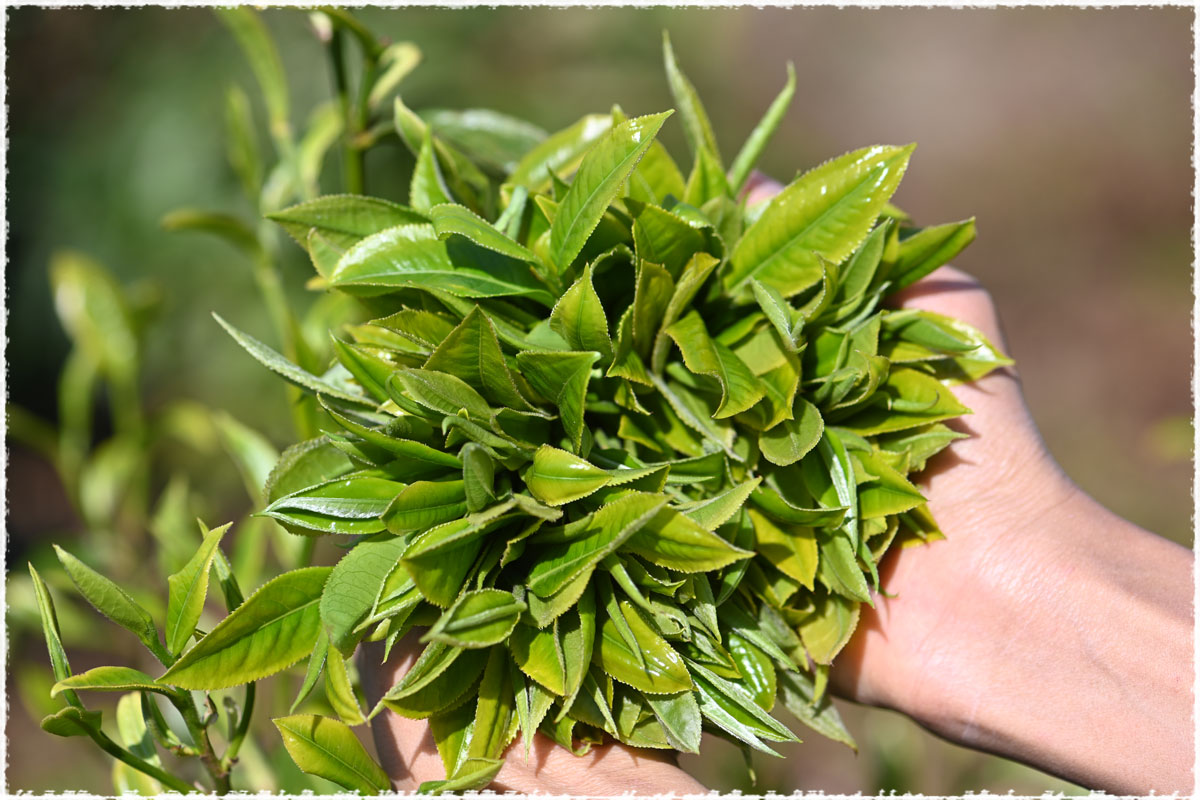
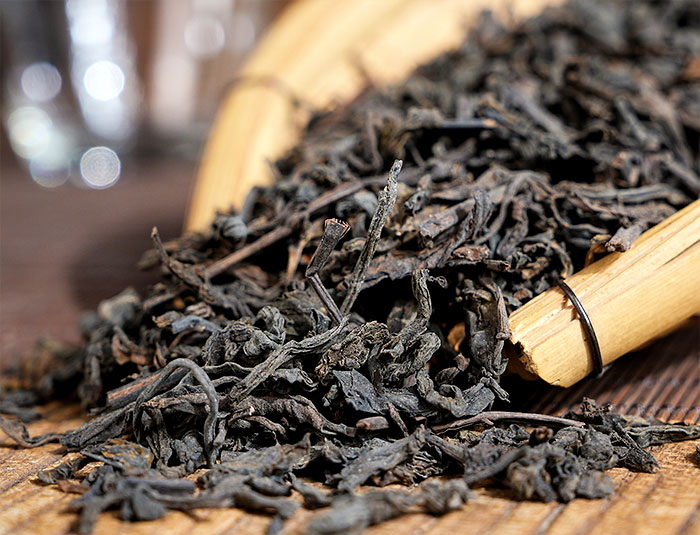
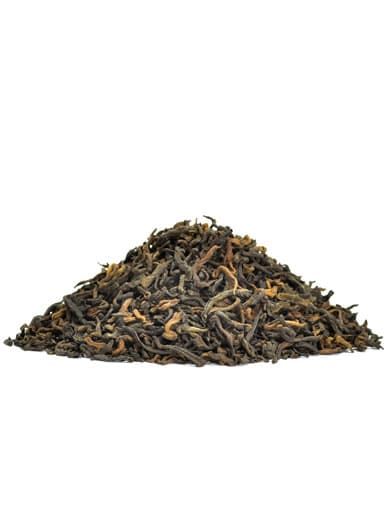
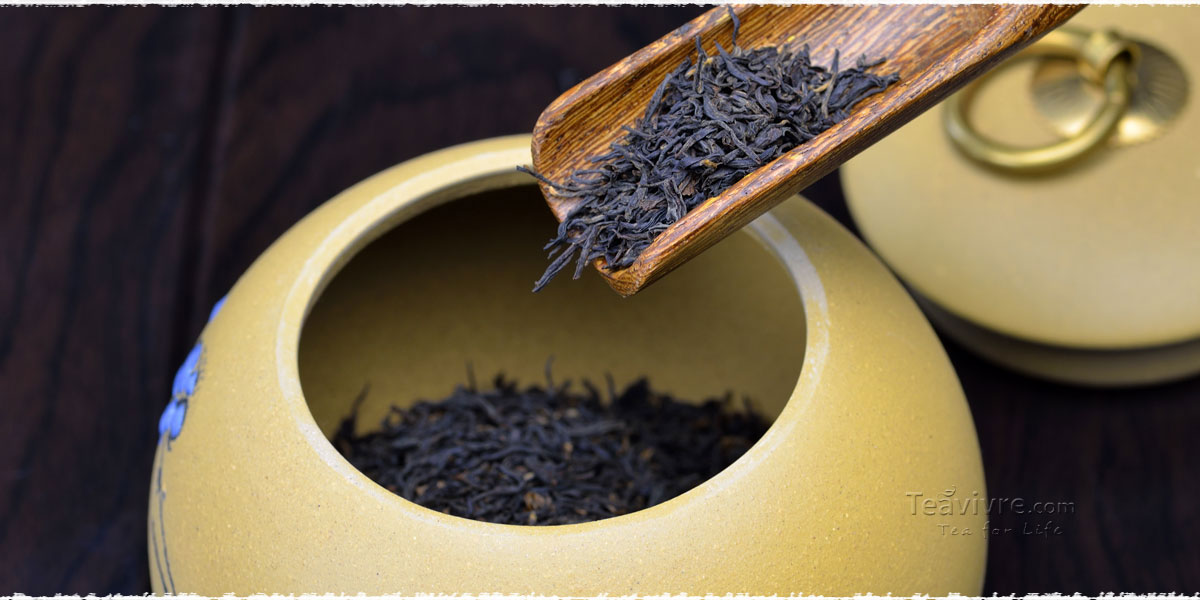
Plump, sturdy leaves, dark brown in color with few white fuzz |
| Aroma: |
Floral and honey notes, fresh aroma of raw pu-erh |
| Liquor: |
Bright yellow |
| Taste: |
Smooth and refreshing, with floral and honey notes, and low bitterness |
| Tea Bush: |
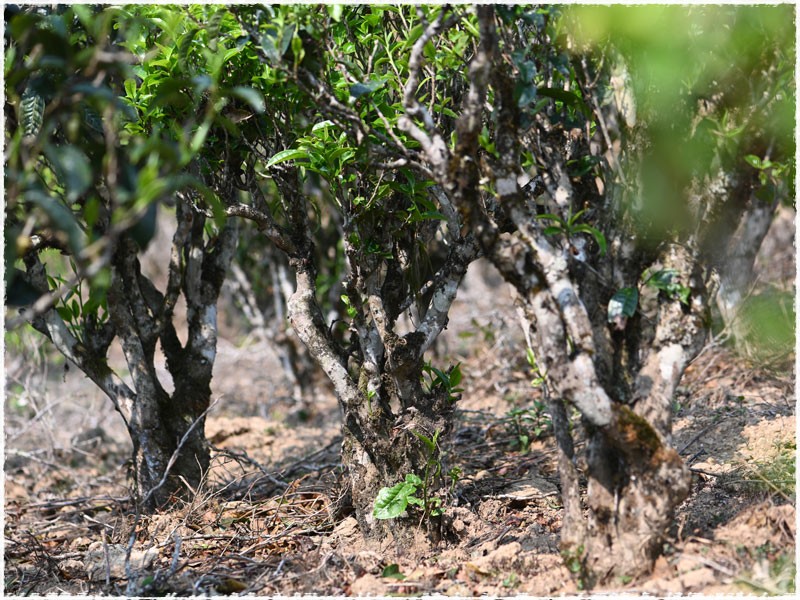
Yunnan Large-leaf Tea Trees (70 - 100 years old) |
| Tea Garden: |
Lida Organic Tea Garden (above 1700-2200 meters) |
| Caffeine: |
Low caffeine (less than 10% of a cup of coffee) |
| Storage: |
Store in cool, dry place away from sunlight; keep ventilated |
| Shelf Life: |
The aged the better |
Angel's Comment:
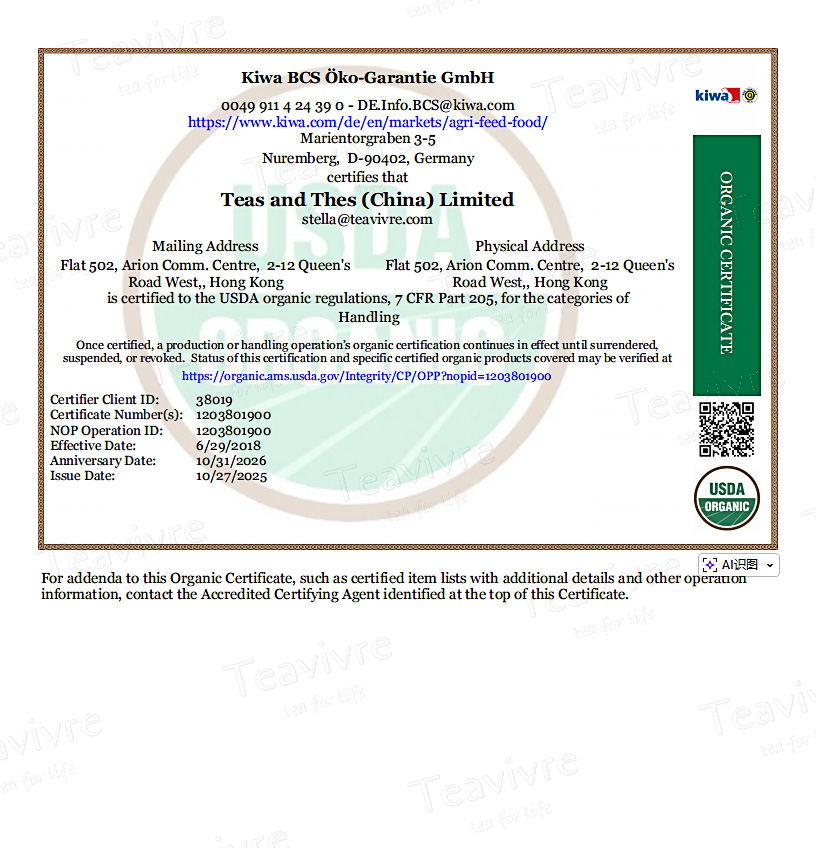
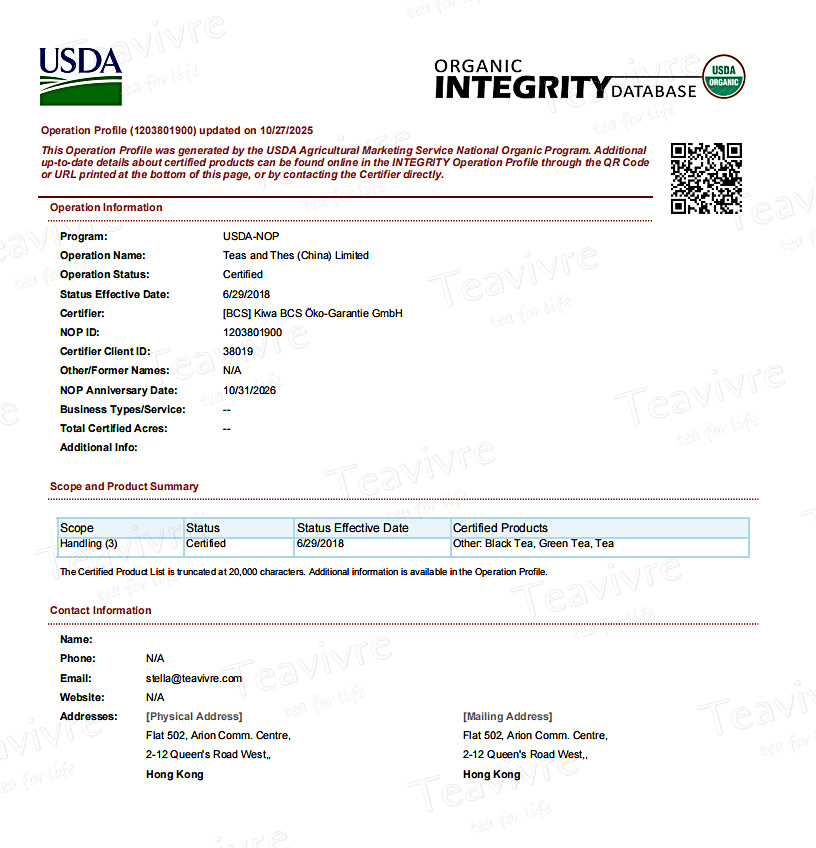
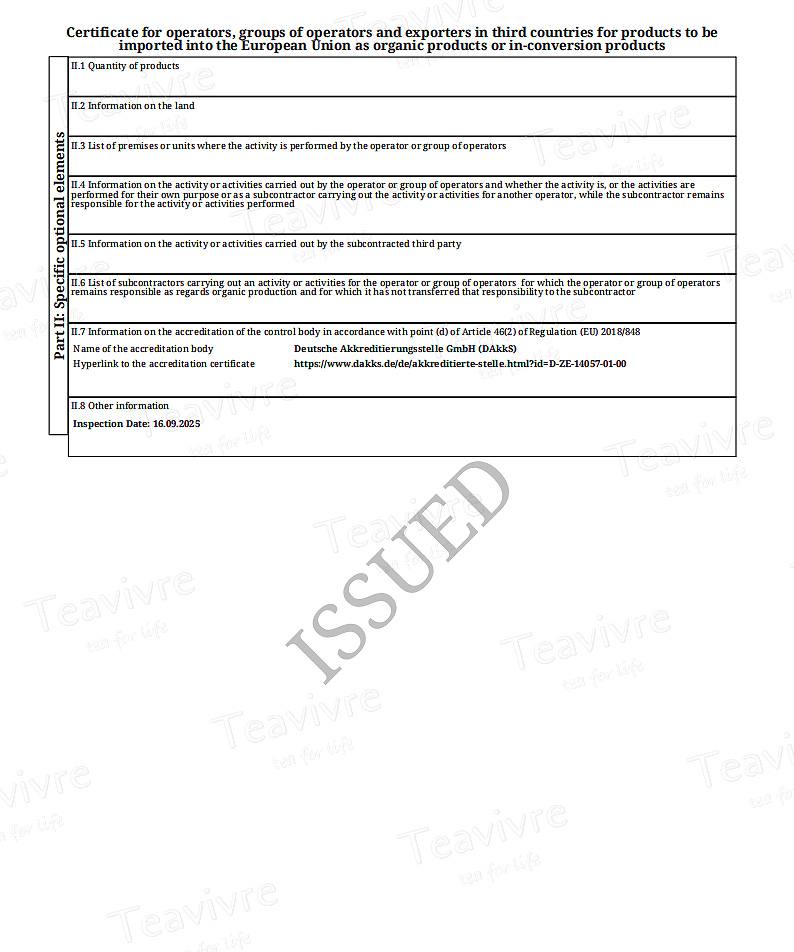
Certification
 |
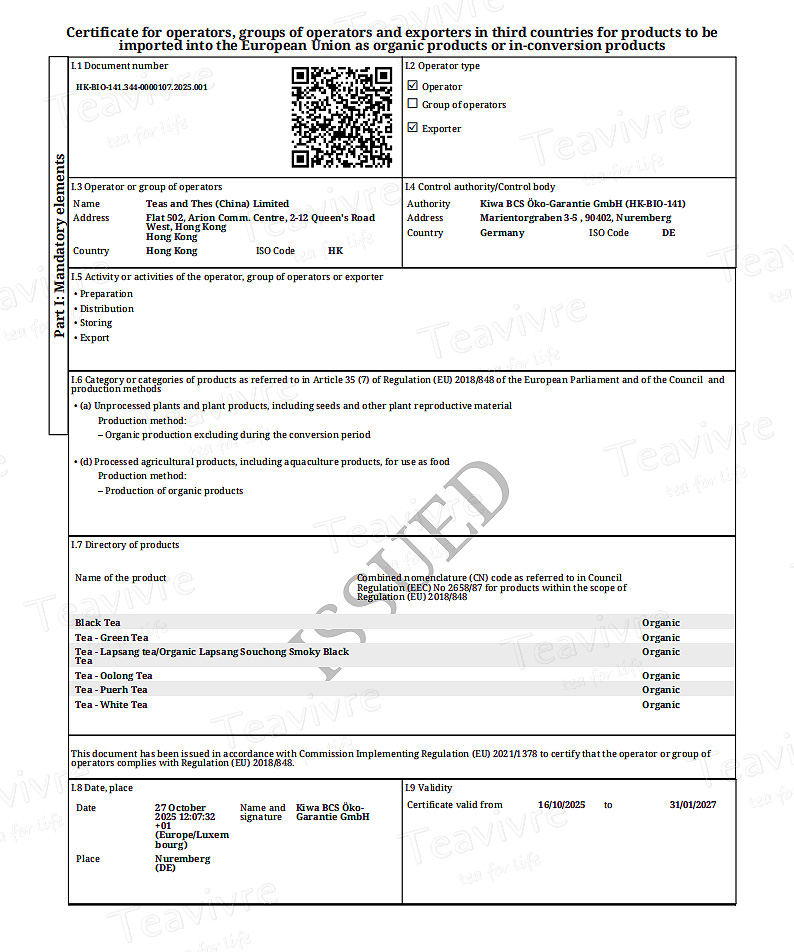 |
| USDA Certification (NOP ID: 1203801900) |
EU Certification (HK-BIO-141.344-0000107.2025.001) |
This Organic Yunnan Loose Raw Pu-erh Tea is made from organically grown Yunnan large-leaf tea trees aged approximately 70–100 years. The warmed dry leaves release a sweet, mellow aroma with delicate floral and honey notes. After brewing, the bright yellow liquor offering a smooth, refreshing taste with gentle floral and honey notes and low bitterness and astringency. Its overall character is fresh, light, and easy to enjoy. With further aging, the tea’s aroma and flavor may gradually develop greater depth and complexity. As a loose-leaf tea, it releases its flavor relatively quickly, so it is best to use a shorter steeping time to avoid over-extraction.
It is ideal for those who enjoy a fresh, clean taste with minimal bitterness and astringency. It is also a good choice for those new to raw pu-erh who are looking for a milder, more approachable introduction to this style of tea.
Recommend Brewing Method
 |
Cup Method |
 |
Chinese Gongfu Method |
 |
Teacup: 12oz / 355ml | |
Gaiwan: 3.8oz / 110ml |
 |
203℉ / 95℃ | |
203℉ / 95℃ |
 |
3.5g Tea | |
7g Tea |
 |
Brewing time: 3 - 5 mins | |
10 steeps: 15s, 10s, 10s, 10s, 15s, 20s, 30s, 40s, 50s, 70s |
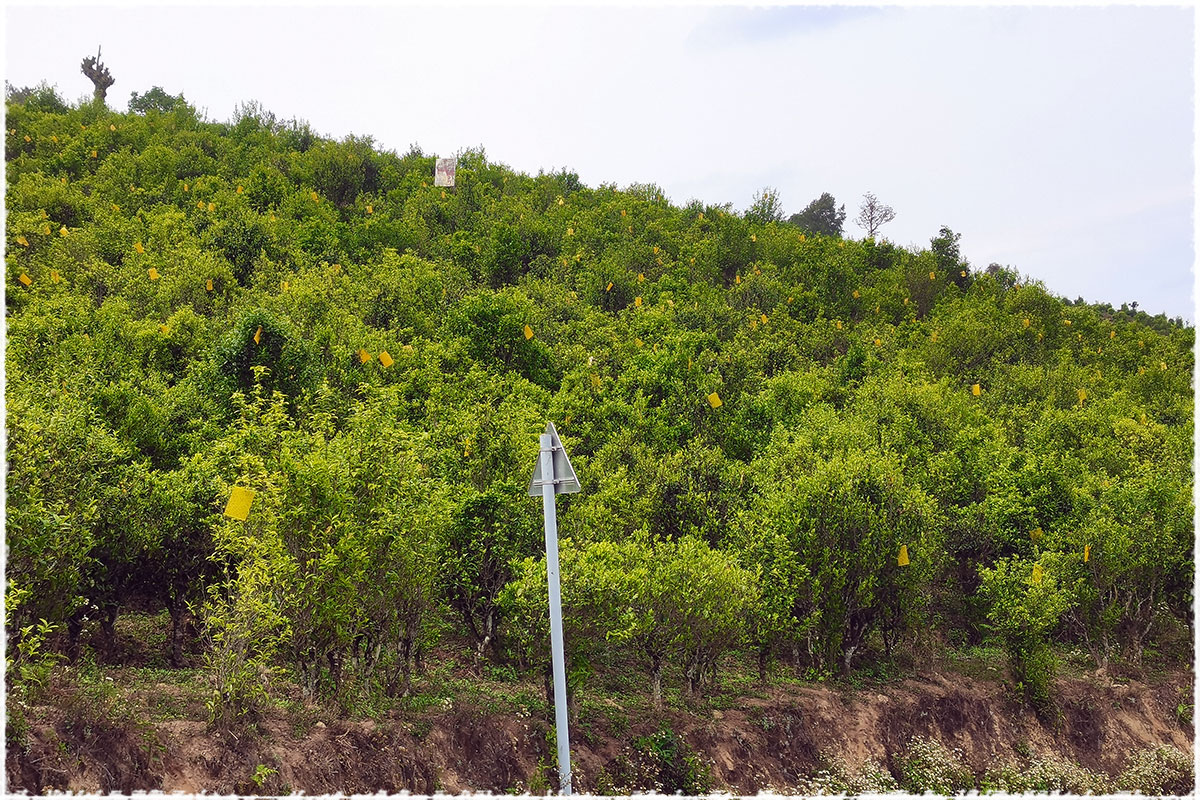
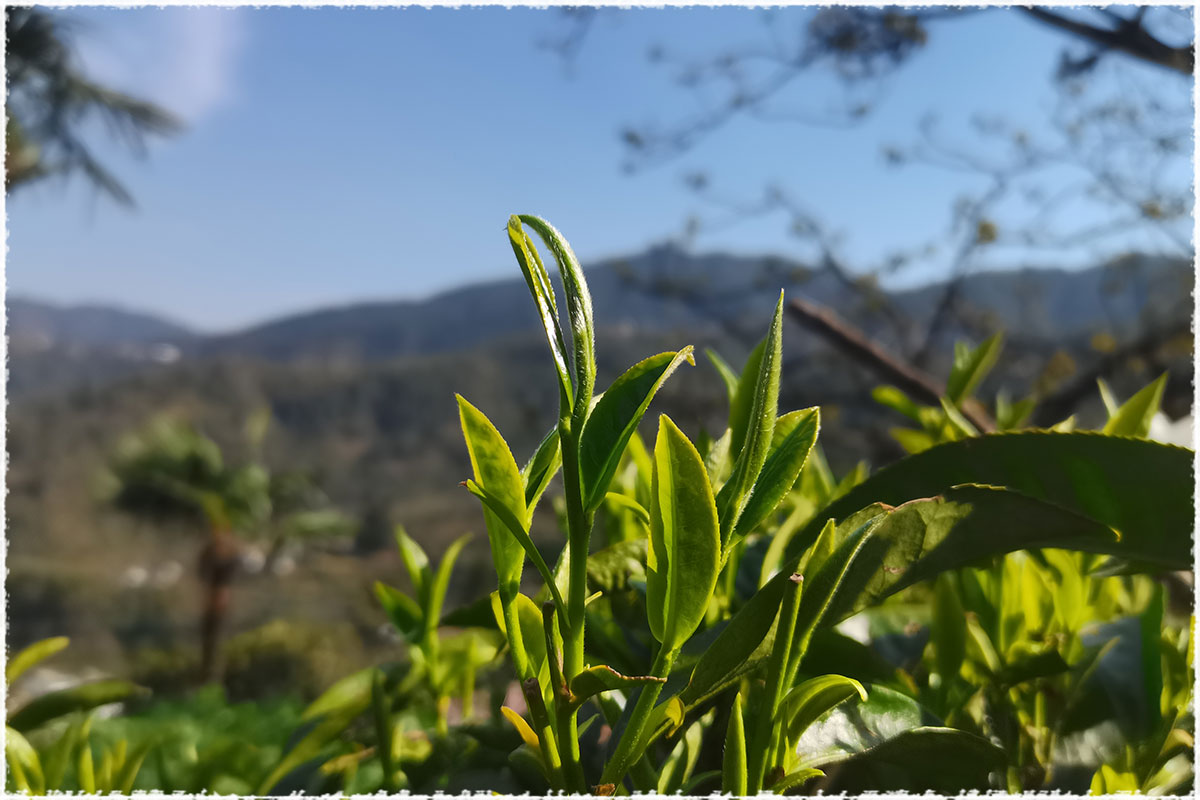
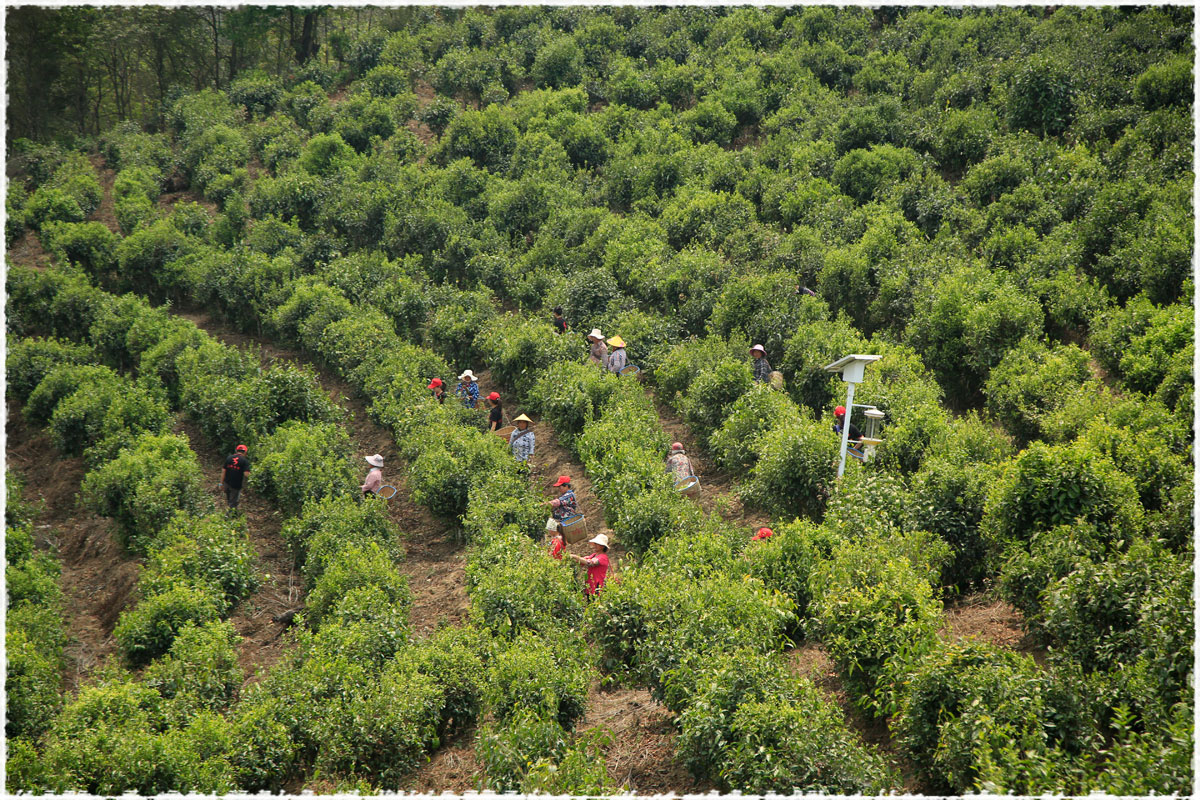
Tea Garden
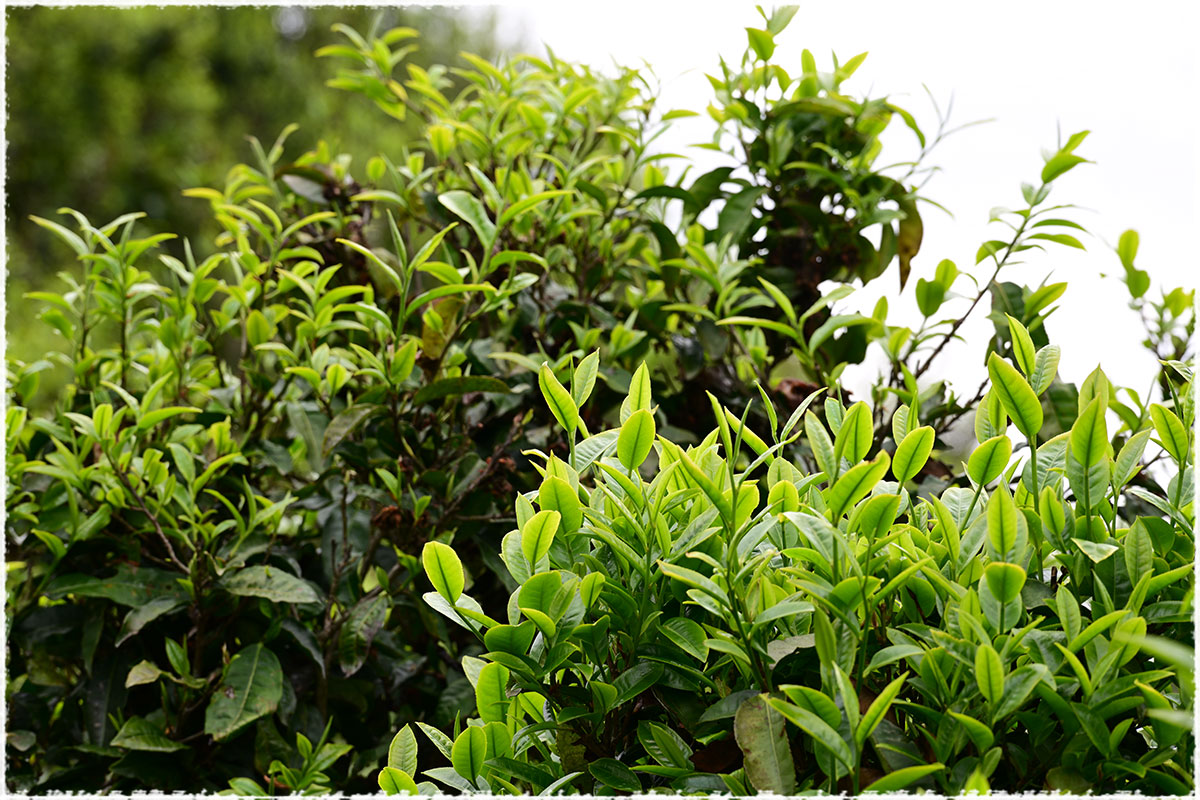
The Lida organic tea gardens sit within the beautiful Mengyou Town in Fengqing County, Lincang City, Yunnan Province. The tea garden covers an area of about 1,500 mu with an average elevation of 2,000 meters. Surrounded by mountains, the environment is quiet and away from the hustle and bustle of the city. It has passed the EU organic certification for more than ten consecutive years, and keeps providing high-quality organic Pu-erh tea for tea lovers all over the world.
Tea Master
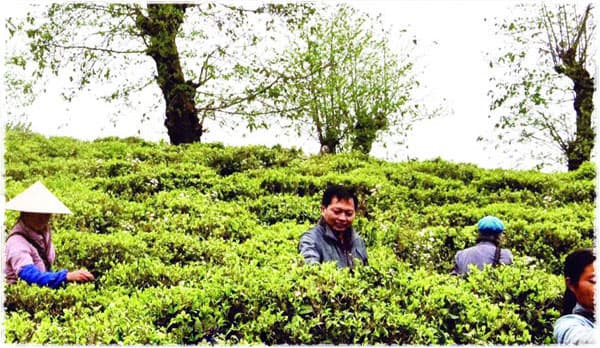
A born-and-bred Yunnan farmer, Mr. Zhou has been avidly contributing to the tea business for more than 20 years. A short chat with him made his passion for using traditional tea crafting processes apparent; he values the essential quality inside the tea leaves, and says that his experience comes from spending most of his time in the tea gardens along the mountains. Mr. Zhou is passionate about bringing out that internal quality of the tea to share with tea lovers around the world - and also claims that the best environment for growing the perfect tea is in Fengqing.
Origin
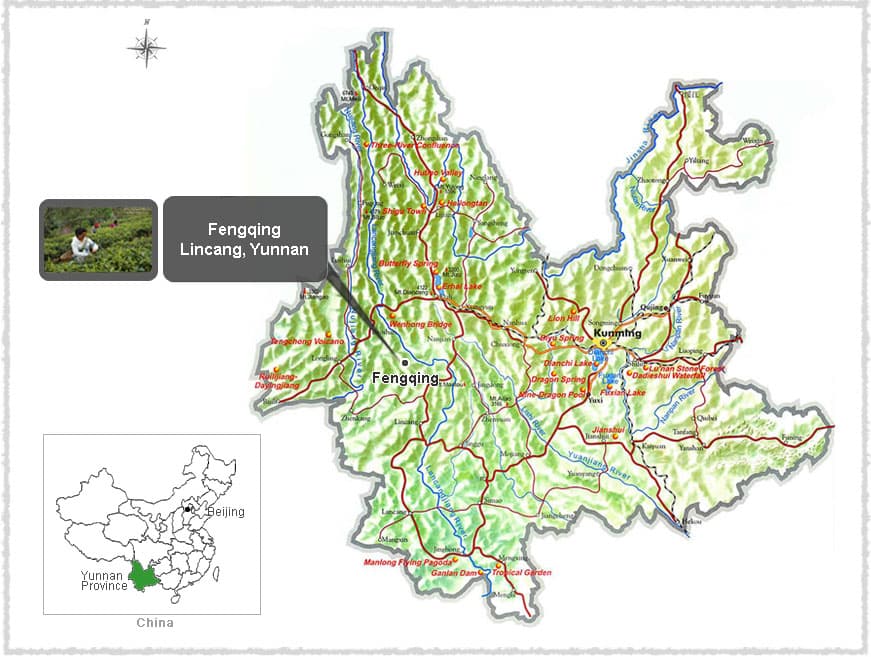
This tea is produced in Fengqing, located south of Dianxi Longitudinal Valley. Fengqing is a country in the northwest of Lincang, one of the four famous pu-erh production areas (along with Xishuangbanna, Pu’er, and Baoshan), and is one of the original birthplaces of tea in the world. It is also famous for being the hometown of Yunnan black tea. Fengqing has a long history of planting, producing, and drinking tea, and contains a beautiful throng of mountains webbed with rivers.
Tea Bush
This pu-erh tea is made from the Fengqing large-leaf subspecies of the Yunnan large-leaf. It propagates sexually and takes the form of an arbour tree, meaning that it can grow to over six meters tall. 1984, the Fengqing large-leaf species was certified by the Chinese government as a national grade. It contains an abundance of tea polyphenols (30.2%) and catechins (13.4%), as well as 2.9% amino acids and 3.2% caffeine.
Customer Reviews
Related Products
Reviews
There are no reviews yet.