
-
Fast ShippingFree shipping for orders above $40
to most countries. -
Secure PaymentPay with Paypal, Credit Card …
-
Carefully SelectedFrequently Visit Tea Gardens.
Taste Repetitiously -
15 Days RefundNo Questions Asked
Refund Policy
Organic Premium Golden Monkey Black Tea
Natural flowery, honey and smooth
Price range: $3.00 through $89.28
Organic Premium Golden Monkey Black Tea
Natural flowery, honey and smooth
0 Reviews
Summary
| Origin: |
Songxi County, Nanping City, Fujian Province, China |
|---|---|
|
Harvest Date: |
March 30, 2026 |
|
Plucking Standard: |
One bud with one leaf |
| Dry Leaf: |
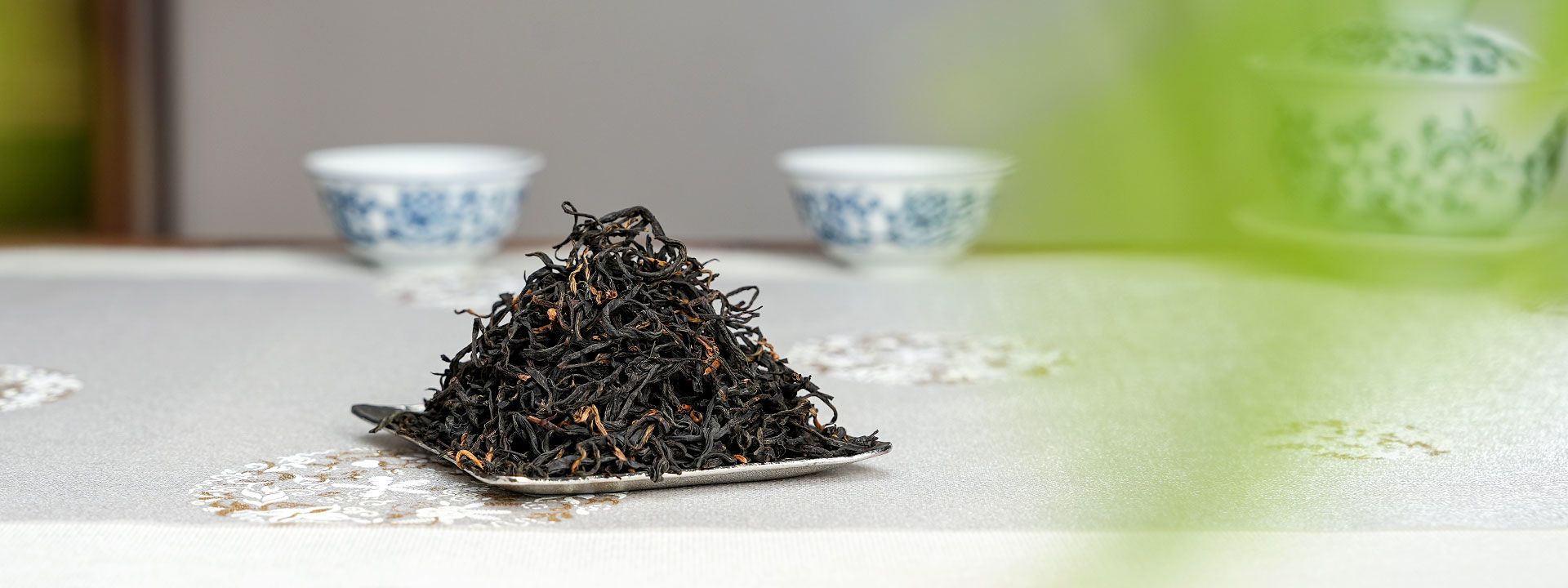
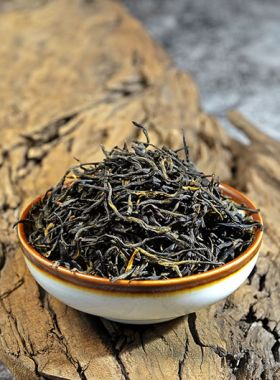
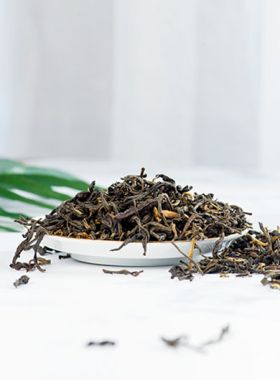
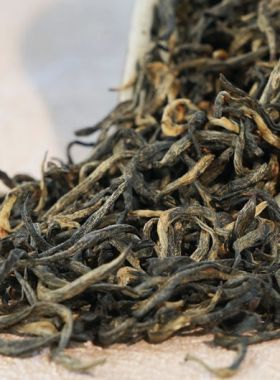
Slightly twisted leaves, dark and glossy with some golden buds |
| Aroma: |
Floral and honey notes |
| Liquor: |
Bright orange-yellow |
| Taste: |
Mellow and full-bodied, sweet and smooth, with lingering floral aromas and honeyed sweetness |
| Taste: |
Sweet taste with hits of caramel and honey, mellow and soft cup revealing |
| Tea Bush: |
Xiao Cai Cha (about 50 years old) |
| Tea Garden: |
Liu Yuan Tea Garden (about 450m) |
| Caffeine: |
Less than 40% of a cup of coffee |
| Storage: |
Store in airtight, opaque packaging; in cool, dry place |
| Shelf Life: |
36 Months |
Angel's Comment:
The key fragrance note: floral honey; the compound note is fresh green vegetal aromas; the liquor is sweet, smooth, and refreshing.
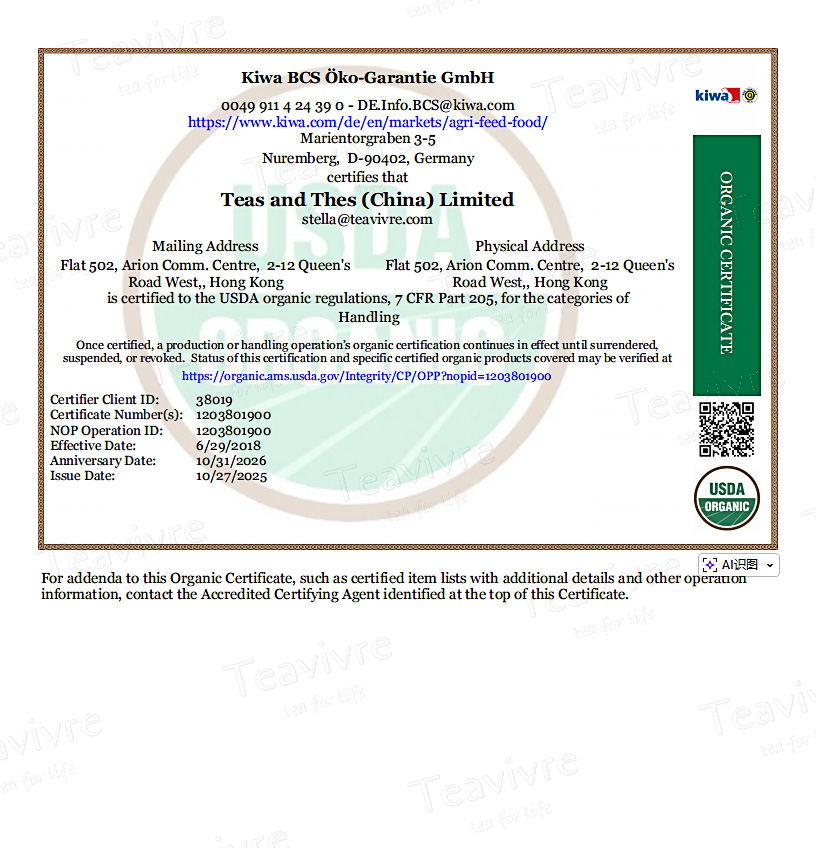
Certification
 |
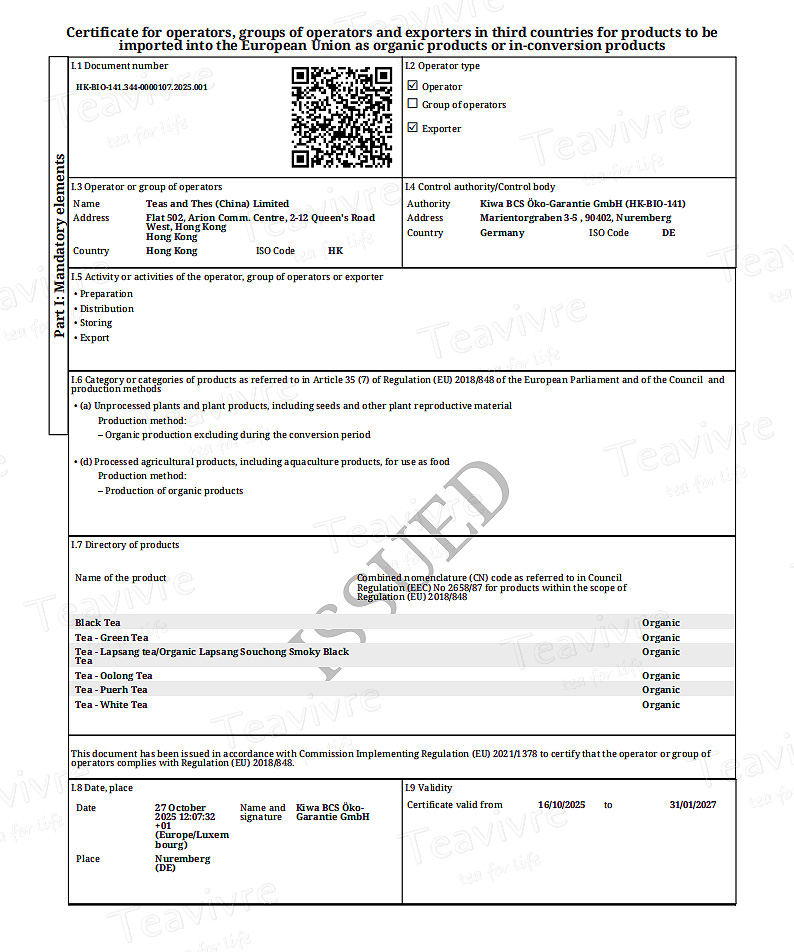 |
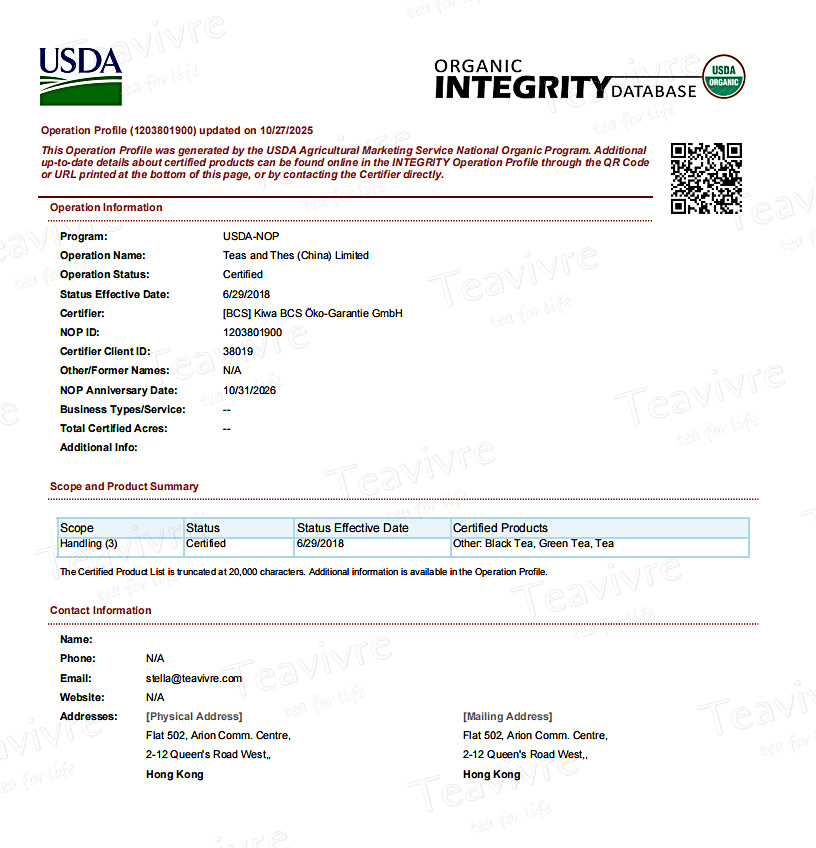
| USDA Certification (NOP ID: 1203801900) |
EU Certification (HK-BIO-141.344-0000107.2025.001) |
This Organic Golden Monkey Black Tea comes from Songxi County, northern Fujian, and is crafted from traditional Xiao Cai Cha tea trees. Unlike many Golden Monkey black teas known for their pronounced sweet potato or caramel-like notes, this tea offers a more elegant and lively profile. The dry leaves are tightly twisted and dark with some golden tips. The tea liquor is bright amber with delicate floral aromas intertwined with natural honey-like sweetness. The taste is smooth, refreshing, and naturally sweet on the palate. Floral notes, honeyed nuances, and subtle fruity sweetness unfold layer by layer, creating a balanced cup that is rich yet never heavy. A lingering sweet aftertaste and gentle mountain character remain long after each sip.
The diversity of traditional tea trees species, combined with Songxi's unique terroir, gives the tea its distinctive personality. Rather than relying on heavy caramelized notes, this Golden Monkey is distinguished by its floral aroma, honeyed sweetness, and naturally smooth character, offering a refined expression of Northern Fujian's traditional tea heritage.
Recommend Brewing Method
 |
Cup Method |
 |
Chinese Gongfu Method |
 |
Teacup: 12oz / 355ml | |
Gaiwan: 3.8oz / 110ml |
 |
185℉ / 85℃ | |
185℉ / 85℃ |
 |
3g Tea | |
5g Tea |
 |
Brewing time: 3 - 5 mins | |
8 steeps: 10s, 10s, 10s, 15s, 20s, 30s, 40s, 60s |
| Rinse time is around 5 seconds |
Tea Garden
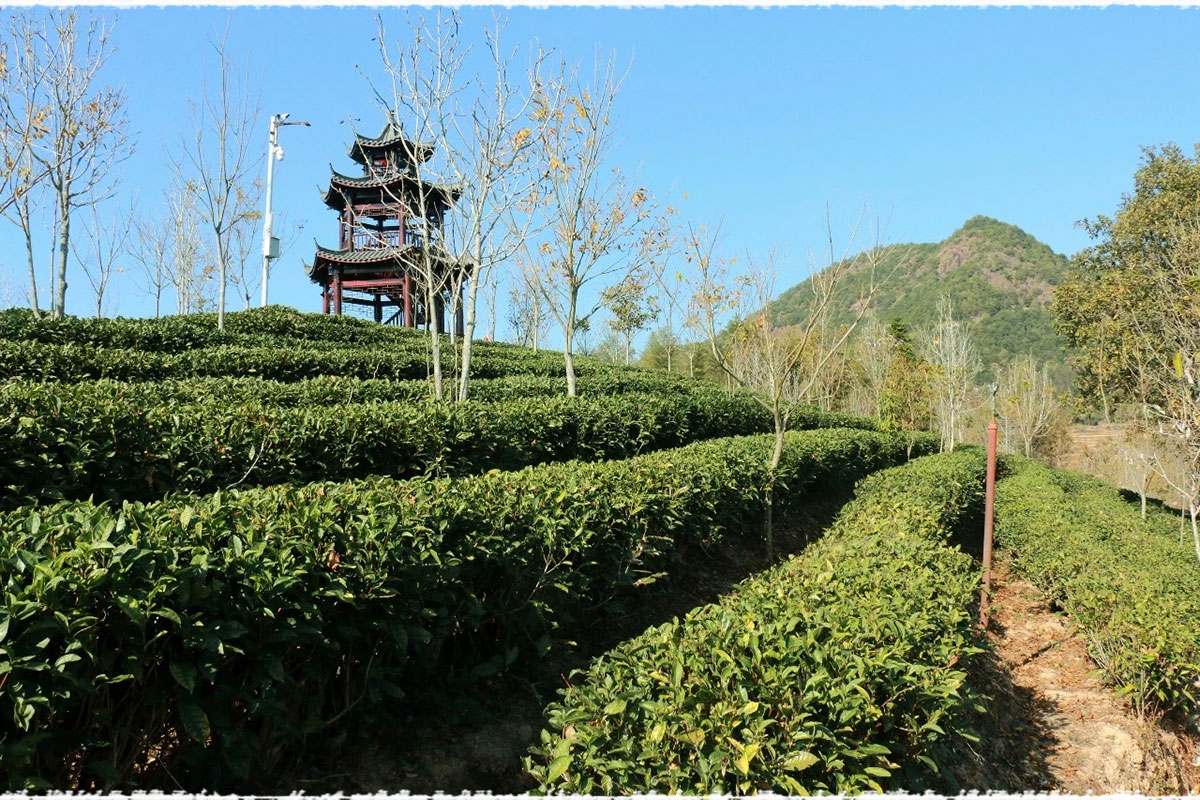
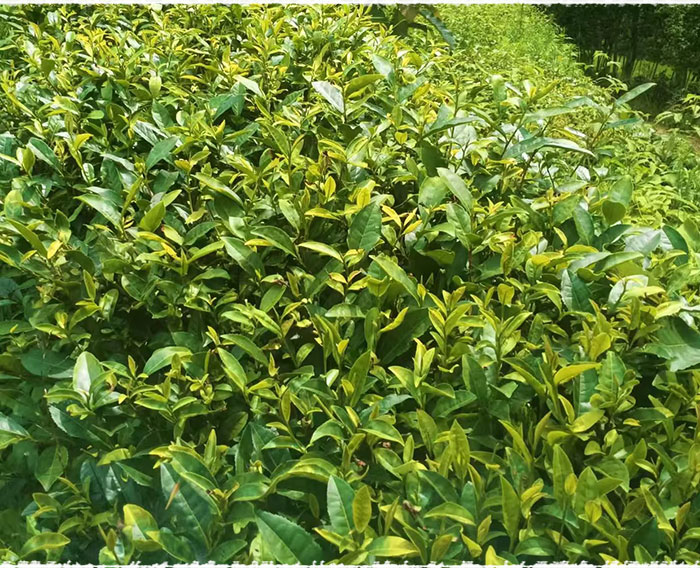
Liuyuan Tea Garden is located in Songxi County, Nanping, in the mountainous region of northern Fujian near the Fujian–Zhejiang border. Nestled on the southeastern slopes of the Wuyi Mountains and surrounded by rolling peaks, the area enjoys the tranquility and beauty of a hidden mountain paradise. The garden's core area has 756 mu (about 50 hectares) of tea fields. Here, mountains and streams intertwine, while the rugged terrain and distinctive Danxia landforms have created deep, loose, and moisture-retentive soils. Rich in organic matter and mineral nutrients, these soils, together with the area's clean air and pure water sources, provide an exceptional natural environment for cultivating organic tea trees. The result is a thriving tea ecosystem that supports healthy plant growth and contributes to the rich character and quality of the tea.
Origin
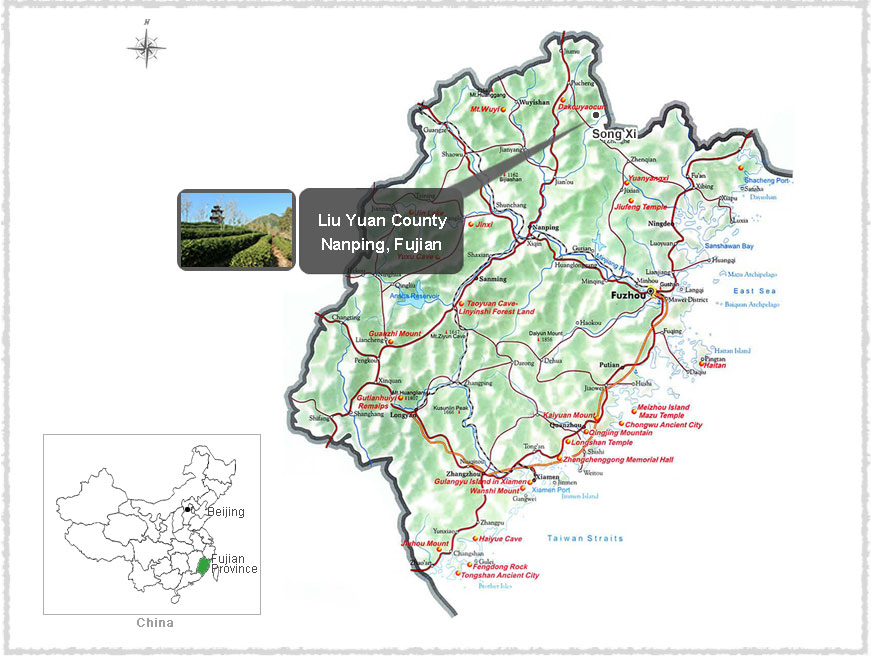
Songxi County is located in northern Fujian, in the northeastern part of Nanping, along the southeastern extension of the Wuyi Mountain range. It is one of the most important ecological tea-producing regions in northern Fujian. Surrounded by mountains and blessed with abundant forest resources, the area is dominated by hills and mountain terrain, creating ideal conditions for tea cultivation. Songxi enjoys a subtropical monsoon climate with distinct seasons, ample rainfall, and moderate temperatures throughout the year. Tea has been cultivated here for centuries, with records of tea planting and trade dating back to the Tang and Song dynasties. Generations of local tea farmers have preserved and refined traditional tea-making techniques, forming a rich and enduring tea culture. Thanks to its favorable natural environment and diverse tea tree resources, Songxi produces a wide range of teas, including green tea, white tea, and black tea, and is recognized as one of Fujian’s key ecological tea-growing regions. In recent years, the county has continued to promote sustainable tea garden management and environmentally friendly cultivation practices, making full use of the ecological advantages of the Wuyi Mountains while protecting surrounding forests, water sources, and biodiversity. The combination of a pristine environment and a long tea-making heritage gives Songxi teas their distinctive character—fresh, sweet, and mellow, with a pronounced mountain terroir and a strong sense of place.
Tea Bush
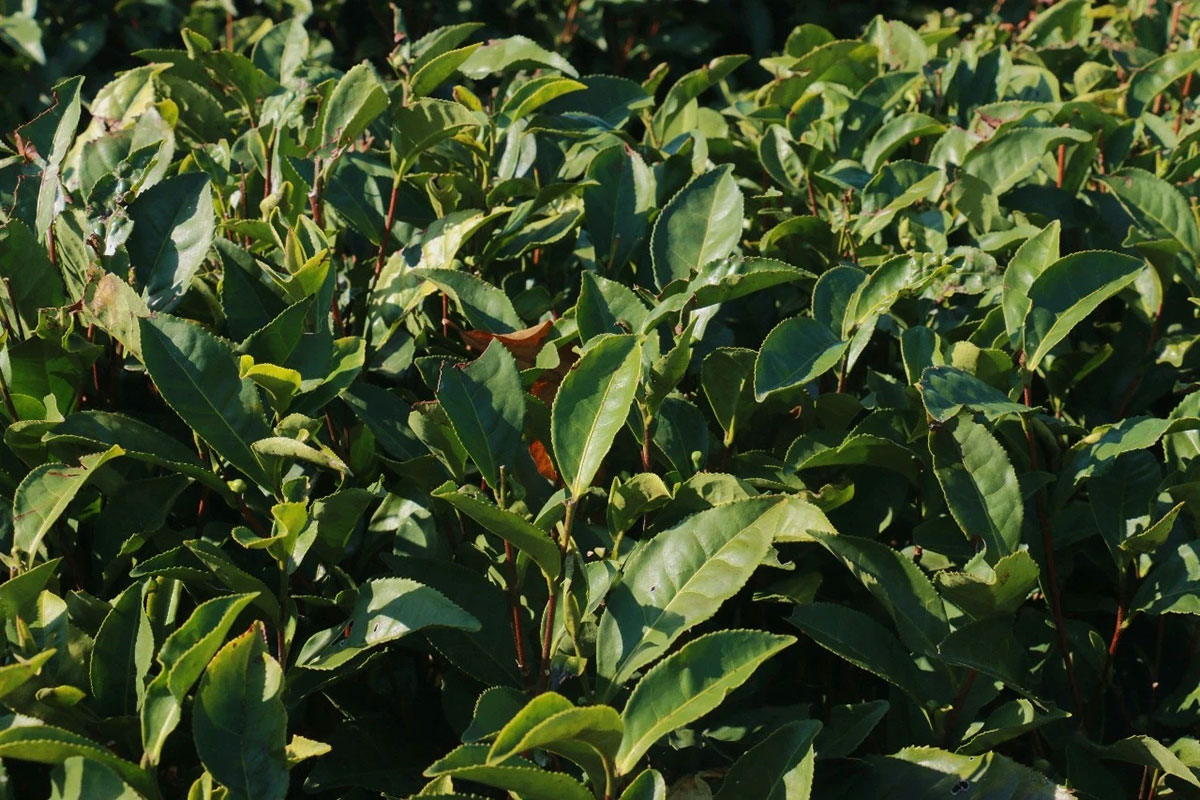
Xiao Cai Cha is a traditional tea tree population native to northern Fujian, propagated through seeds and passed down through generations. Unlike modern cultivars reproduced by cuttings, Xiao Cai Cha consists of a genetically diverse community of tea trees that have naturally cross-pollinated, evolved, and adapted to the local environment over centuries. This genetic diversity has enabled the tea trees to develop deep root systems, strong vitality, and excellent adaptability, allowing them to thrive within the mountain ecosystems of Songxi County. Teas made from Xiao Cai Cha are highly valued for their layered aromas, lively character, and distinctive sense of terroir. As many traditional tea gardens have gradually been replaced by high-yield modern cultivars, authentic Xiao Caicha has become an increasingly precious part of Fujian’s tea heritage. Its continued preservation not only protects valuable genetic diversity but also carries forward the traditional flavors and tea-making culture that have been nurtured in the mountains of northern Fujian for generations.
Customer Reviews
Related Products



























Reviews
There are no reviews yet.