
-
Fast ShippingFree shipping for orders above $40
to most countries. -
Secure PaymentPay with Paypal, Credit Card …
-
Carefully SelectedFrequently Visit Tea Gardens.
Taste Repetitiously -
15 Days RefundNo Questions Asked
Refund Policy
Ceremonial Matcha Green Tea
For pure matcha enjoyment
Price range: $23.92 through $95.68
Ceremonial Matcha Green Tea
For pure matcha enjoyment
Summary
| Origin: |
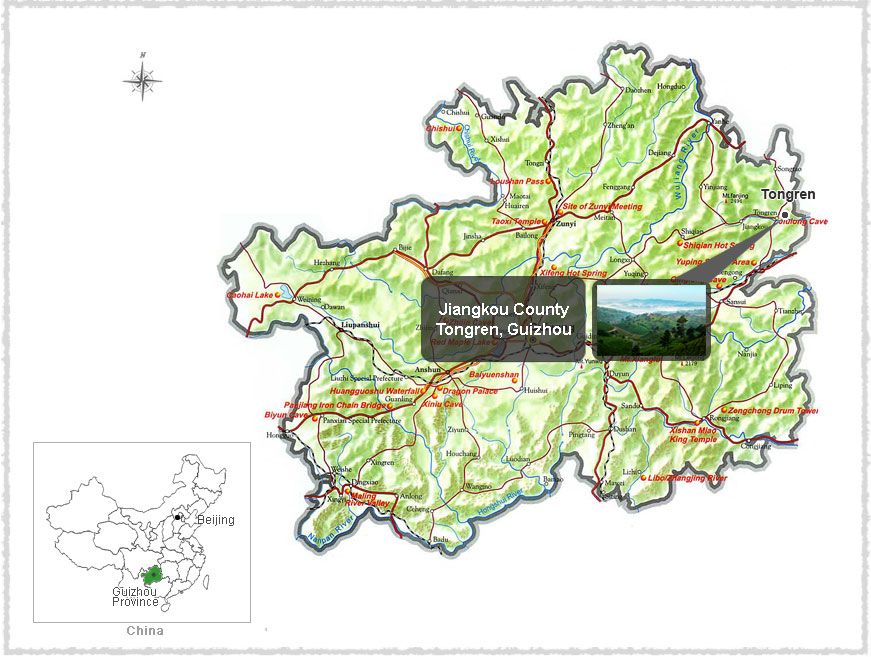
Tongren City, Guizhou Province, China |
|---|---|
|
Harvest Date: |
April 28, 2026 |
| Appearance: |
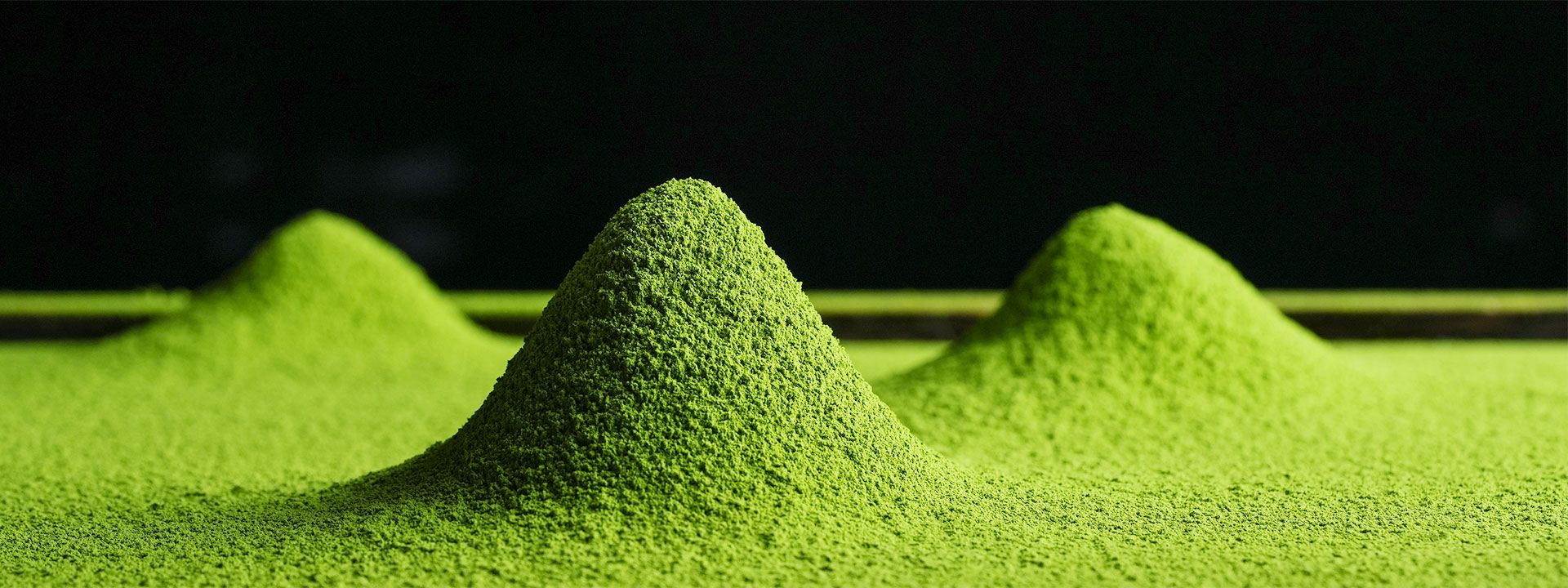
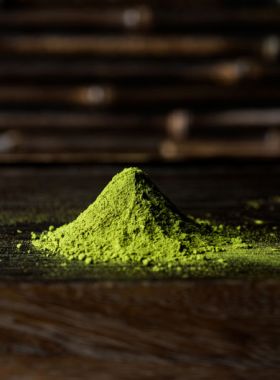
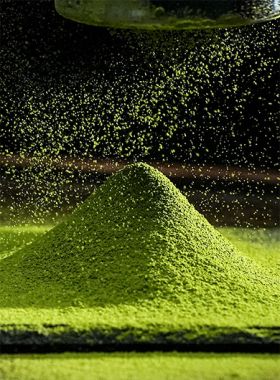
Smooth and exquisite in emerald green color, 800 - 1000 mu |
| Aroma: |
Refreshing and seaweed fragrance accompanied by a slight of grassy |
| Liquor: |
Vibrant and bright green color |
| Taste: |
Delicate with long-lasting foam, frothy, silky and mellow, taken on a sweet aftertaste with seaweed flavor |
| Tea Bush: |
Fuding Da Bai Cultivar |
| Tea Garden: |
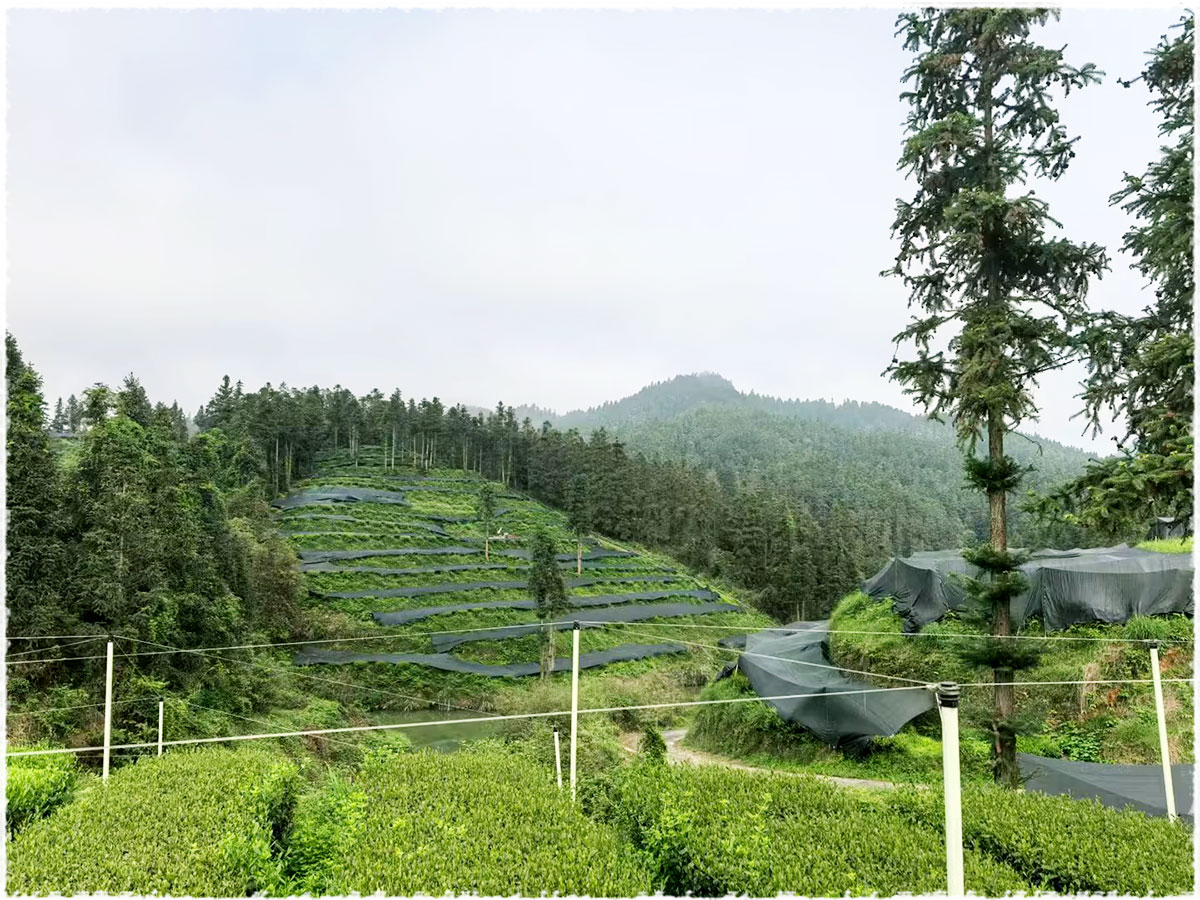
Jiangkou Ecological Tea Garden (about 1000m) |
| Caffeine: |
Low caffeine (less than 10% of a cup of coffee) |
| Storage: |
Store in airtight, opaque packaging; keep refrigerated |
| Shelf Life: |
18 Months |
Angel's Comment:
Refreshing flavor plays with rich, delicate foam, carrying smooth, silky taste and lingering sweetness.
This matcha is produced in Tongren, Guizhou, using carefully selected leaves from the Fuding Da Bai cultivars. Before harvesting, the tea plants are shaded for a period of time, a traditional practice that helps preserve their vibrant green color while enhancing the tea’s naturally fresh and umami character. The harvested leaves are carefully processed and finely ground into a delicate, silky powder. Once whisked, the matcha produces a vibrant green liquor with a smooth, creamy texture and a fresh, vegetal aroma. On the palate, it offers a refreshing grassy note, gentle sweetness, and a subtle umami character, balanced by a mild, pleasant bitterness.
You can enjoy it on its own for a pure matcha experience, or add milk, honey, or juice according to your preference.
Recommend Brewing Method
Traditional Method
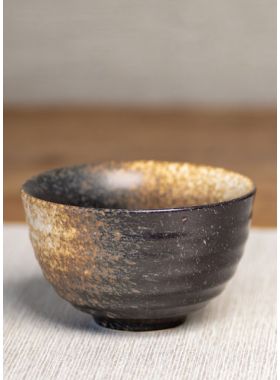
Use 3g Matcha powder and 60-70 ml water of 60℃ to 80℃
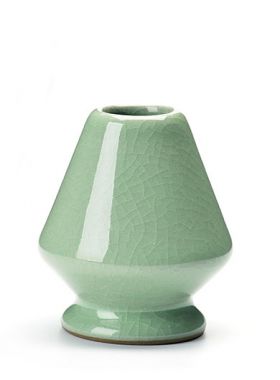
When brewing Matcha, you need to use a Chasen (tea whisk, 茶筅 in Chinese) to stir the tea liquid to bring out rich bubble and fresh flavor.
Cold Brew
Pour moderate amount of Matcha into a water bottle, and then stir it to rich foam before enjoying.
Iced Matcha is a very refreshing summer beverage, about how to make iced matcha tea please see: 5 Steps to Make Iced Matcha Green Tea
Tea Garden
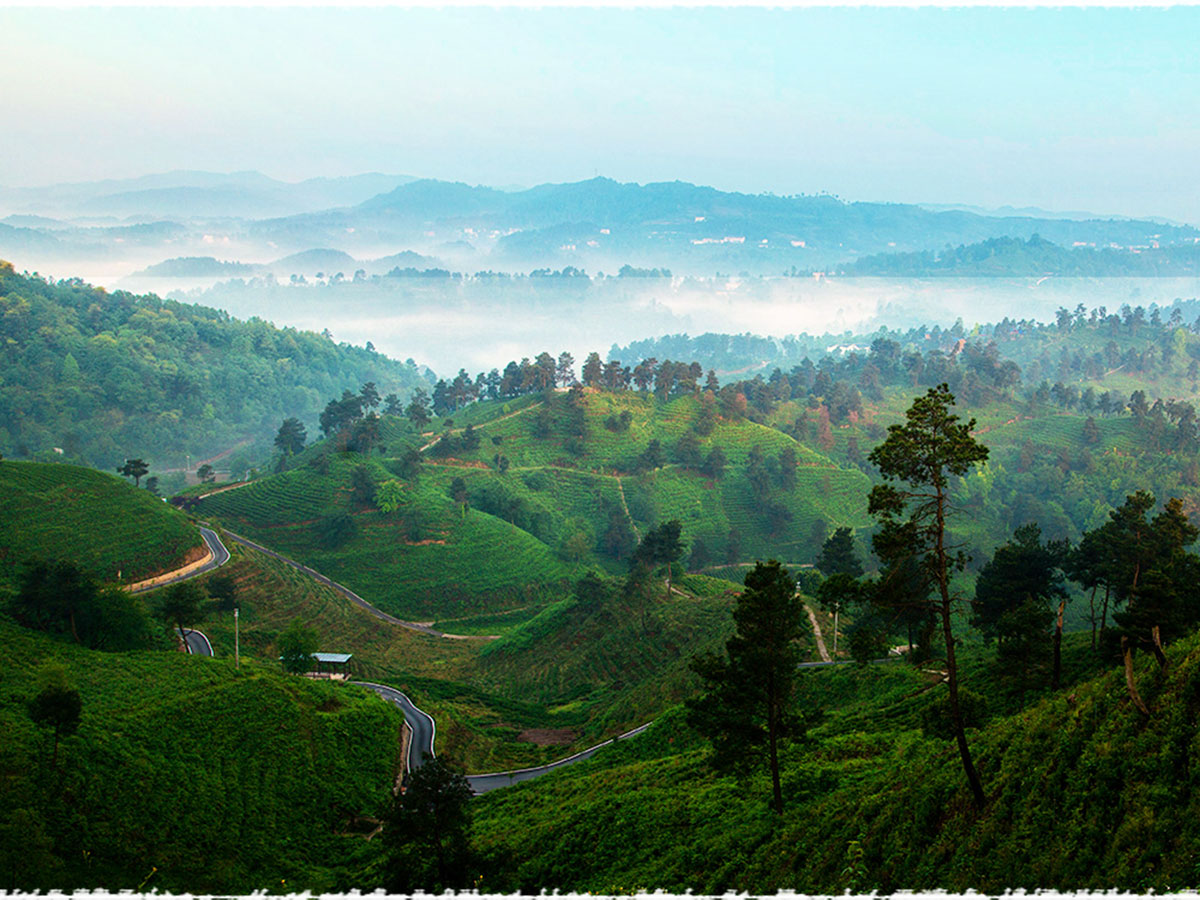
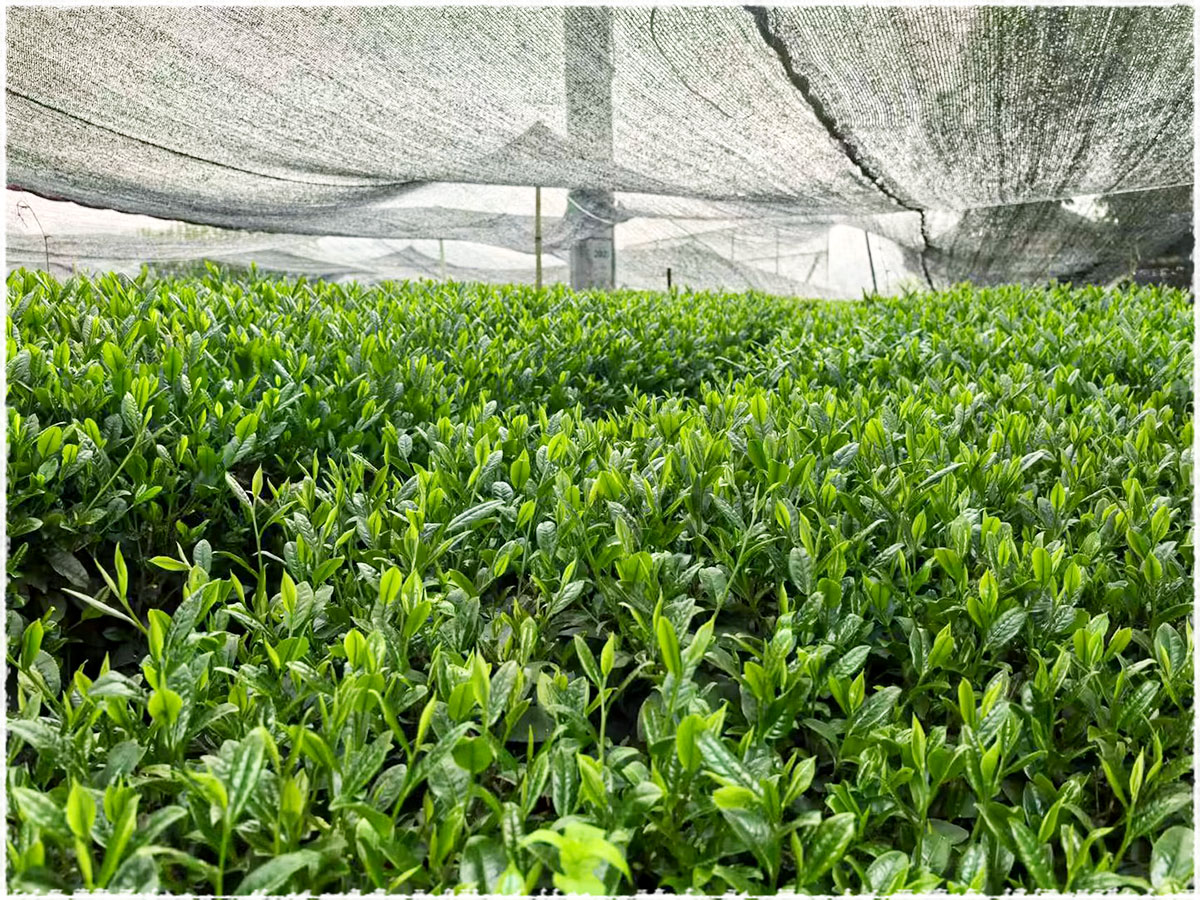
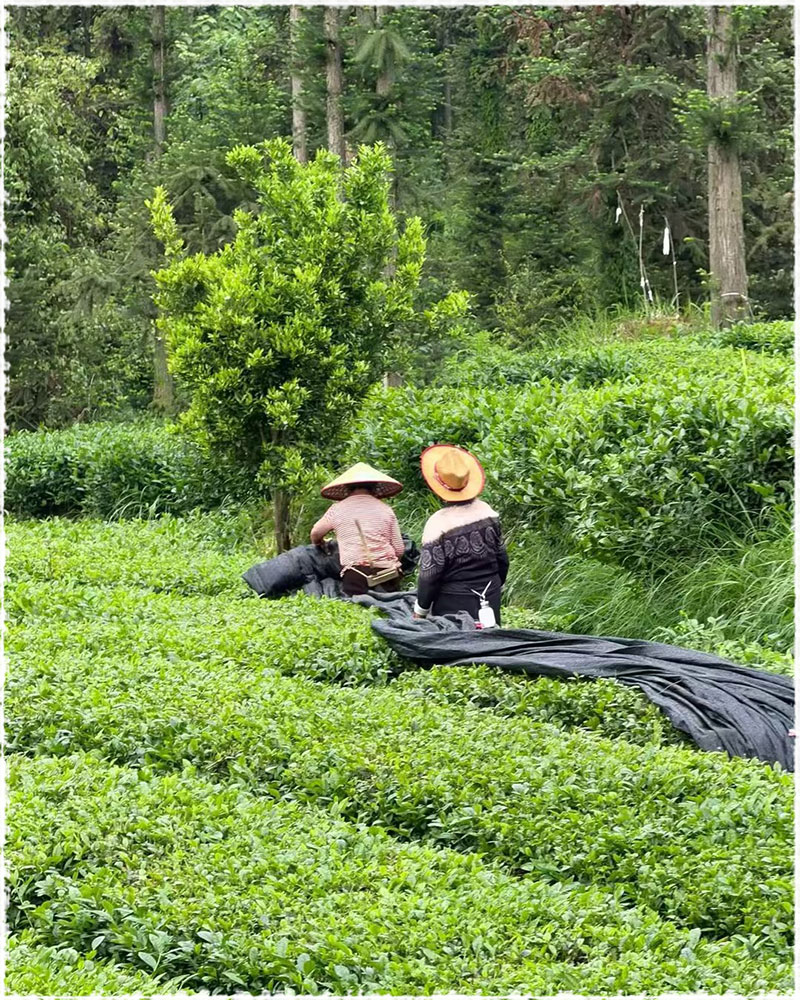
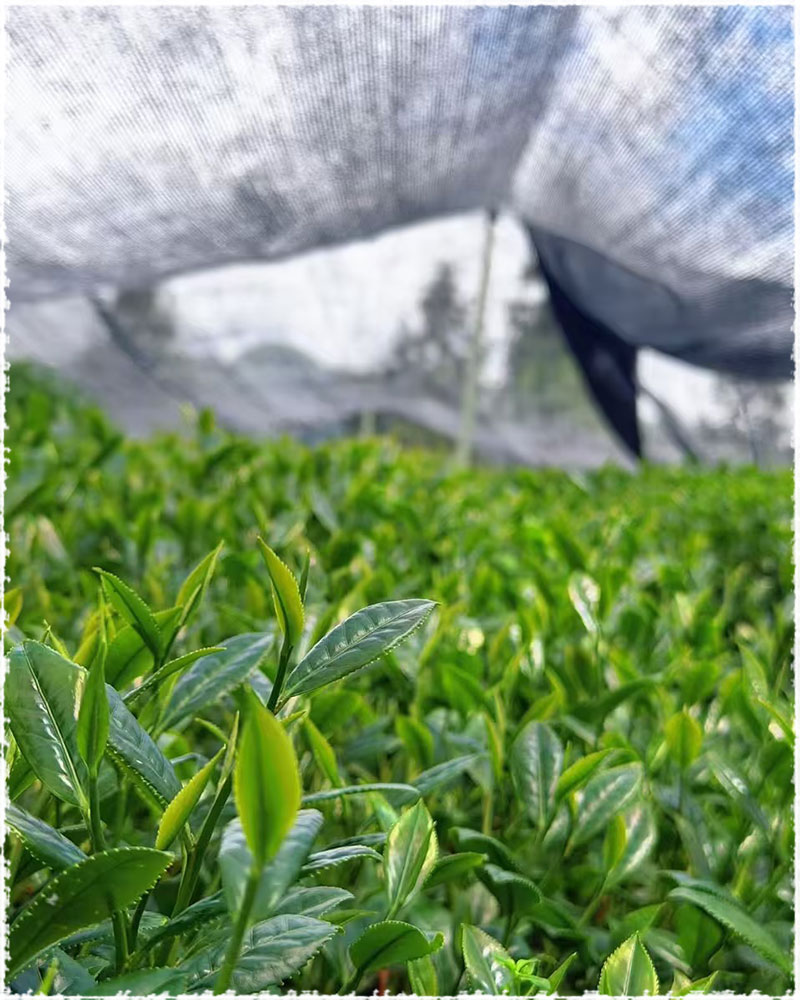
The materials of this matcha are sourced from the ecological tea-growing regions of the Guizhou Plateau in southwestern China. With its mountainous terrain, abundant mist, mild and humid climate, ample rainfall, and gentle sunlight, the region provides ideal natural conditions for tea cultivation. Before harvesting, the tea plants are moderately shaded to reduce direct sunlight. This helps maintain the vibrant green color of the leaves while contributing to a sweeter, smoother, and fuller flavor profile. Thanks to Guizhou’s unique highland environment, the tea plants can develop a rich array of flavor compounds during growth, providing high-quality raw material for matcha production.
Origin
Guizhou is a treasure house of tea species resources and a province with the most tea species. There are 270 kinds of tea tree resources in the country, and Meitan County accounts for 163 kinds. The Guizhou Plateau is called the "Fossil Kingdom" by paleontologists. On July 13, 1980, the only fossil tea seed found in the world was discovered here. The emergence of tea seed fossils established the most convincing physical evidence that Guizhou is the origin of tea trees. The mountains here are high; the climate is warm and foggy, without pollutions, so that he quality of tea is excellent. Such unique conditions have enabled almost every county in Guizhou to produce good tea, many areas were the source of court tribute tea in the Tang, Ming, and Qing dynasties in ancient China.
Tea Bush
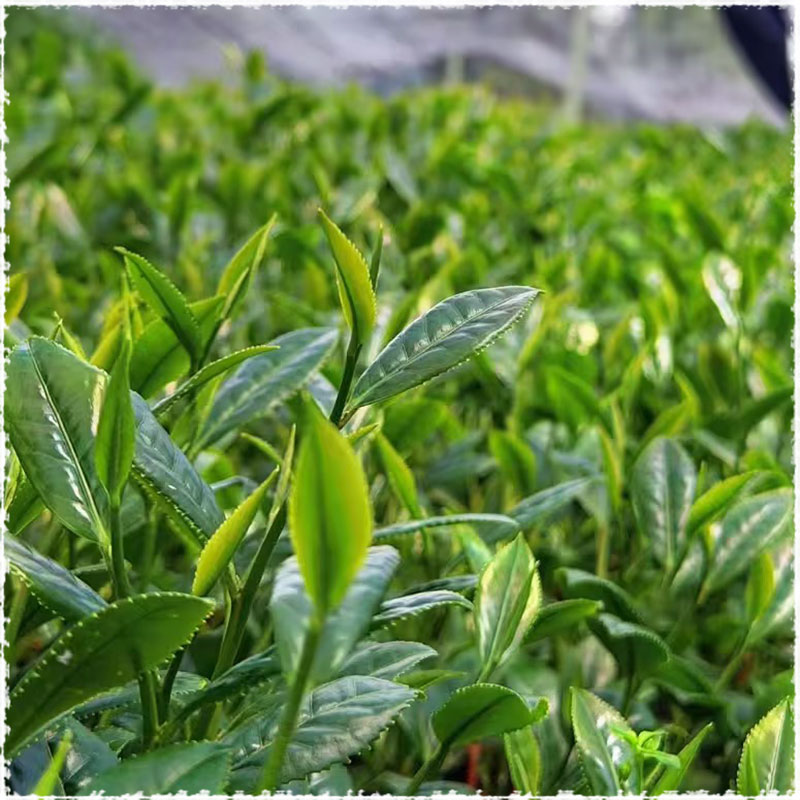
Fuding Da Bai is one of China's most renowned tea cultivars, originating from Fuding in Fujian Province. It is prized for its plump buds, excellent tenderness retention, and abundant fine hairs, making it one of the country's finest tea cultivars. Known for its tender leaves and rich aromatic compounds, Fuding Da Bai is widely used not only for crafting traditional white tea, but also for producing premium green, black, and other specialty teas. Its exceptional versatility allows it to express a wide range of flavor profiles through different tea-making techniques. Cultivated in the unique highland environment of Guizhou and crafted with refined processing techniques, this classic cultivar develops a distinctive regional character, offering a fresh, pure, and vibrant expression of Guizhou tea.
Customer Reviews
Related Products


























Reviews
There are no reviews yet.