

-
Fast ShippingFree shipping for orders above $40
to most countries. -
Secure PaymentPay with Paypal, Credit Card …
-
Carefully SelectedFrequently Visit Tea Gardens.
Taste Repetitiously -
15 Days RefundNo Questions Asked
Refund Policy
Organic Jasmine Dragon Pearls Long Zhu Green Tea
Nice jasmine aroma, ideal for organic tea lovers
Price range: $3.50 through $94.92
Organic Jasmine Dragon Pearls Long Zhu Green Tea
Nice jasmine aroma, ideal for organic tea lovers
Summary
| Origin: |
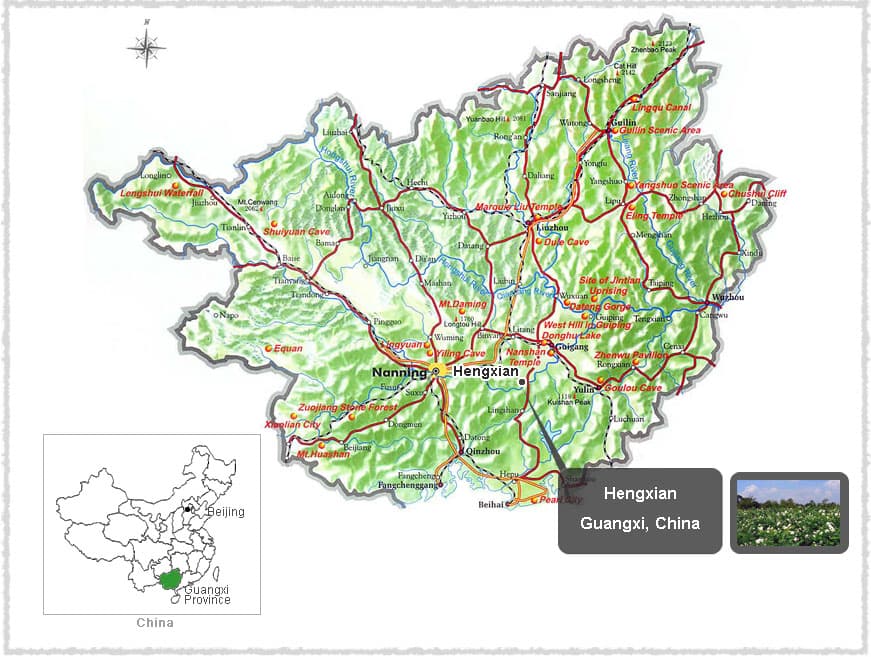
Green Tea - Longlin County, Baise City, Guangxi Province, China Jasmine – Hengxian, Guangxi Province, China |
|---|---|
|
Harvest Date: |
May 18, 2026 |
|
Plucking Standard: |
One bud with one leaf |
|
Tea Scenting: |
Three times scenting |
| Dry Leaf: |
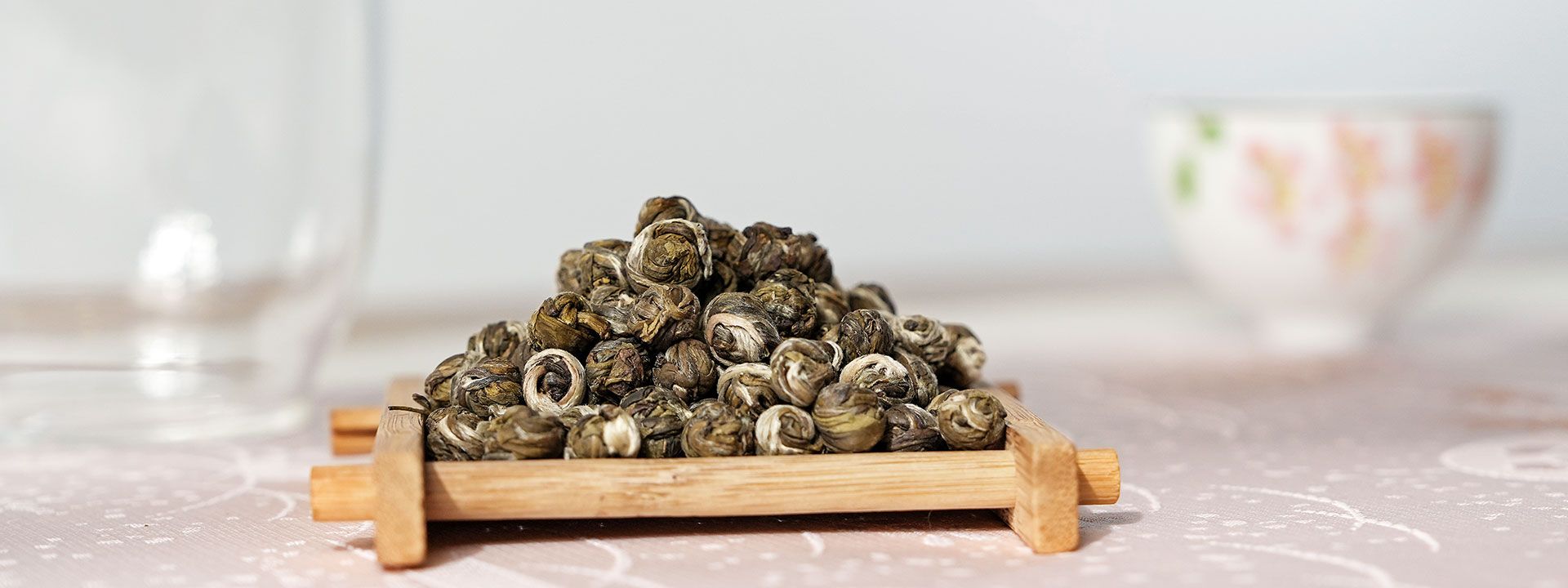
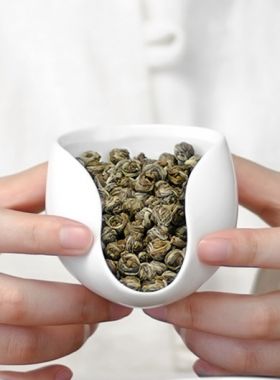
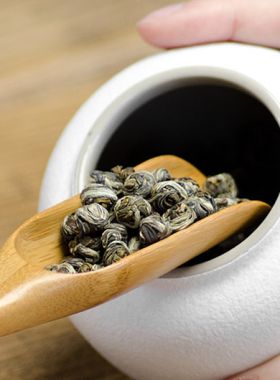
Evenly shaped into small dragon pearls, yellowish brown in color with some white fuzz |
| Aroma: |
Jasmine aroma |
| Liquor: |
Light yellow |
| Taste: |
Soft and smooth, sweet, jasmine and tea fragrance blend well |
| Tea Bush: |
Bai Hao tea bush species (20 years old) |
| Tea Garden: |
Yaming tea garden (800 metres above sea level) |
| Caffeine: |
Low caffeine (less than 10% of a cup of coffee) |
| Storage: |
Store in airtight, opaque packaging; keep refrigerated |
| Shelf Life: |
36 Months |
Angel's Comment:
Although this Dragon Pearl tea has only been scented three times, it is made with organic materials and recommended for lovers of organic tea.
Certification
 |
 |
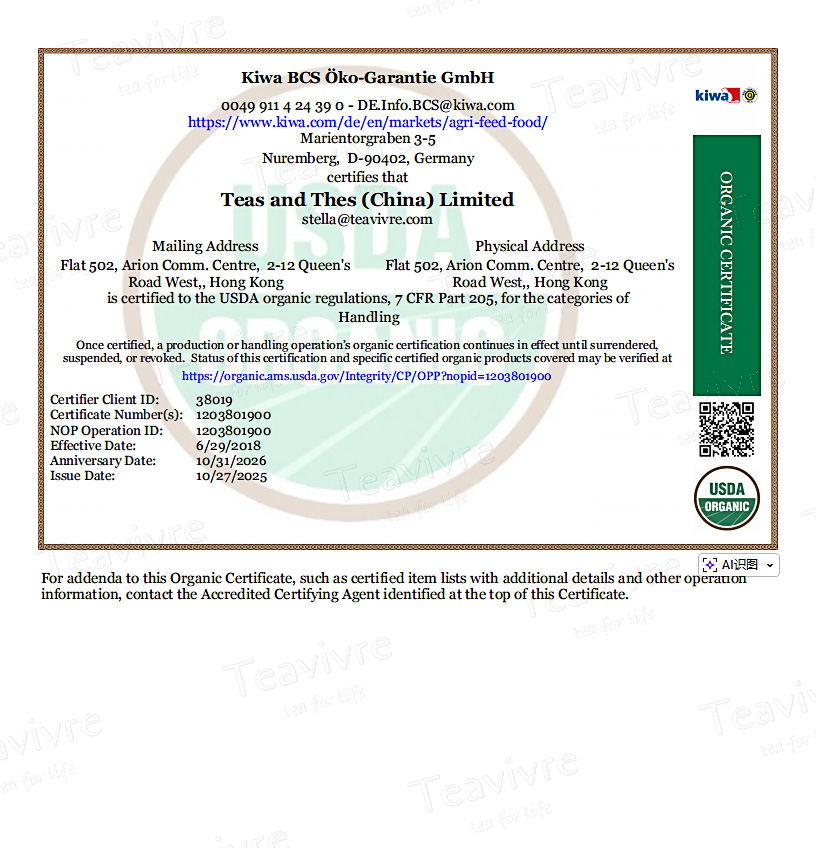
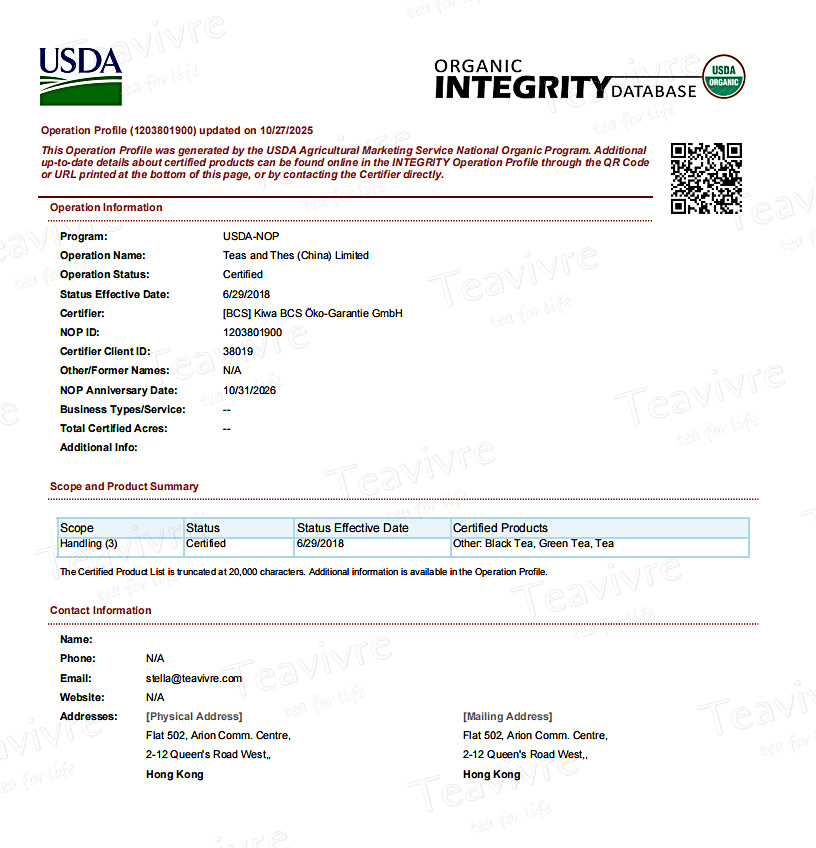
| USDA Certification (NOP ID: 1203801900) |
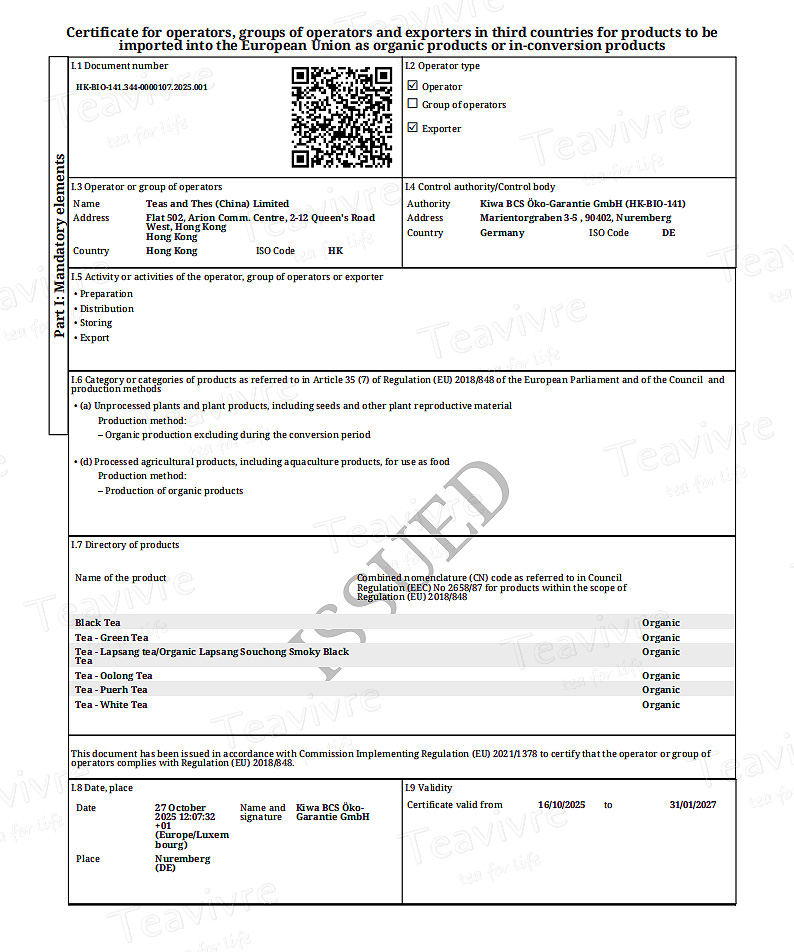
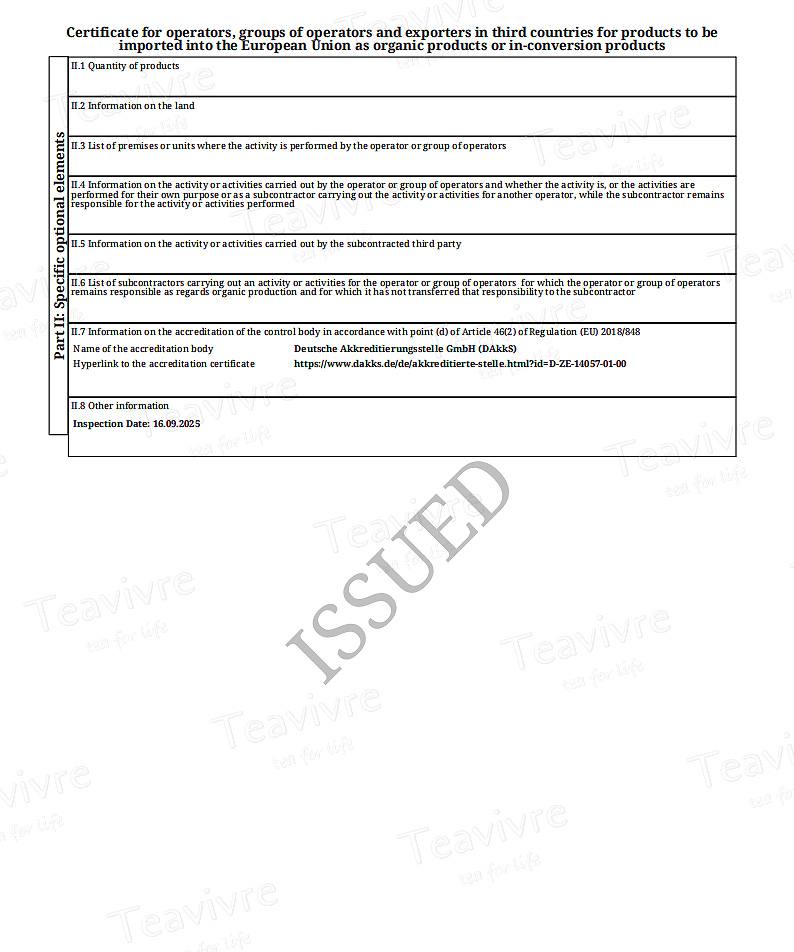
EU Certification (HK-BIO-141.344-0000107.2025.001) |
This tea is made from organic tea materials sourced from Baise, Guangxi. Selected from the spring harvest, each bud and leaf is hand-rolled using traditional techniques and then scented with fresh jasmine flowers. Each tea pearl is tightly rolled and intact, ensuring that the jasmine's fragrance is released gradually during brewing, creating a tea with distinct layers of flavor. Upon brewing, the tea liquor is smooth and soft, with the jasmine aroma blossoming on the palate first, followed by the refreshing sweetness of the green tea.
Recommend Brewing Method
 |
Cup Method |
 |
Chinese Gongfu Method |
 |
Teacup: 12oz / 355ml | |
Gaiwan: 3.8oz / 110ml |
 |
185℉ / 85℃ | |
185℉ / 85℃ |
 |
3g Tea | |
4g Tea |
 |
Brewing time: 5 - 8 mins | |
6 steeps: 20s, 30s, 40s, 50s, 60s, 80s |
Tea Garden
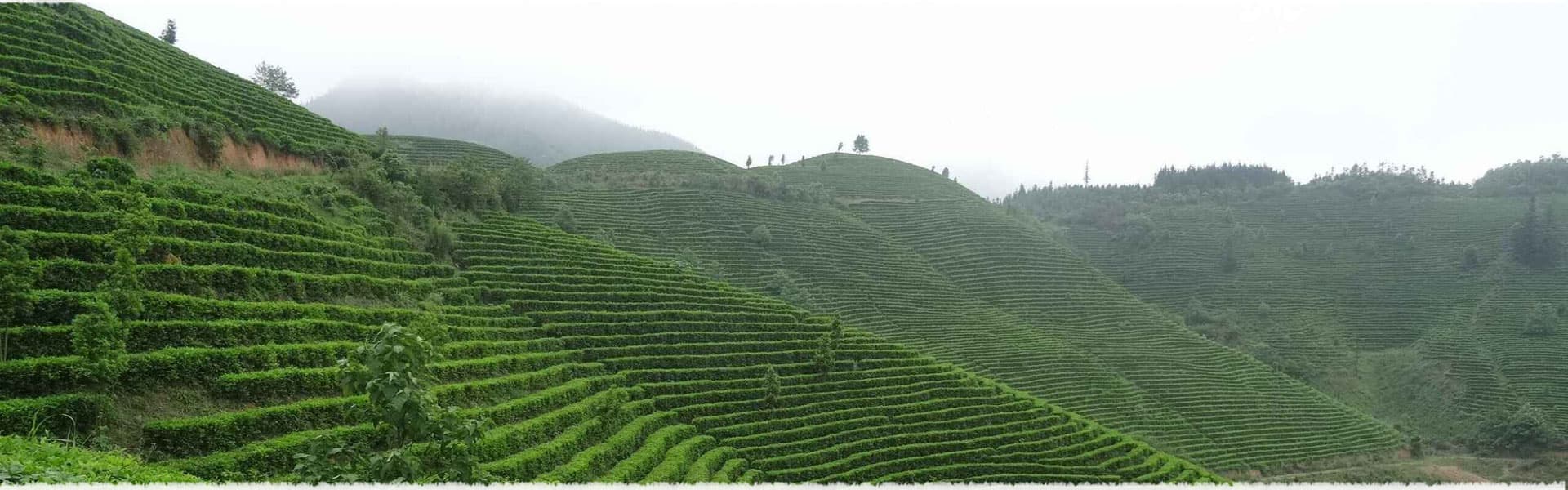
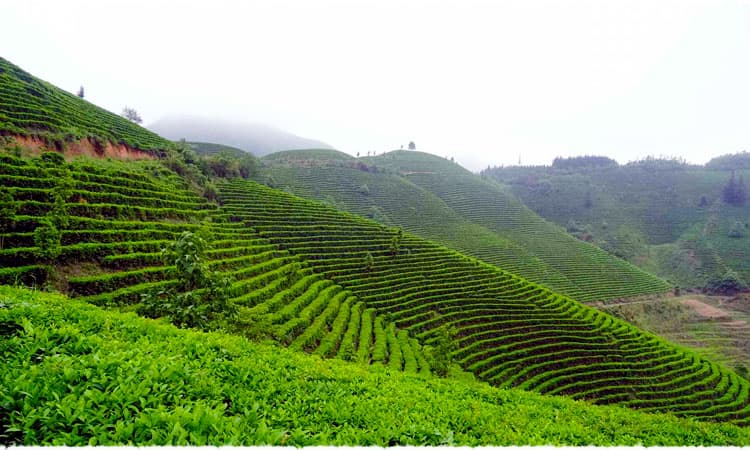
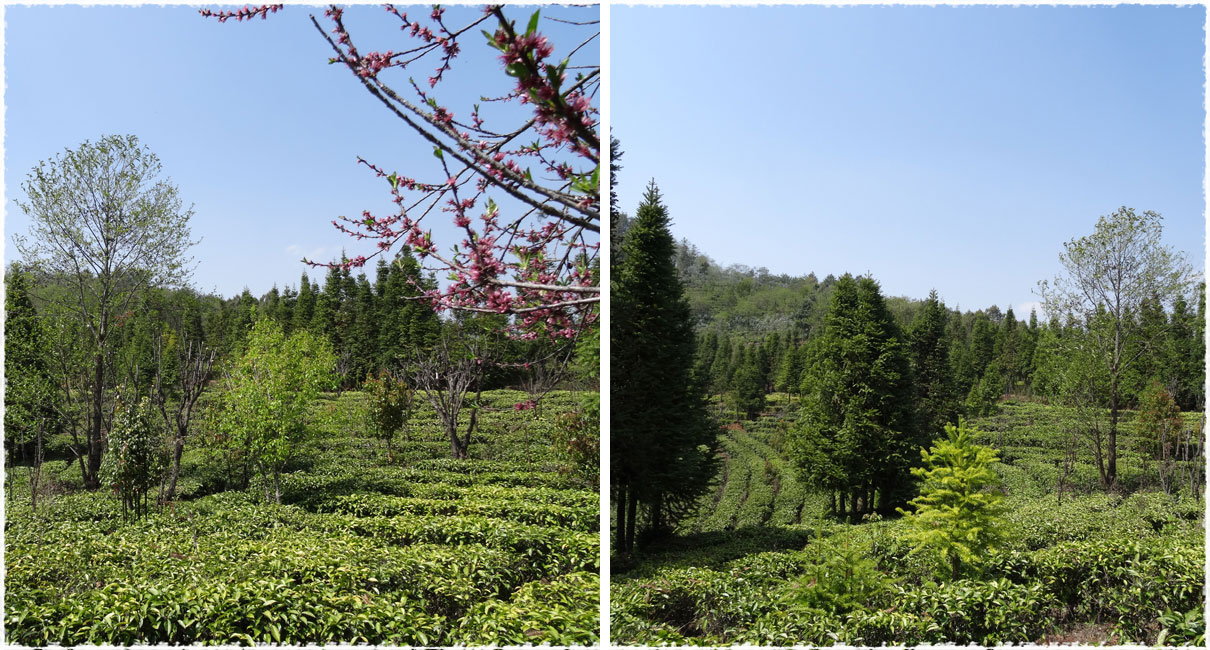
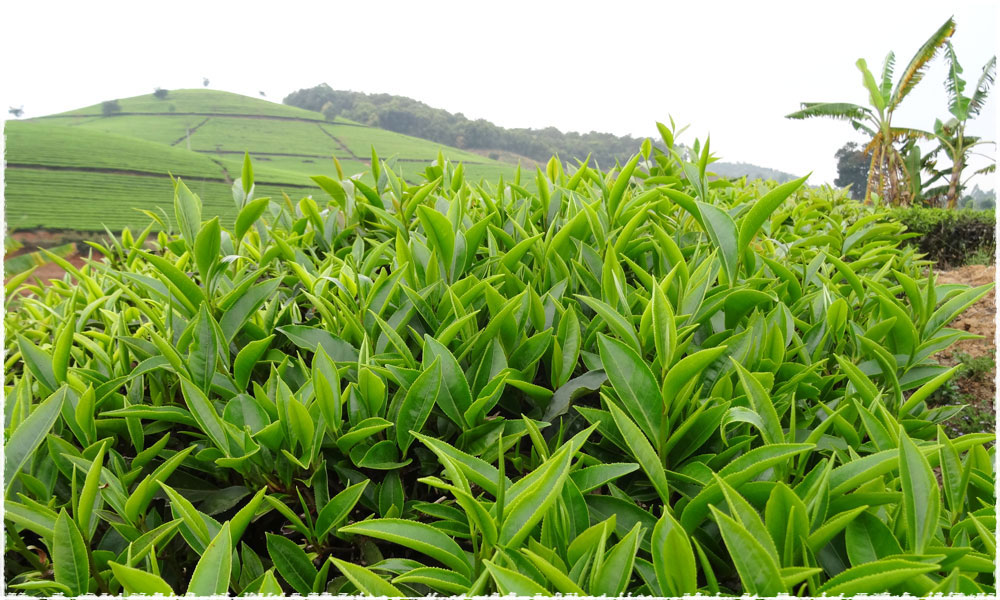
The Yaming Bai Hao tea garden covers a total area of around 1,000 mu of mountainous terrain between 500 and 1200m above sea level. This garden is fully surrounded by woods, and clouds and mist often shroud it throughout dawn and night, helping to prevent the harmful effects of UV rays on the tea plants growing here. To further ensure quality, chemical pesticides and fertilizers are strictly forbidden; the tea garden earned its organic authorization in 2015.
Origin
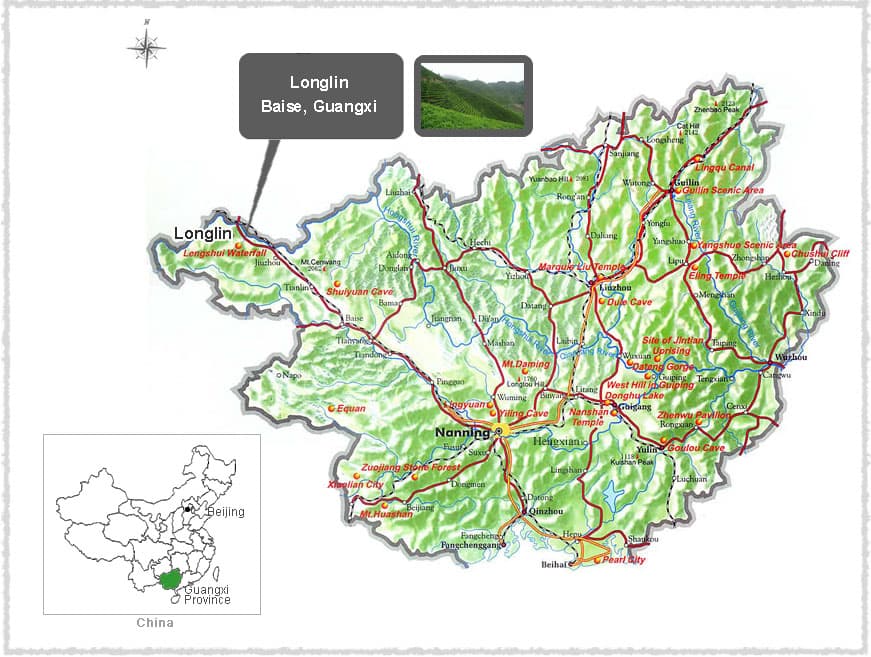
Guangxi - Green Tea
While China is the hometown of tea production in general, Guangxi is the birthplace of Bai Hao tea itself. The trees here are commonly grown at altitudes between 800 and 1500m, receiving an average precipitation of 1500-2000mm per year and with an average yearly temperature of 16-23℃.
Hengxian - Jasmine Flower
Produced in Guangxi, China, the jasmine used to scent this tea has earned a respected reputation nationwide. The most productive area of Guangxi is Hengxian, known as The City of Chinese Jasmine for its ability to produce flowers of both high quality and high yield.
Tea Bush
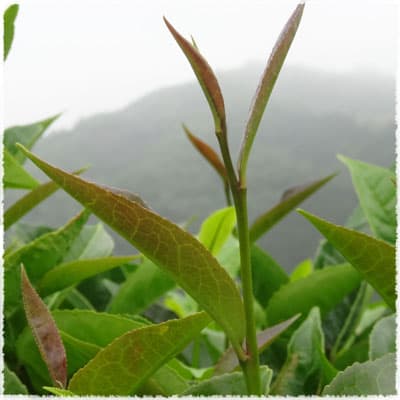
It is said that the Bai Hao variety is the only tea species versatile enough to be used as base material for all of the six basic types of tea: green, white, black, yellow, oolong, and pu-erh. It is a large-leaf species with elastic yellowish-green leaves containing an abundance of important compounds: one test shows that the leaves contain 3.36% amino acids, 35.6% polyphenols, 4.91% caffeine, and 182.92 mg/g of catechinic acid.
In 1964 a large number of these trees were found growing wild in Lingyun County, Guangxi, with the largest among them measured at nearly ten meters in height with a trunk 25cm wide.
History
List of awards won by Bai Hao tea
1915: Second prize in the Panama Pacific International Expedition
1965: Listed as one of the most improved Chinese tea varieties by the Chinese Academy of Agricultural Sciences
1984: Classified as a state-level improved tea variety by the Tea Variety Examination Approval Committee of China
1991: Won the title of ‘National High Quality Tea’ by China’s Ministry of Agriculture
1994: Included in the book of China's Famous Tea Selection.
1999: Earned the title of “Premium Tea” in the third National Chinese Tea Trophy Award Competition
2002: Baihao black and Baihao green teas won gold and silver medals, respectively, in the Wuhu International Tea Expo.
Customer Reviews
Related Products


























Reviews
There are no reviews yet.