
-
Fast ShippingFree shipping for orders above $40
to most countries. -
Secure PaymentPay with Paypal, Credit Card …
-
Carefully SelectedFrequently Visit Tea Gardens.
Taste Repetitiously -
15 Days RefundNo Questions Asked
Refund Policy
Handmade Ming Qian Dong Ting East Mountain Bi Luo Chun Green Tea
Refreshing, flowery and fruity, mellow and smooth
Price range: $7.00 through $223.68
Handmade Ming Qian Dong Ting East Mountain Bi Luo Chun Green Tea
Refreshing, flowery and fruity, mellow and smooth
Summary
| Origin: |
East Dongting Mountain, Taihu Lake, Wuzhong District, Suzhou City, Jiangsu Province, China |
|---|---|
| Season: |
Spring Tea |
|
Harvest Date: |
March 27, 2026 |
|
Plucking Standard: |
One bud with one leaf |
| Dry Leaf: |
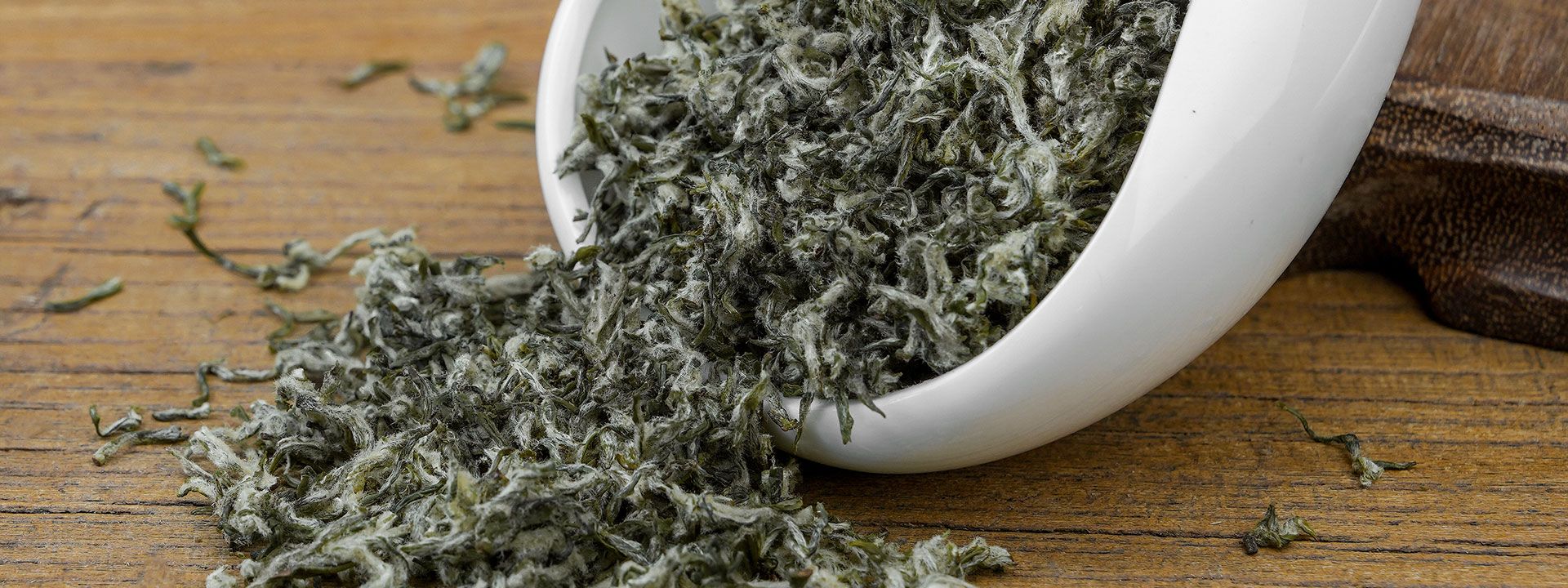
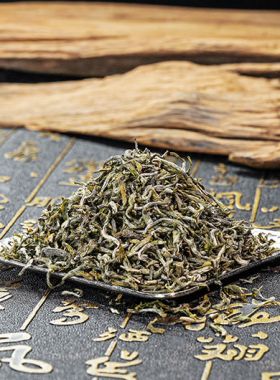
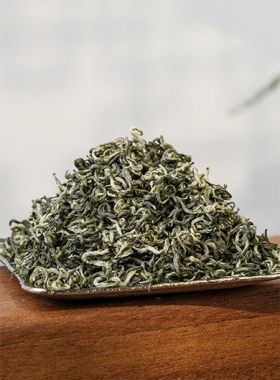
Tender leaves and buds, curly like snail, and the white pekoe is exposed, silver emerald green in color |
| Aroma: |
Nutty, flowery and fruity scent |
| Liquor: |
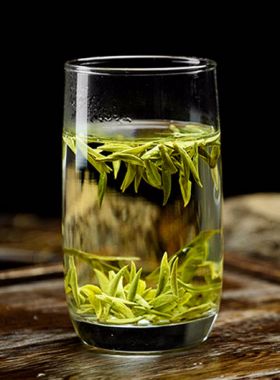
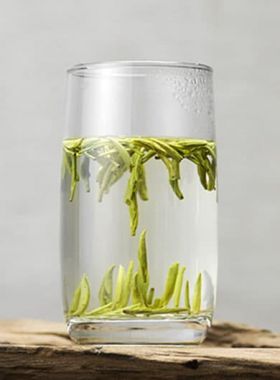
Pale yellowish green |
| Taste: |
Refreshing, soft and mellow, the aroma of flowers and fruits is rich and will lingering in mouth and throat, leaving a pleasant aftertaste and generating saliva secretion |
| Tea Bush: |
Qunti tea tree species |
| Tea Garden: |
Biluo Village (碧螺村) tea garden |
| Caffeine: |
Low caffeine (less than 10% of a cup of coffee) |
| Storage: |
Store in airtight, opaque packaging; keep refrigerated |
| Shelf Life: |
18 Months |
Angel’s Comment:
From the East Dongting Mountain, this Ming Qian Biluochun is refreshing with flower and fruit scent, taste mellow with lingering aftertaste.
There is an ancient adage that "Mingqian tea is as dear as gold," not only because of the modest output, but also because the buds that have just erupted will be subject to various factors if they are not harvested in time. As a result, Ming Qian tea is a race against the clock from plucking to production. This tea is a Dong Ting Bi Luo Chun from the East Dongting Mountain that TeaVivre discovered for you. It's a completely hand-picked and hand-made Ming Qian tea. According to statistics, 500g tea requires over 70,000 fresh tea buds and must be prepared on the day of plucking, which is enough to demonstrate its preciousness and uniqueness.
Its buds and leaves are delicate and coated with white pekoe. Just by smelling the dried tea, you may detect a rich flowery and fruity aroma. The perfume of tea, flowers, and fruits are all incorporated into the tea liquid after brewing, and the taste is sweet and refreshing, rich and mellow, leaving a nice aftertaste and stimulating saliva secretion.
Recommend Brewing Method
 |
Cup Method |
 |
Chinese Gongfu Method |
 |
Teacup: 8.8oz / 250ml | |
Gaiwan: 3.8oz / 110ml |
 |
176℉ / 80℃ | |
176℉ / 80℃ |
 |
2 Teaspoons / 2g Tea | |
4g Tea |
 |
Brewing time: 3 - 5 mins (can steep 3 times) | |
6 steeps: 10s, 15s, 20s, 25s, 35s, 45s |
Tea Garden
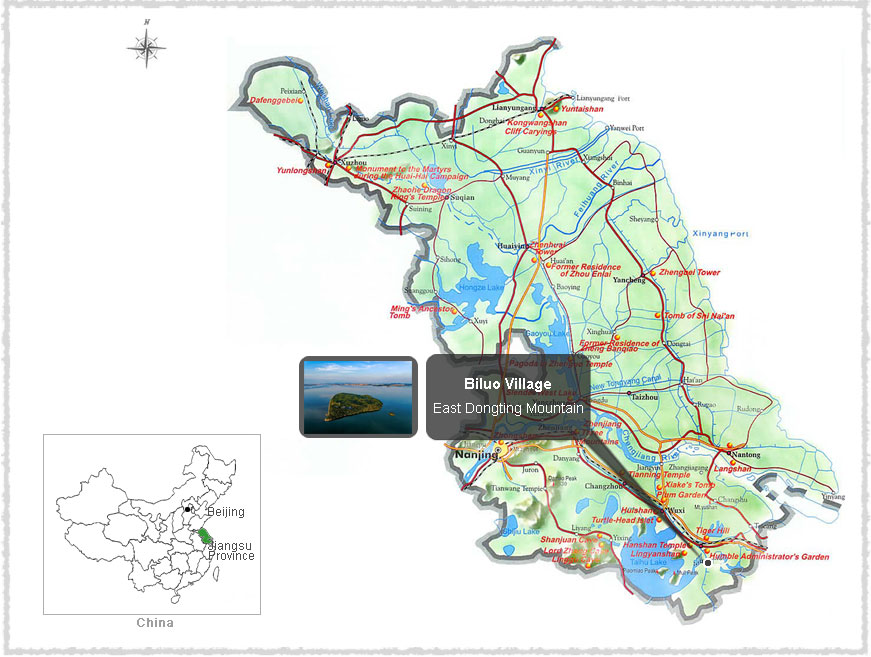
East Dongting Mountain is a peninsula extending along the southeastern shore of the lake, surrounded by water on three sides. With its vast expanse of shimmering lake views, it resembles a great vessel quietly resting upon emerald waves. This is the birthplace of one of China’s Ten Famous Teas—Dongting Bi Luo Chun, and also a national 5A scenic area. Our tea garden is located in Biluo Village on Dongshan, where nearly every household is engaged in the cultivation and production of Bi Luo Chun green tea.
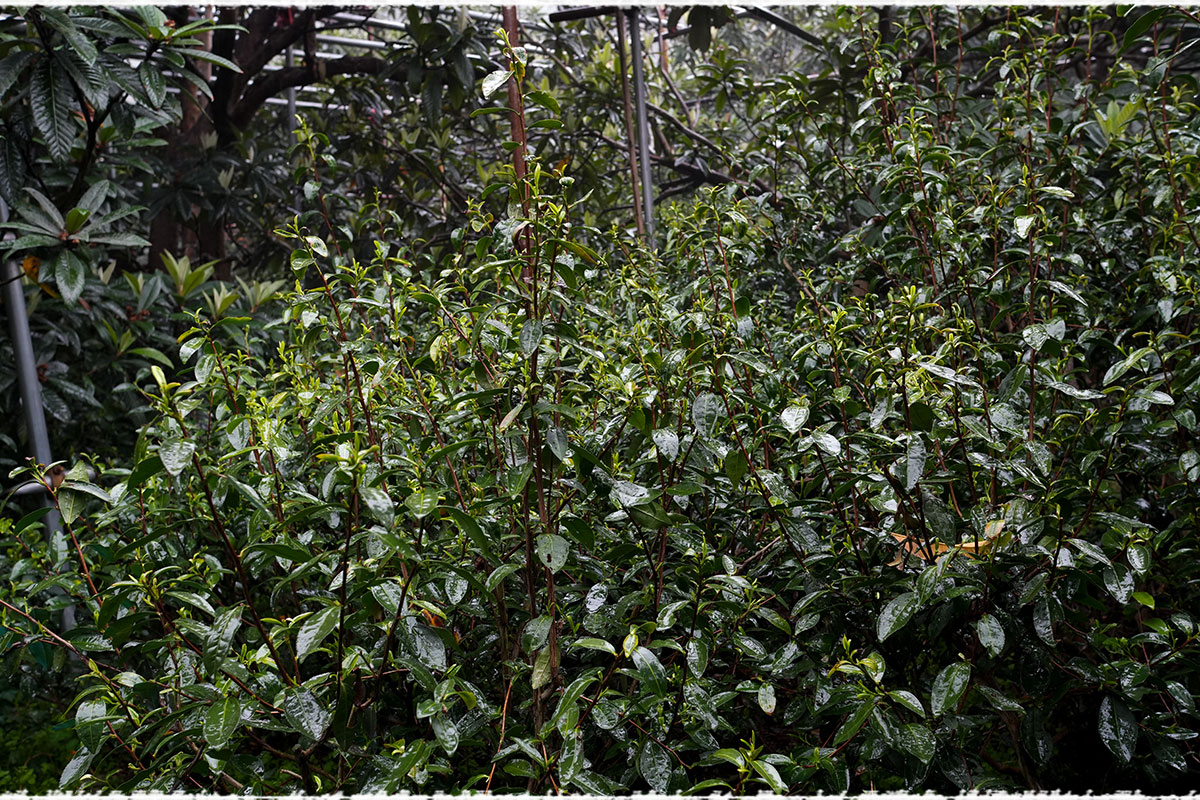
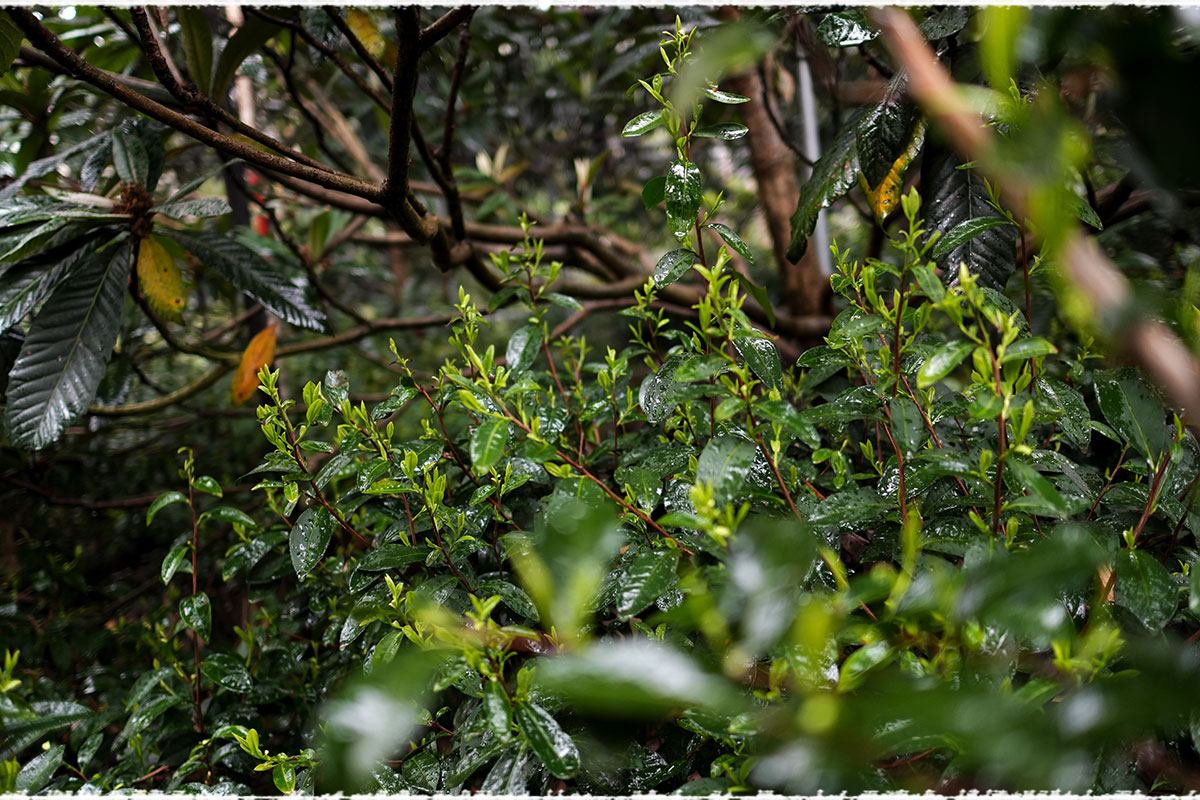
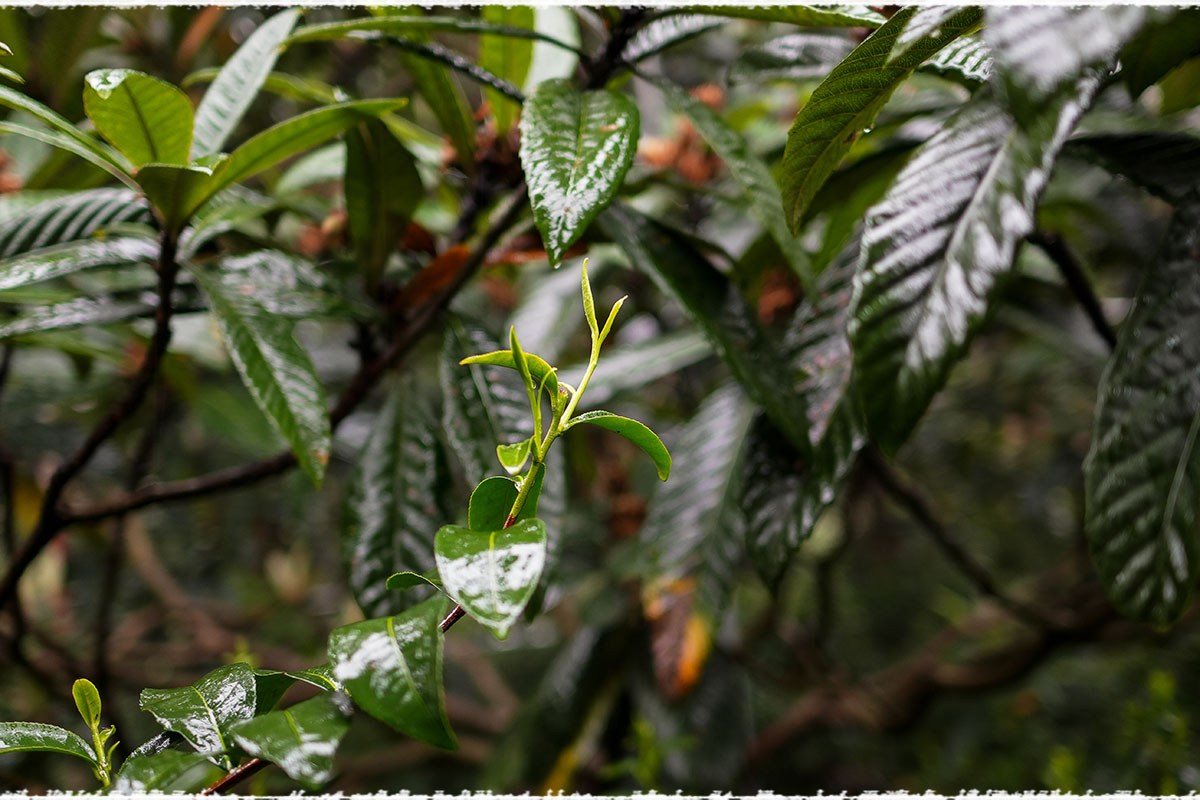
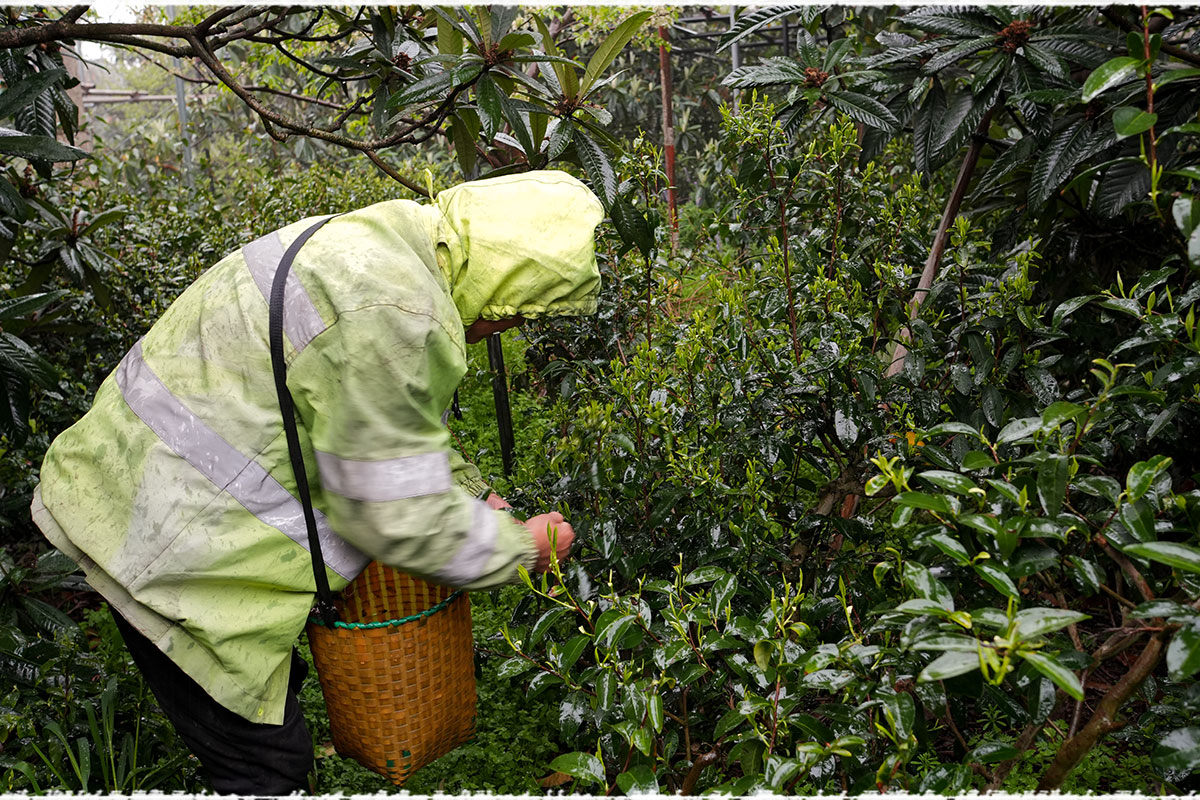
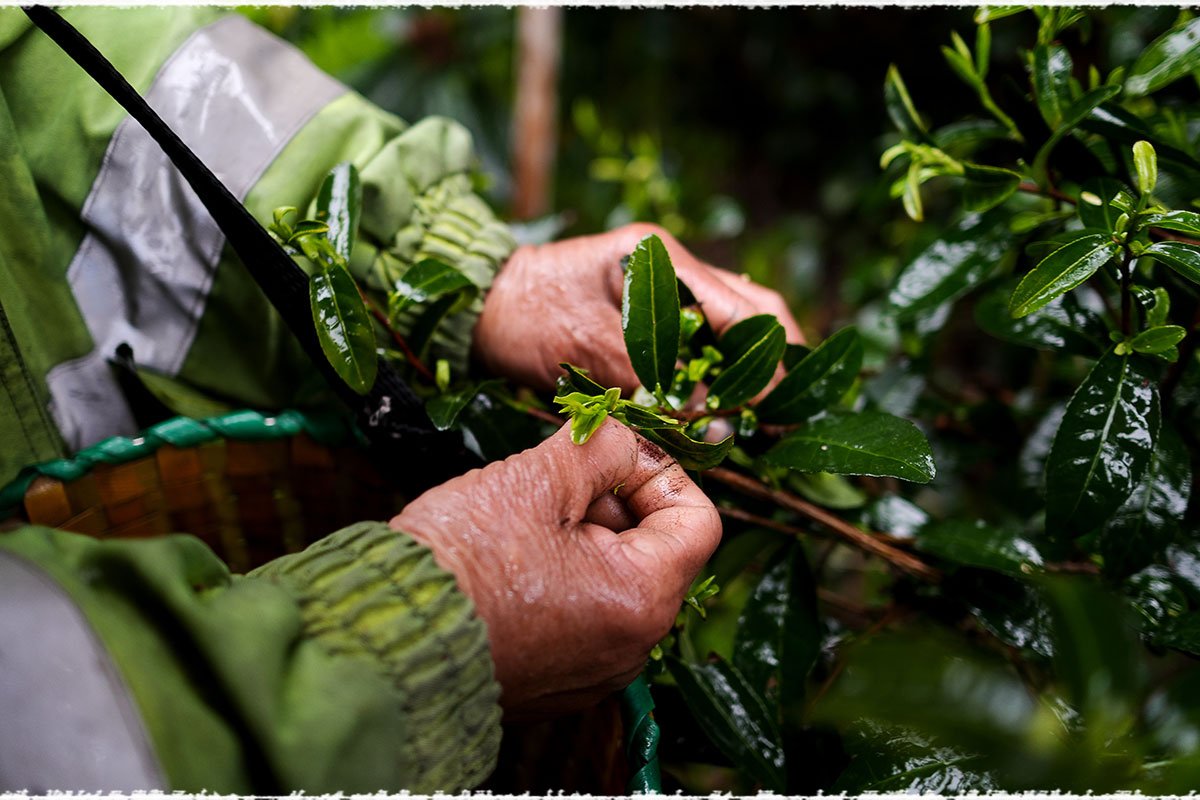
Here, tea trees are interplanted with fruit trees, their roots intertwined and branches interlaced. The tea absorbs the fragrance of the fruits, while blossoms gently infuse their aroma into the leaves. Through this natural harmony, Bi Luo Chun develops its distinctive floral and fruity character. For generations, the people of Biluo Village have carefully preserved this tea garden, following the traditional method of tea–fruit intercropping. Around the Qingming season each year, families begin harvesting the spring tea, which then undergoes meticulous handcrafting—sorting, pan-firing, rolling, and shaping to reveal fine hairs, resulting in the delicate, spiral-shaped leaves with hidden silvery tips that embody the essence of spring.
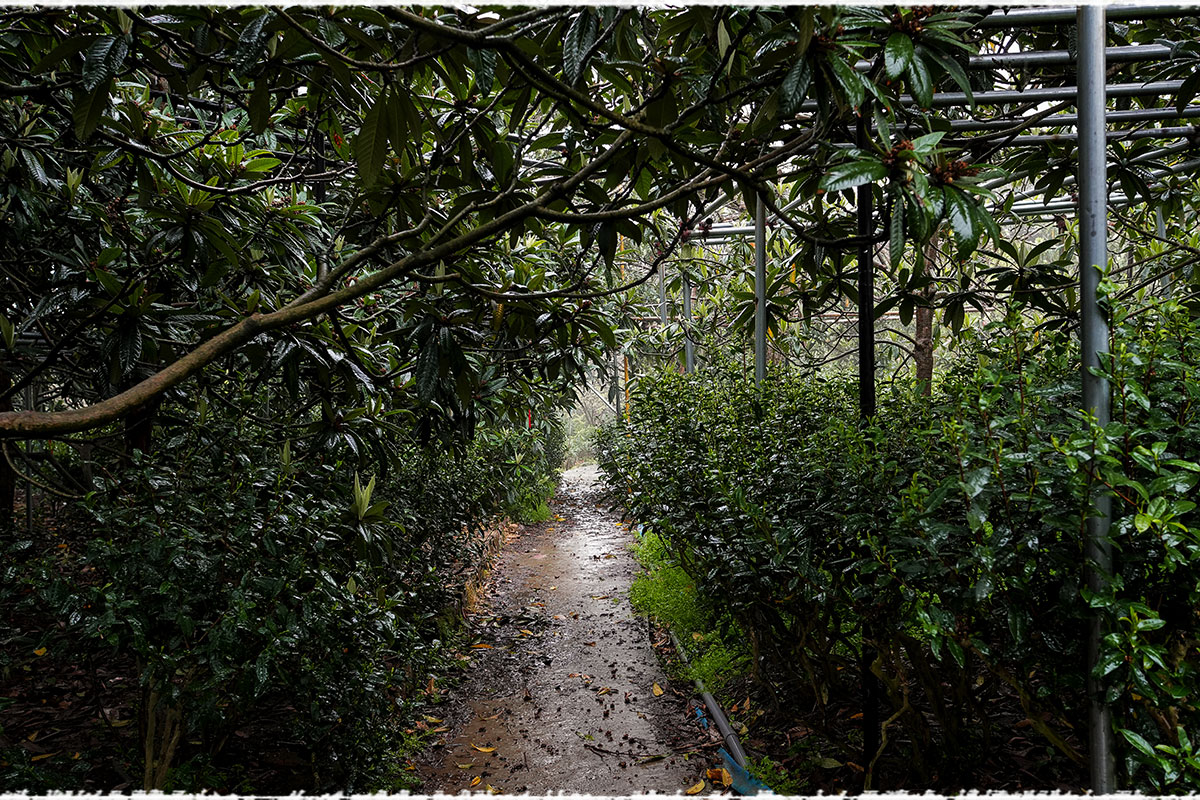
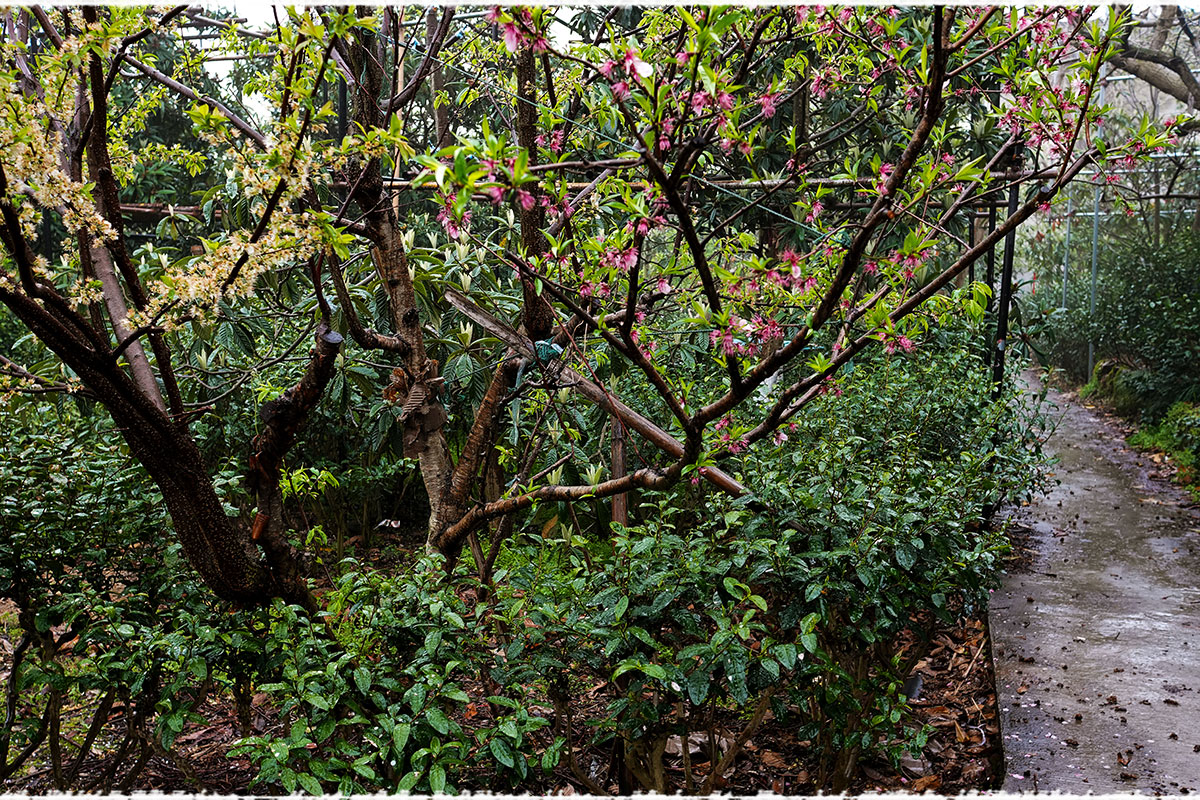
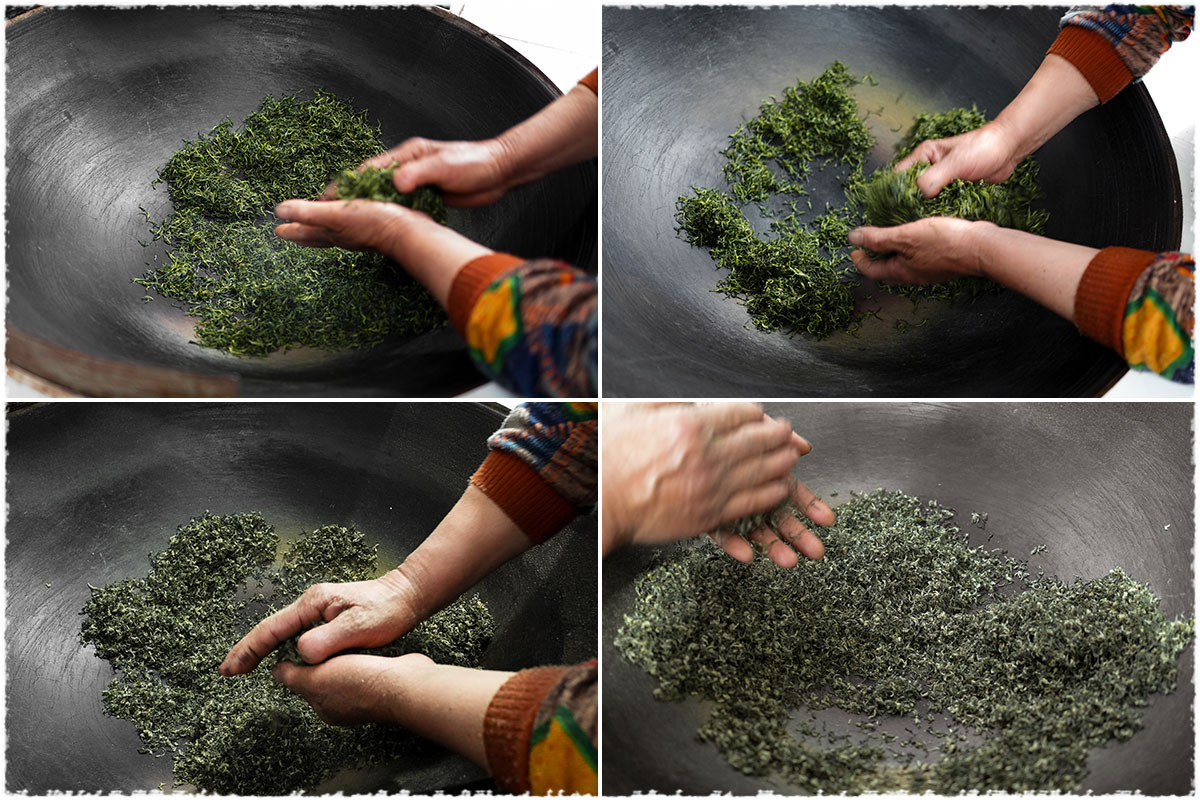
Traditional handcrafting of Bi Luo Chun is pan-firing and rolling integrated technique; pan-frying, rolling, and shaping to reveal fine hairs are all done in the wok.
Tea Farmer
In Biluo Village, when it comes to tea-making skills, everyone in the neighborhood will mention Auntie Shen. In her early fifty, her hands are roughened by years of tea processing but steady and skillful. She grew up in the tea gardens, and her whole family has long depended on Bi Luo Chun for their livelihood.
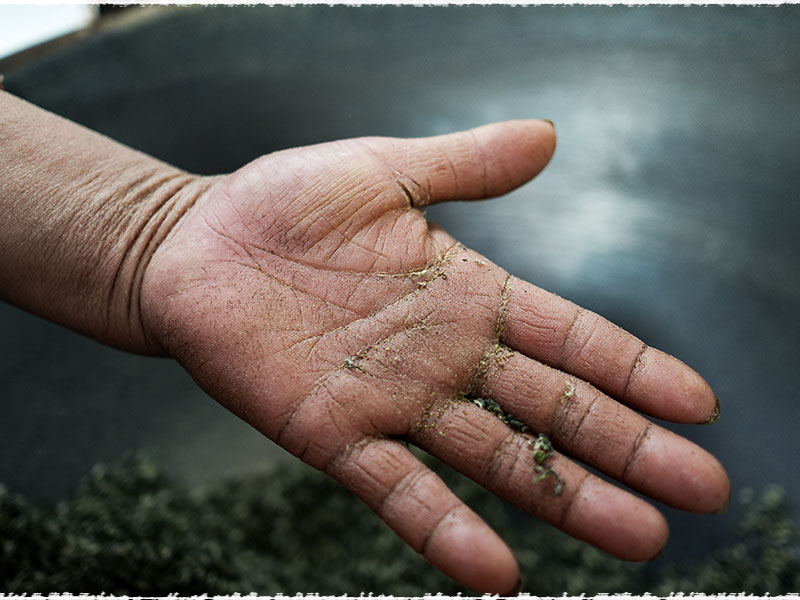
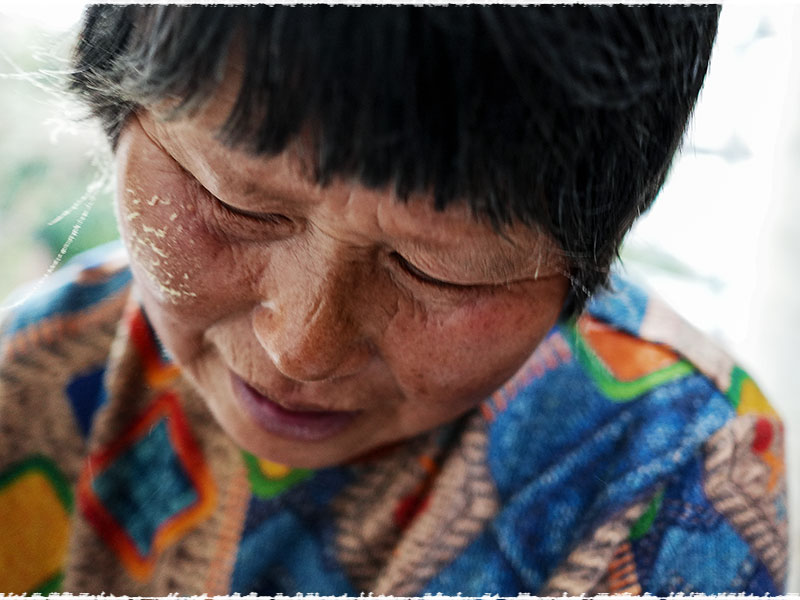
The busiest time of year is just before Qingming. Before dawn, Auntie Shen sets out with her bamboo basket, her fingers moving swiftly among the tea bushes. Back home, her husband has already set up the iron wok in the yard. The freshly picked leaves are spread out and sorted, and by afternoon, it’s time for her to truly shine, fixing, rolling, and shaping all in one wok. Blisters on her palms are nothing unusual.She often says, “tea made by machines just doesn’t have that lively spirit.” When customers visit, Auntie Shen always brews a cup with a warm smile: “Have a taste, this is the flavor of my old tea trees. You won’t find it anywhere else.”
Origin
Dong Ting Bi Luo Chun is produced in Dongting Mountain, Wuzhong District, Suzhou City. Dongting Mountain is separated into two sections: east and west. East Mountain is a peninsula surrounded on three sides by water, whereas West Mountain is an island in Taihu Lake. The temperature here is warm and humid, with lots of sunshine, making it ideal for producing tea plants. Yet, plenty of sunshine and rain are insufficient to make Biluochun in Dongting Mountain stand out. Wuzhong's east and west mountains not only yield high-quality Dongting Biluochun, but also the well-known loquat, bayberry, and Dongting tangerine. Tea trees and fruit trees such as plum, orange, and loquat are planted alternately. Local people pick tea in March and April, loquat in May, and bayberry in June. Natural decaying fruits and residual leaves provide excellent nutrients for tea trees. Furthermore, the big fruit trees protect the short tea trees from direct sunlight, allowing the tea buds to keep as much umami flavor as possible. This practice of growing tea and fruit trees is one of the main reasons why Biluochun in Dongting Mountain has natural flowery and fruity aromas.
Tea Bush
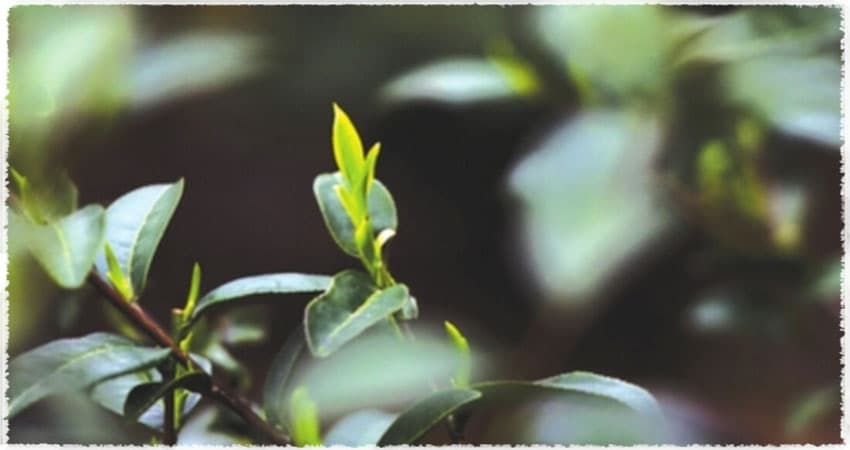
The Small-leaf Qunti tea plants in Dongting can be recognized by their characteristic slender, uniform buds and leaves. Bi Luo Chun tea made from this species of tea plant is famous for its appearance with plenty of tiny leaf tips, as well as for its bold aroma and mellow taste. The Dongting Small-leaf tea bush species, handed down from generation to generation, is the best species for producing Bi Luo Chun Tea.
History
In Chinese, the name “Bi Luo Chun” means “Green Snail Spring”, in reference to its tightly-coiled appearance resembling a snail’s shell, and the fact that it is picked in spring. It was given this name during the Qing Dynasty by Emperor Kang Xi. The Emperor very much favored this tea, but - perhaps with some reason - was not really enamored with the tea’s original name of “Xia Sha Ren Xiang”, which roughly means “a fragrance to scare you to death” or “astounding fragrance”!
During the 1890s it was ranked first amongst Chinese green teas, and since that time it has always been ranked in the top three. For many years it was only grown in the area around Dongting Mountain, but has recently also been produced in Zhejiang and Sichuan provinces.
Customer Reviews
Related Products


























Reviews
There are no reviews yet.