
-
Fast ShippingFree shipping for orders above $40
to most countries. -
Secure PaymentPay with Paypal, Credit Card …
-
Carefully SelectedFrequently Visit Tea Gardens.
Taste Repetitiously -
15 Days RefundNo Questions Asked
Refund Policy
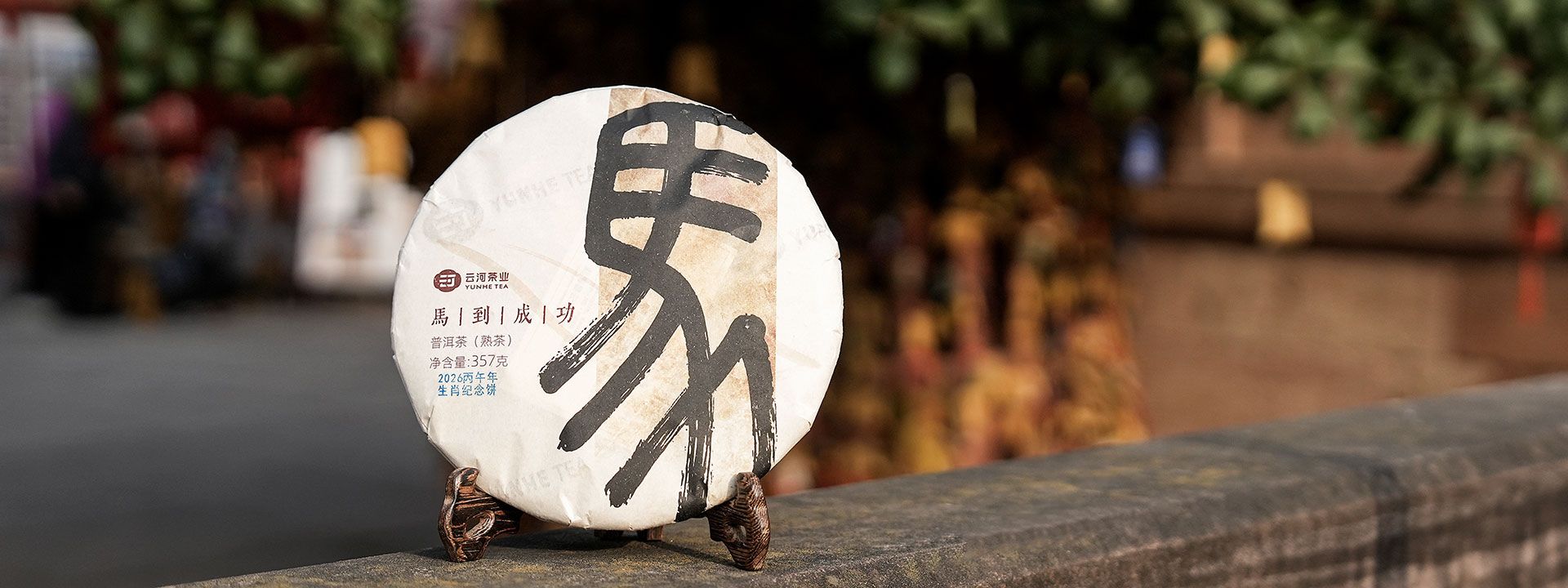
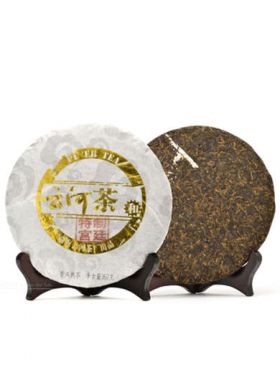
Menghai Ripened Pu-erh Cake Tea – Year of the Horse
Price range: $2.50 through $153.93
Menghai Ripened Pu-erh Cake Tea – Year of the Horse
Summary
| Origin: |
Bulang Mountain, Menghai County, Xishuangbanna, Yunnan Province, China |
|---|---|
|
Harvest Date: |
March 26, 2013 |
|
Production Date: |
June 18, 2016 |
| Weight |
357g |
| Dry Leaf: |
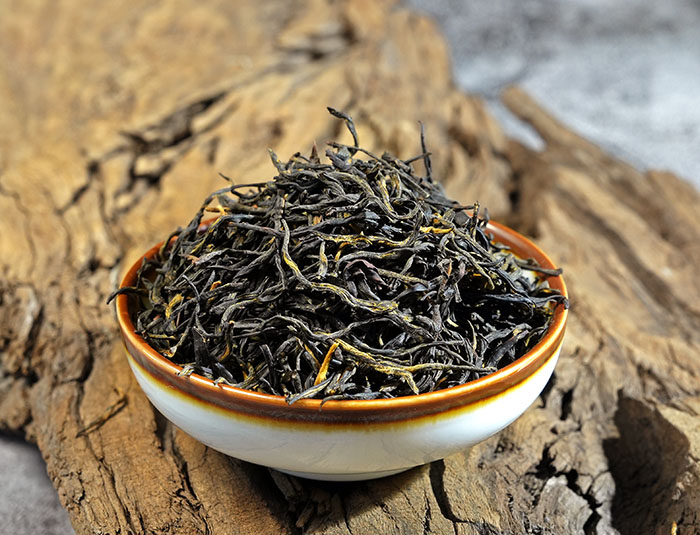
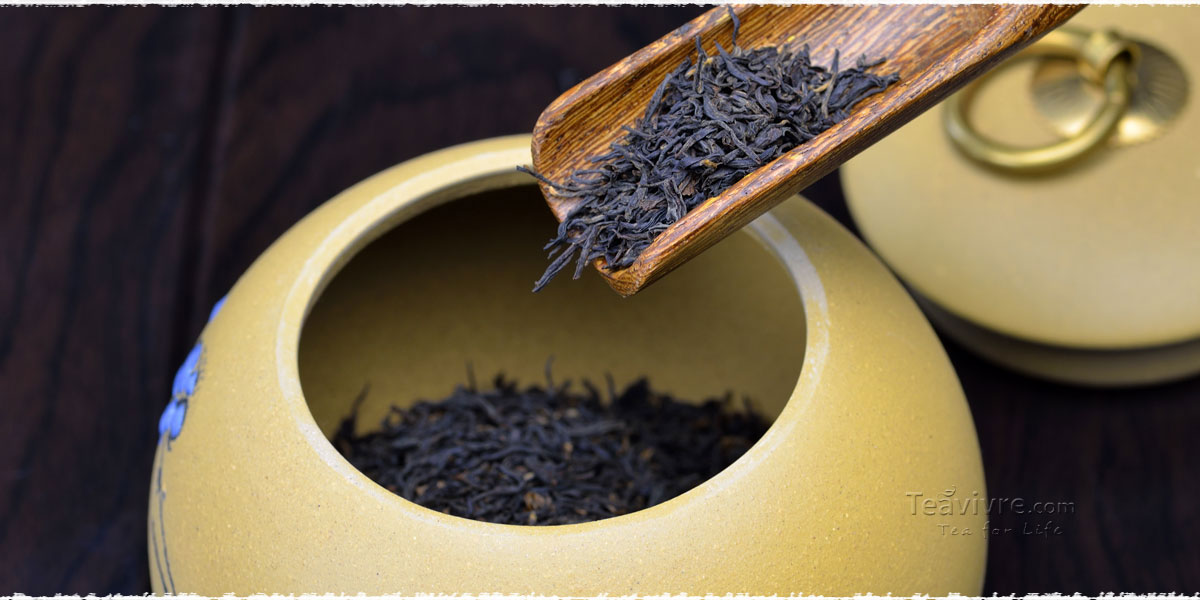
Round and tightly pressed cake, dark brown in color with tea stems and golden tips |
| Aroma: |
Chen xiang, glutinous rice, woody aroma |
| Liquor: |
Bright and clear deep red |
| Taste: |
Full-bodied and mellow, with a naturally sweet, glutinous-smooth liquor, accented by aged and woody notes |
| Tea Bush: |
Menghai large-leaf tea bush species (over 500 years) |
| Tea Garden: |
Man Xin Long Tea Garden (1600m – 1900m) |
| Caffeine: |
Moderate caffeine (less than 20% of a cup of coffee) |
| Storage: |
Store in cool, dry place away from sunlight; keep ventilated |
| Shelf Life: |
The aged the better |
| Cake Breaking: |
Pu-erh Cake Free Breaking Service available upon request — leave a message at checkout. |
Angel's Comment:
The key fragrance note: Aged aroma; the compound note is glutinous rice sweetness; the liquor is bright red, smooth, and naturally sweet.
This ripe Pu-erh cake is crafted from leaves harvested from ancient large-leaf tea trees over 500 years old in the core area of Bulang Mountain. The dry tea releases a calm, pure aged aroma with warm woody notes—restrained yet deeply grounded. Once brewed, the liquor is a deep, clear, and vibrant red. It tastes sweet and glutinous-smooth, full and gentle, with a rounded, well-integrated body. Aged and woody notes unfold slowly across the mouth, leaving a clean, warm finish. It offers both the depth of well-matured ripe Pu-erh and the strength and richness characteristic of Bulang Mountain, making it a zodiac tea that balances commemorative value with everyday drinking comfort.
Recommend Brewing Method
 |
Cup Method |
 |
Chinese Gongfu Method |
 |
Teacup: 12oz / 355ml | |
Gaiwan: 3.8oz / 110ml |
 |
212℉ / 100℃ | |
212℉ / 100℃ |
 |
5g Tea | |
10g Tea |
 |
Brewing time: 5 - 8 mins | |
12 steeps: rinse, 10s, 10s, 10s, 15s, 25s, 40s, 60s, 80s, 100s, 120s, 150s, 180s |
| Rinse time is 5 seconds |
Tea Garden
Man Xin Long stockaded village is located in Bulang Shan entirely surrounded by forests and at an elevation of 1800 meters. The Bulang nationality here migrated over two hundred years ago, and planted the original tea trees along the nearby 150 mu of hillsides during that time.
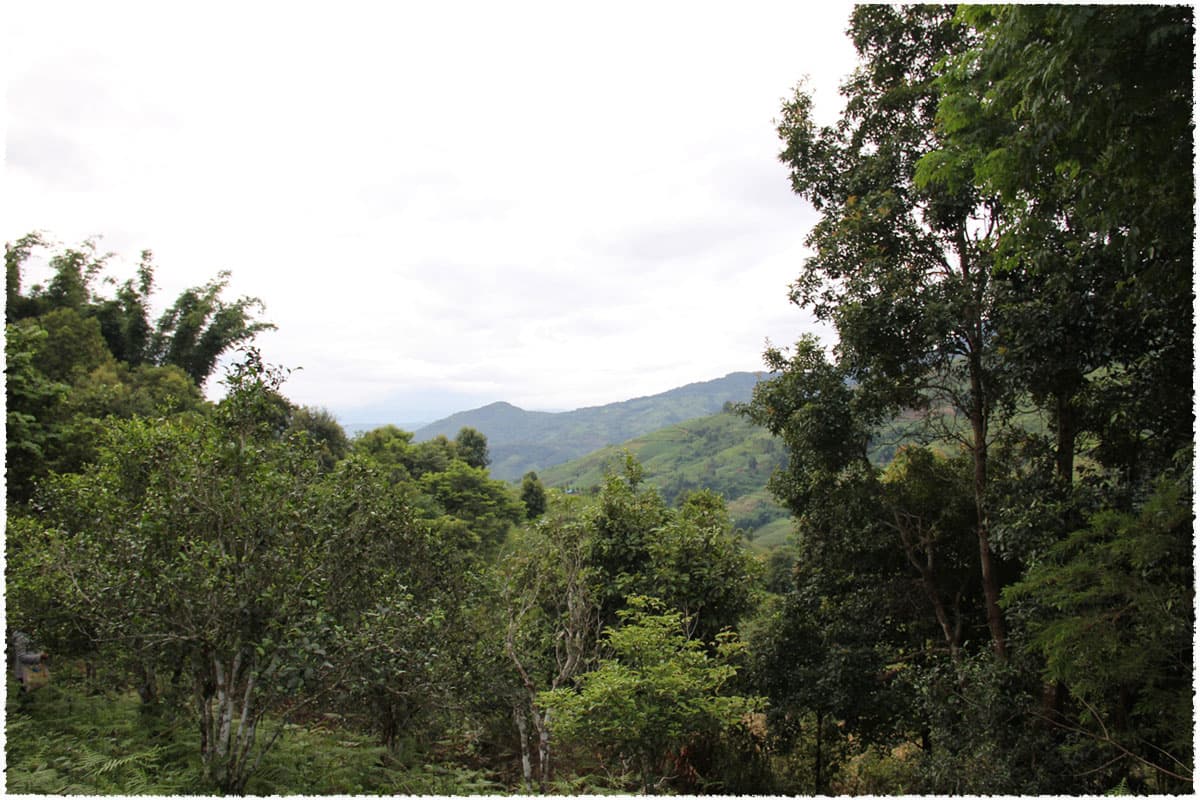
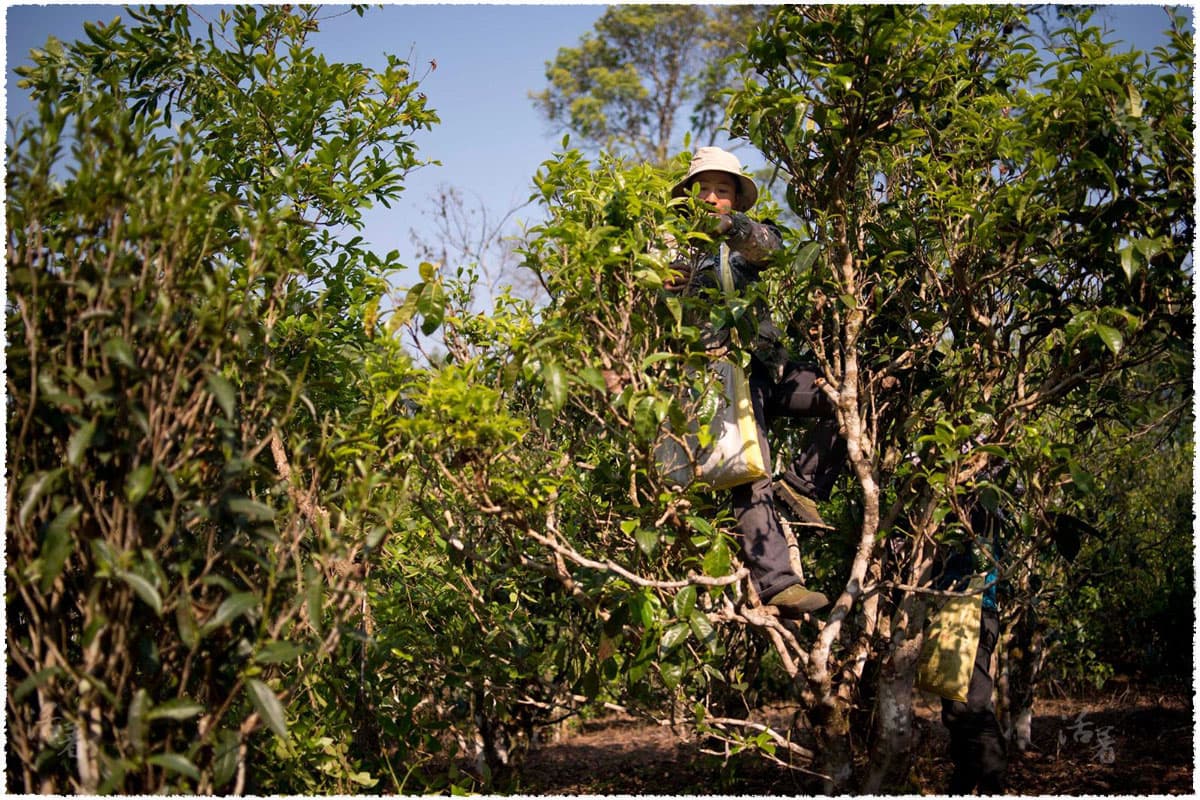
In the tea grove, tea farmers are picking tea leaves on the high tea tree.
Origin
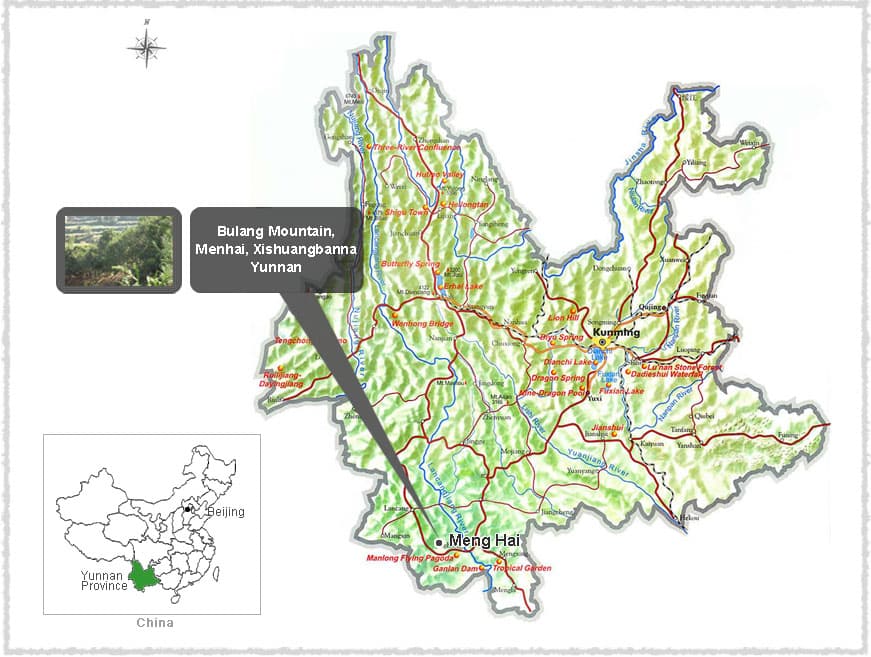
Bulang Mountain sits in Menghai County of Xishuangbanna, Yunnan, and is a famous area of pu-erh production. This mountain houses the largest concentration of ancient tea trees within a 100,000-hectare area.
The mountain rolls and stretches across Menghai, with deep valleys cutting through hills that can reach up to 1216 meters on average, with the highest point, Sanduo Peak, rising almost 2100m above sea level. Bulang Mountain experiences a subtropical monsoon climate, with abundant sunlight and rainfall of about 1374mm per year, and the average temperature between 18 and 21℃. There is little risk of frost here, and the season for it is also short; during the spring and winter a heavy fog blankets the mountain, while the summer and autumn months are often overcast and rainy.
Tea Bush
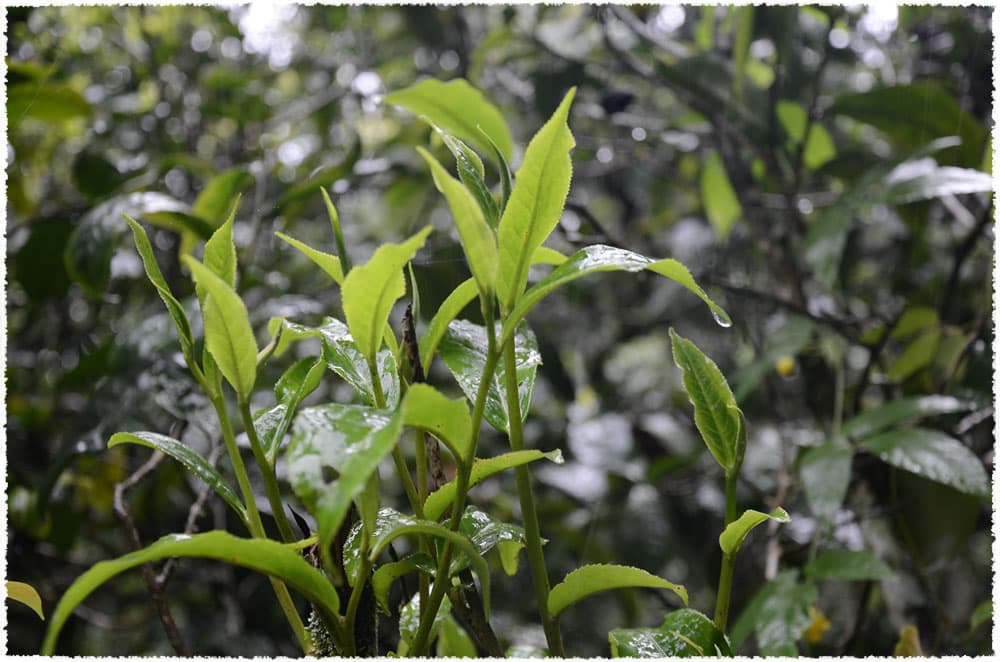
Native to Menghai County in Xishuangbanna, the Menghai large-leaf tea species was rated as the most improved national variety in 1984. It grows up to 7m tall in the wild with bold green leaves noticeably larger than more common varieties, and the buds of this species are yellowish-green and coated in fuzz. The leaves are high in phytochemicals, with one bud and two leaves containing 2.3% amino acids, 32.8% polyphenolic compounds, 4.1% caffeine, and 18.2% catechinic acid. Because of this, pu-erh tea made from this species is high in quality, rich yet soft in taste, and maintains a full-bodied essence.
History
Pu-erh is one of the oldest types of tea in China with a history stretching back over 1700 years to the Eastern Han Dynasty, when the tea was called Jing Cha. It is named after the town of Pu’er in Yunnan province, which was originally the early trading center for this tea. In early history pu-erh was used as a bartering currency in southwest China, with the famed Cha Ma Gu Dao, the Tea Horse Road, being built for the purpose of transporting this tea through the Himalayas to other countries and areas in Tibet.
Customer Reviews
Related Products




Reviews
There are no reviews yet.