
-
Fast ShippingFree shipping for orders above $40
to most countries. -
Secure PaymentPay with Paypal, Credit Card …
-
Carefully SelectedFrequently Visit Tea Gardens.
Taste Repetitiously -
15 Days RefundNo Questions Asked
Refund Policy
Jiu Qu Hong Mei Black Tea
Unique plum blossom aroma
Price range: $3.00 through $92.48
Jiu Qu Hong Mei Black Tea
Unique plum blossom aroma
Summary
| Origin: |
Shuangpu Town, Xihu District, Hangzhou City, Zhejiang Province, China |
|---|---|
|
Harvest Date: |
April 18, 2026 |
|
Plucking Standard: |
One bud with one or two leaves |
| Dry Leaf: |
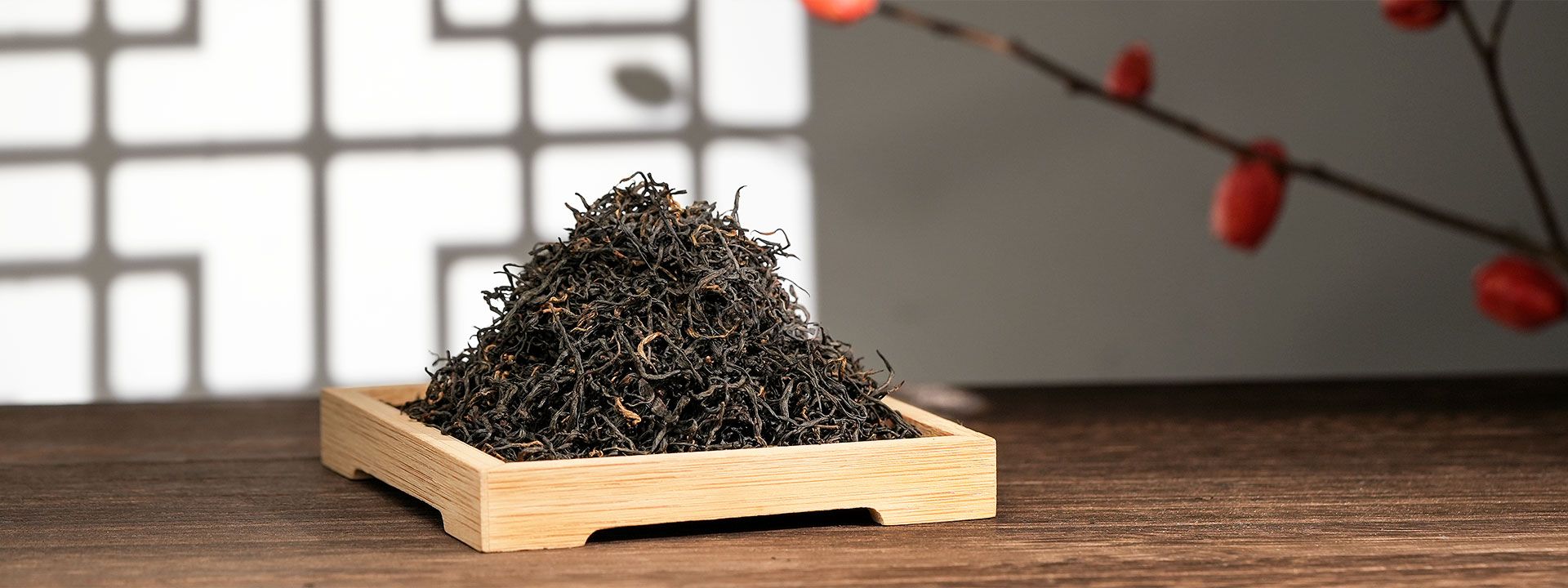
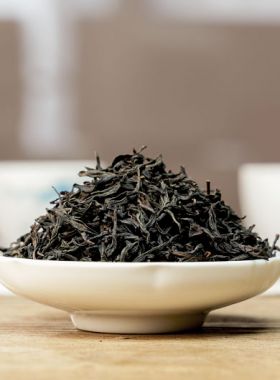
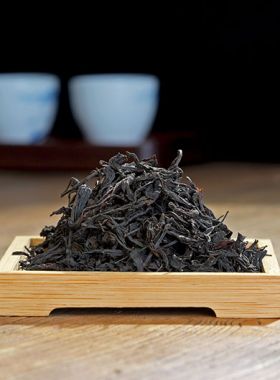
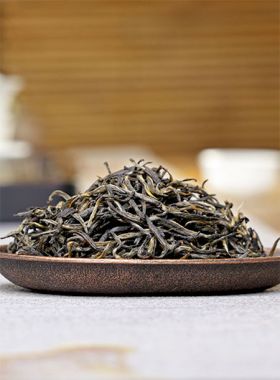
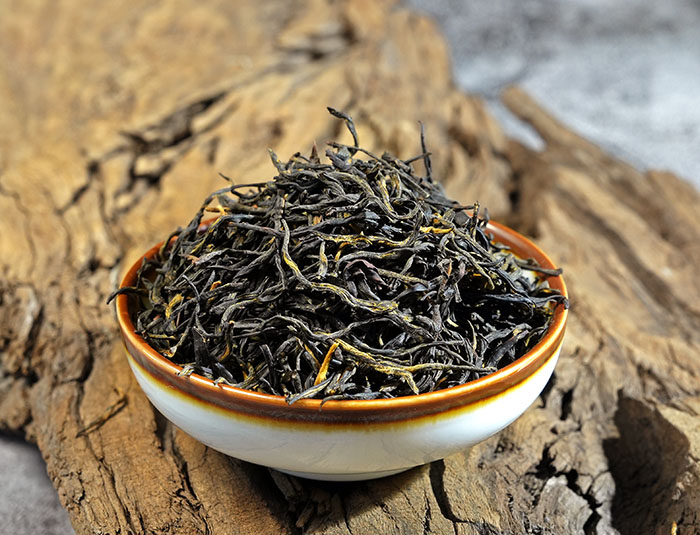
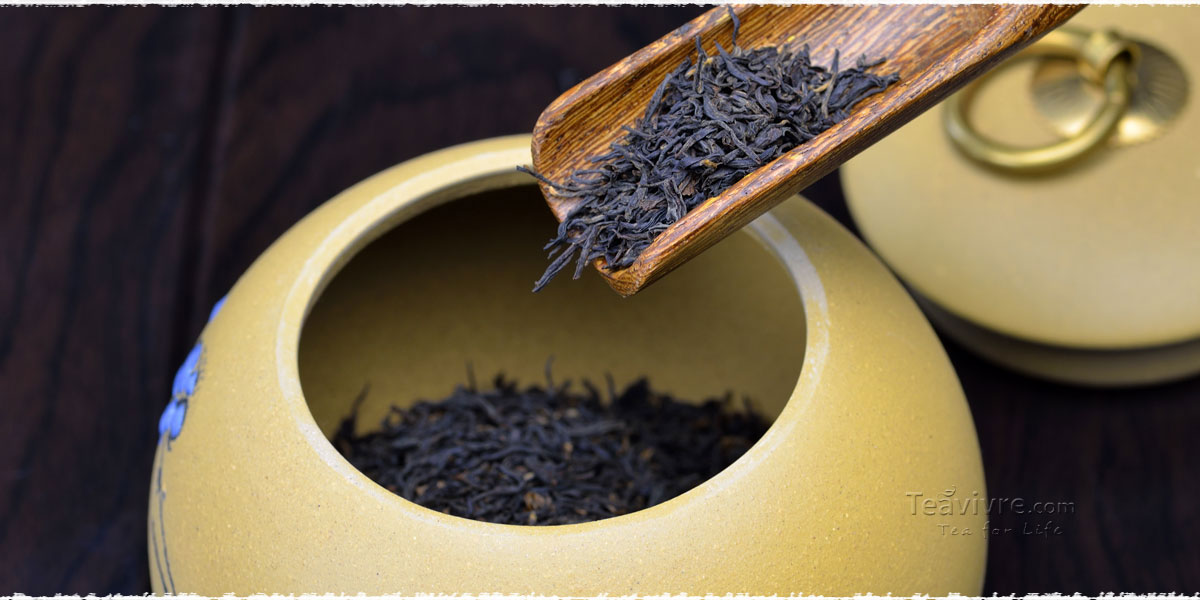
Tightly twisted leaves with shiny black color and a little golden tips |
| Aroma: |
Light plum blossom fragrance, nectar note |
| Liquor: |
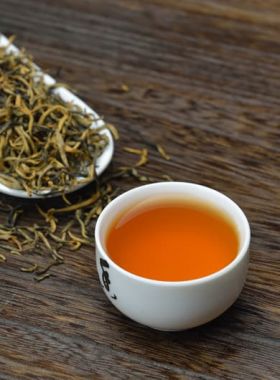
Bright orange color |
| Taste: |
Mellow and sweet, smooth and delicate with a hint of floral notes |
| Tea Bush: |
Qunti tea tree species (5-50 years) |
| Tea Garden: |
ling Shan Tea Garden (150-250m) |
| Caffeine: |
Less than 40% of a cup of coffee |
| Storage: |
Store in airtight, opaque packaging; in cool, dry place |
| Shelf Life: |
36 Months |
Angel's Comment:
The key fragrance note: plum blossom fragrance; the compound note is fruity and honeyed sweetness. The tea liquor is fresh, mellow, and pleasantly sweet, with a smooth and silky texture.
Jiu Qu Hong Mei, also known simply as “Jiu Qu Hong,” is a traditional famous tea from Xihu District, Hangzhou, Zhejiang Province. Together with West Lake Xihu Longjing—one green and one red—it is regarded as the “Twin Gems” of the West Lake tea region. Its name comes from its appearance: the tea leaves are tightly curled, dark and glossy, covered with golden tips, intertwined like fishhooks; while the liquor is bright red, hence the name “Hongmei” (Red Plum).
TeaVivre's Jiu Qu Hong Mei is carefully crafted using one bud with one to two leaves as raw material. The dry leaves are slender, tightly rolled, black and lustrous with a touch of golden tips. The aroma reveals a delicate blend of floral and fruity notes, accompanied by a faint plum blossom fragrance. The tea liquor is rich, mellow, and refreshing, with a smooth and refined texture. It carries a natural sweetness that lingers in the mouth, leaving behind a long-lasting aftertaste with gentle floral undertones.
Recommend Brewing Method
 |
Cup Method |
 |
Chinese Gongfu Method |
 |
Teacup: 12oz / 355ml | |
Gaiwan: 3.8oz / 110ml |
 |
194℉ / 90℃ | |
194℉ / 90℃ |
 |
1.5 Teaspoons / 2.5g Tea | |
5g Tea |
 |
Brewing time: 3 - 5 mins | |
6 steeps: rinse, 10s, 10s, 10s, 15s, 25s, 50s |
Tea Garden
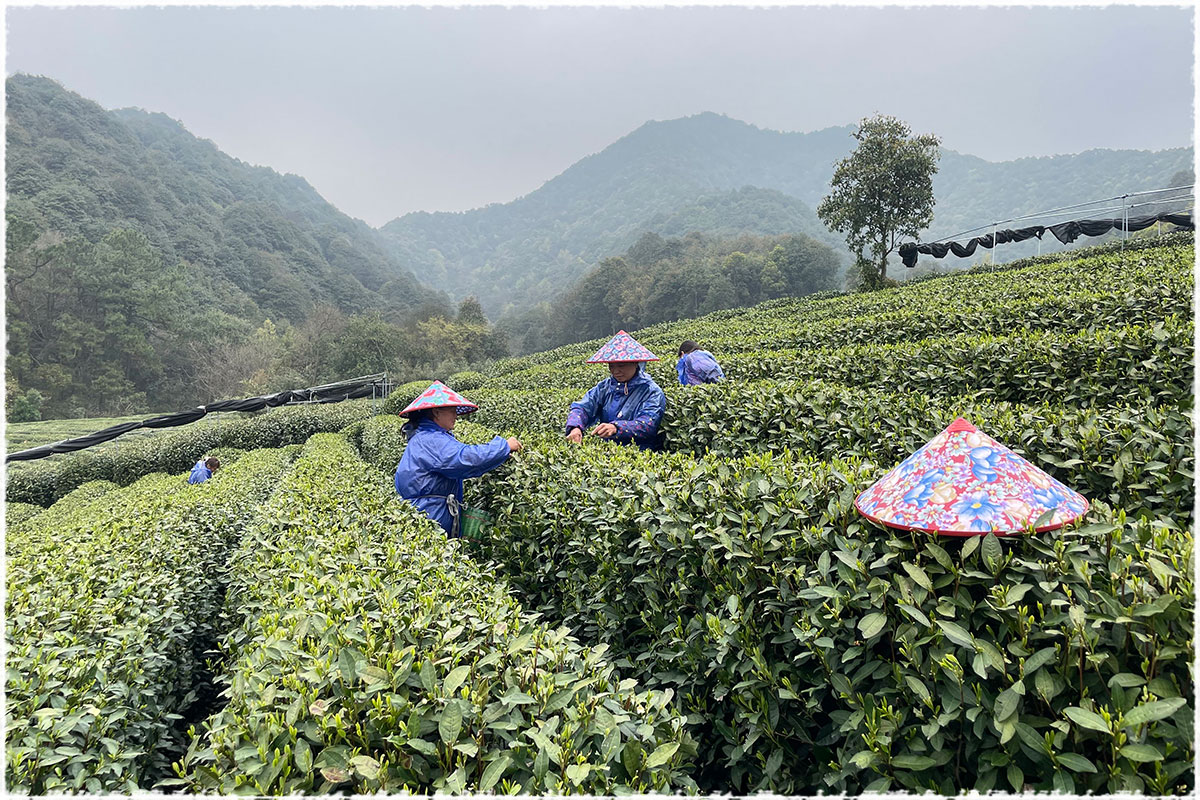
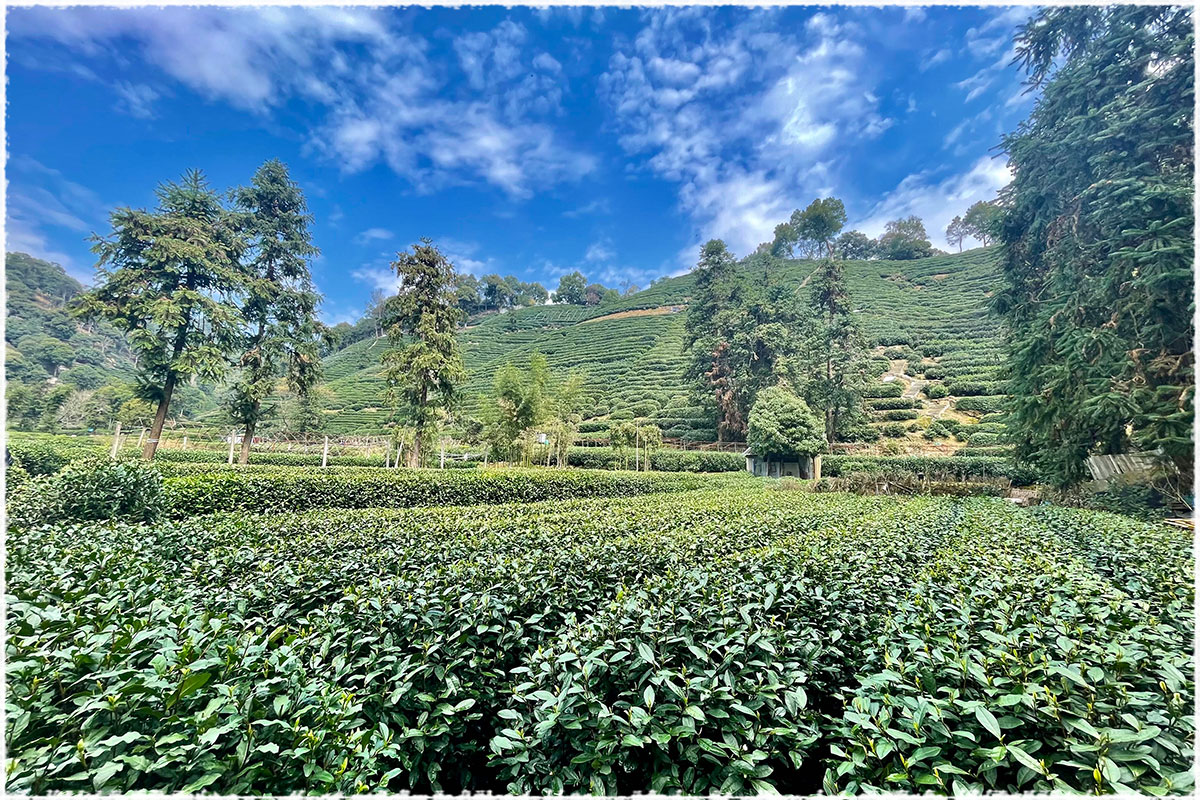
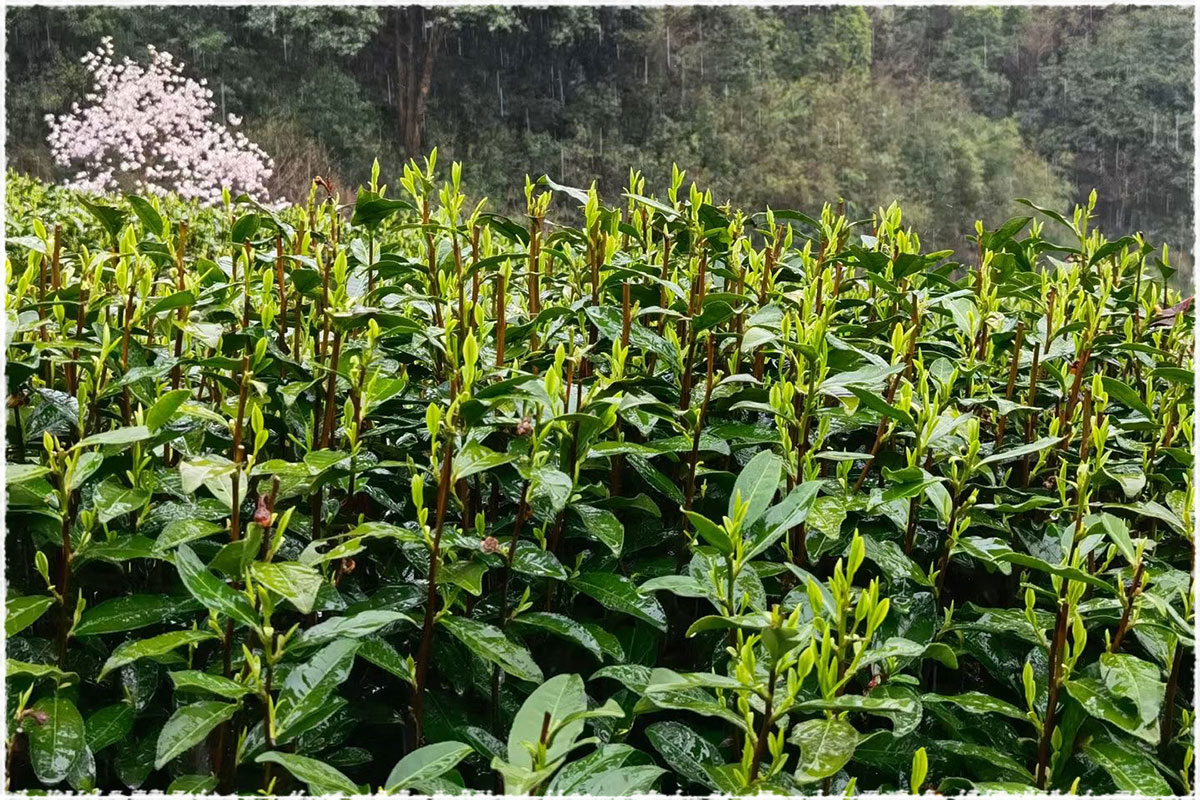
The tea garden is located in the Lingshan Scenic Area of Shuangpu Town, Xihu District. Its highest peak, Ruyi Peak, rises to 537 meters, making it the tallest peak in Hangzhou’s urban area. Surrounded on three sides by mountains, the area covers 5.42 square kilometers and includes more than 800 mu of tea fields. Backed by Xishan National Forest Park, the environment is beautiful, with a greenery coverage rate of up to 80%. The soil is sandy, fertile, and provides both good water retention and aeration, making it highly suitable for tea cultivation. The surrounding mountain ranges and misty climate, together with the sandy soil, endow the tea with its distinctive “plum blossom fragrance.”
Origin
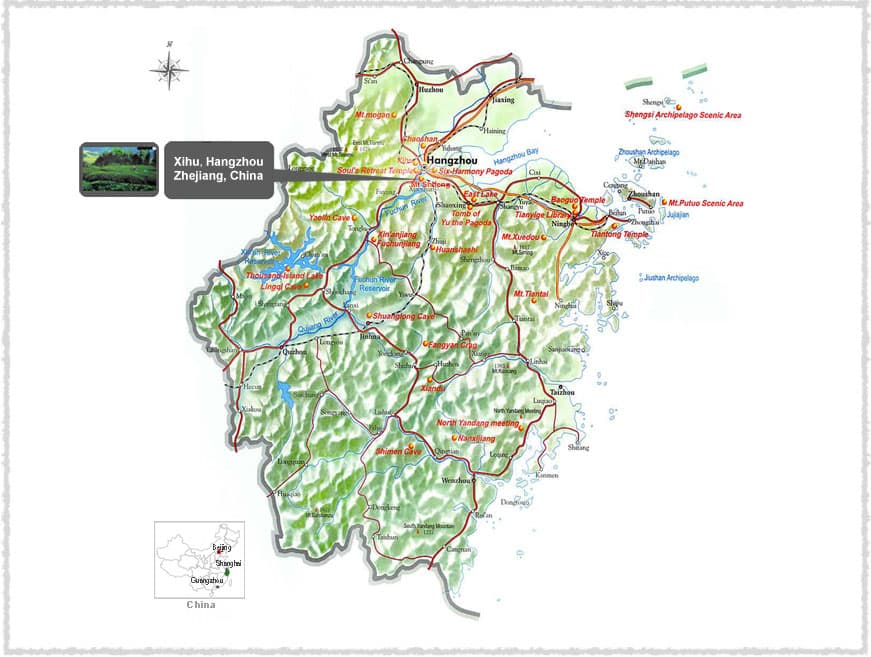
This tea comes from Xihu District, Hangzhou, Zhejiang Province, an area surrounded by hills and crisscrossed with valleys. The soil is fertile and loose, consisting mainly of yellow and red earth. The region has a subtropical monsoon climate with four distinct seasons, an average annual temperature of about 16℃, abundant rainfall, and relatively high humidity. The combination of West Lake, nearby mountains, and forests creates a unique microclimate, with mist lingering throughout the year—an environment highly favorable for the growth of tender tea buds and the accumulation of rich inner substances.
Tea Bush
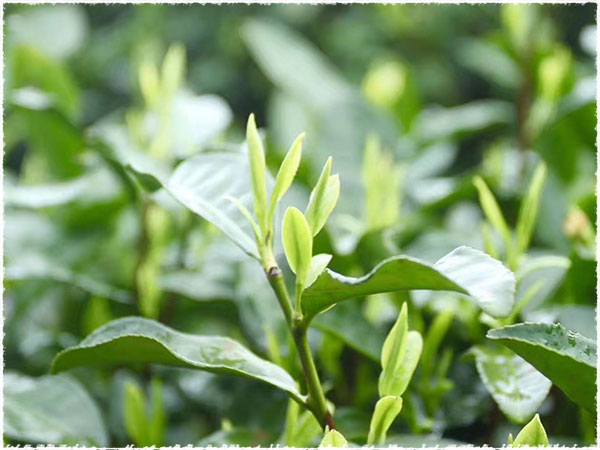
The Qunti tea tree species, the oldest Long Jing species in record, is also called “Lao Cha Peng” or “Tu Cha Ye” by the local tea farmers, able to be traced back to the Tang Dynasty Long Jing tea made from this kind of species is characteristic in its mellow fragrance, and slightly bitter yet sweet aftertaste.
Honor
Jiu Qu Hong Mei Tea won the Grand Prize at the Panama–Pacific International Exposition in 1915, the Grand Prize at the Philadelphia World Expo in 1926, the Special Gold Award at the China National Goods Exhibition organized by the Shanghai Ministry of Industry and Commerce in 1928, and the Special Gold Award at the first West Lake Expo in Hangzhou in 1929. In 2009, the “Traditional Craft of Jiuqu Hongmei Black Tea in Xihu District, Hangzhou” was inscribed on the Third List of Intangible Cultural Heritage of Zhejiang Province.
Customer Reviews
Related Products
Reviews
There are no reviews yet.