
-
Fast ShippingFree shipping for orders above $40
to most countries. -
Secure PaymentPay with Paypal, Credit Card …
-
Carefully SelectedFrequently Visit Tea Gardens.
Taste Repetitiously -
15 Days RefundNo Questions Asked
Refund Policy
Guizhou Ruby Black Tea (Hong Bao Shi)
Nectar, fruity, soft and mellow
Price range: $2.00 through $61.32
Guizhou Ruby Black Tea (Hong Bao Shi)
Nectar, fruity, soft and mellow
Summary
| Origin: |
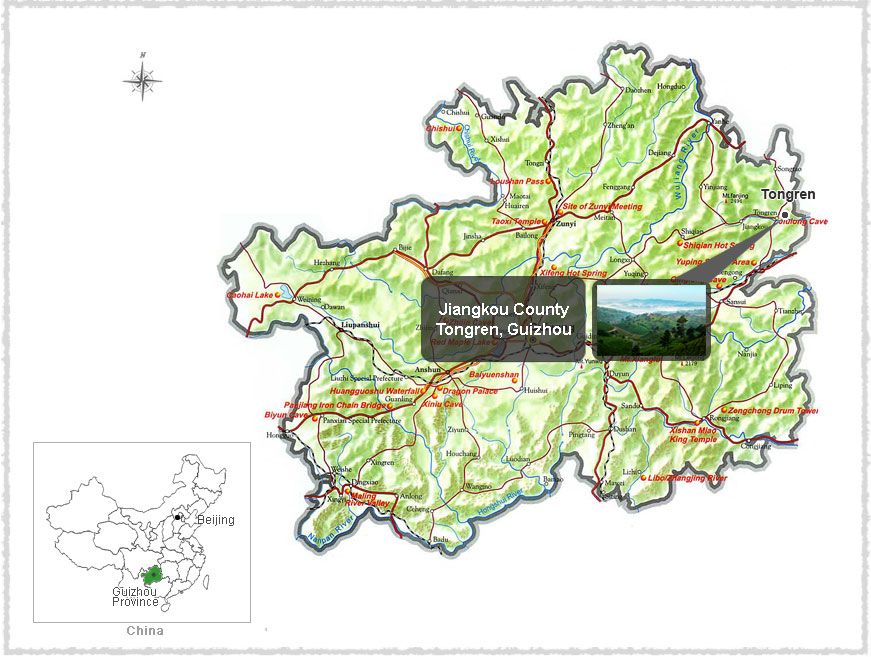
Jiangkou County, Tongren City, Guizhou Province, China |
|---|---|
|
Harvest Date: |
March 20, 2026 |
|
Plucking Standard: |
One bud with two or three leaves |
| Dry Leaf: |
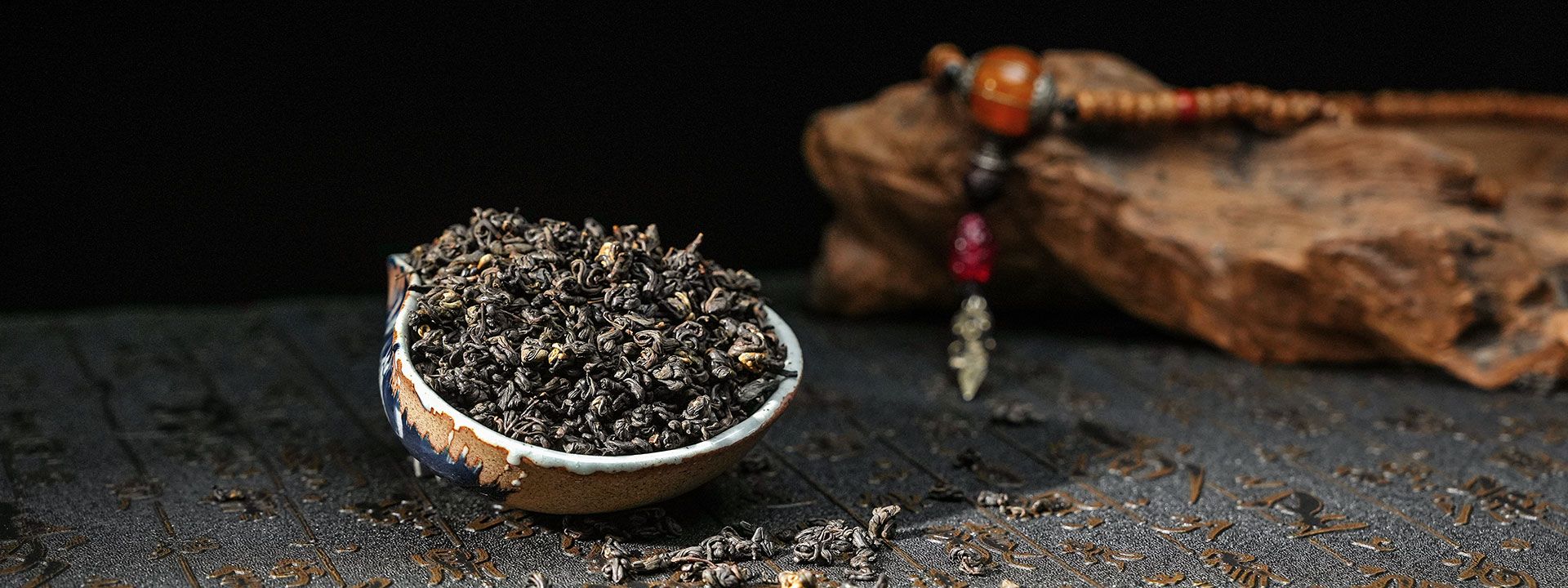
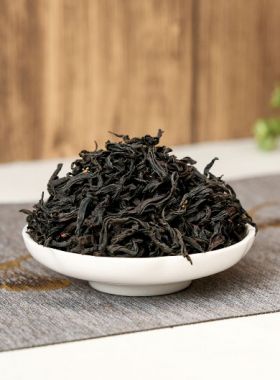
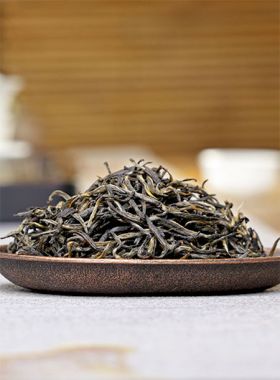
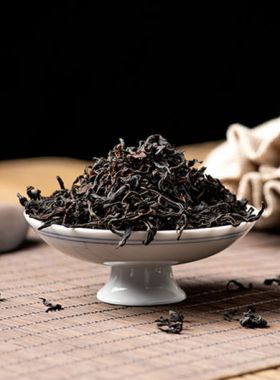
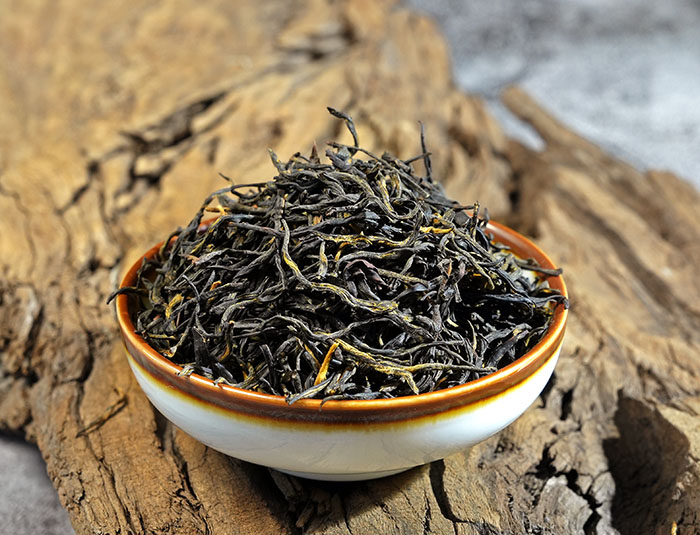
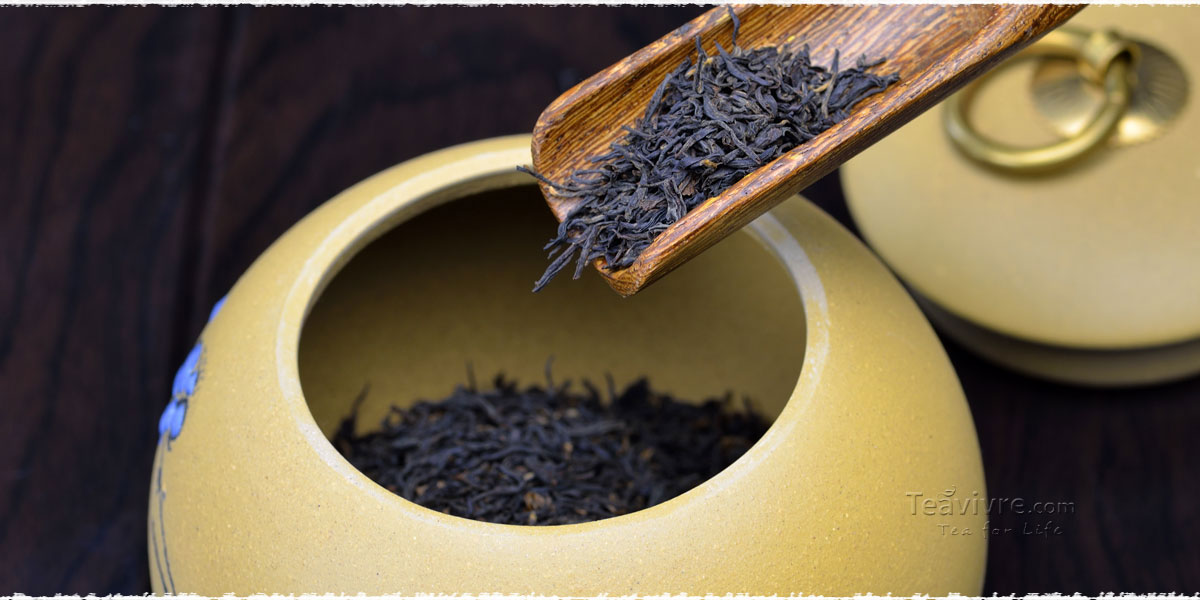
Tightly rolled into uniform pellets with glossy reddish-brown color |
| Aroma: |
Floral and fruity, sweet honey |
| Liquor: |
Bright orange-yellow |
| Taste: |
Mellow and sweet, with ripe fruit aromas and a lingering honeyed finish |
| Tea Bush: |
Fuding Da Bai Cultivar |
| Tea Garden: |
Jiangkou Ecological Tea Garden (about 1100m) |
| Caffeine: |
Less than 40% of a cup of coffee |
| Storage: |
Store in airtight, opaque packaging; in cool, dry place |
| Shelf Life: |
36 Months |
Angel's Comment:
The key fragrance note: blackberry; the compound note is sweet honeyed syrup; the liquor is sweet, smooth, and exceptionally low in astringency.
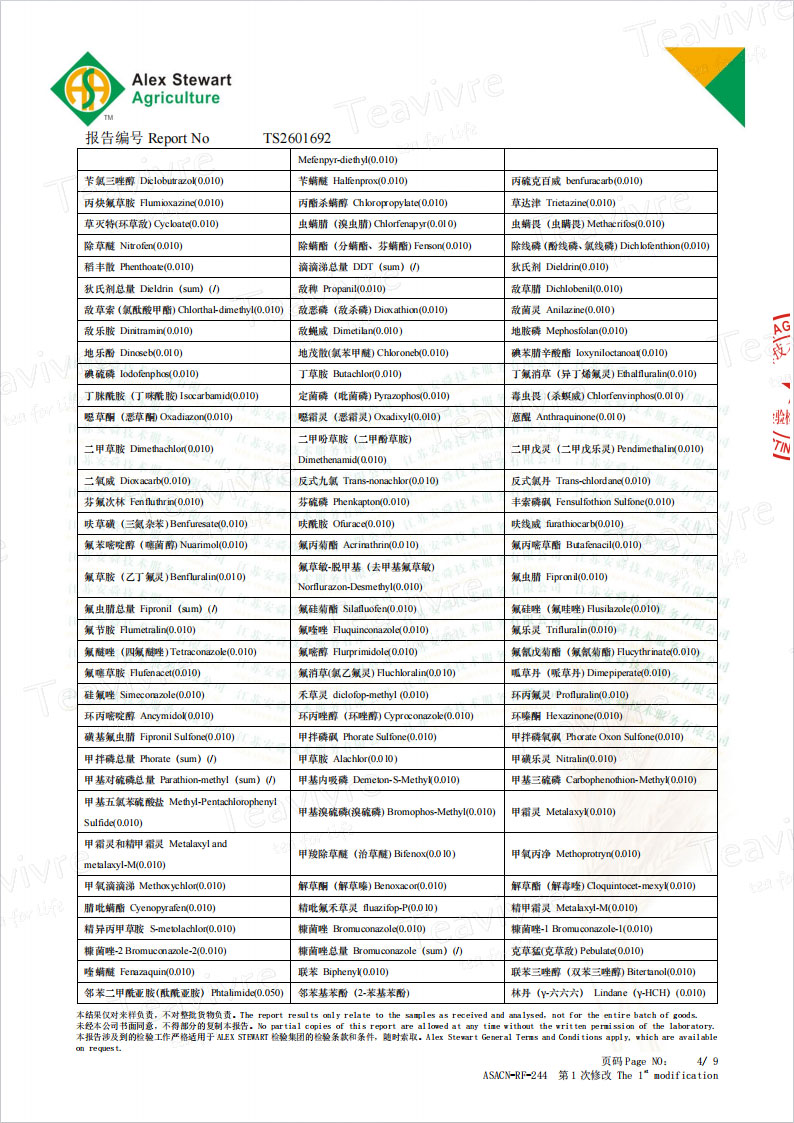
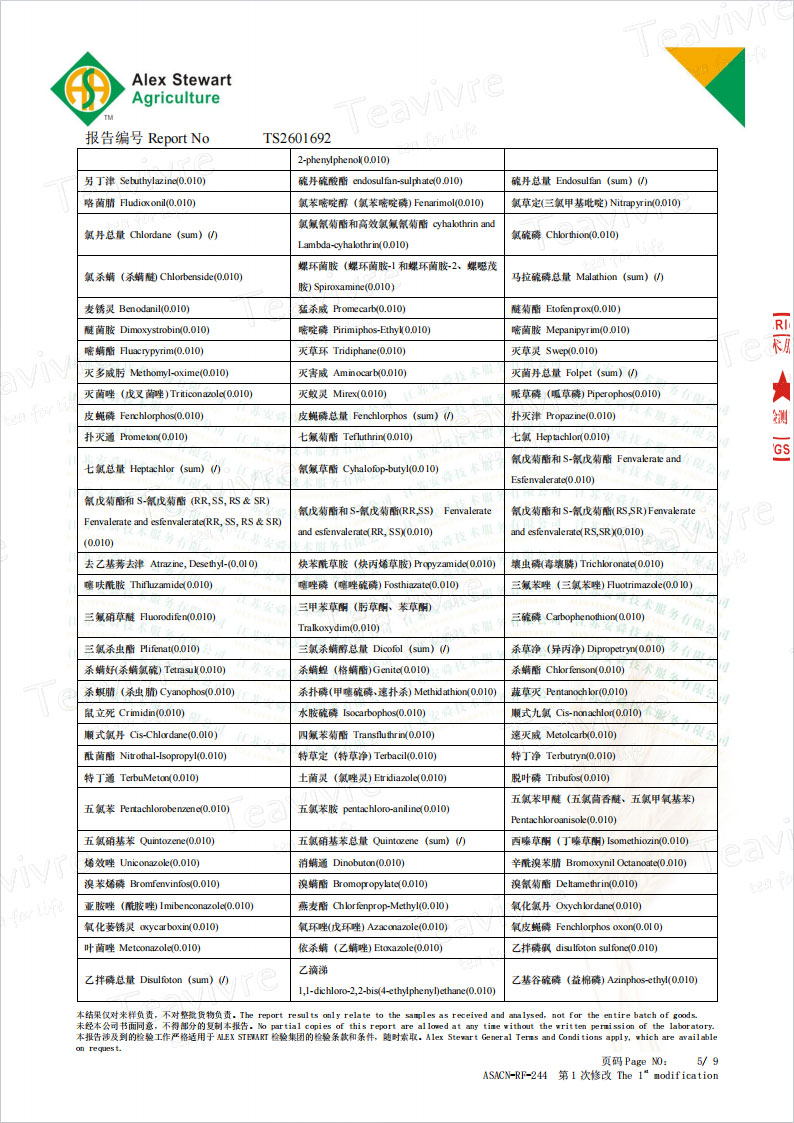
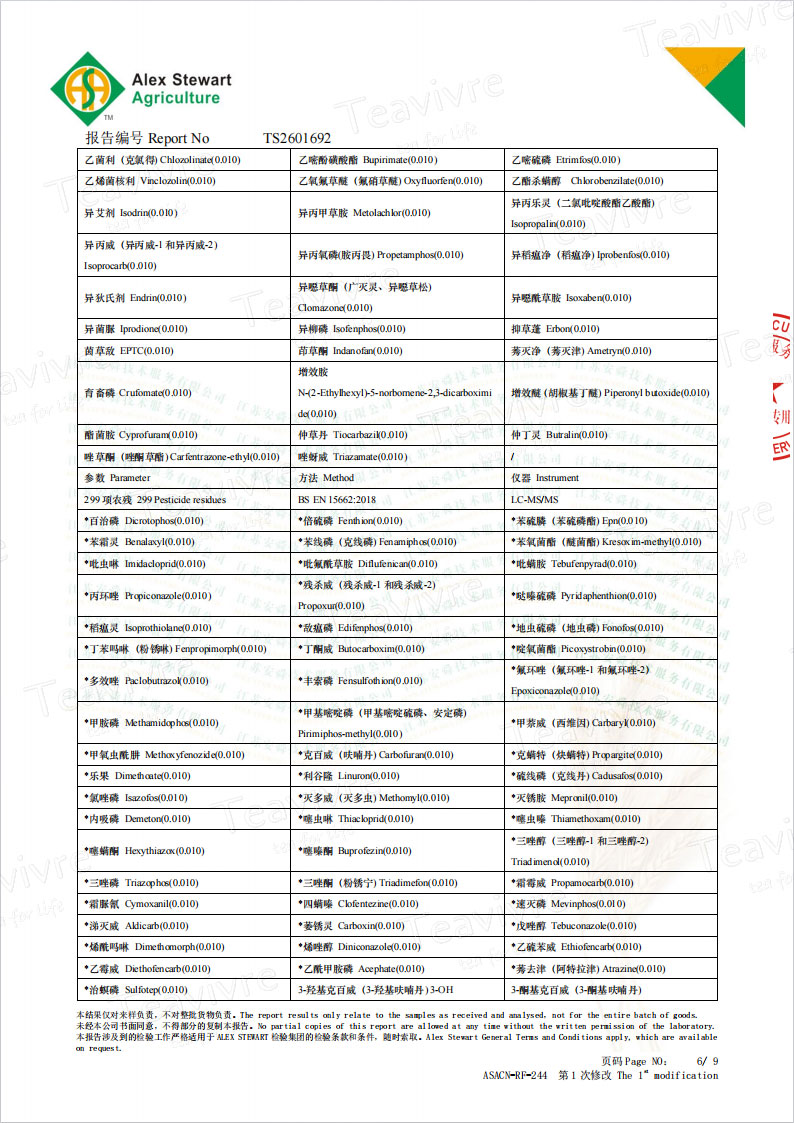
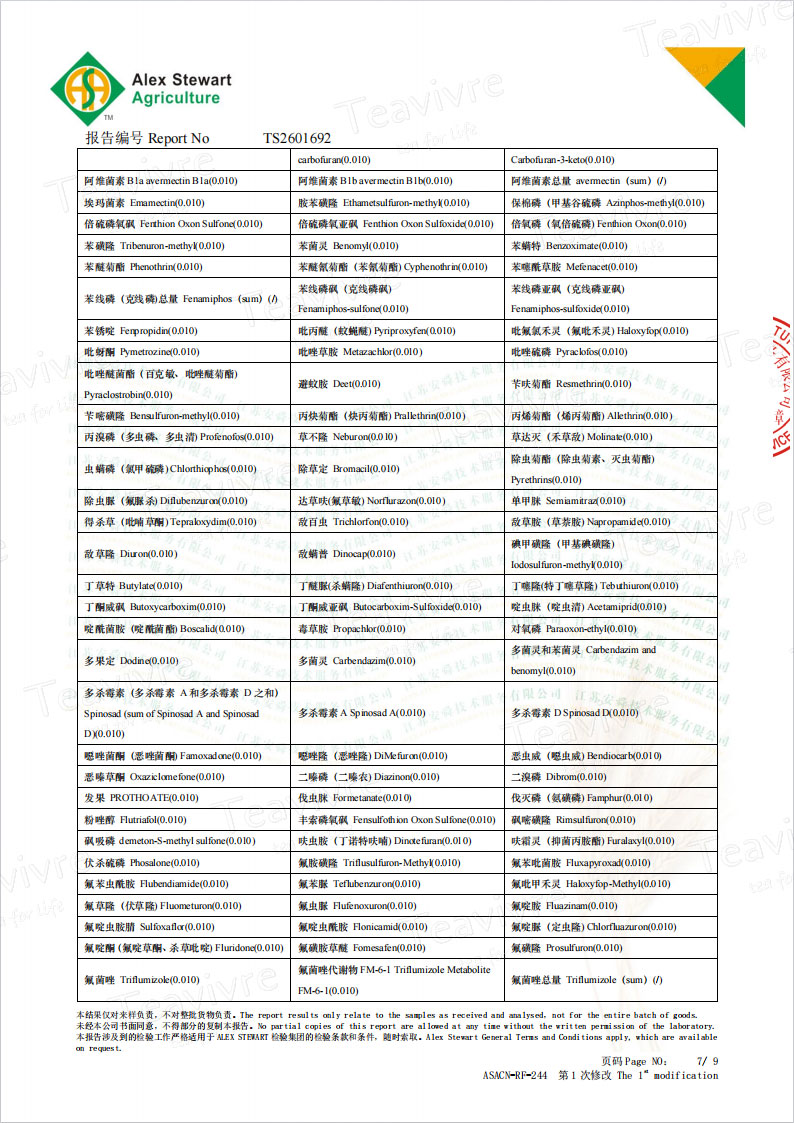
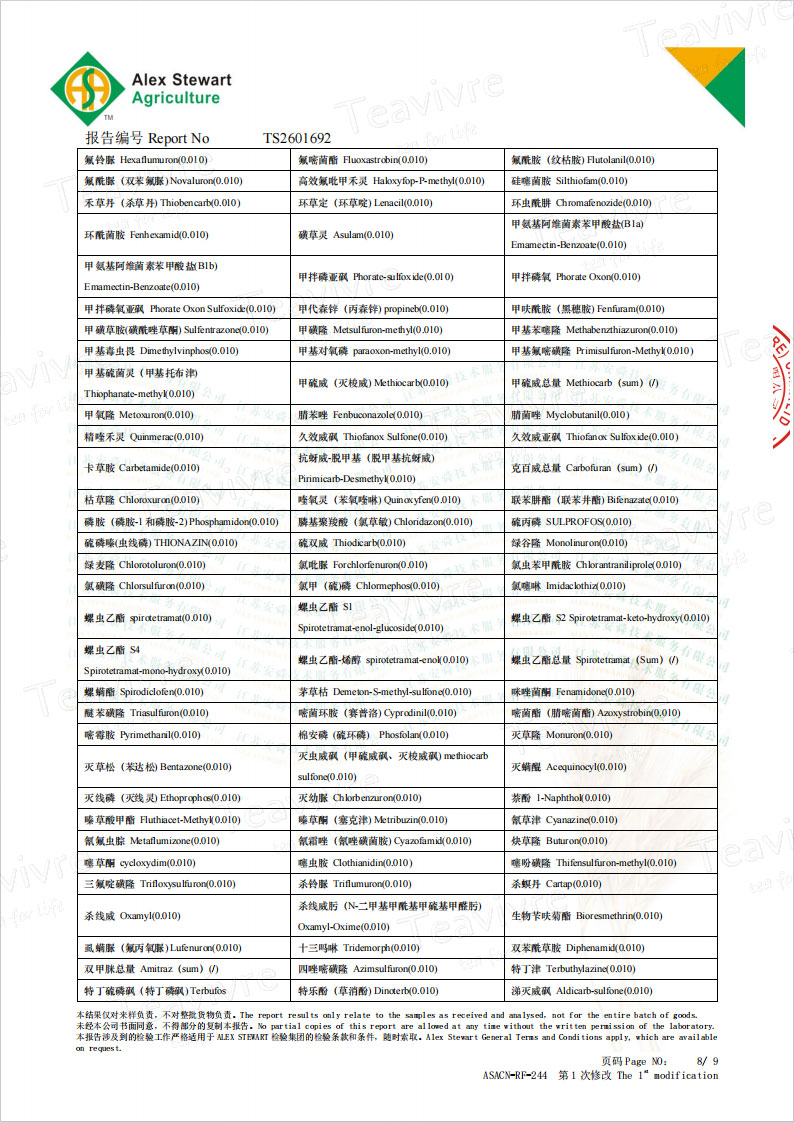
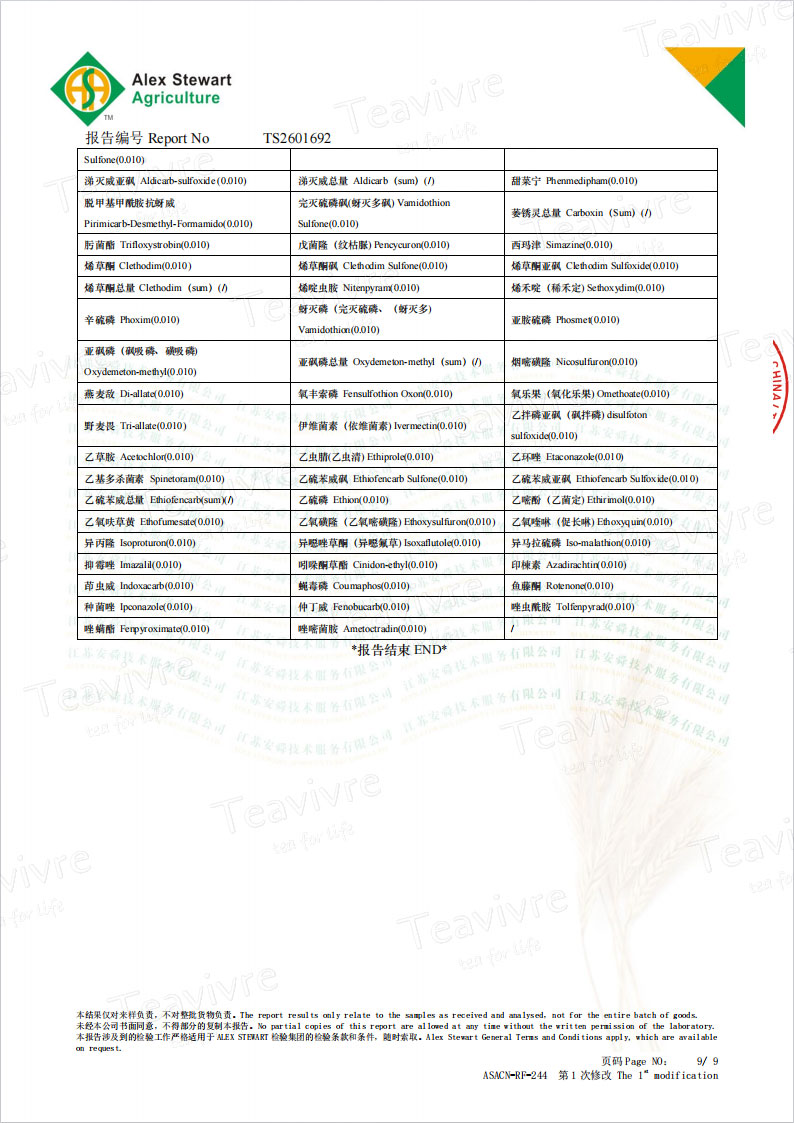
Certification
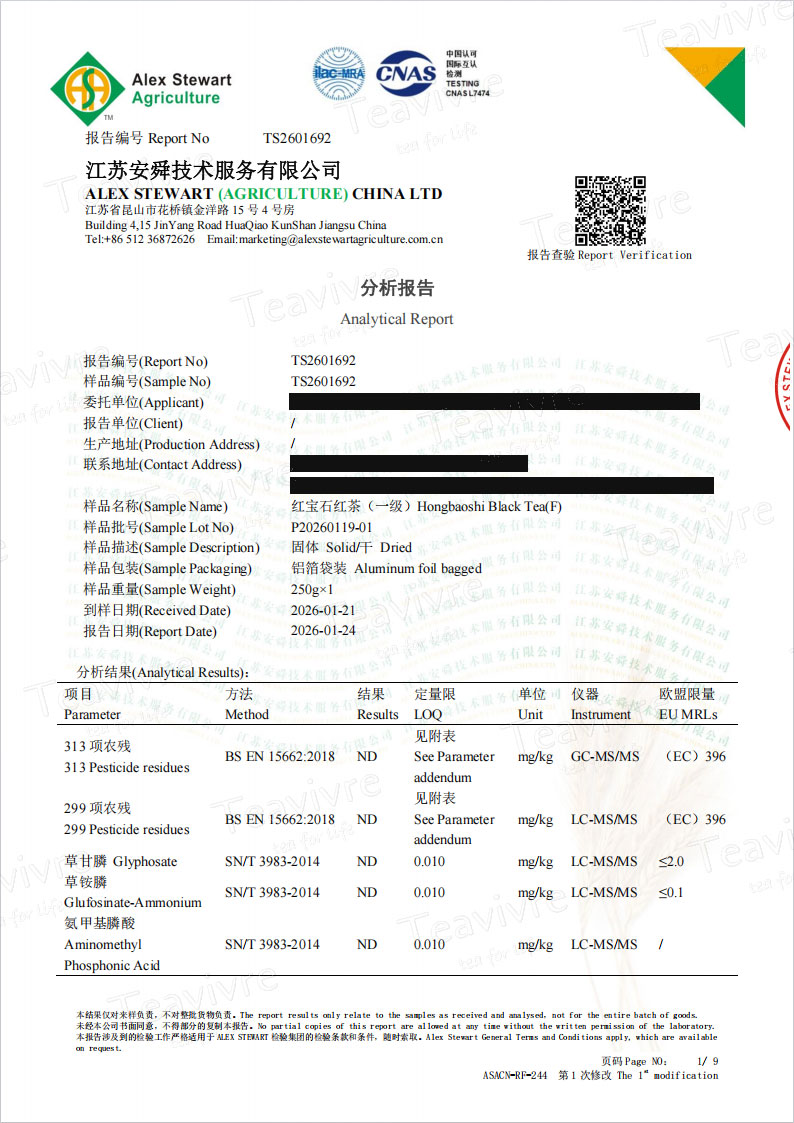 |
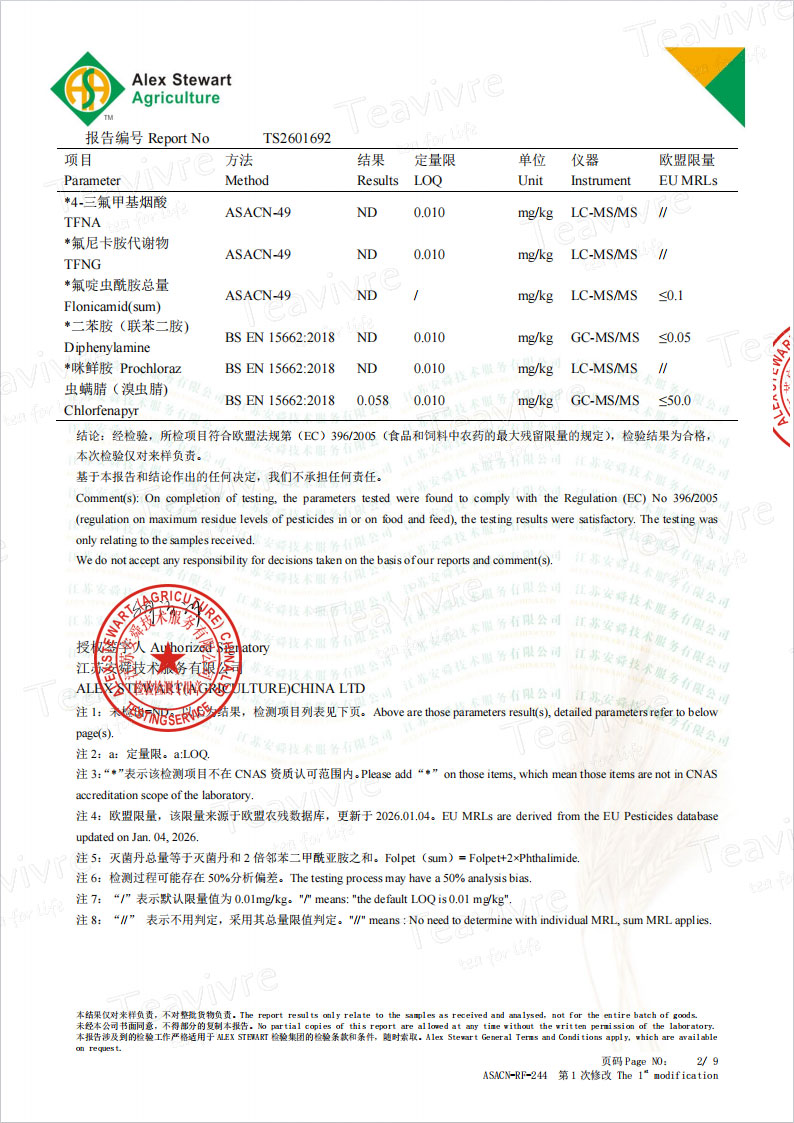
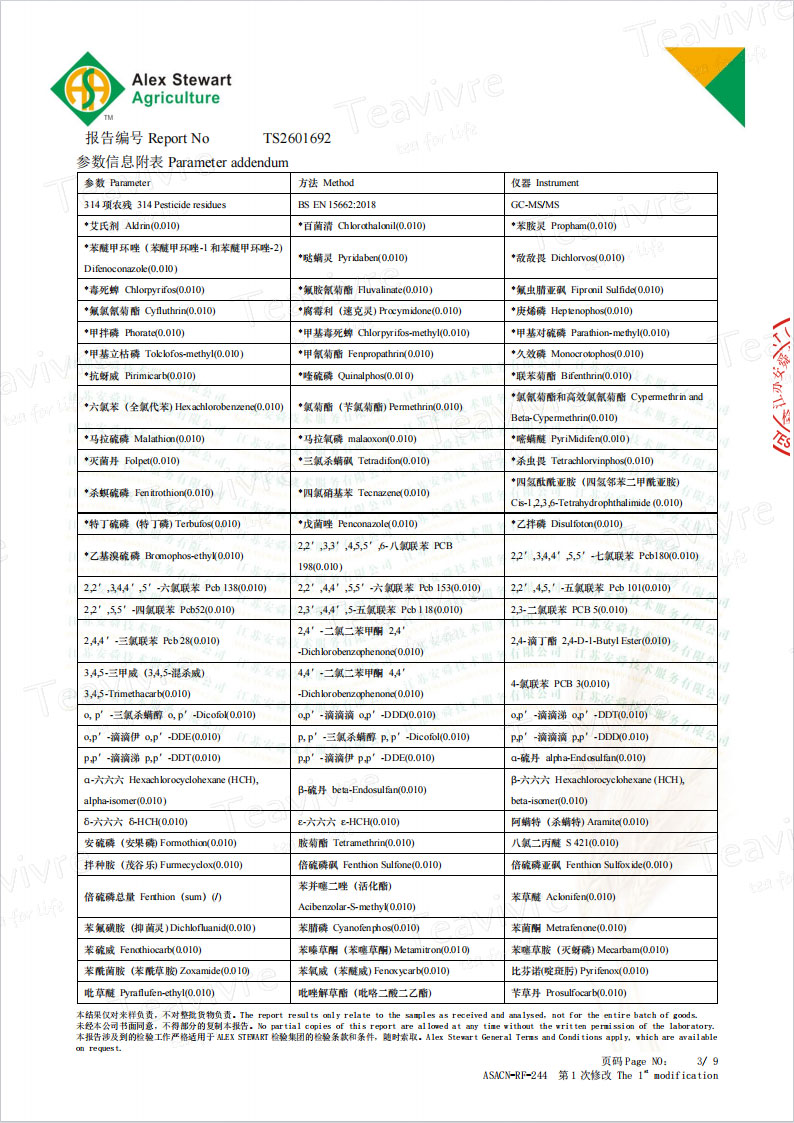
| Test Report (No. TS2601692) |
This Ruby Black Tea is sourced from an ecological tea garden in Jiangkou County, Tongren, Guizhou, at an elevation of over 1,100 meters. Unlike most black teas, its leaves are tightly rolled into small, even pellets, with a glossy reddish-brown color. After brewing, the leaves slowly unfurl, releasing layers of floral and fruity aromas accompanied by a gentle honeyed sweetness. The fragrance is reminiscent of ripe fruit and delicate floral nectar. The tea liquor is smooth and mellow, with a sweet, rounded character and little noticeable bitterness or astringency.
Recommend Brewing Method
 |
Cup Method |
 |
Chinese Gongfu Method |
 |
Teacup: 12oz / 355ml | |
Gaiwan: 3.8oz / 110ml |
 |
194℉ / 90℃ | |
194℉ / 90℃ |
 |
3g Tea | |
5g Tea |
 |
Brewing time: 3 - 5 mins | |
7 steeps: rinse, 10s, 10s, 15s, 15s, 20s, 30s, 50s |
| Rinse time is around 5 seconds |
Tea Garden
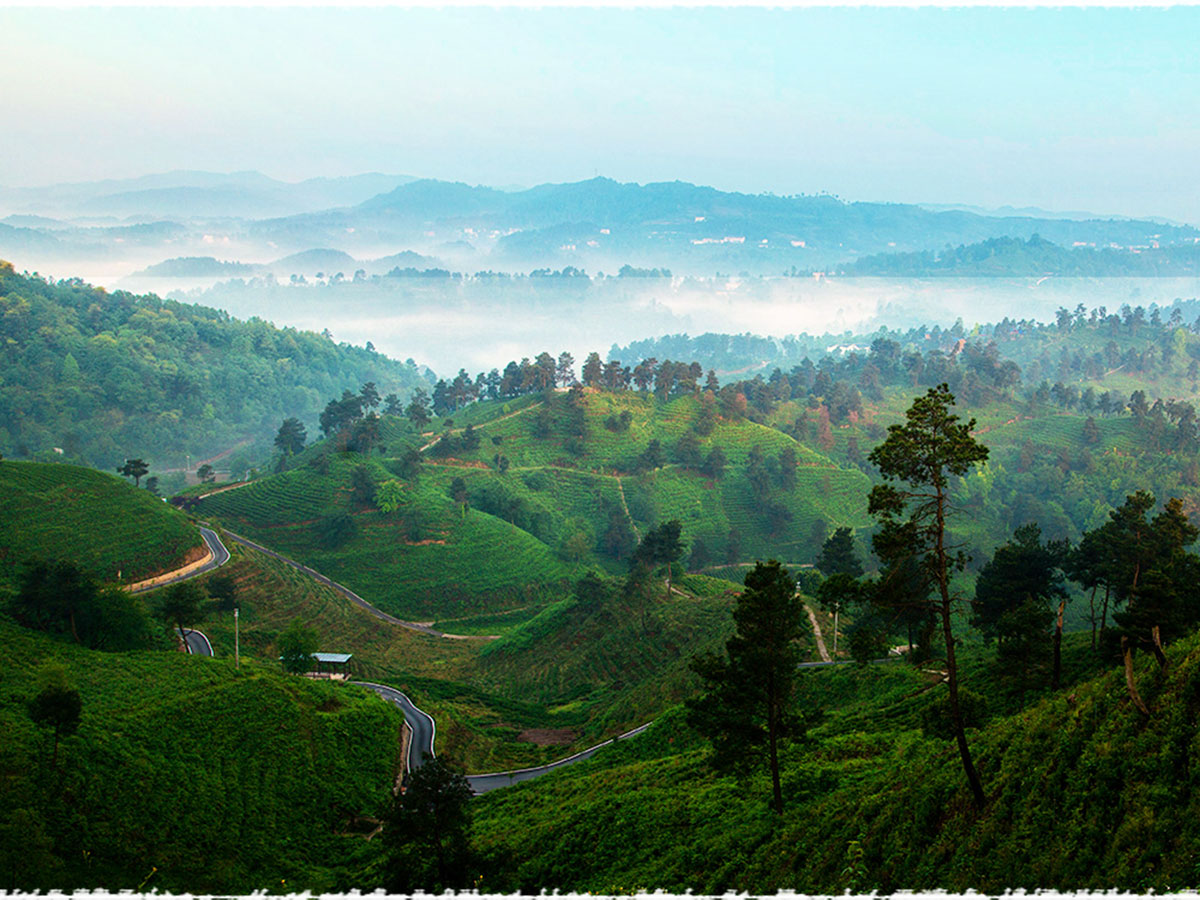
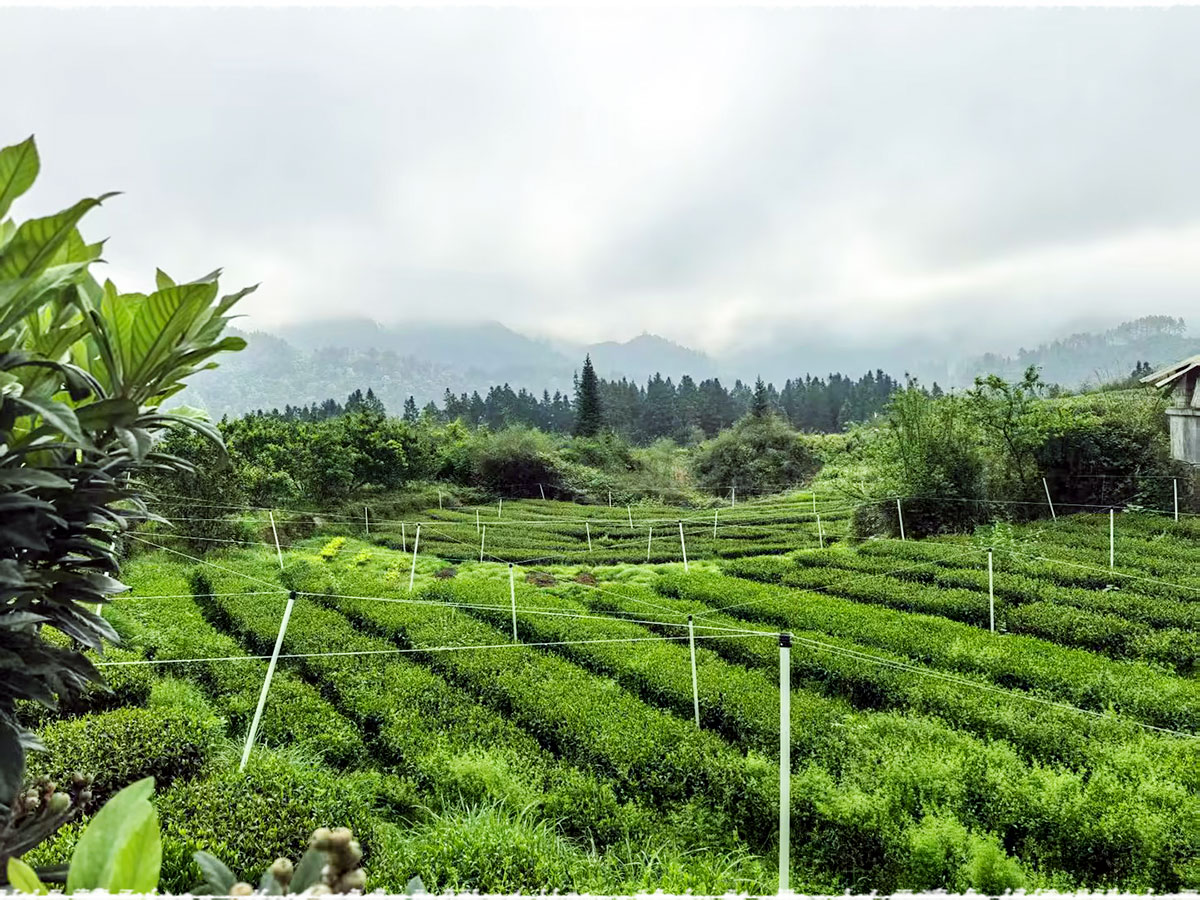
The tea gardens are located in the Guizhou Plateau of southwestern China, at an average elevation of over 1,000 meters. The region enjoys an average annual temperature of 14–16°C and annual rainfall of approximately 1,100–1,400 mm. Surrounded by rolling mountains and shrouded in mist, the tea gardens benefit from a unique environment characterized by high elevation, low latitude, and abundant cloud cover, ideal conditions for growing exceptional tea. The fertile soil is rich in organic matter and minerals, while ample rainfall and gentle sunlight allow the tea plants to grow more slowly, encouraging the development of complex aromas and flavors. The tea gardens are managed under strict ecological cultivation practices and follow rigorous quality control standards aligned with European Union food safety requirements. Every batch of tea undergoes thorough testing and monitoring to ensure the purity, safety, and consistent quality of every leaf.
Origin
Guizhou is a treasure house of tea species resources and a province with the most tea species. There are 270 kinds of tea tree resources in the country, and Meitan County accounts for 163 kinds. The Guizhou Plateau is called the "Fossil Kingdom" by paleontologists. On July 13, 1980, the only fossil tea seed found in the world was discovered here. The emergence of tea seed fossils established the most convincing physical evidence that Guizhou is the origin of tea trees. The mountains here are high; the climate is warm and foggy, without pollutions, so that he quality of tea is excellent. Such unique conditions have enabled almost every county in Guizhou to produce good tea, many areas were the source of court tribute tea in the Tang, Ming, and Qing dynasties in ancient China.
Tea Bush
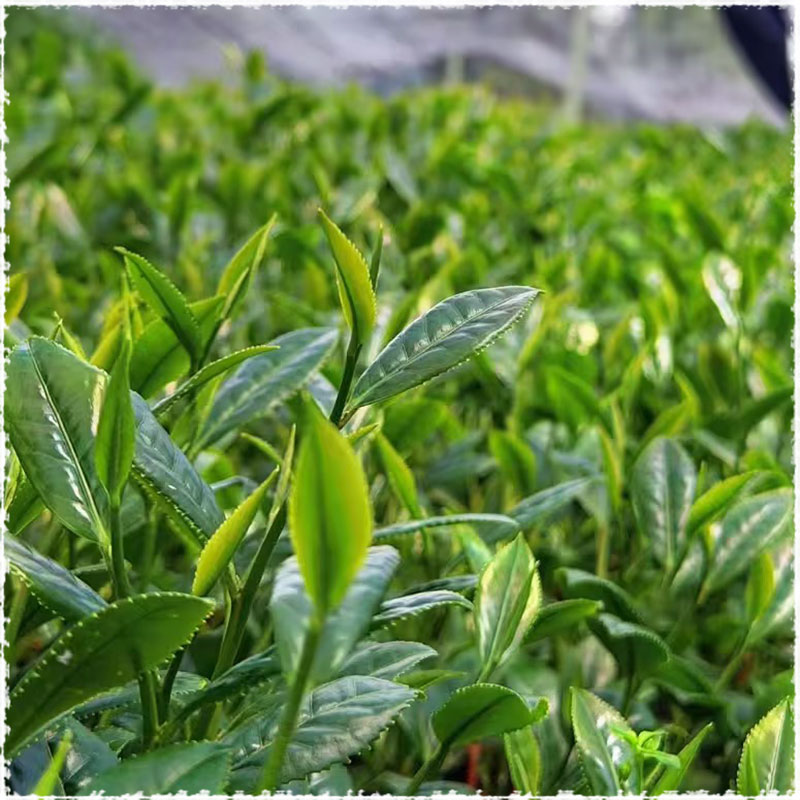
Fuding Da Bai is one of China's most renowned tea cultivars, originating from Fuding in Fujian Province. It is prized for its plump buds, excellent tenderness retention, and abundant fine hairs, making it one of the country's finest tea cultivars. Known for its tender leaves and rich aromatic compounds, Fuding Da Bai is widely used not only for crafting traditional white tea, but also for producing premium green, black, and other specialty teas. Its exceptional versatility allows it to express a wide range of flavor profiles through different tea-making techniques. Cultivated in the unique highland environment of Guizhou and crafted with refined processing techniques, this classic cultivar develops a distinctive regional character, offering a fresh, pure, and vibrant expression of Guizhou tea.
Customer Reviews
Related Products
Reviews
There are no reviews yet.