

-
Fast ShippingFree shipping for orders above $40
to most countries. -
Secure PaymentPay with Paypal, Credit Card …
-
Carefully SelectedFrequently Visit Tea Gardens.
Taste Repetitiously -
15 Days RefundNo Questions Asked
Refund Policy
Fei Zi Xiao Wuyi Black Tea
Dried lychee aroma, honey sweetness
Price range: $5.50 through $193.46
Fei Zi Xiao Wuyi Black Tea
Dried lychee aroma, honey sweetness
0 Reviews
Summary
| Origin: |
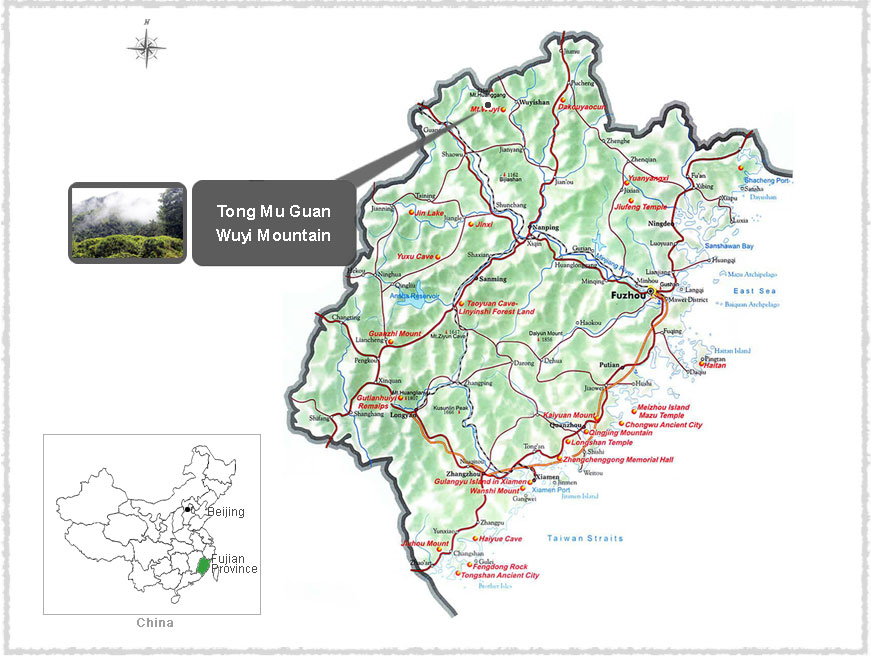
Tong Mu Guan, Mt. Wuyi, Fujian Province, China |
|---|---|
|
Harvest Date: |
April 15, 2026 |
|
Plucking Standard: |
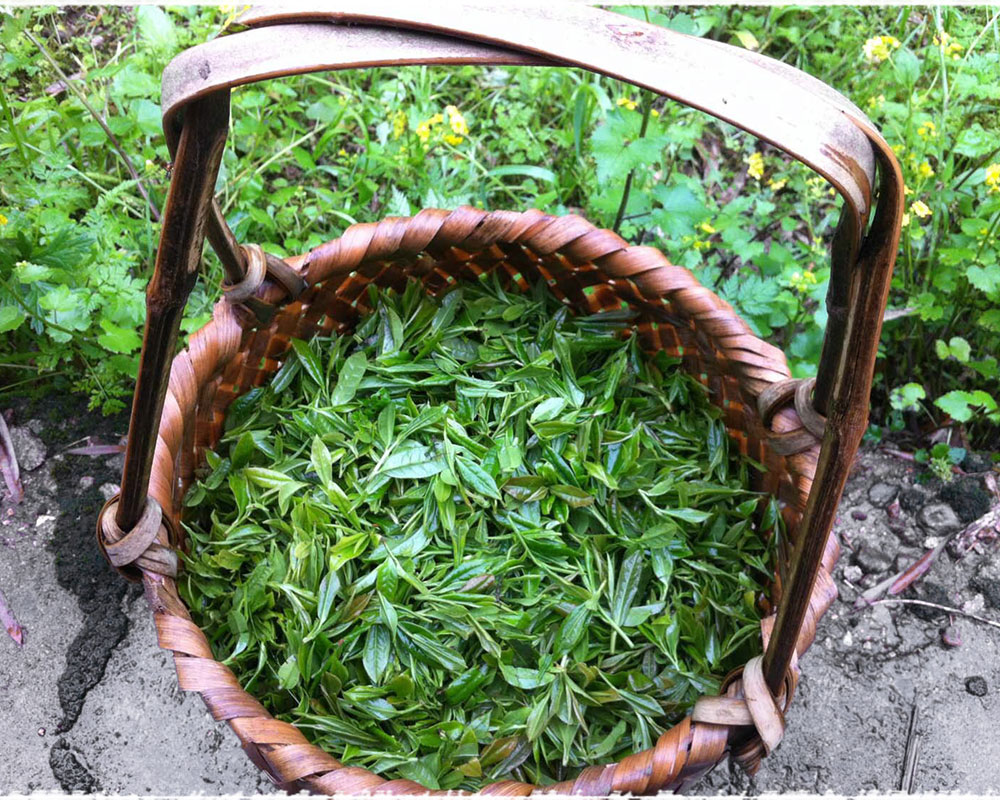
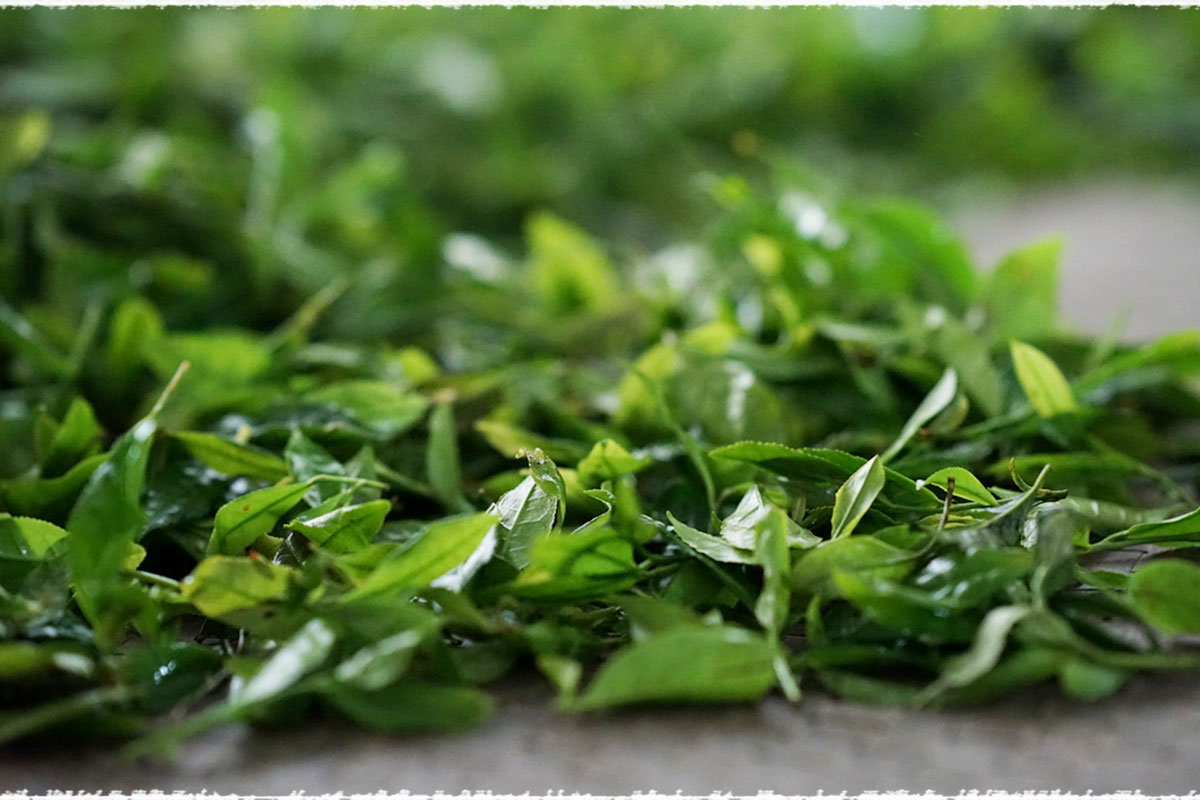
One bud with two or three leaves |
| Dry Leaf: |
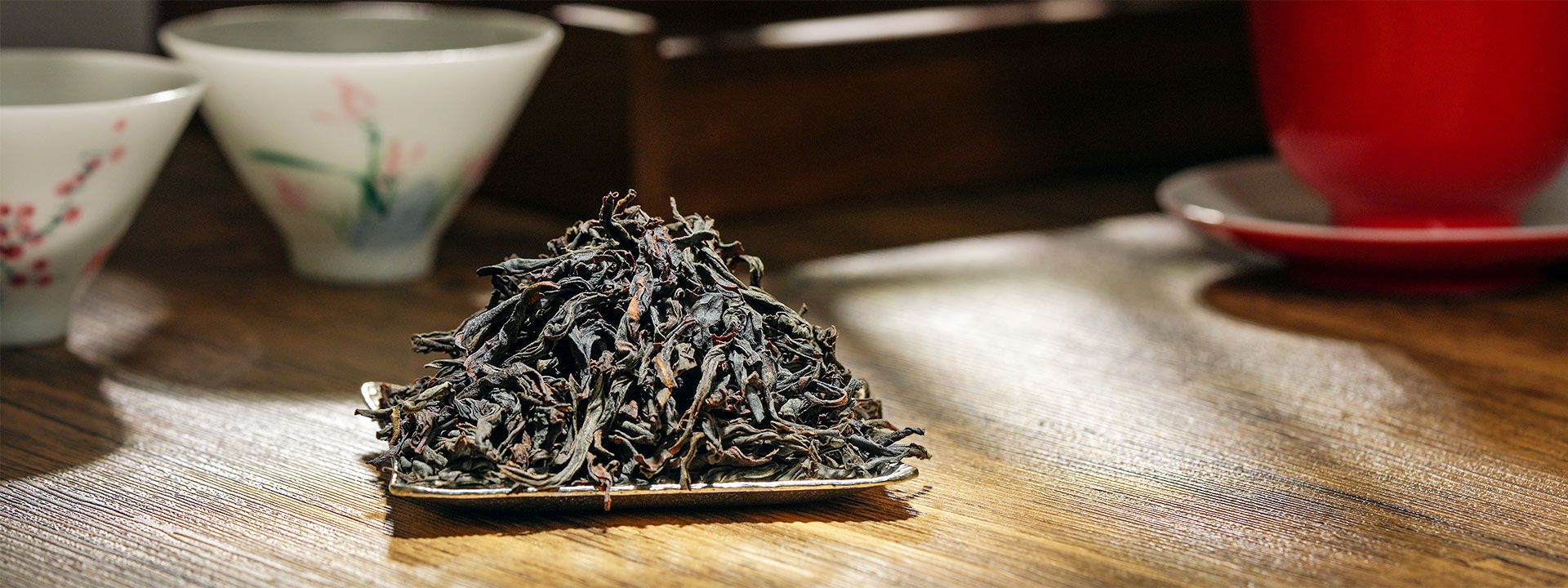
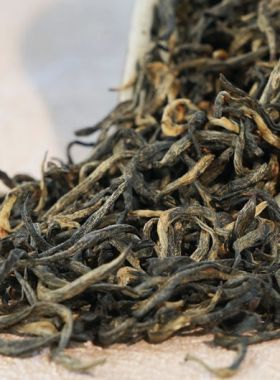
Curled, plump leaves with dark black and reddish-brown color |
| Aroma: |
Natural dried lychee, floral, and honeyed notes |
| Liquor: |
Bright and clear orange-yellow |
| Taste: |
Smooth and delicate, with a clean sweetness, lychee-like fruitiness, and a lingering honeyed finish |
| Tea Bush: |
Cai Cha and Jin Mu Dan (about 20 years old) |
| Tea Garden: |
Tong Mu Guan Nature Reserve (800-1000m) |
| Caffeine: |
Less than 40% of a cup of coffee |
| Storage: |
Store in airtight, opaque packaging; in cool, dry place |
| Shelf Life: |
36 Months |
Angel's Comment:
The key fragrance: rich and full-bodied dried lychee; the compound note is: orchid and nectar, with a lingering finish of honey and whole-wheat biscuit. The tea liquor is smooth and thick, remaining free of astringency through multiple infusions.
The name “Fei Zi Xiao” comes from a famous poem from China’s Tang Dynasty: “一骑红尘妃子笑,无人知是荔枝来” (A rider races through a cloud of dust, bringing a smile to the imperial consort—no one knows that lychees are on their way.). The poem tells the story of Yang Guifei, who was particularly fond of fresh lychees. Emperor Xuanzong had them delivered by fast horse from afar, simply to bring a smile to his beloved consort. Since then, “Fei Zi Xiao,” meaning “the imperial consort’s smile,” has become a poetic name associated with lychees.
This Wuyi black tea takes its name from that story because of its naturally rich lychee-like fragrance, evoking the sweet, juicy fruit and the centuries-old tale behind its name. Fei Zi Xiao Black Tea is a traditional branch of Lapsang Souchong, so its leaves share the characteristic appearance of Souchong: plump, tightly twisted leaves with a dark, lustrous finish. Yet its aroma and flavor are distinctly different.
TeaVivre’s Fei Zi Xiao is crafted from carefully selected Cai Cha and Jin Mu Dan tea cultivars, from tea trees around 20 years old in Tongmu Guan. The two cultivars are carefully blended to create a balanced and layered character. Cai Cha gives the tea greater depth, body, and richness, while Jin Mu Dan contributes a more expressive floral-fruity fragrance and an elevated aroma. The tea liquor is smooth and naturally sweet, with a distinctive dried-lychee-like fruitiness layered with rich floral and honeyed aromas. It has a satisfying body, while a lingering sweetness remains on the palate long after each sip, leaving a long and fragrant finish.
Recommend Brewing Method
 |
Cup Method |
 |
Chinese Gongfu Method |
 |
Teacup: 12oz / 355ml | |
Gaiwan: 3.8oz / 110ml |
 |
194℉ / 90℃ | |
194℉ / 90℃ |
 |
2.5 Teaspoons / 2.5g Tea | |
5g Tea |
 |
Brewing time: 3 - 5 mins | |
10 steeps: 5s, 5s, 10s, 15s, 20s, 25s, 30s, 40s, 50s, 70s |
Tea Garden
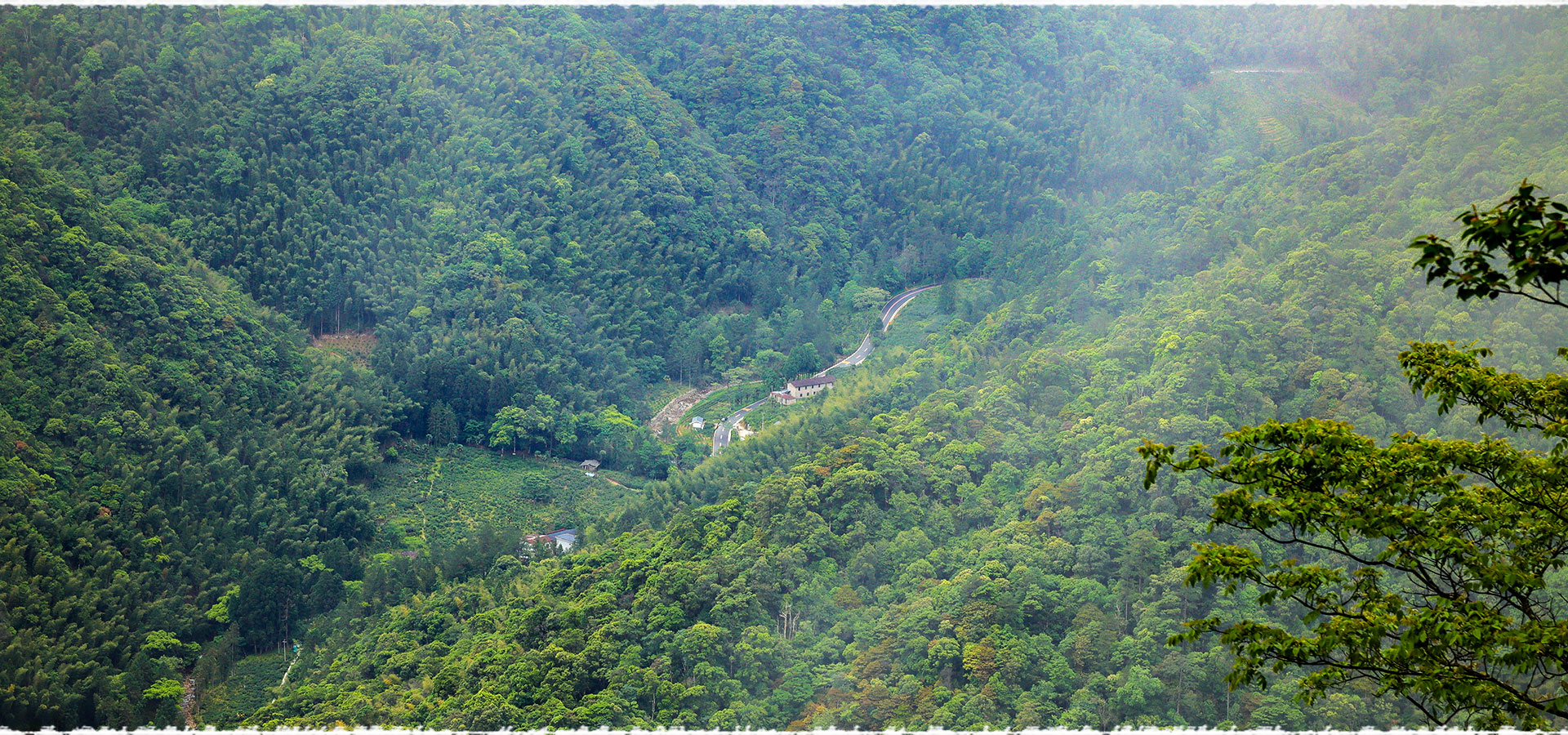
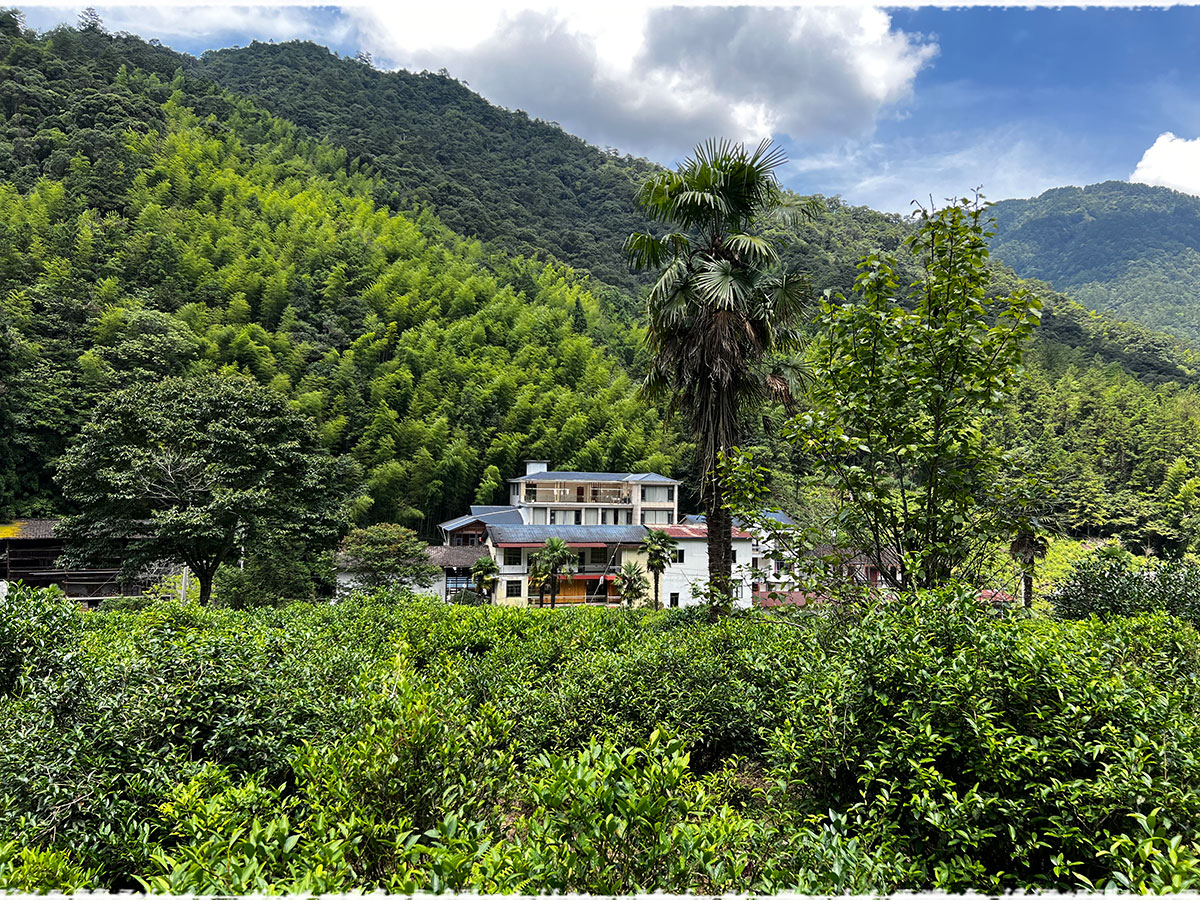
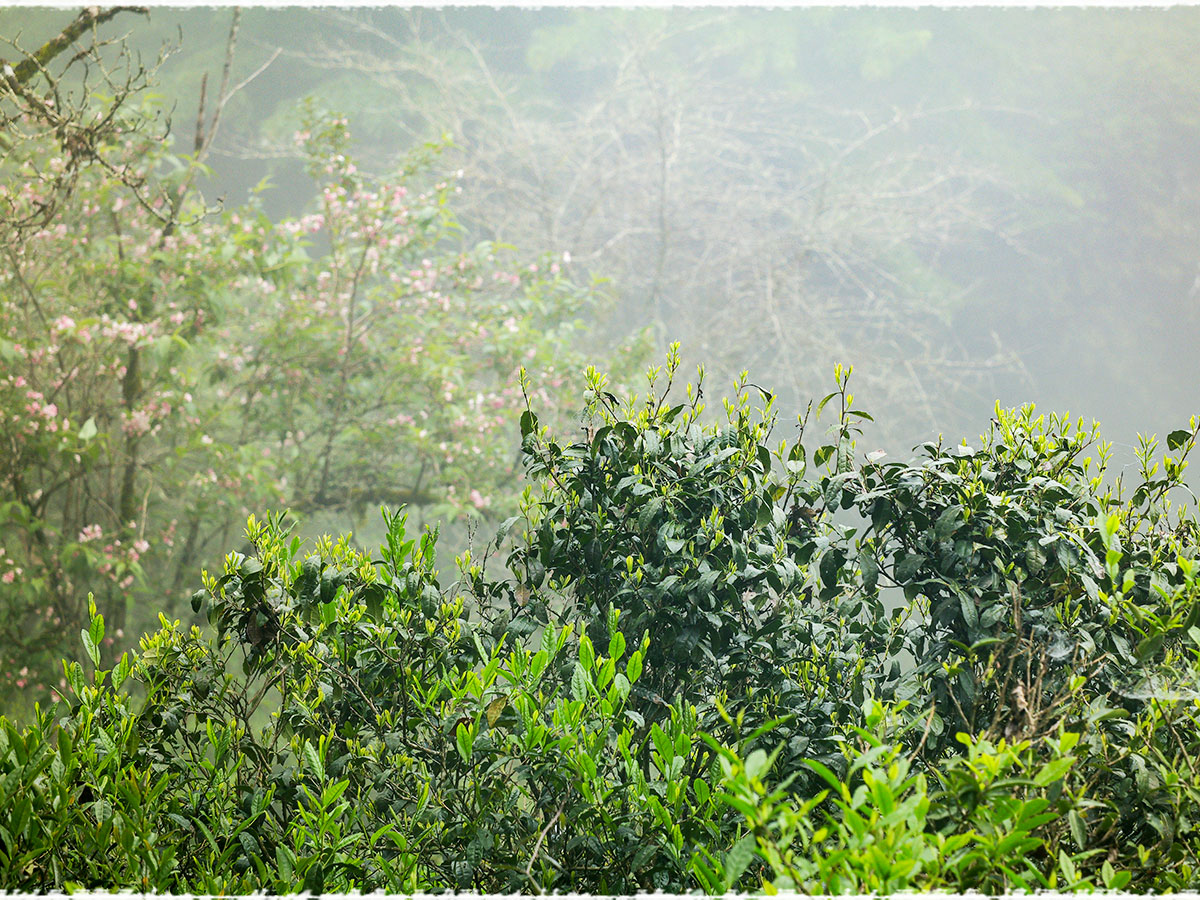
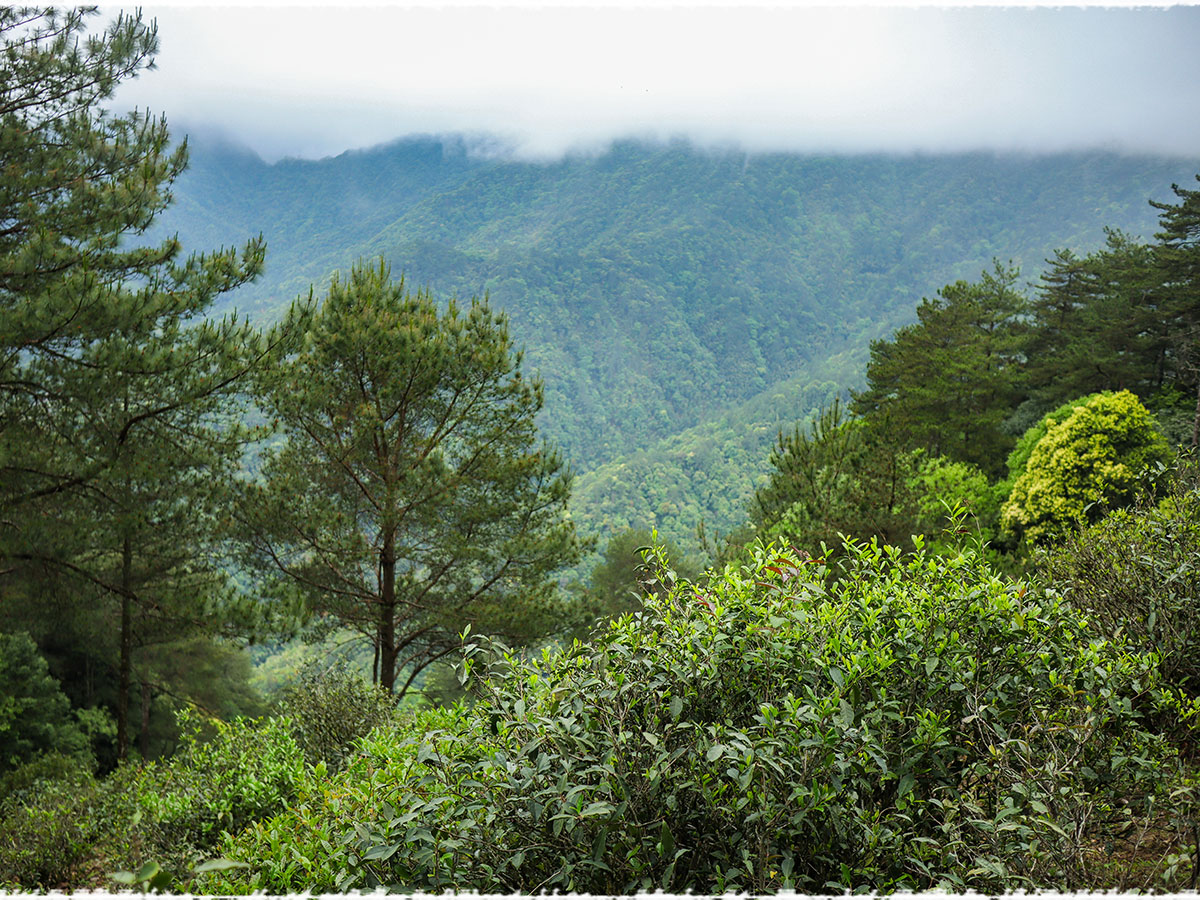
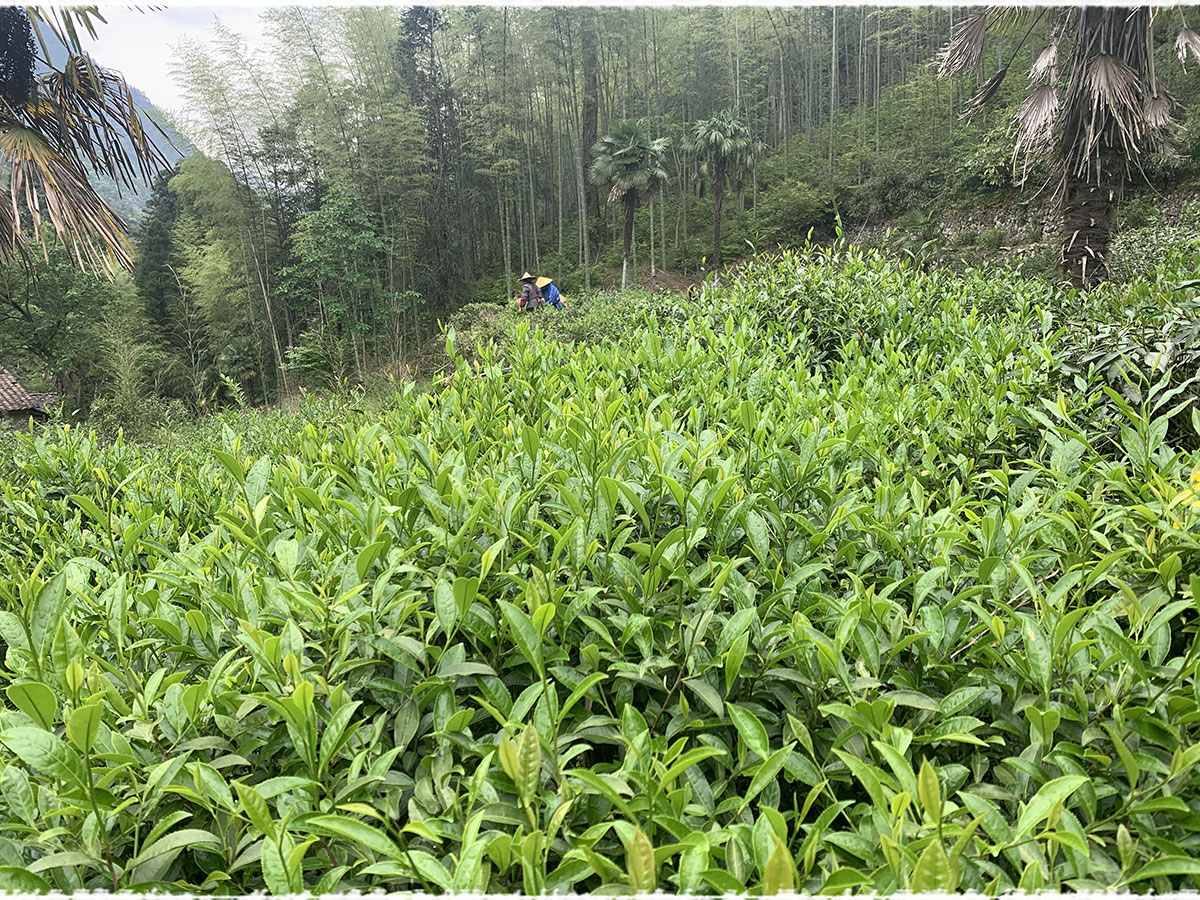
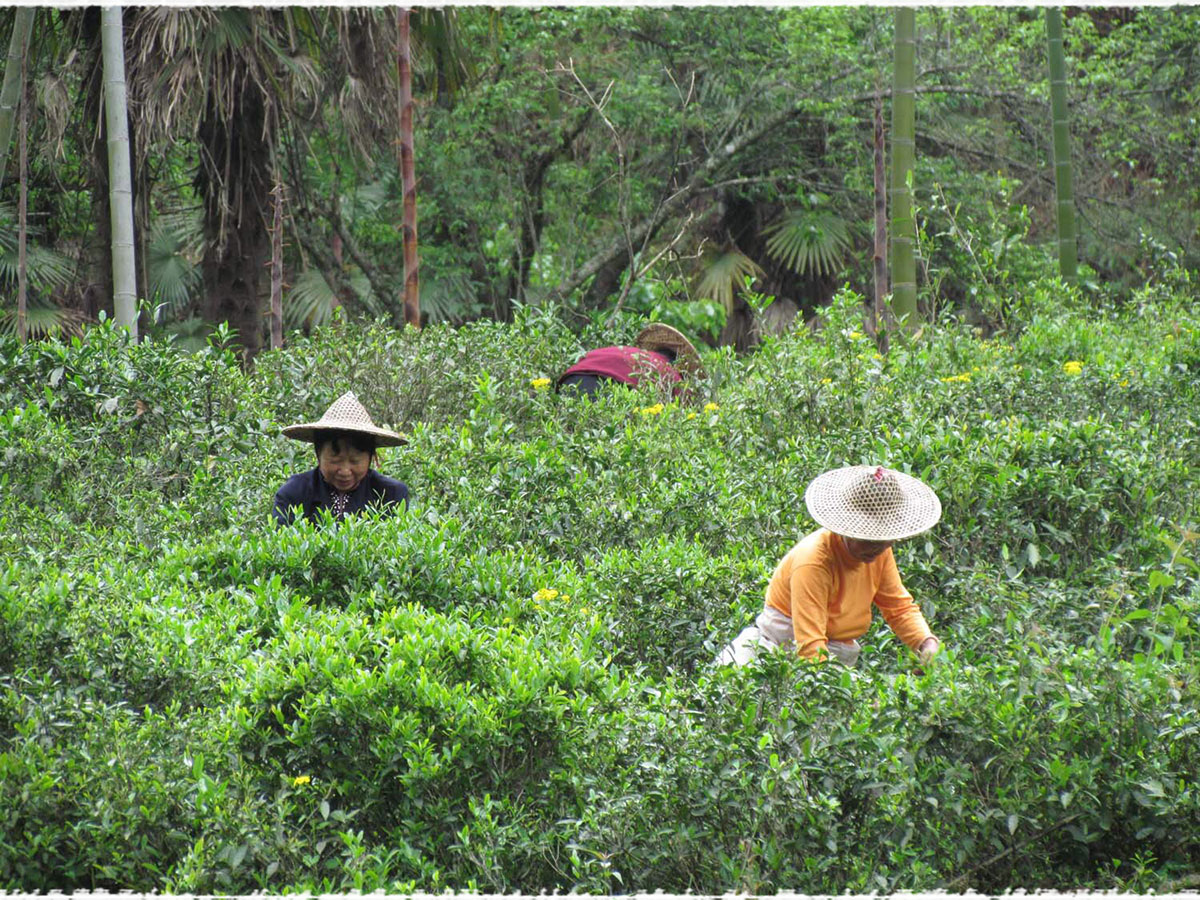
The raw materials for this tea come from Tong Mu Guan within the Wuyi Mountains National Nature Reserve. This area boasts an excellent ecological environment with high altitudes, warm and rainy weather, swirling mists, mild winters, and cool summers. The sun rises late and sets early here, creating significant temperature differences between day and night. It is the region in Fujian Province with the lowest temperatures, highest rainfall, highest relative humidity, and most foggy days. All these conditions are ideal for tea growth.
The tea bushes here are not planted in large, orderly tea gardens; instead, they are sporadically scattered across jungle-surrounded hillsides or unevenly nestled beside rocky streams. As it is a nature reserve, pesticides are not used on the tea bushes, and human intervention in their growth is minimal. Therefore, the tea quality is exceptionally high, rich and pure in its intrinsic properties.
Origin
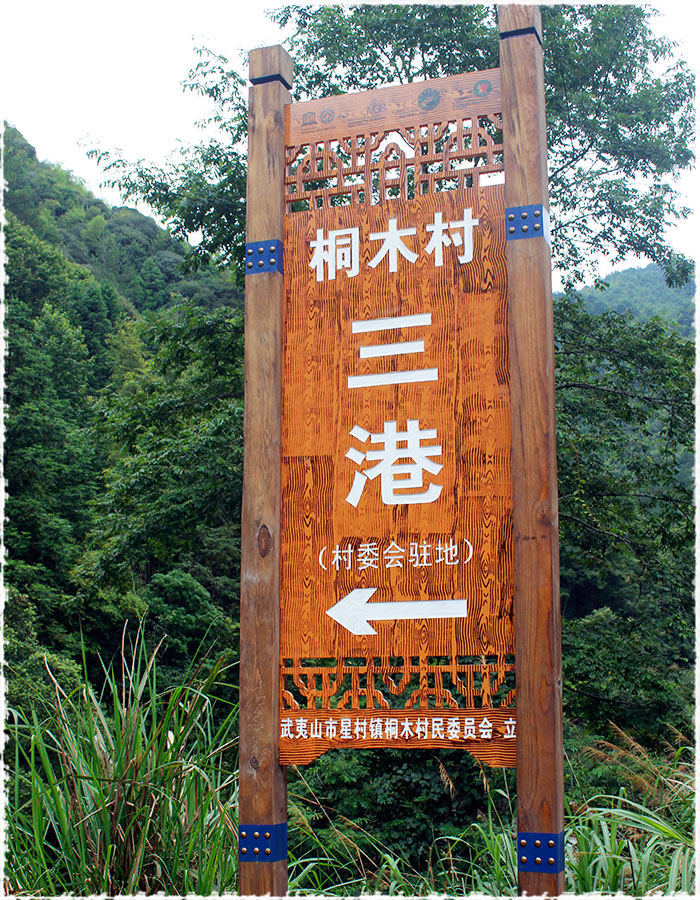
Tong Mu Guan is located in Tongmu Village, Wuyishan City, Fujian Province, and serves as a provincial boundary pass between Fujian and Jiangxi. It is one of the eight great passes of the Wuyi Mountains. The ecological environment within Tong Mu Guan is excellent, earning it accolades such as "Paradise of Birds," "Kingdom of Snakes," "World of Insects," and "Key to the Species Biological Gene Bank." Tong Mu Guan is the core area of the Wuyi Mountains National Nature Reserve, with Huanggang Mountain, standing at 2,157.8 meters, as its highest peak. As the saying goes:"the origin of black tea is in China, the root of Chinese black tea is in Fujian, and the ancestor of black tea is in Tong Mu of Wuyishan." The tea trees in Tongmu Guan primarily grow in a semi-wild state on the slopes, which is why the local tea gardens are also referred to as tea mountains.
Tea Master
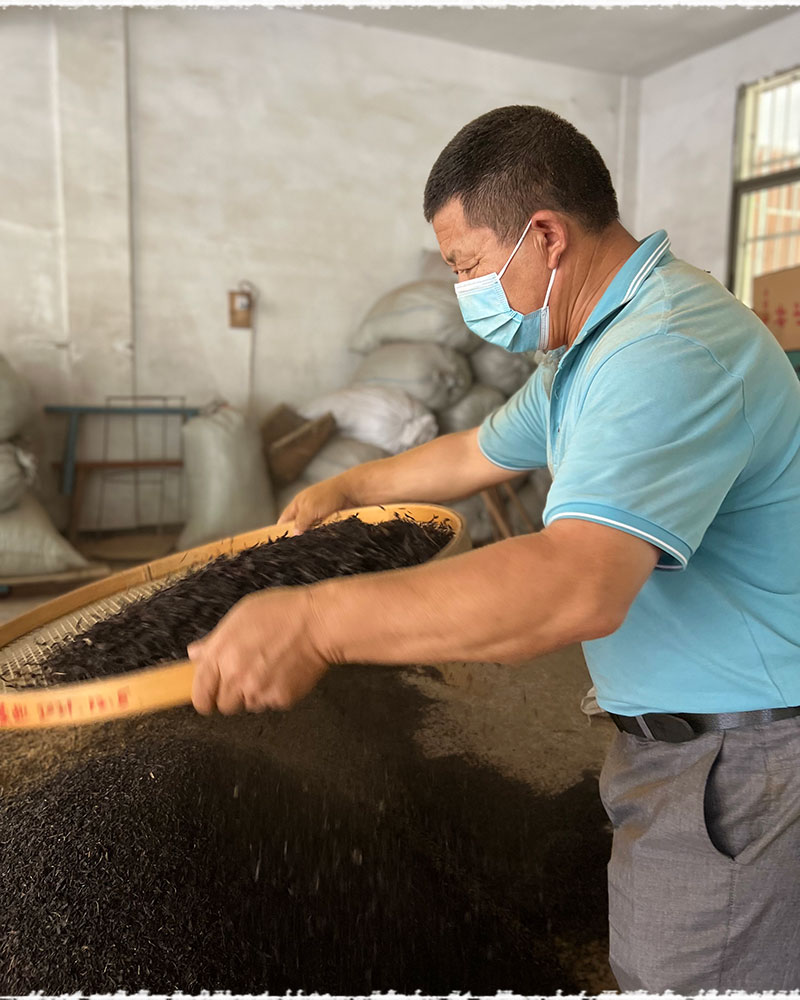
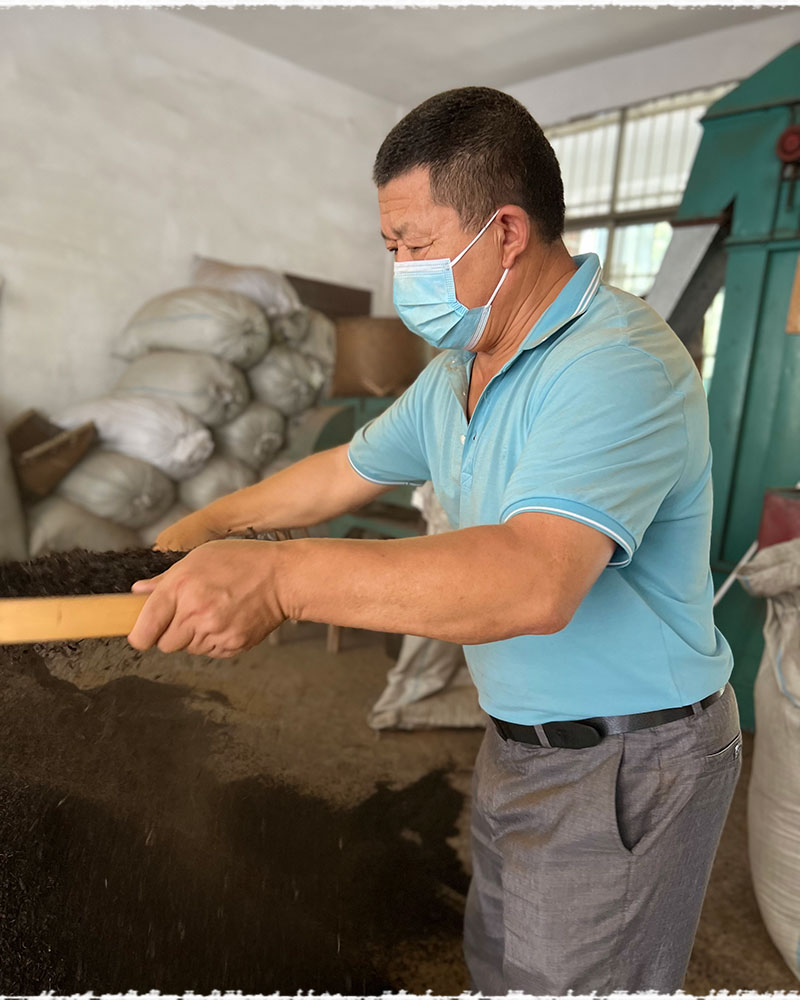
Born in Tongmu Village, Wuyi Mountain, Fujian, Mr. Wen Yongsheng has been dedicated to tea production and craftsmanship since 1988. He worked at Yuanxun Tea Factory, the predecessor of Zheng Shan Tang, where he was primarily responsible for tea materials and production.
In 2005, he took part in the development and early trials of Jin Jun Mei, an experience that gave him extensive knowledge of black tea production. At the end of 2009, Mr. Wen left Zhengshan Tang and established his own tea factory. For decades, he has remained rooted in Tongmu, continuing to make tea with locally grown leaves. His years of experience allow him to adjust key stages such as withering, oxidation, and rolling according to the condition of the fresh leaves each season, bringing out the natural aroma and flavor of the tea.
We chose his tea not simply because of his reputation, but because of the experience he has built over decades, and the care and dedication he continues to bring to every tea he makes.
Tea Bush
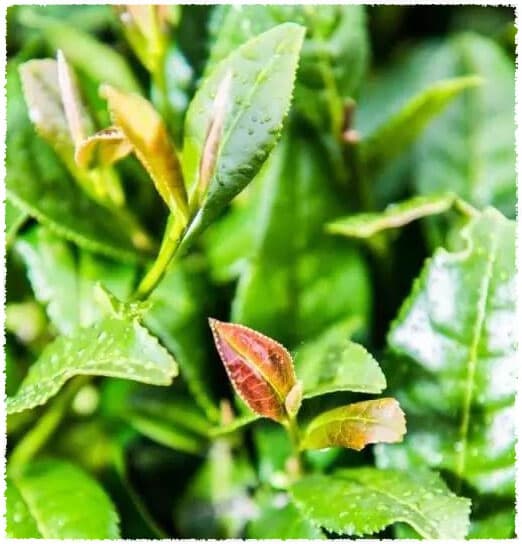
Meizhan tea tree species are clone kinds with short trees and large leaves. It is indigenous to Anxi, Fujian. The dry sample of one bud and two leaves contains about 3.6% amino acids, 27.5% tea polyphenols, 18.1% total catechins, and 4.4% caffeine. Meizhan has strong growth adaptability and high yield. Because the tree species naturally has aroma of flowers and fruits, it is not only suitable for making oolong tea, but also black tea and green tea, which has unique aroma, good quality and strong taste
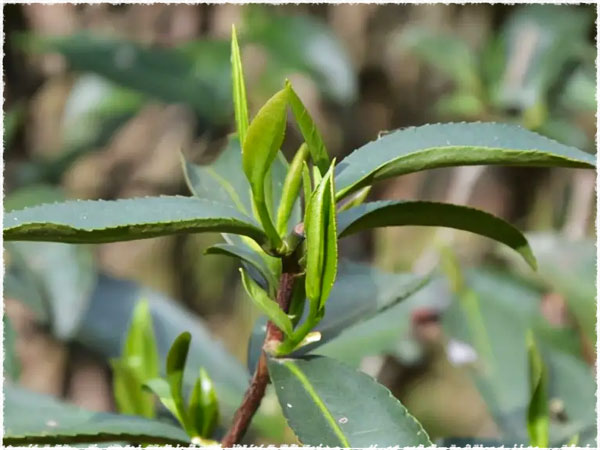
Wild Caicha is the oldest cultivar of Wuyi tea, and is also the representative species of medium- and small-leaf cultivars. It is a kind of short, small plant with thin branches, and reproduces sexually. Wild Caicha can be seen in the Tongmu and Da Anyuan state reserves; the plant is usually grown by seed propagation with natural hybridization among other tea trees, resulting in the mixed population diversity and different morphological characteristics between individual plants. Dahongpao, Baijiguan, Tieluohan, Shijingui, and Bantian’e are all selected from the rare Caicha, and as a result, this plant is regarded as an ancestor of many other tea varieties.
Customer Reviews
Related Products


























Reviews
There are no reviews yet.