
-
Fast ShippingFree shipping for orders above $40
to most countries. -
Secure PaymentPay with Paypal, Credit Card …
-
Carefully SelectedFrequently Visit Tea Gardens.
Taste Repetitiously -
15 Days RefundNo Questions Asked
Refund Policy
Bing Lang Xiang Liu Bao Cha Dark Tea 2014
Woody, betel nut aroma, mellow and robust
Price range: $4.50 through $71.76
Bing Lang Xiang Liu Bao Cha Dark Tea 2014
Woody, betel nut aroma, mellow and robust
Summary
| Origin: |
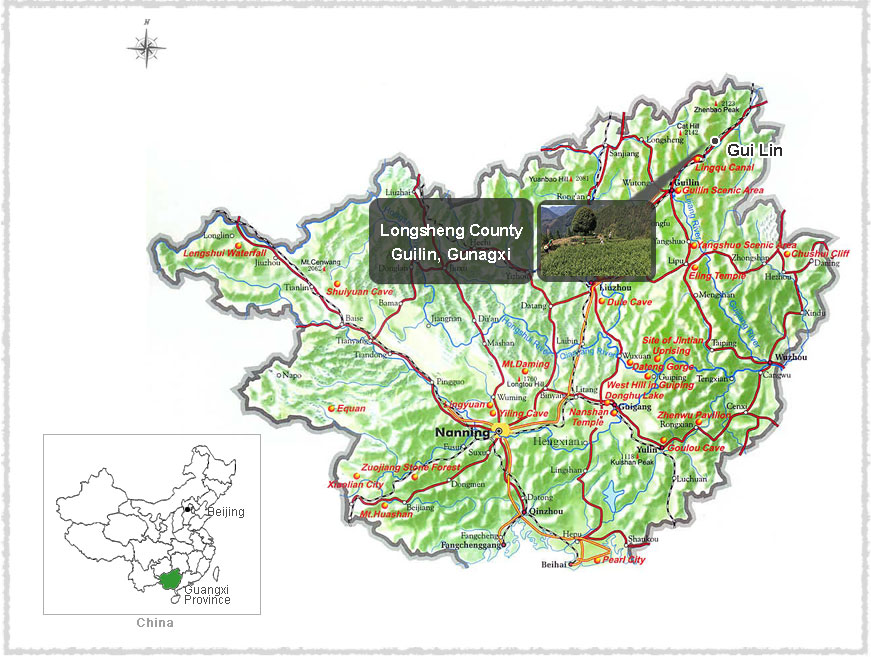
Longsheng County, Guilin City, Guangxi Province, China |
|---|---|
|
Harvest Date: |
Sep. 26, 2013 |
|
Aged From: |
March 18, 2014 |
| Dry Leaf: |
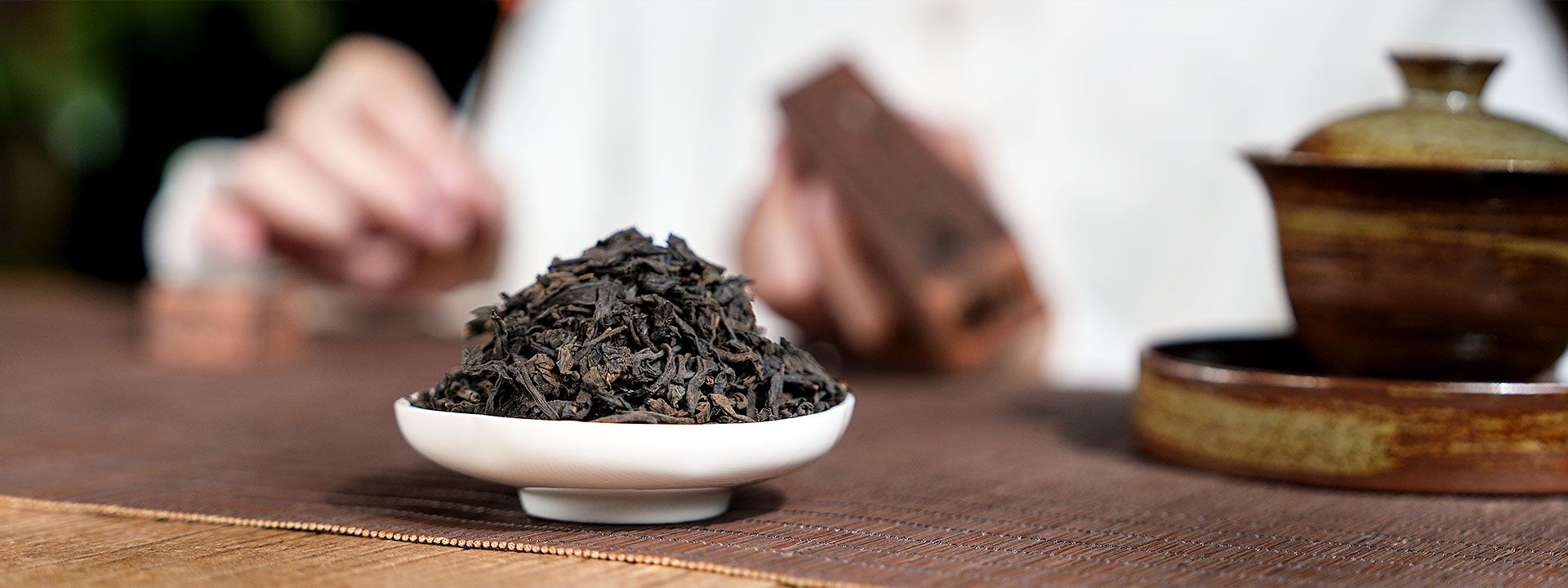
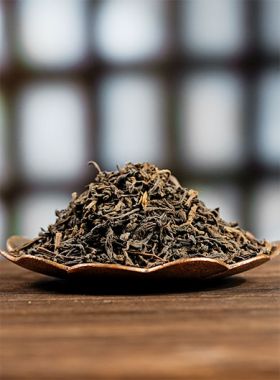
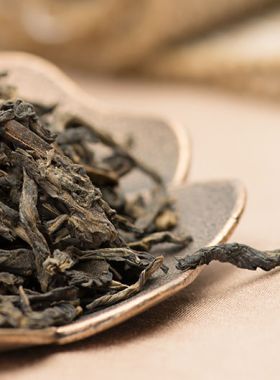
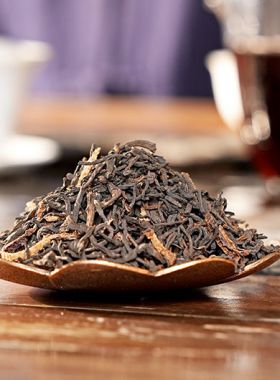
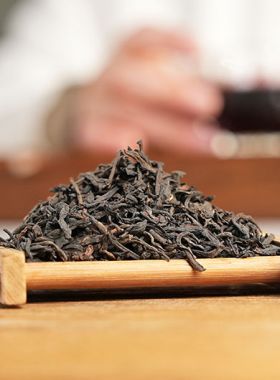
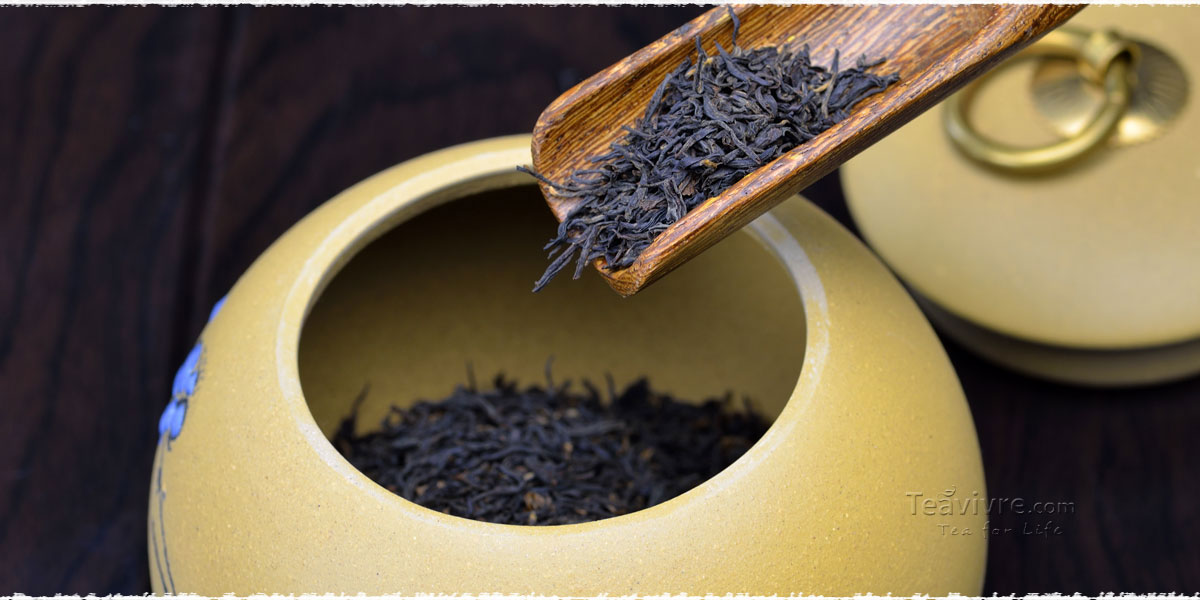
Plump leaves and dark brown in color, with a few tea stems |
| Aroma: |
Aged aroma, Woody, betel nut aroma |
| Liquor: |
Clear and bright deep red |
| Taste: |
Smooth and mellow, sweet and full-bodied; the betel nut and woody aroma are prominent with refreshing feeling after drinking |
| Tea Bush: |
Gui Qing tea species (about 30 years) |
| Tea Garden: |
Jiang Di Tea Garden (about 1000m) |
| Caffeine: |
Less than 40% of a cup of coffee |
| Storage: |
Store in cool, dry place away from sunlight; keep ventilated |
| Shelf Life: |
The aged the better |
Angel's Comment:
The key fragrance note: betel nut fragrance; the compound note is aged and woody aroma; tea liquor is bright, mellow and smooth.
This Bing Lang Xiang Liu Bao tea uses 2013 harvested leaves, and started aging since 2014. Aging stands as a critical phase in Liu Bao production—requiring extended maturation (months to decades) in region specific cellars with stable temperature and humidity. This transformative process elevates the tea’s quality: shedding young tea’s astringency and pile-fermentation notes while developing mellow depth, aged aroma, and silky texture. Upon unsealing the package, you may detect slight fermentation odor, and will be largely eliminated after the initial rinse. The tea liquor pours clear and bright, revealing pronounced woody and aged notes. The taste is robust with explosive betel fragrance, followed by lingering sweetness and a subtle cooling sensation.
About Hei Cha (Dark Tea)
Hei Cha or Dark Tea, one of the six major types of Chinese tea, is renowned for its unique fermentation process and health benefits. Unlike green tea, black tea, and other types of tea, dark tea undergoes a post-fermentation process, which imparts its distinctive flavor and color. There are many varieties of dark tea, including Pu-erh tea, Liubao tea, and Anhua dark tea, each with its unique flavor and production technique.
The fermentation of dark tea is carried out by the action of microorganisms, during which the color of the tea leaves changes from green to dark brown, and the taste evolves from initially astringent to mellow.
You may be curious about the differences between Ripe Pu-erh and Liubao tea, first of all, they are both belong to the category of dark tea. Ripe Pu-erh is primarily produced in Yunnan Province, China, with the main raw material being the Yunnan big-leaf variety. Pu-erh tea is divided into raw Pu-erh and ripe Pu-erh, with the latter being made through an artificial fermentation process known as "wet piling fermentation". This process usually takes place under certain humidity and temperature conditions, with the degree of fermentation controlled manually, allowing the tea leaves to ferment in a relatively short period.
On the other hand, Liubao tea comes from Liubao Town and its surrounding areas in Wuzhou City, Guangxi, China. The main raw material is the local medium-leaf variety of tea tree, and Liubao tea typically undergoes natural fermentation, which takes a longer time and even over years.
Recommend Brewing Method
 |
Cup Method |
 |
Chinese Gongfu Method |
 |
Teacup: 12oz / 355ml | |
Gaiwan: 3.8oz / 110ml |
 |
212℉ / 100℃ | |
212℉ / 100℃ |
 |
2 teaspoons / 4g Tea | |
8g Tea |
 |
Brewing time: 5 - 8 mins | |
12 steeps: rinse, 5s, 5s, 10s, 10s, 20s, 20s, 30s, 40s, 50s, 70s, 90s, 120s |
Tea Garden
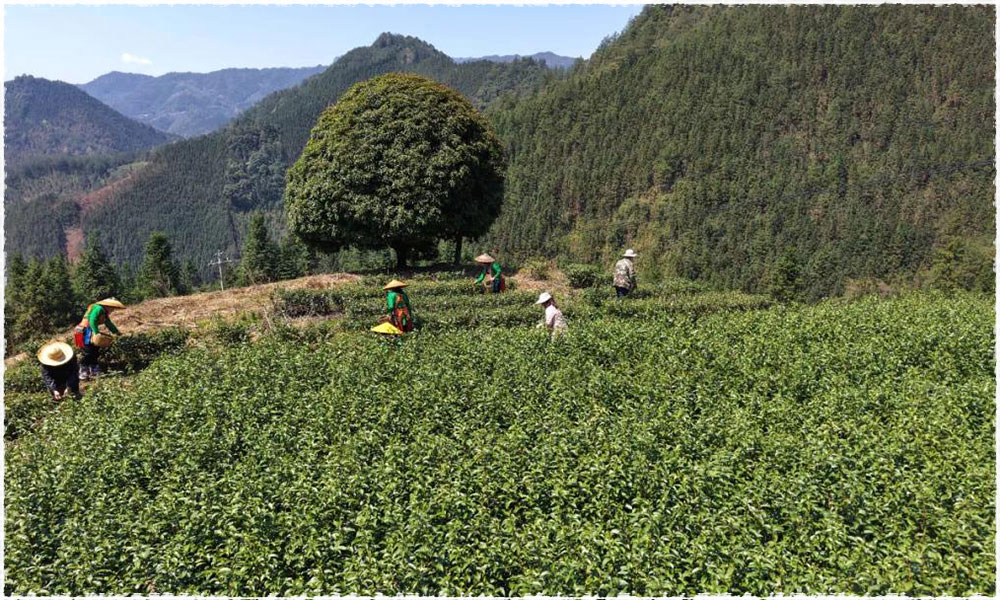
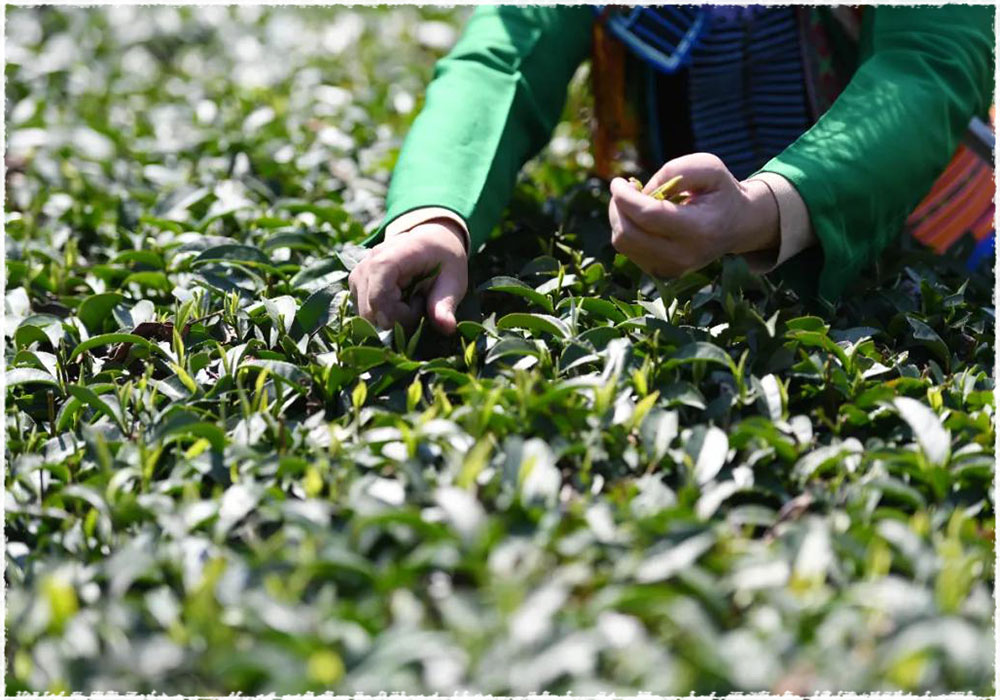
Jiang Di Tea Garden lies in Longsheng County, Guilin, Guangxi, deep within the Nanling Mountains under a typical mid-subtropical humid monsoon climate. Benefiting from high elevation, even in midsummer, it remains far cooler and more comfortable than downtown Guilin below, with exceptionally fresh air. The area receives 1,500-1,800 mm annual precipitation, particularly abundant in spring and summer. Acidic red and yellow soils—formed from weathered sandy shale and granite—are widely distributed here. Loose, fertile, and exceptionally well-draining, they create tea plants’ ideal habitat. The deep soil strata abound in organic matter and minerals essential for tea growth, endowing the leaves with distinctive flavors.
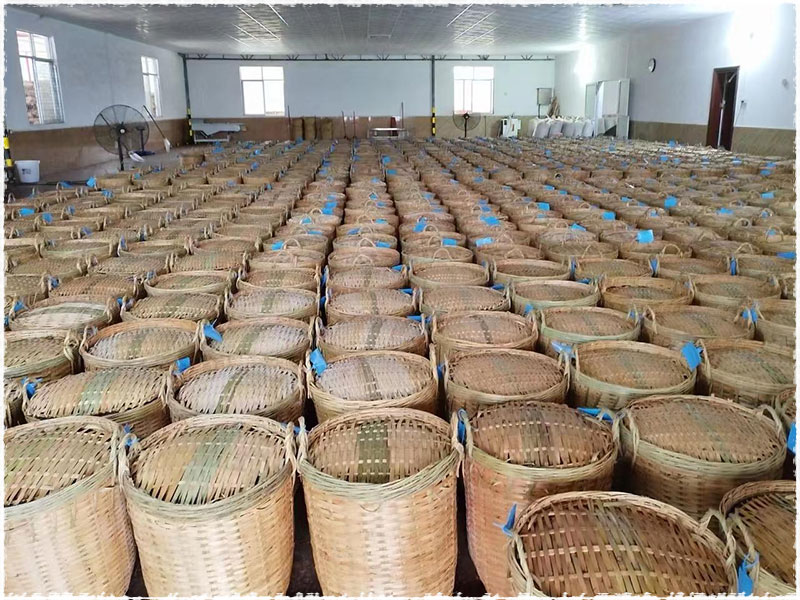
Agd room for Liu Bao tea
Tea Master
Mr. Wang was born in Wuzhou City, Guangxi. With decades dedicated to Liu Bao tea cultivation and production, he not only founded his own Liu Bao tea factory but also serves as the representative inheritor of the Intangible Cultural Heritage—Liu Bao Tea Cold-Water Fermentation Technique. Moreover, he also cooperated with another intangible cultural heritage inheritor, Master Hu Ling, to study the production and fermentation technology of Liu Bao tea, and is committed to making high-quality tea with heart and promoting it to all parts of the world.
Origin
Guilin, Guangxi, lies within a subtropical humid climate zone, featuring distinct seasons and abundant rainfall. Its mountainous terrain fosters optimal tea growth, with gardens predominantly distributed over 700 meters above sea level. These natural conditions create a unique terroir, endowing local teas with fresh fragrance and sweet mellowness. Guilin’s tea culture dates back to the Tang Dynasty when it served as a critical tea trade route linking the Central Plains to Lingnan. During the Song Dynasty, its tea industry flourished into a nationally significant production hub, and by the Ming-Qing period, it had become a designated source of imperial tribute tea.
Tea Bush
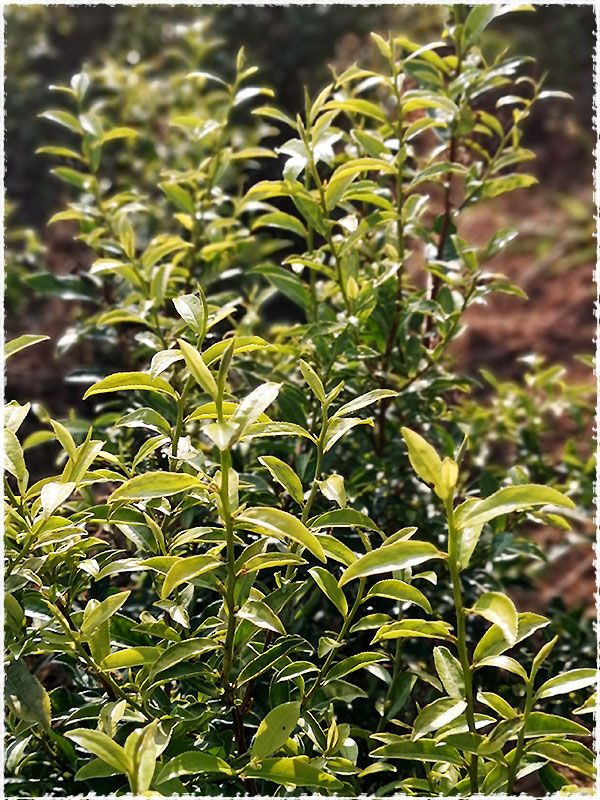
Gui Qing tea species is a tea cultivar endemic to Guangxi, primarily thrives in Wuzhou’s core Liu Bao tea production zones. Compared to Guangxi large-leaf tea species and Liu Bao Qunti tea species, Gui Qing exhibits delayed bud emergence and prolonged growth cycles—resulting in fuller nutrient accumulation. Its thick, deep-green leaves and robust buds harbor exceptionally rich compounds, making it uniquely suited for crafting post-fermented Liu Bao tea.
History
Liu Bao tea has a history stretching back longer than 1500 years as a unique traditional tea from Guangxi. During the Qing dynasty it was listed as one of the 24 most famous Chinese teas for its unique betel nut aroma; then through the Maritime Silk Road, it was exported to southeast Asia and other countries through the 19th century, and has gradually become an indispensable part of life for overseas Chinese or local tea lovers.
Honor
In 2006, liu bao won the only gold medal for the dark tea category in the Guangzhou, China International Tea Expo; in 2007 it was awarded a number of gold and Tea King awards by the nation and Autonomous Region; and in 2011, the former National Bureau of Quality Inspection approved the implementation of protection of geographical indications for the tea type.
Customer Reviews
Related Products
Reviews
There are no reviews yet.