
-
Fast ShippingFree shipping for orders above $40
to most countries. -
Secure PaymentPay with Paypal, Credit Card …
-
Carefully SelectedFrequently Visit Tea Gardens.
Taste Repetitiously -
15 Days RefundNo Questions Asked
Refund Policy
Organic Premium White Peony (Bai MuDan) Tea
Peoke, fresh, mellow, sweet
Price range: $3.50 through $127.68
Organic Premium White Peony (Bai MuDan) Tea
Peoke, fresh, mellow, sweet
Summary
| Origin: |
Jiayang She Ethnic Township, Fuding City, Fujian Province, China |
|---|---|
| Season: |
Spring Tea |
|
Harvest Date: |
April 10, 2026 |
| Plucking Standard: |
One bud with two or three leaves |
| Dry Leaf: |
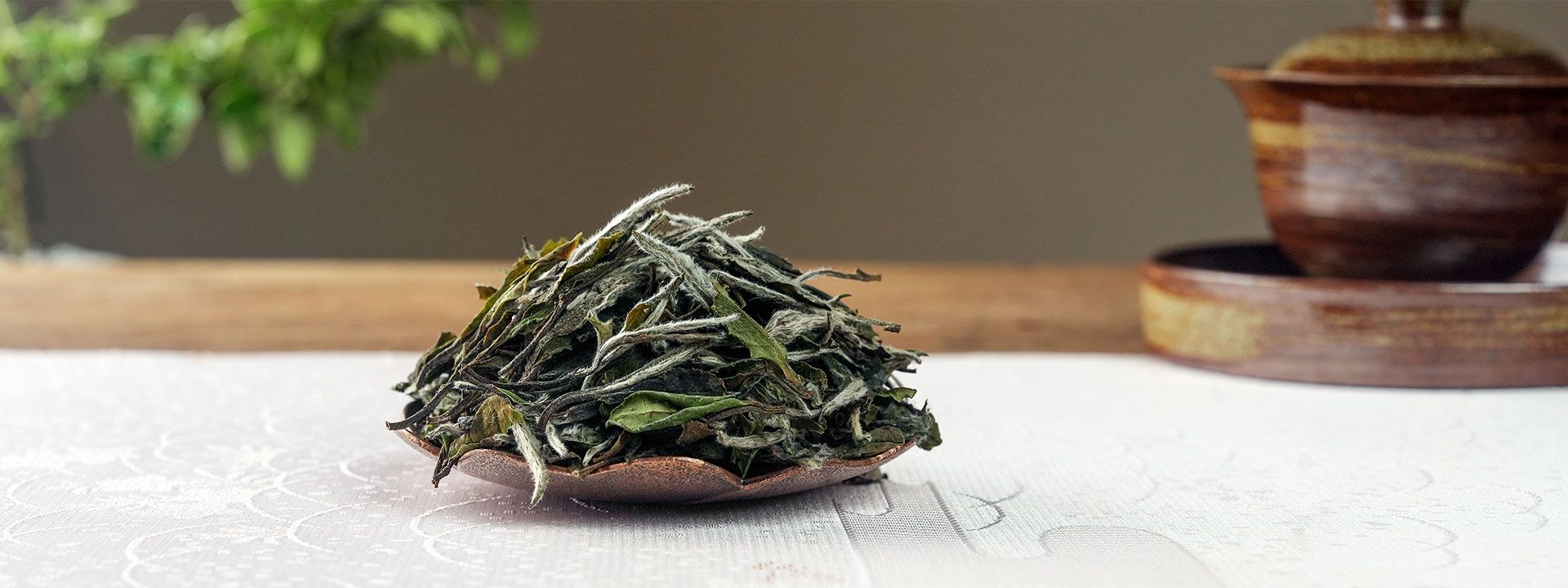
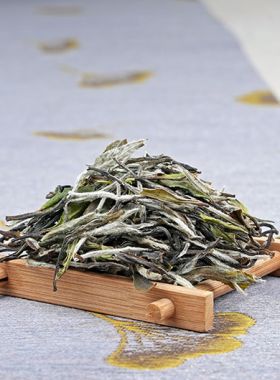
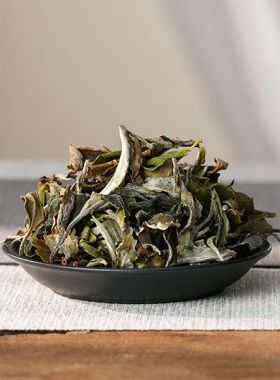
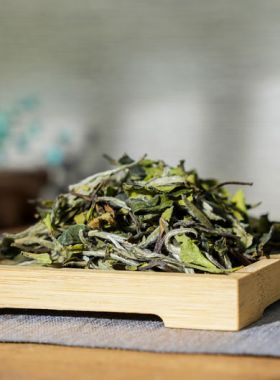
Straight tea buds covered in white hairs, tea leaves with light green or dark green color |
| Aroma: |
Pekoe, hay, slight floral fragrance |
| Liquor: |
Bright and light yellow |
| Taste: |
Soft and rounded, with a sweet, smooth quality and notes of floral and soy milk aromas |
| Tea Bush: |
Fuding Dabaihao (about 20 years old) |
| Tea Garden: |
Tianhushan Organic Tea Base |
| Caffeine: |
Low caffeine (less than 10% of a cup of coffee) |
| Storage: |
Store in airtight, opaque packaging; in cool, dry place |
| Shelf Life: |
The aged the better |
Angel's Comment:
This Organic Bai Mudan is great for preserved as the years goes, the tea will get better evolved.
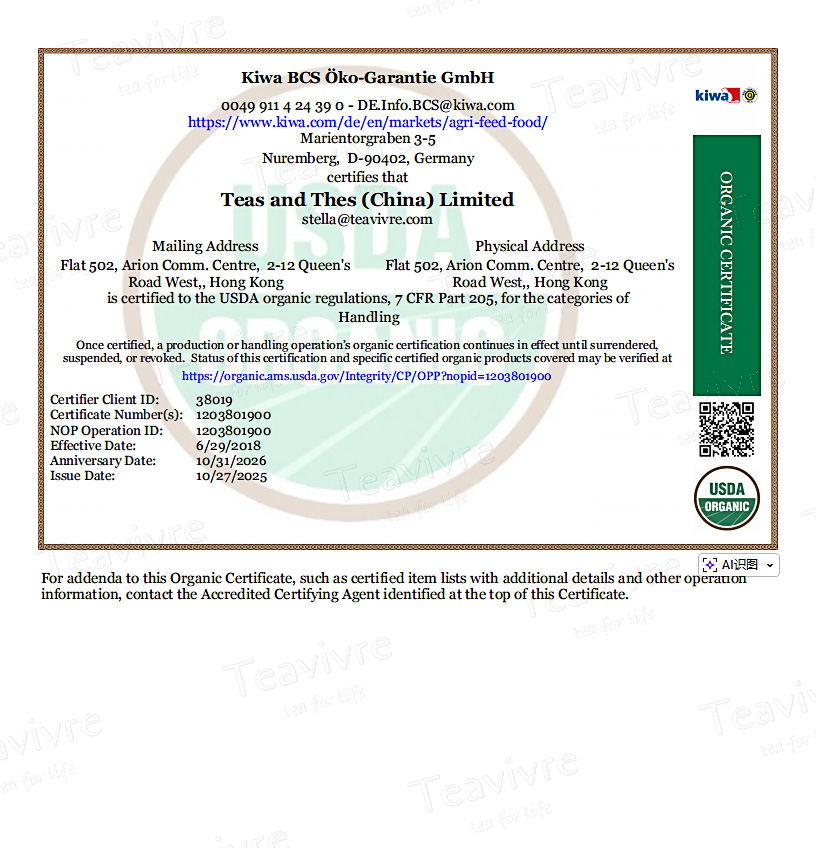
Certification
 |
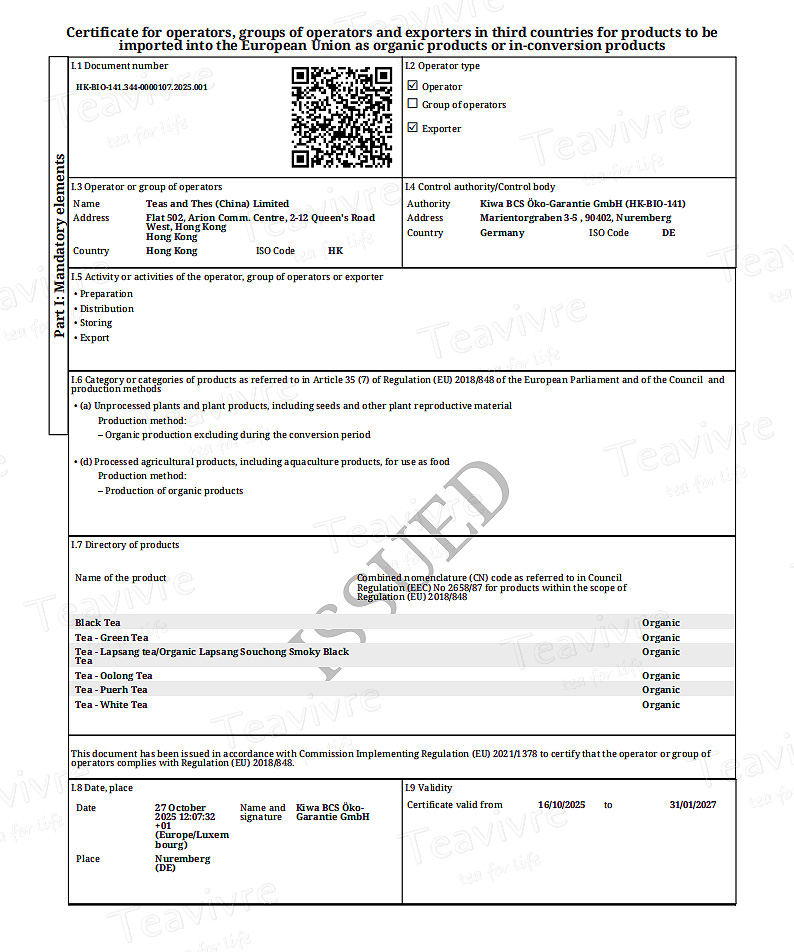 |
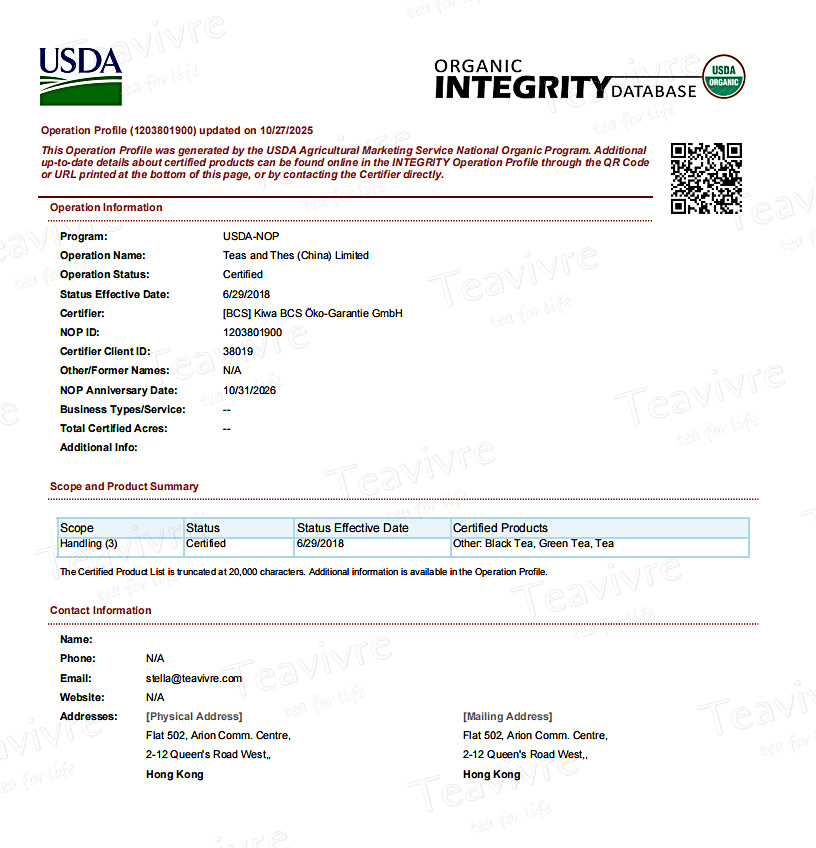
| USDA Certification (NOP ID: 1203801900) |
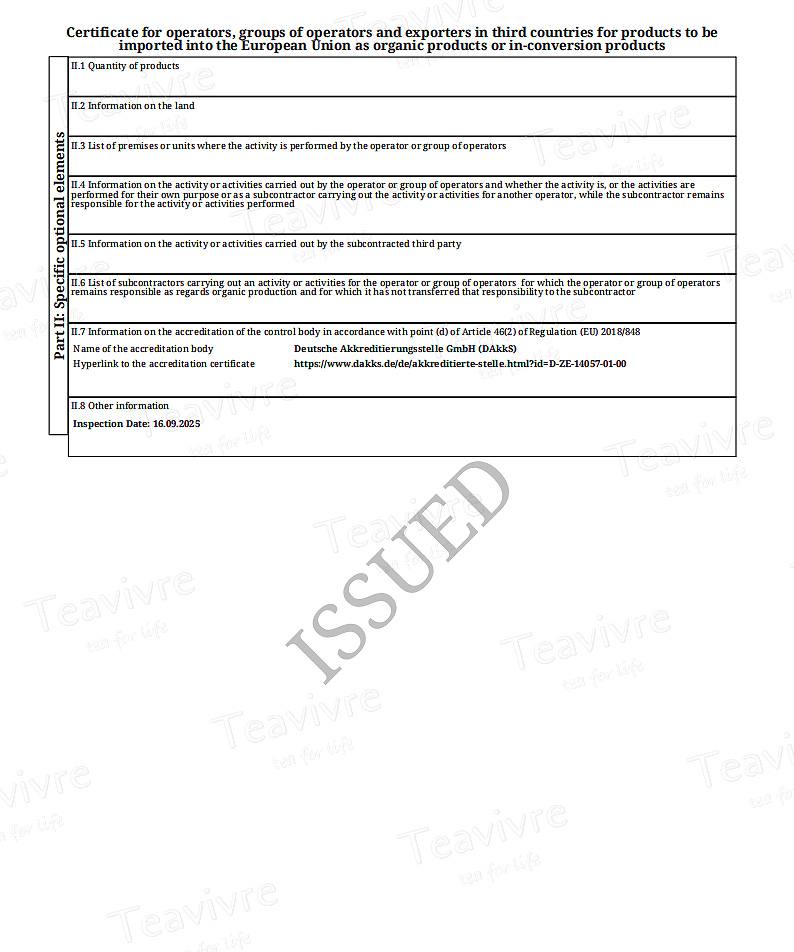
EU Certification (HK-BIO-141.344-0000107.2025.001) |
This Organic White Peony was harvested in spring 2026. The dry leaves are intact, with leaves and buds generously covered in fine, silvery-white hairs. When the dry leaves are warmed in the teaware, they quickly release a pekoe aroma, followed by a clean hay note and delicate floral note. Once brewed, the tea produces a clear, bright pale-yellow liquor with a subtle floral fragrance. The taste is soft and rounded and has a gentle sweetness. As the tea opens in the mouth, floral notes intertwine with a soft sweetness reminiscent of soy milk, leaving a clean, delicate sweet finish.
Recommend Brewing Method
 |
Cup Method |
 |
Chinese Gongfu Method |
 |
Teacup: 12oz / 355ml | |
Gaiwan: 3.8oz / 110ml |
 |
194℉ / 90℃ | |
194℉ / 90℃ |
 |
3 Teaspoons / 2.5g Tea | |
5g Tea |
 |
Brewing time: 3 - 5 mins | |
10 steeps: 10s, 10s, 10s, 15s, 20s, 25s, 35s, 50s, 70s, 90s |
Tea Garden
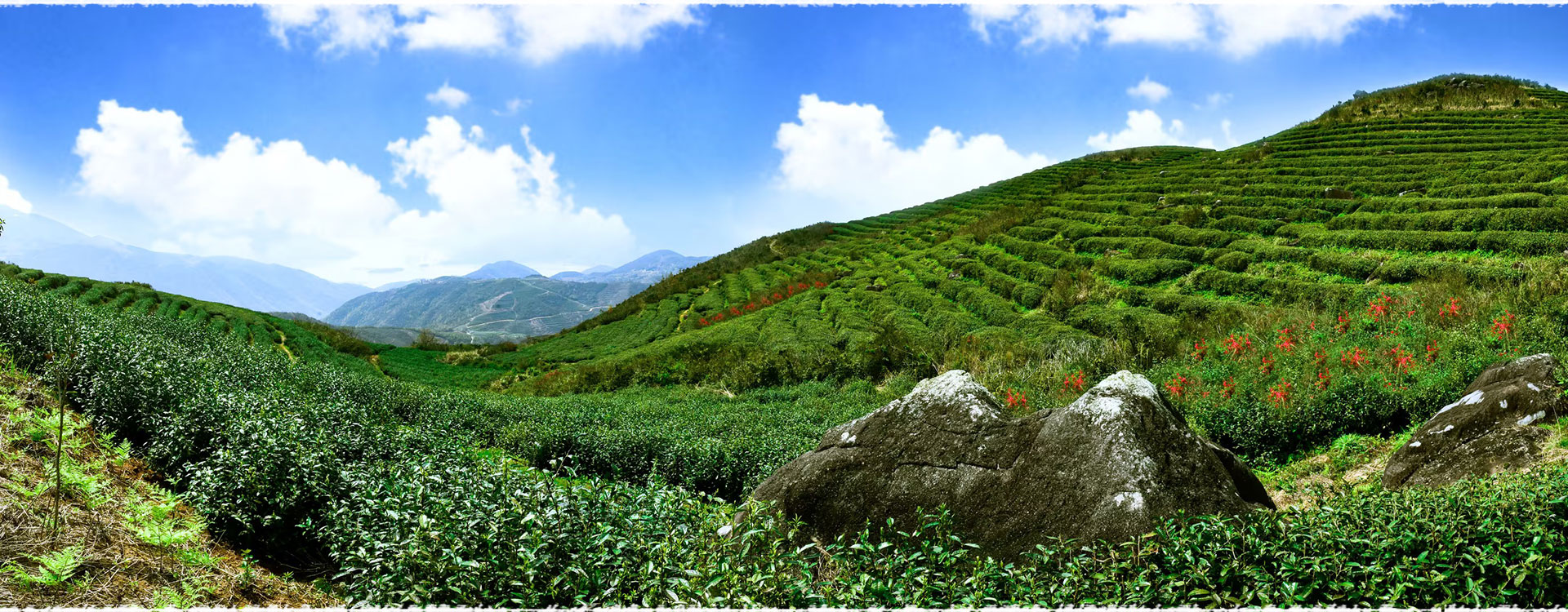
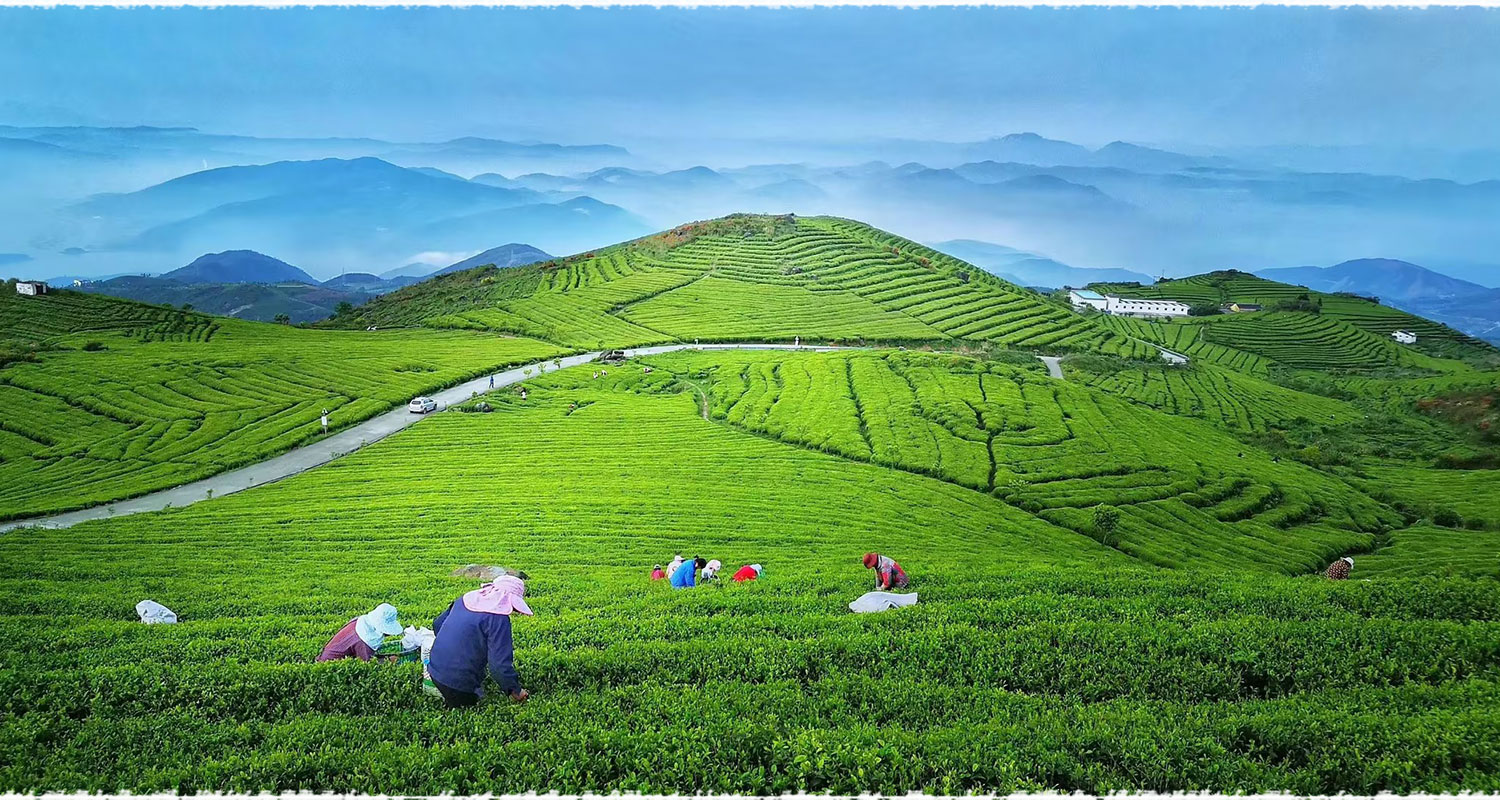
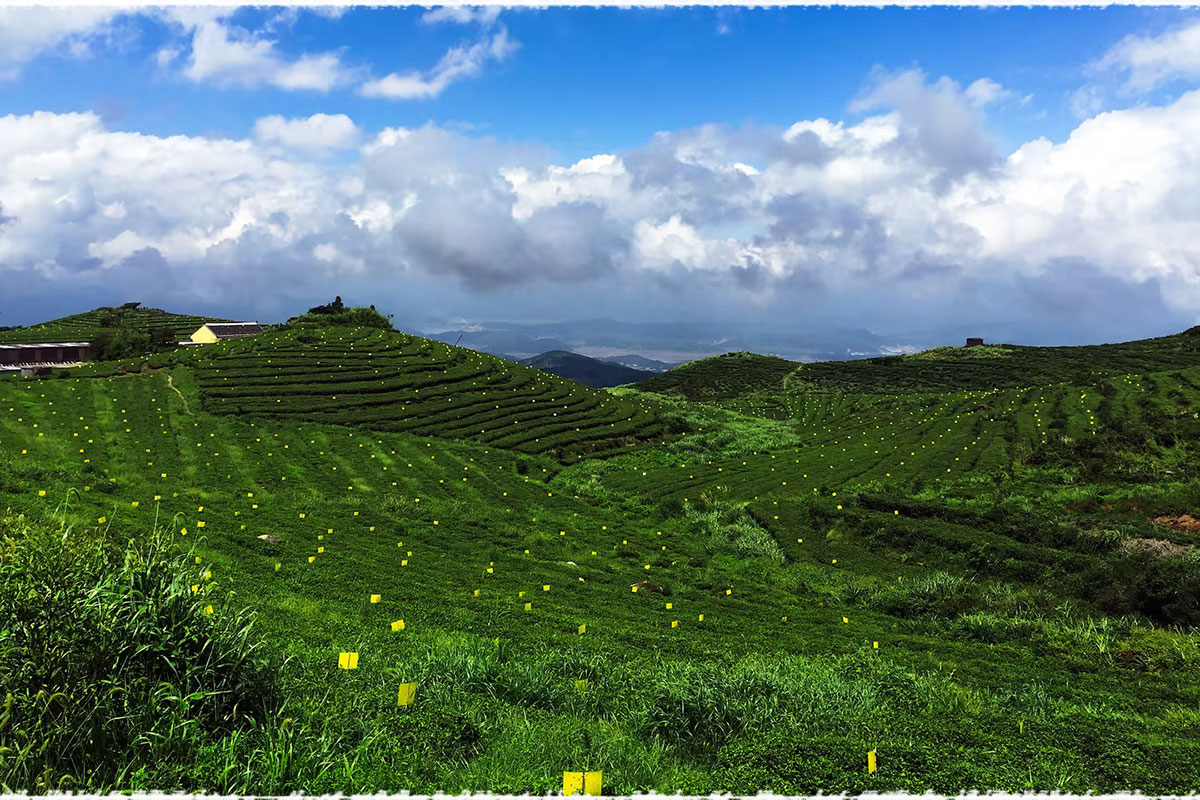
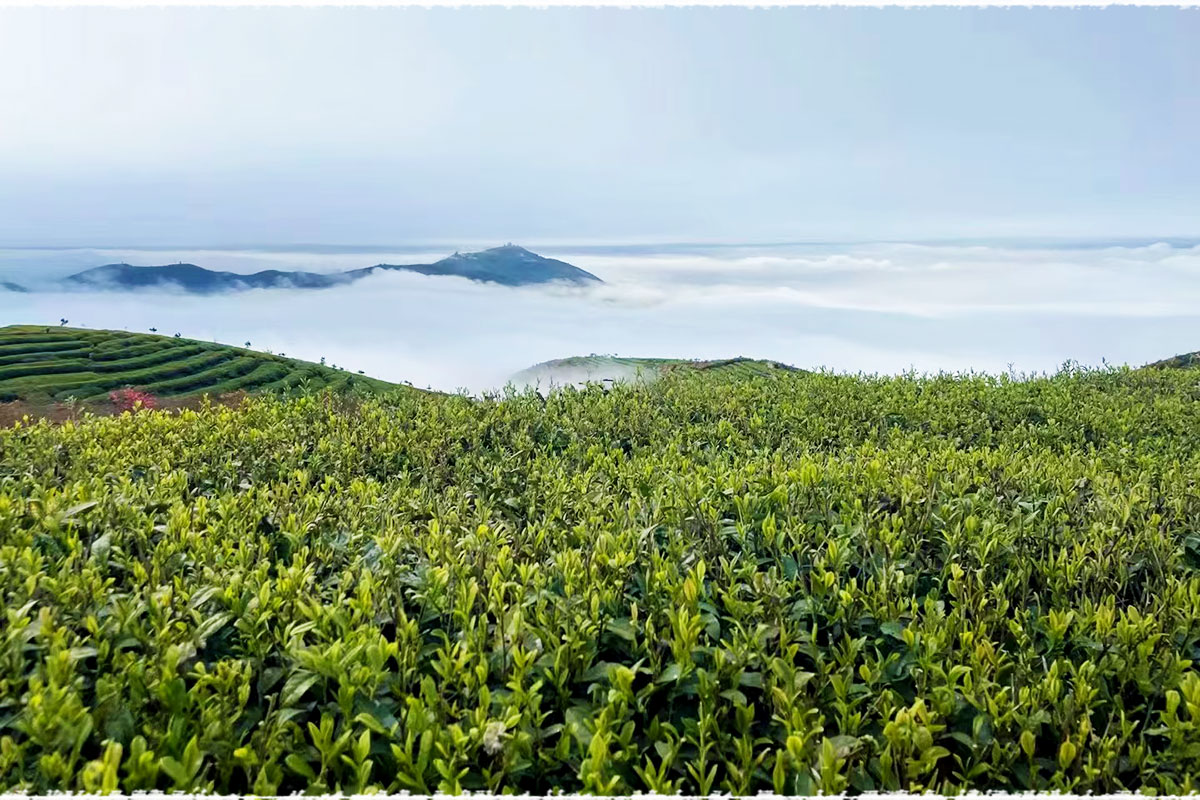
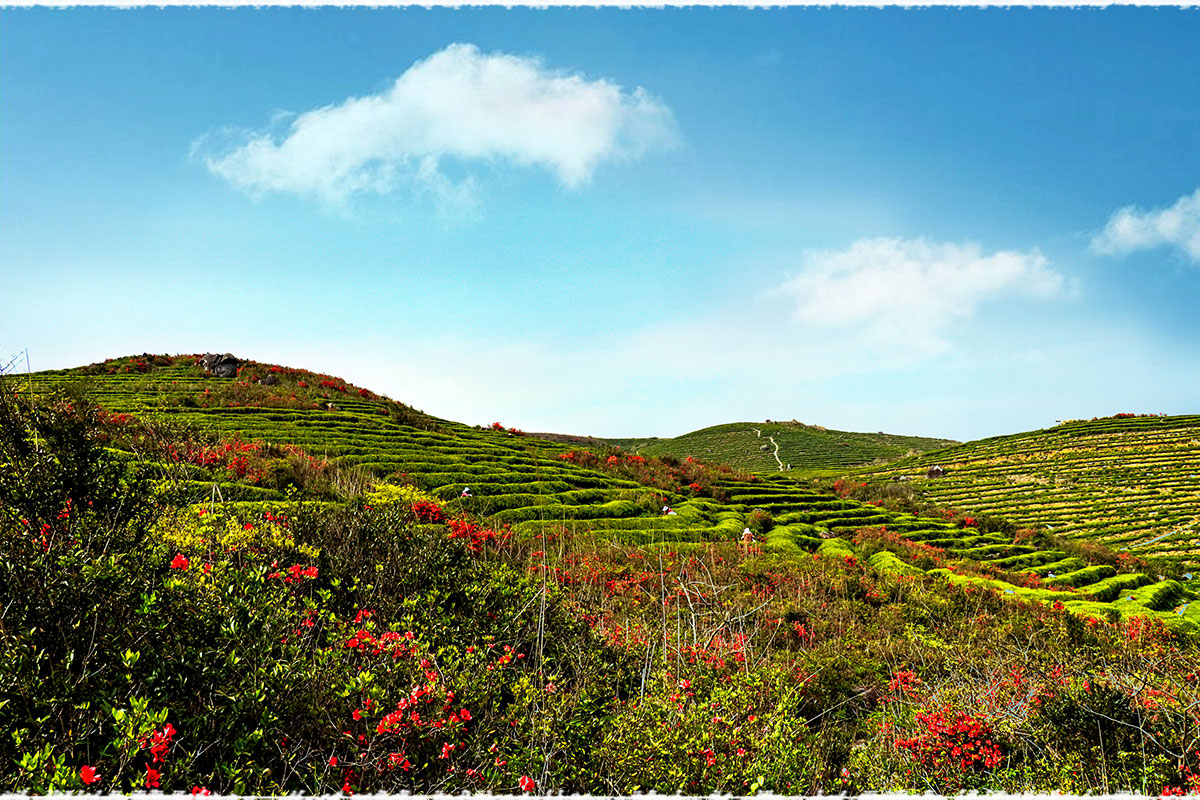
Tianhushan Organic Tea Base is located in Jiayang She Ethnic Township, Fuding, Fujian, at an elevation of around 800 meters. Surrounded by rolling mountains and often veiled in mist, the area enjoys a cool, humid mountain climate and a suitable day-night temperature range, creating favorable natural conditions for tea cultivation. The tea gardens follow organic farming practices and primarily grow the Fuding Da Bai and Fuding Da Hao tea cultivars. Both are important cultivars for Fuding white tea, known for their plump buds and leaves covered with abundant fine hairs, making them particularly well suited to traditional white teas such as White Peony. Thanks to the higher elevation and favorable ecological environment, the tea plants grow at a relatively gentle pace, allowing the fresh leaves to develop rich internal compounds that contribute to the tea's fresh aroma and mellow, rounded character.
Origin
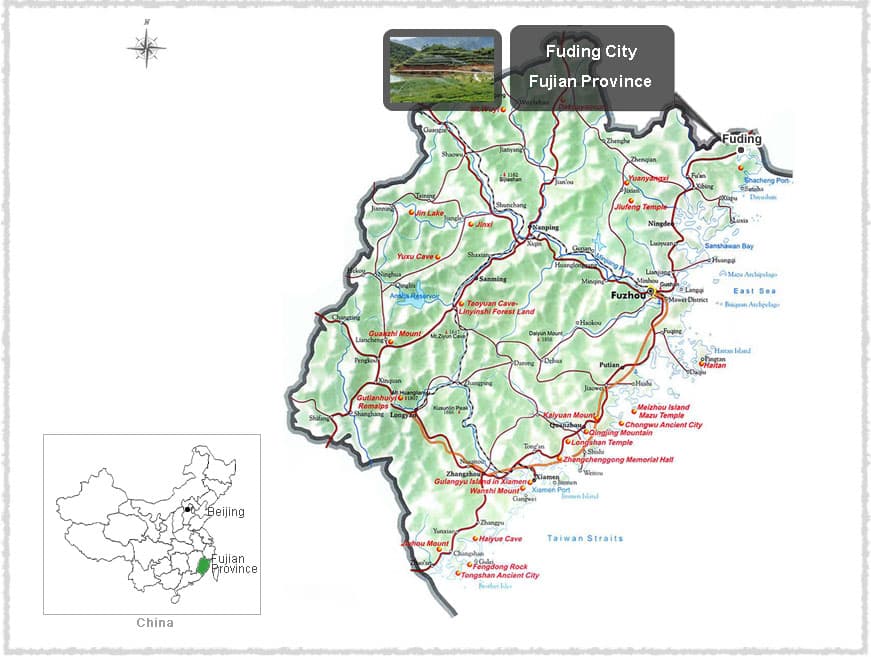
This Bai MuDan tea is produced in Fuding, a famous tea production area located in the northeast of Fujian Province. Fuding is of the subtropical monsoon climate, characteristic to coastal areas; it experiences an average annual rainfall of about 1661mm, and the average annual temperature is right around 18.5°C. This tropical, mountainous coastal area is perfect for growing pekoe, with abundant rainfall and temperatures neither too hot in summer nor too cold in winter; the mountains around the farms are more than 80% forested, which ensures the soil retains a high natural fertility and organic content. This in turn eliminates the need to use fertilizers.
Tea Bush
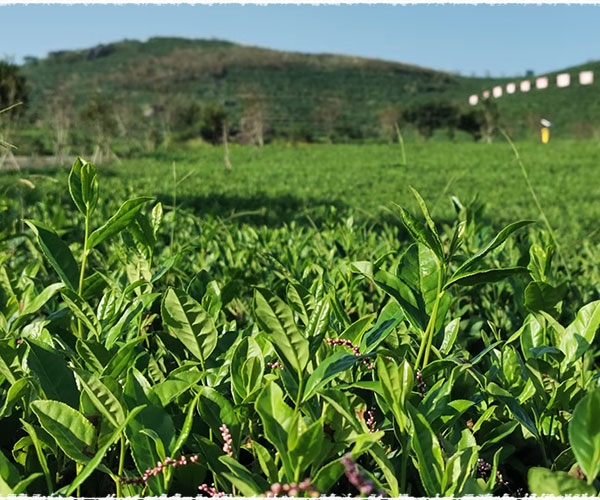
This white tea is made from the leaves of the Fuding Dabaihao plant, which propagates asexually and is shaped like a small tree, and in 1985 was certified as a national tea plant variety. It can grow up to 2.8m high with a thick trunk, and its spring leaves contain 1.8% amino acids and 28.2% tea polyphenols, marking it is an excellent base to make Silver Needle and White Peony tea.
History
Since both follow the same method of processing and use the same source plants, the histories of Bai MuDan and Silver Needle white teas are very similar, with the only difference being which parts of the plant are used.
White tea is the oldest form of Chinese tea. Farmers discovered that cooling, sun-drying, or baking the leaves ensured that the tea could be stored easily and then used at a later time; these steps of course formed the basis of the withering and drying processes that are still used to this day.
The Bai MuDan version of white tea, essentially the same as Silver Needle except for the leaf-bud ratio, was first produced in the early 1870s in the area around ShuiJi, in the Zhenghe county of Fujian province. Later on in the 1960s, production spread to the Songxi county in Fujian, and today the main production areas for Bai MuDan are these two counties as well as Fuding and Jianyang counties.
Customer Reviews
Related Products


























Reviews
There are no reviews yet.